Sedia Getsuen
Made by Edra
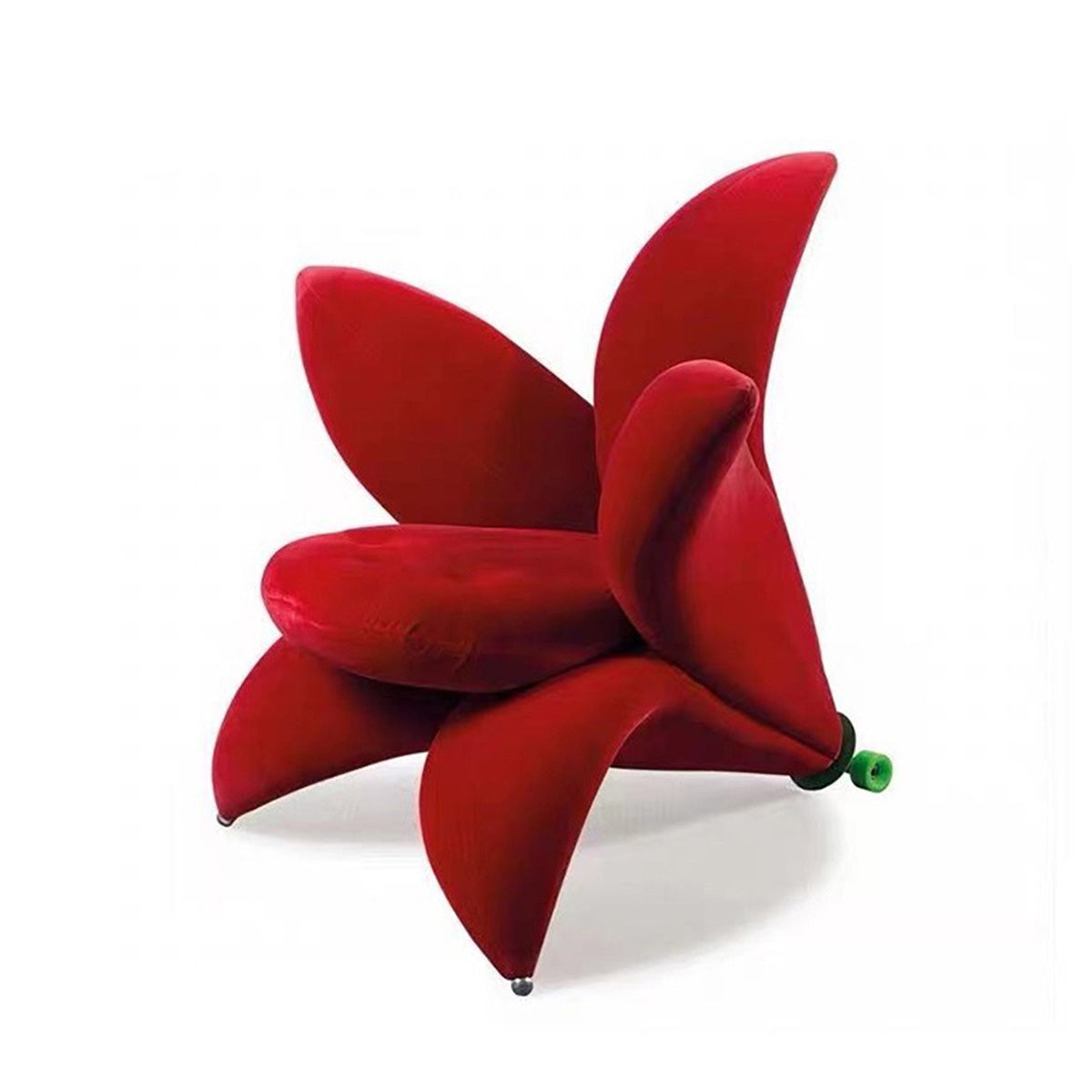
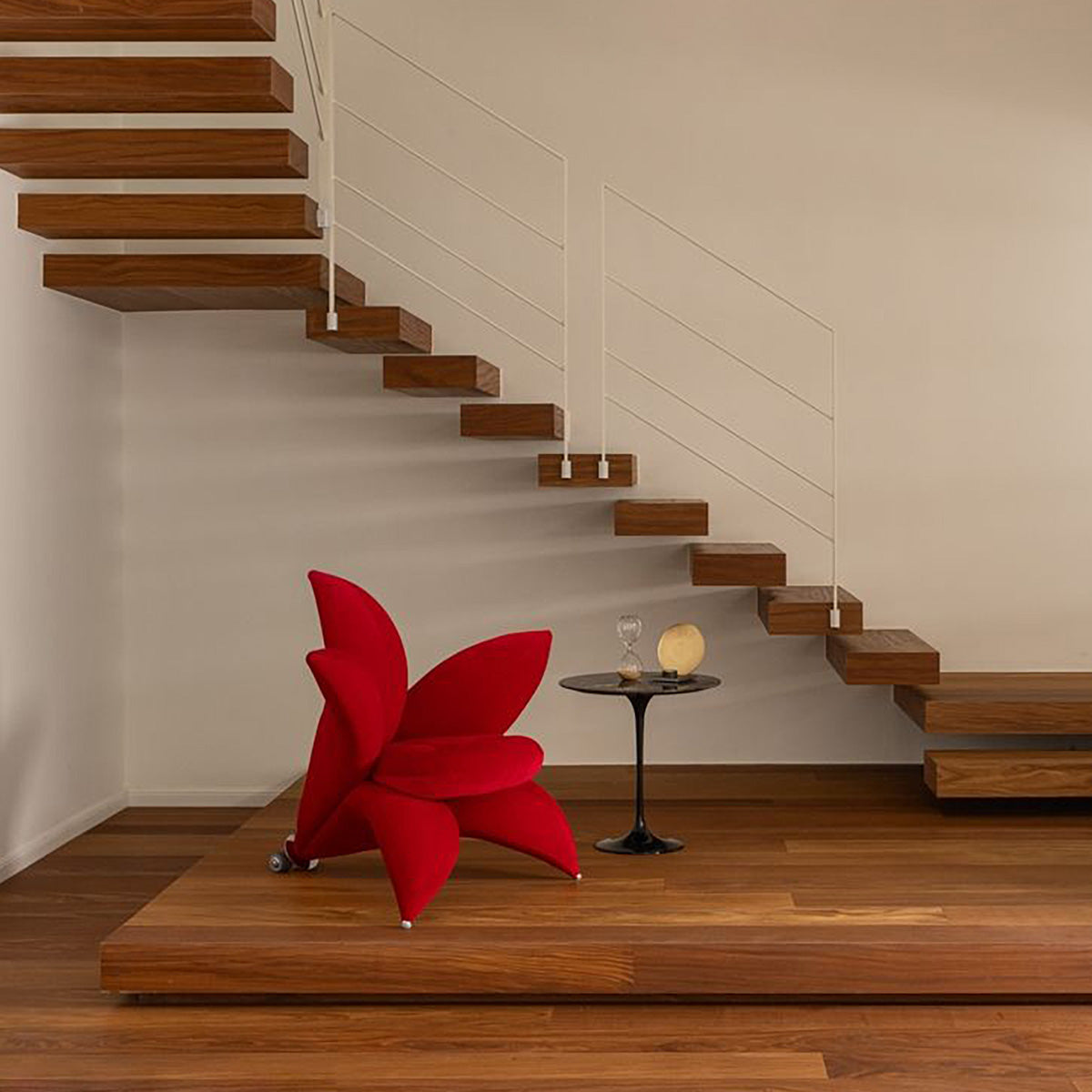
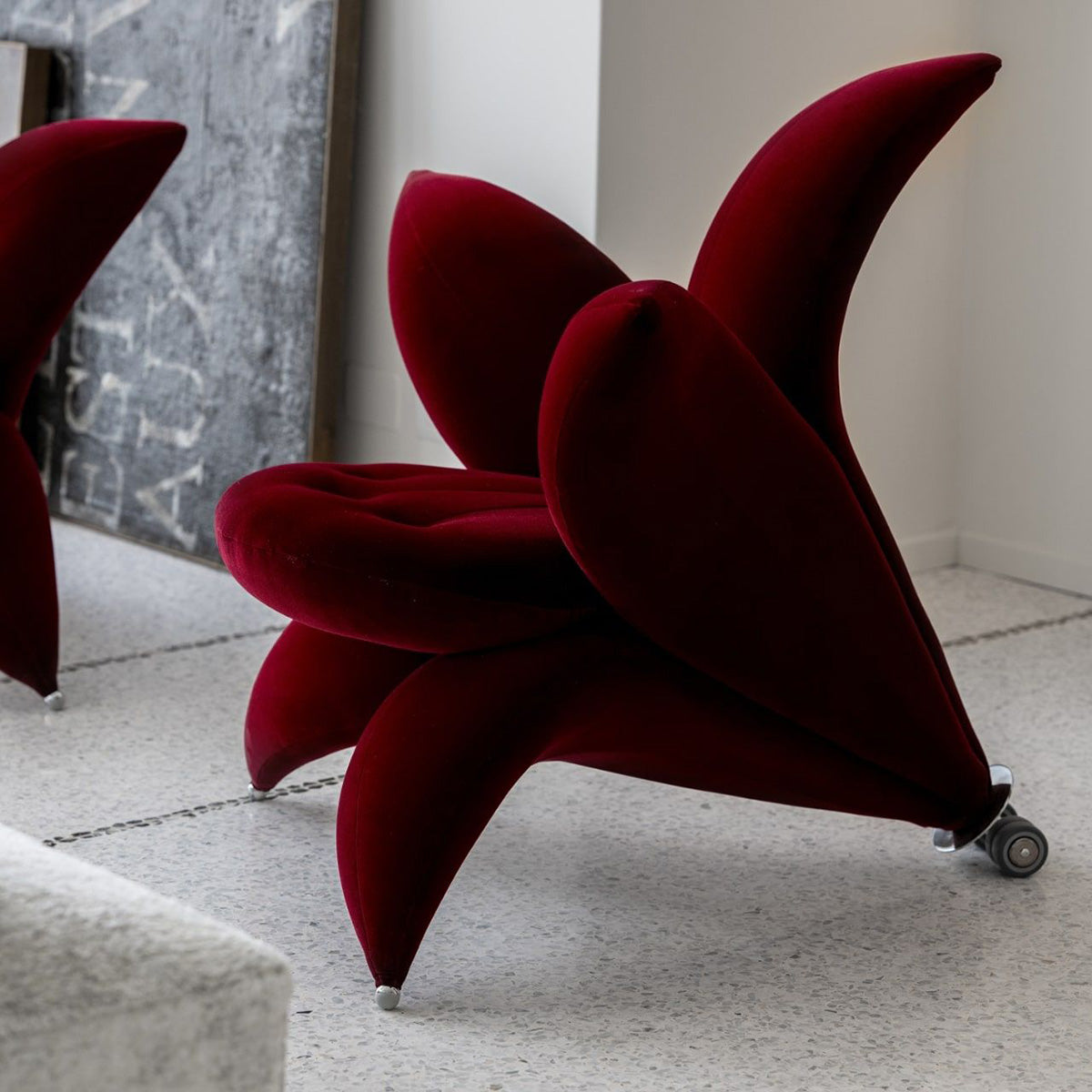
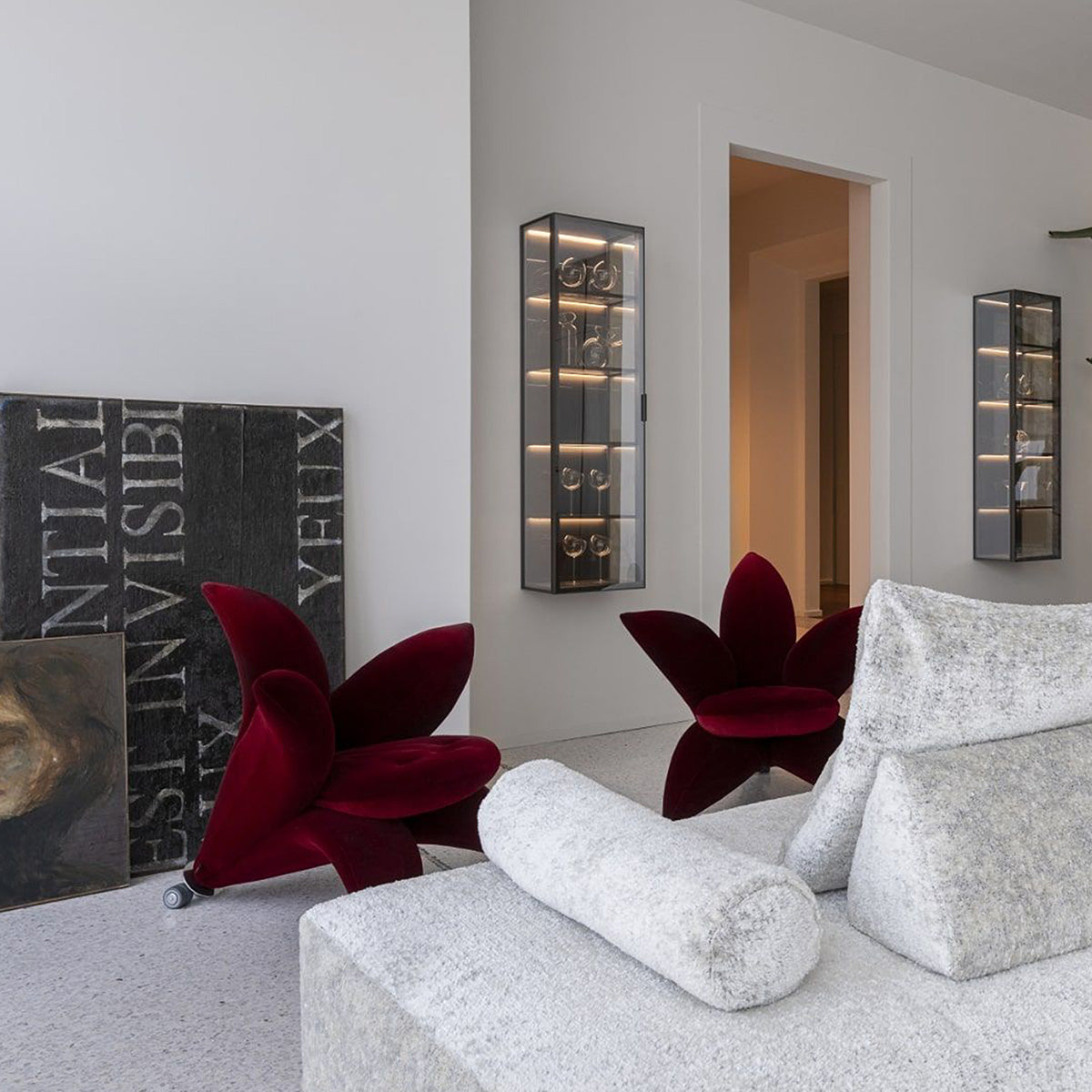
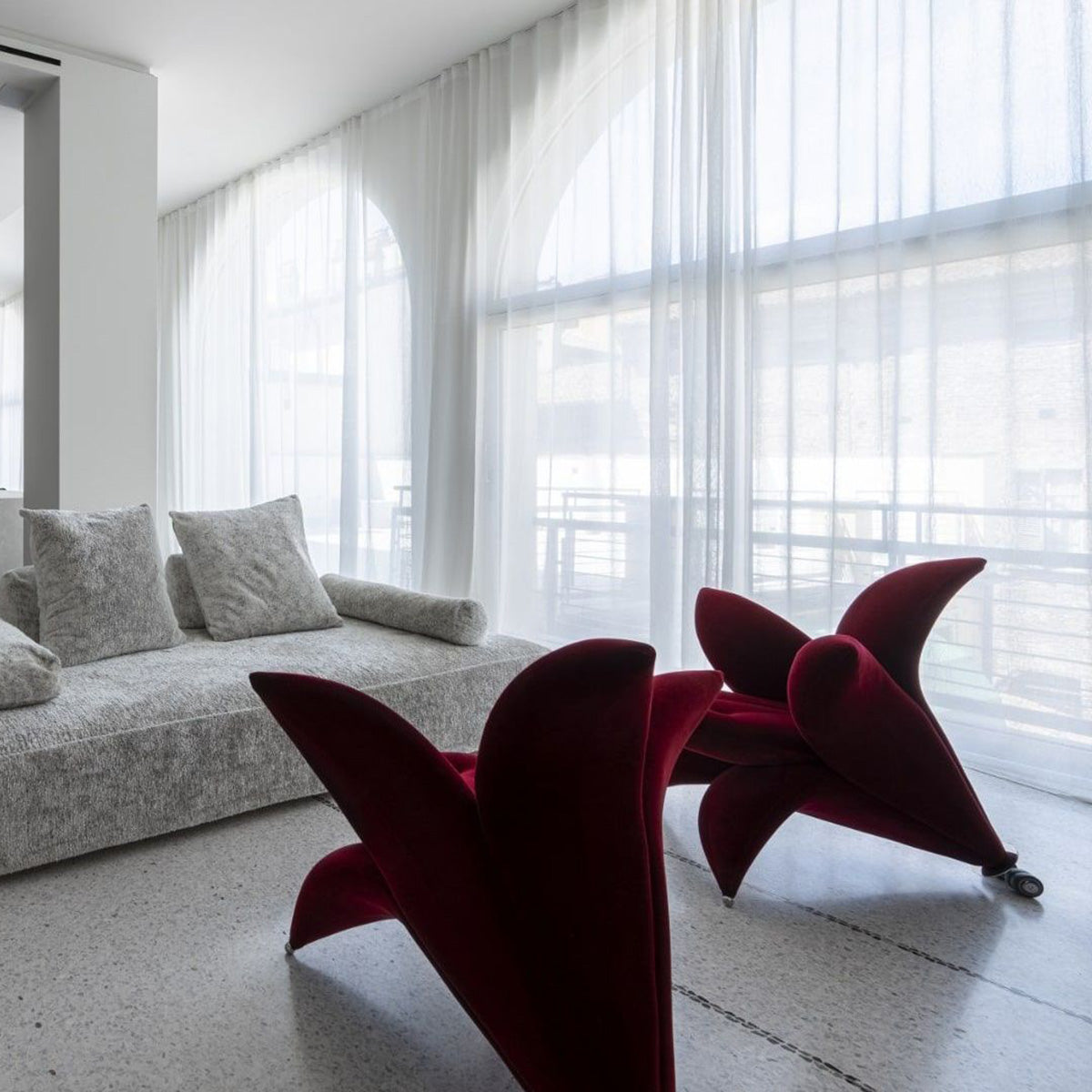
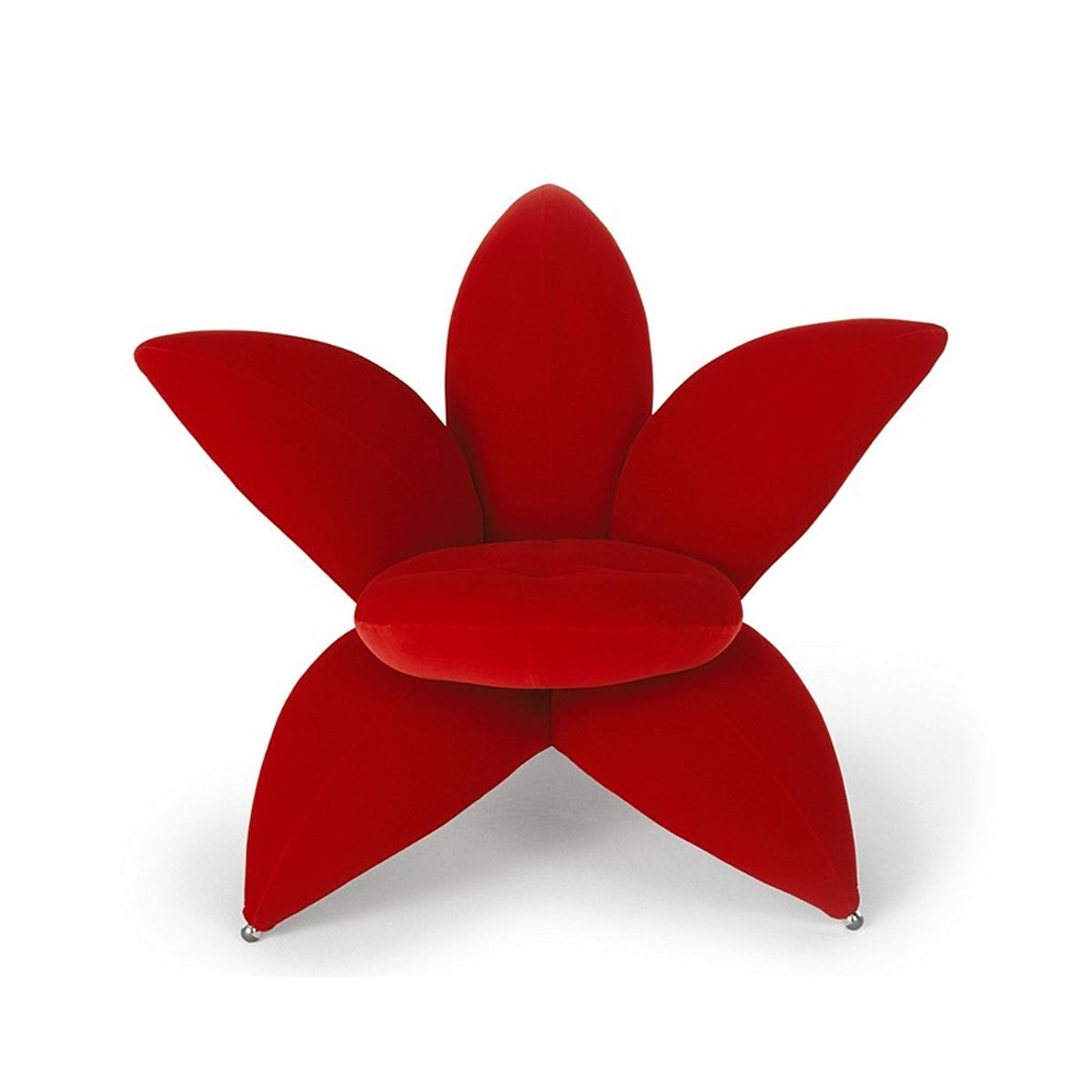
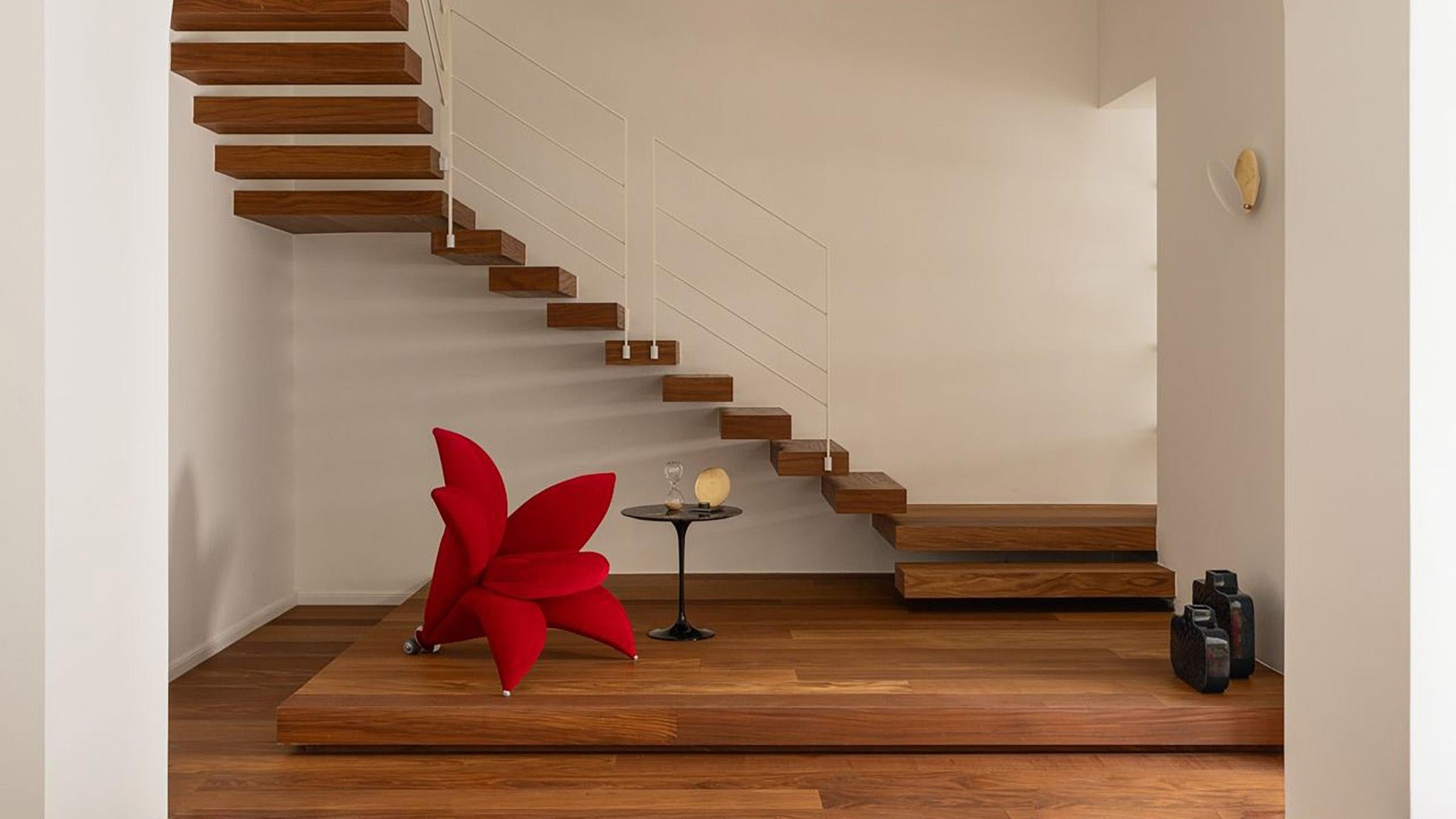
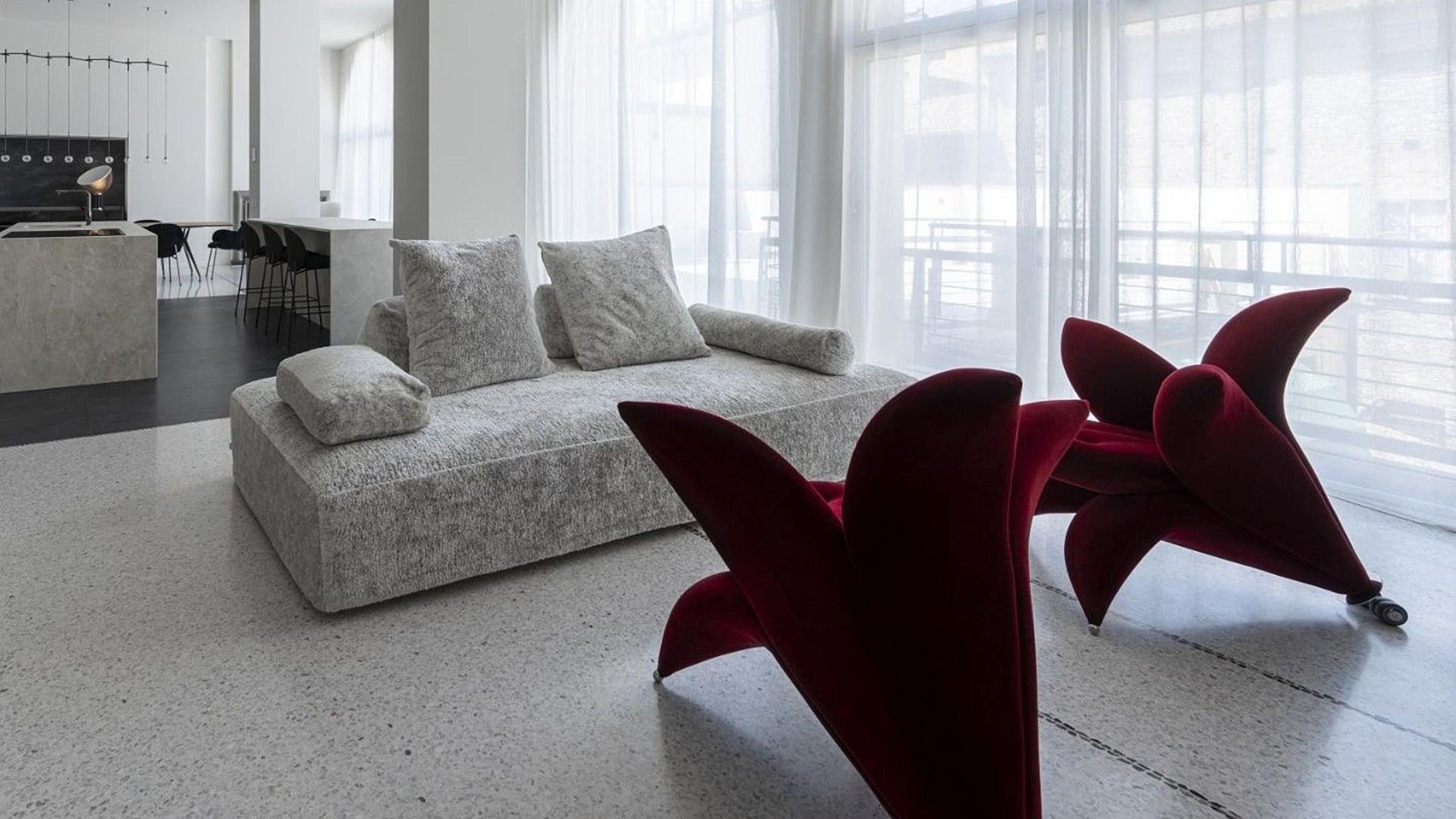
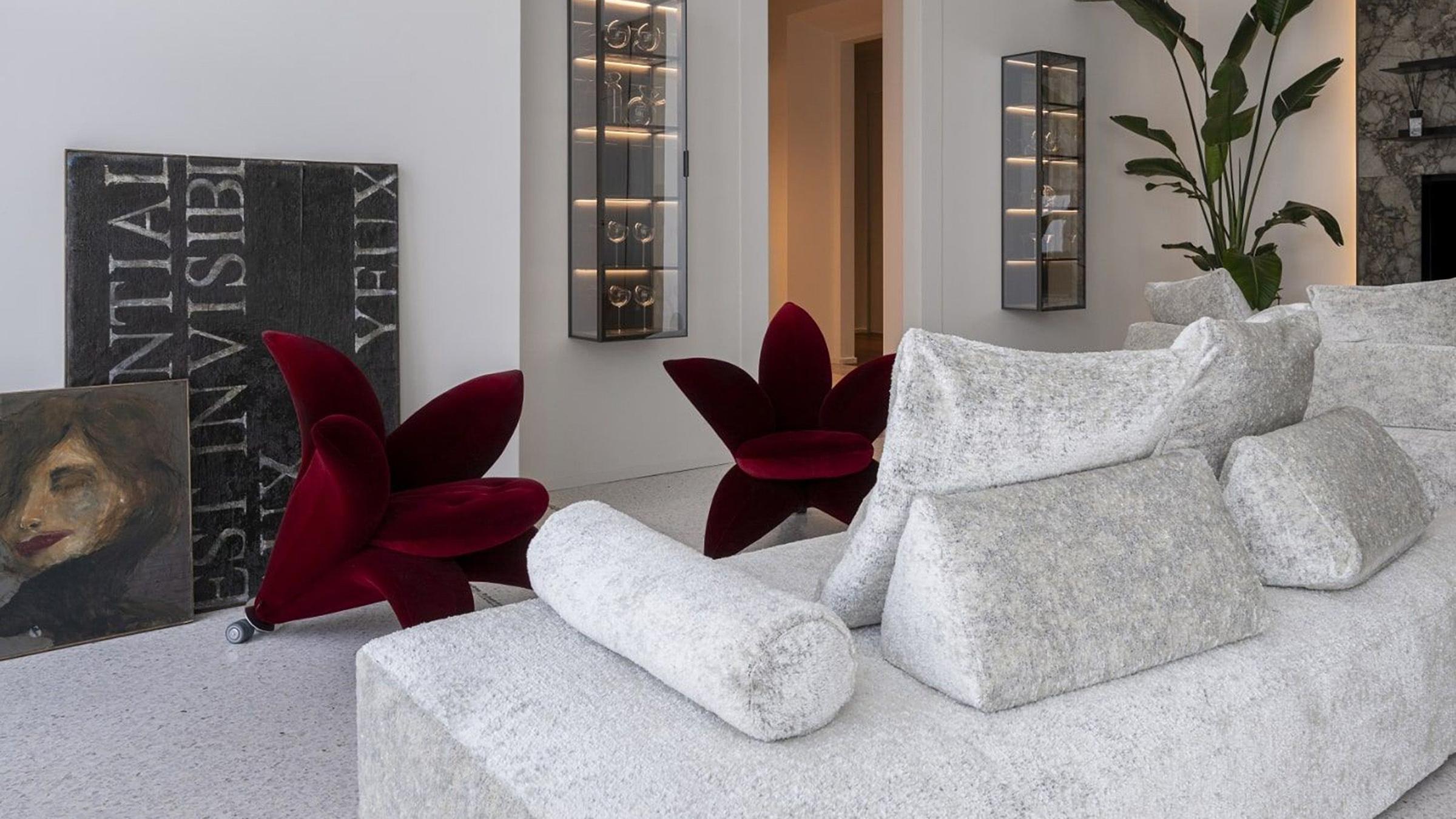
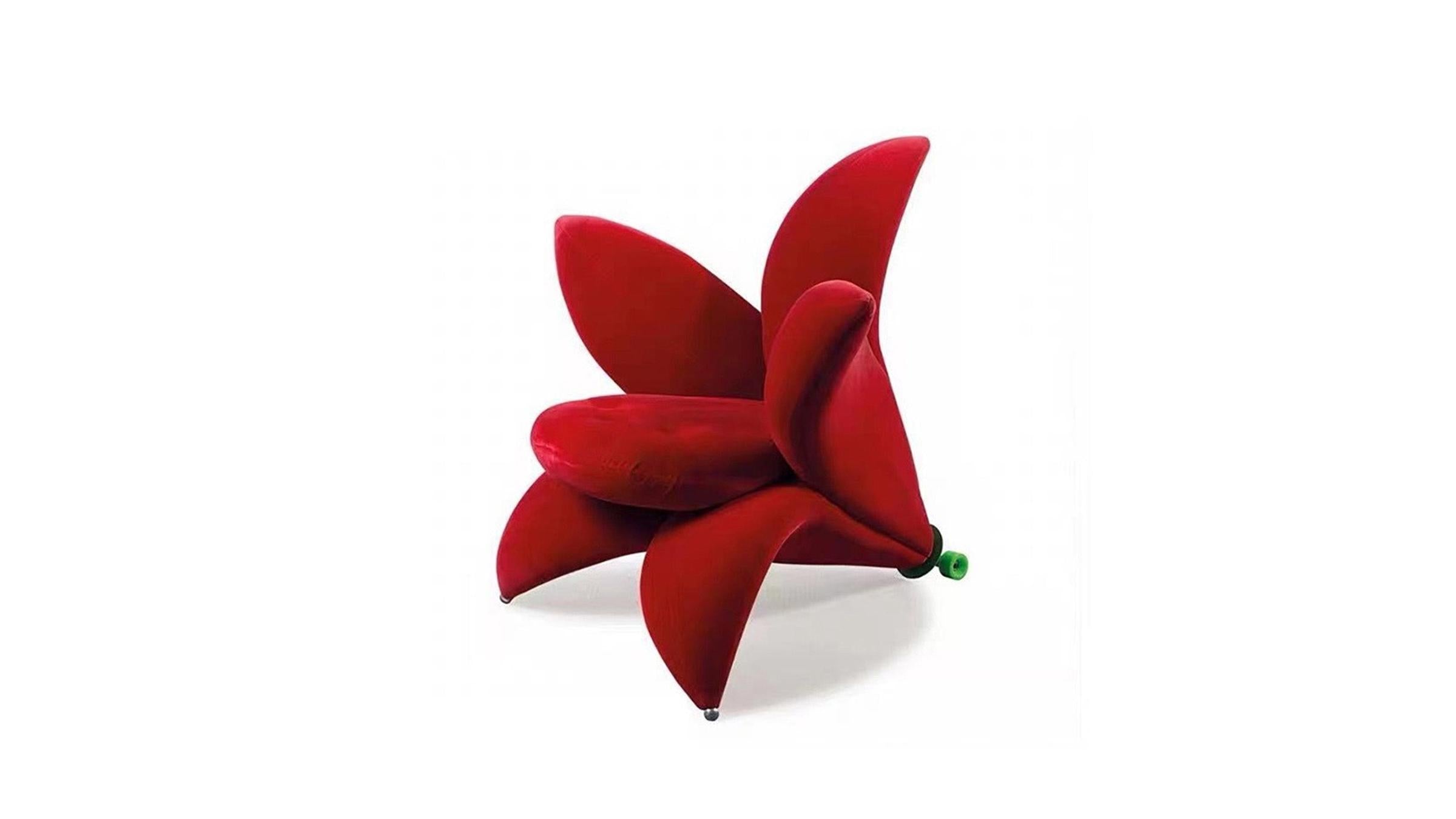
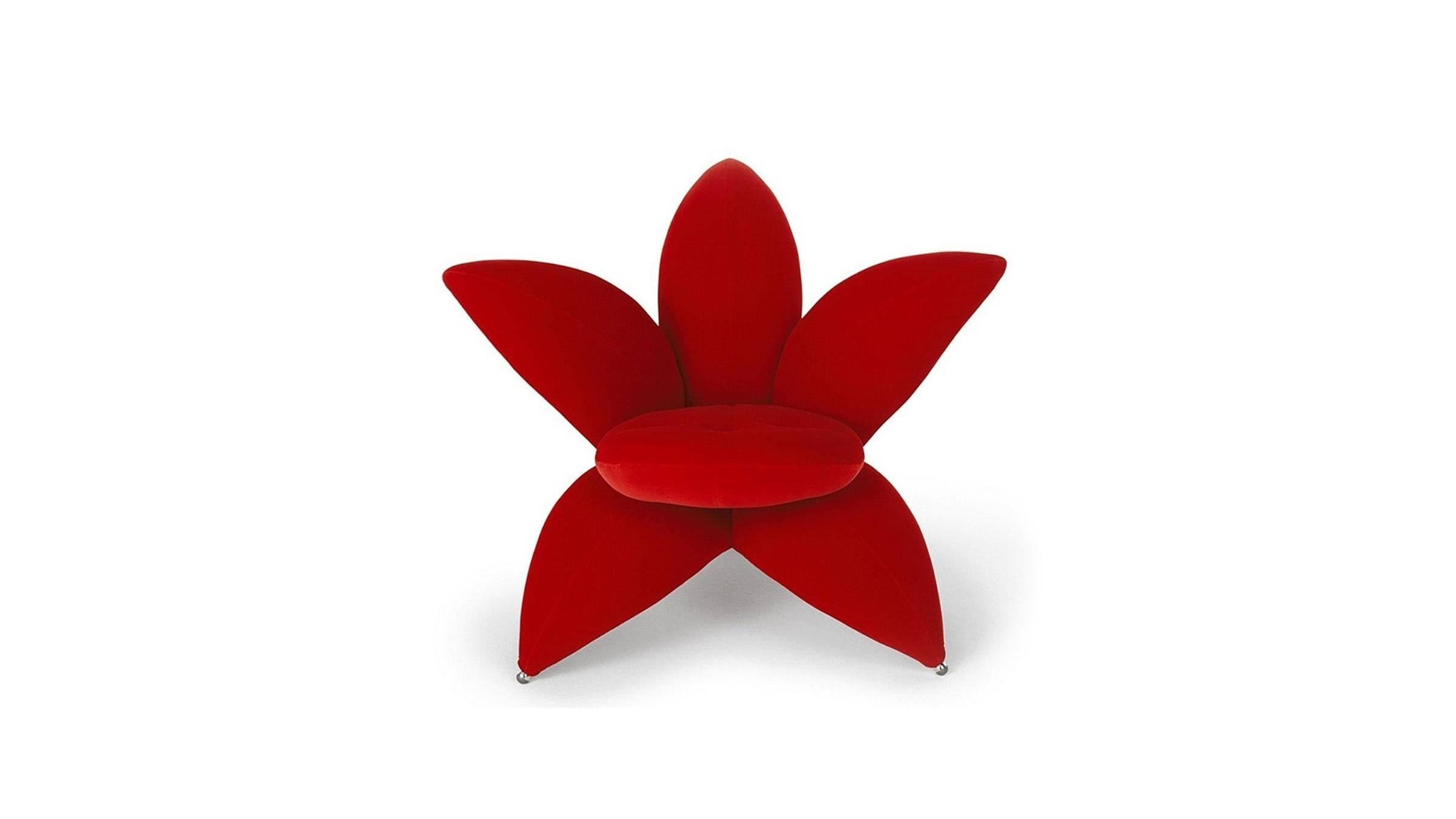
Masanori Umeda concepì la sedia Getsuen nel 1990 come una meditazione sulla forma naturale, la cui silhouette trae ispirazione direttamente dalla fioritura aperta di un giglio. Il nome significa "giardino lunare" in giapponese, un'espressione che colloca l'opera precisamente nel registro poetico di Umeda.
Questa sensibilità è stata plasmata da due mondi distinti: il suo apprendistato con Achille Castiglioni a Milano e le sue profonde radici nella cultura artigianale giapponese. L'oggetto risultante racchiude entrambe le tradizioni senza risolverle, il che è parte della sua discreta potenza.
- Telaio in acciaio modellato a mano, sagomato tramite fabbricazione diretta
- Pannelli a media densità con imbottitura in schiuma poliuretanica
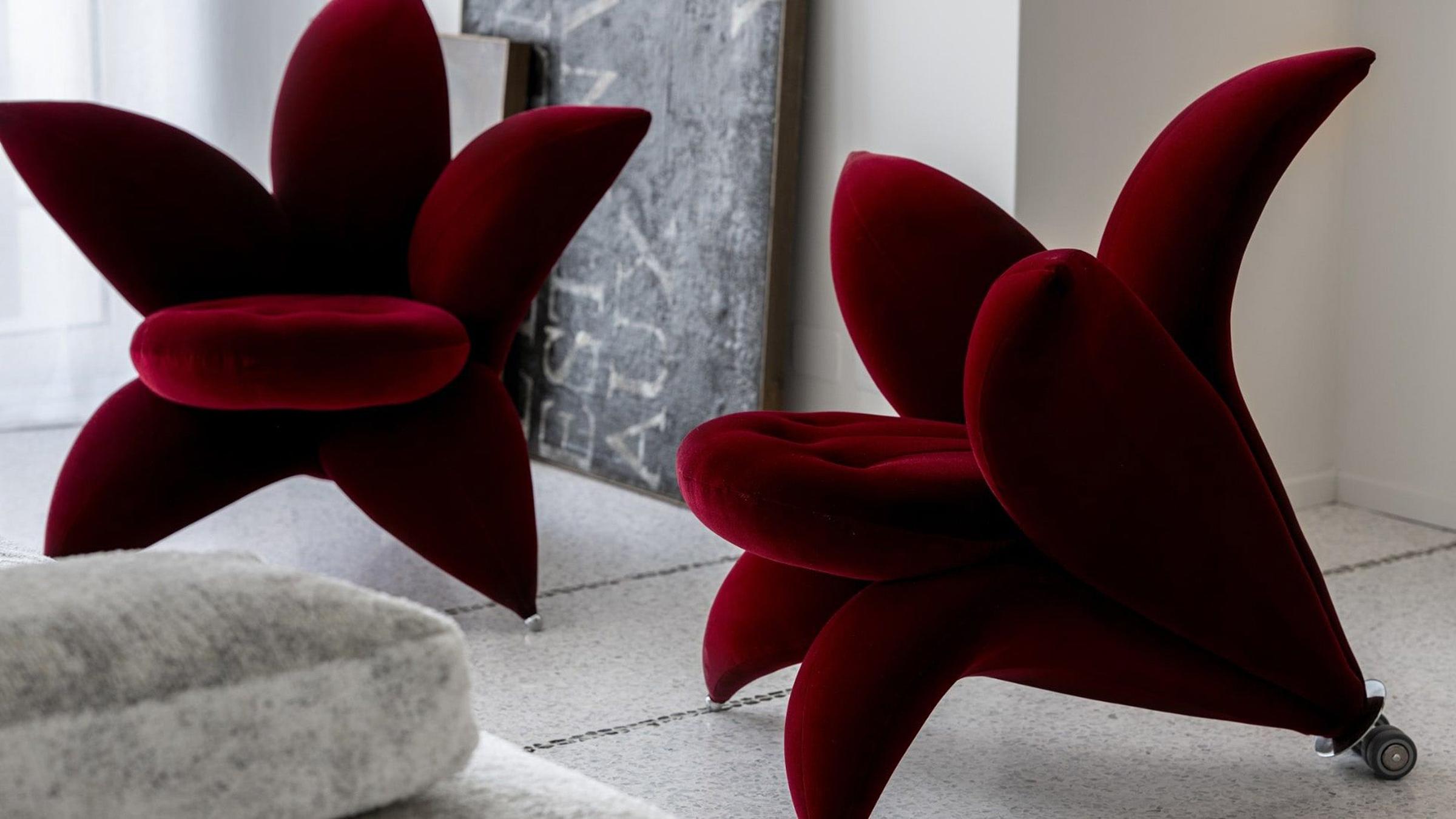
- Finitura in velluto che amplifica ogni contorno della forma a petalo
- Piedini in ottone cromato con discrete rotelle verdi in PLT
Le rotelle offrono mobilità senza diminuire la presenza cerimoniale della sedia. Prodotta da Edra in Toscana, rimane una delle espressioni più chiare di come il design postmoderno italiano abbia assorbito, ed sia stato genuinamente trasformato da, influenze extraeuropee.
Made to order by Edra, tailored to you.
Get customization options, swatch samples and pricing for your project.
Si abbina bene a
Product Details
Tear Sheet
Pricing & Warranty
Pricing for made-to-order items varies based on configuration, finishes, and customization options. Please contact one of our design consultants or visit a showroom near you for current pricing and personalized assistance.
Luminaire is an authorized retailer of Edra. The product comes with a full manufacturer warranty.
Authenticity guaranteed. Genuine product, authenticated and sourced directly from the manufacturer.
Domande Frequenti
Who designed the Edra Getsuen Chair and when?
Masanori Umeda designed the Getsuen Chair for Edra in 1990. Umeda was a Japanese designer deeply influenced by his time working alongside Achille Castiglioni in Milan, and the Getsuen reflects both his European training and his affinity for nature-derived form.
What does 'Getsuen' mean?
Getsuen is a Japanese word meaning 'moon garden.' Umeda chose the name to evoke the contemplative, almost ceremonial atmosphere he associated with the chair's lily-inspired silhouette.
What upholstery options are available for the Getsuen Chair?
The Getsuen Chair is made to order by Edra, and upholstery options, including fabric and color, should be confirmed at the time of inquiry. Velvet is the most recognized finish for this piece and best expresses the softness of its petal form.
How is the Getsuen Chair constructed?
The chair is built on a hand-modeled steel frame produced by Edra's artisans in Tuscany. Polyurethane foam over medium-density panels forms the body, which is then upholstered and set on chromed brass feet fitted with green PLT casters.
Is the Getsuen Chair considered a design collectible?
Yes. The Getsuen Chair is widely regarded as an icon of late-twentieth-century Italian design and is included in the permanent collections of several design museums. Its sculptural ambition and limited production make it a significant object for serious collectors and institutions alike.