Dolmen
Made by Cappellini
Designed by Giulio Cappellini
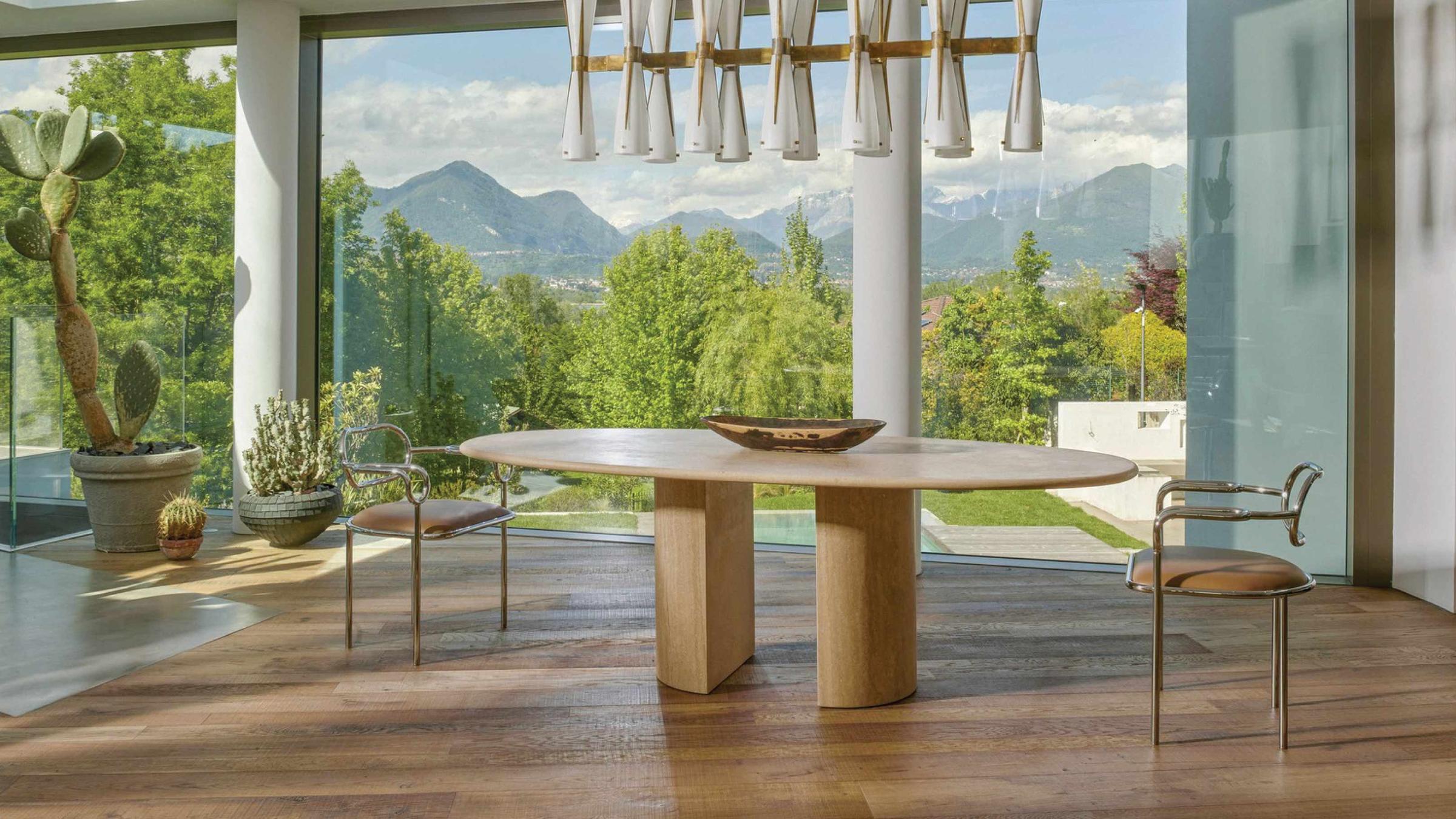
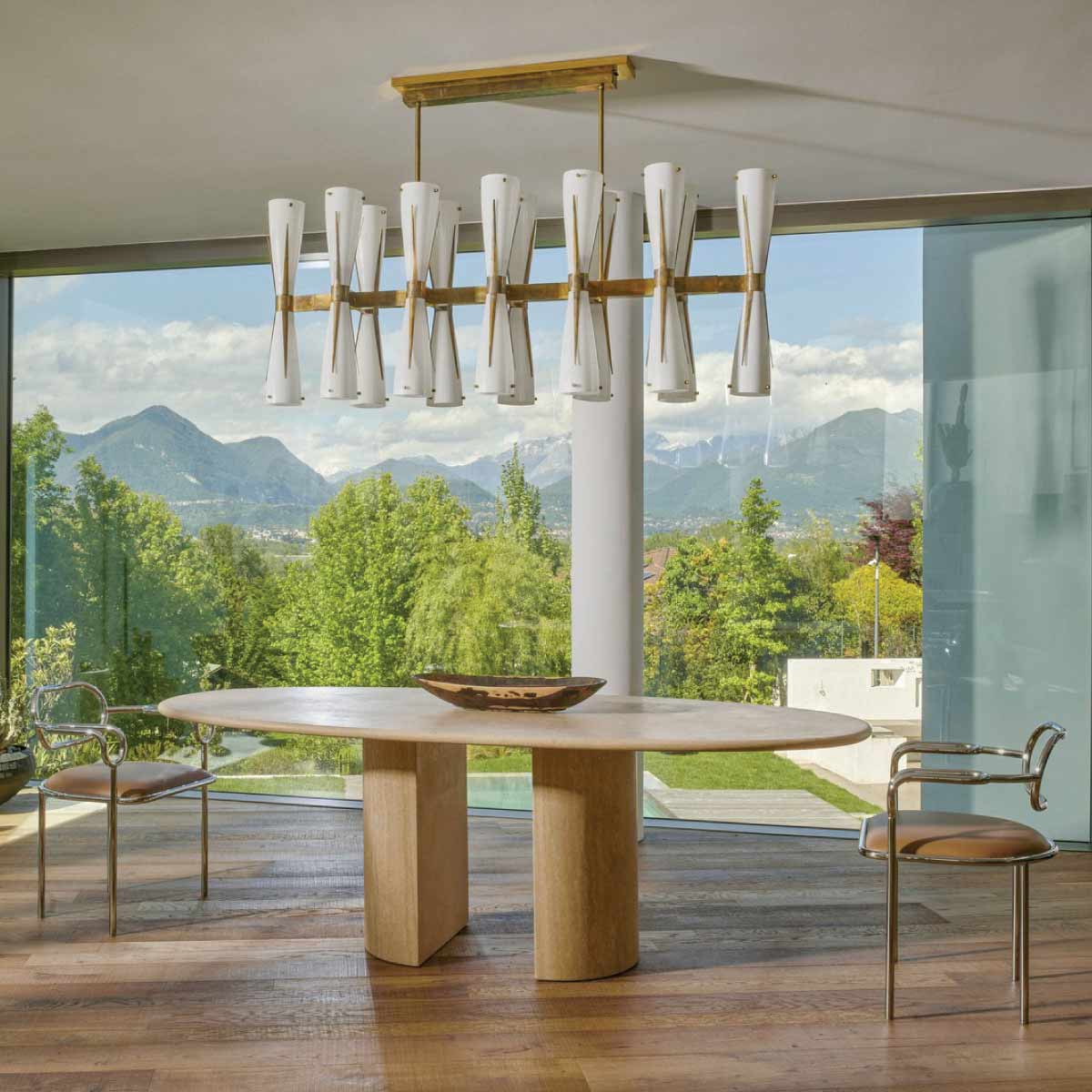
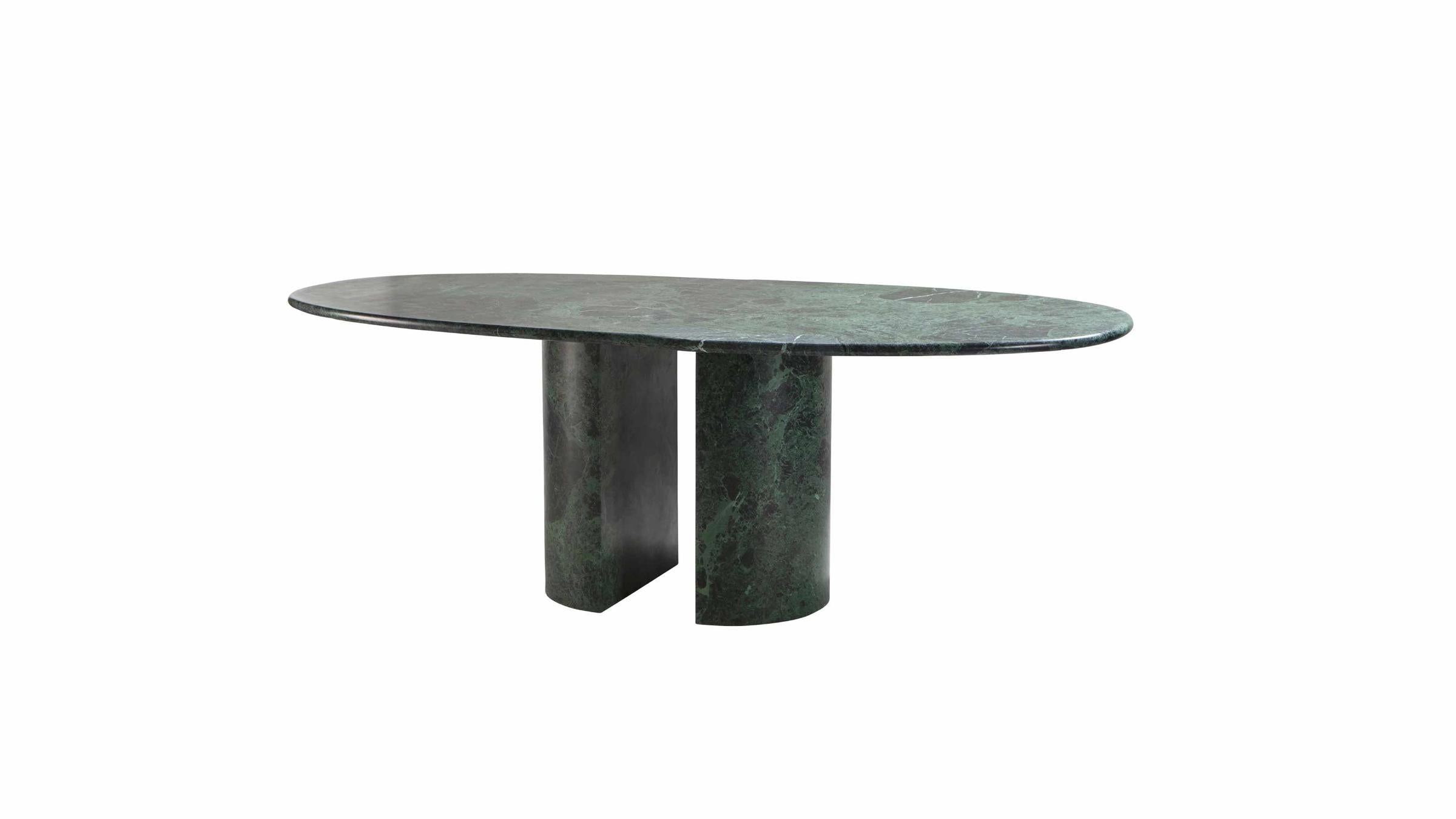
Giulio Cappellini attinge all'antica gravità delle strutture megalitiche, traducendo quel peso cerimoniale in un tavolo da pranzo che funziona prima di tutto come scultura. Il Dolmen è una proposta diretta e formale: un piano in marmo spesso 3 cm appoggiato su due basi semicircolari autoportanti, ciascuna tagliata dalla stessa lastra di pietra della superficie sovrastante.
Il rapporto tra piano e base è materiale, non meccanico. Le basi sono indipendenti e la loro comune origine da un'unica lastra crea un dialogo continuo di venature e tonalità attraverso l'intero pezzo. Non interviene alcun elemento hardware. La composizione si regge solo sulla proporzione e sulla massa.
Dolmen è offerto in quattro espressioni di marmo, ciascuna con il carattere particolare della sua pietra:
- Carrara bianco, con una grana fine e luminosa e una temperatura superficiale fredda
- Verde Alpi, profondo e riccamente venato
- Travertino, caldo e leggermente color paglia
- Grigio Roma, con una venatura tranquilla e uniforme
Poiché ogni set di piano e base è ricavato da un'unica lastra, non esistono due tavoli Dolmen identici. La variazione è l'opera.
Made to order by Cappellini, tailored to you.
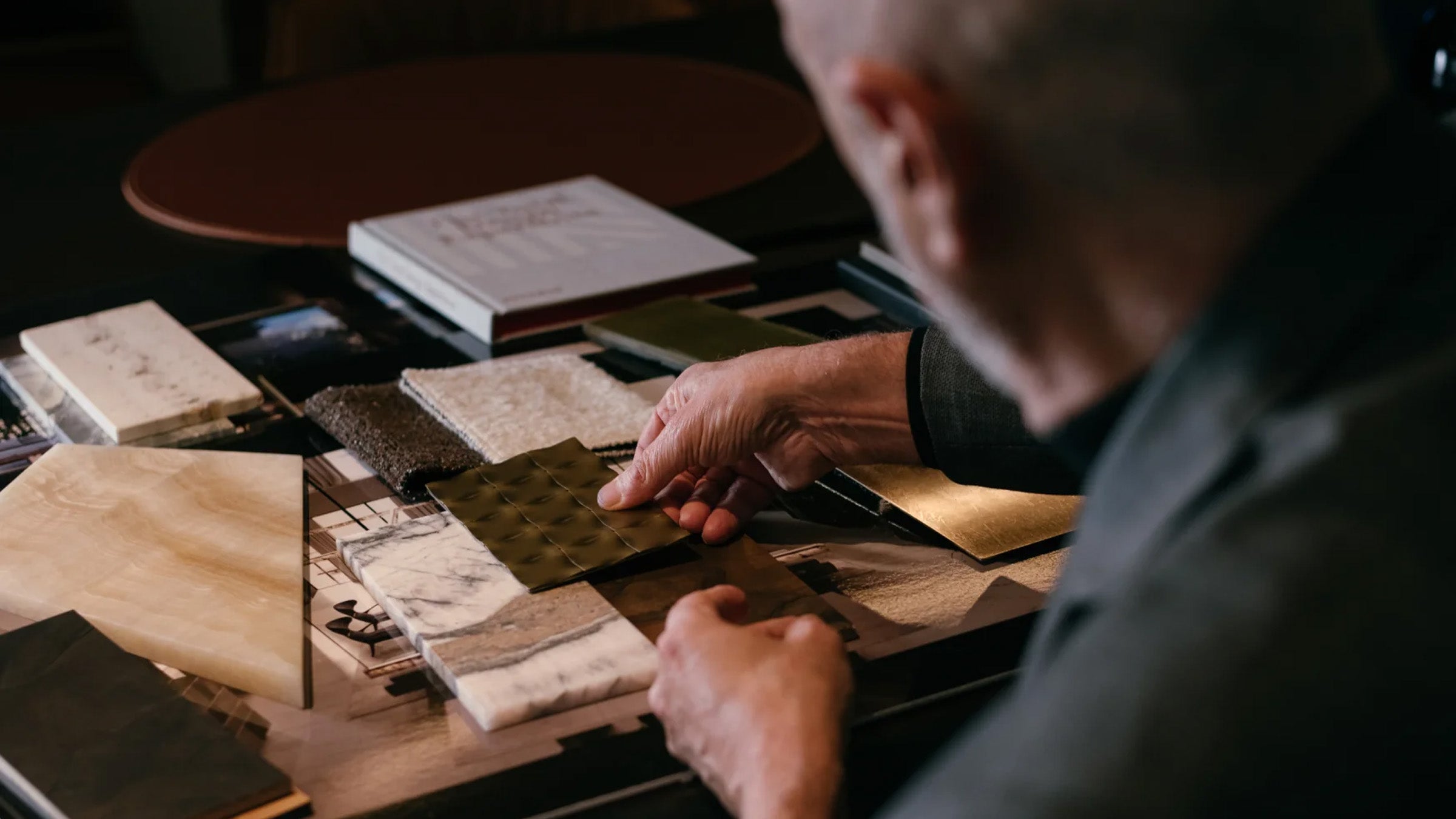
Get customization options, swatch samples and pricing for your project.
Si abbina bene a
Product Details
Tear Sheet
Pricing & Warranty
Pricing for made-to-order items varies based on configuration, finishes, and customization options. Please contact one of our design consultants or visit a showroom near you for current pricing and personalized assistance.
Luminaire is an authorized retailer of Cappellini. The product comes with a full manufacturer warranty.
Authenticity guaranteed. Genuine product, authenticated and sourced directly from the manufacturer.
Domande Frequenti
What marble options are available for the Dolmen table?
The Dolmen is available in four marble finishes: White Carrara, Alpi Green, Travertino, and Rome Grey. Each version is cut from a single slab, so the grain and veining of the top and bases share a continuous material identity.
How thick is the Dolmen table top?
The marble top is 3cm thick, a proportion that gives the table its characteristic sculptural presence without reading as excessively heavy. The thickness is consistent across all marble variants.
Are the Dolmen bases attached to the table top?
No. The two semi-circular bases stand independently and support the top through mass and proportion alone, without mechanical fastening. This freestanding logic is central to the design concept.
Who designed the Cappellini Dolmen table?
The Dolmen was designed by Giulio Cappellini, who has been the creative director of Cappellini since the 1980s. His work consistently explores the tension between historical reference and formal reduction, and the Dolmen reflects his interest in the archaic as a source of contemporary design language.
Is natural stone variation expected in the Dolmen table?
Yes, and it is intentional. Because the top and bases are cut from the same slab of marble, each table carries a unique pattern of grain, veining, and tonal variation. This natural variation is considered intrinsic to the piece, not a defect.