









Credenza
Made by USM Haller
Designed by Fritz Haller
Negli anni '60, l'architetto svizzero Fritz Haller e il fondatore di USM Paul Schärer svilupparono un sistema modulare governato da un principio: la logica geometrica applicata a ogni giunto, ogni superficie, ogni proporzione. Decenni dopo, questa disciplina rimane invariata.
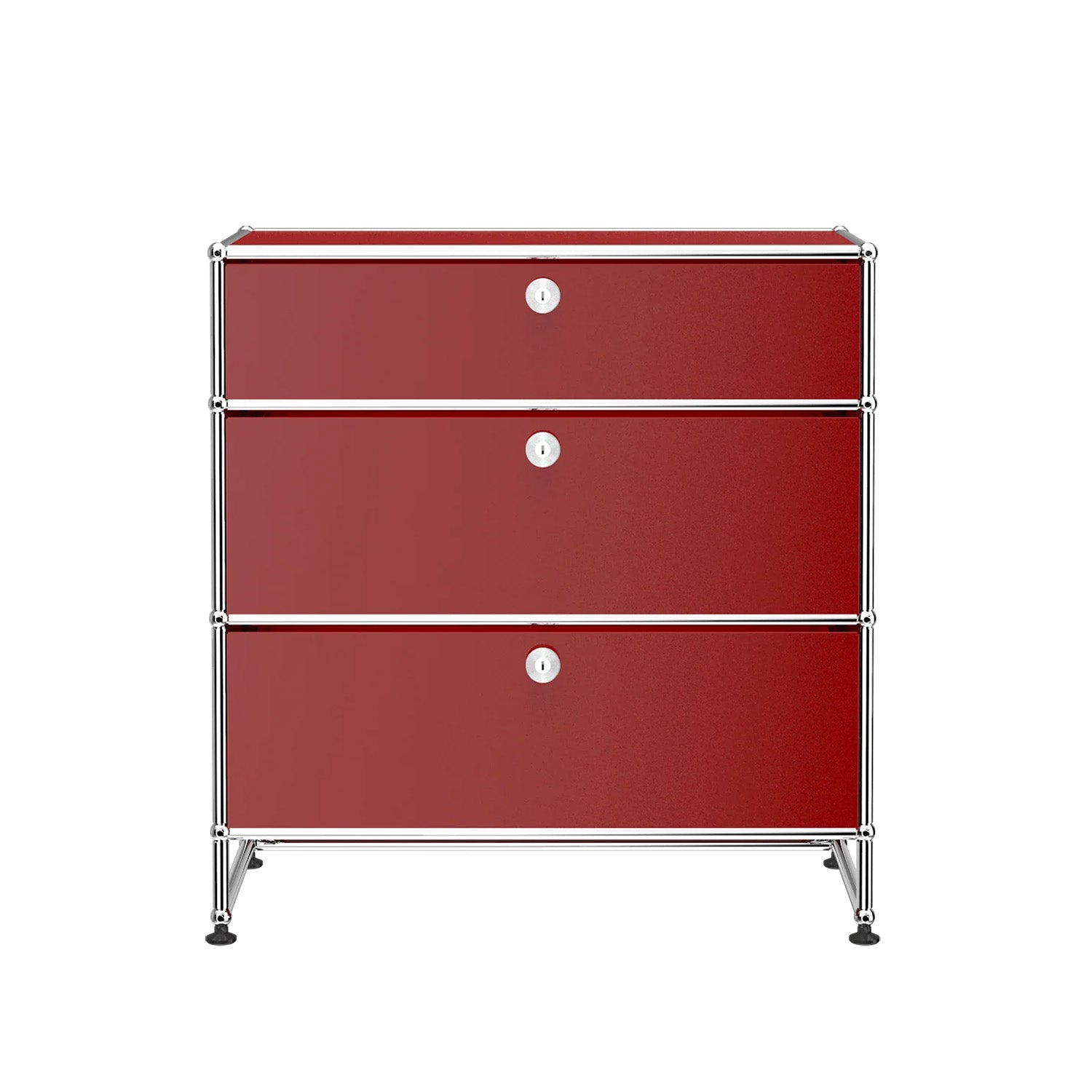
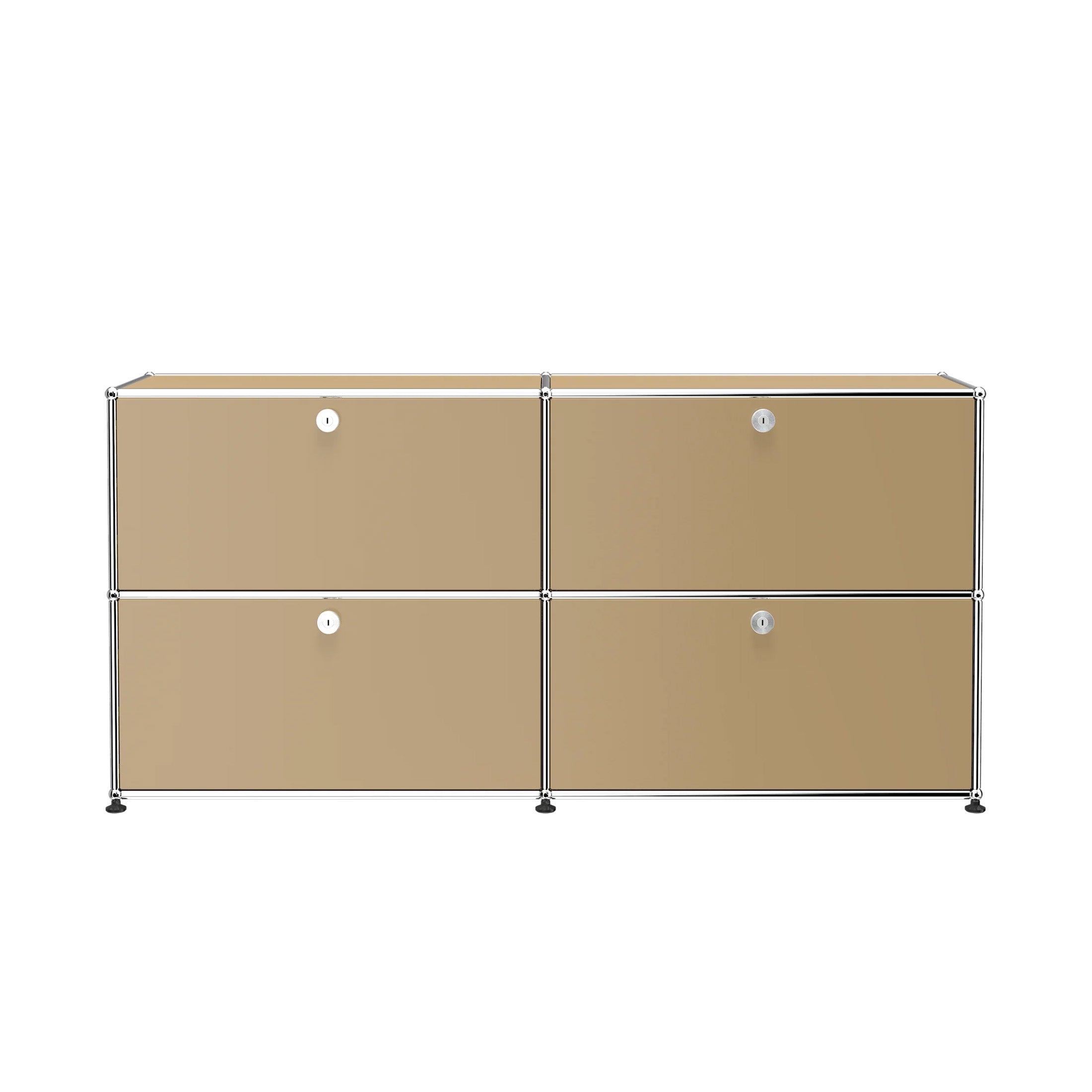
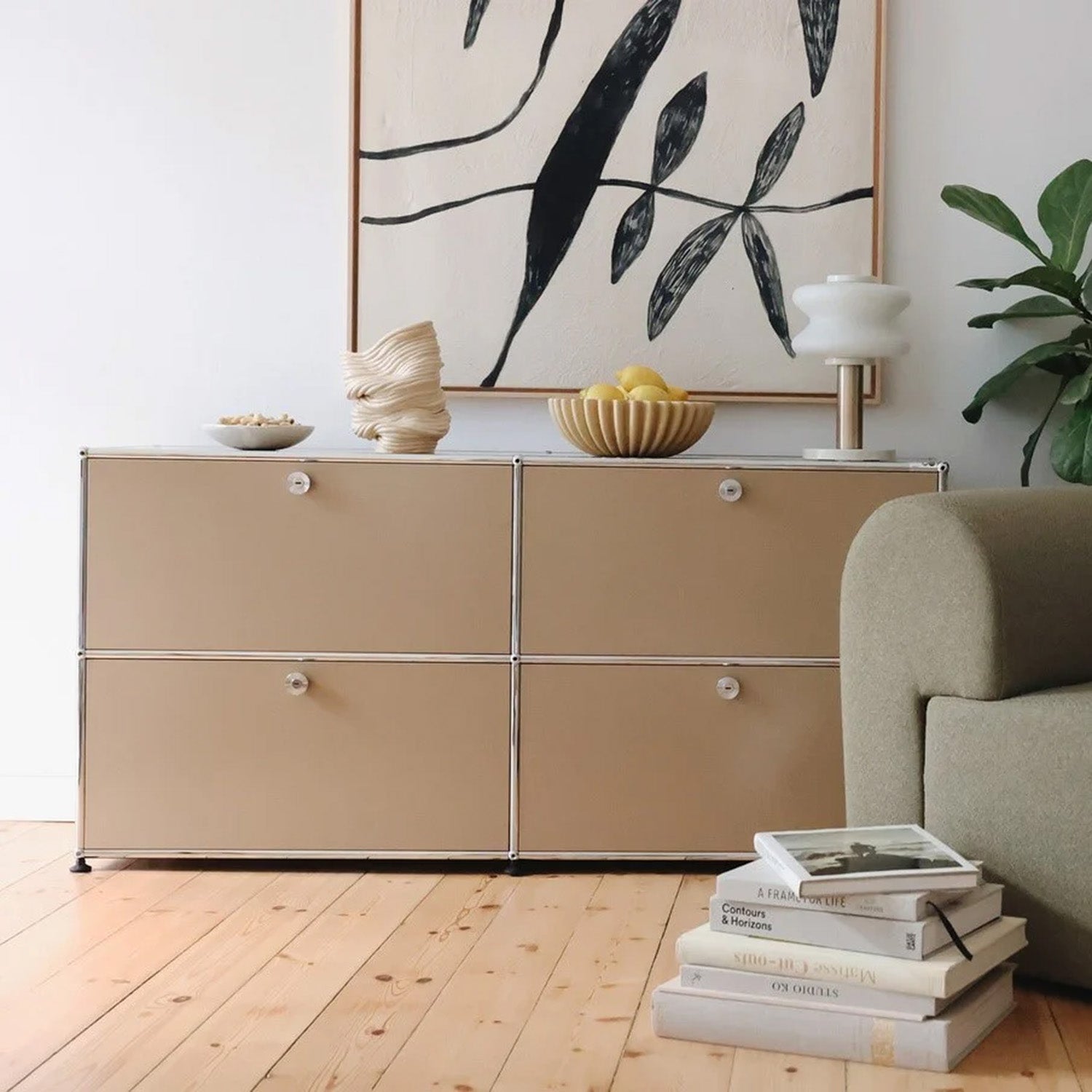
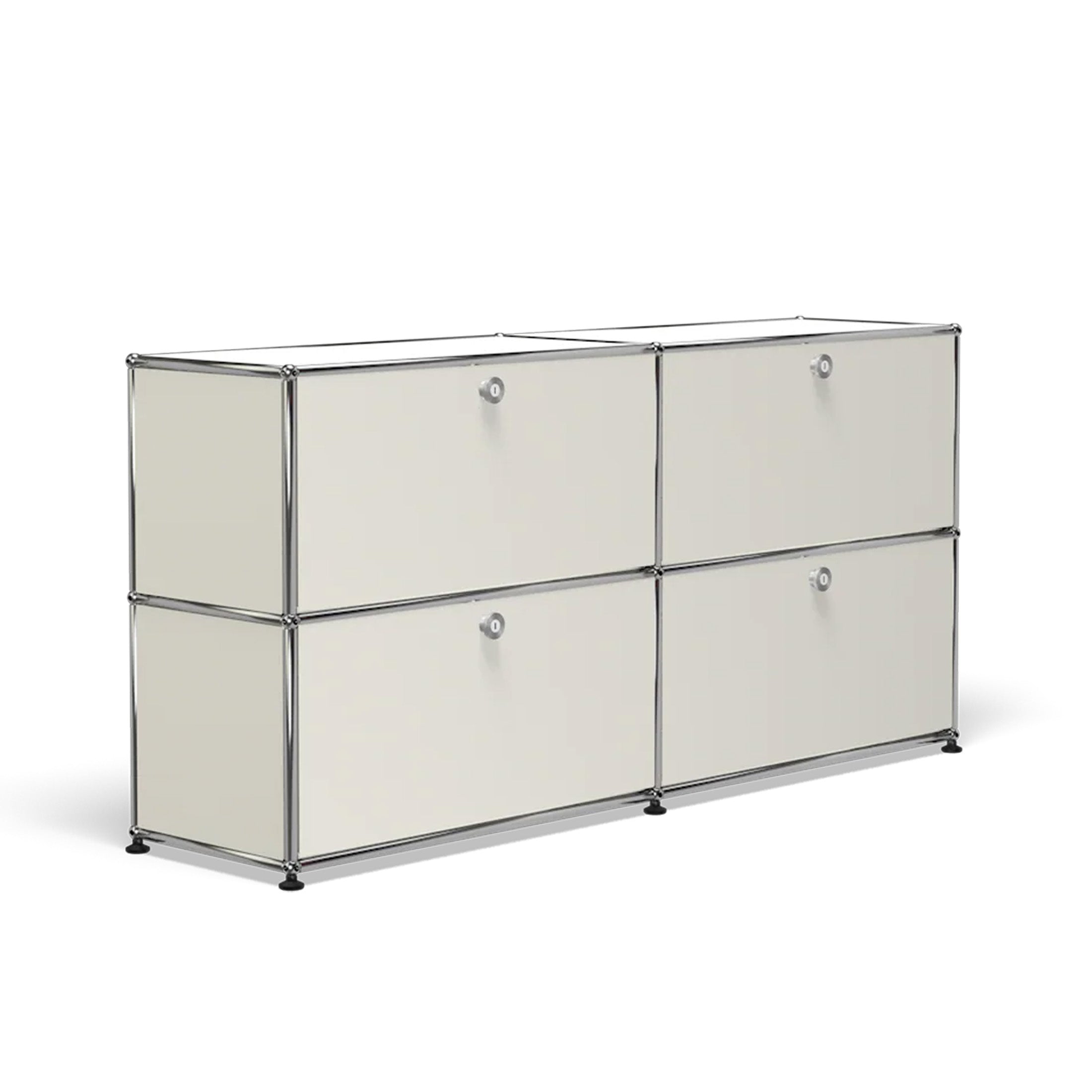
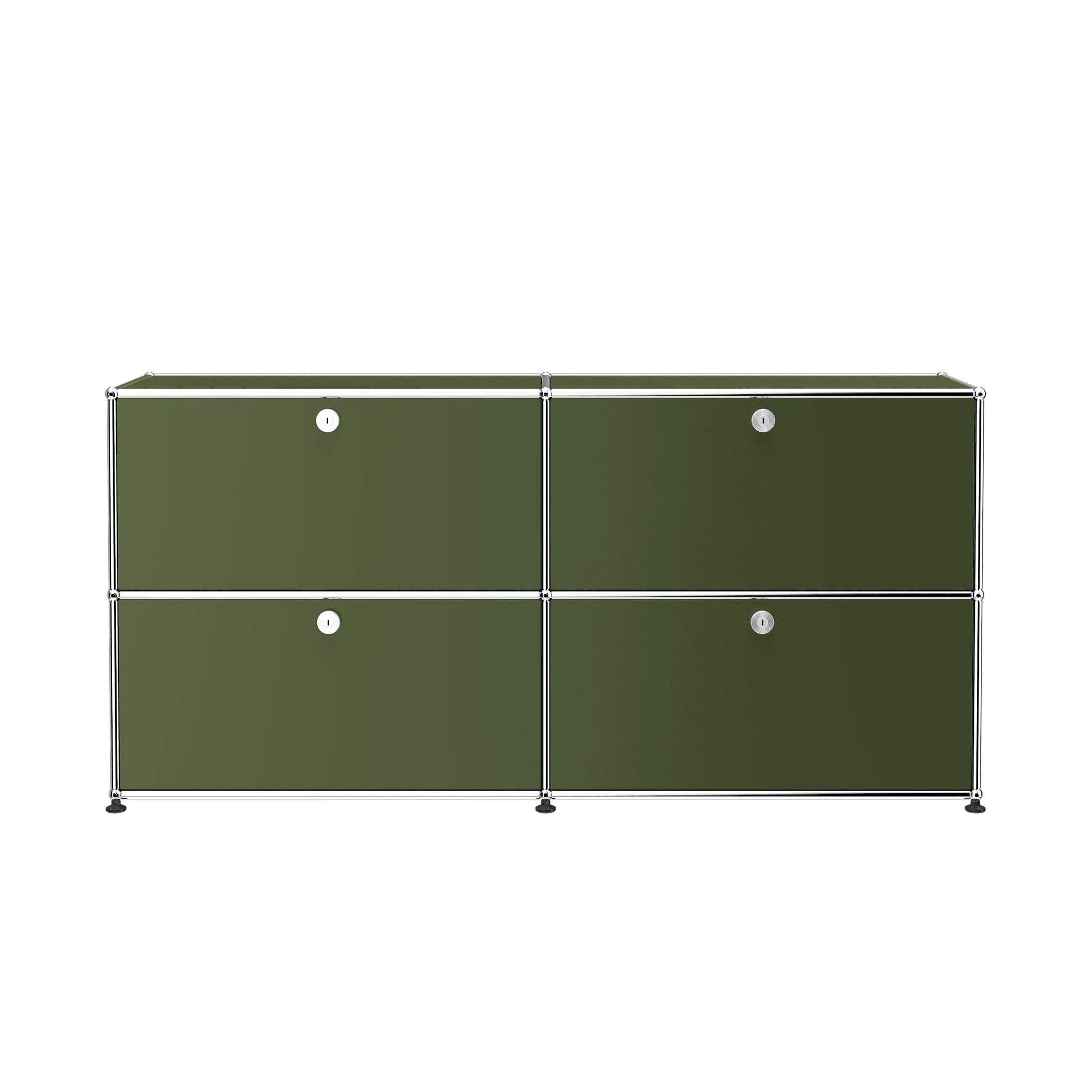
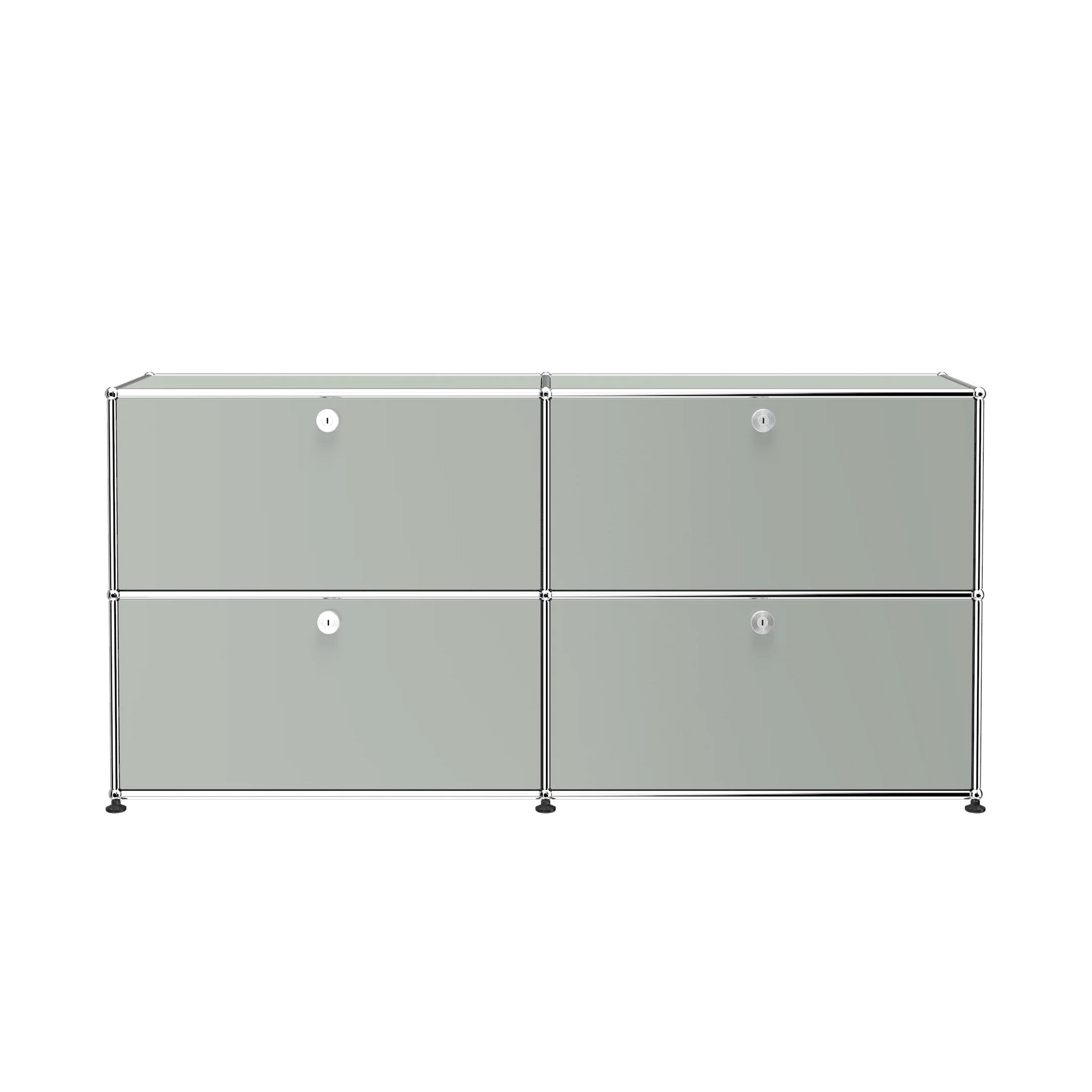
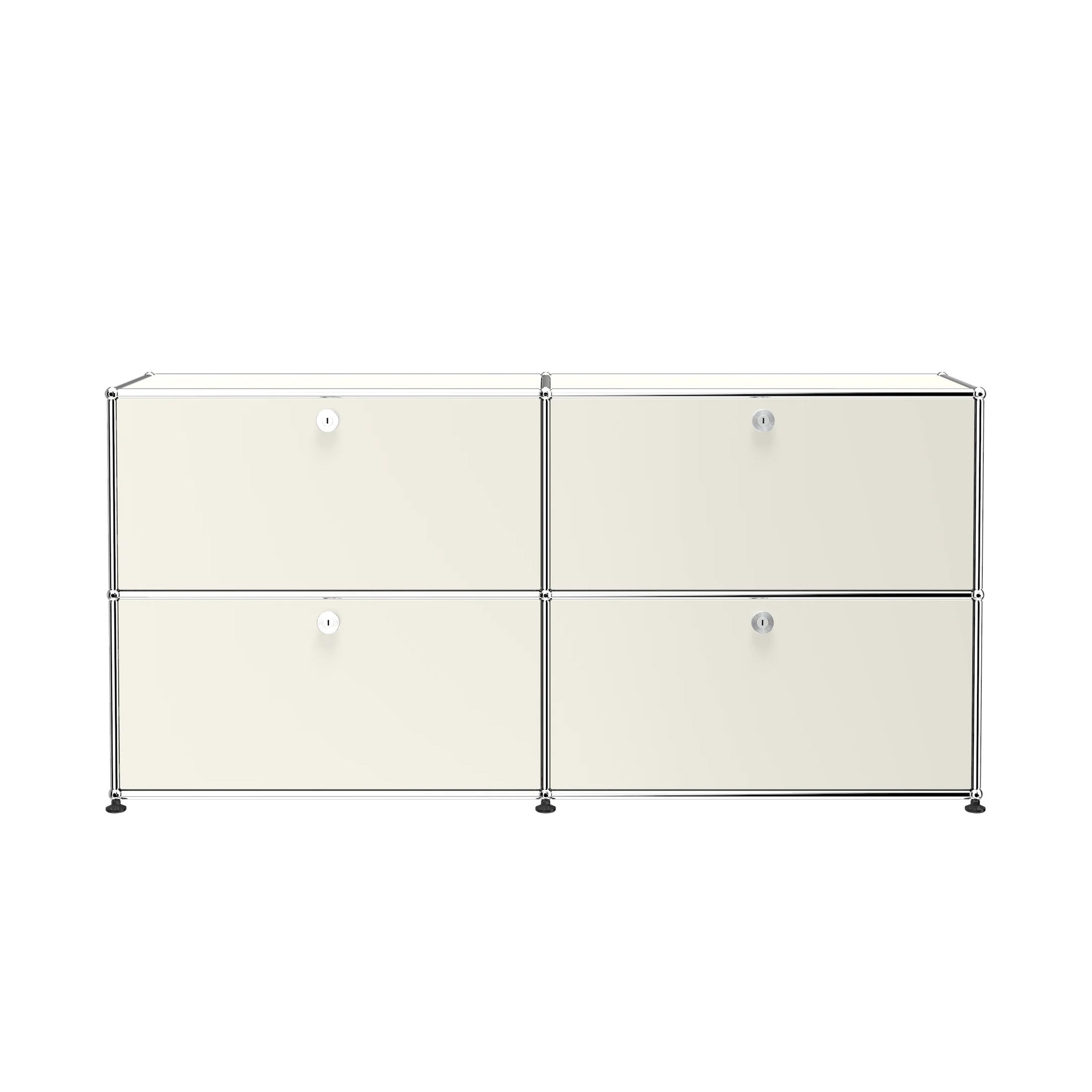
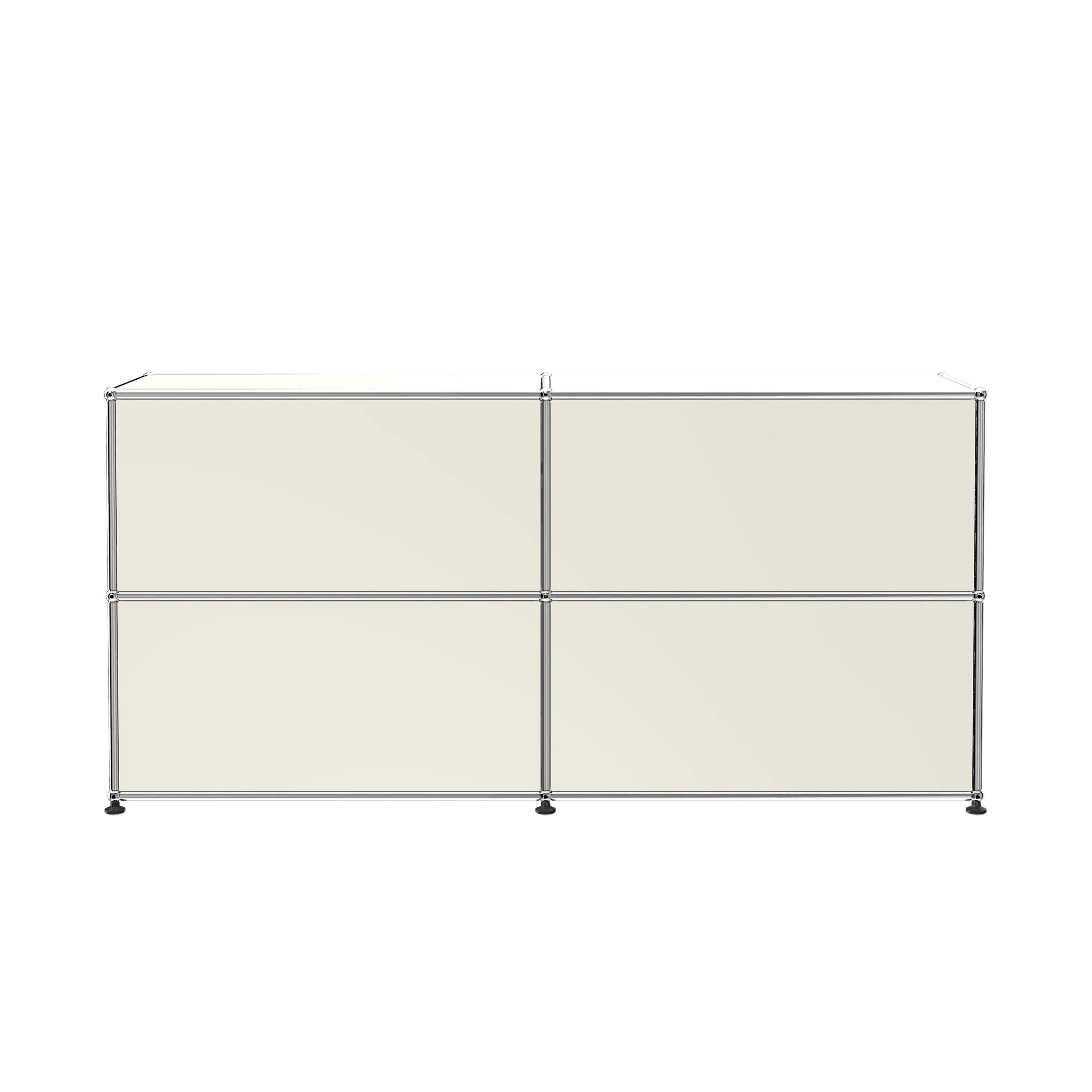
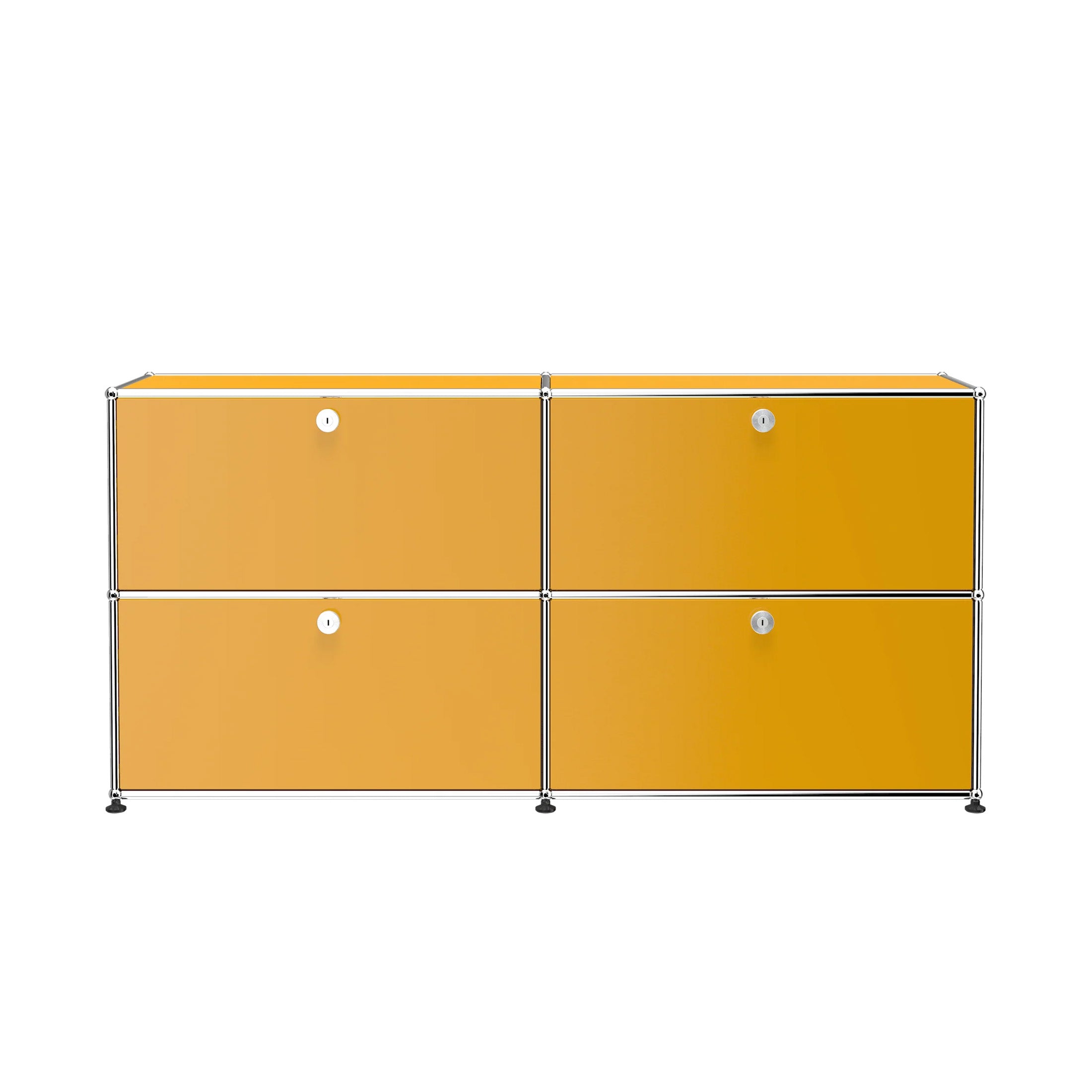
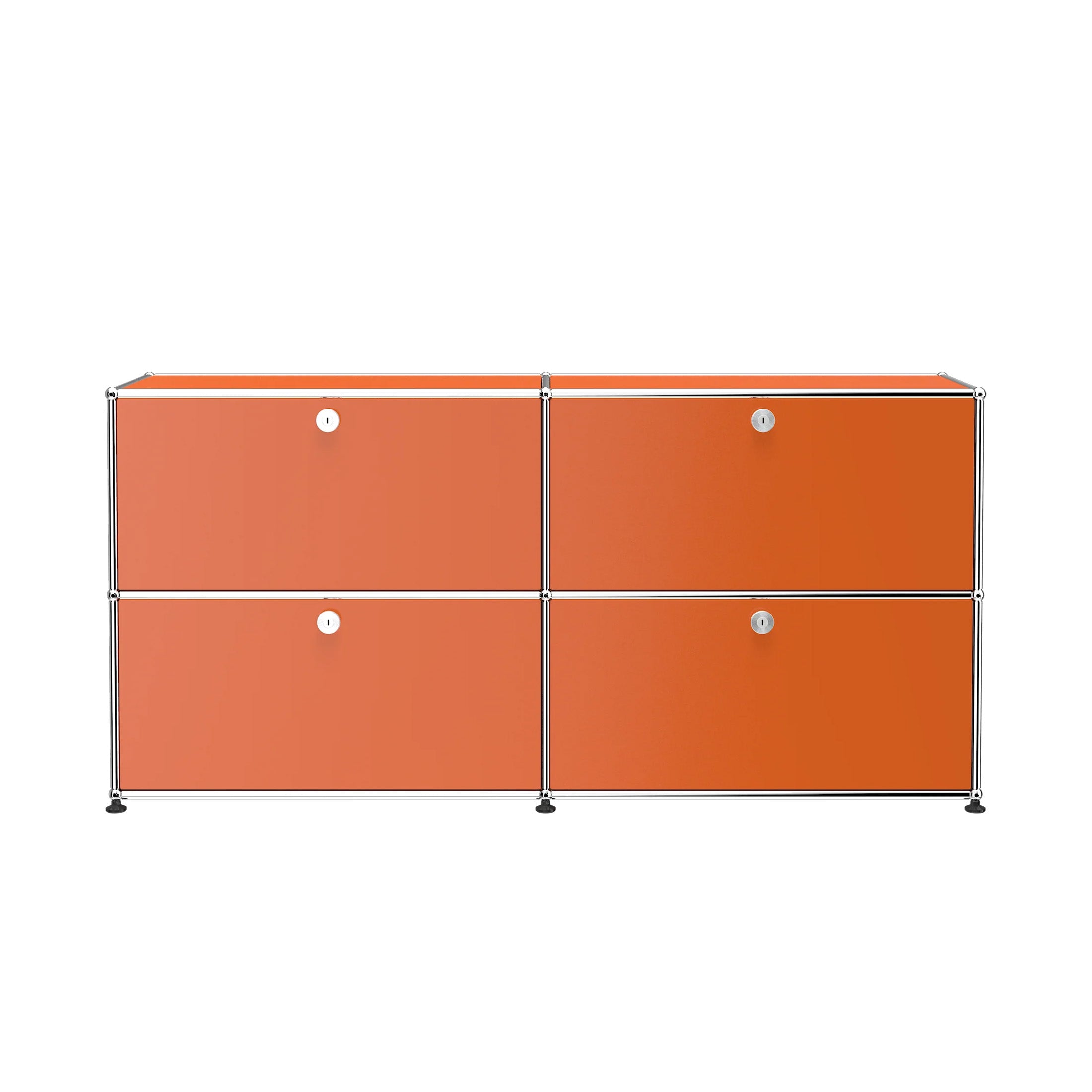
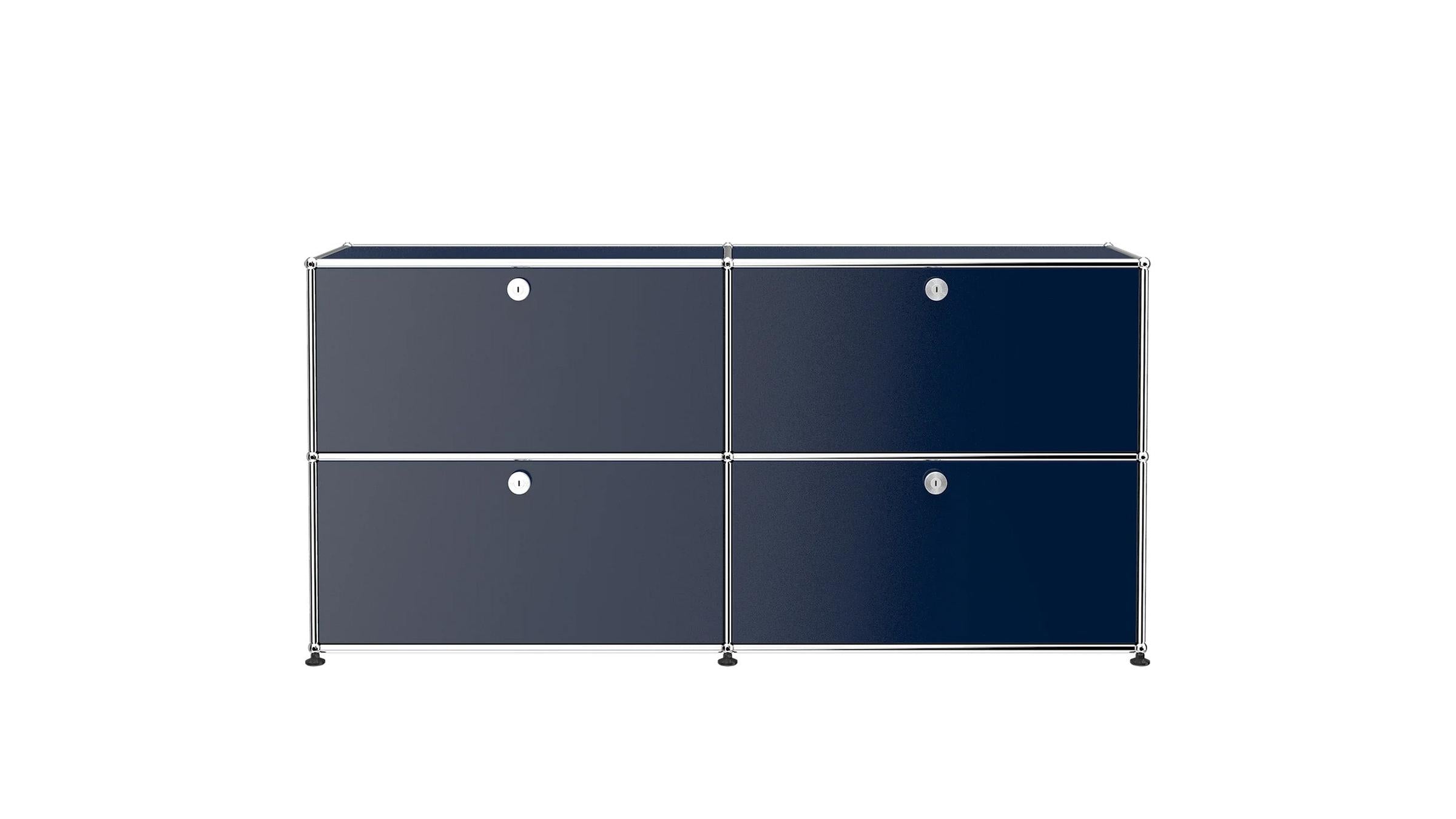
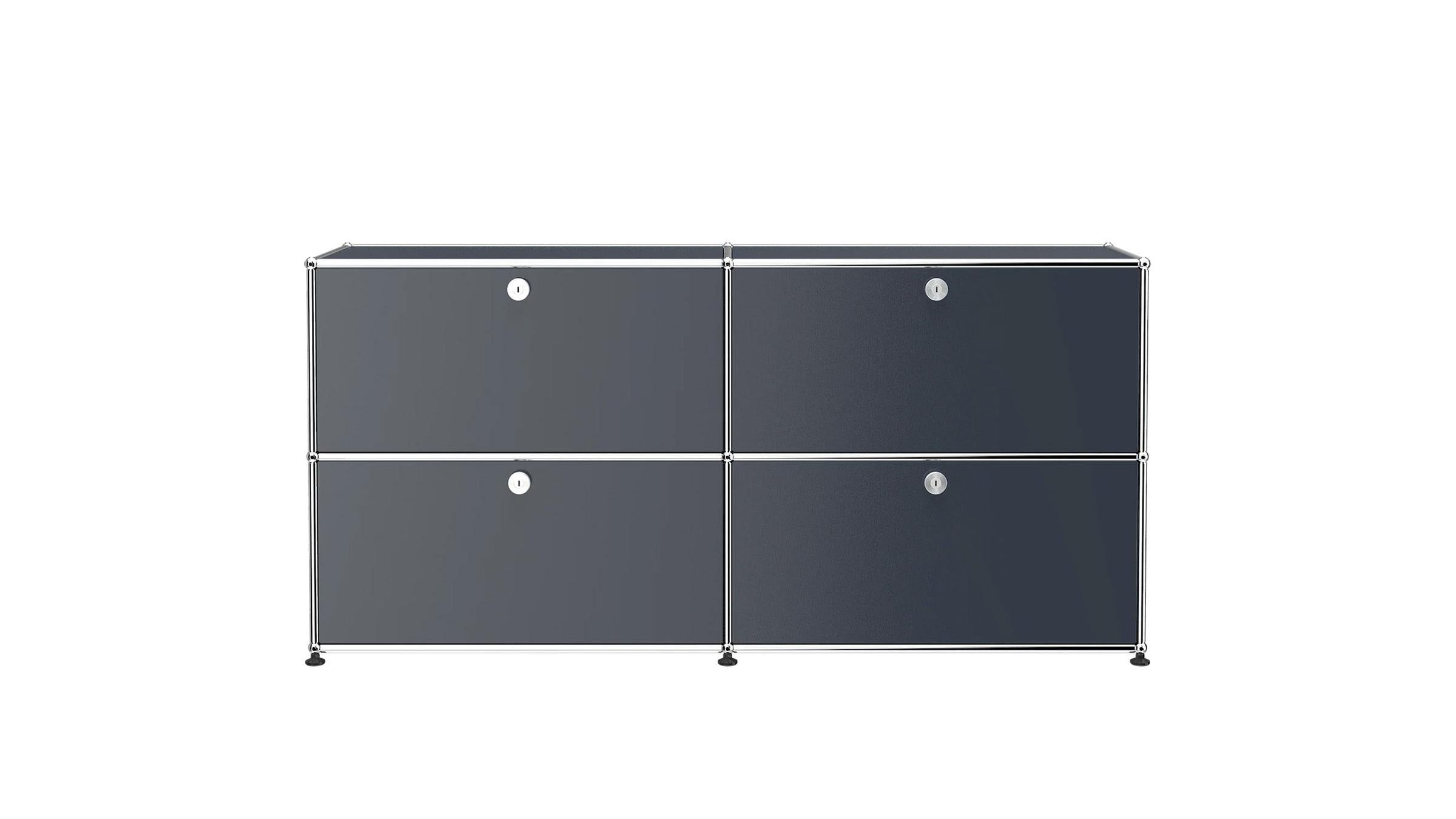
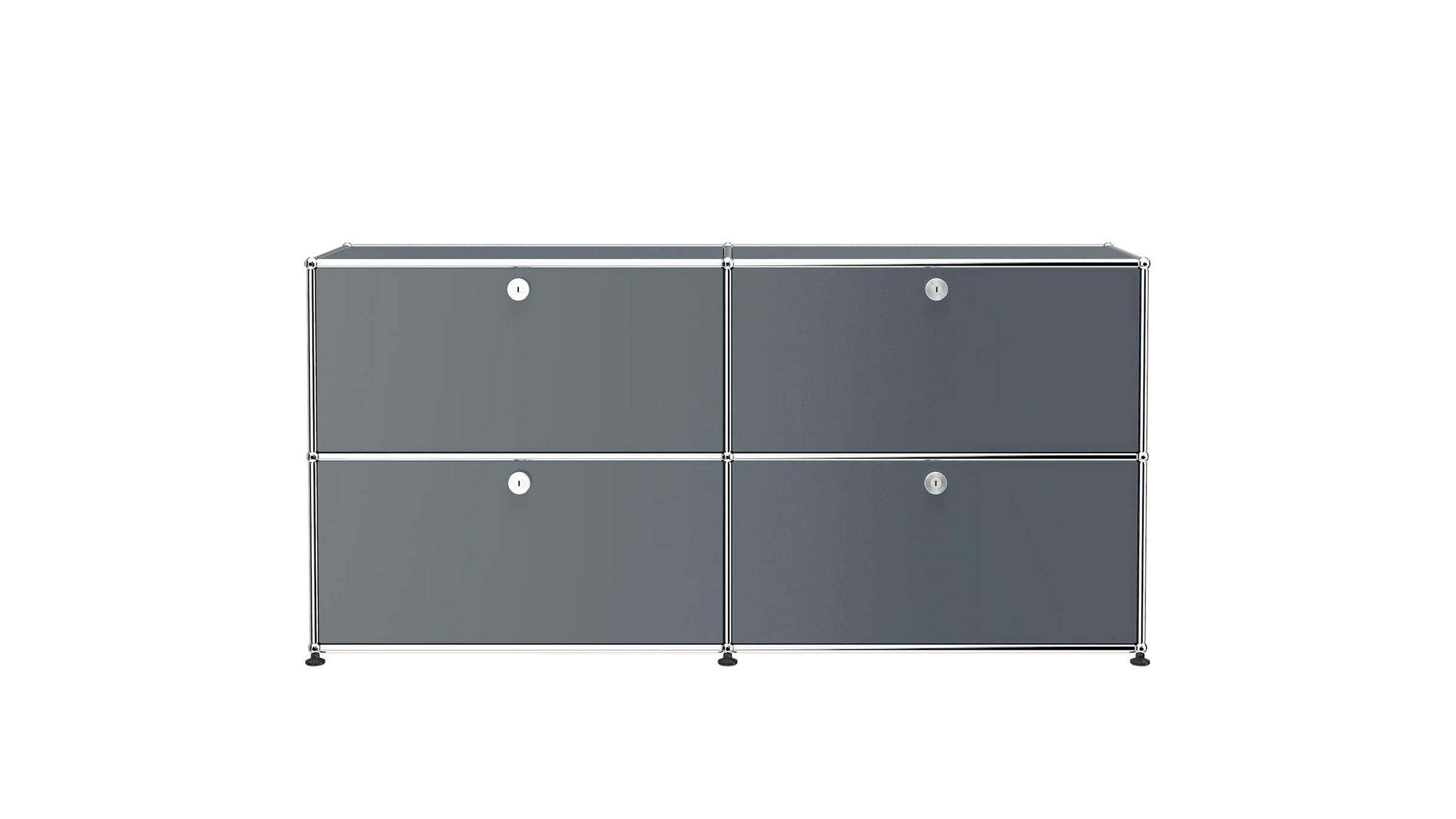
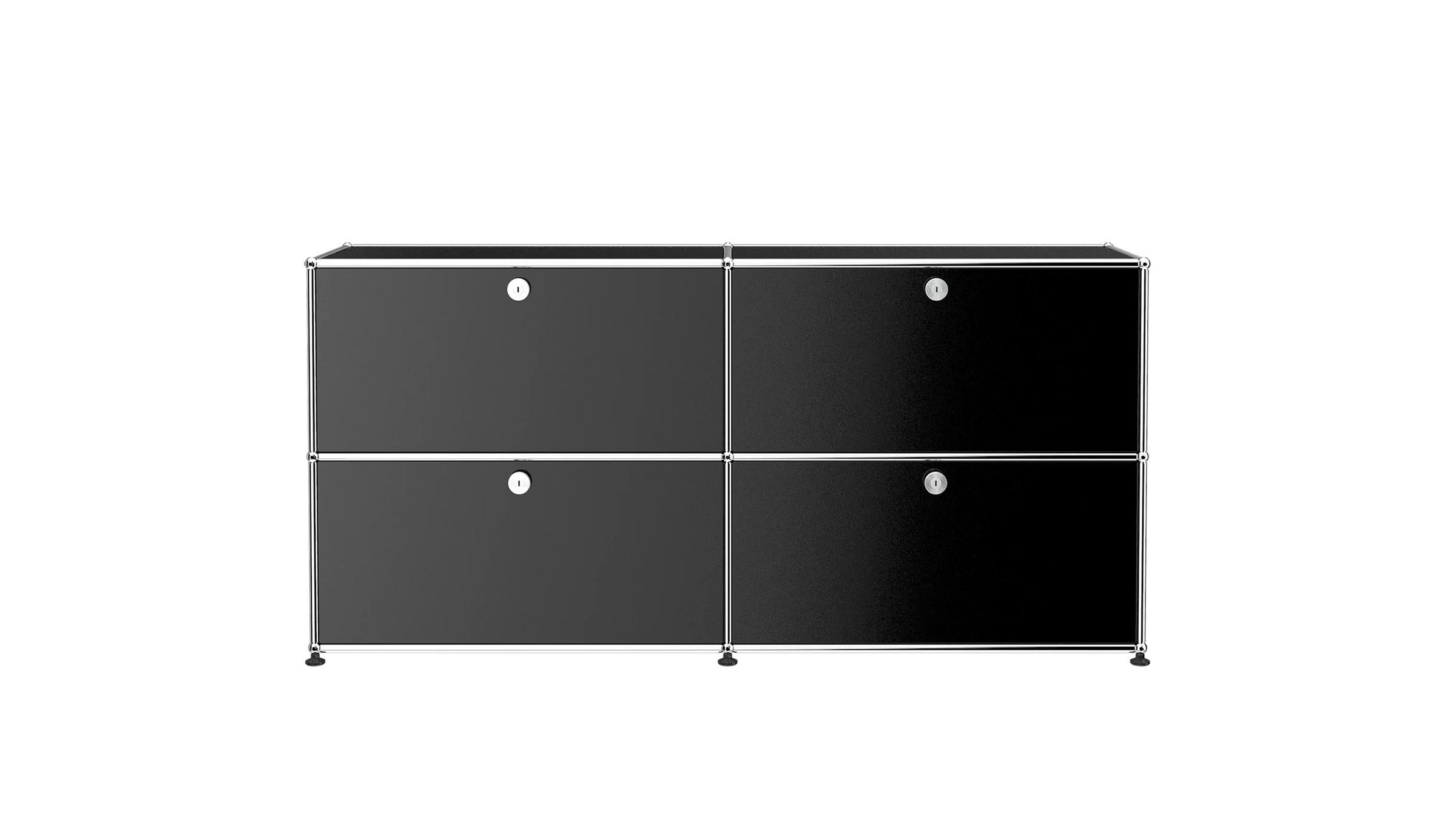
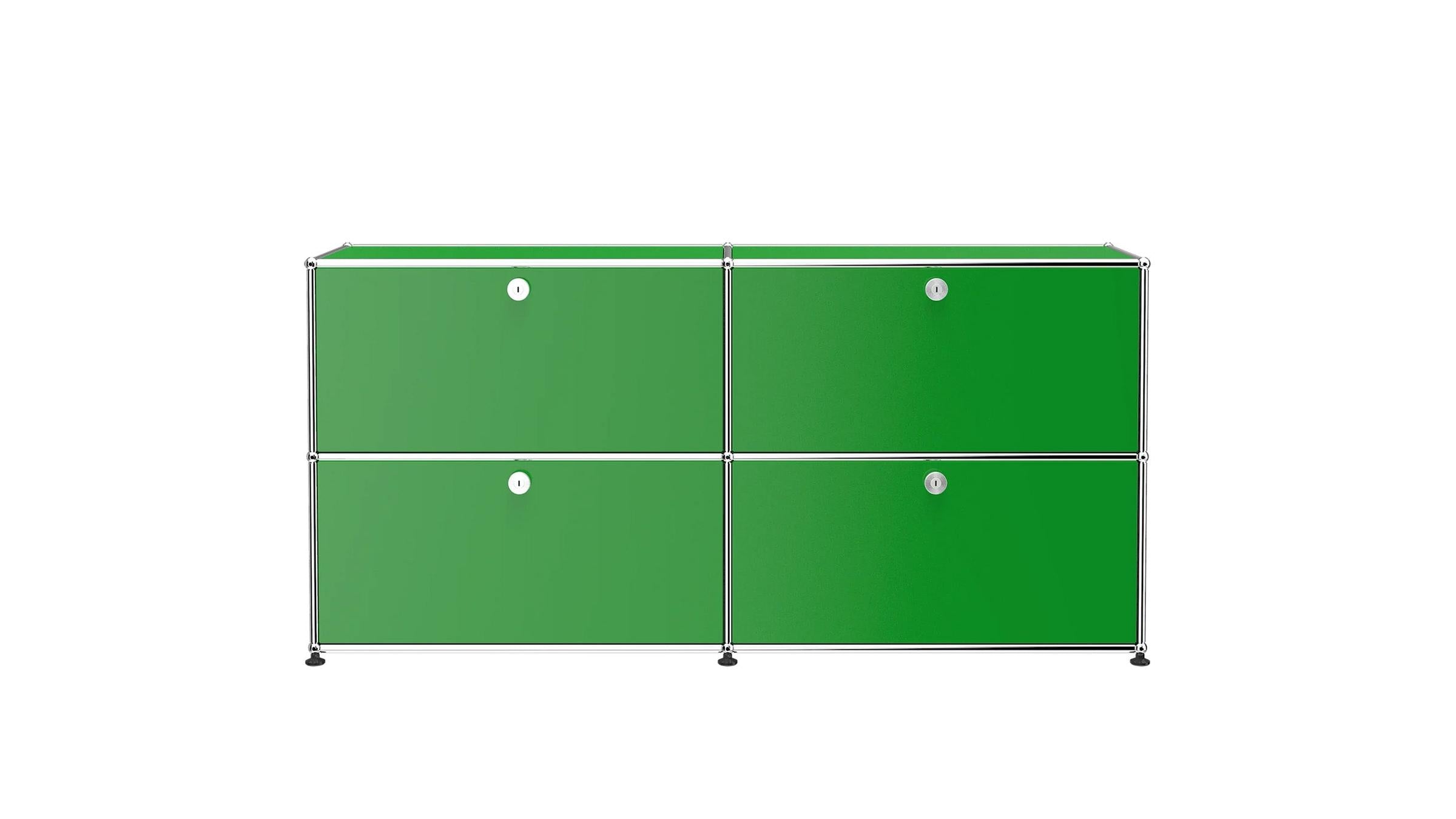
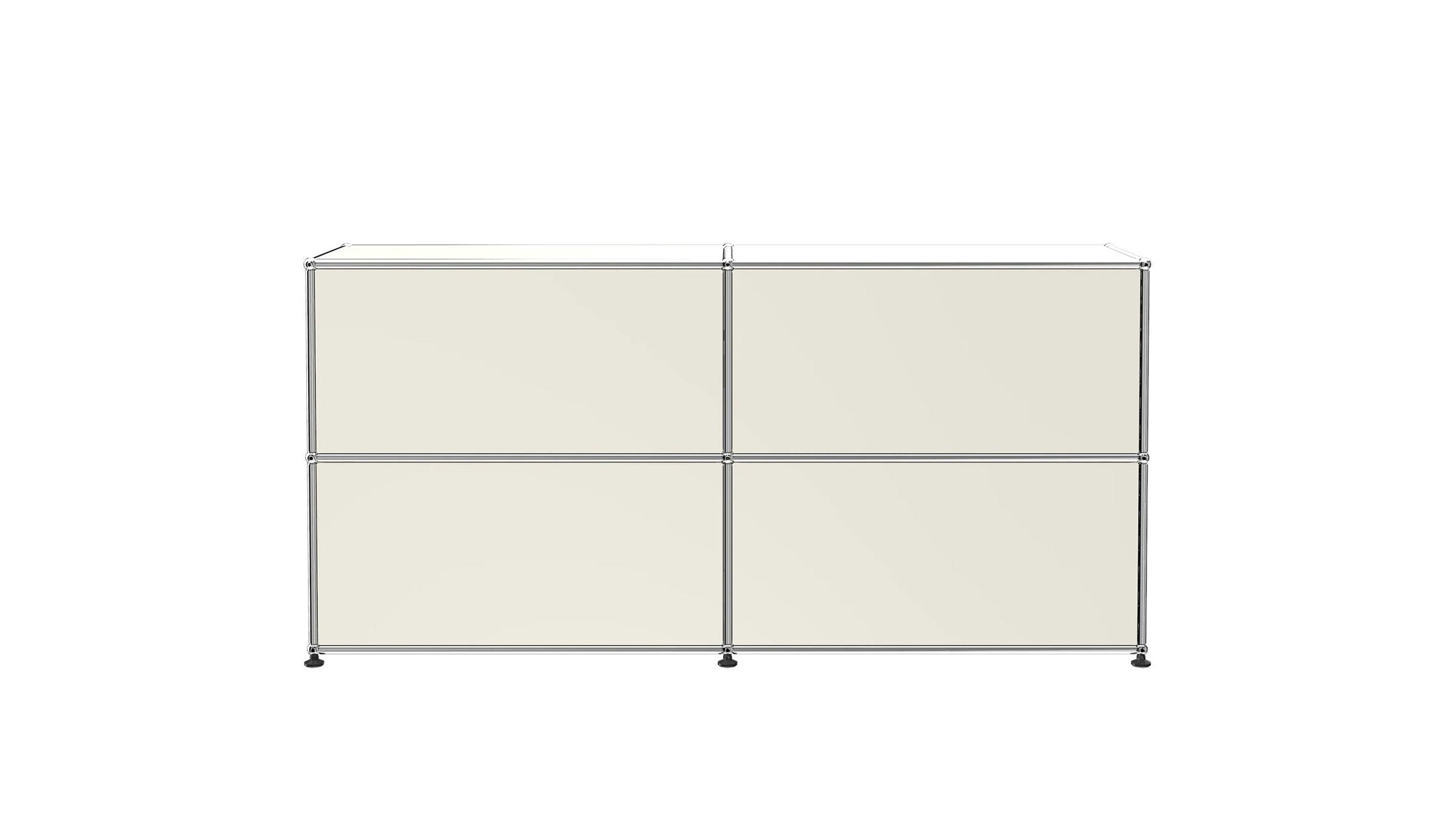
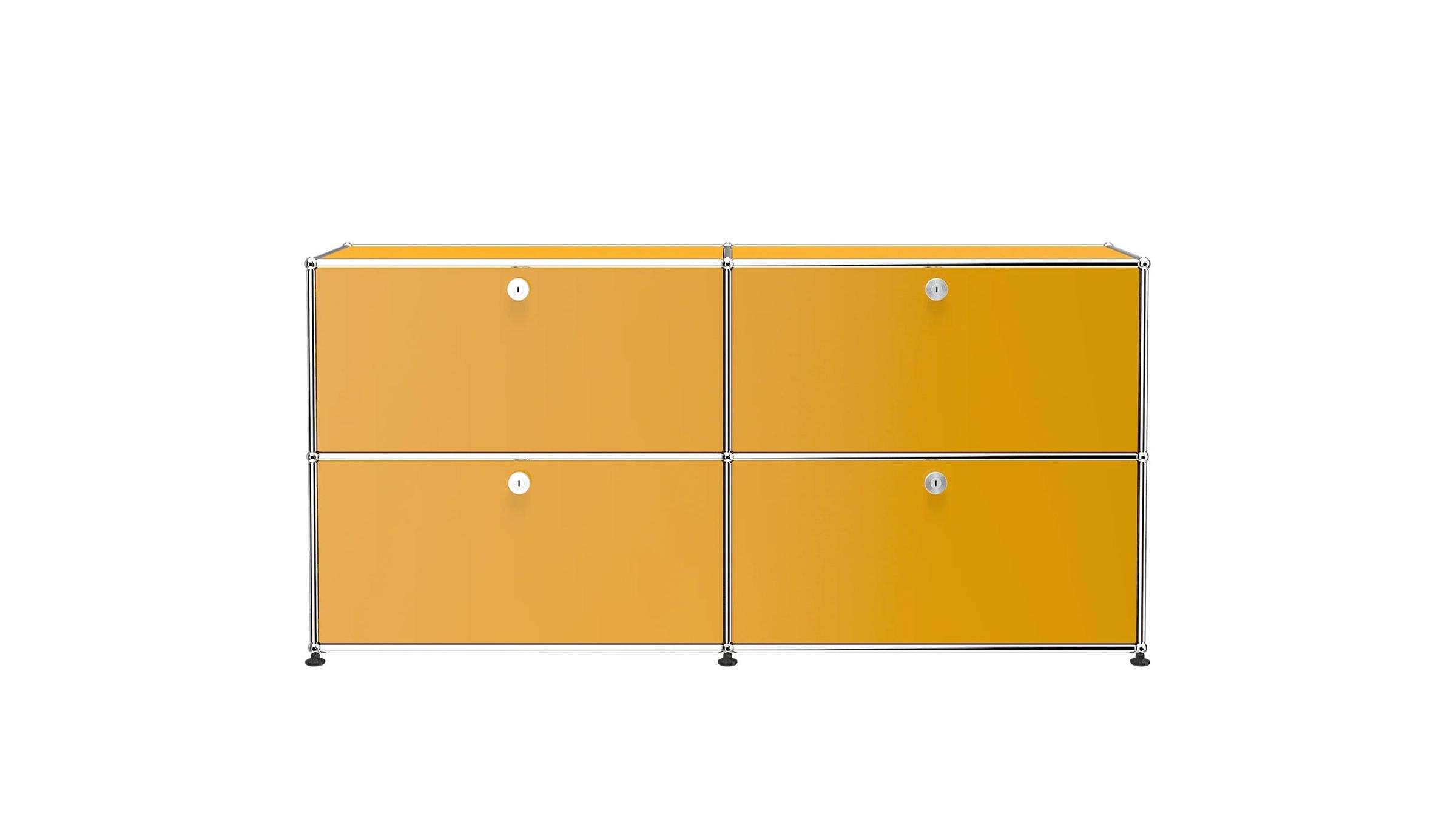
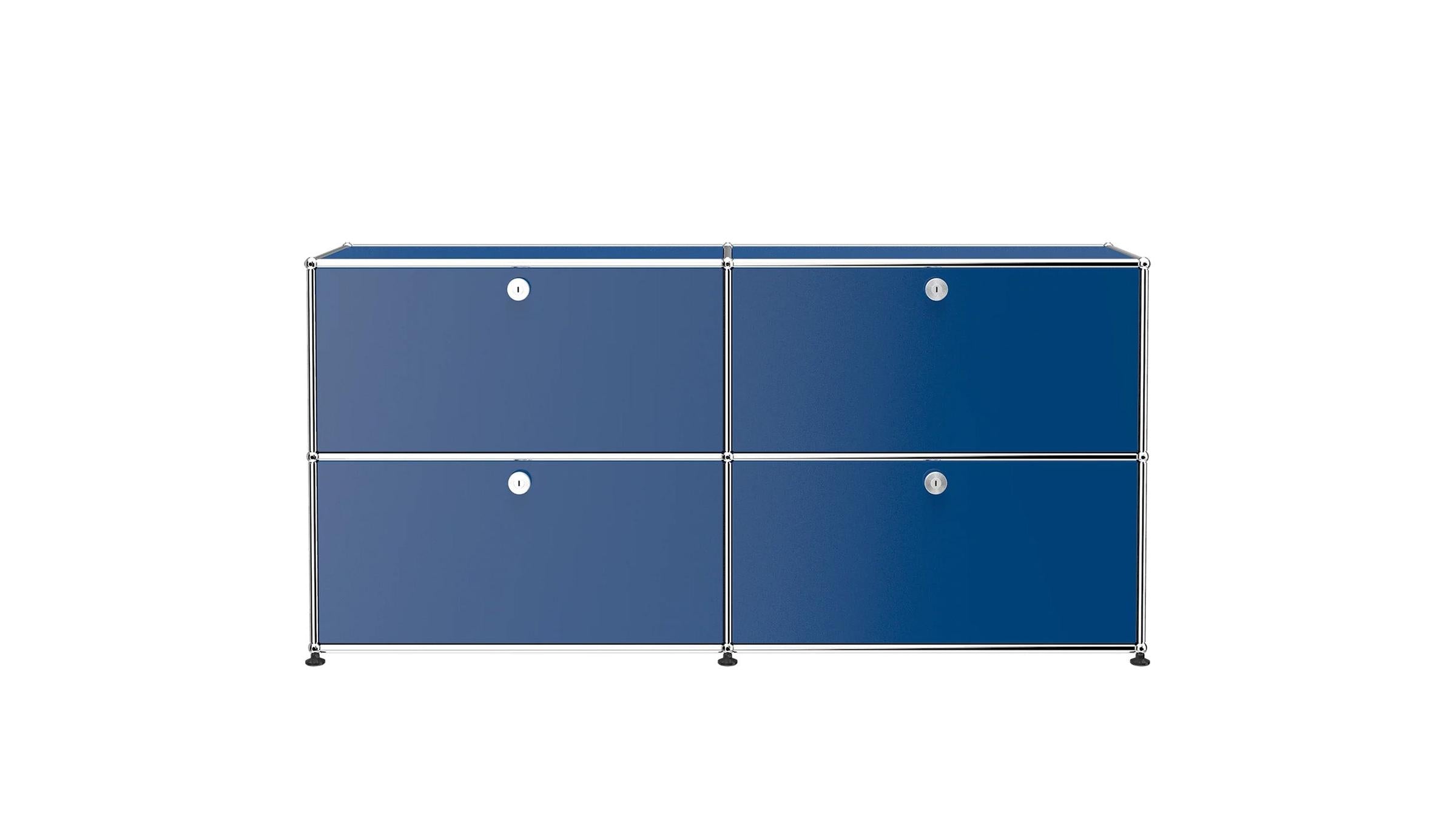
La Credenza E2 è il sistema nella sua espressione più orizzontale e composta. Quattro ante a ribalta con serratura si estendono su un formato ampio, offrendo un generoso spazio di archiviazione nascosto senza appesantire visivamente l'ambiente. La forma non si impone né si ritrae. Si limita a mantenere la sua posizione.
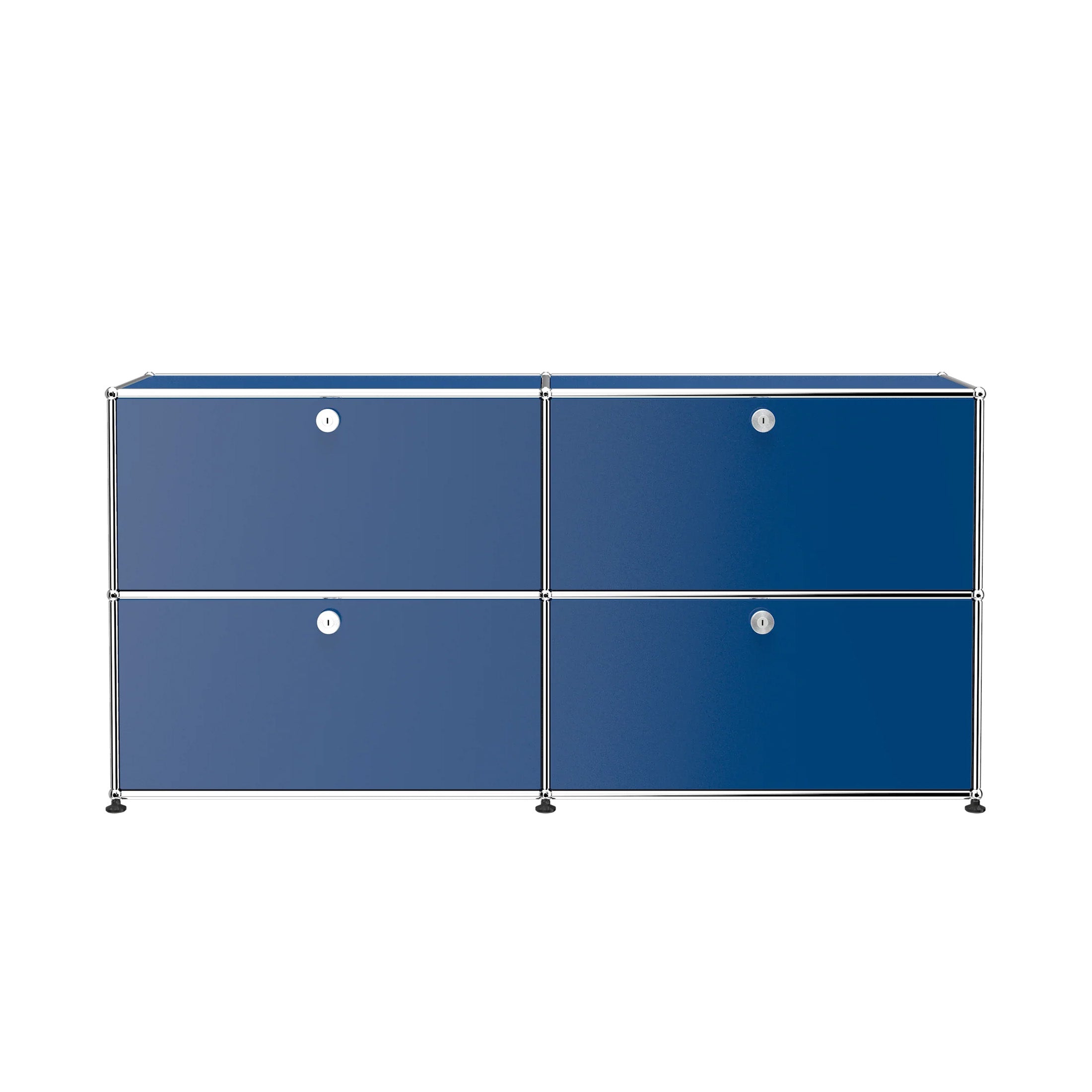
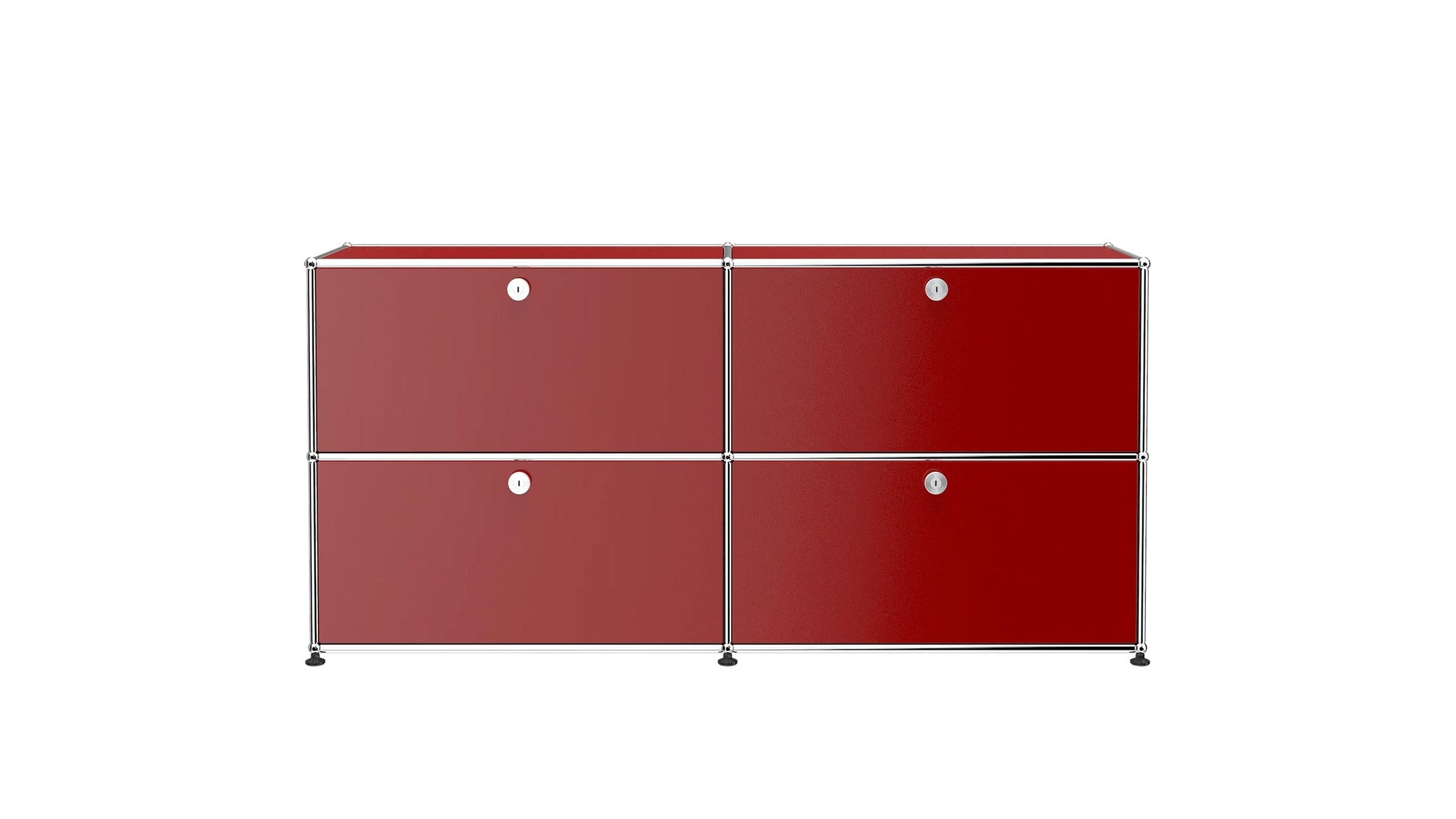
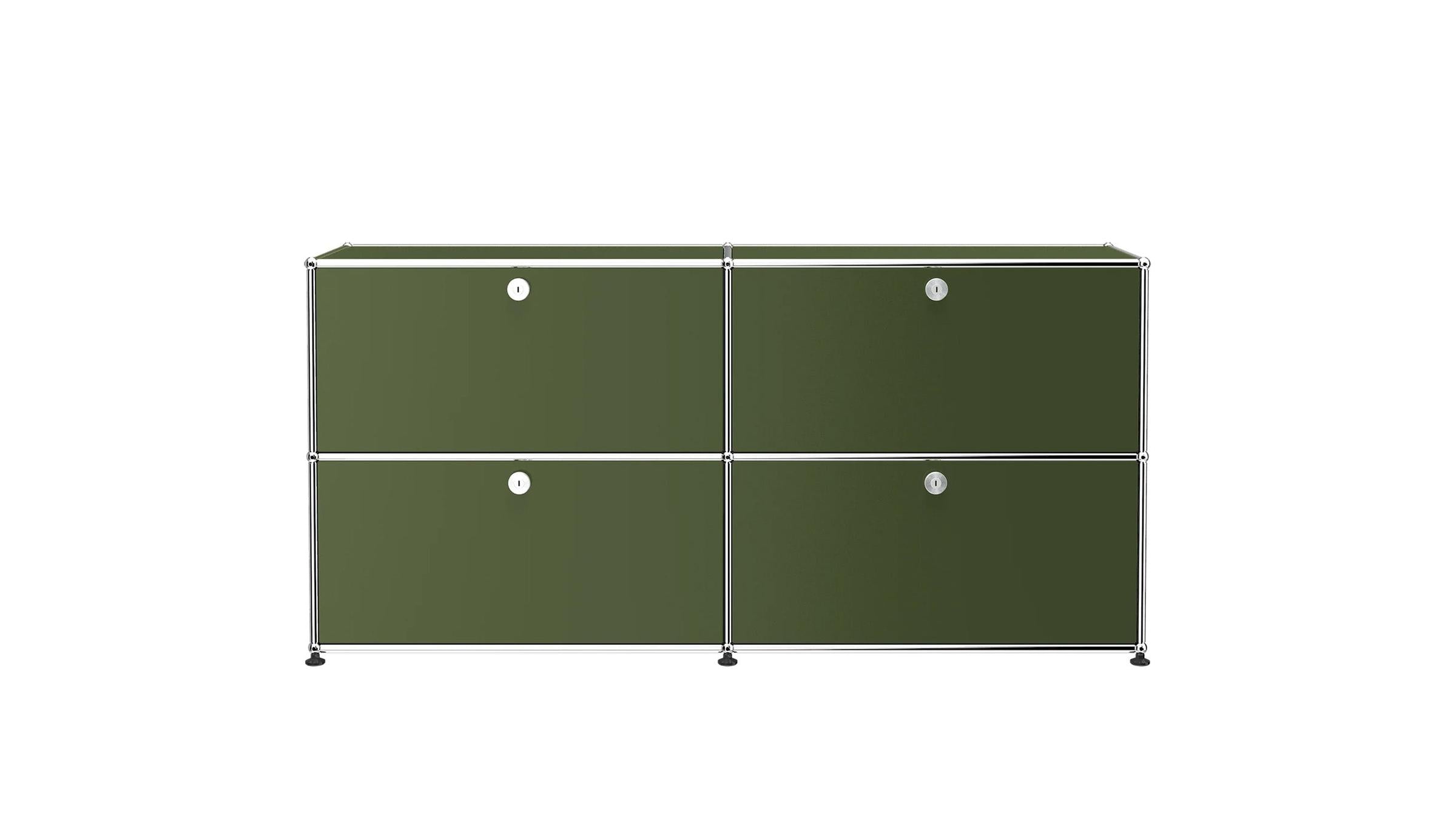
Le sfere cromate in acciaio collegano il telaio tubolare con una precisione visibile da vicino e percepibile dopo decenni di utilizzo. Il sistema è realizzato su ordinazione, disponibile in sette colori standard e adatto con la stessa convinzione sia agli interni residenziali che agli ambienti professionali.
- Quattro ante a ribalta da 14 pollici con serratura
- Costruzione con giunto sferico in acciaio cromato
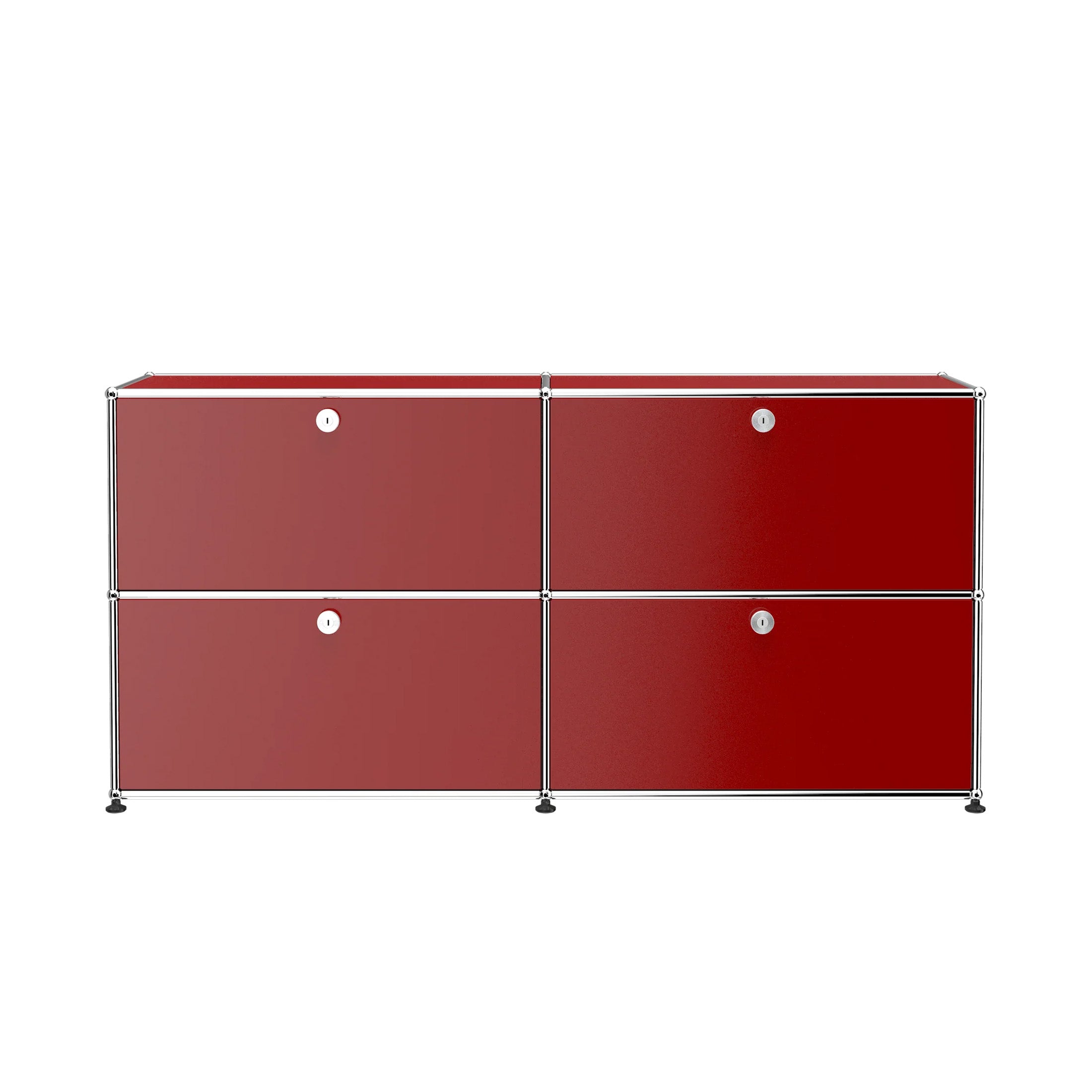
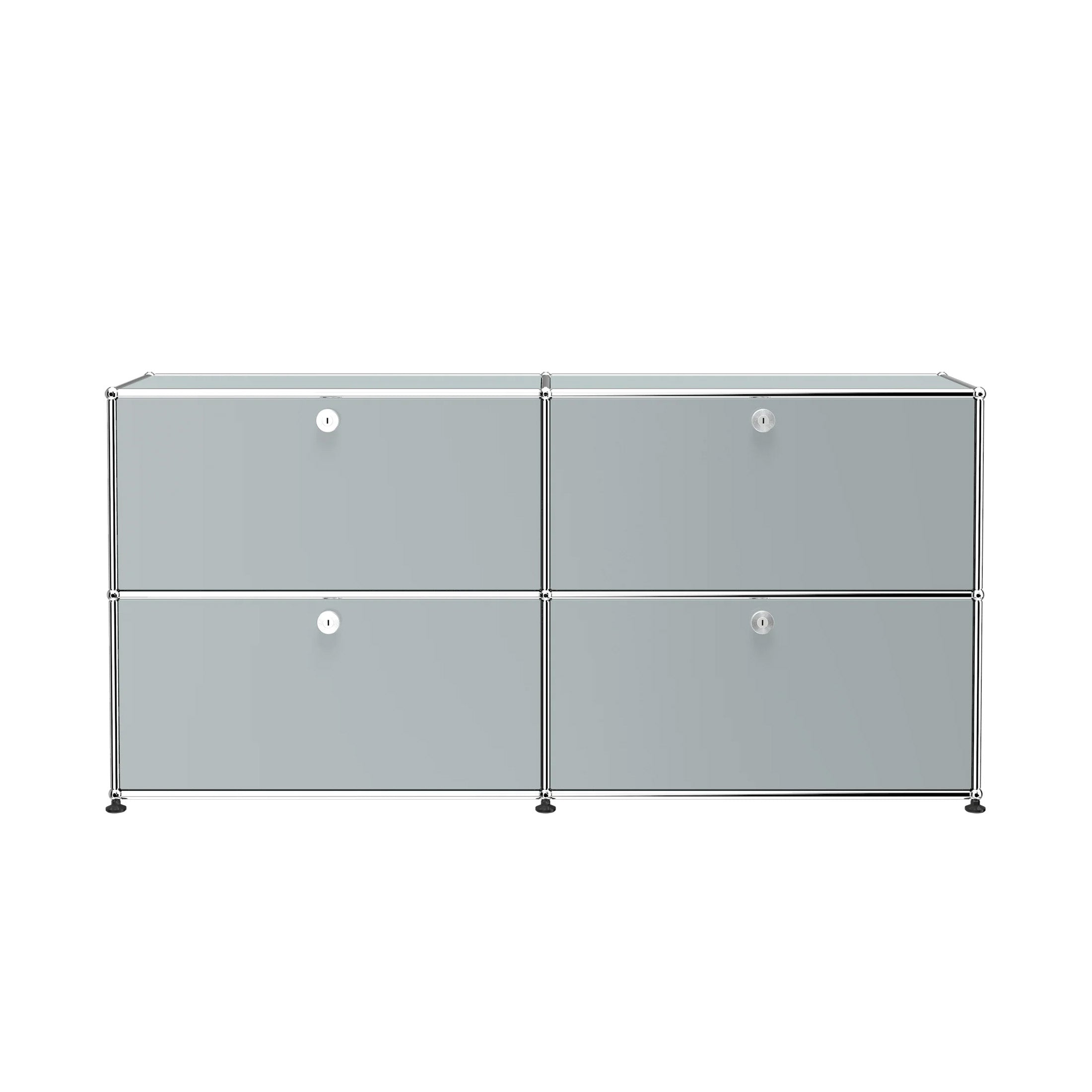
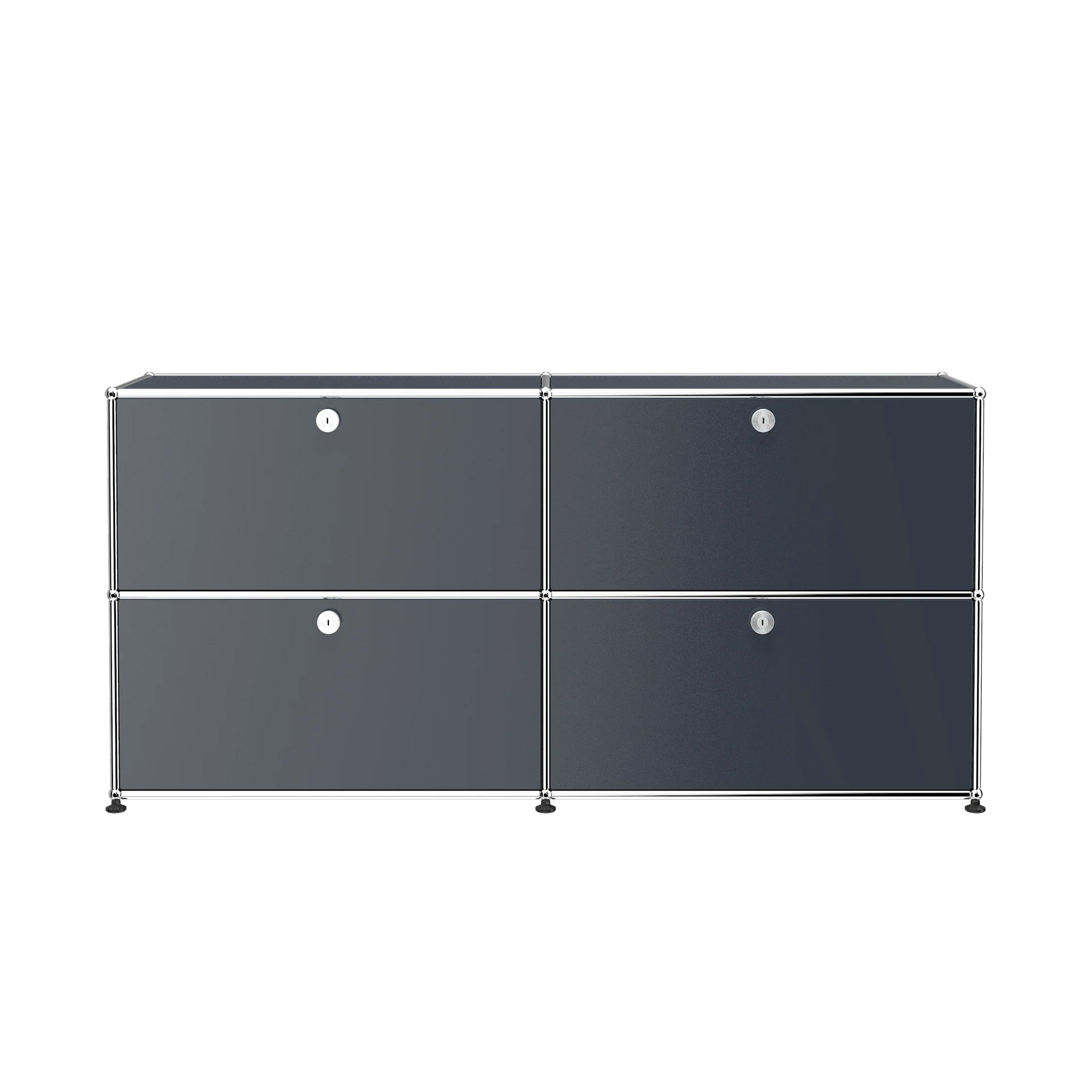
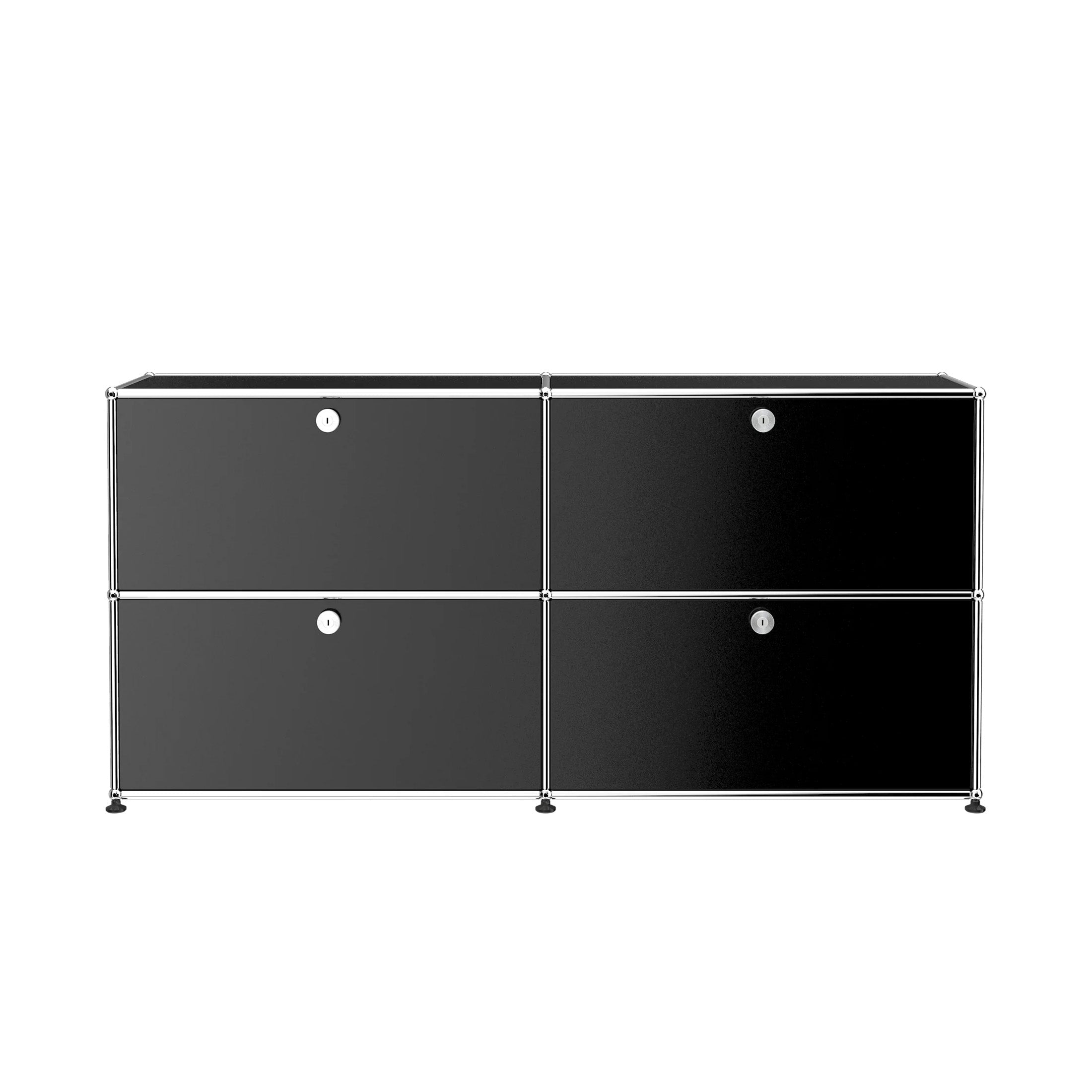
- Sette opzioni di colore standard per la superficie
- Realizzato su ordinazione per ambienti residenziali e uffici
Made to order by USM Haller, tailored to you.
Get customization options, swatch samples and pricing for your project.
Si abbina bene a
Credenza
Product Details
Tear Sheet
Pricing & Warranty
Pricing for made-to-order items varies based on configuration, finishes, and customization options. Please contact one of our design consultants or visit a showroom near you for current pricing and personalized assistance.
Luminaire is an authorized retailer of USM Haller. The product comes with a full manufacturer warranty.
Authenticity guaranteed. Genuine product, authenticated and sourced directly from the manufacturer.
Domande Frequenti
Who designed the USM Haller system?
The USM Haller system was developed in the 1960s through a collaboration between Swiss architect Fritz Haller and Paul Schärer, then director of USM. Haller's modular geometry and Schärer's manufacturing vision produced a system that has remained in continuous production ever since.
Can USM Haller pieces be reconfigured after purchase?
Yes. The ball-joint and tubular steel construction of the USM Haller system is designed for reconfiguration. Panels, doors, and structural elements can be added, removed, or rearranged, allowing the furniture to adapt to changing spatial or functional requirements over time.
What are the standard color options for USM Haller cabinets?
USM Haller offers seven classic surface colors for its cabinet panels, ranging from pure white and anthracite to warmer tones. The chrome-plated steel frame remains constant across all configurations, providing a consistent structural identity regardless of color selection.
Is the USM Haller Credenza E2 suitable for home office use?
The Credenza E2 was designed without distinction between residential and professional contexts. Its lockable drop-down doors, broad storage format, and restrained aesthetic make it equally appropriate for a private study, a corporate office, or a living environment where storage discipline matters.
How is USM Haller furniture manufactured?
USM Haller pieces are manufactured to order at the company's facilities in Münsingen, Switzerland. The chrome-plated steel ball joints and powder-coated panels are produced with tolerances typical of precision engineering, which accounts for the system's dimensional consistency across decades of production.