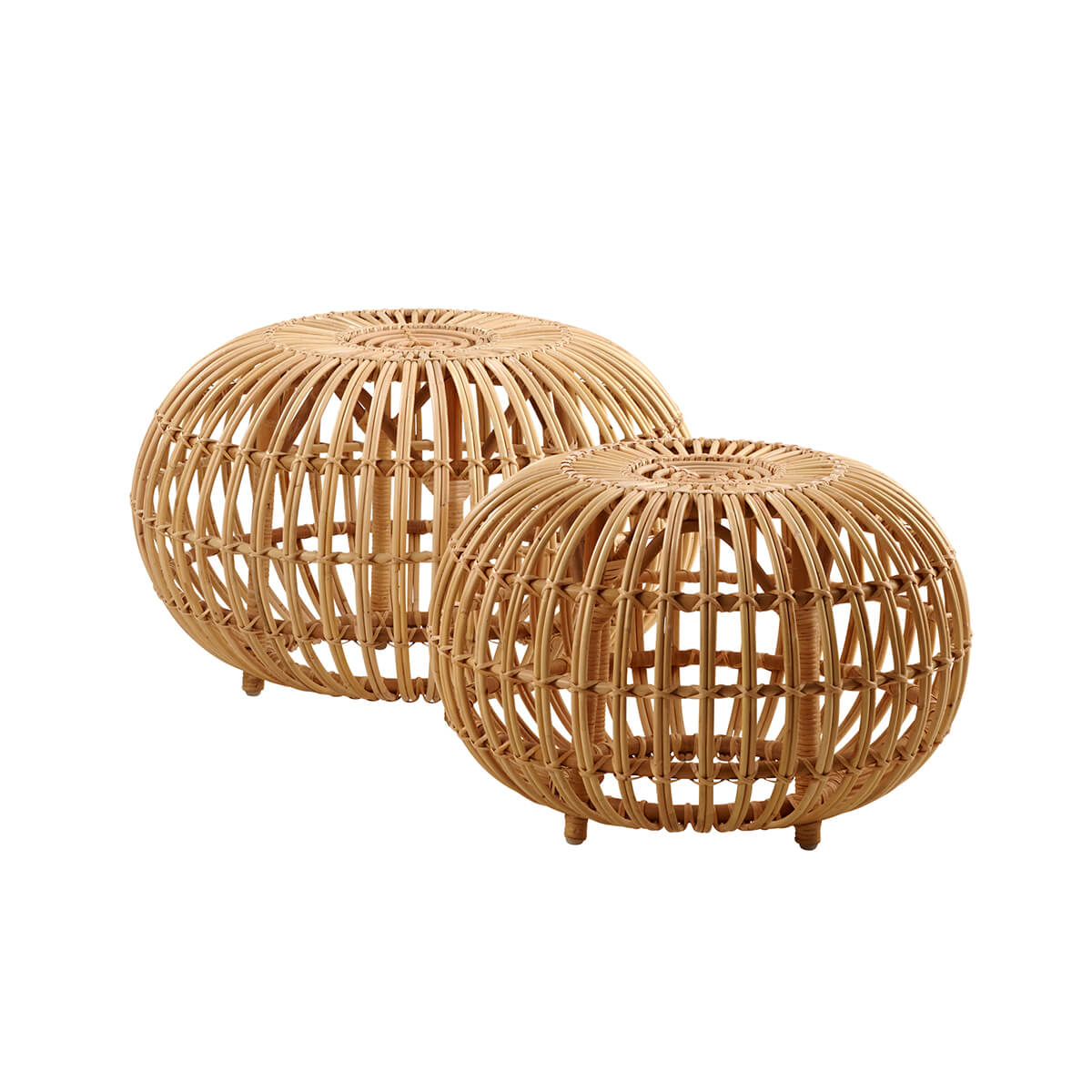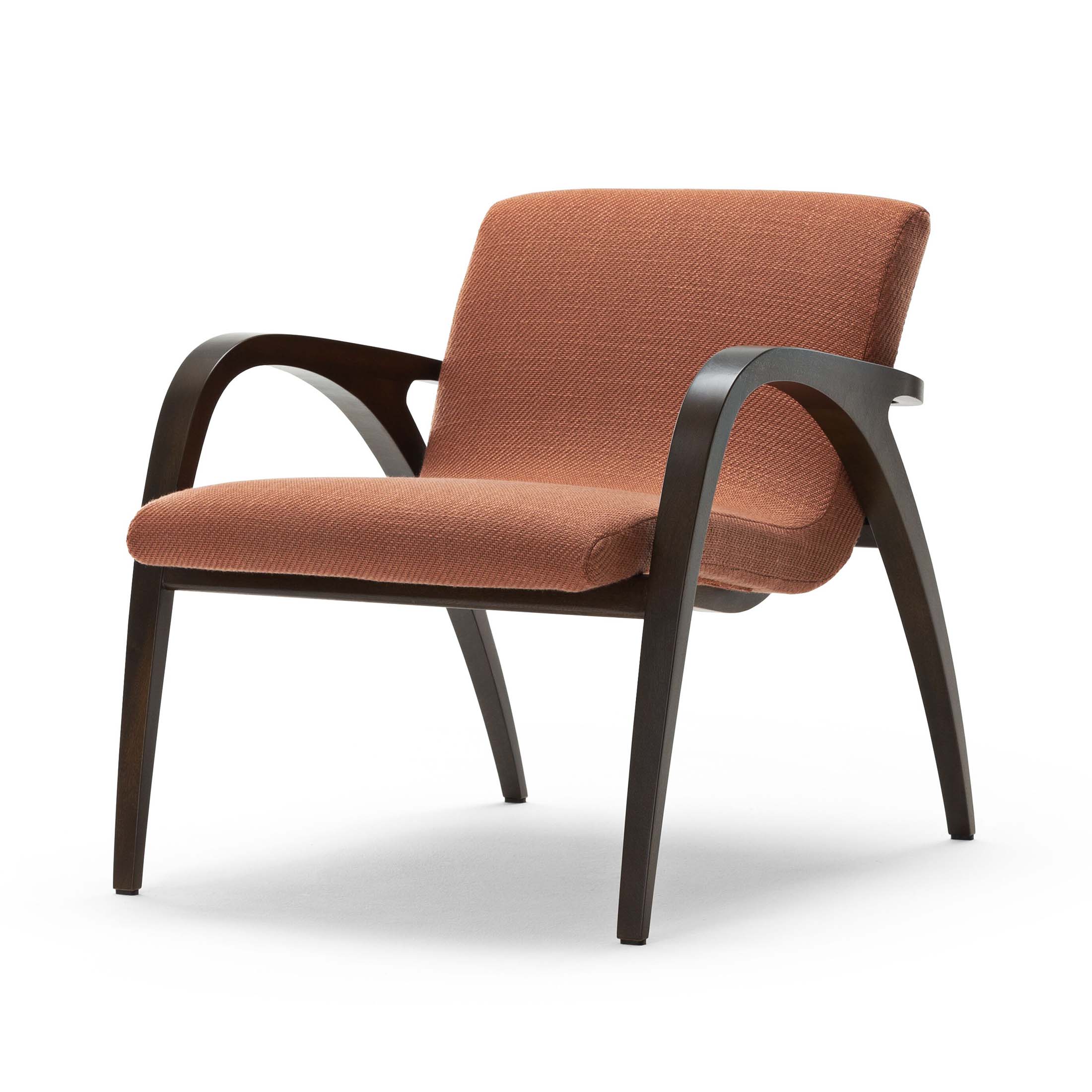
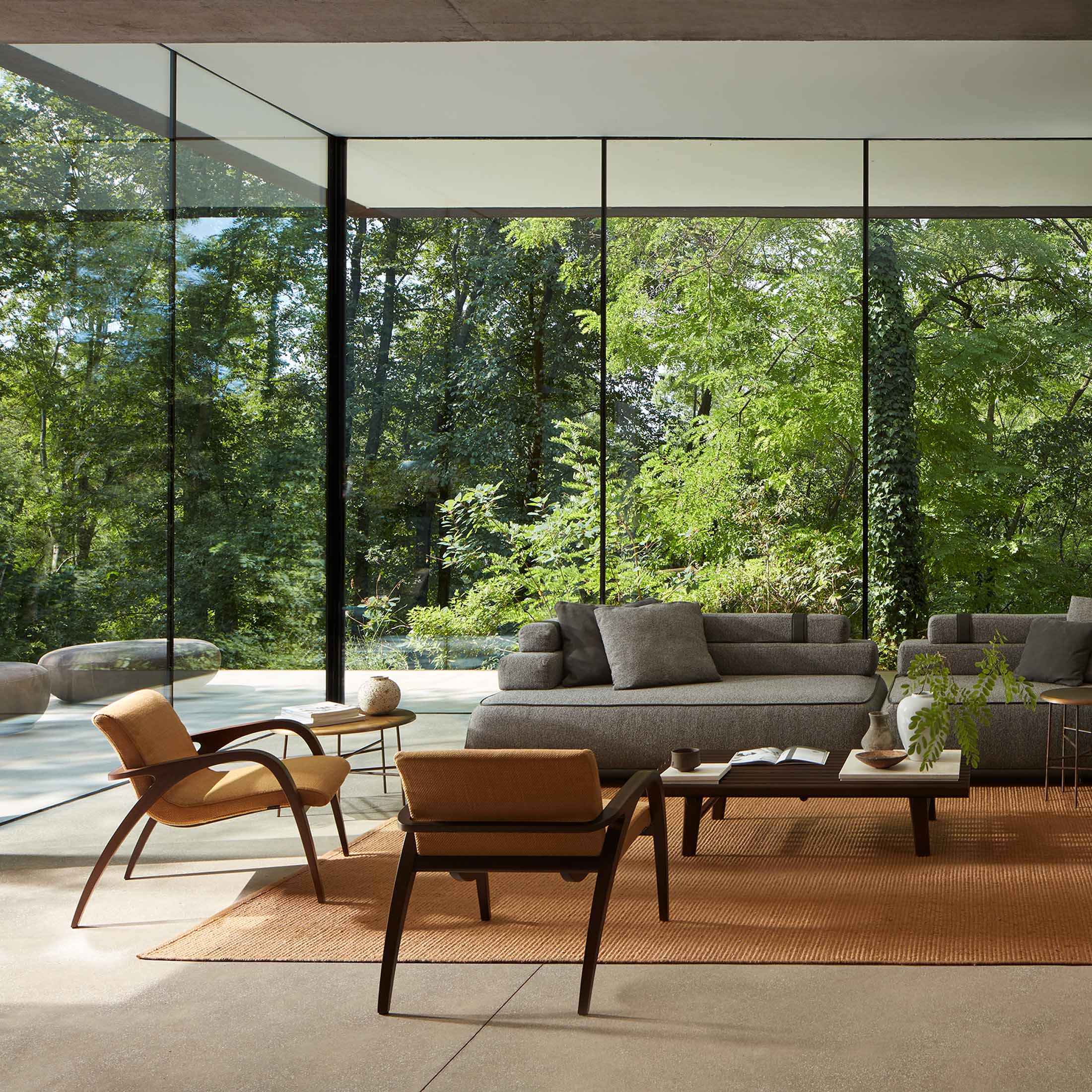
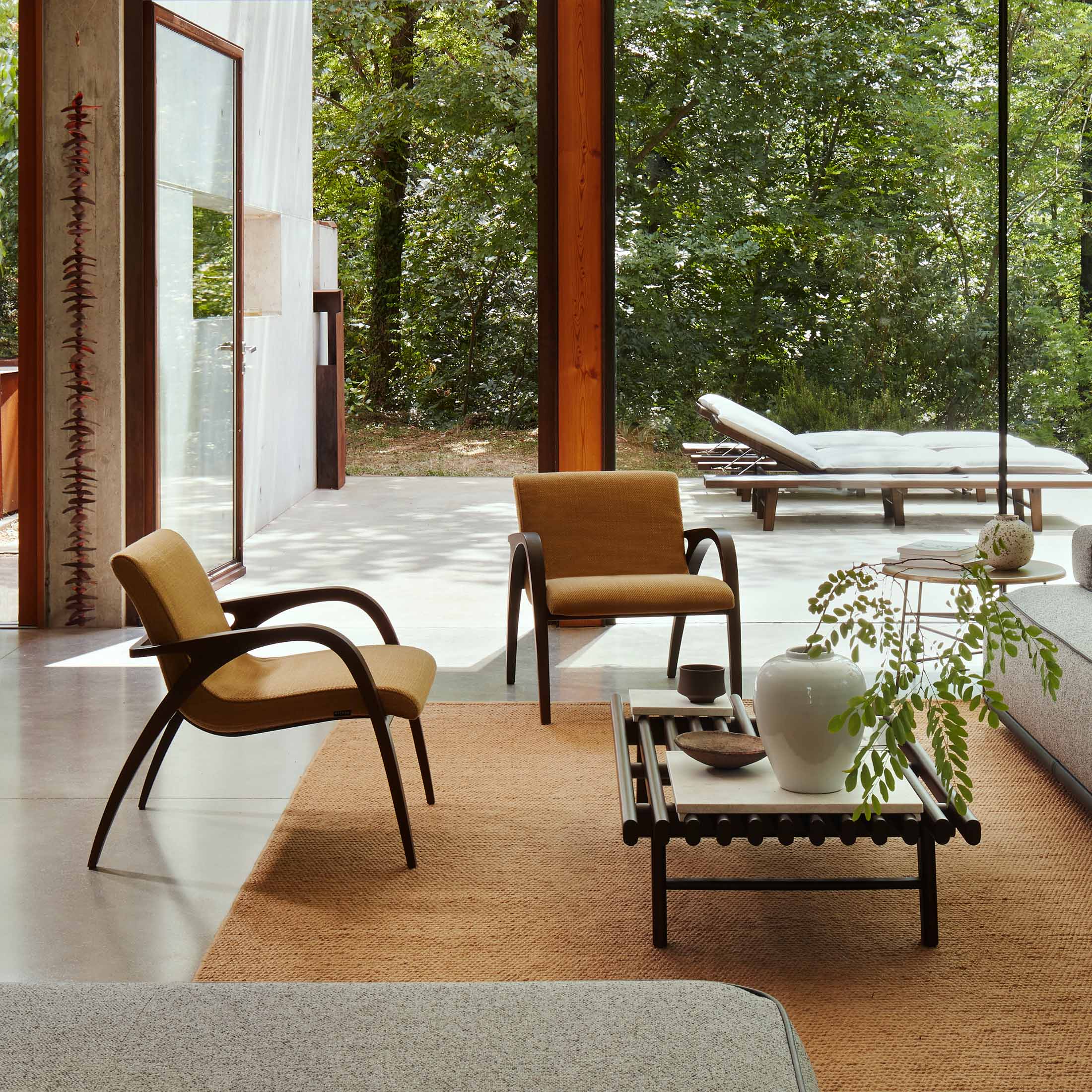
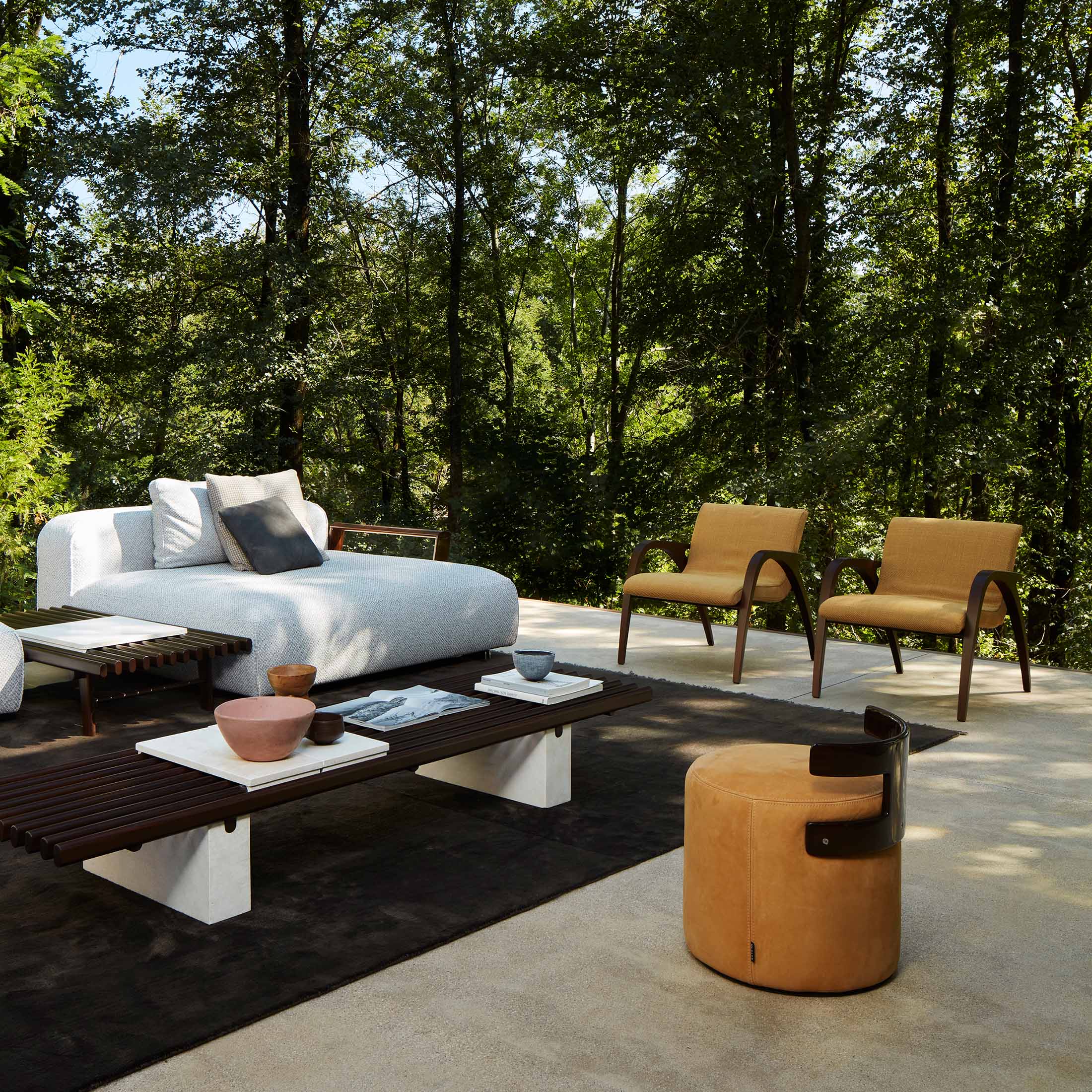
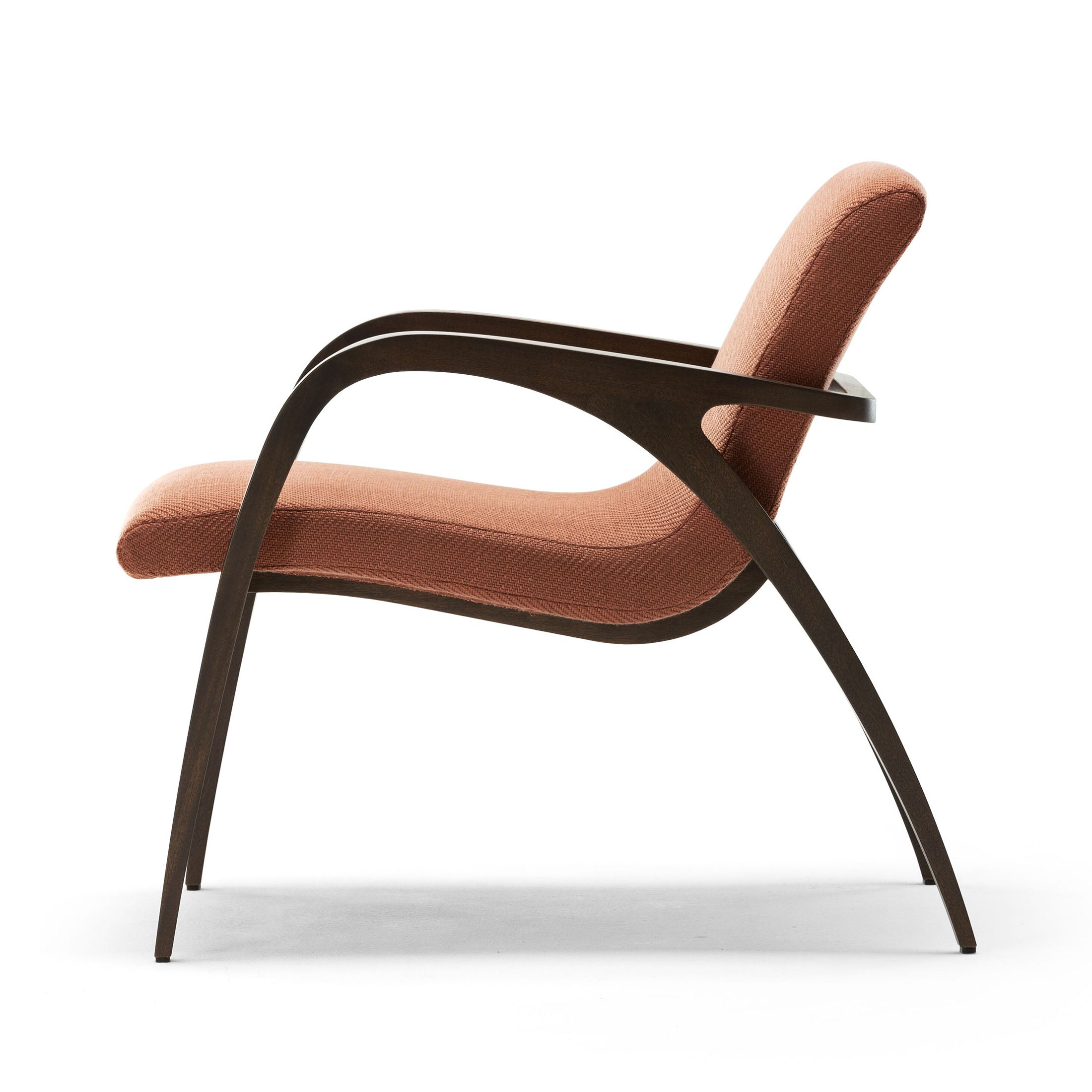
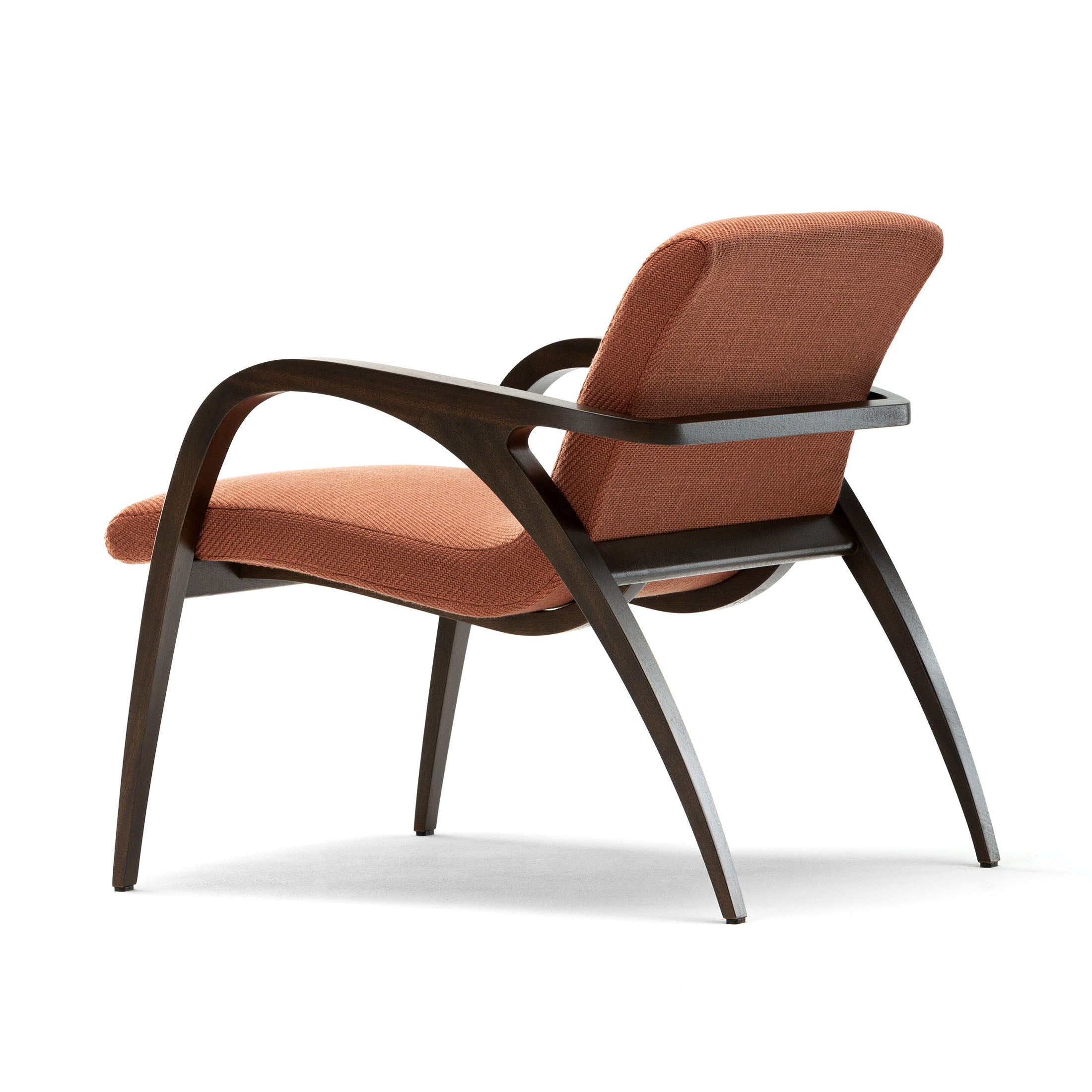
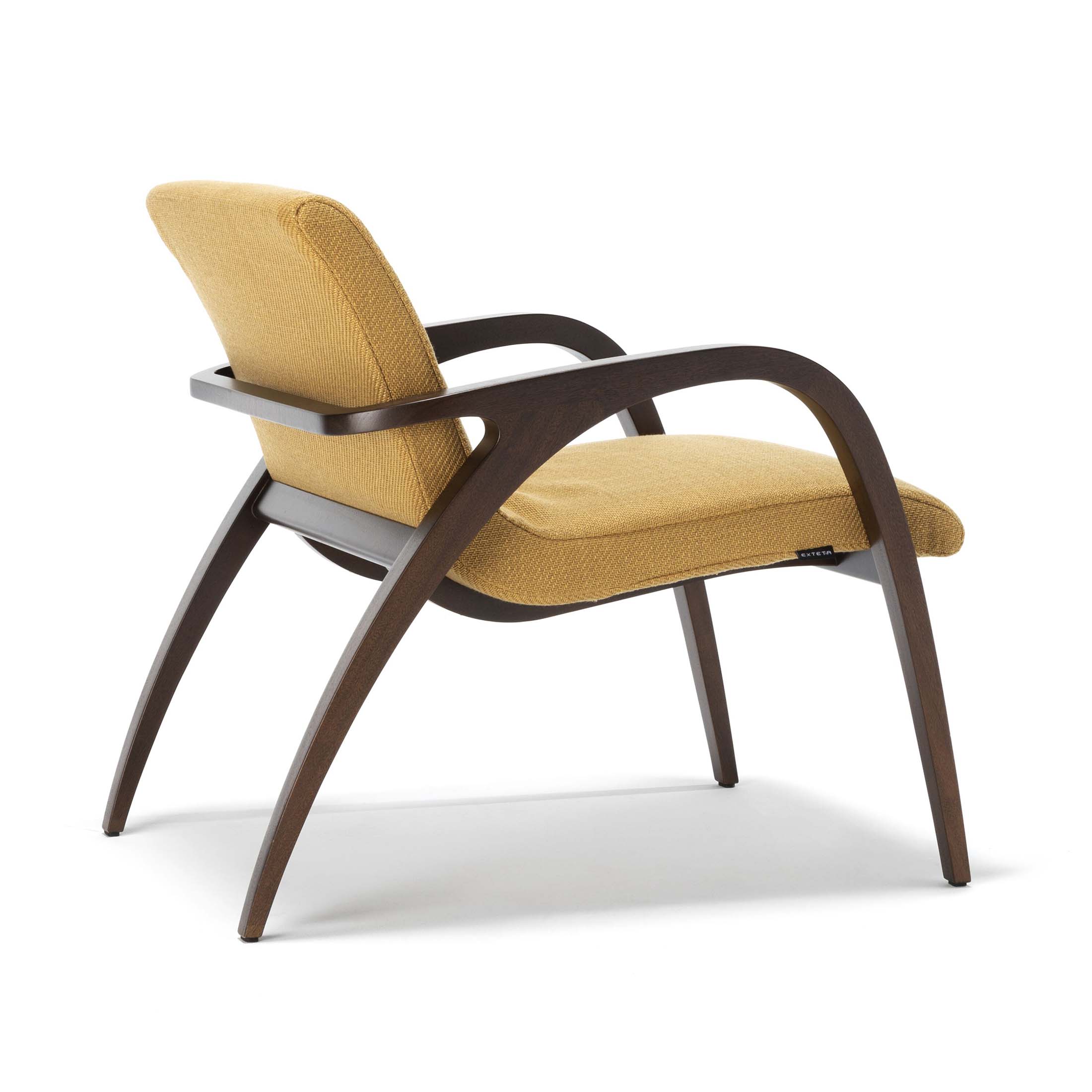
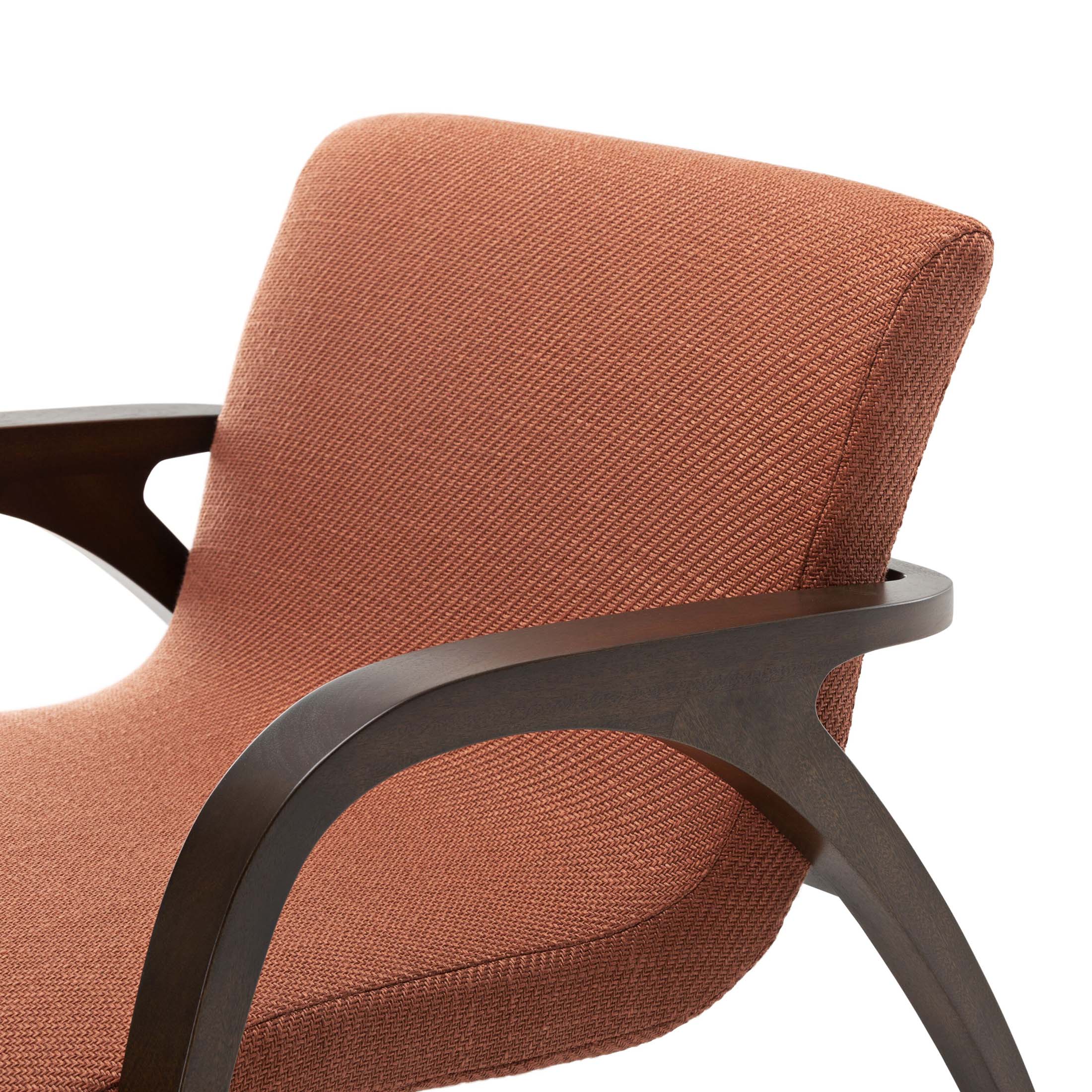
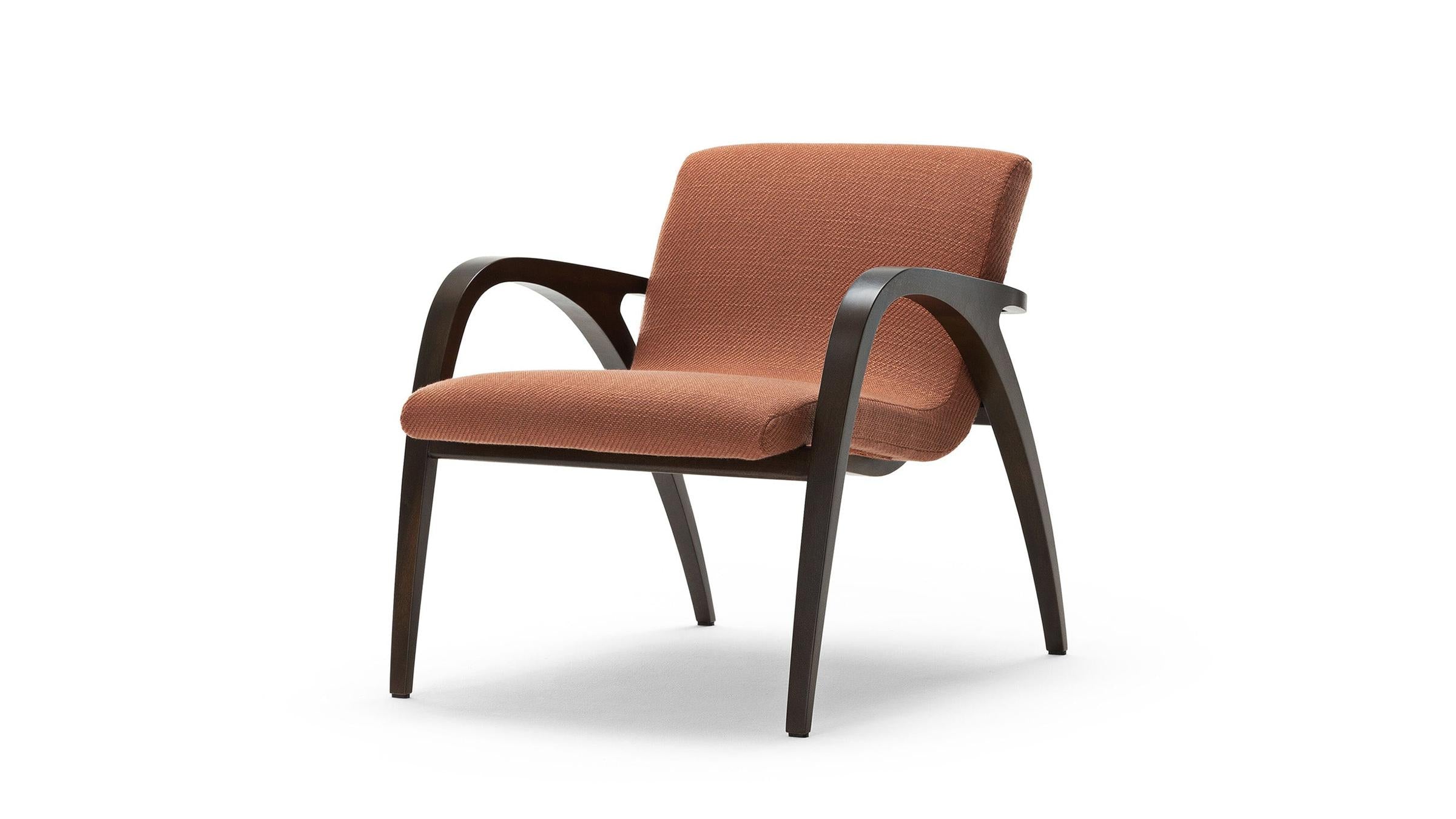
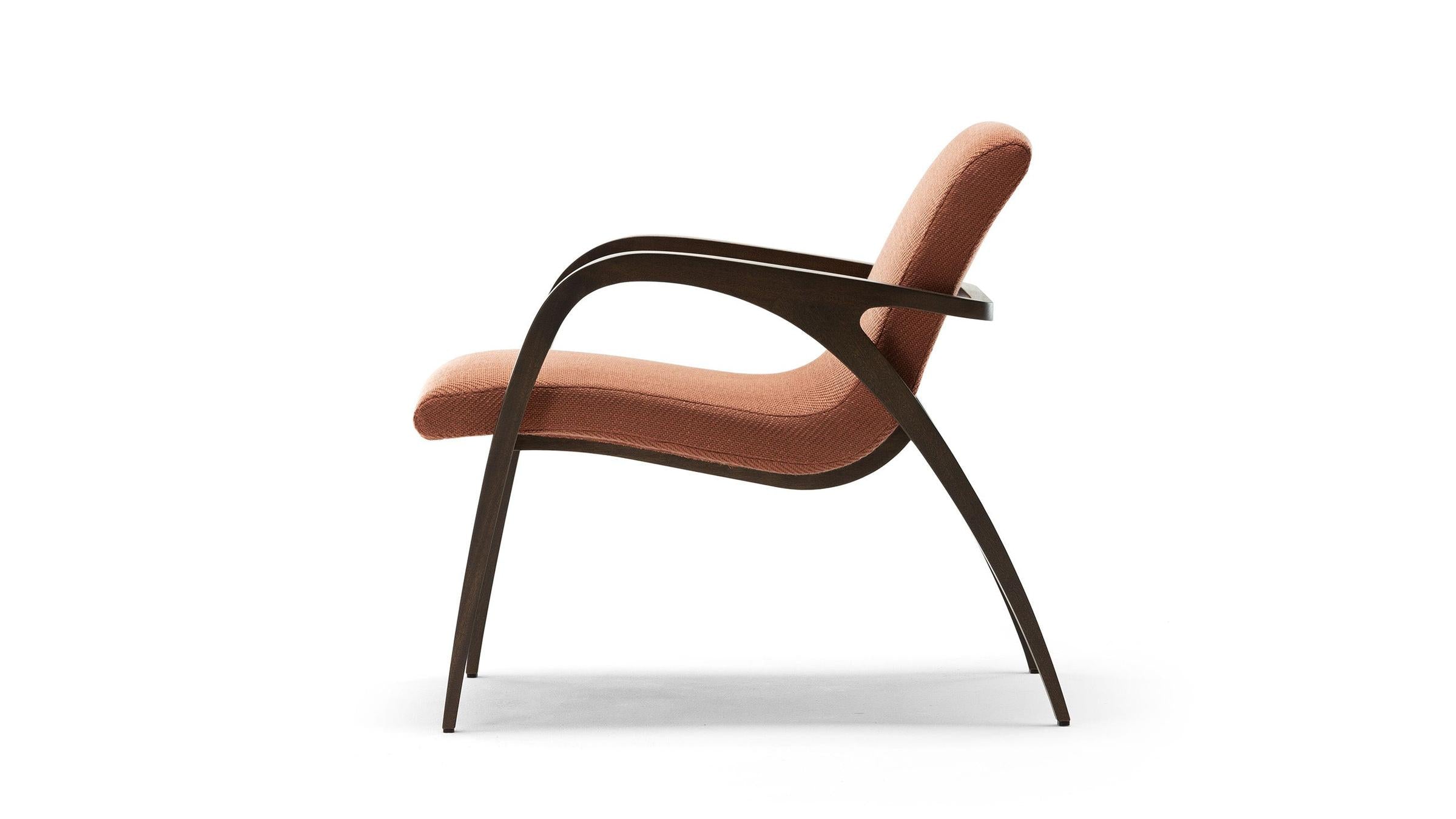
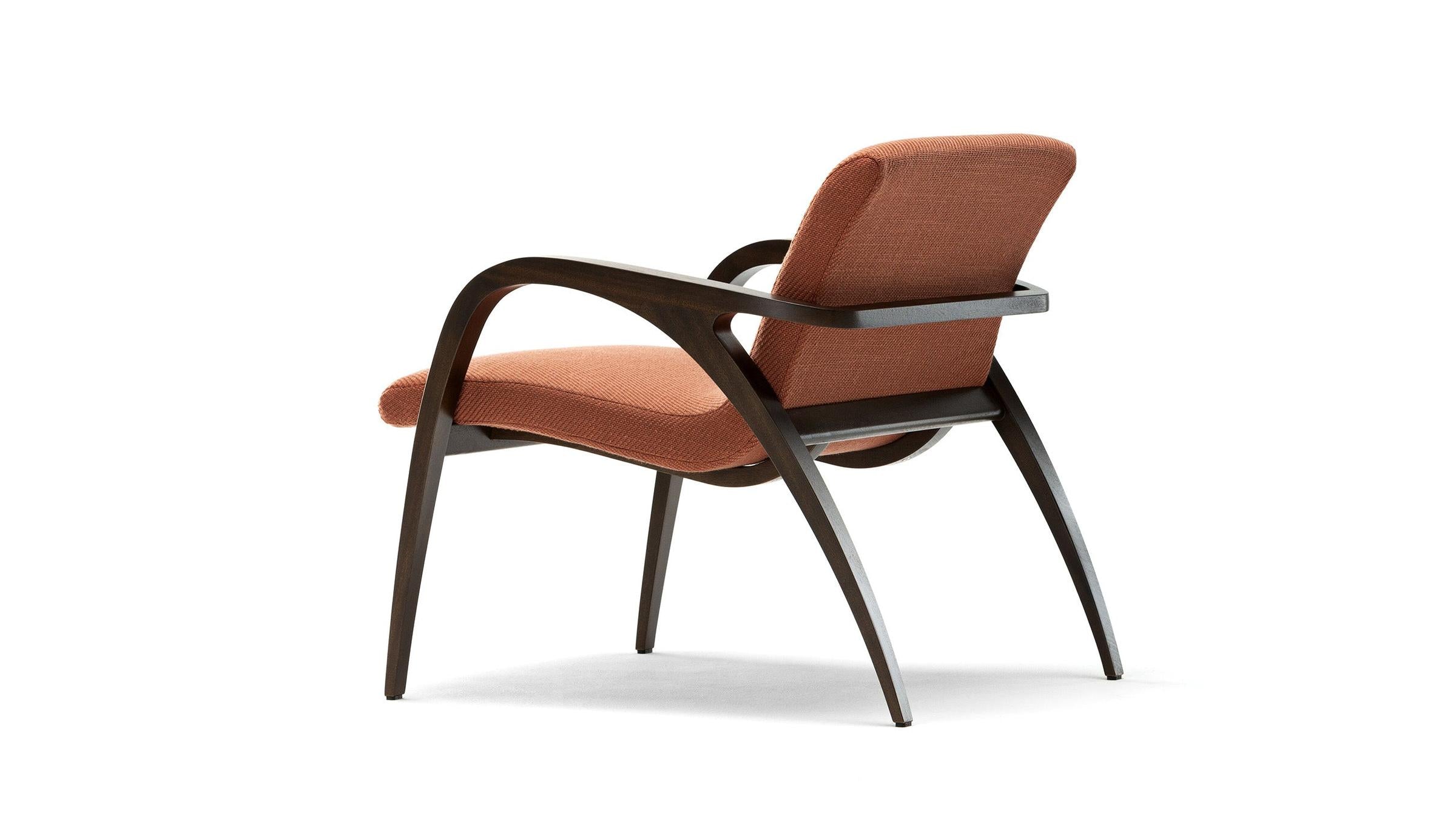
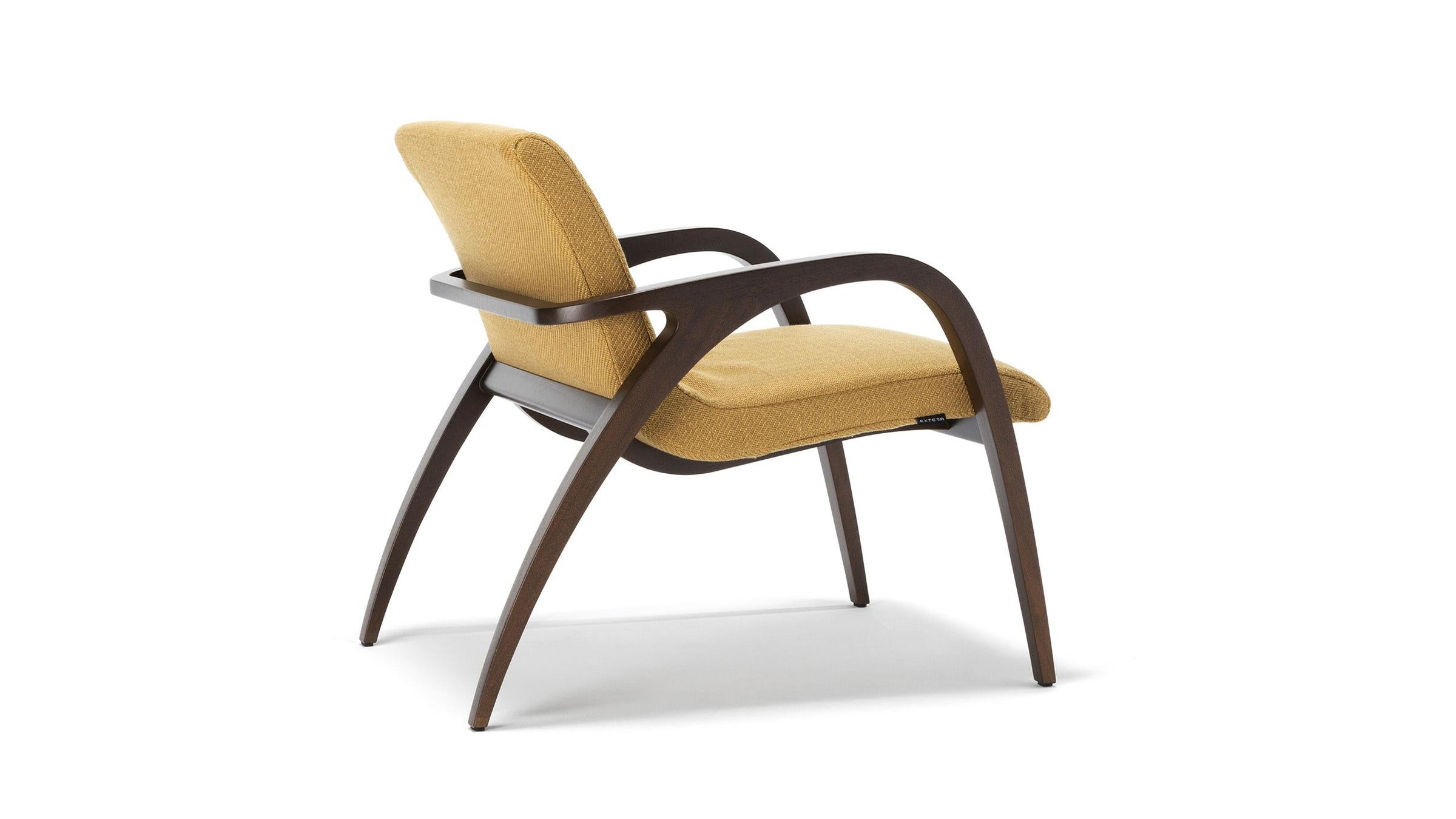
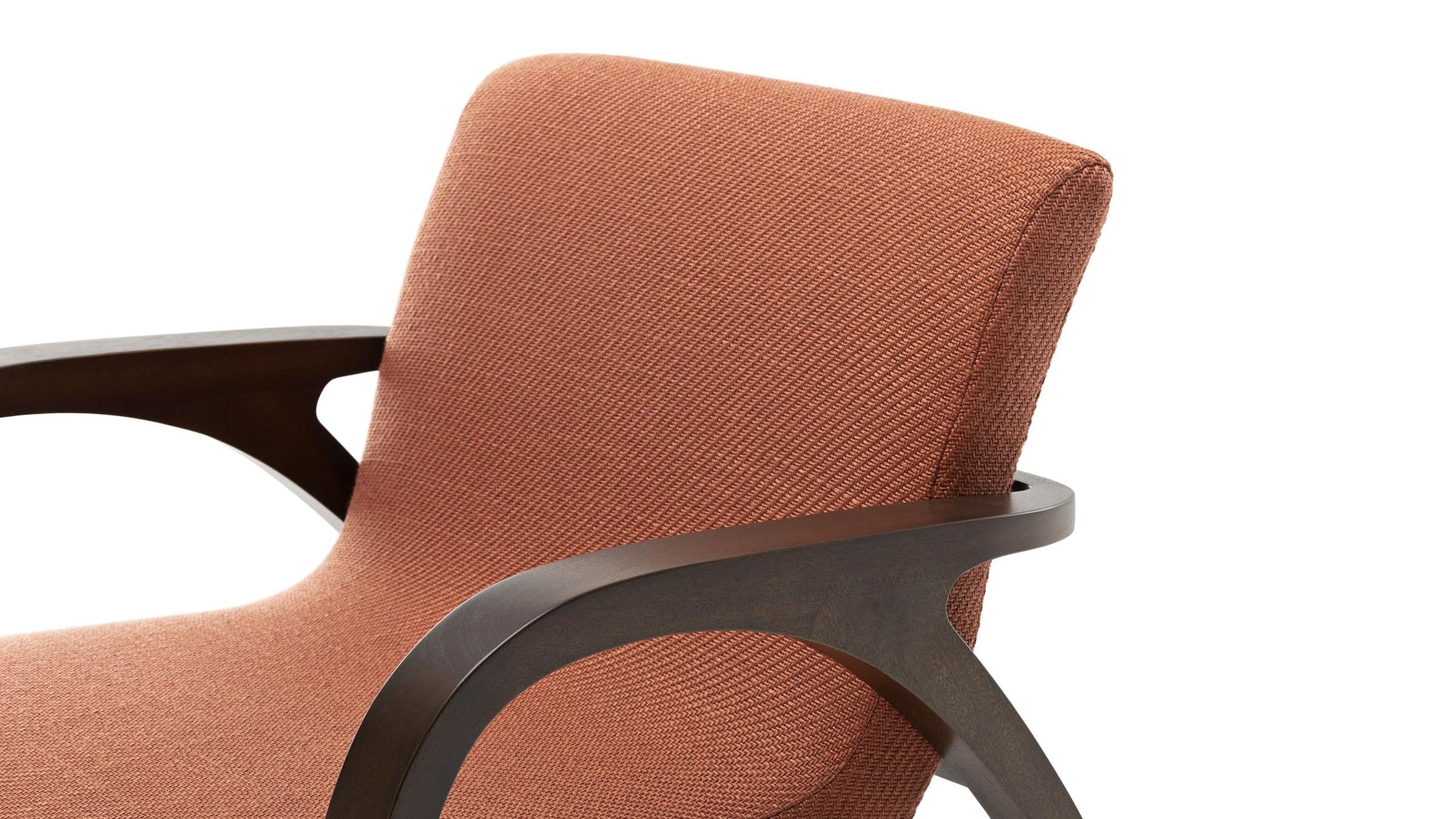
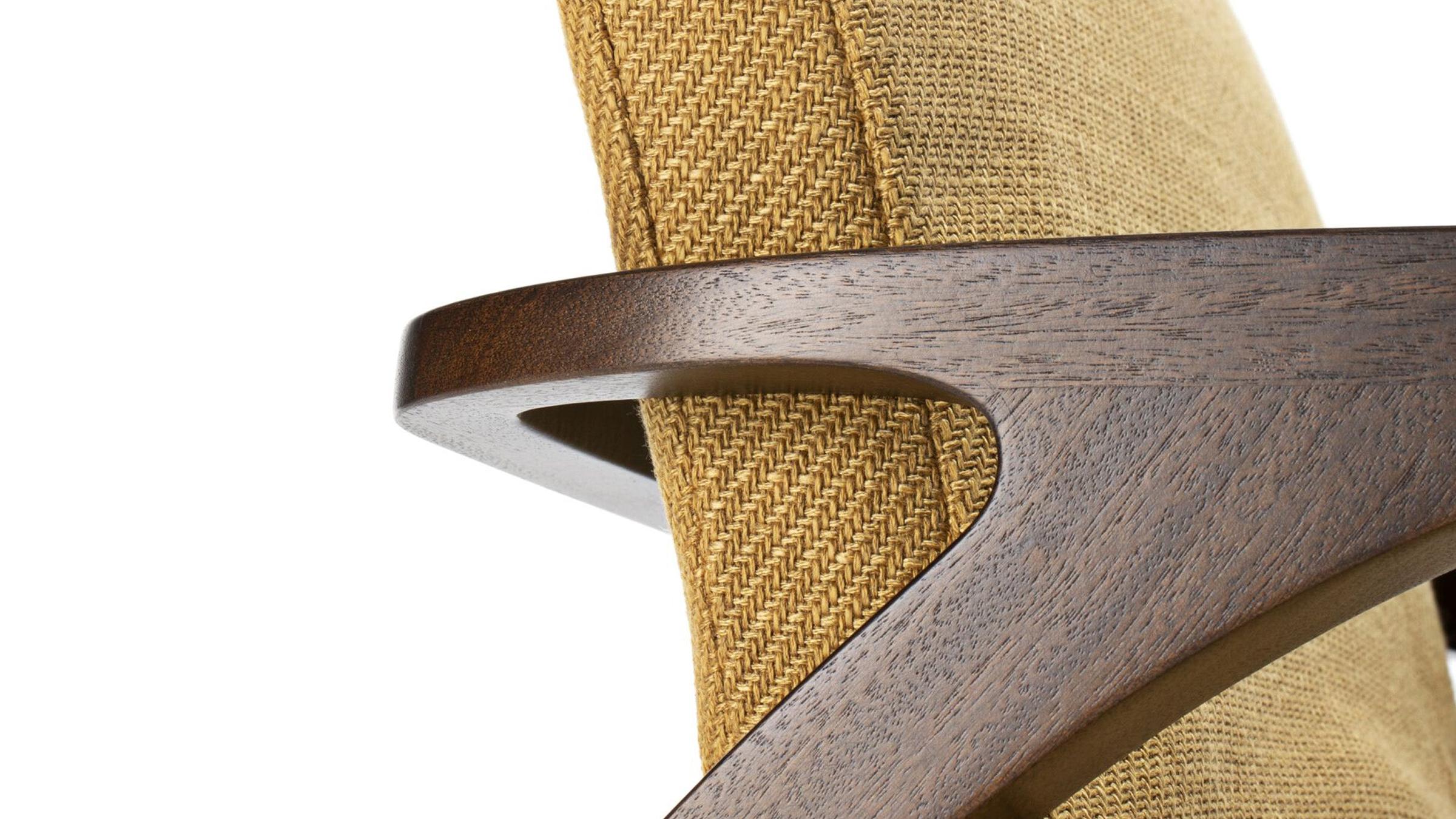
Poltrona 1938
Made by Exteta
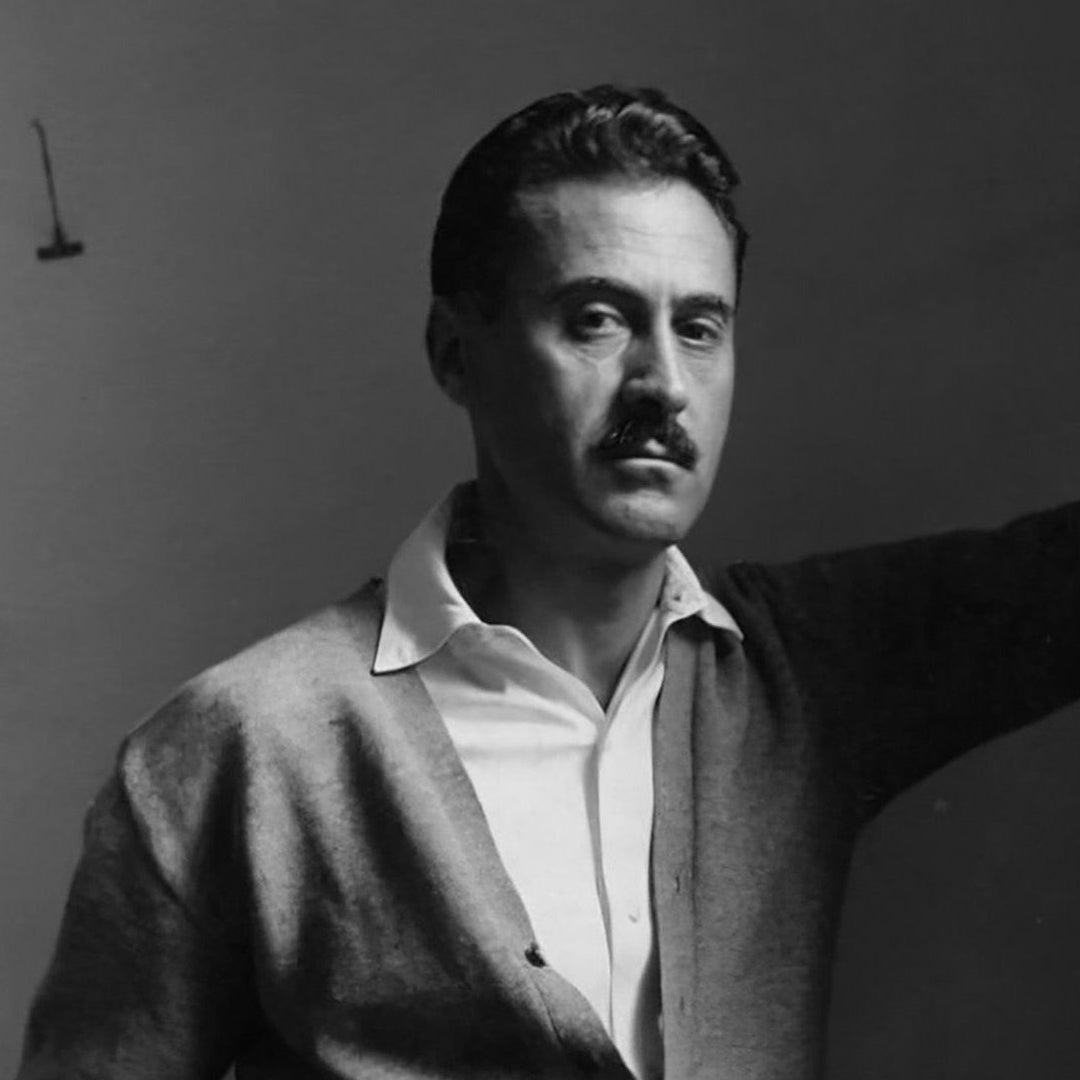
Designed by Franco Albini
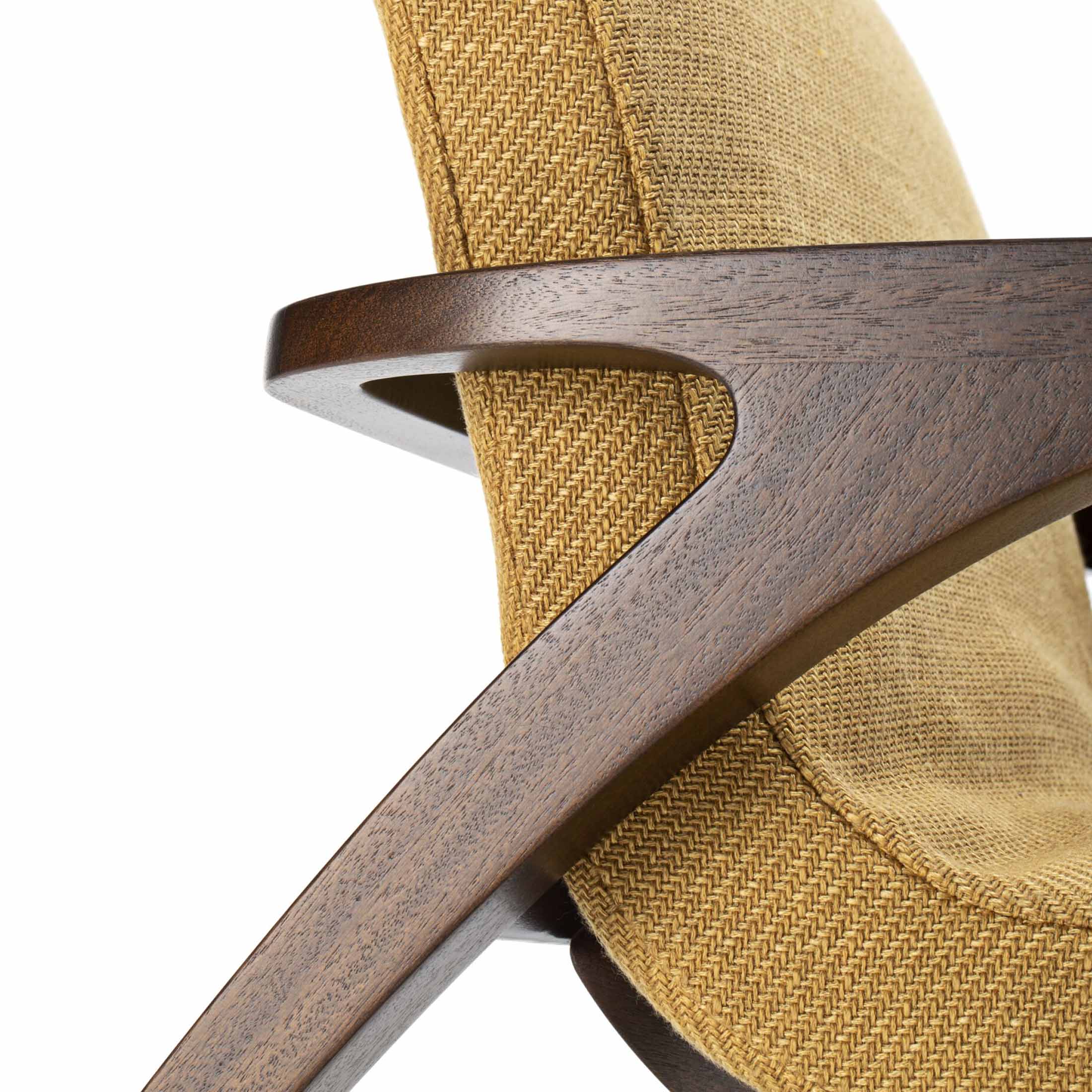
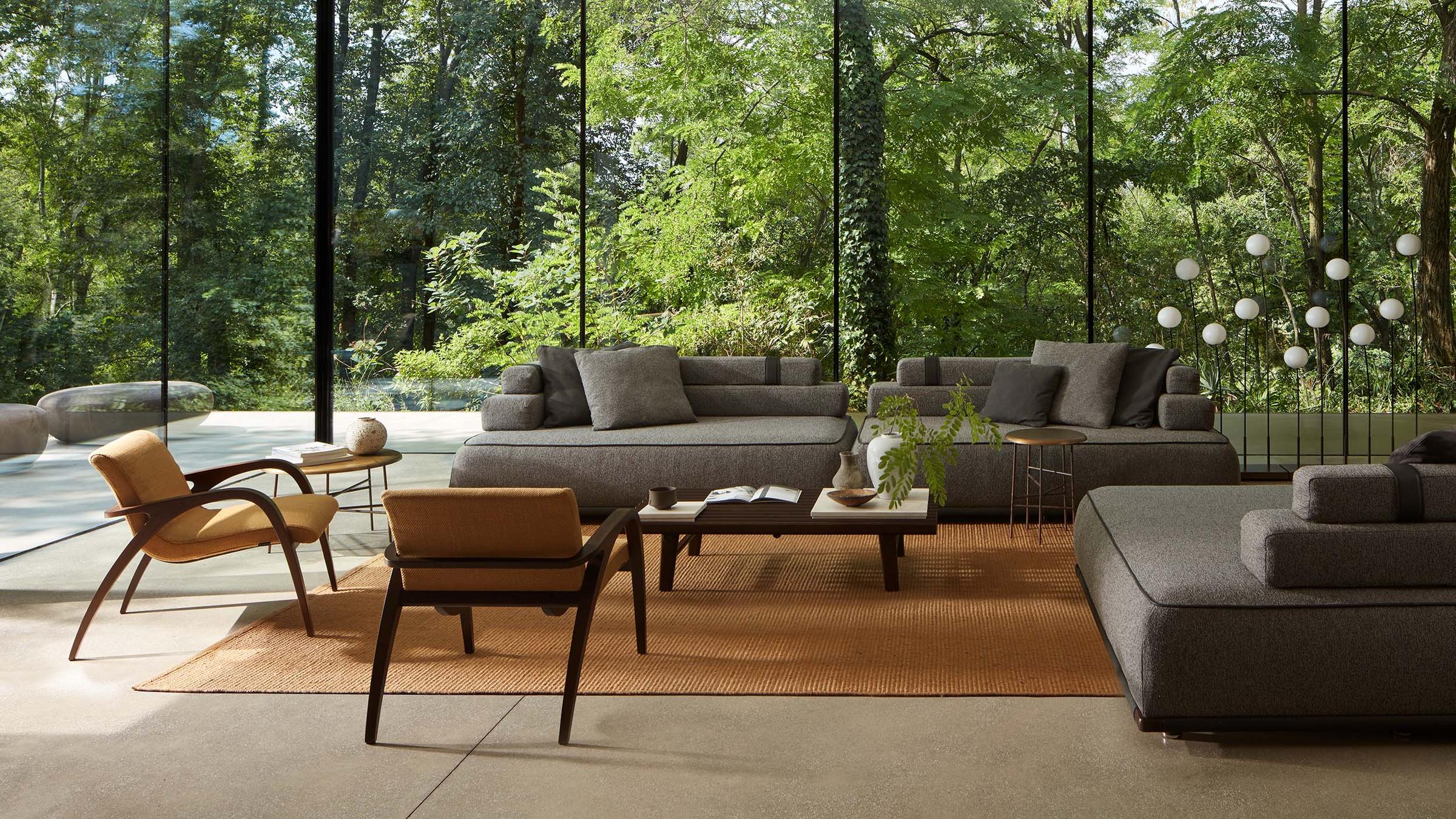
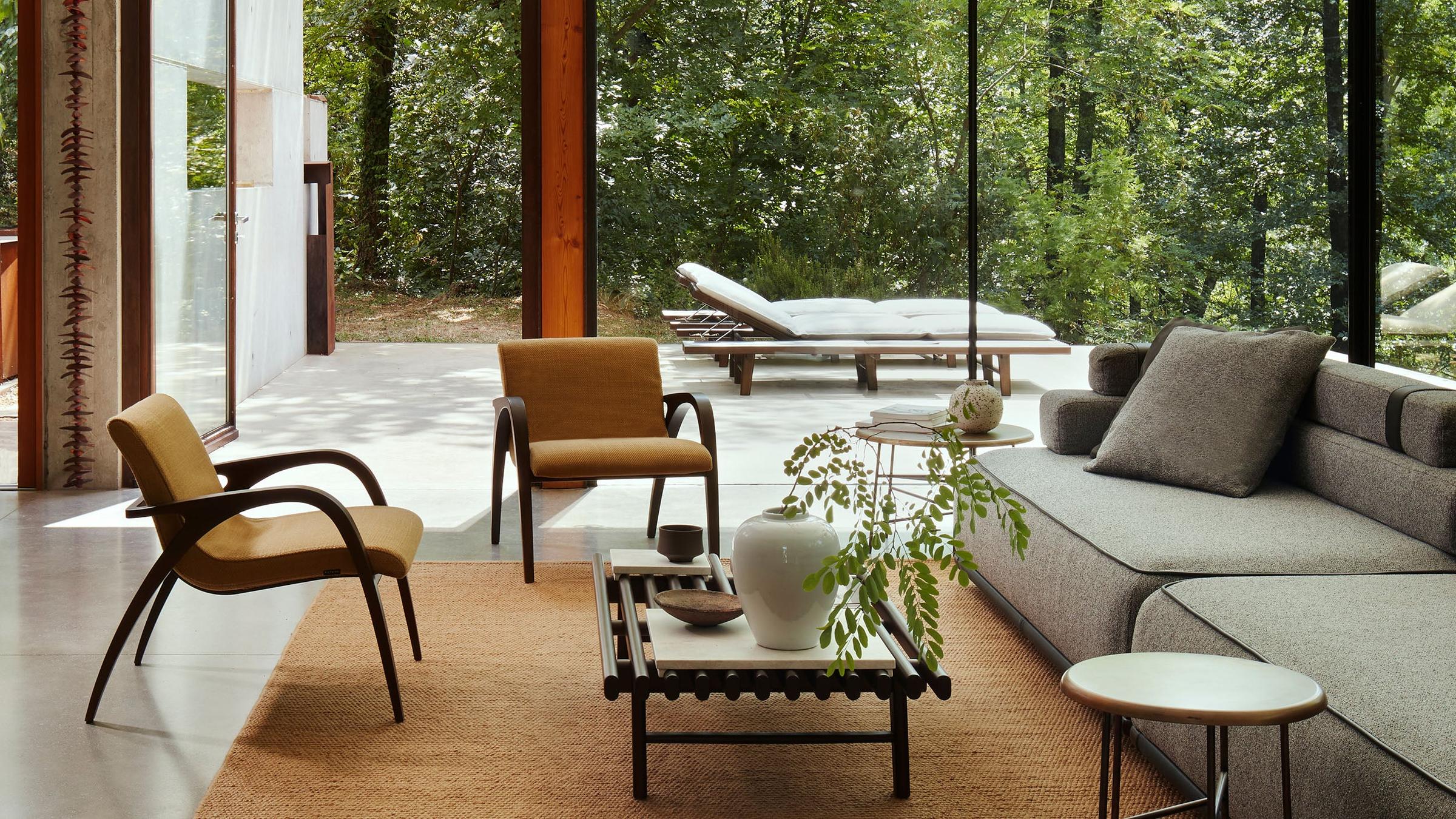
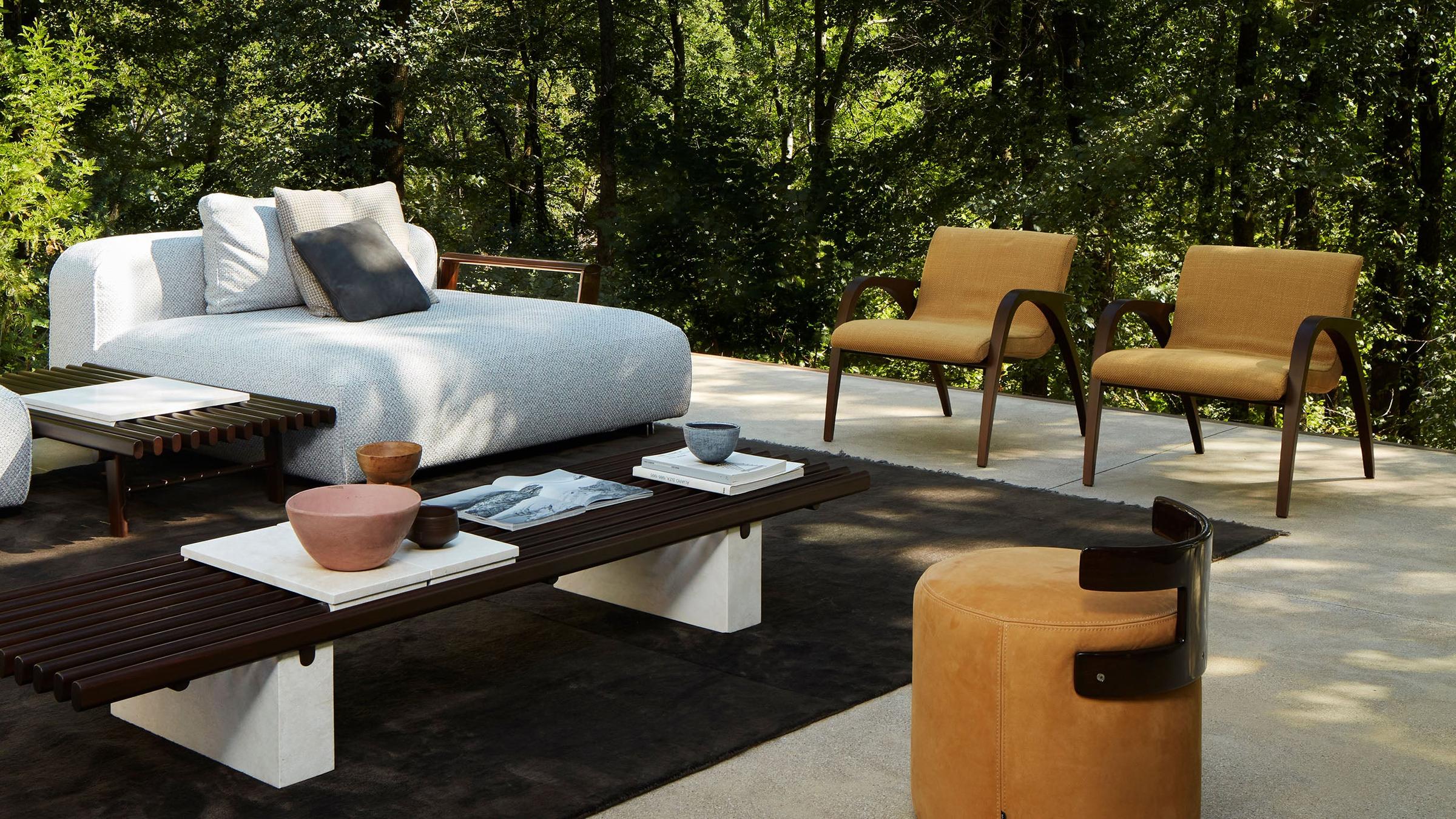
Franco Albini designed the Poltrona 1938 at a moment when Italian modernism was finding its most precise voice. The chair's geometry speaks to that discipline: an economy of line, a confidence in structure, nothing added beyond what the form demands.
Exteta's reinterpretation extends the design into the open air without compromising its identity. Weather-resistant materials are chosen for their ability to age with character, so the chair reads the same outdoors as it did in the interior contexts Albini imagined.
- Original design by Franco Albini, 1938
- Reinterpreted for outdoor use by Exteta
- Crafted in Italy with materials selected for outdoor durability
- Made to order
Albini was among the architects of his generation who understood that furniture and architecture share the same grammar. The Poltrona 1938 remains proof of that conviction.
Made to order by Exteta, tailored to you.
Get customization options, swatch samples and pricing for your project.
Pairs Well With
Product Details
Tear Sheet
Pricing & Warranty
Pricing for made-to-order items varies based on configuration, finishes, and customization options. Please contact one of our design consultants or visit a showroom near you for current pricing and personalized assistance.
Luminaire is an authorized retailer of Exteta. The product comes with a full manufacturer warranty.
Authenticity guaranteed. Genuine product, authenticated and sourced directly from the manufacturer.
Frequently Asked Questions
Who designed the Poltrona 1938 and when?
The Poltrona 1938 was designed by Franco Albini, one of Italy's most significant rationalist architects and designers, in 1938. Albini was known for his structural precision and his ability to distill furniture to its essential form.
Is the Poltrona 1938 suitable for outdoor use?
Yes. Exteta has reinterpreted the original design using materials selected for outdoor conditions, maintaining the chair's iconic silhouette while ensuring durability against the elements.
What is Exteta's design philosophy?
Exteta is an Italian brand focused on outdoor furniture that honors the heritage of Italian design. Their work often revisits canonical mid-century pieces, adapting them for exterior environments without diminishing their original authorship.
Is the Poltrona 1938 made to order?
Yes, the Poltrona 1938 is produced made to order, which allows for material and finish specifications suited to a specific project or space.
How does Franco Albini's work relate to Italian rationalism?
Albini was a central figure in Italian rationalism, a movement that prioritized structural clarity and the elimination of ornament. His furniture designs, including the Poltrona 1938, reflect an architectural sensibility in which proportion and material carry the full weight of expression.