
Sgabello Wiggle
Made by Vitra
Designed by Frank Gehry
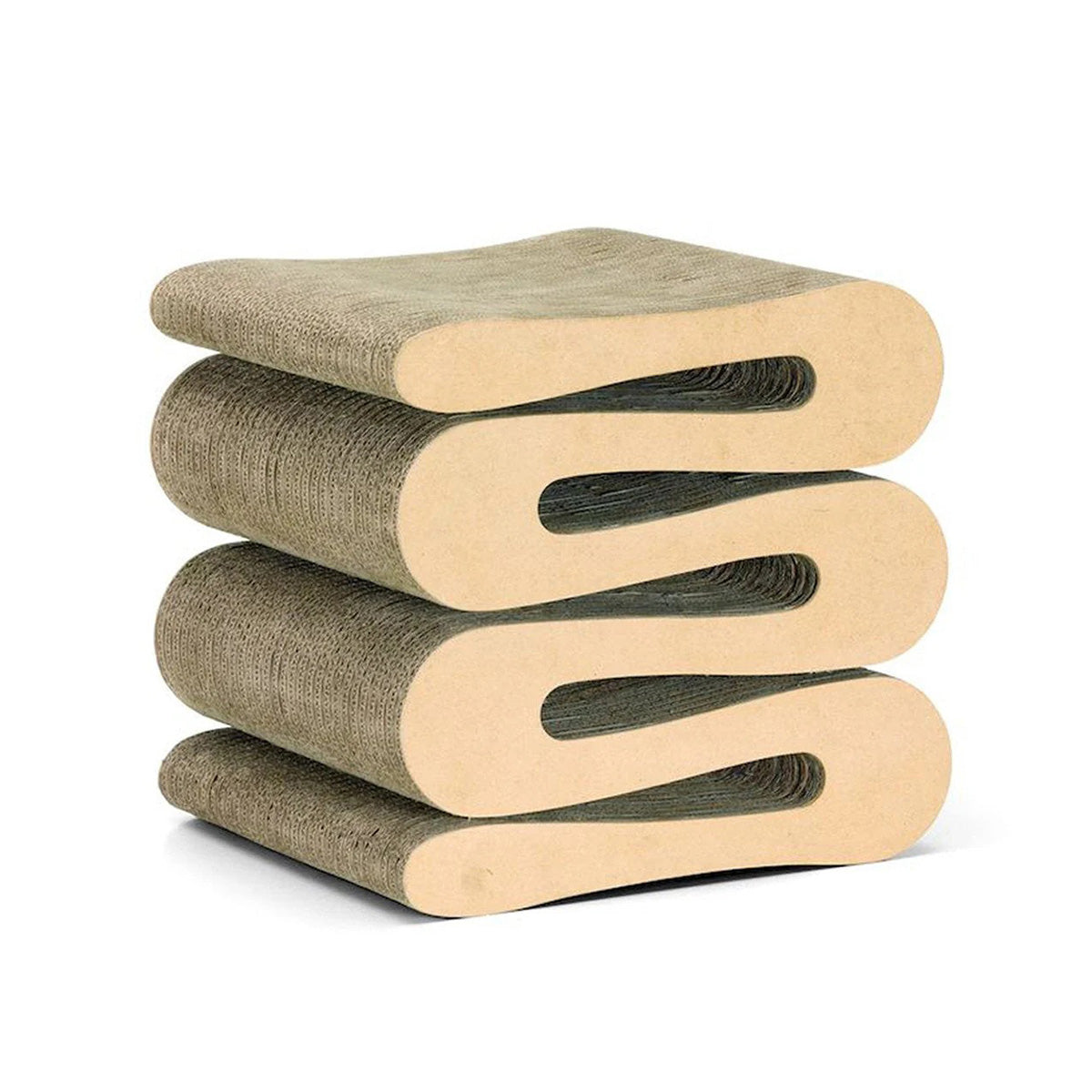
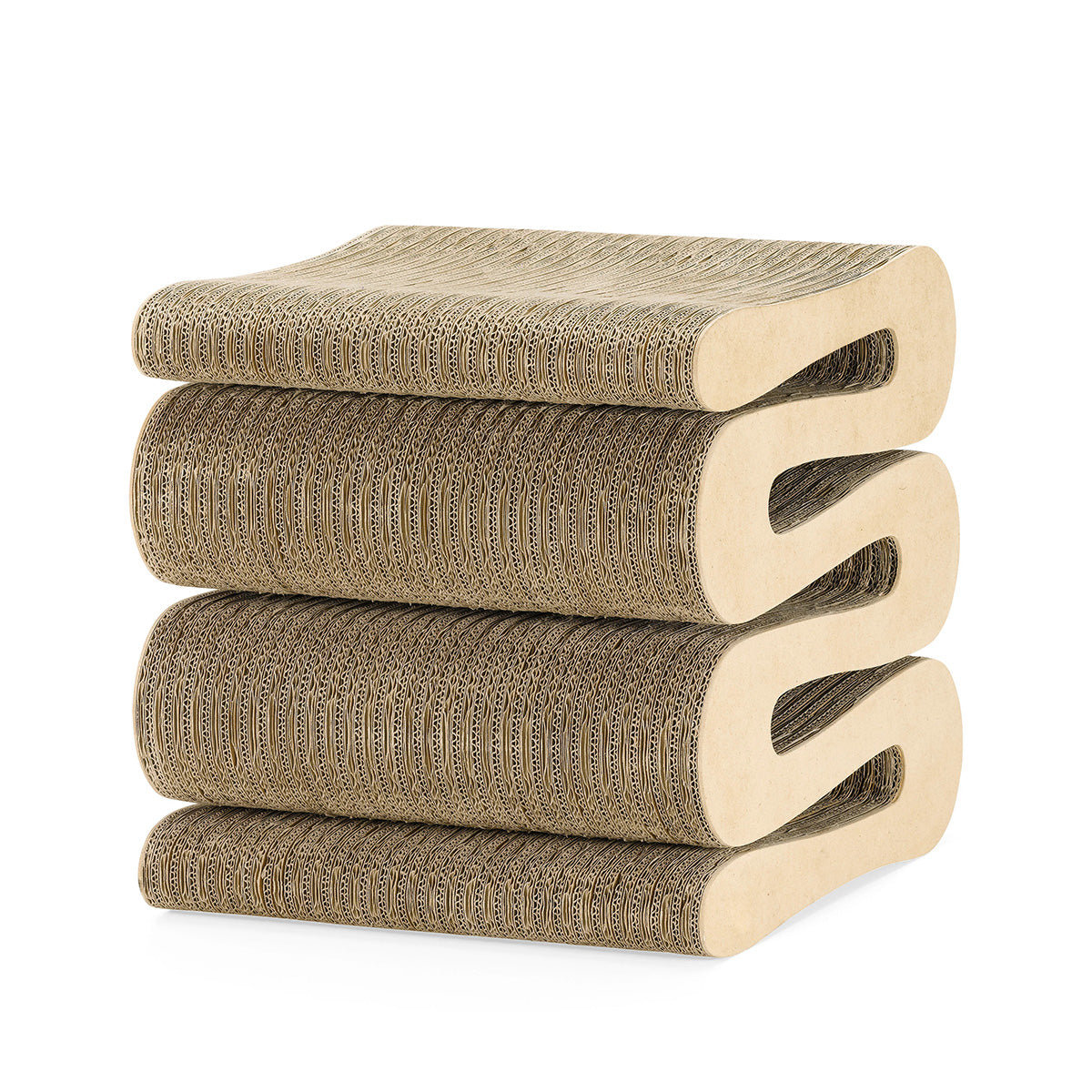
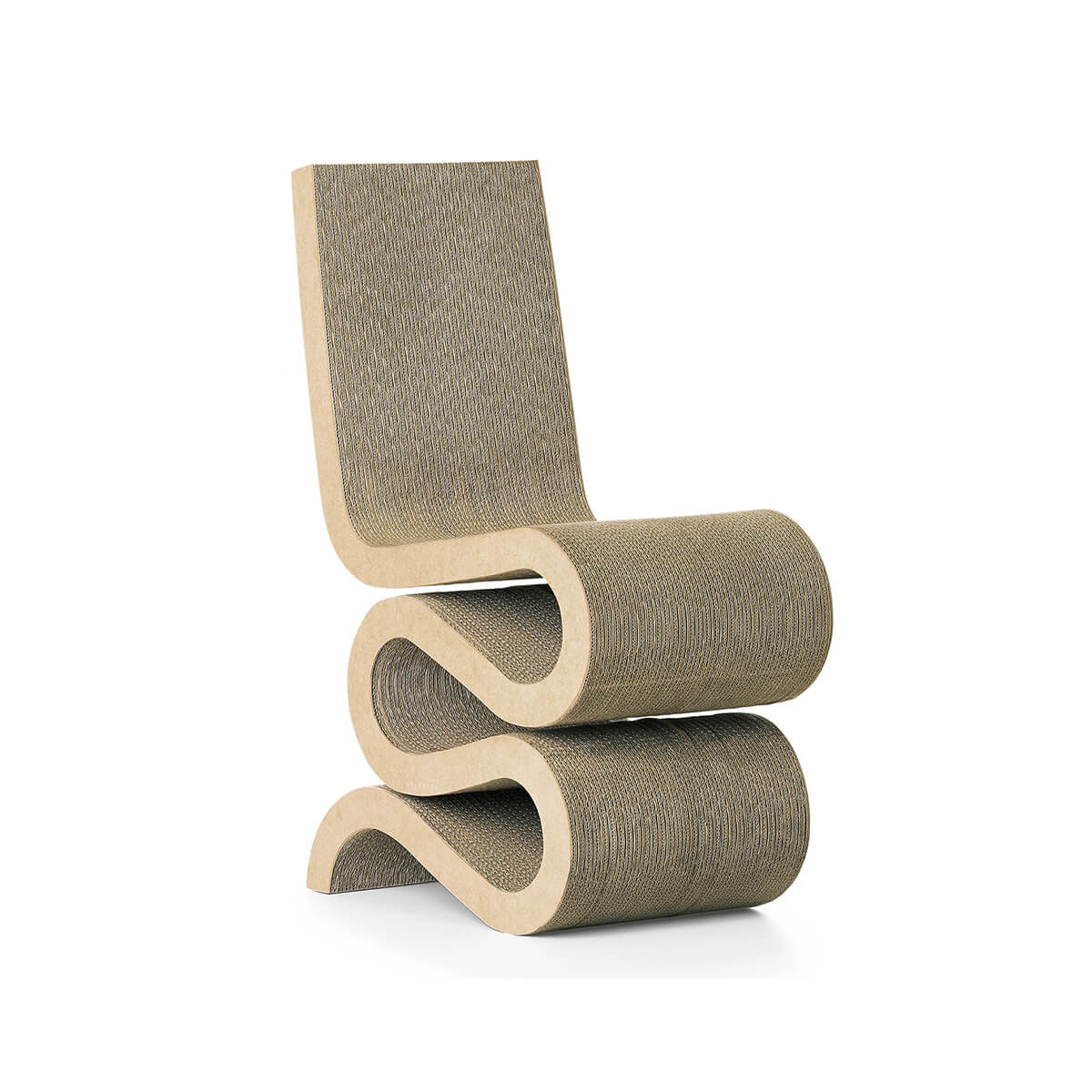
Frank Gehry ideò lo sgabello Wiggle nei primi anni '70 come parte della sua innovativa serie Easy Edges, un corpus di opere che sfidava ogni presupposto su ciò di cui si potesse fare un mobile. Il materiale, il cartone ondulato, fu scelto non nonostante la sua ordinariezza, ma proprio per essa. Gehry scoprì che la laminazione di decine di strati con orientamenti alternati delle venature produceva un composito di sorprendente rigidità e calore.
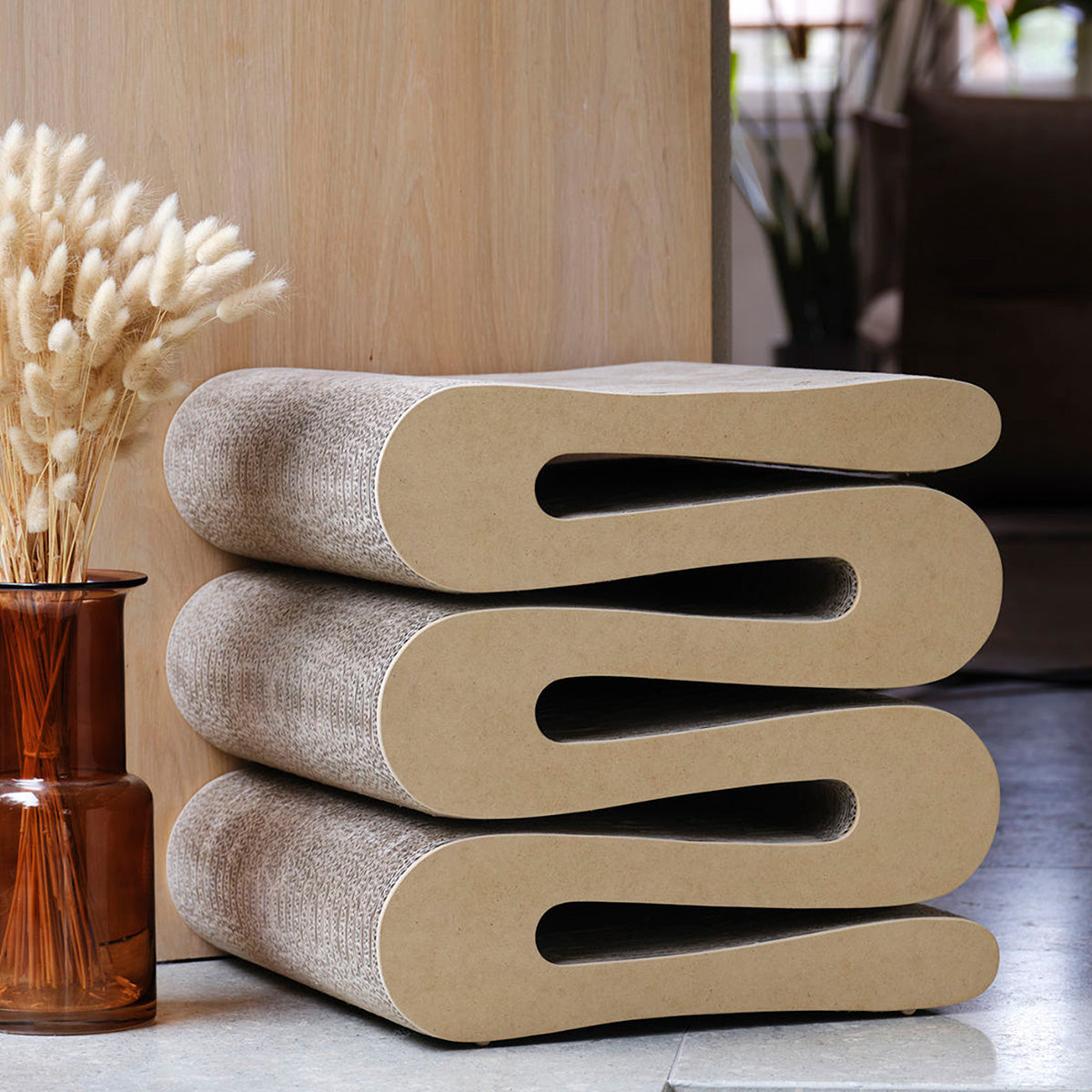
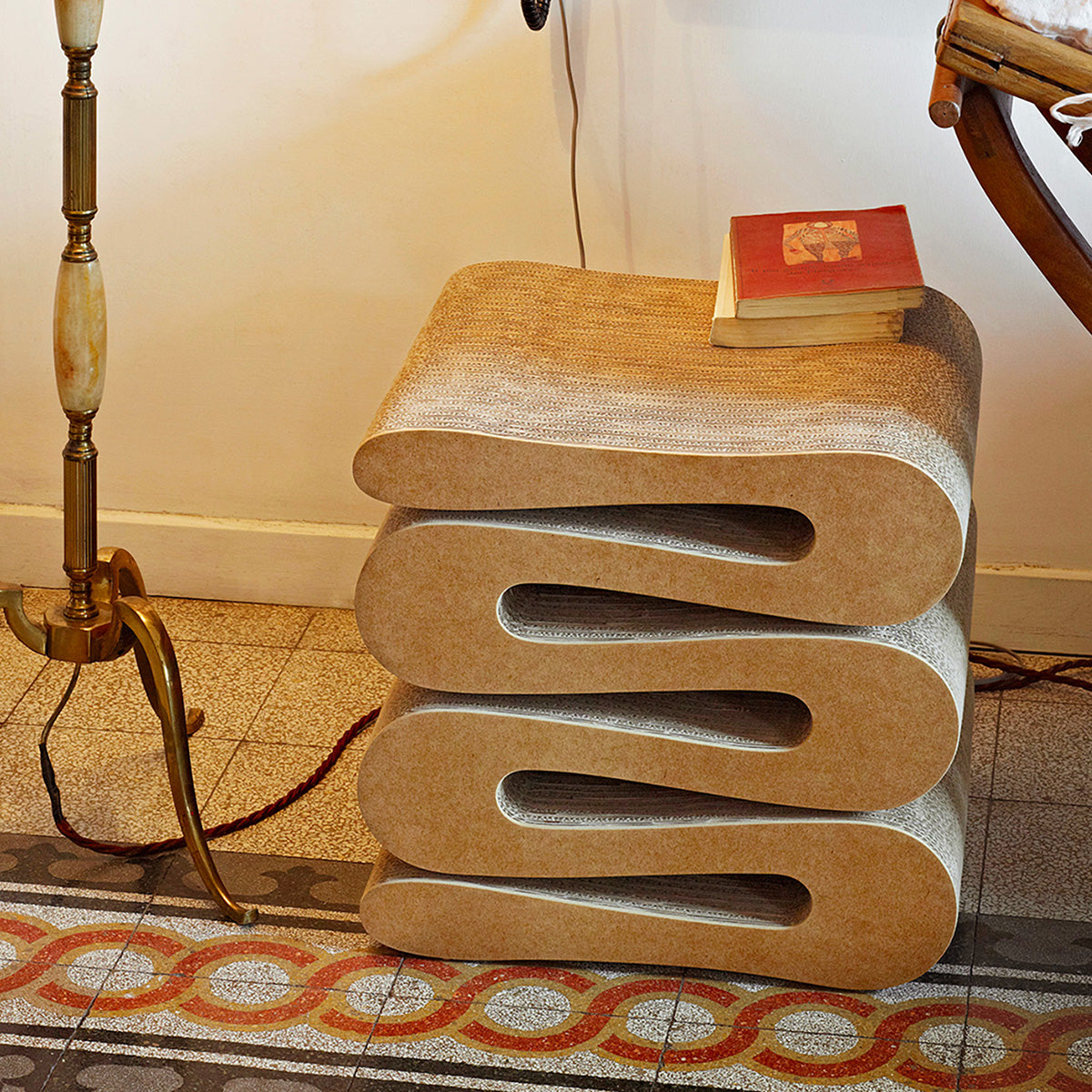
La forma deriva dal materiale. Quella silhouette sinuosa, a forma di nastro, non è una decorazione applicata a una struttura, ma è la struttura stessa, sagomata per distribuire il carico attraverso curve piuttosto che angoli. I bordi in masonite a vista si leggono come una fine striatura, conferendo al pezzo un'onestà tattile che ricompensa un'attenta osservazione.
- Realizzato in cartone ondulato a strati con orientamento alternato delle venature
- I bordi in masonite naturale a vista offrono integrità strutturale e texture visiva
- Parte della serie Easy Edges di Gehry, originariamente introdotta nel 1972
- Riedito da Vitra come parte del suo impegno a preservare il design sperimentale storico
Al contempo scultura e seduta, lo sgabello Wiggle occupa una posizione particolare nella storia del design in cui architettura, arte e funzione convergono senza compromessi.
Typically ships in 2-4 weeks.
Si abbina bene con
Sgabello Wiggle
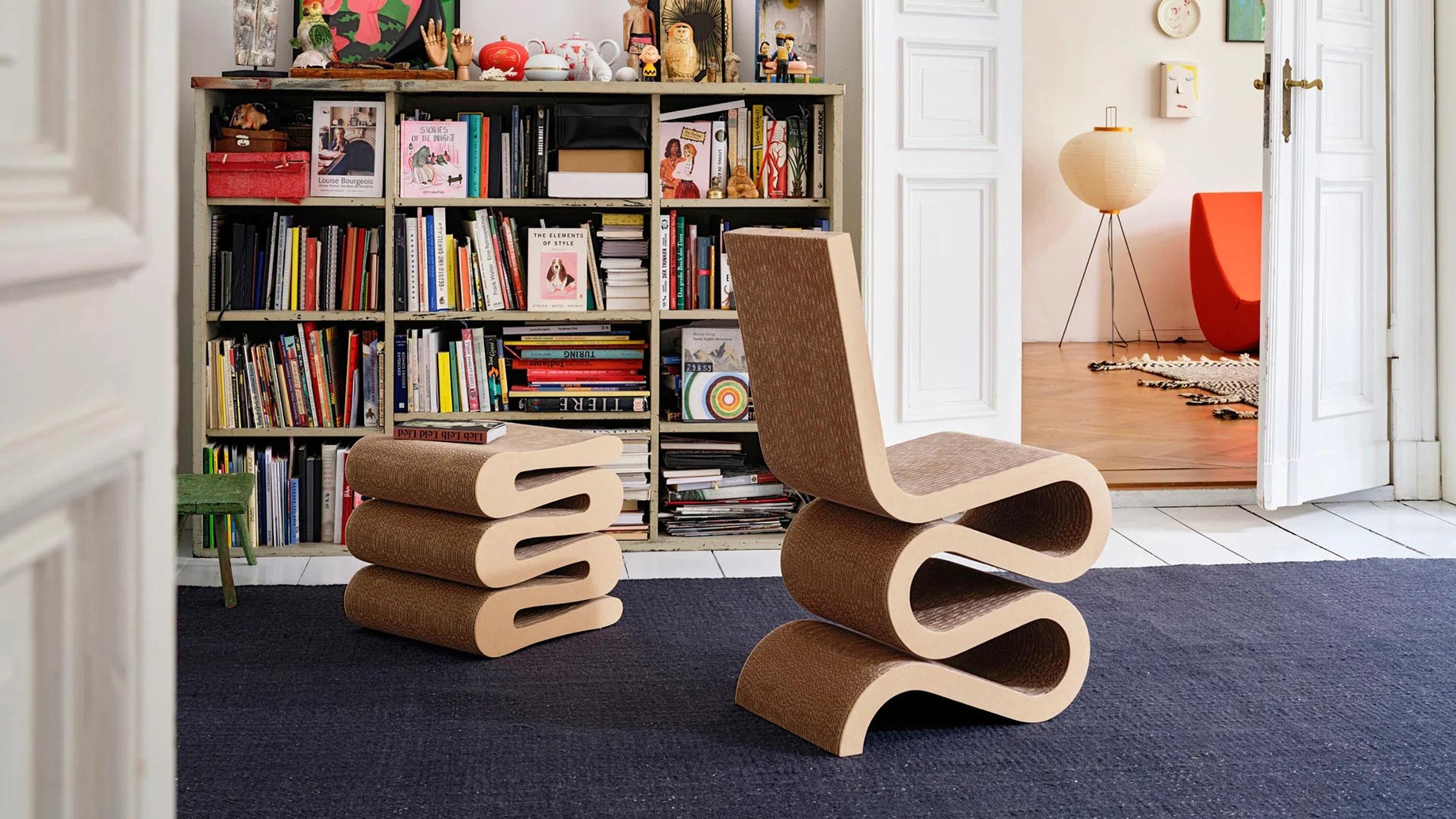
Dettagli del prodotto
Dettagli
Misure
Spedizione, Resi e Garanzia
Si prega di fare riferimento alla nostra politica di spedizione e di reso e cambio.
Luminaire è un rivenditore autorizzato di Vitra. Il prodotto è coperto da una garanzia completa del produttore.
Domande Frequenti
What is the Easy Edges furniture series?
Easy Edges was a line of furniture Frank Gehry developed in the early 1970s, using laminated corrugated cardboard as a primary structural material. The series was deliberately low-cost in material yet ambitious in form, and it was eventually discontinued and later reissued by Vitra due to its cultural significance.
Is the Wiggle Stool structurally strong enough for daily use?
Yes. The strength comes from the lamination technique: dozens of cardboard layers are bonded with their corrugation running in alternating directions, which distributes load across the entire cross-section. Vitra has tested the stool to meet contemporary furniture safety standards.
How should the Wiggle Stool be maintained?
Because the construction is cardboard-based, the stool should be kept away from prolonged moisture or direct water exposure. Dust with a dry or very lightly dampened cloth. It is best used as an accent seat in a controlled interior environment rather than a high-traffic utility stool.
What are the dimensions of the Vitra Wiggle Stool?
The Wiggle Stool measures approximately 17 inches wide, 15 inches deep, and 17 inches high, with a seat height of roughly 17 inches. Exact specifications are confirmed in the product details and may vary slightly between production runs.
How does the Wiggle Stool relate to Gehry's broader architectural work?
The same interest in material honesty and sculptural form that defines Gehry's buildings, from Bilbao to Los Angeles, is visible in the Wiggle series. The stool treats an ordinary industrial material as a medium for spatial thinking, which is precisely the architectural instinct that distinguishes his furniture from conventional product design.

Adoriamo anche noi Vitra!
Hai domande su questo prodotto o su qualsiasi altro prodotto di Vitra? Contattaci! Siamo qui per aiutarti.