
Sen
Made by Agape
Designed by Gwenael Nicolas
Sen è la parola giapponese che significa "linea", e questa singola idea governa ogni aspetto di questa collezione. Disegnato da Gwenael Nicolas, fondatore dello studio Curiosity con sede a Tokyo, il rubinetto Sen è il prodotto di un decennio di pratica interculturale, tradotto in una forma di autorità deliberata e discreta.
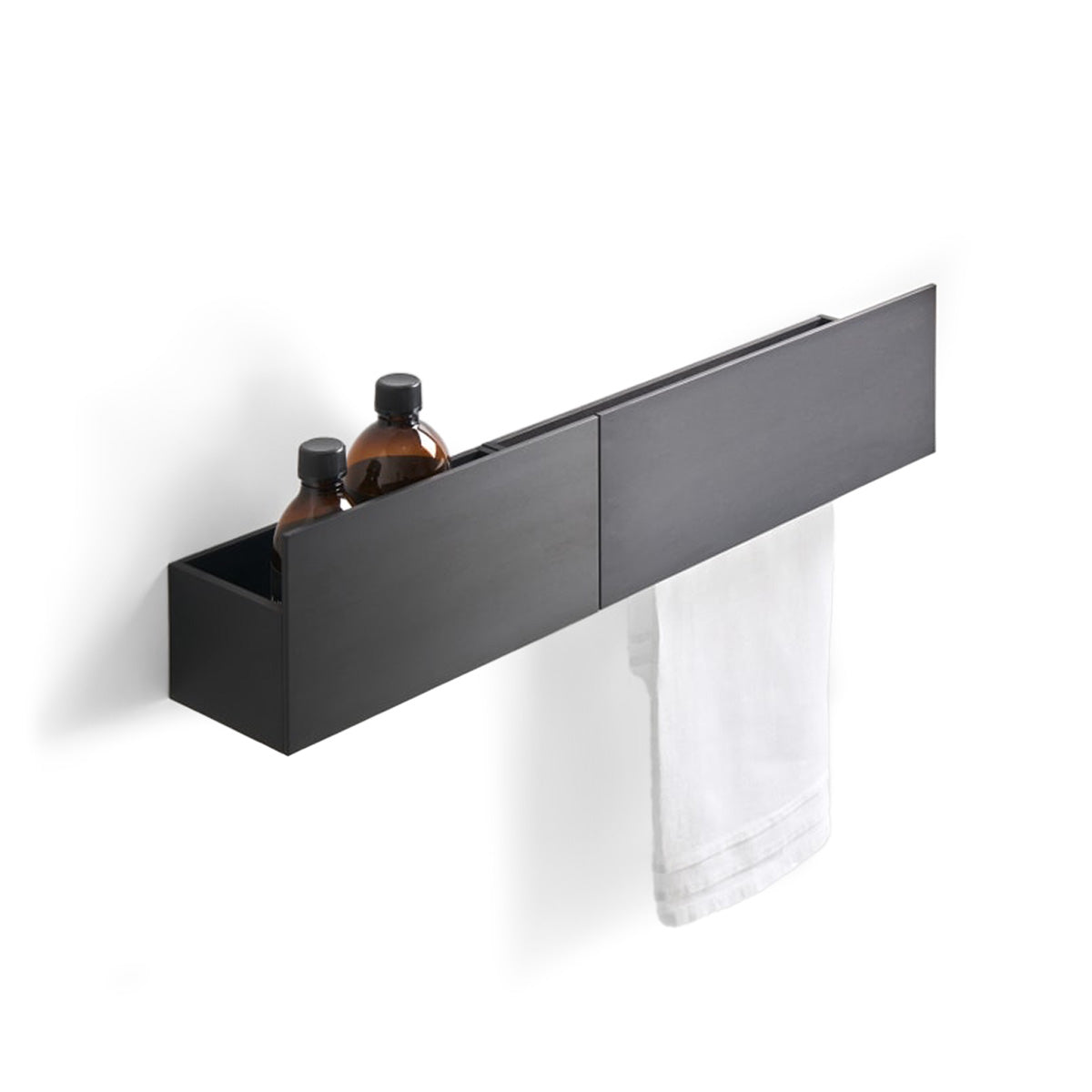
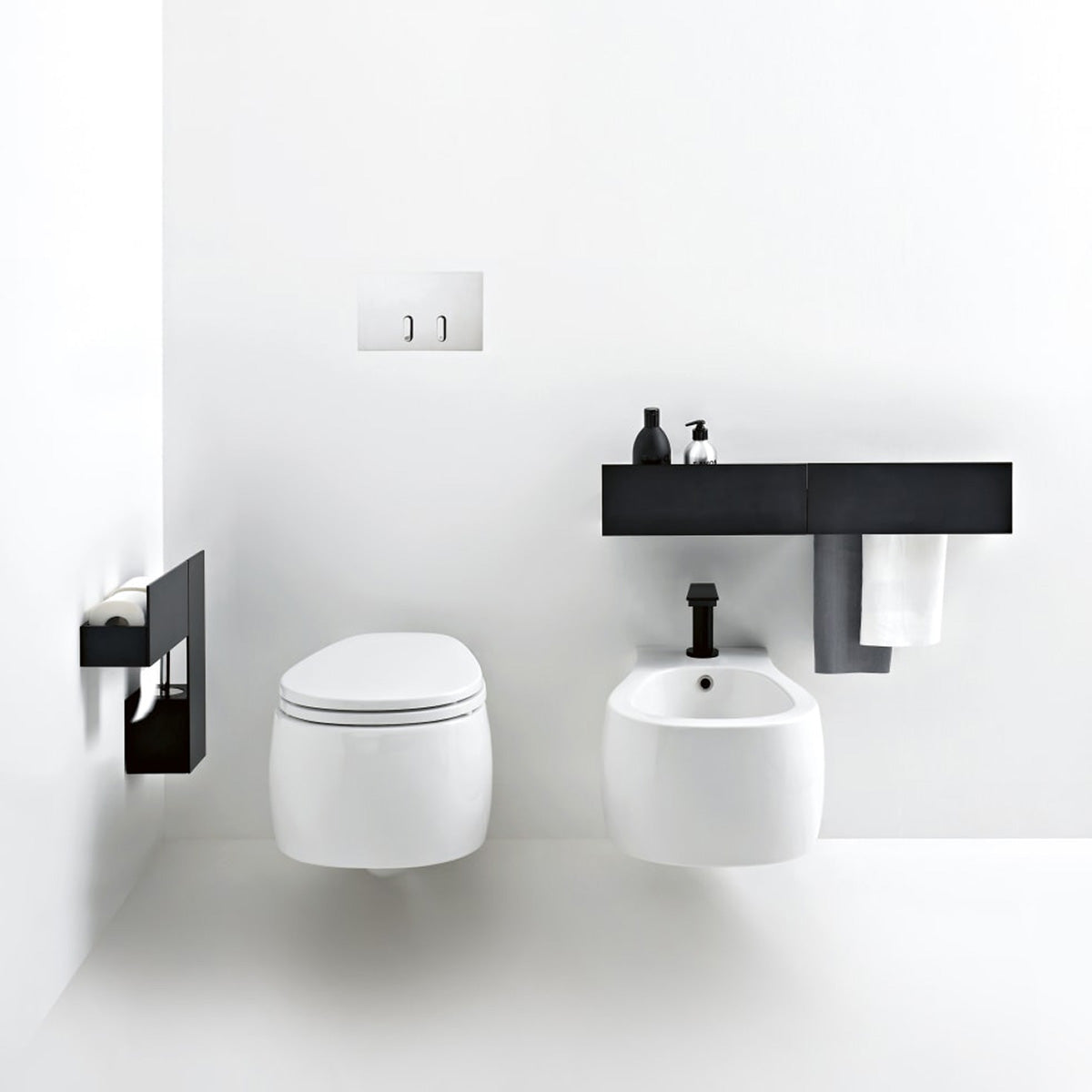
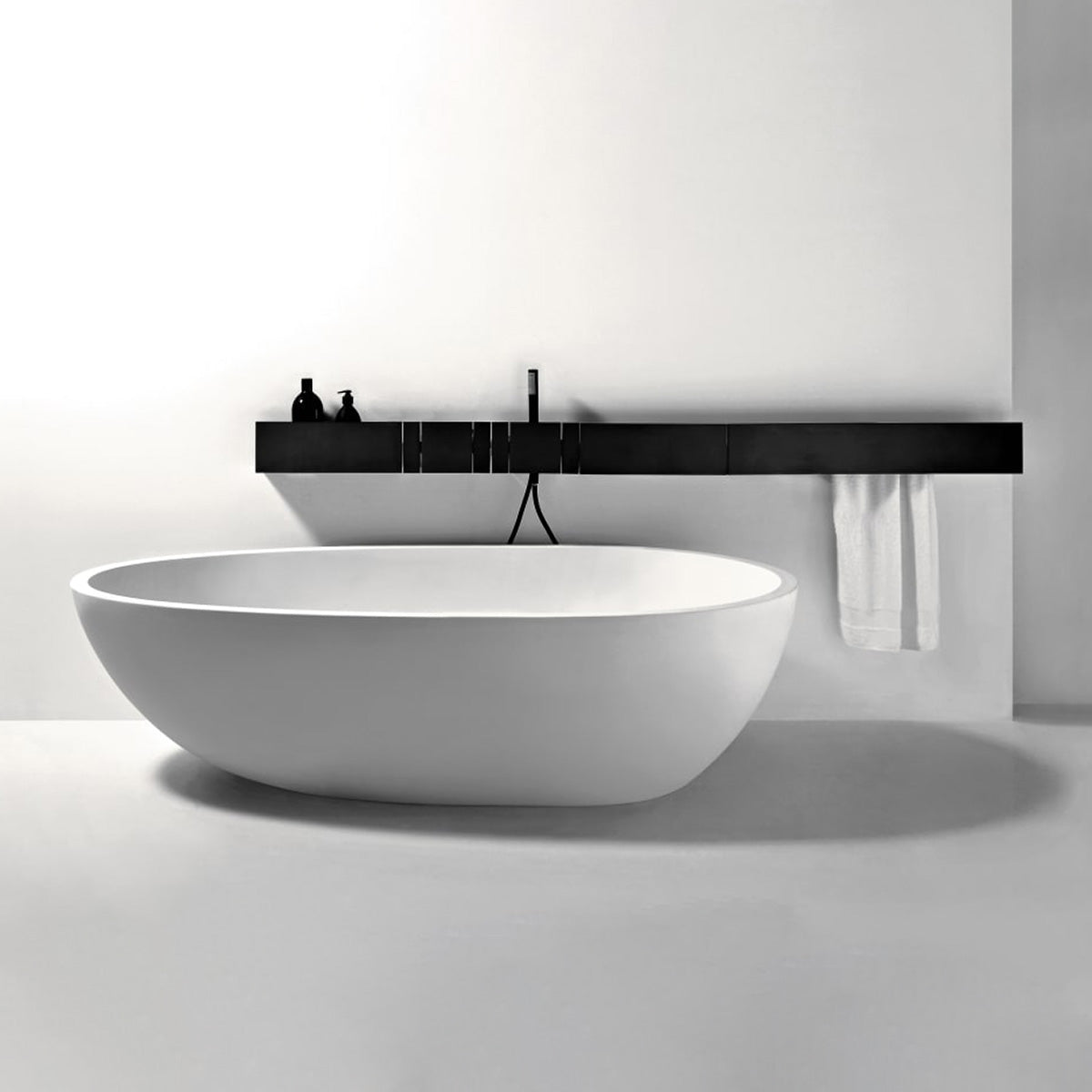
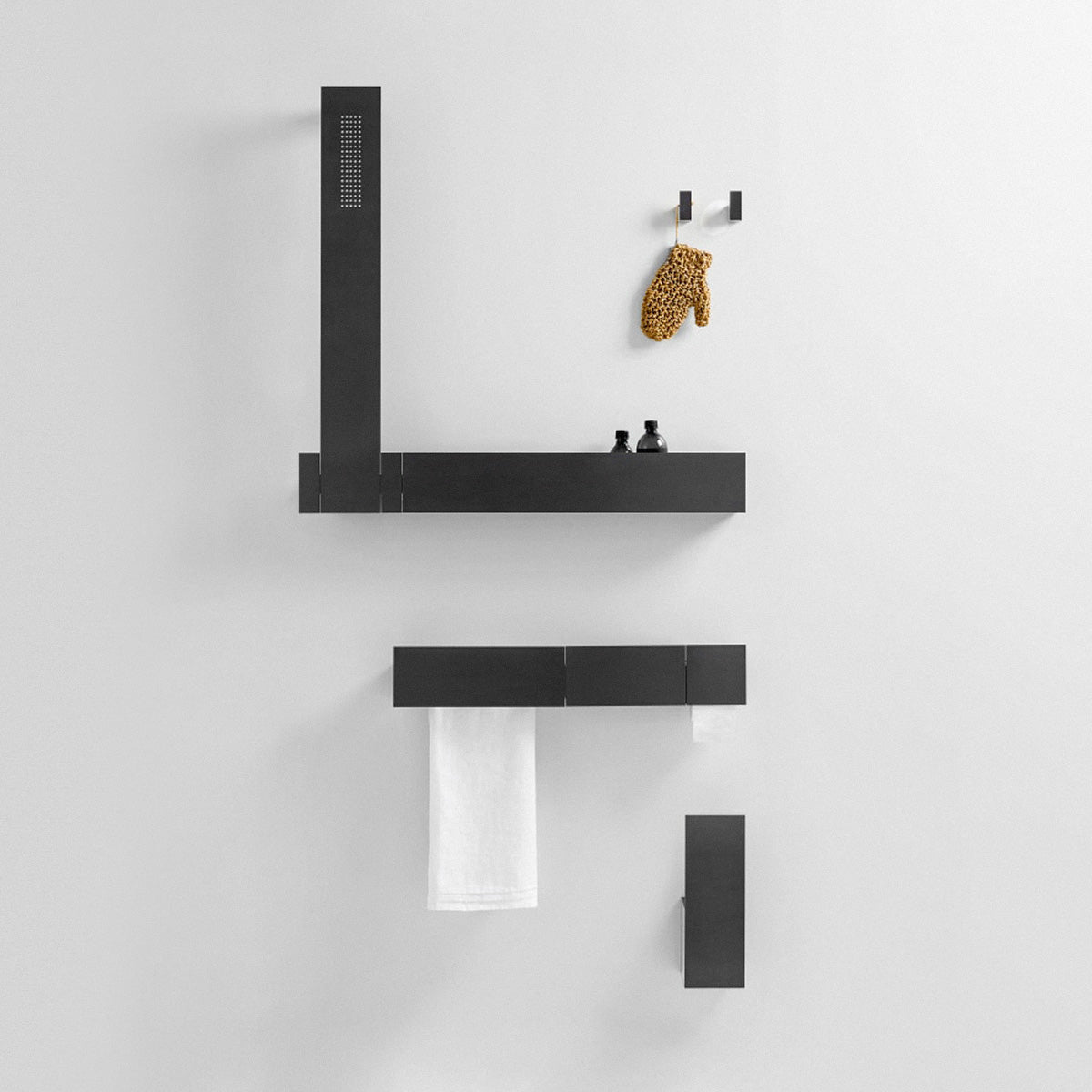
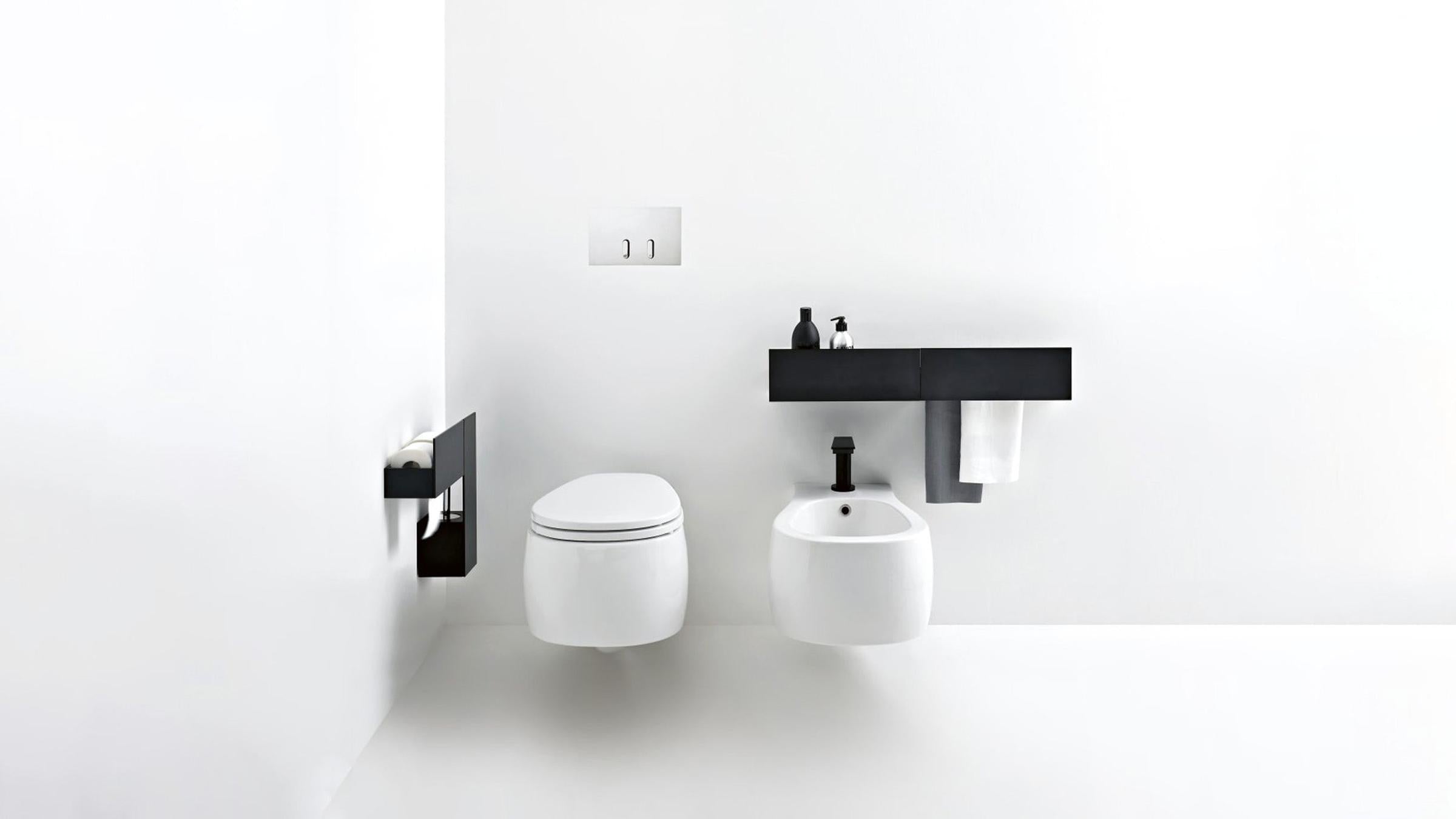
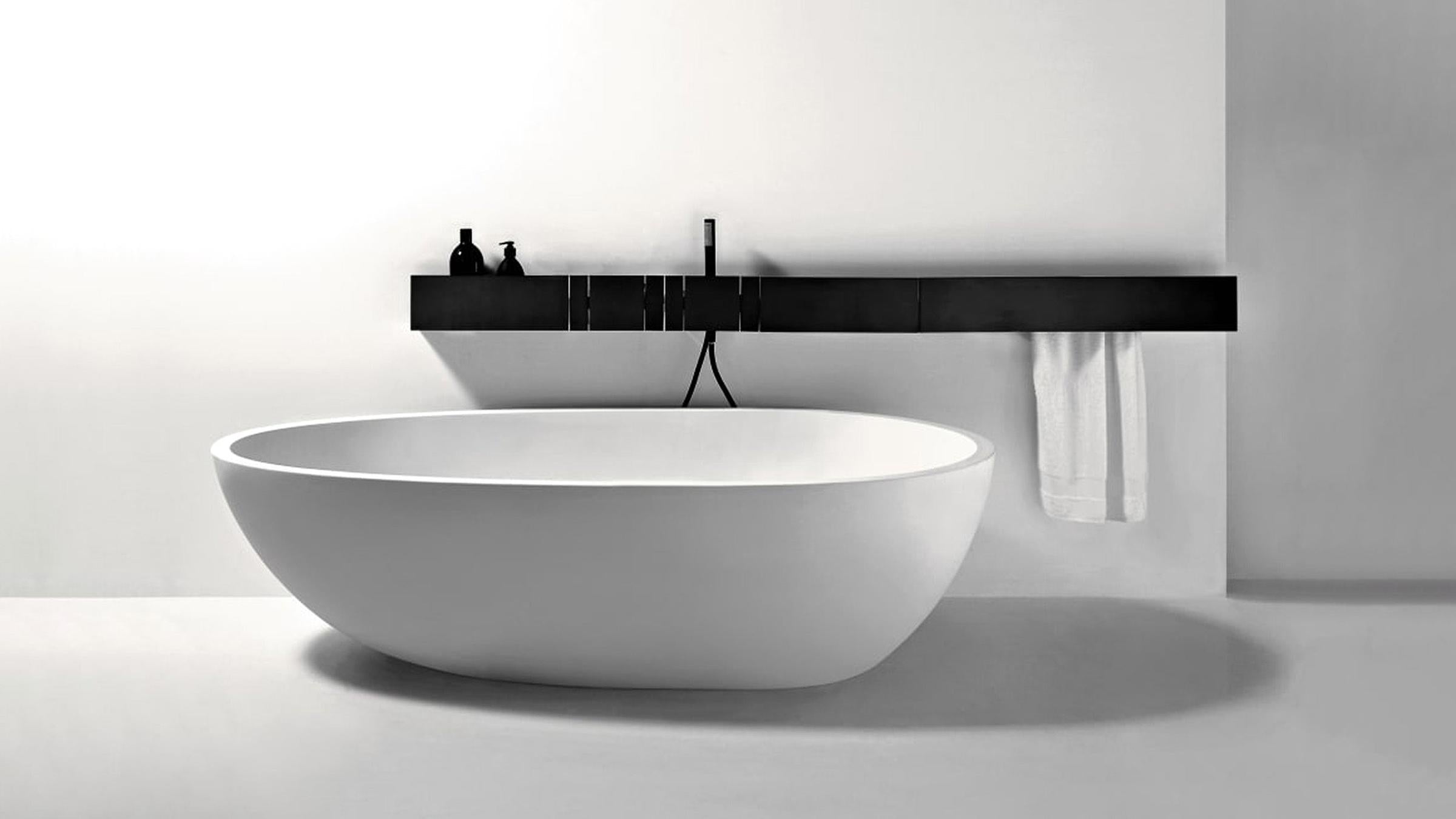
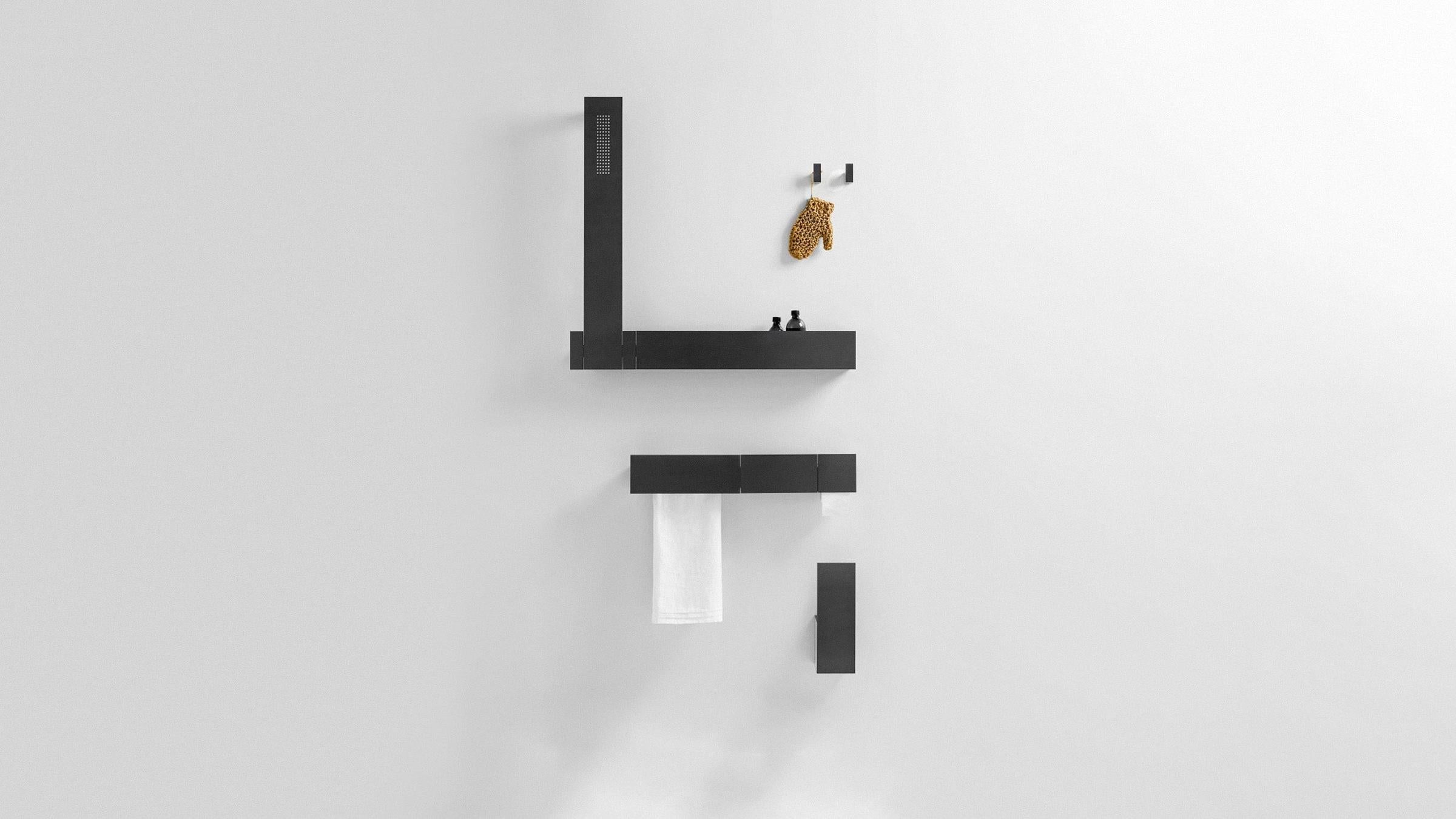
Nicolas si avvicina al bagno come un architetto si avvicina a un edificio. Ogni componente appartiene a un sistema coerente e nessun elemento esiste in isolamento. Il rubinetto Sen è concepito come un pezzo all'interno di un vocabolario più ampio che include rubinetti, soffioni doccia, accessori, elementi riscaldanti e illuminazione, tutti condividendo la stessa logica materiale e sensibilità proporzionale.
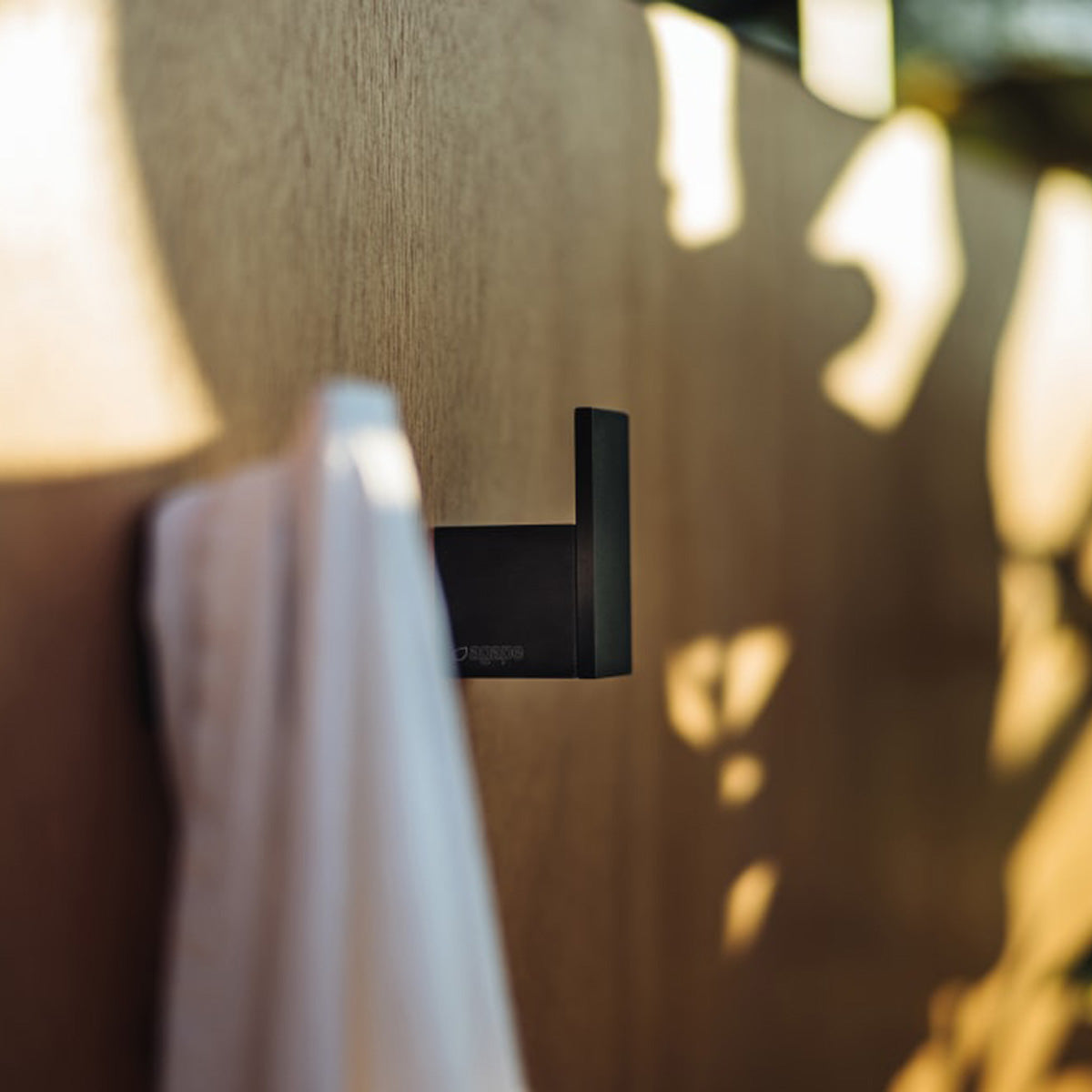
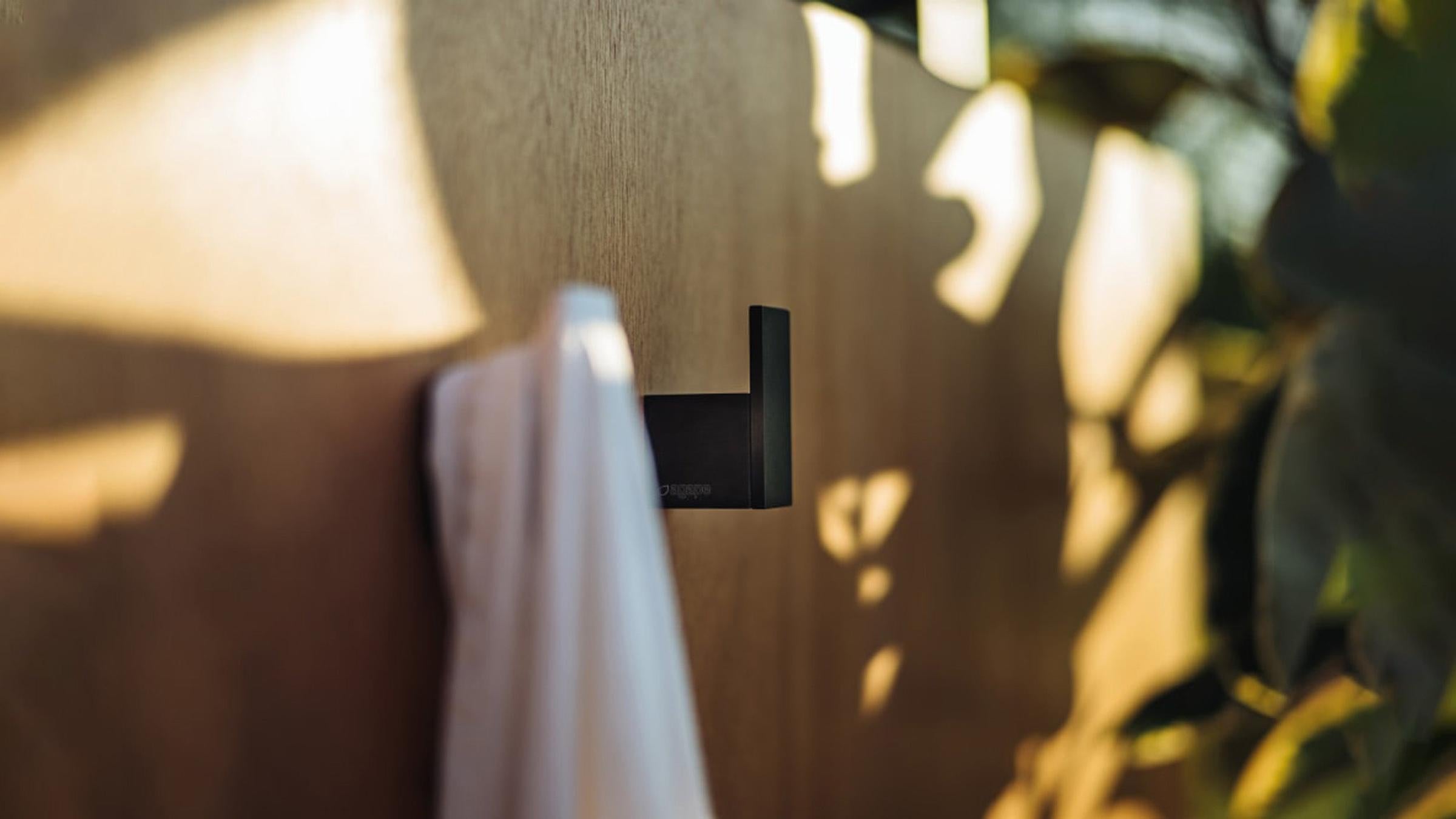
- Finitura alluminio nero spazzolato
- Silhouette geometrica pulita con peso deliberato
- Progettato come parte di una collezione liberamente combinabile e completamente unificata
- Parte dell'impegno più ampio di Agape per il bagno come ambiente architettonico completo
Il risultato è un rubinetto che non si impone. Semplicemente appartiene, con precisione e senza eccessi, allo spazio circostante.
Made to order by Agape, tailored to you.
Get customization options, swatch samples and pricing for your project.
Si abbina bene a
Sen
Product Details
Tear Sheet
Pricing & Warranty
Pricing for made-to-order items varies based on configuration, finishes, and customization options. Please contact one of our design consultants or visit a showroom near you for current pricing and personalized assistance.
Luminaire is an authorized retailer of Agape. The product comes with a full manufacturer warranty.
Authenticity guaranteed. Genuine product, authenticated and sourced directly from the manufacturer.
Domande Frequenti
Who designed the Agape Sen faucet?
The Sen collection was designed by Gwenael Nicolas, the French-born designer and founder of Tokyo-based studio Curiosity. His practice is rooted in cross-cultural dialogue between European modernism and Japanese spatial philosophy, and Sen reflects both influences in its restrained geometry and material precision.
What does 'Sen' mean and why is it relevant to the design?
Sen is the Japanese word for 'line.' Nicolas chose it as both a name and a governing concept, the collection is defined by linear geometry, clean proportion, and a reduction of form to its essential idea. The name is not decorative; it is a description of the design method.
What finish is the Sen faucet available in?
The Sen faucet is offered in black brushed aluminum, a finish that reads as both architectural and tactile. The material choice reinforces the collection's precise, restrained character and ages with a consistent patina.
Can the Sen faucet be combined with other Agape Sen pieces?
Yes. The Sen collection is conceived as a complete bathroom system, including taps, shower heads, accessories, heating elements, and lights. All pieces share the same proportional sensibility and material logic, so they can be freely combined into a composition that reads as unified.
What is Agape's design philosophy for bathroom collections?
Agape approaches the bathroom as an architectural environment rather than a functional utility space. Their collections are developed in close collaboration with internationally recognized designers, with the intention that each piece forms part of a considered, coherent whole rather than standing alone.