Fisix
Made by Vitra
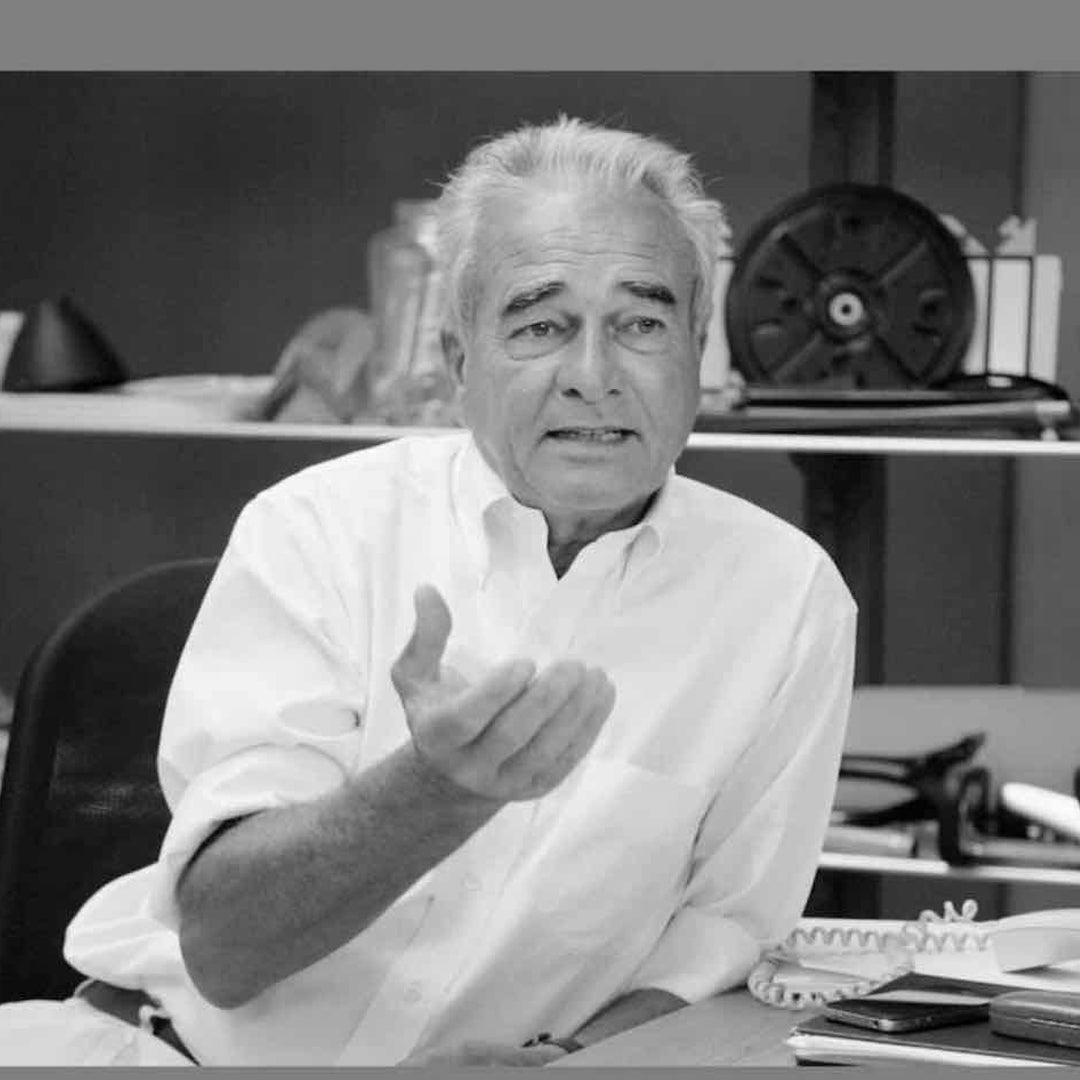
Designed by Alberto Meda
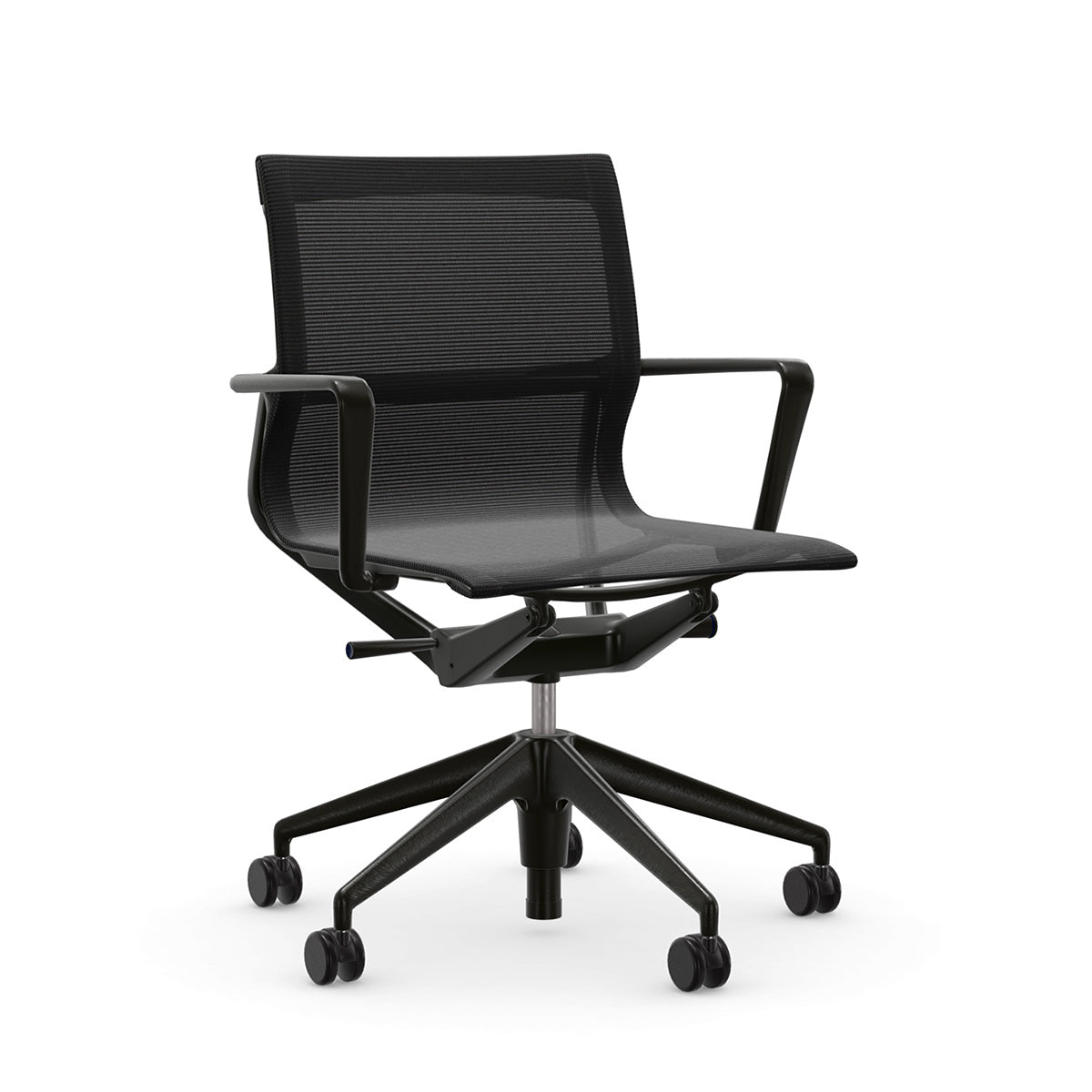
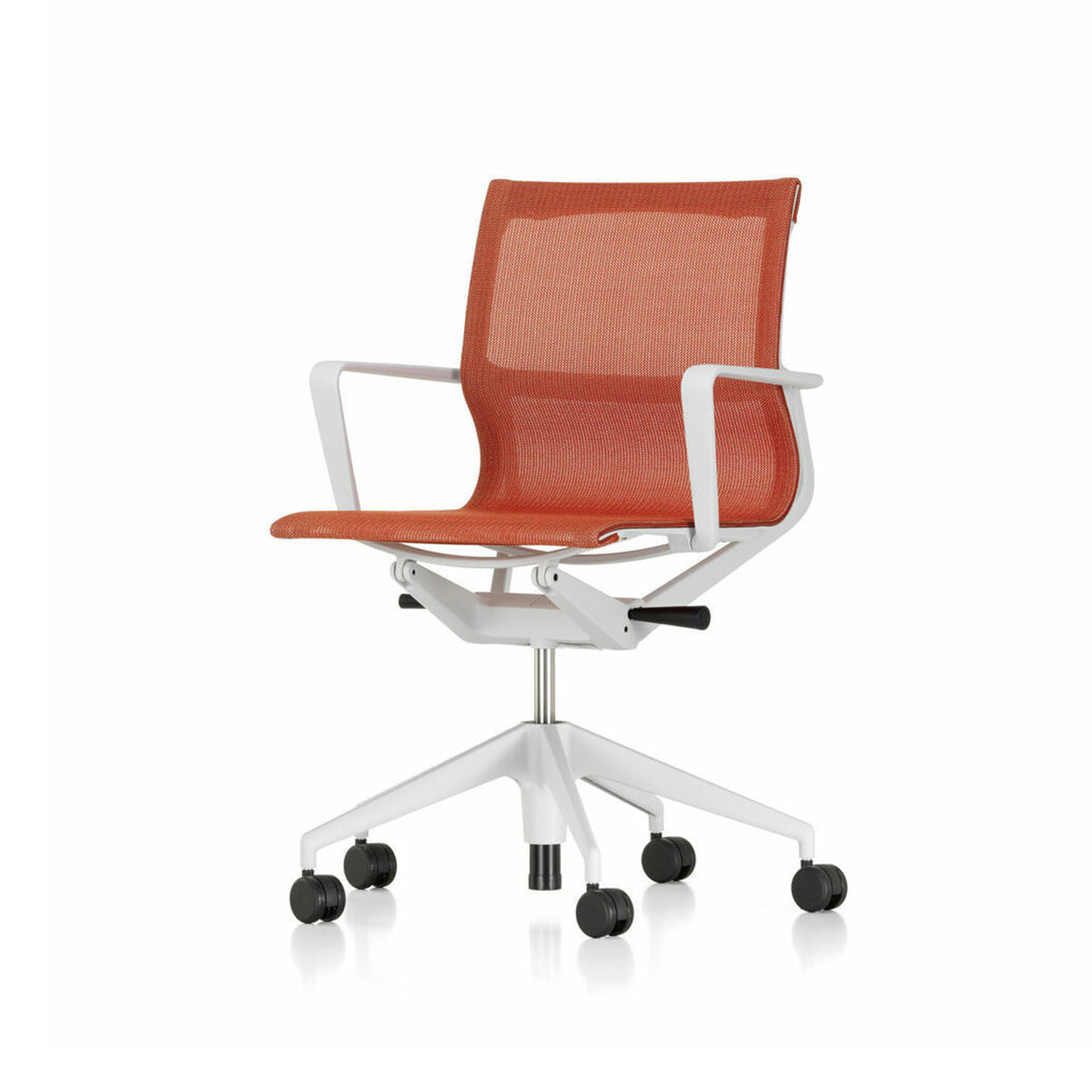
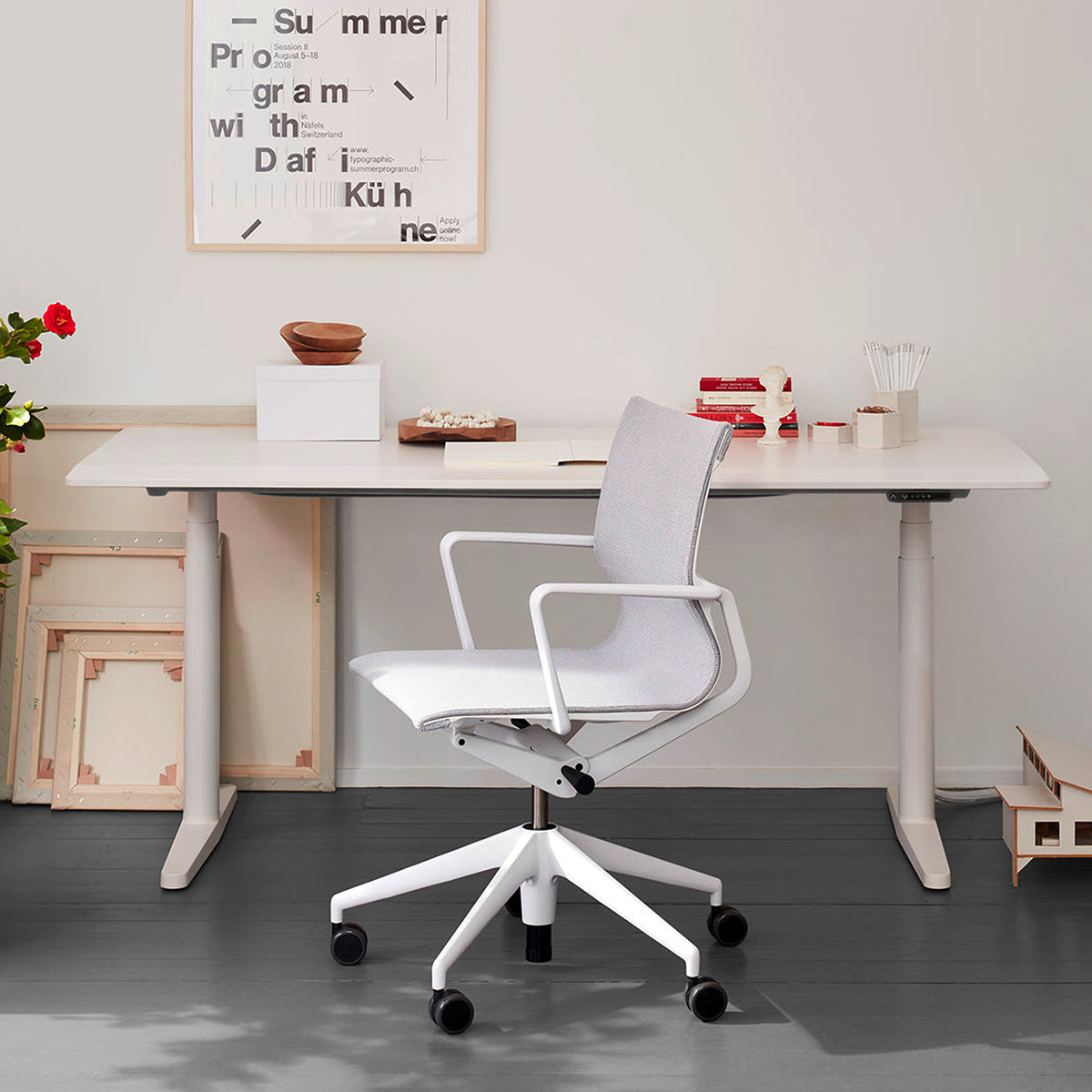
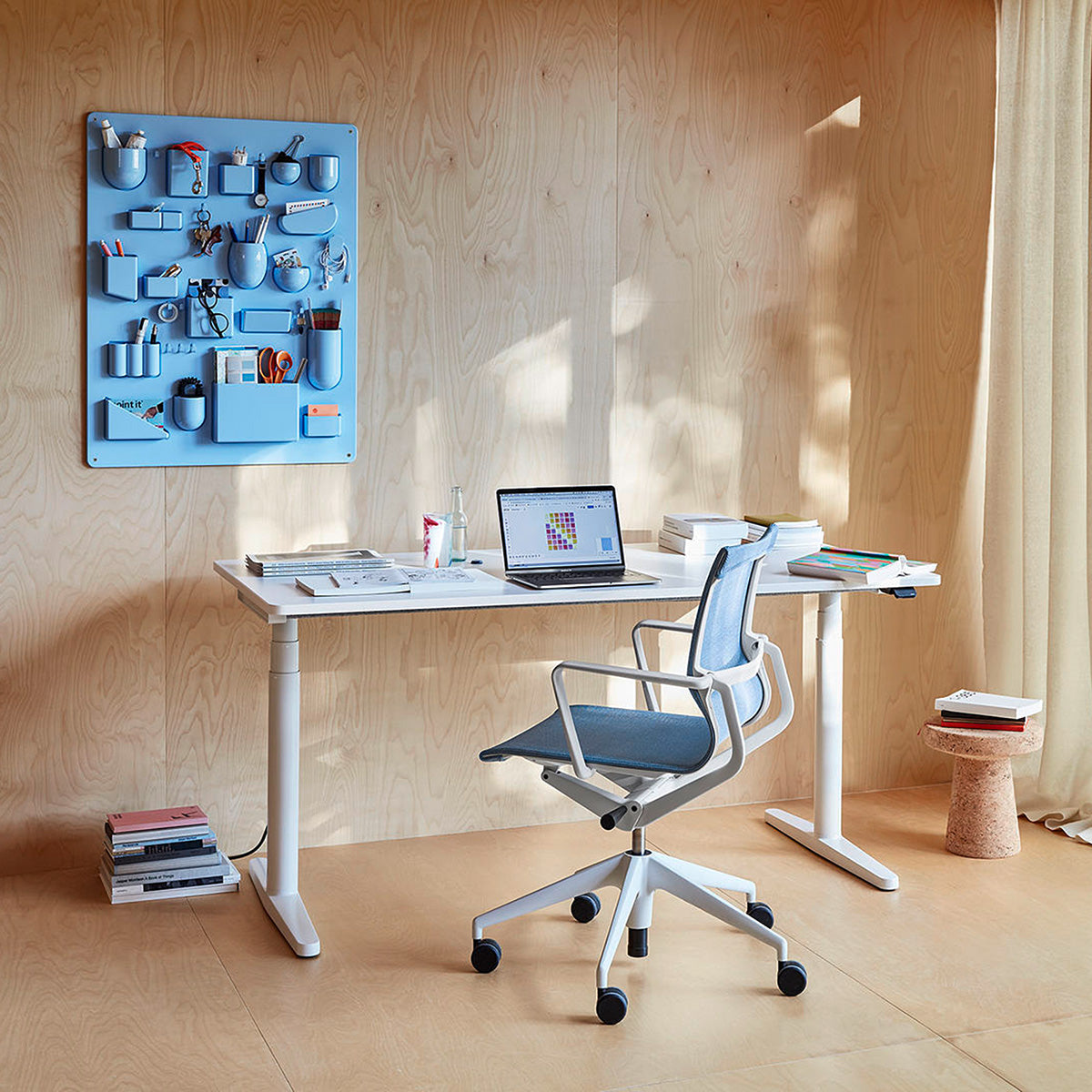
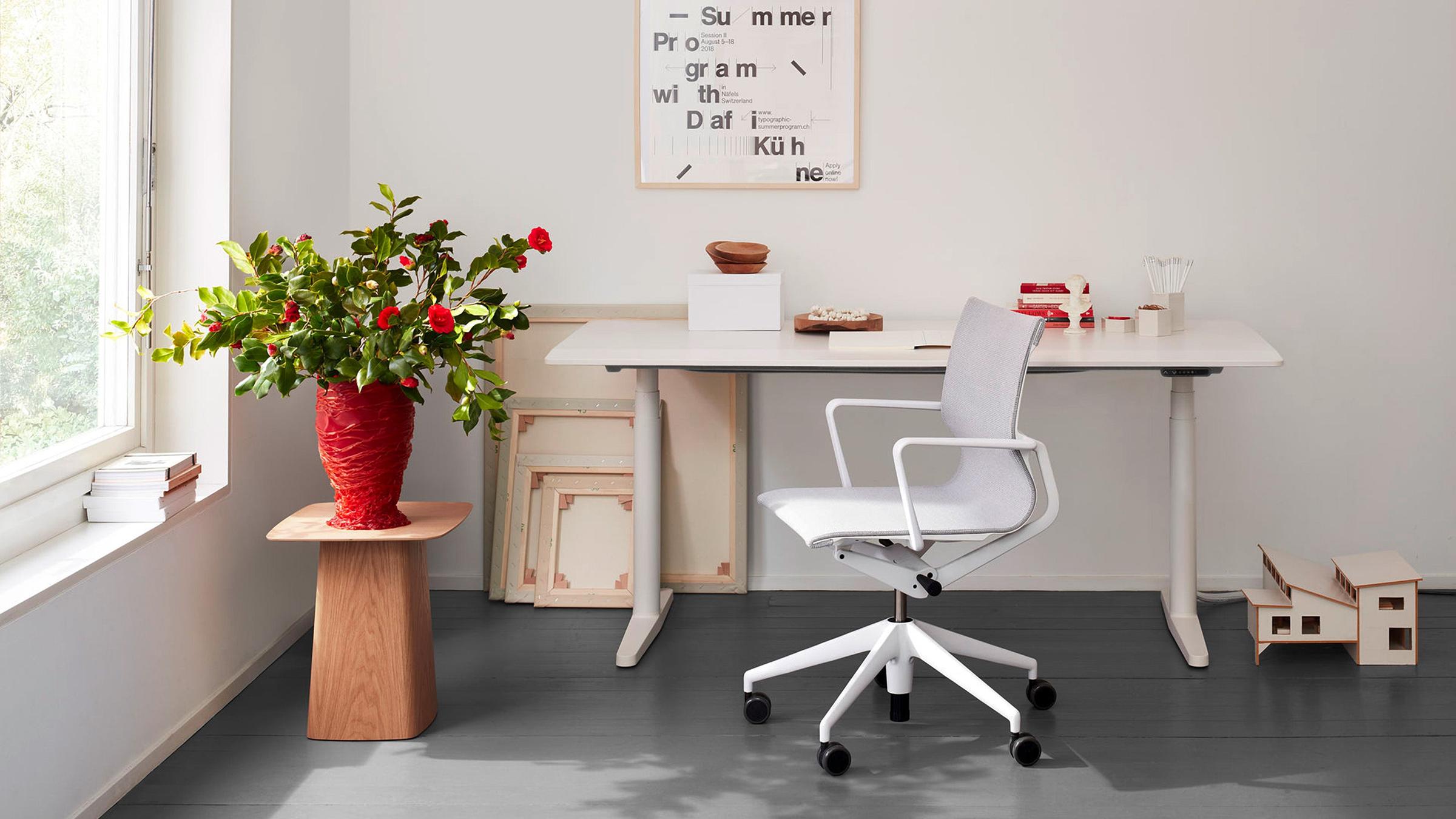
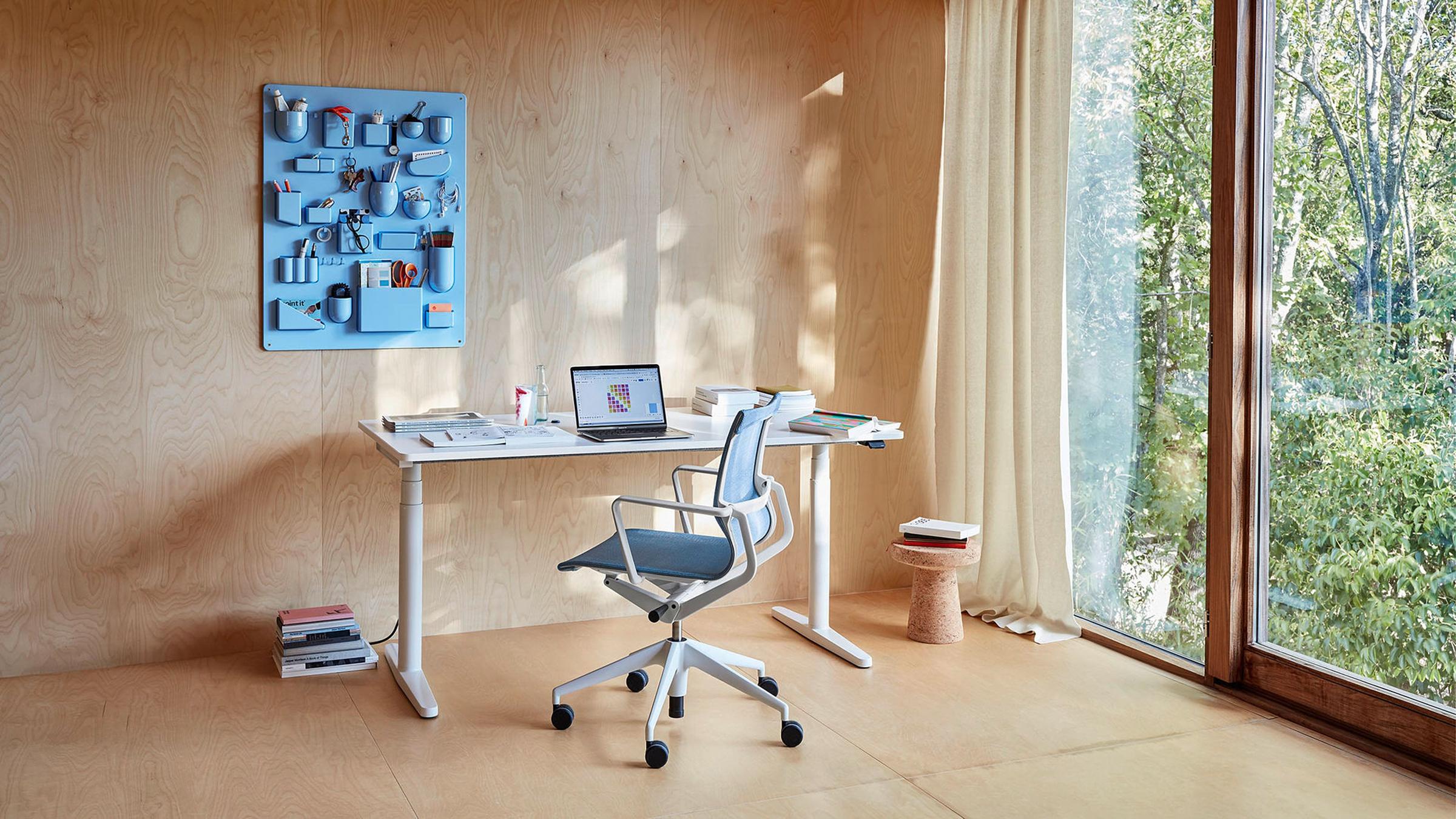
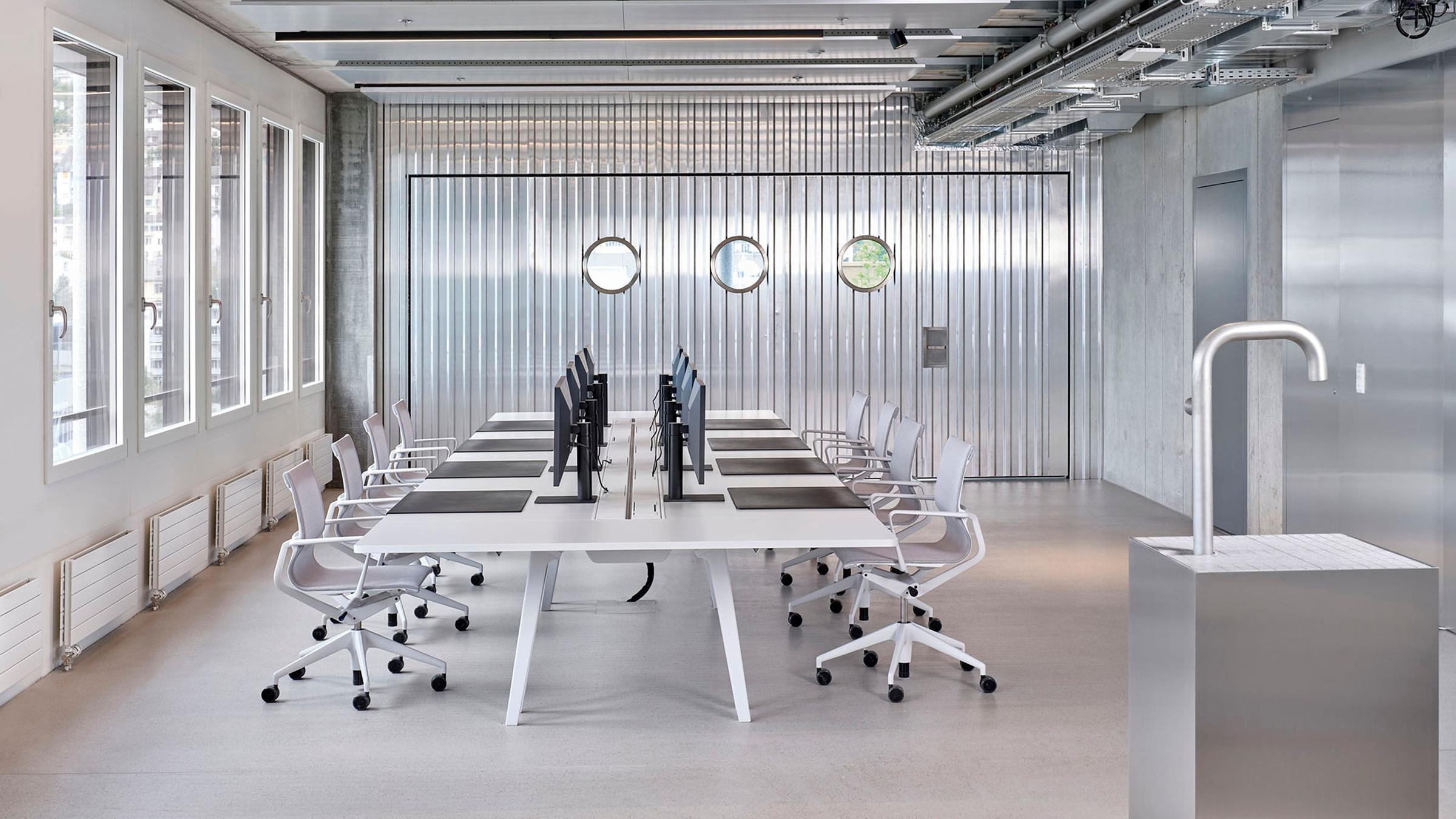
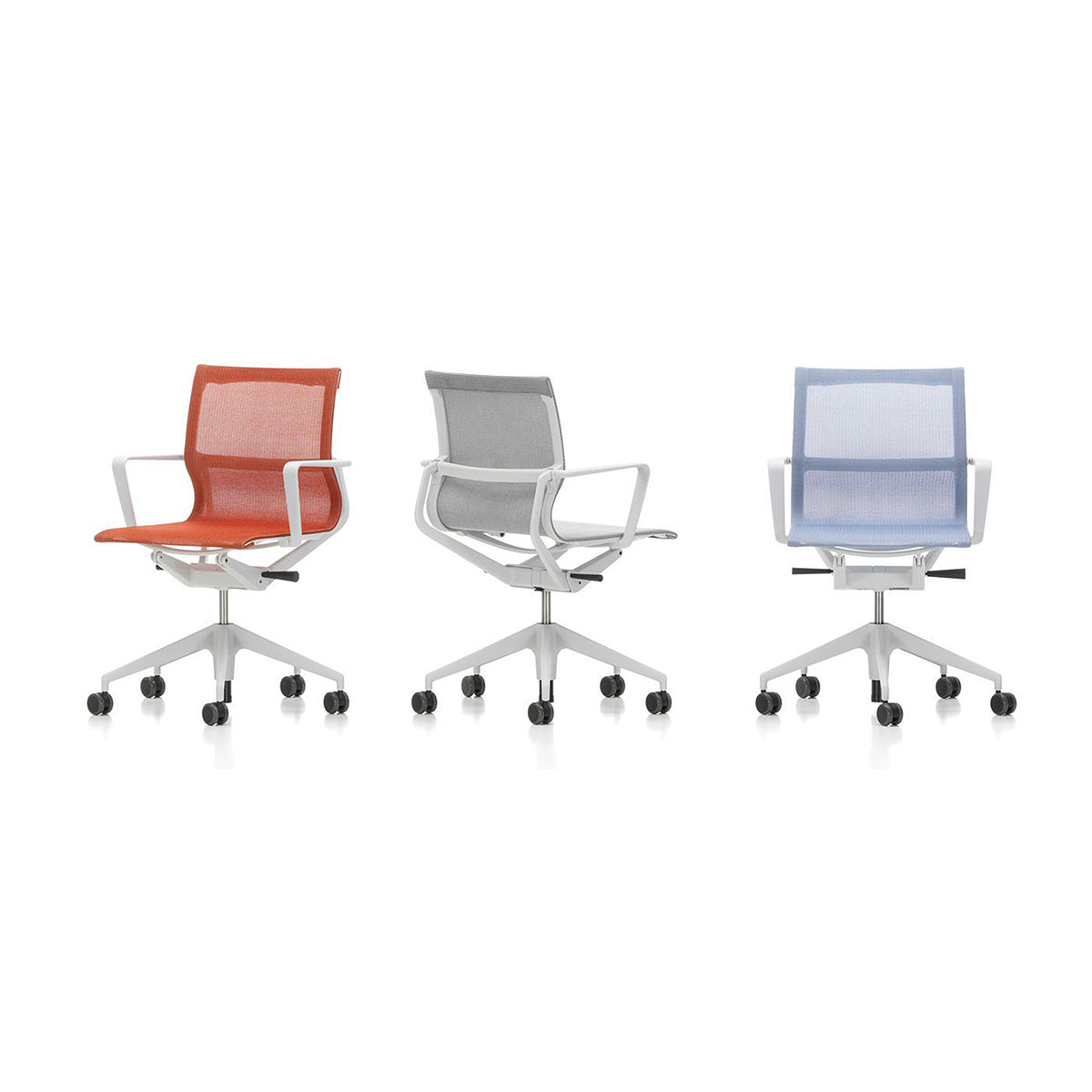
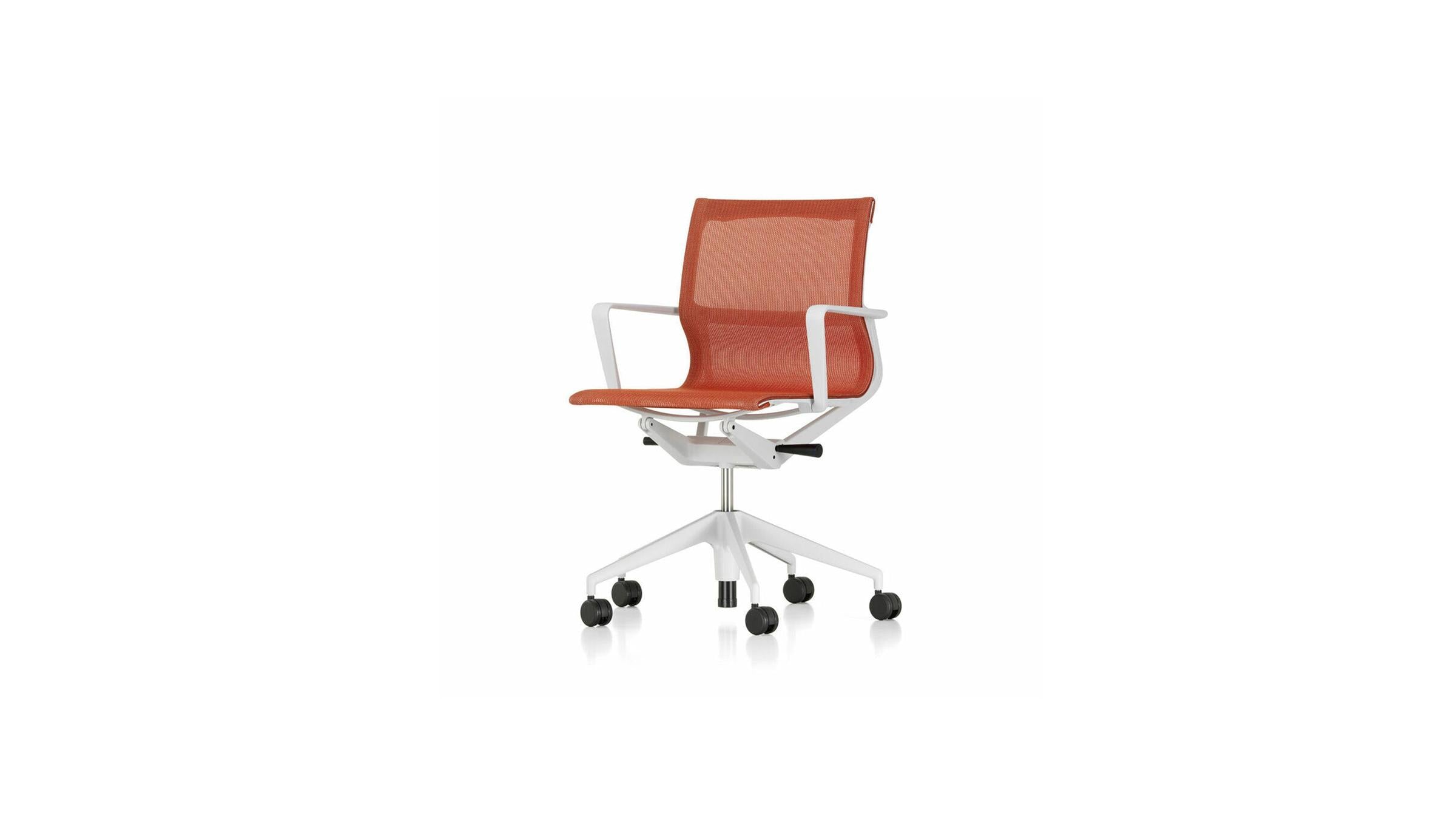
Physix di Alberto Meda, introdotta nel 2012, è una delle risposte più ponderate alla sfida delle sedute ergonomiche. Meda, il cui background spazia dall'ingegneria meccanica al design industriale, ha concepito la sedia non come un esercizio di stile, ma come un problema strutturale con una soluzione umana.
Il risultato è una sedia costruita intorno alla seduta dinamica, una filosofia che considera il movimento una condizione di comfort piuttosto che un problema da correggere. Il sedile e lo schienale rispondono continuamente al corpo, distribuendo il peso e adattandosi ai cambiamenti di postura senza regolazioni meccaniche o interventi deliberati da parte dell'utente.
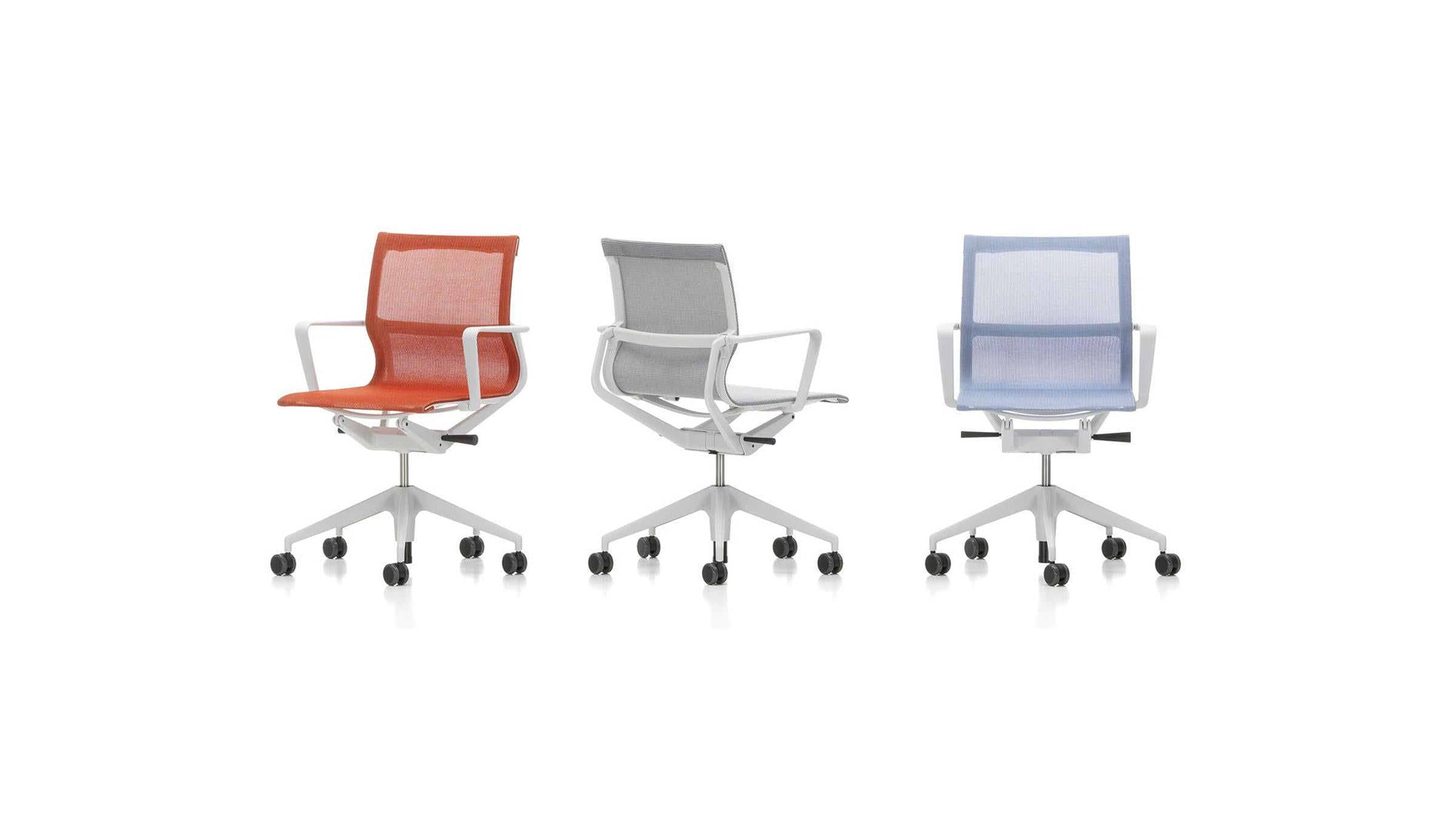
Physix raggiunge questo obiettivo attraverso la precisa applicazione di materiali compositi avanzati e metodi di produzione contemporanei. La scocca è realizzata in polimero rinforzato con fibra di vetro che offre sia flessibilità che resilienza, flettendosi con il corpo e tornando in forma. La silhouette complessiva è essenziale e disciplinata, con la precisione caratteristica di Meda visibile in ogni giunzione e transizione.
- Progettata da Alberto Meda, 2012
- Scocca in polimero rinforzato con fibra di vetro con flessibilità intrinseca
- Movimento dinamico del sedile e dello schienale senza regolazioni meccaniche
- Disponibile con una gamma di configurazioni di base e rivestimenti
Made to order by Vitra, tailored to you.
Get customization options, swatch samples and pricing for your project.
Si abbina bene a
Fisix
Product Details
Tear Sheet
Pricing & Warranty
Pricing for made-to-order items varies based on configuration, finishes, and customization options. Please contact one of our design consultants or visit a showroom near you for current pricing and personalized assistance.
Luminaire is an authorized retailer of Vitra. The product comes with a full manufacturer warranty.
Authenticity guaranteed. Genuine product, authenticated and sourced directly from the manufacturer.
Domande Frequenti
What makes the Physix chair's movement system work?
The Physix relies on the material properties of its glass-fiber reinforced polymer shell rather than mechanical joints or pivots. The shell flexes naturally in response to body movement, allowing the seat and backrest to shift in concert with the user's posture without requiring manual adjustment.
Who is Alberto Meda and what is his design background?
Alberto Meda trained as a mechanical engineer before moving into industrial design, a dual formation that defines his practice. He is known for applying materials science and structural thinking to everyday objects, with work produced for Vitra, Alias, and Luceplan, among others.
Is the Physix suitable for extended use as a task chair?
Physix was developed specifically around the demands of sustained office use. Its dynamic response to body movement is intended to reduce static loading on the spine and encourage subtle postural variation throughout the workday.
What configuration options are available for the Physix?
Physix is offered with several base options, including four-leg and five-star castored versions, and can be specified with or without armrests. Upholstery and shell color choices allow the chair to be tailored to a range of interior contexts.
How does Physix compare to other Vitra ergonomic chairs?
Where chairs like the Vitra ID series use visible mechanical systems to achieve adaptability, Physix embeds its ergonomic response directly into the material structure of the shell. This gives it a cleaner profile and a more passive, less interventionist form of support.