Raccolto 200 Blu
Made by Kasthall
Designed by Ellinor Eliasson
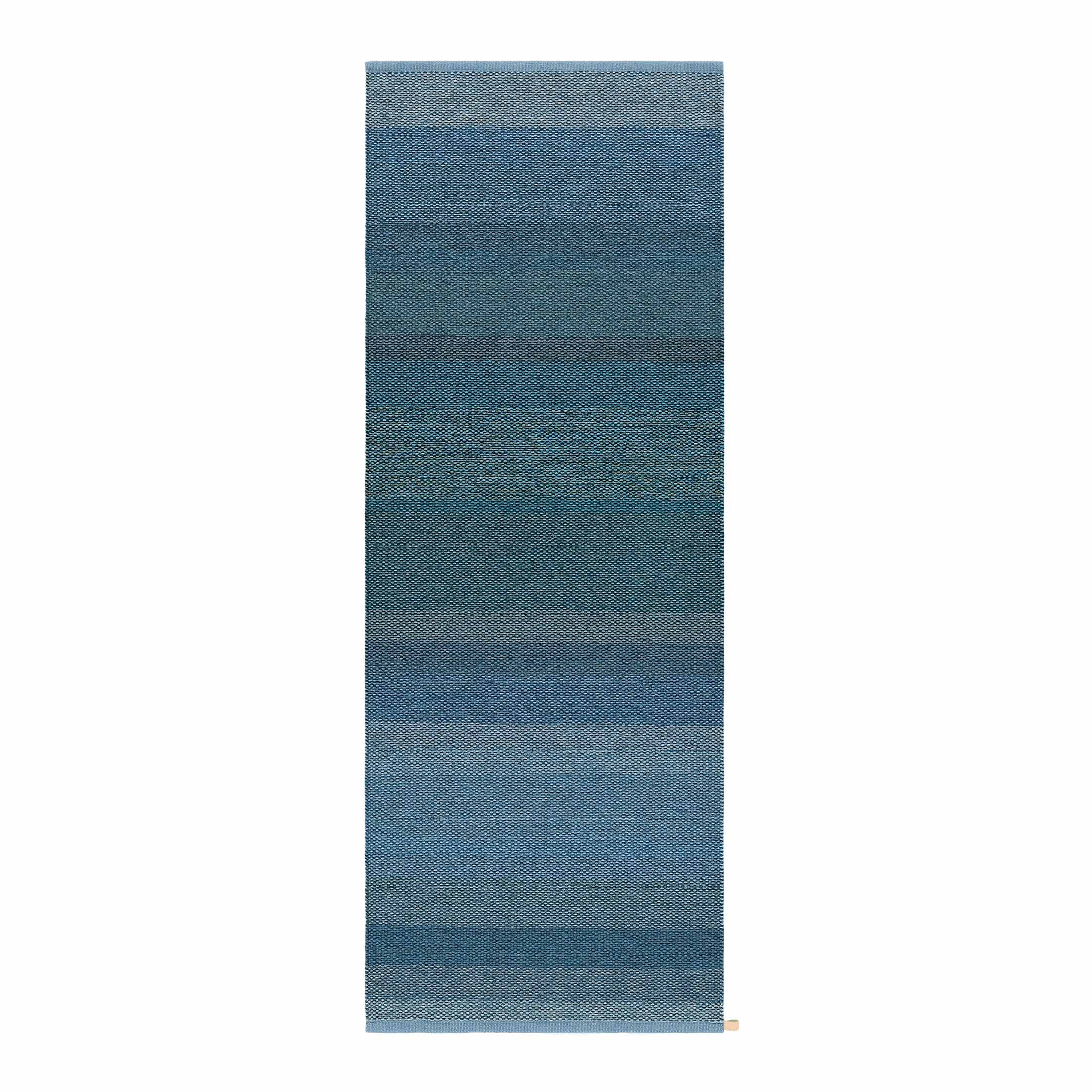
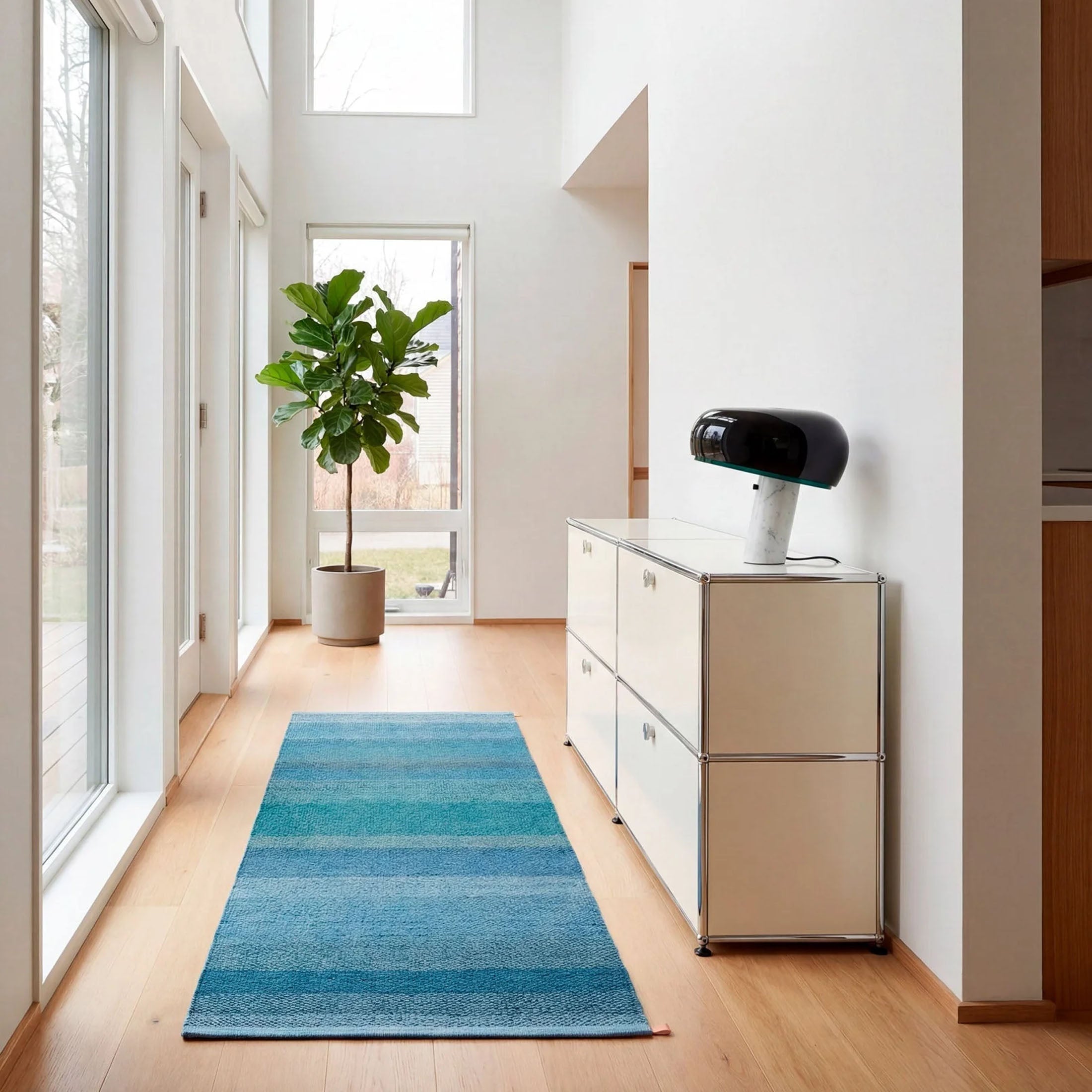
Ellinor Eliasson ha ideato Harvest partendo dall'idea di lasciare che il materiale facesse da guida. Il filato stesso, ricavato da rocchetti residui che cambiano continuamente colore, determina la superficie. Non esistono due lotti identici. Il risultato è un tappeto che porta la sua firma discreta, modellato tanto dal telaio quanto dalla mano che lo ha messo in moto.
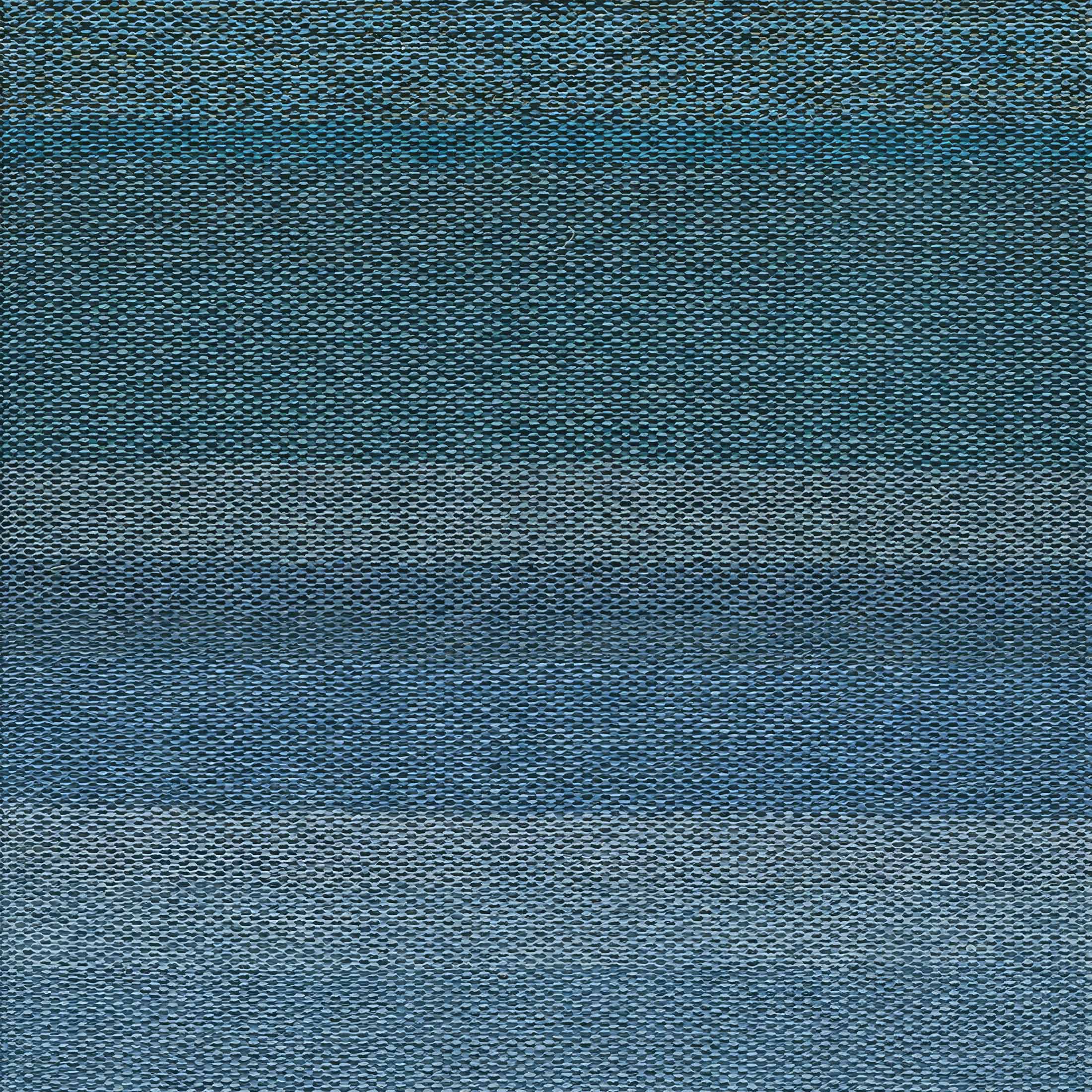
Il Harvest 200 Blue è tessuto con un ordito in lino e una trama in pura lana presso il lanificio di Kasthall a Kinna, in Svezia, una struttura con oltre un secolo di tradizione tessile. Il blu qui non è una singola tonalità, ma una gamma di toni che emergono e si attenuano sulla superficie, conferendo al tessuto una profondità che cambia con la luce e l'angolo di visione.
- Costruzione con trama in pura lana e ordito in lino
- Tessuto con filato di recupero per una variazione cromatica naturale
- Prodotto singolarmente presso il lanificio Kasthall di Kinna
- Disponibile su ordinazione in misure personalizzate
Made to order by Kasthall, tailored to you.
Get customization options, swatch samples and pricing for your project.
Si abbina bene a
Product Details
Tear Sheet
Pricing & Warranty
Pricing for made-to-order items varies based on configuration, finishes, and customization options. Please contact one of our design consultants or visit a showroom near you for current pricing and personalized assistance.
Luminaire is an authorized retailer of Kasthall. The product comes with a full manufacturer warranty.
Authenticity guaranteed. Genuine product, authenticated and sourced directly from the manufacturer.
Domande Frequenti
What makes each Harvest rug unique?
Because the yarn is sourced from residual spools that alternate colors continuously during weaving, the chromatic pattern across each rug is never exactly repeated. The variation is inherent to the process, not a decorative choice applied afterward.
What materials are used in the Kasthall Harvest rug?
Harvest is constructed with a linen warp and a pure wool weft. The use of residual wool yarn means the palette shifts organically across the surface, with no two color sequences identical.
Where is the Kasthall Harvest rug made?
It is woven at Kasthall's mill in Kinna, Sweden, where the company has produced handcrafted rugs for well over a century. Each piece is produced individually on-site.
Can the Harvest 200 Blue be ordered in a custom size?
Yes, Harvest is available as a made-to-order piece in custom dimensions. Specifications can be discussed at the time of inquiry to suit a specific space or project requirement.
Who is designer Ellinor Eliasson?
Ellinor Eliasson is a Swedish textile designer whose practice focuses on material investigation and the expressive potential of weaving processes. Her work for Kasthall often begins with the constraints of a given material, allowing structure and technique to shape the final form.