Piastrelle Brick 820 Noce
Made by Kasthall
Designed by Claesson Koivisto Rune
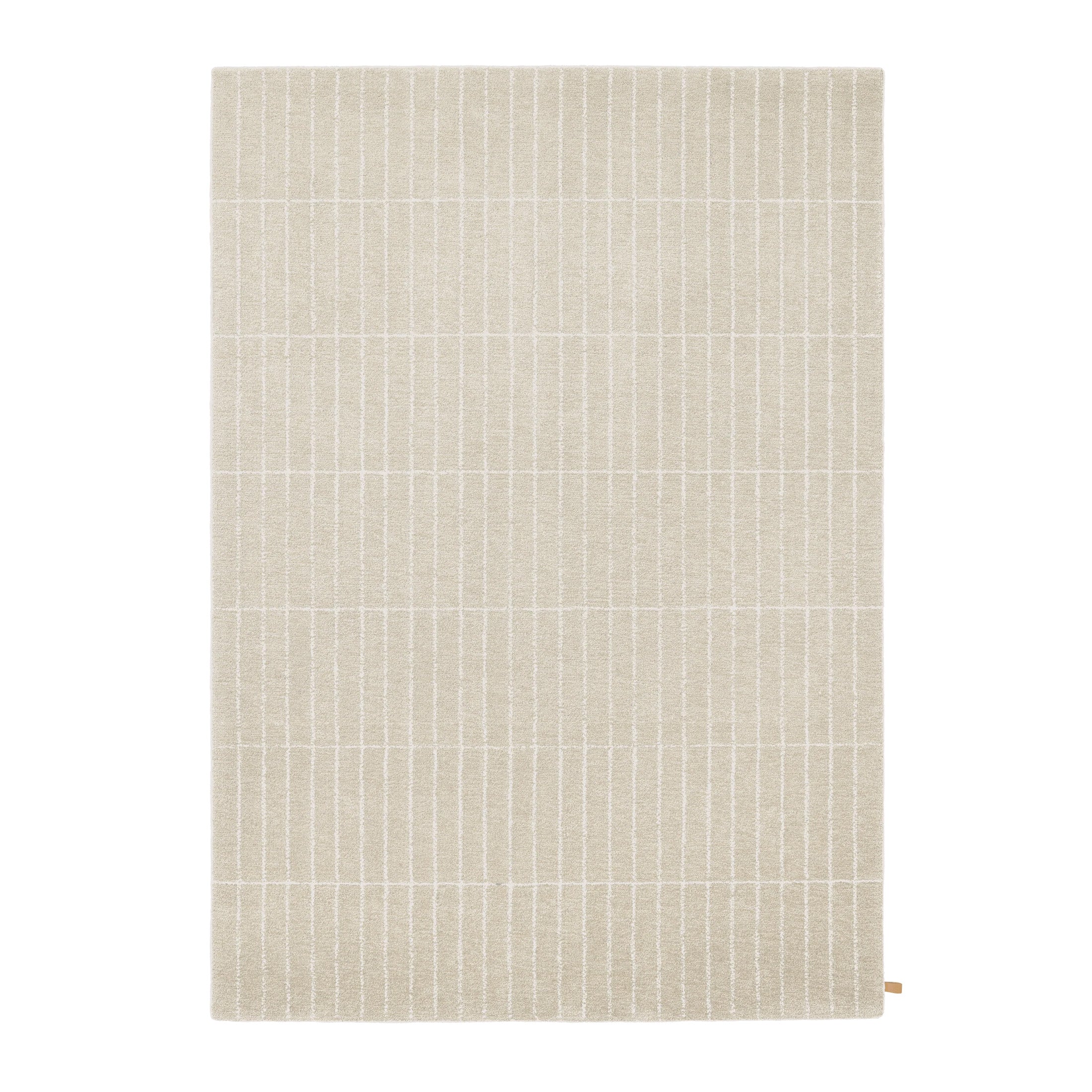
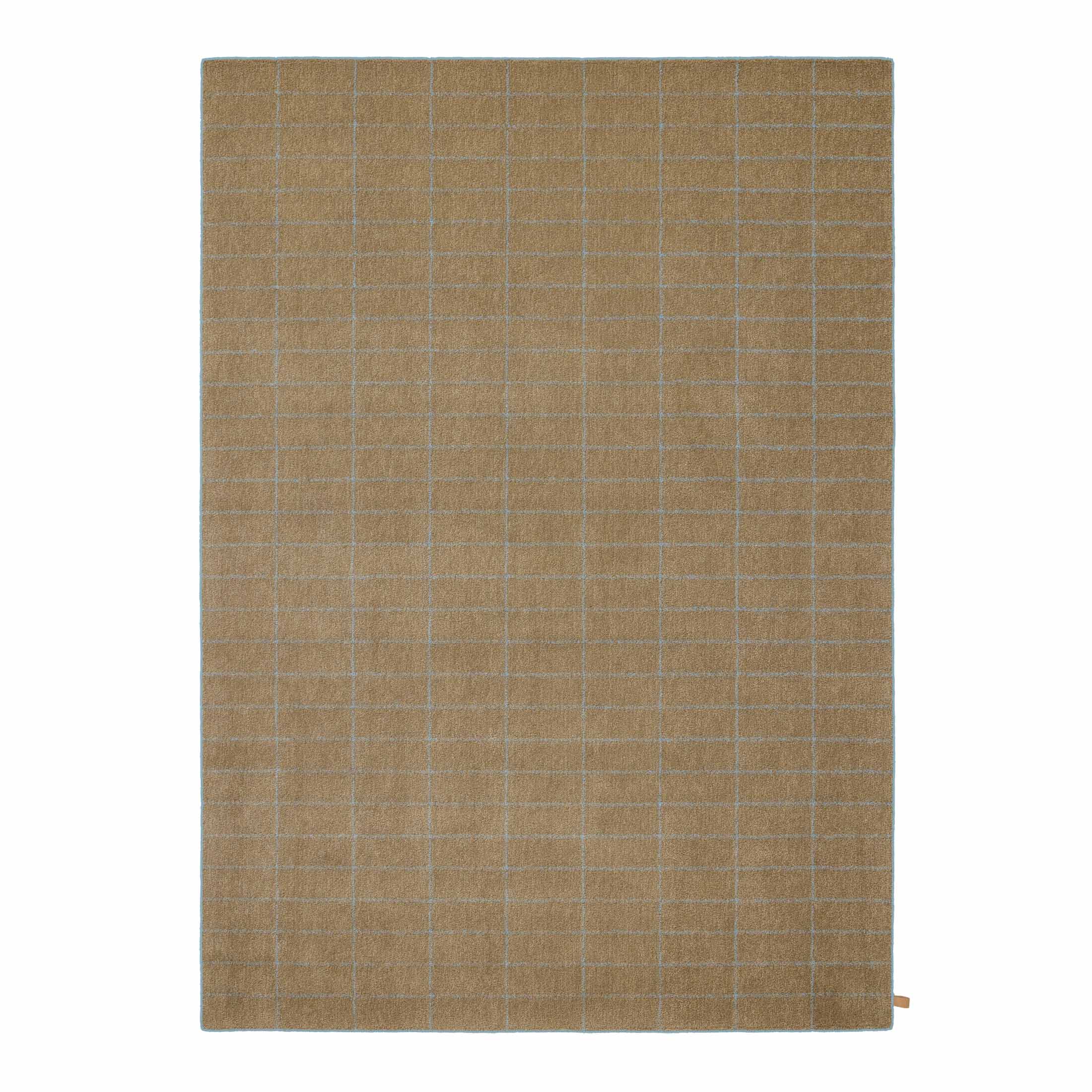
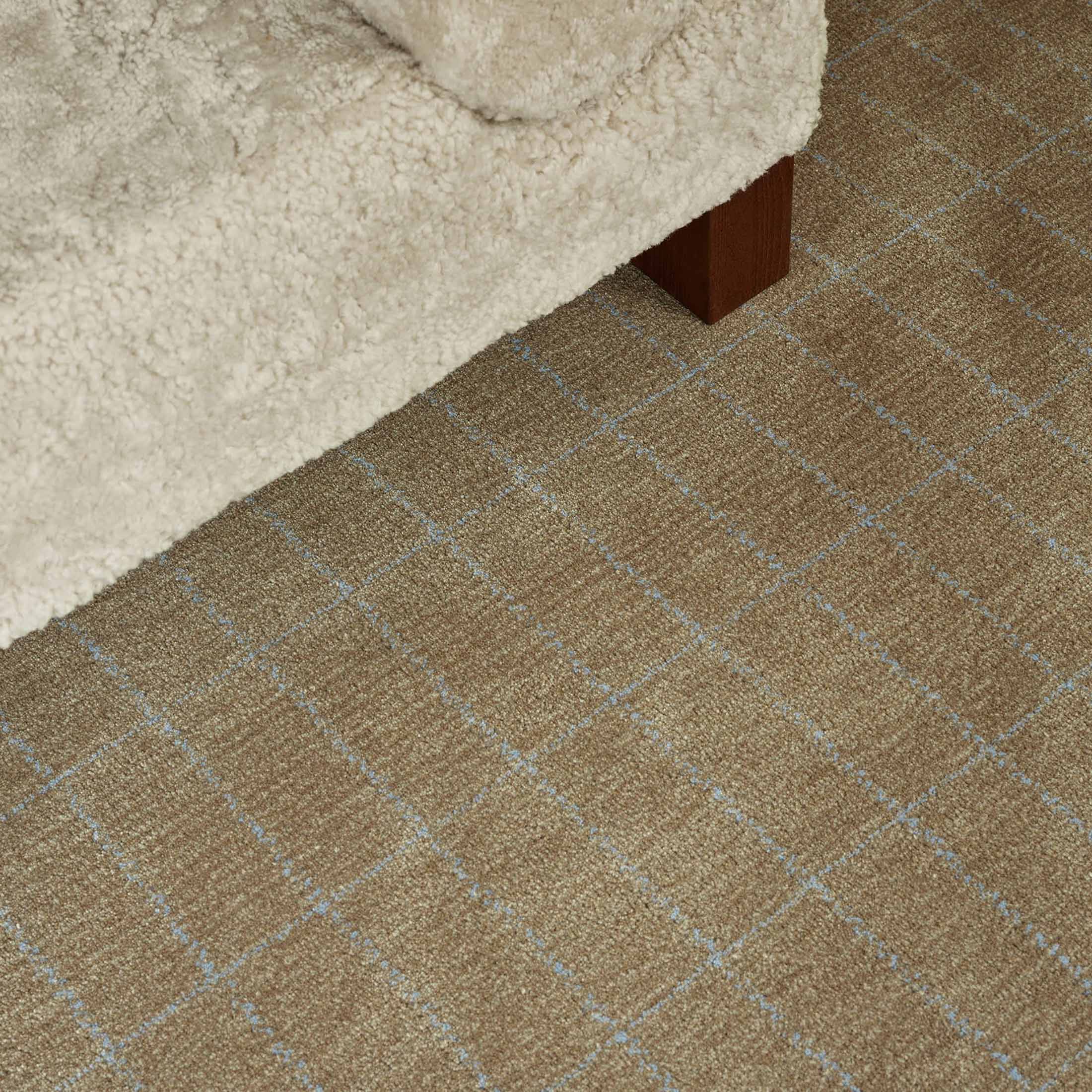
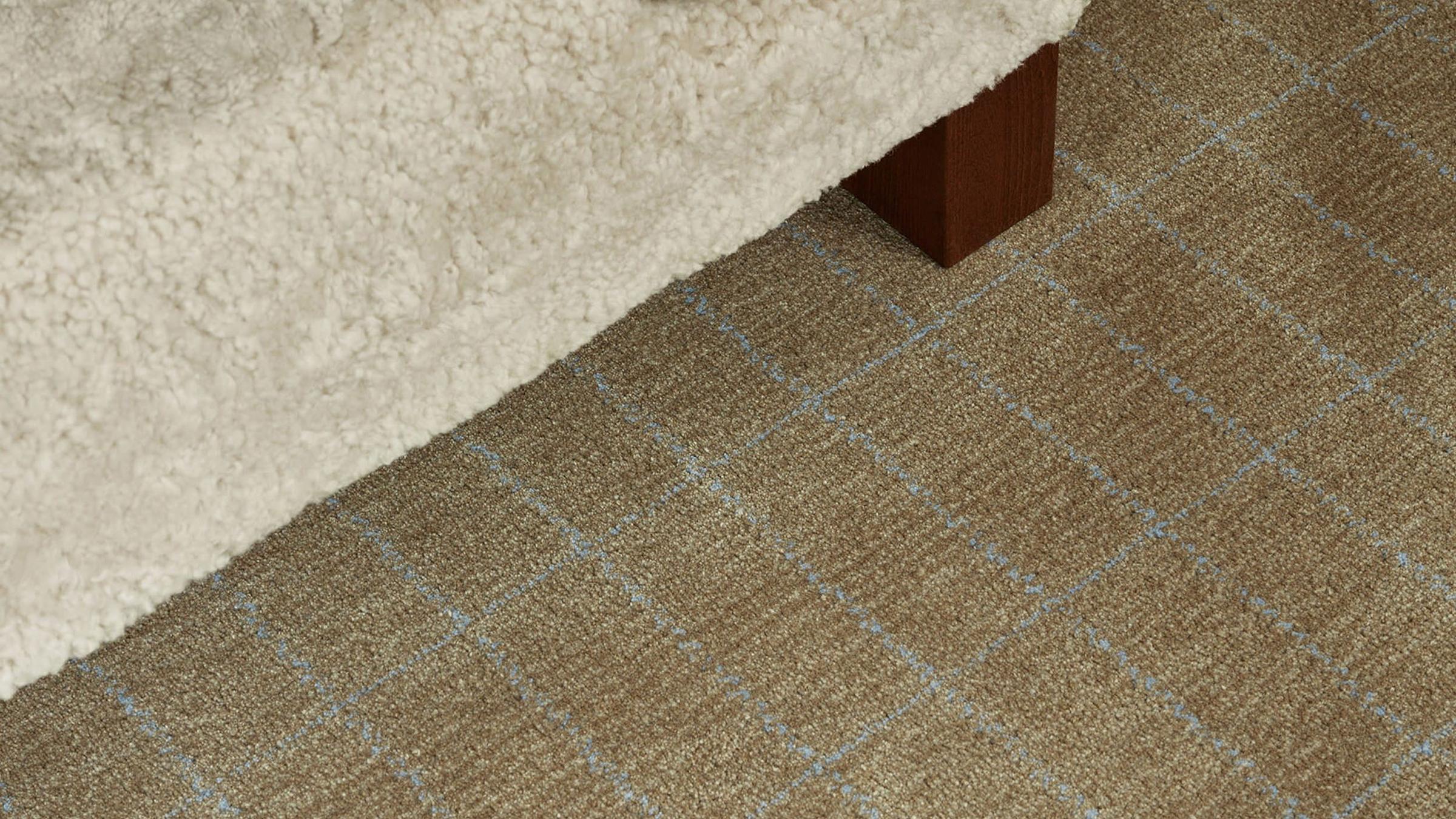
Claesson Koivisto Rune si è ispirato alla logica dimensionale dei materiali da costruzione per la creazione della collezione Tiles per Kasthall. Il formato Brick organizza la superficie in un ritmo geometrico misurato, ogni campo è definito da sottili linee tonali che richiamano le proporzioni delle piastrelle in ceramica senza riprodurle letteralmente.
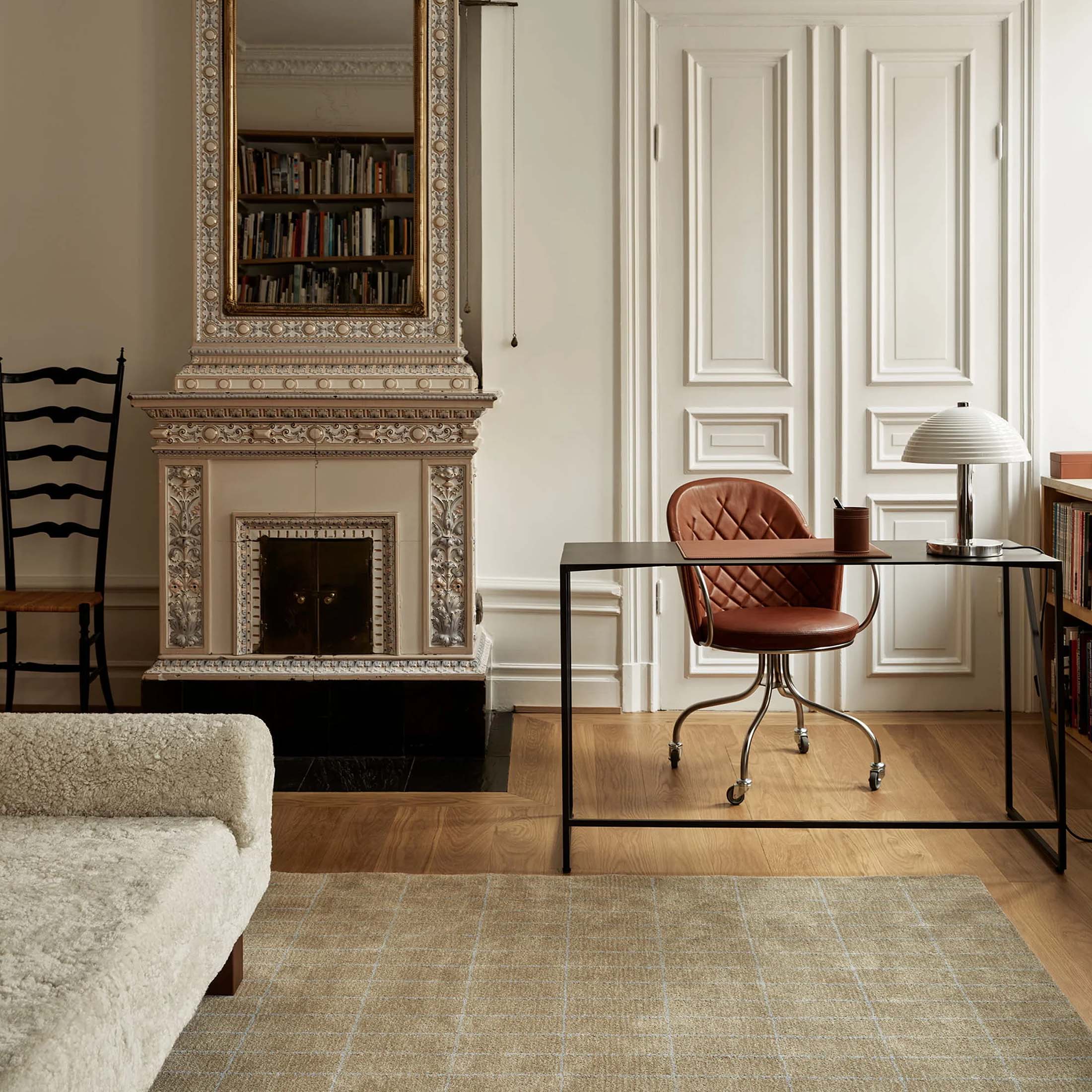
La colorazione Walnut conferisce una profondità calda e concreta a questa geometria. Risulta architettonica senza essere fredda, accostandosi naturalmente a cemento grezzo, rovere chiaro o pareti con finitura a intonaco.
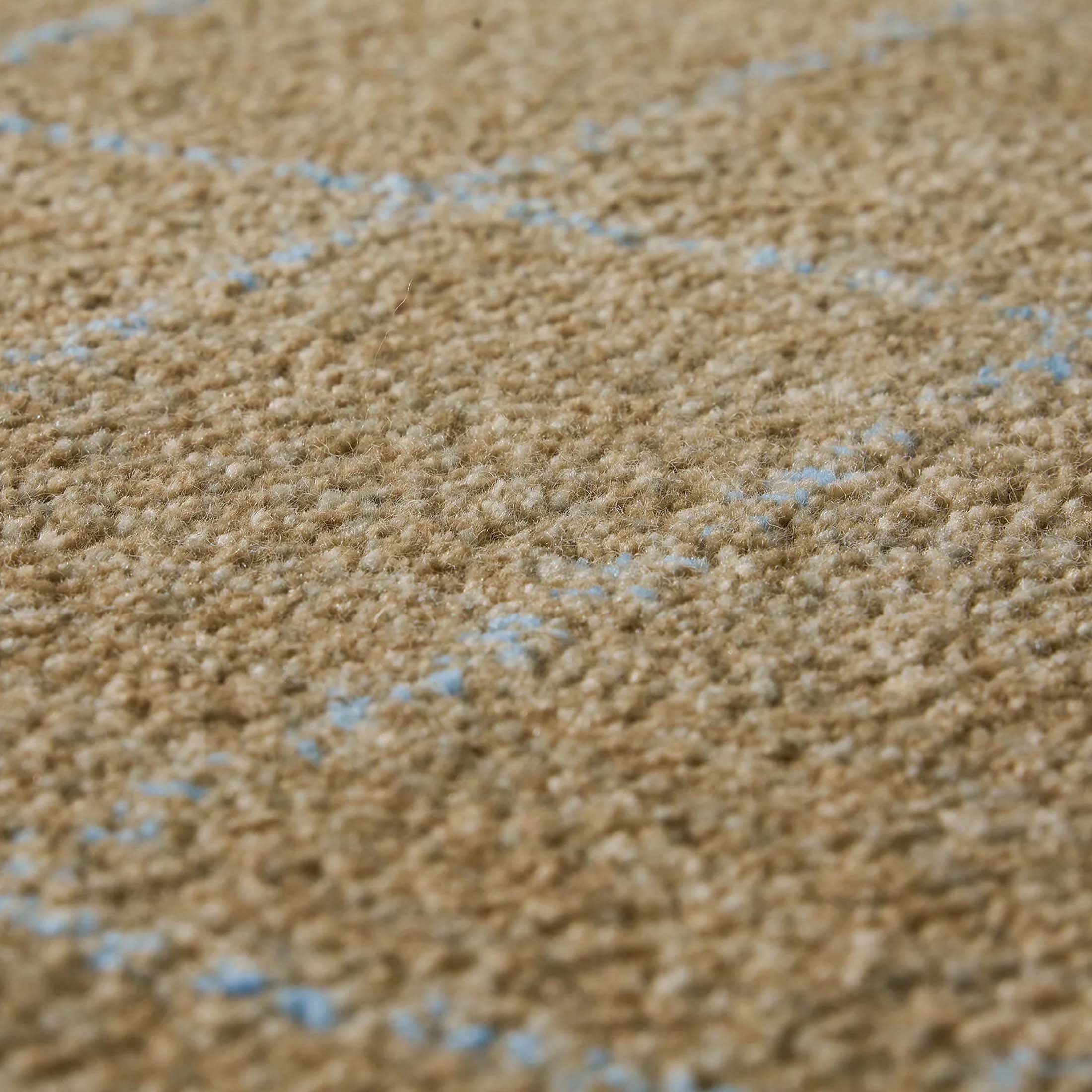
Realizzato in pura lana e tuftato in Svezia, il tappeto presenta una mano densa e strutturata che premia un'attenta osservazione. La superficie assorbe e diffonde la luce anziché rifletterla, conferendo al pezzo una presenza diversa a seconda dell'ora e dell'ambiente. Laddove i materiali per pavimentazioni dure si impongono, questo tessuto media, portando lo stesso linguaggio formale in una forma intrinsecamente tattile.
Made to order by Kasthall, tailored to you.
Get customization options, swatch samples and pricing for your project.
Si abbina bene a
Product Details
Tear Sheet
Pricing & Warranty
Pricing for made-to-order items varies based on configuration, finishes, and customization options. Please contact one of our design consultants or visit a showroom near you for current pricing and personalized assistance.
Luminaire is an authorized retailer of Kasthall. The product comes with a full manufacturer warranty.
Authenticity guaranteed. Genuine product, authenticated and sourced directly from the manufacturer.
Domande Frequenti
What material is the Tiles Brick 820 rug made from?
The Tiles Brick 820 is made from pure wool, tufted in Sweden by Kasthall. Wool provides natural resilience, warmth underfoot, and an ability to absorb sound, making it well suited to both residential and hospitality interiors.
Who designed the Kasthall Tiles collection?
The Tiles collection was designed by Claesson Koivisto Rune, the Stockholm-based architecture and design studio known for work that finds geometry in everyday objects and building materials. Their collaboration with Kasthall spans several collections rooted in Scandinavian restraint.
Is the Tiles Brick 820 available in custom sizes?
Yes, the Tiles Brick 820 is available as a made-to-order piece. Custom dimensions can be requested, making it adaptable to specific architectural conditions in residential or commercial projects.
How should a pure wool tufted rug be maintained?
Regular vacuuming with a suction-only attachment keeps the pile free of dust and debris. For spot cleaning, a damp cloth and mild detergent applied gently are recommended. Professional cleaning is advised for larger stains, and the rug should be kept from prolonged exposure to direct sunlight to preserve colorway integrity.
What interiors suit the Walnut colorway?
The Walnut colorway pairs naturally with warm-neutral palettes, raw timber, and plaster or concrete surfaces. It works in spaces that rely on material contrast for visual interest rather than color saturation, including living areas, studies, and hospitality environments.