Sedia Grinza
Made by Edra
Designed by Humberto Campana and Fernando Campana
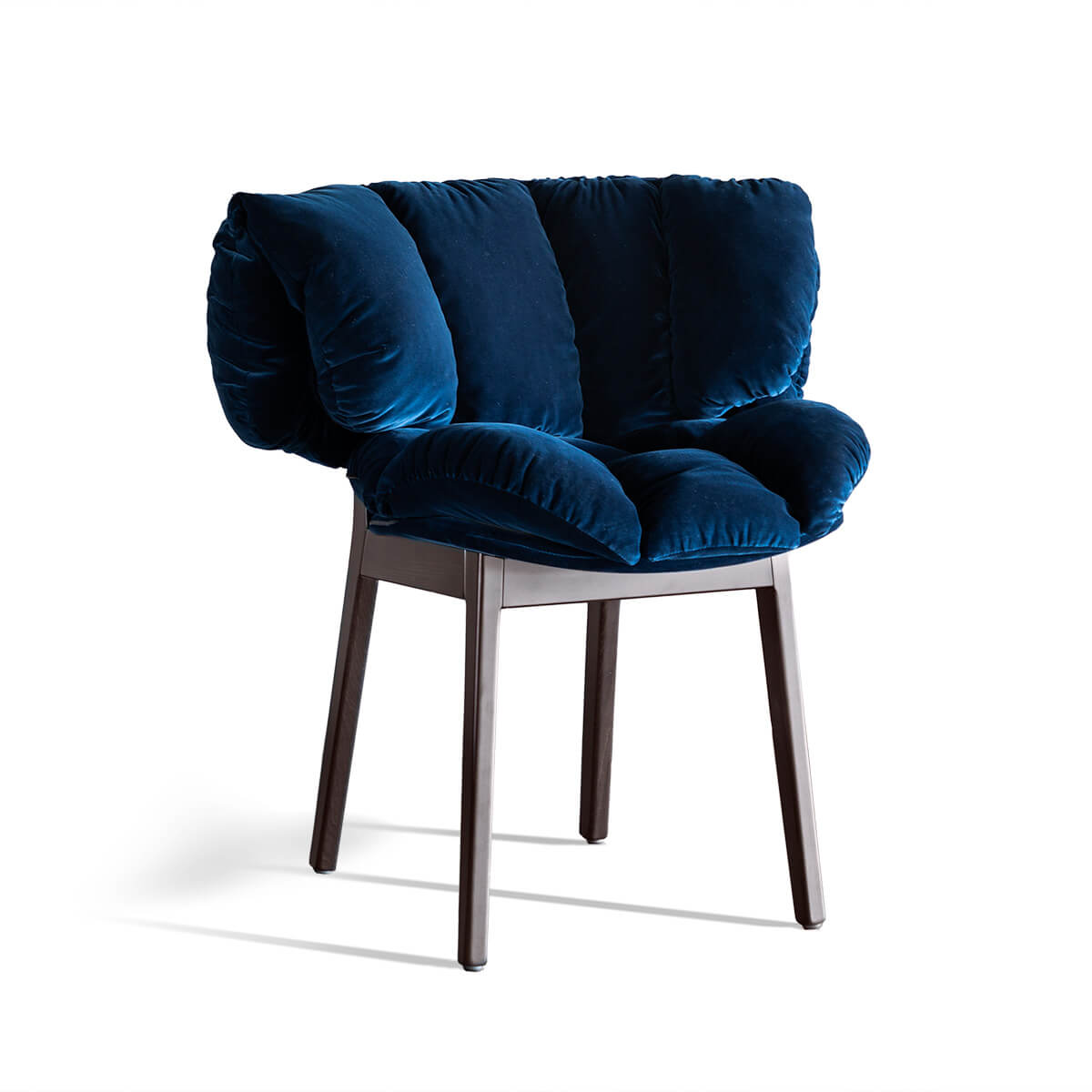
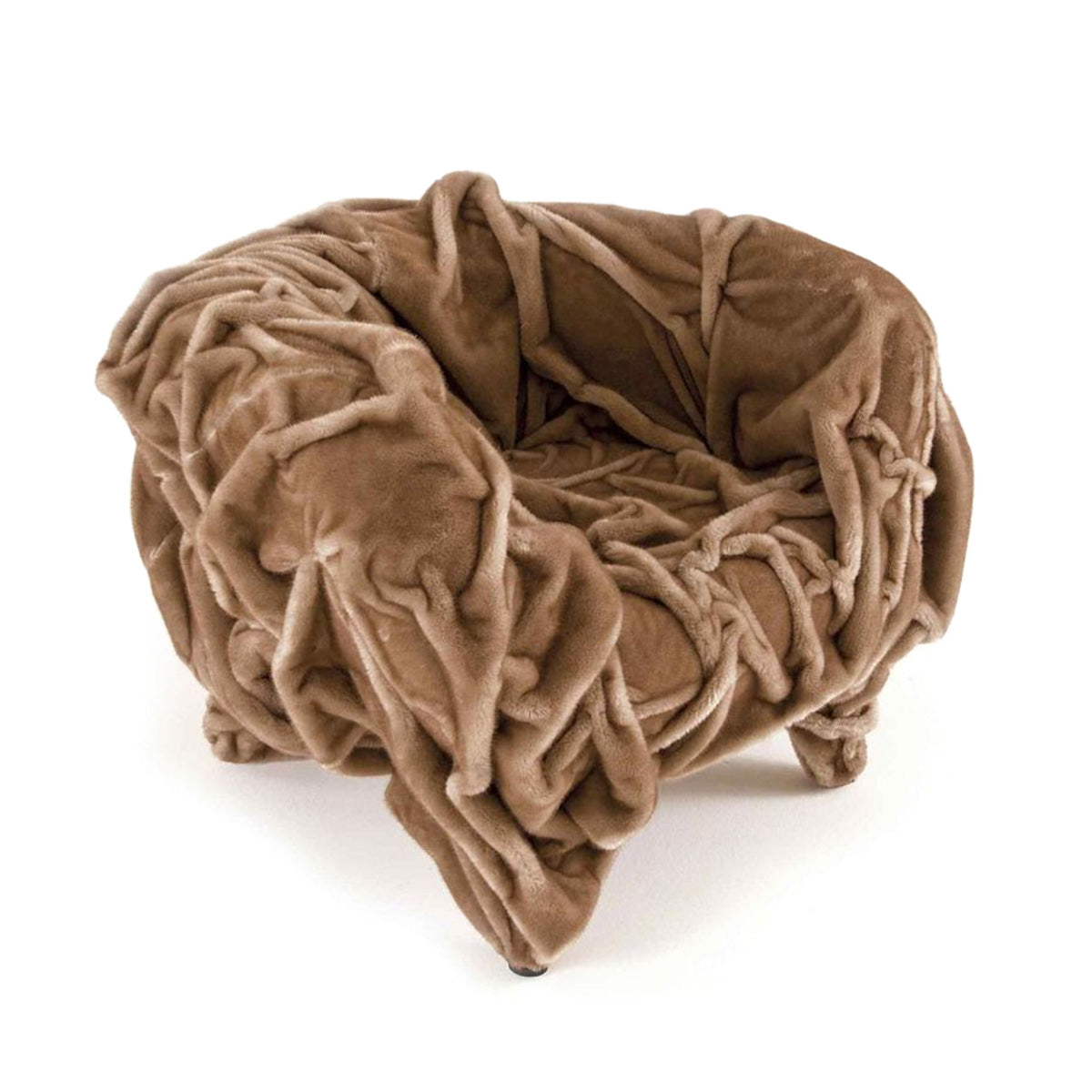
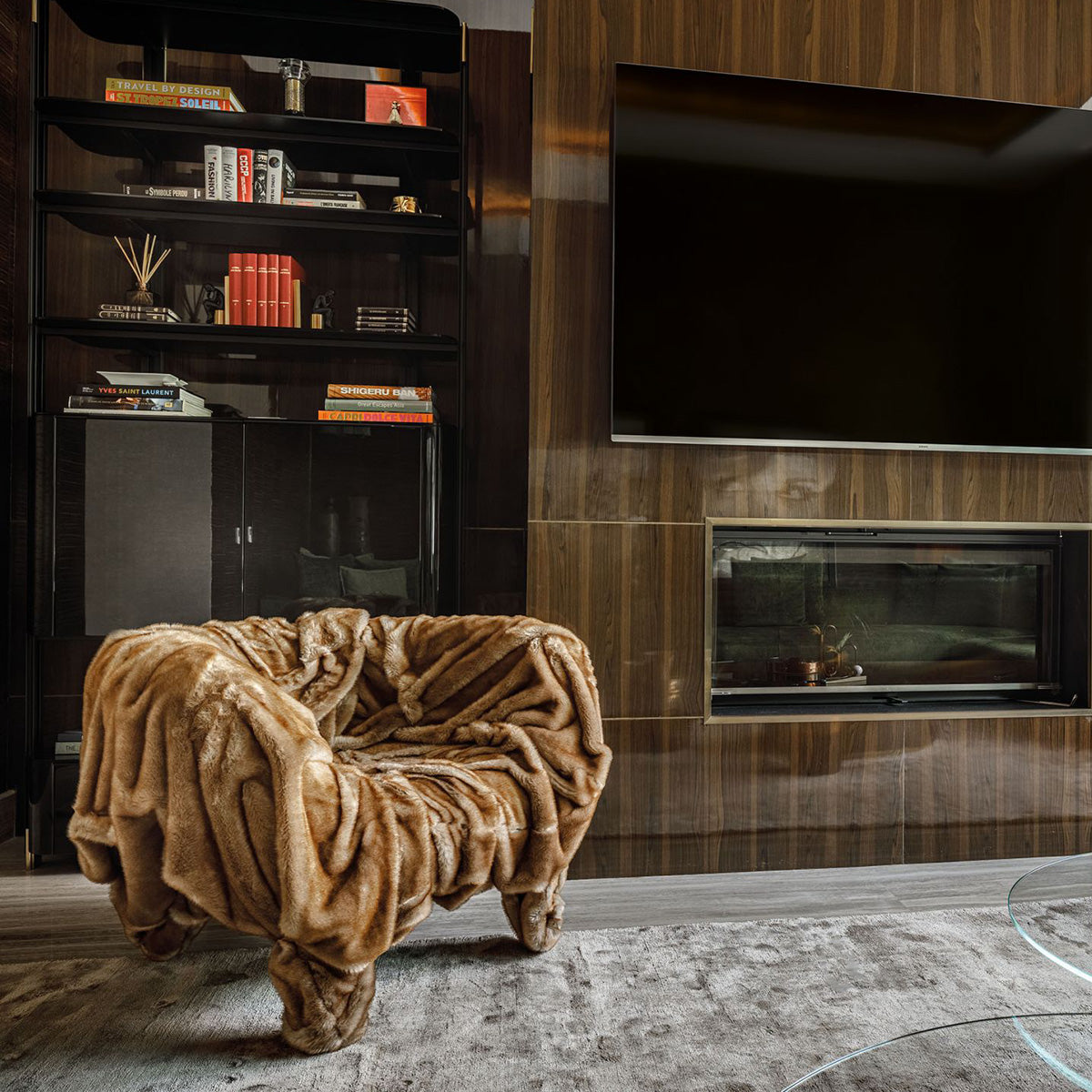
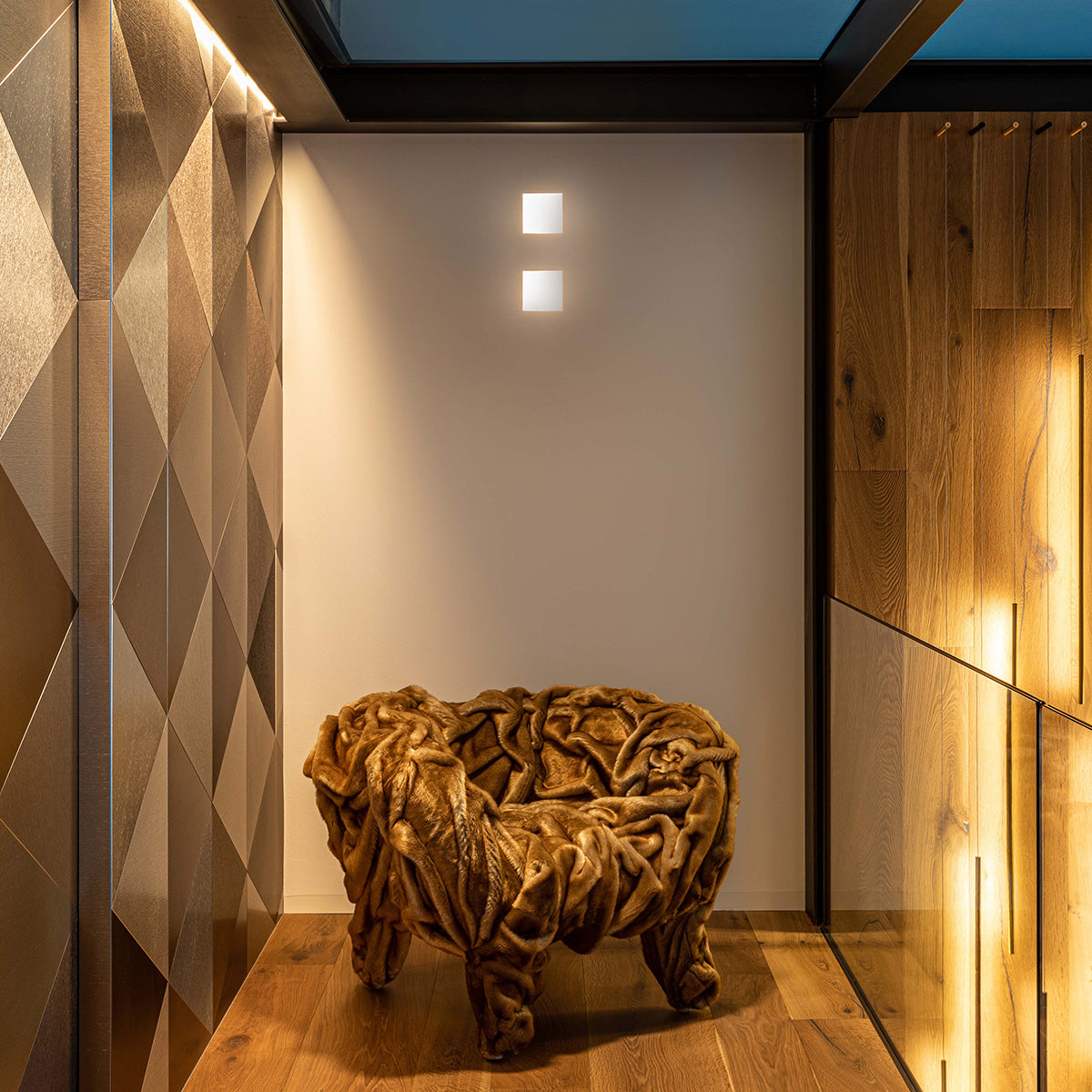
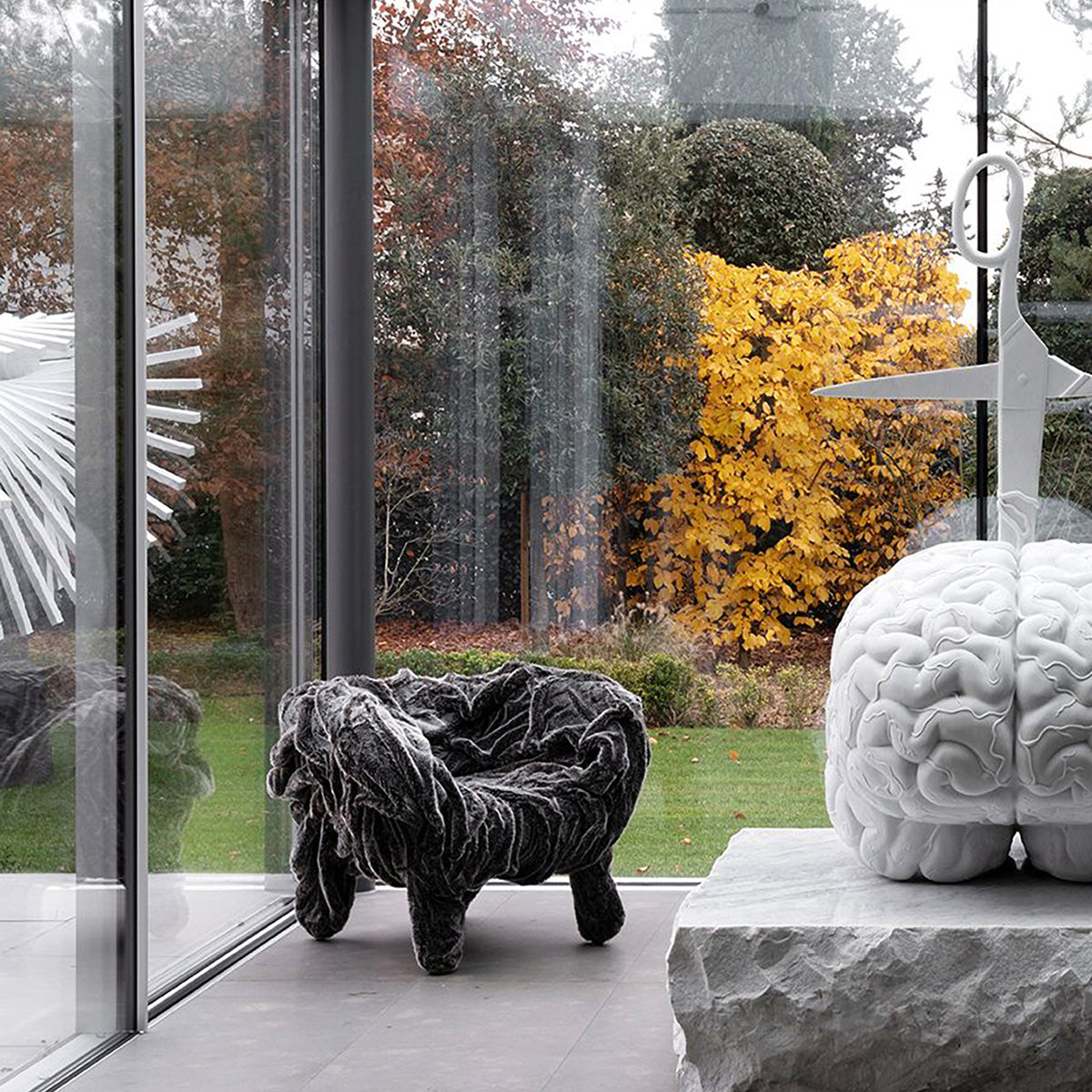
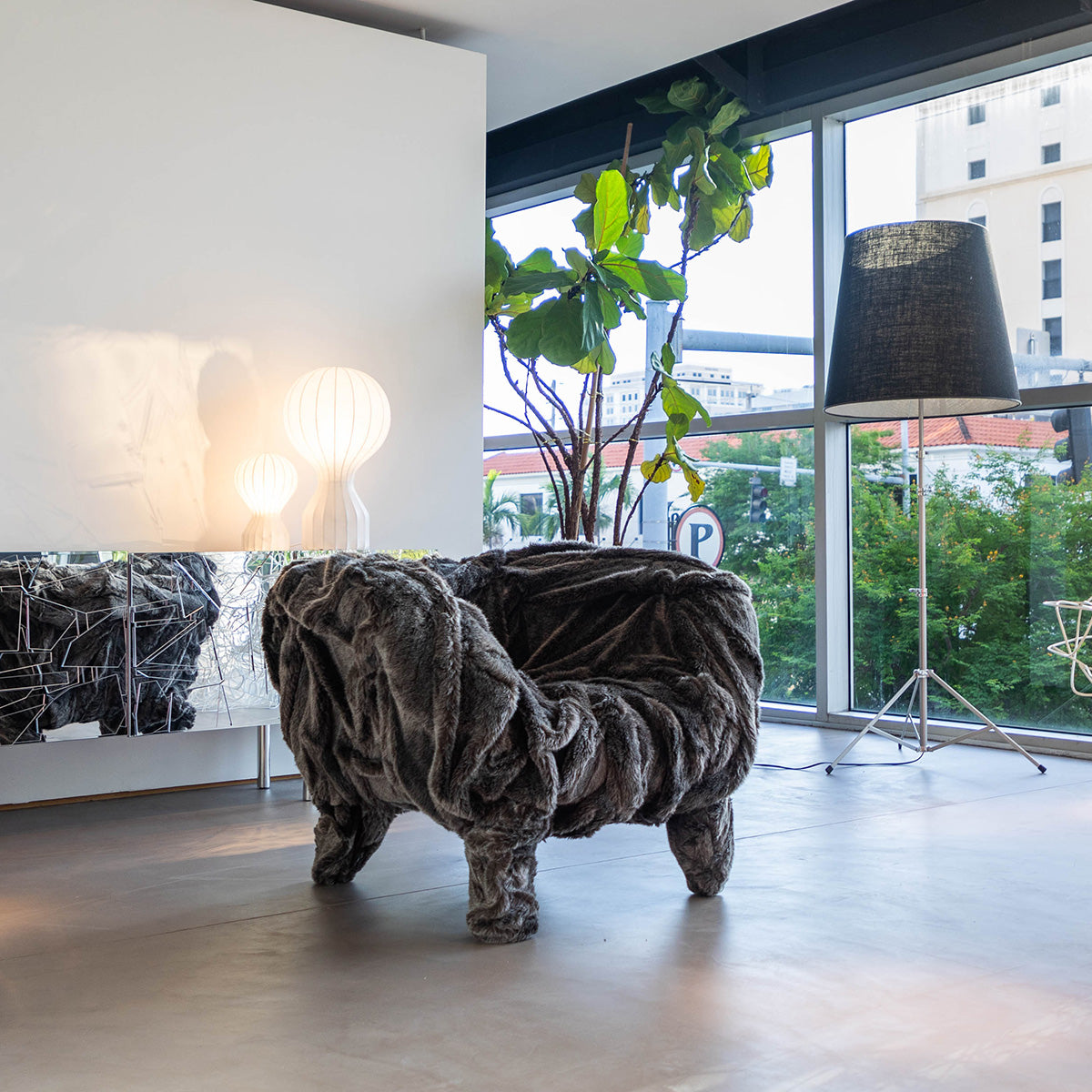
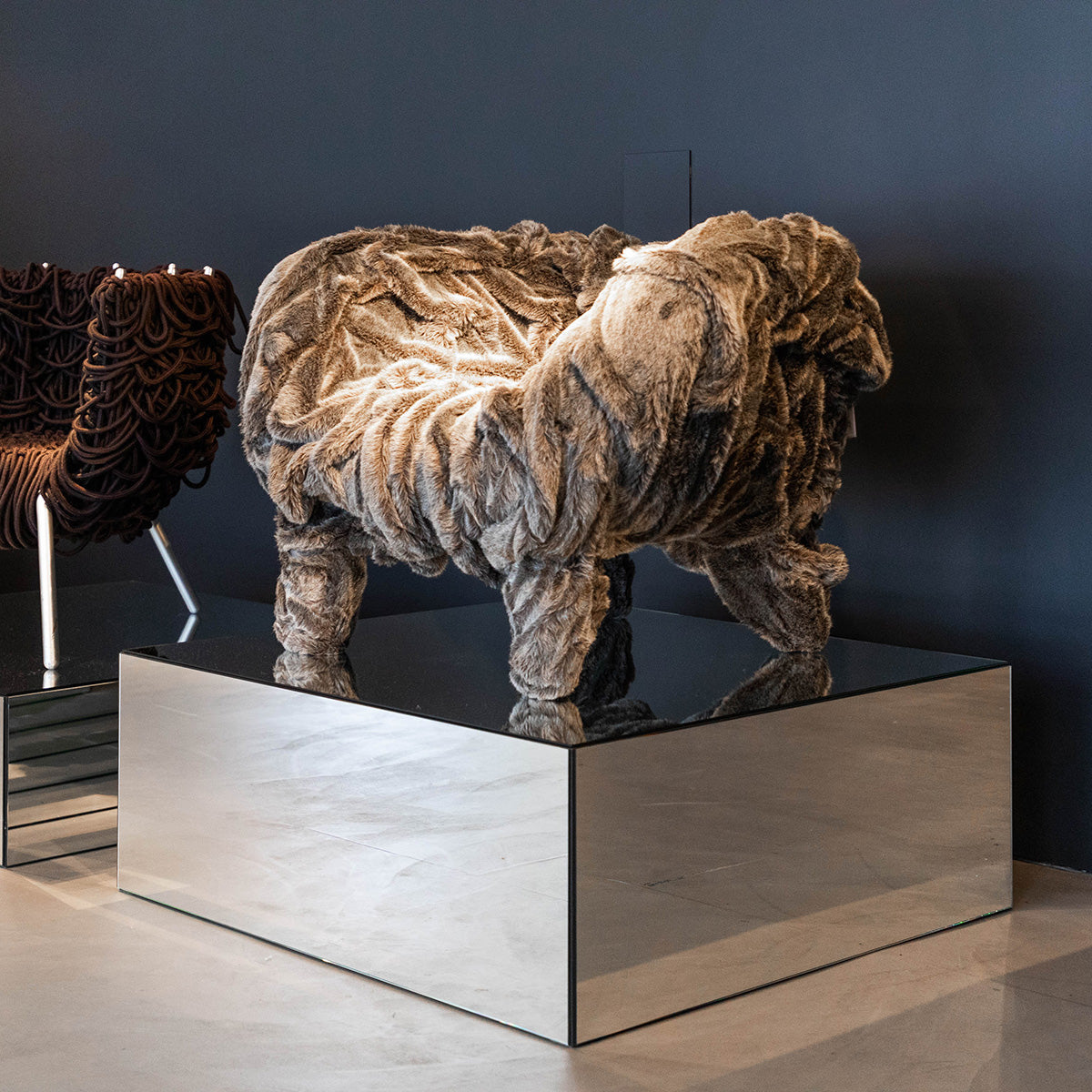
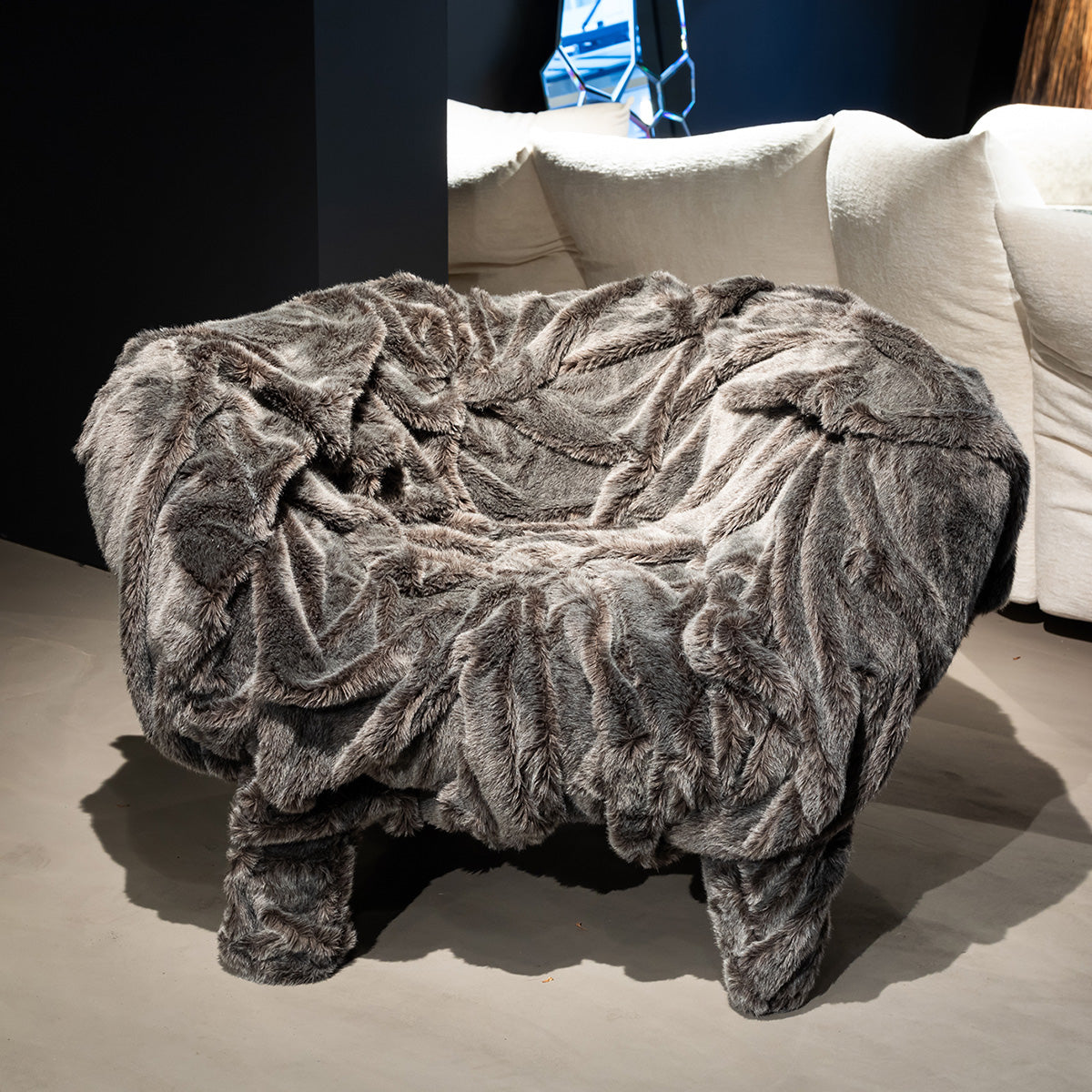
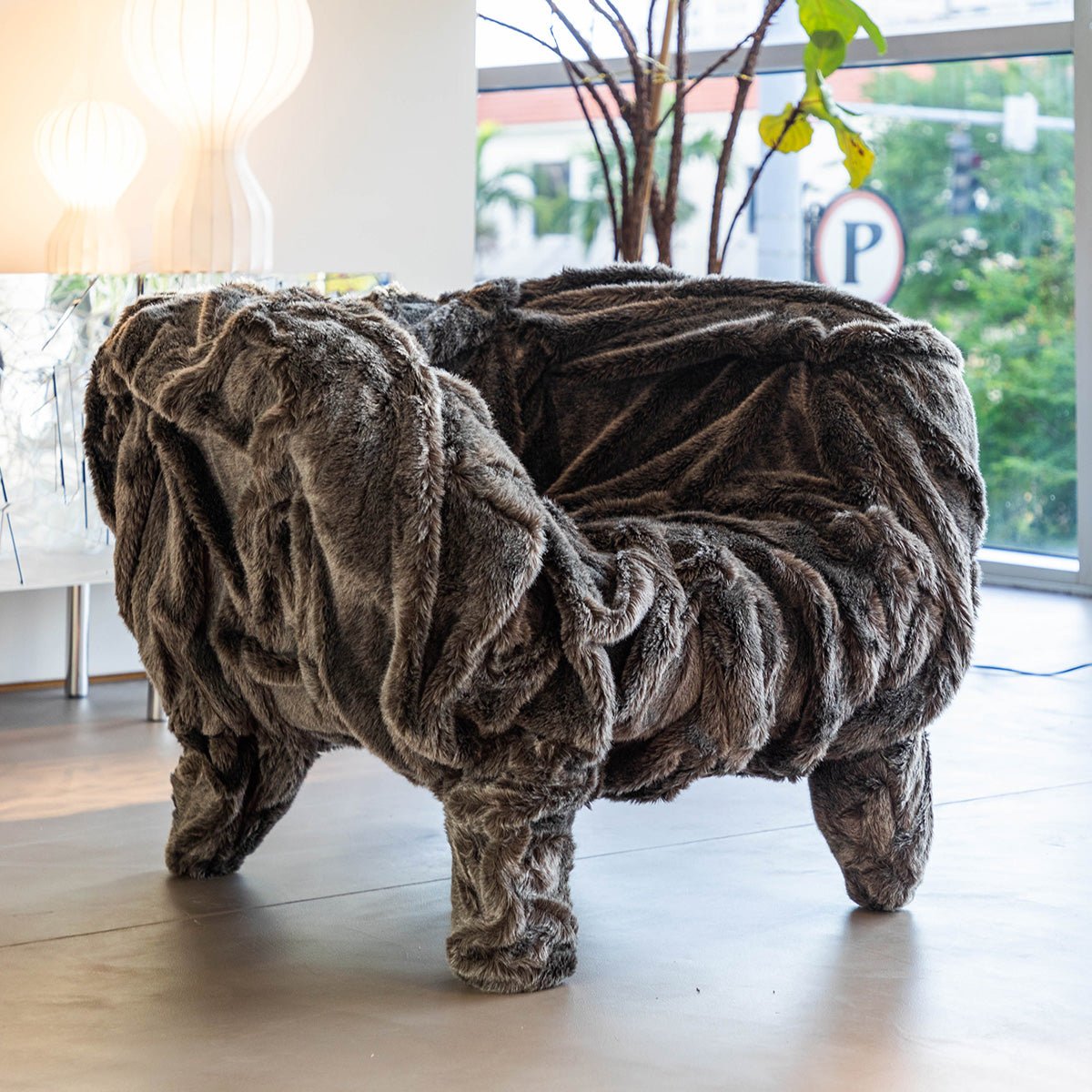
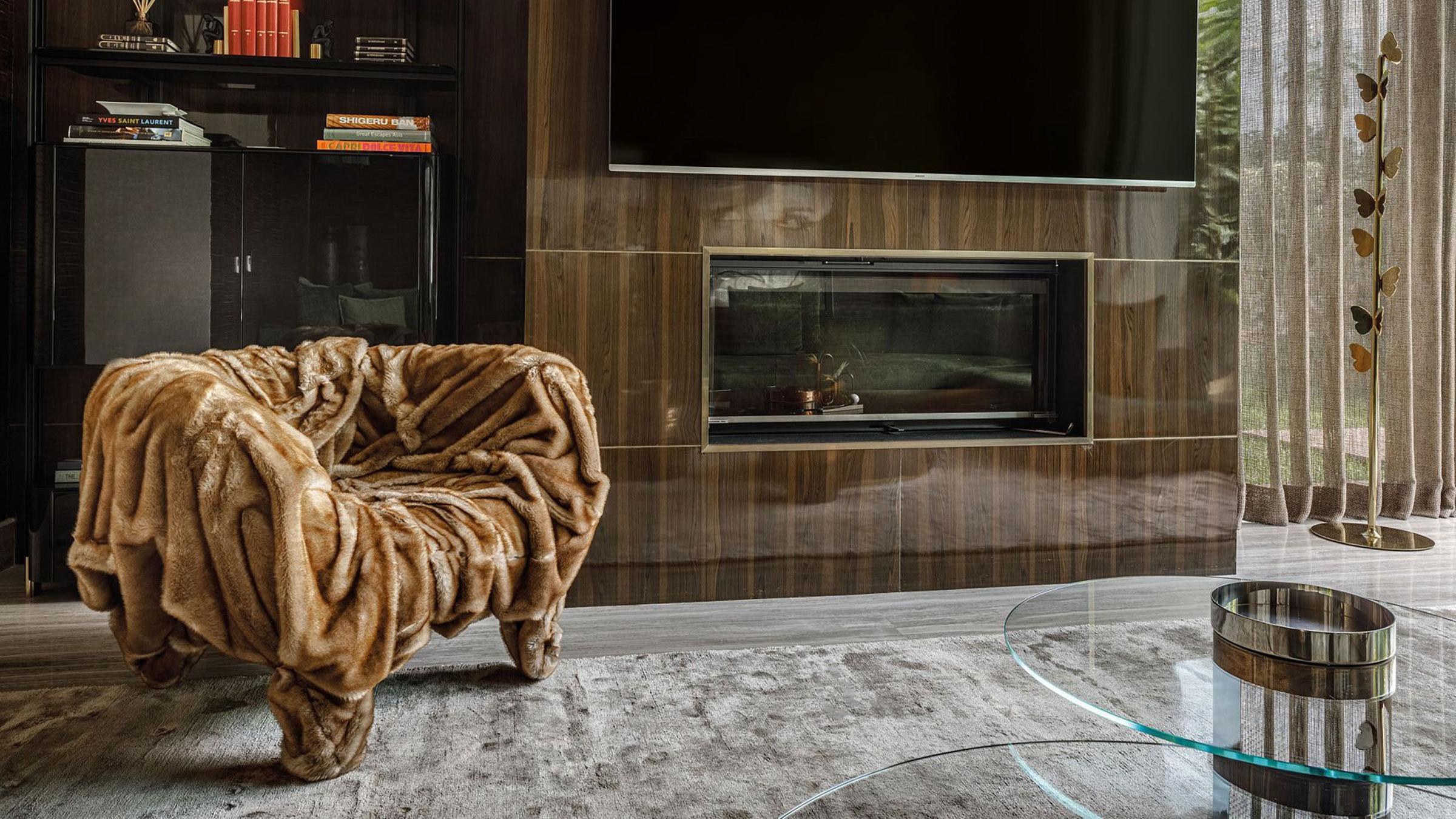
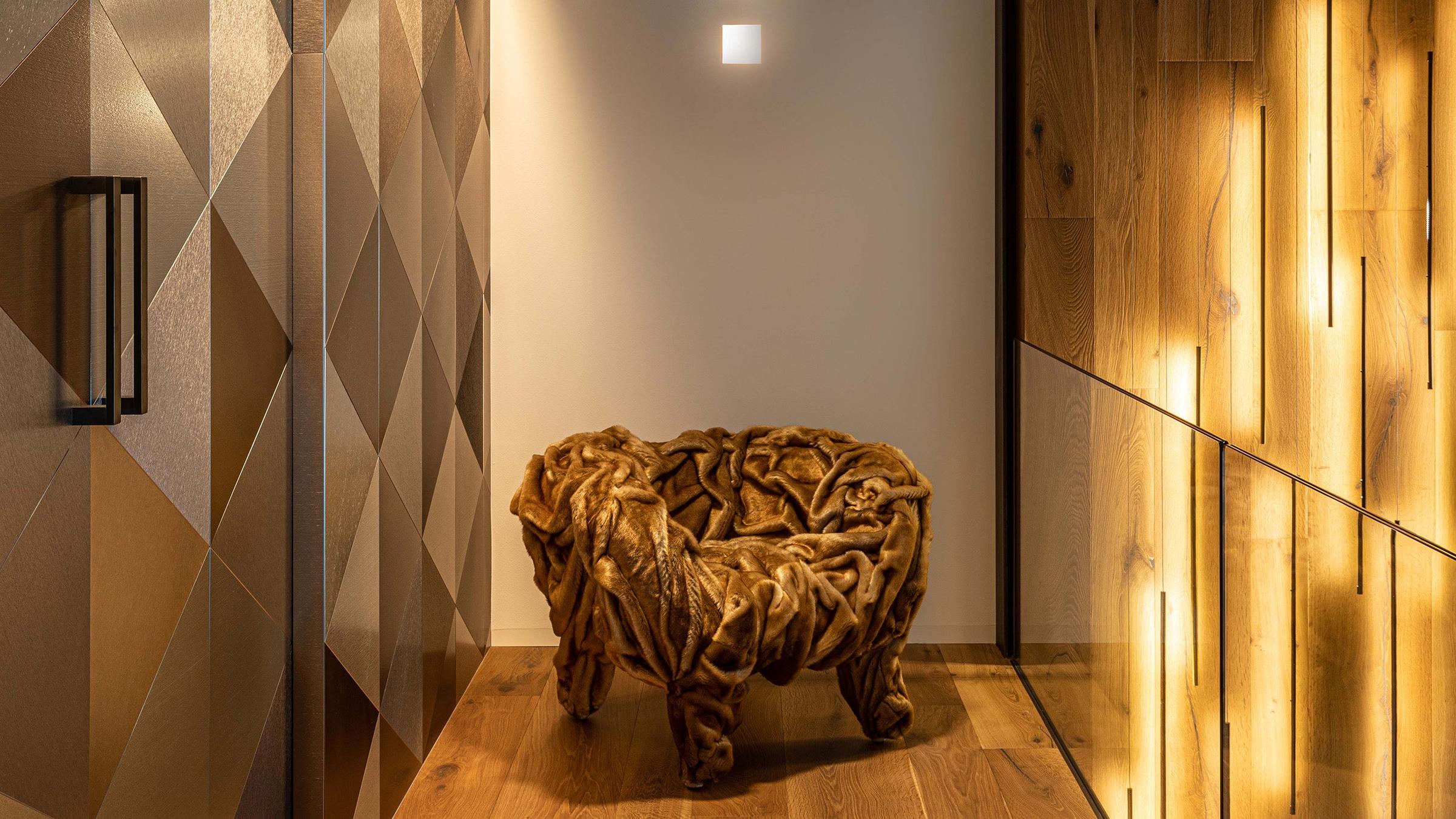
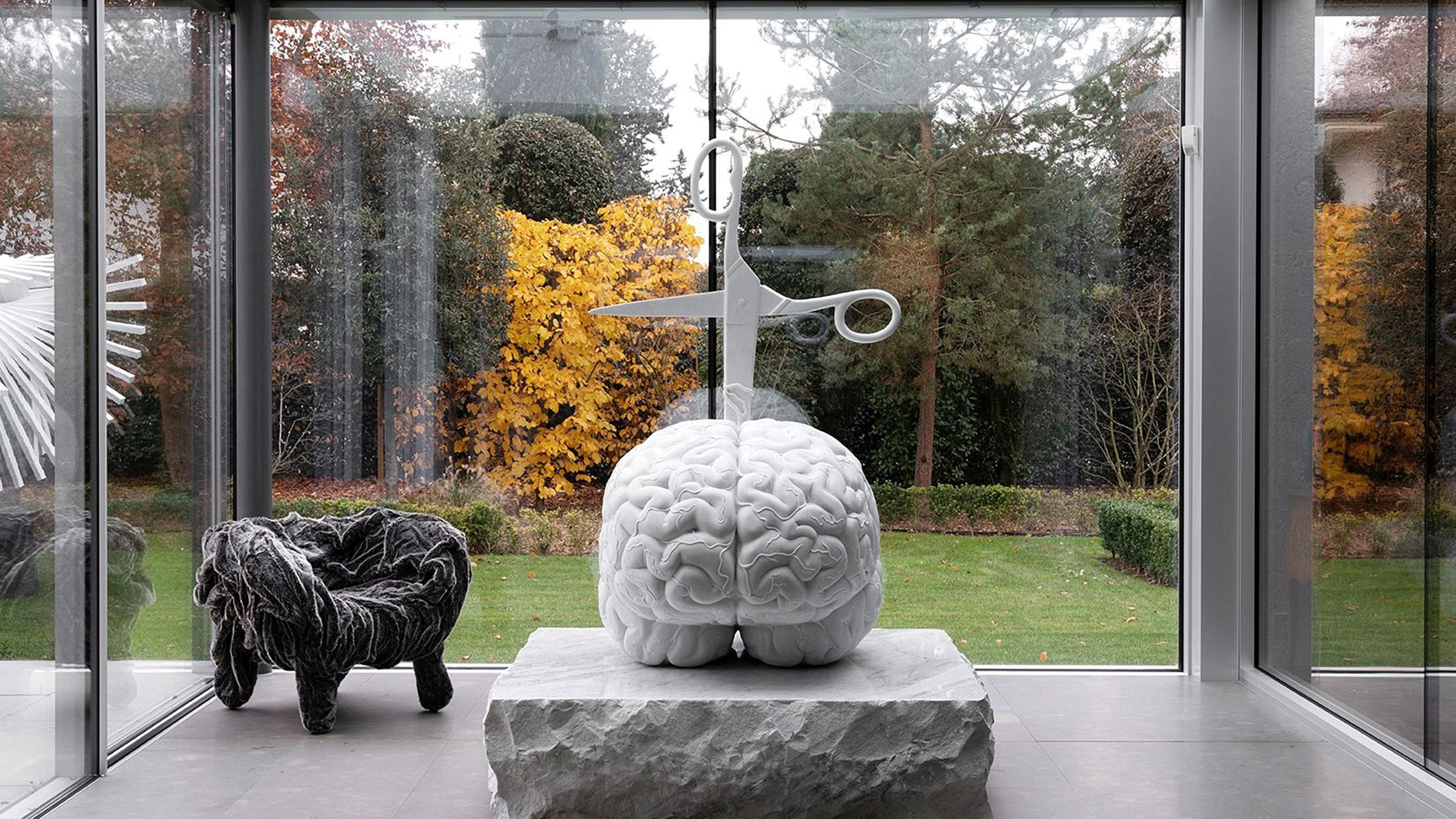
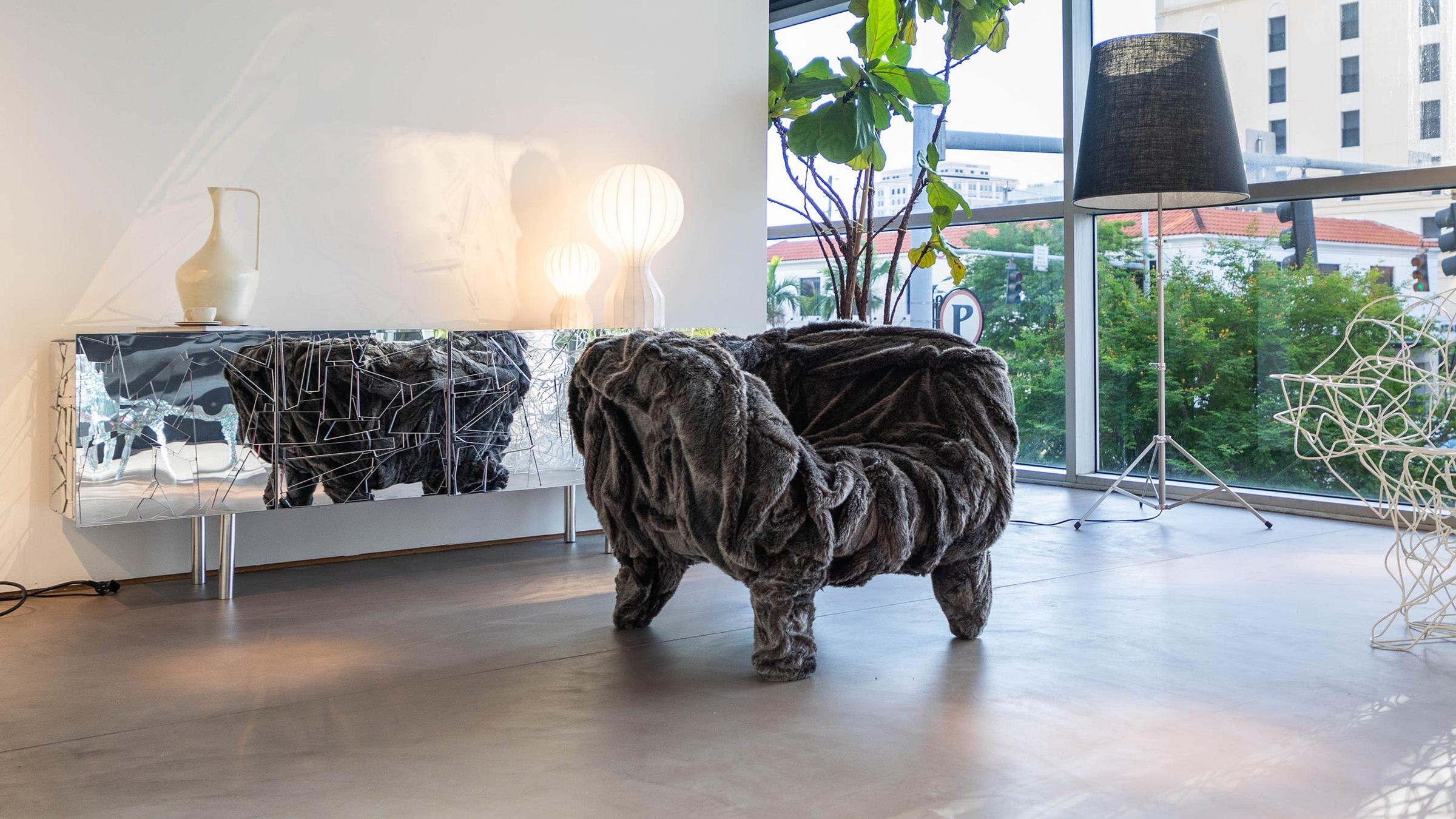
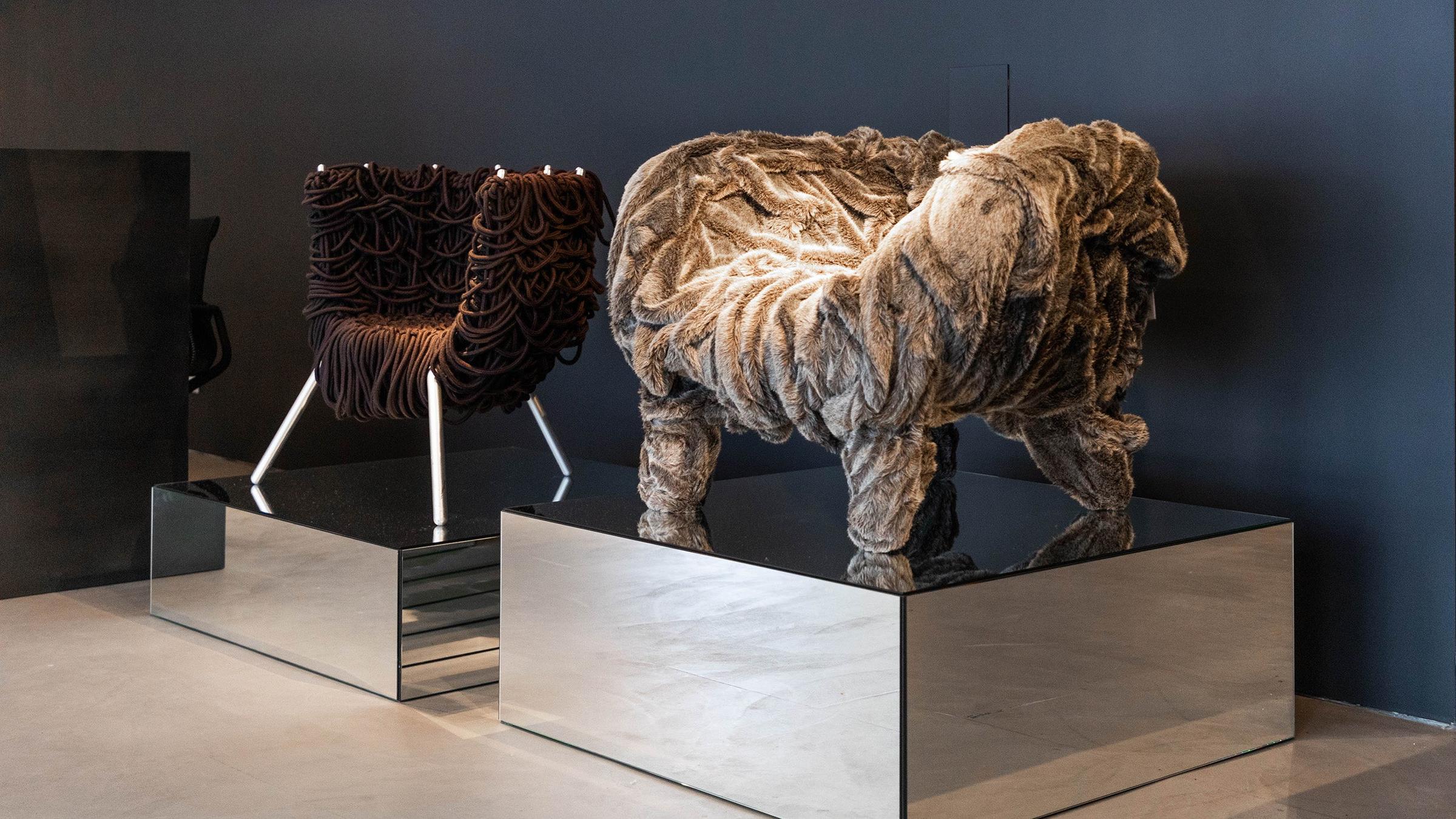
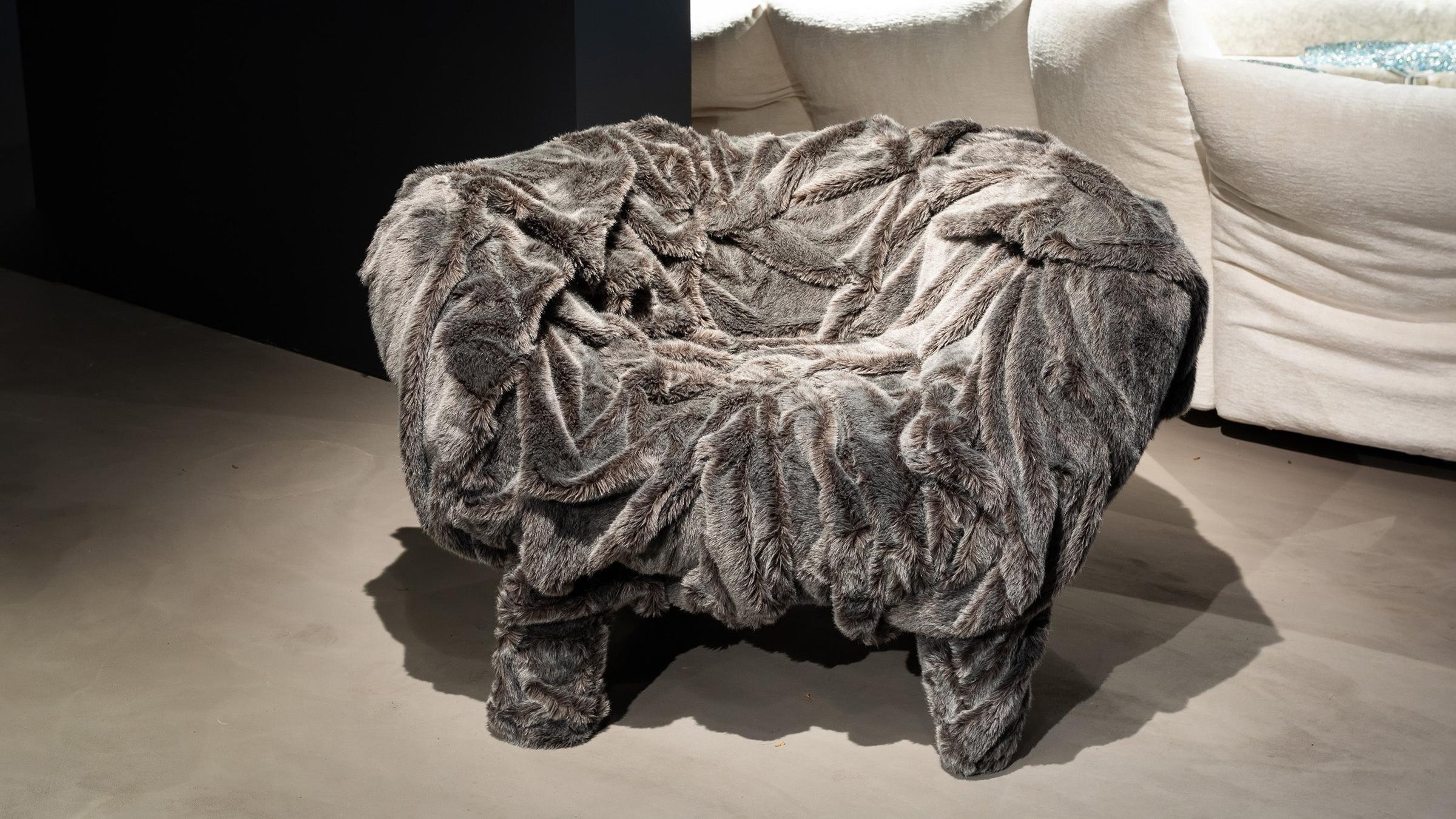
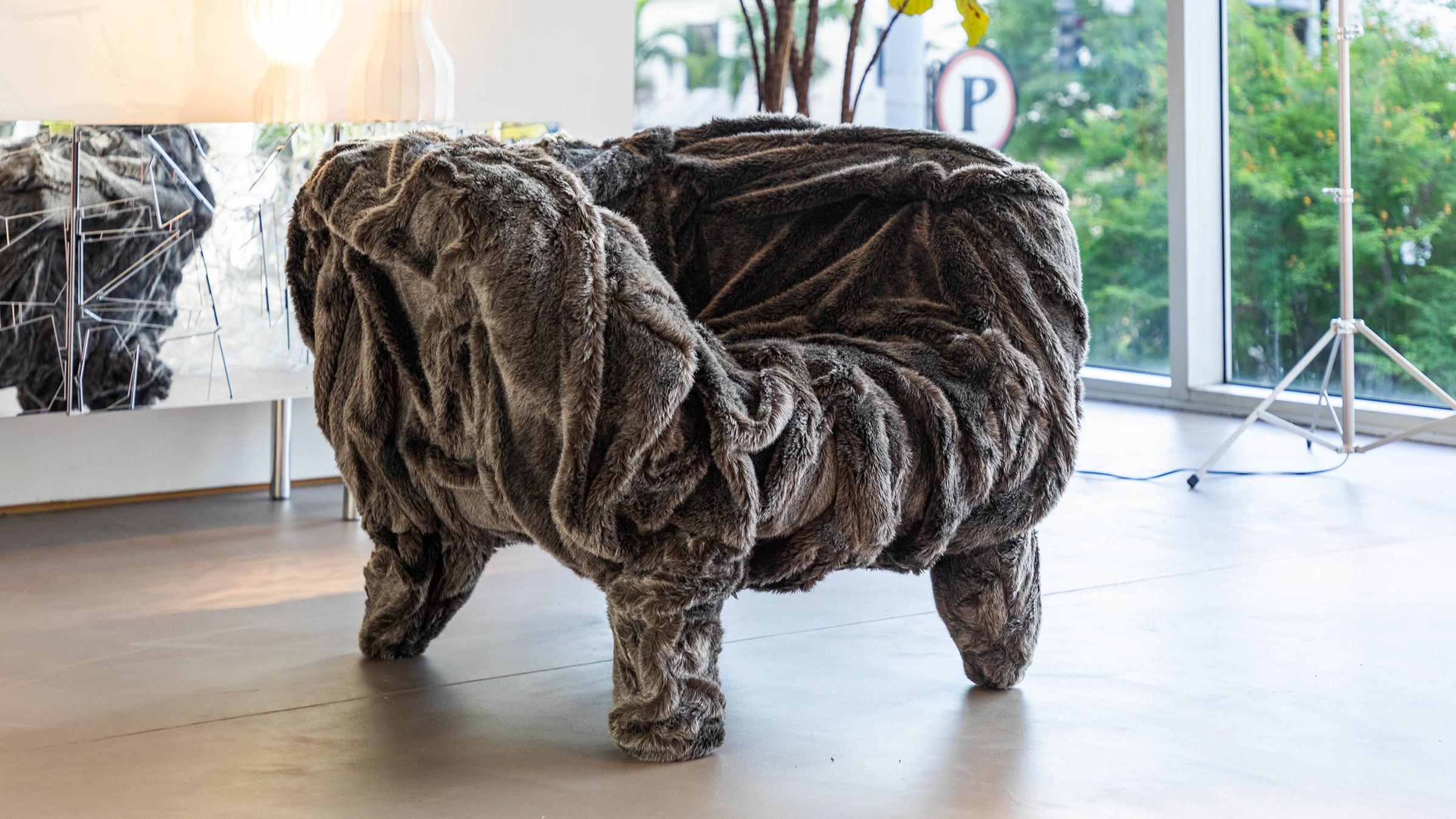
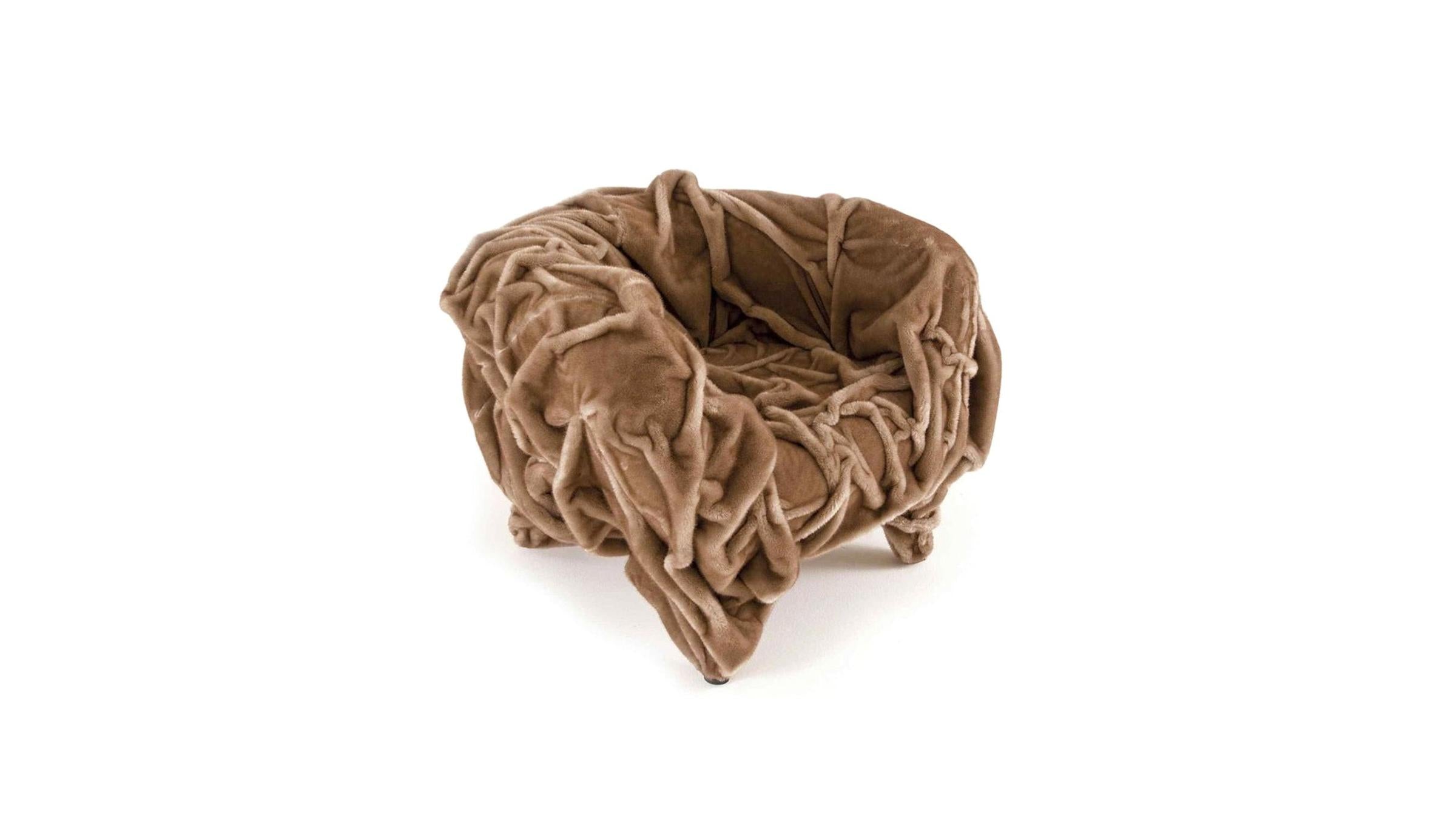
La parola italiana grinza significa ruga, e i fratelli Campana portano questo nome con onore. L'imbottitura è raccolta, piegata e drappeggiata su un'armatura in acciaio tubolare con una morbidezza quasi scultorea, ogni pezzo si assesta nella sua configurazione. Non ci sono due sedie che si risolvono nello stesso modo.
Fernando e Humberto Campana sono sempre stati attratti dai materiali in transizione, il tessuto a metà drappeggio, la struttura semi-rivelata, la forma colta tra intenzione e incidente. La Grinza appartiene a questa linea. Il suo schienale basso mantiene la silhouette aperta, mentre la profondità dell'imbottitura porta il corpo a una sorta di tranquilla resa.
- Struttura in acciaio tubolare
- Imbottitura profondamente raccolta e drappeggiata
- Disponibile con rivestimento in pelle o pelliccia
- Realizzata su ordinazione, con variazioni naturali inerenti a ogni pezzo
I fratelli Campana, nati in Brasile e radicati a San Paolo, hanno portato una sensibilità improvvisativa nel design europeo quando Edra ha iniziato a produrre le loro opere. La loro collaborazione con il produttore italiano rimane una delle partnership più significative nel panorama del mobile contemporaneo, proprio perché entrambe le parti hanno abbracciato la tensione produttiva tra artigianato e concetto.
Made to order by Edra, tailored to you.
Get customization options, swatch samples and pricing for your project.
Si abbina bene a
Product Details
Tear Sheet
Pricing & Warranty
Pricing for made-to-order items varies based on configuration, finishes, and customization options. Please contact one of our design consultants or visit a showroom near you for current pricing and personalized assistance.
Luminaire is an authorized retailer of Edra. The product comes with a full manufacturer warranty.
Authenticity guaranteed. Genuine product, authenticated and sourced directly from the manufacturer.
Domande Frequenti
Who designed the Edra Grinza Chair?
The Grinza Chair was designed by Fernando and Humberto Campana, the Brazilian brothers whose practice is known for blending cultural memory with contemporary furniture design. It was produced by the Italian manufacturer Edra, a long-standing collaborator.
What does 'Grinza' mean and why is it relevant?
Grinza is the Italian word for wrinkle or fold. The name directly references the chair's defining characteristic: upholstery that is deliberately gathered and draped over the frame rather than stretched smooth, giving each piece its expressive, individual character.
What upholstery options are available for the Grinza Chair?
The Grinza Chair is available in leather or fur coverings, both of which amplify the sculptural quality of the draped padding. Because it is made to order, individual pieces carry natural variation in how the material settles and folds.
Is the Grinza Chair made to order?
Yes. The Grinza is a made-to-order piece, which means lead times apply and configuration choices are confirmed at the time of inquiry. This production method also contributes to the subtle uniqueness of each individual chair.
How does the Campana Brothers' background inform the Grinza's design?
Fernando and Humberto Campana developed their practice in São Paulo, drawing on Brazilian craft traditions, found materials, and a sensibility that prizes emotional expression over formal minimalism. The Grinza reflects that ethos: it is structured yet deliberately unresolved, prioritizing feeling over finish.