


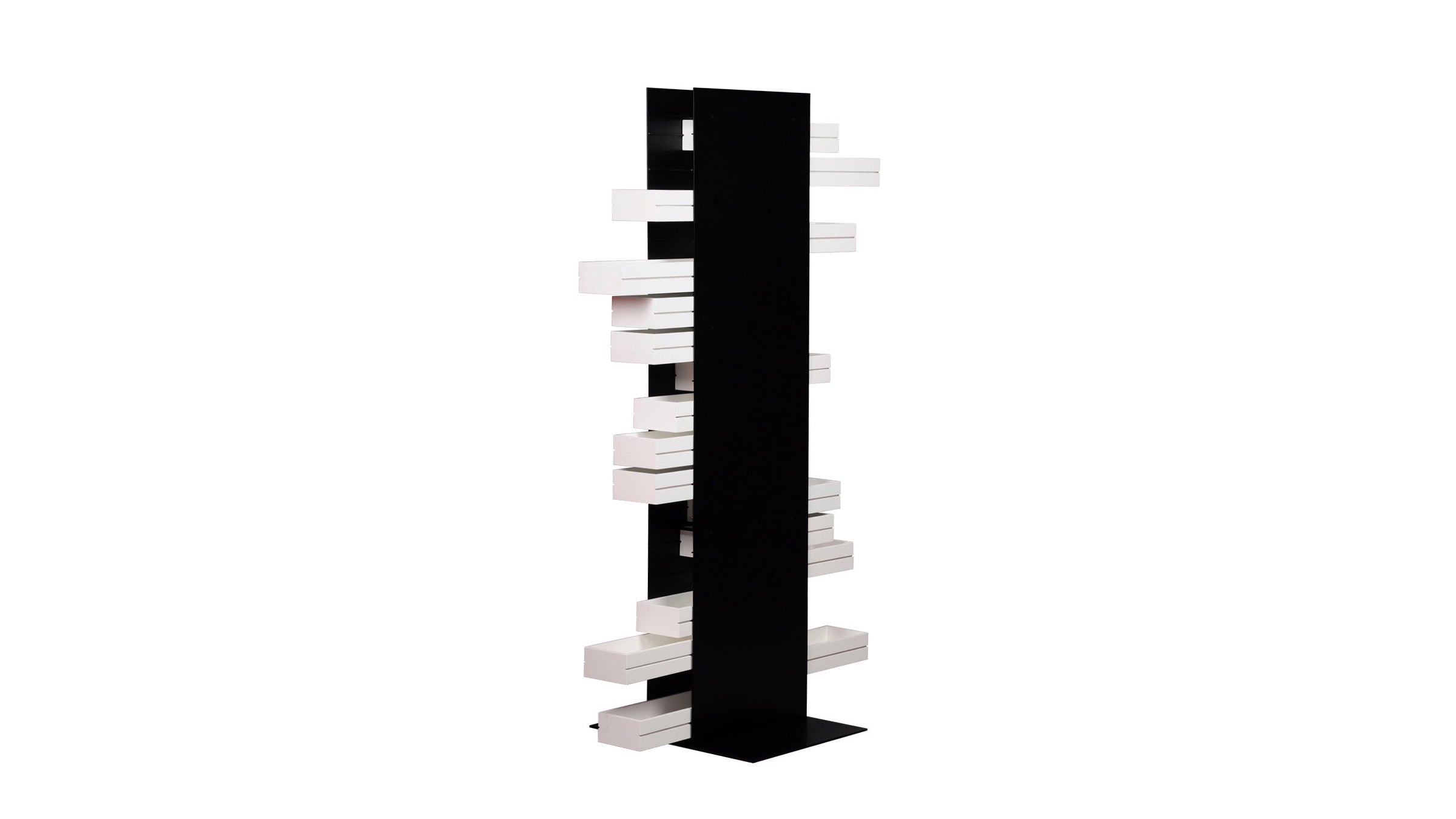
Cassettiera Dinah
Made by Cappellini
Designed by Shiro Kuramata
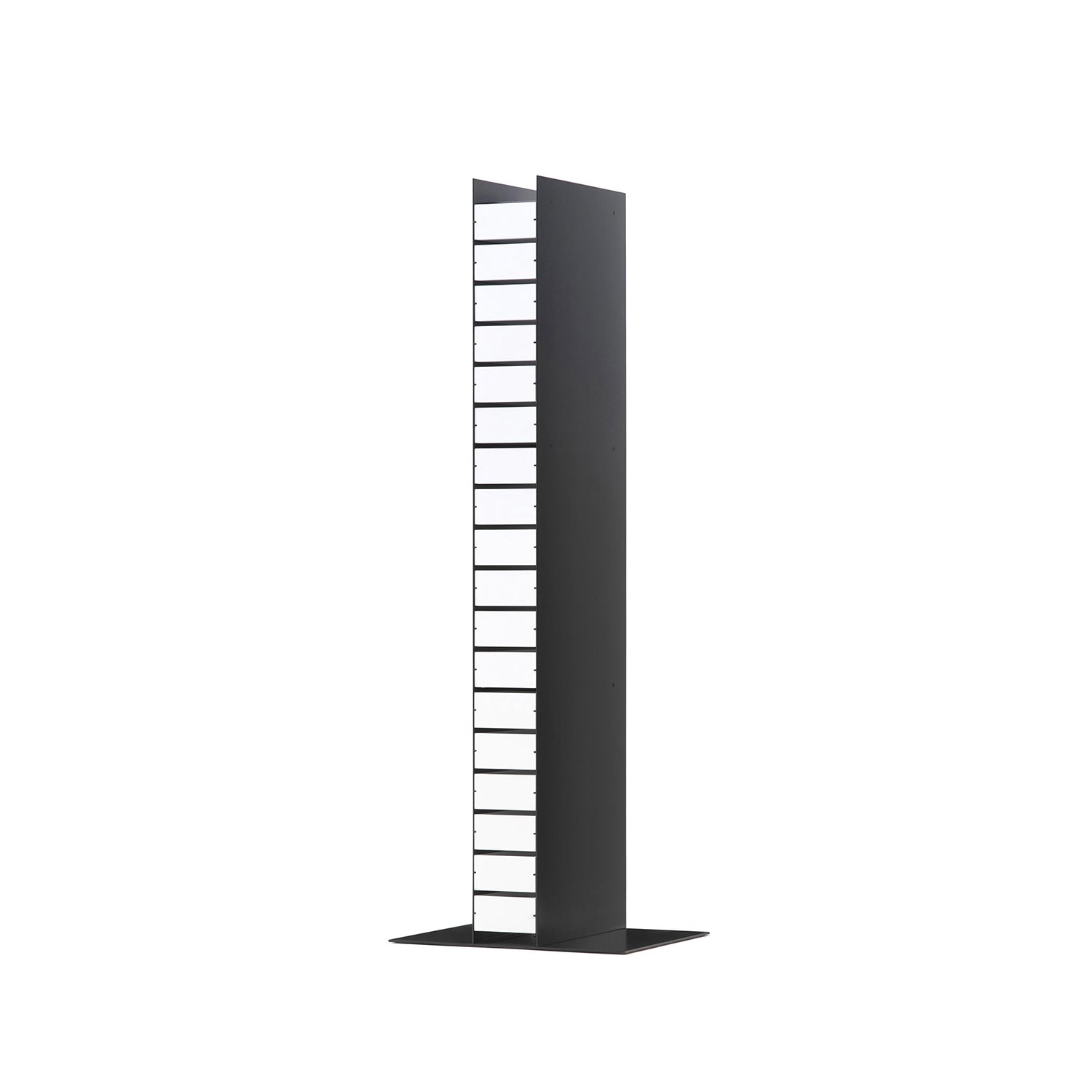
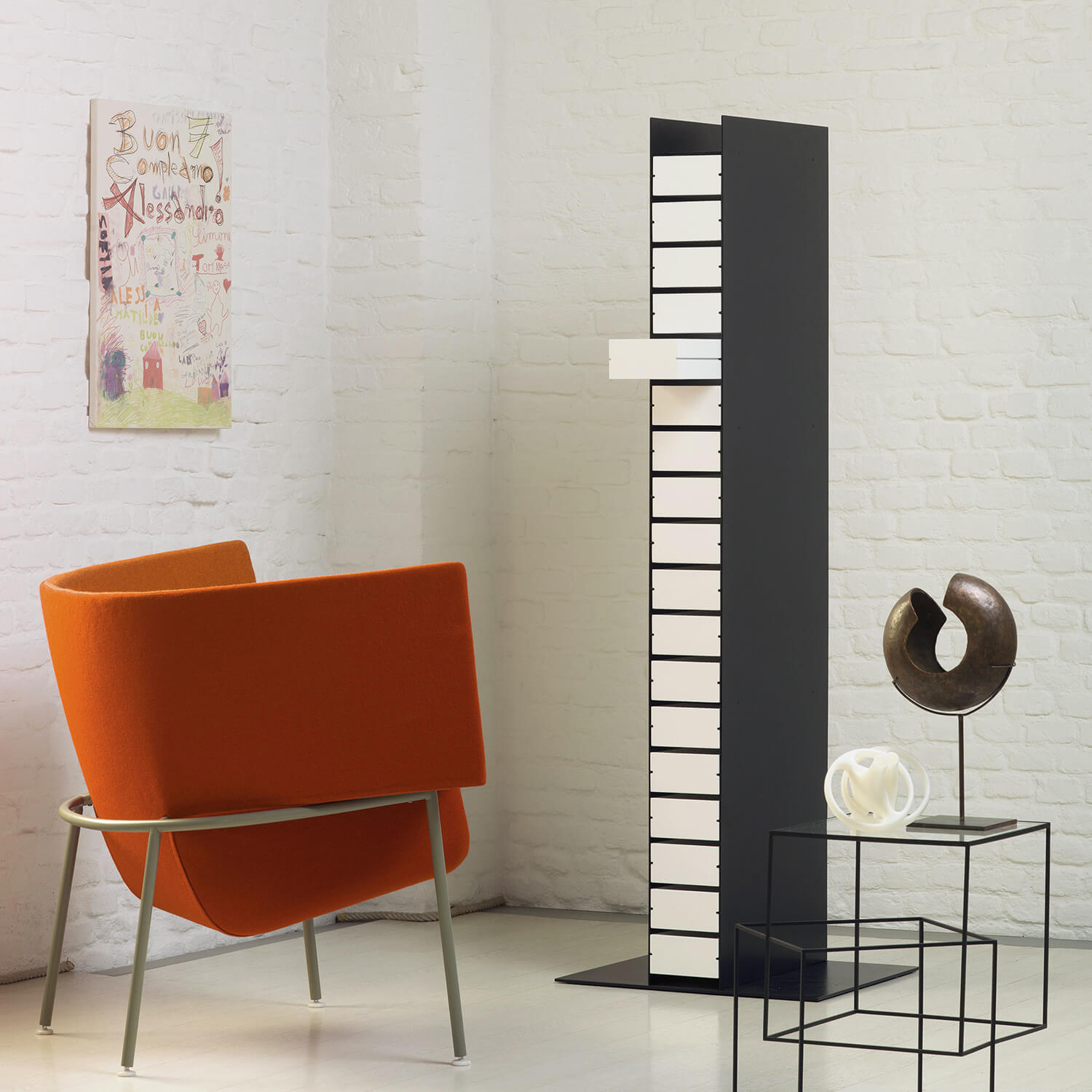
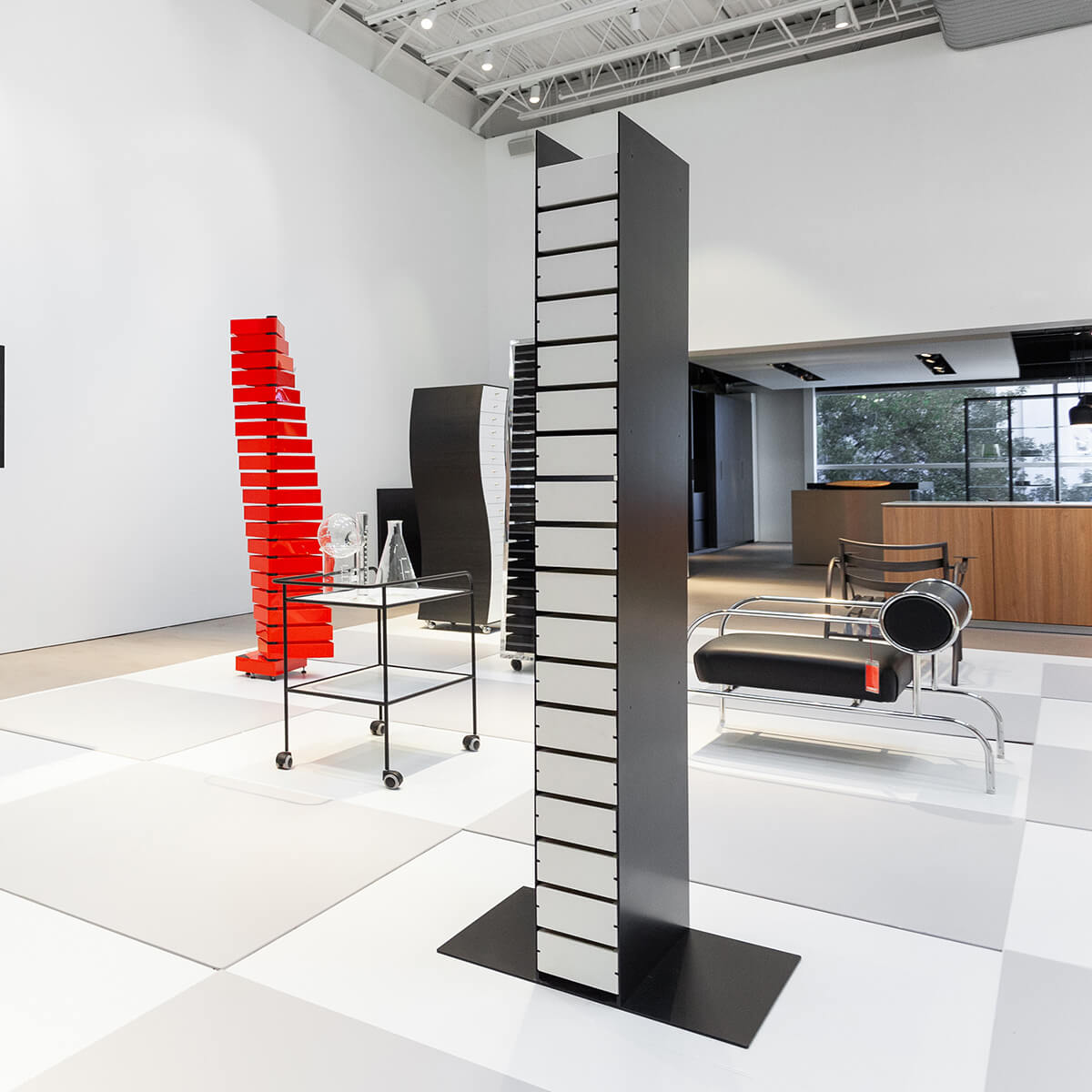
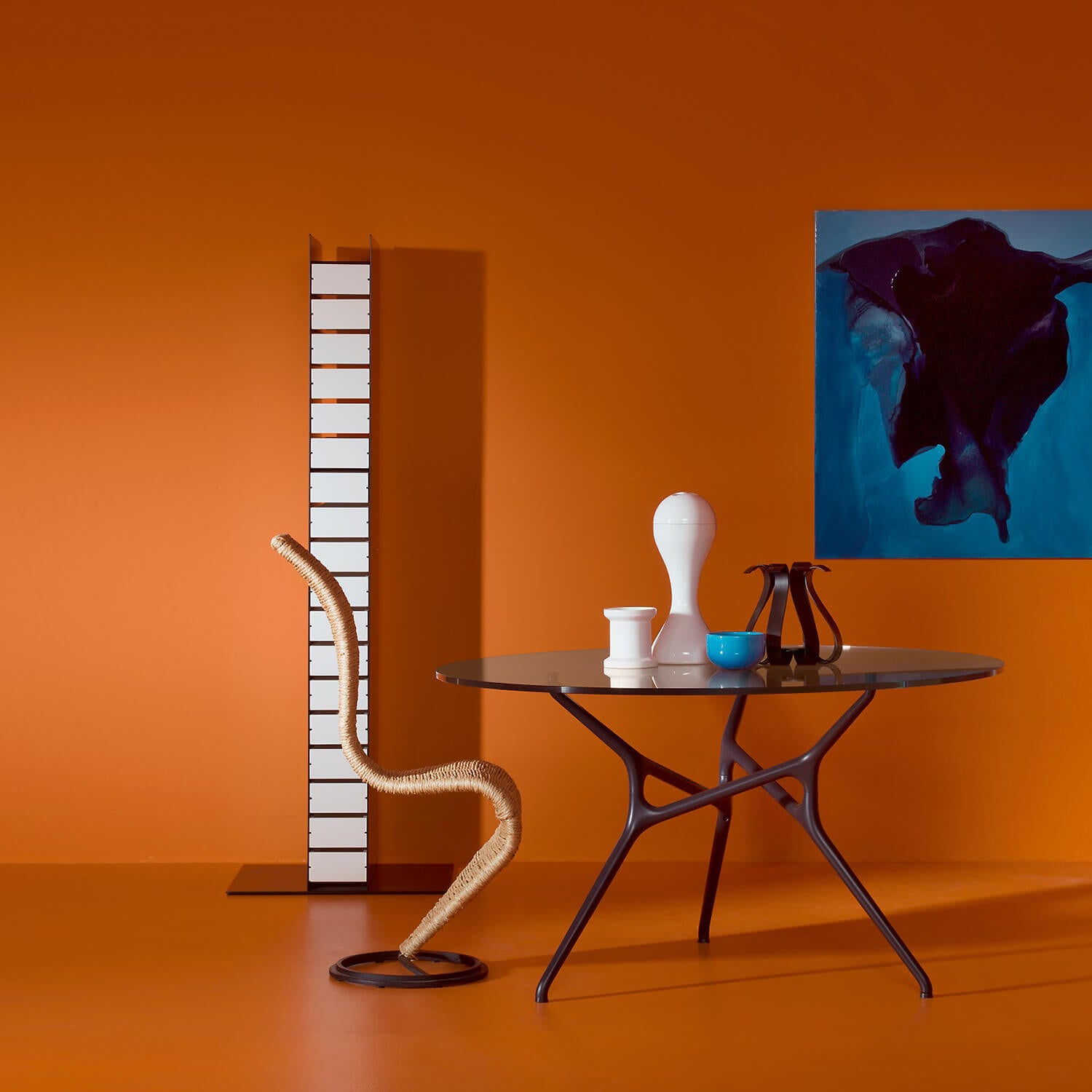
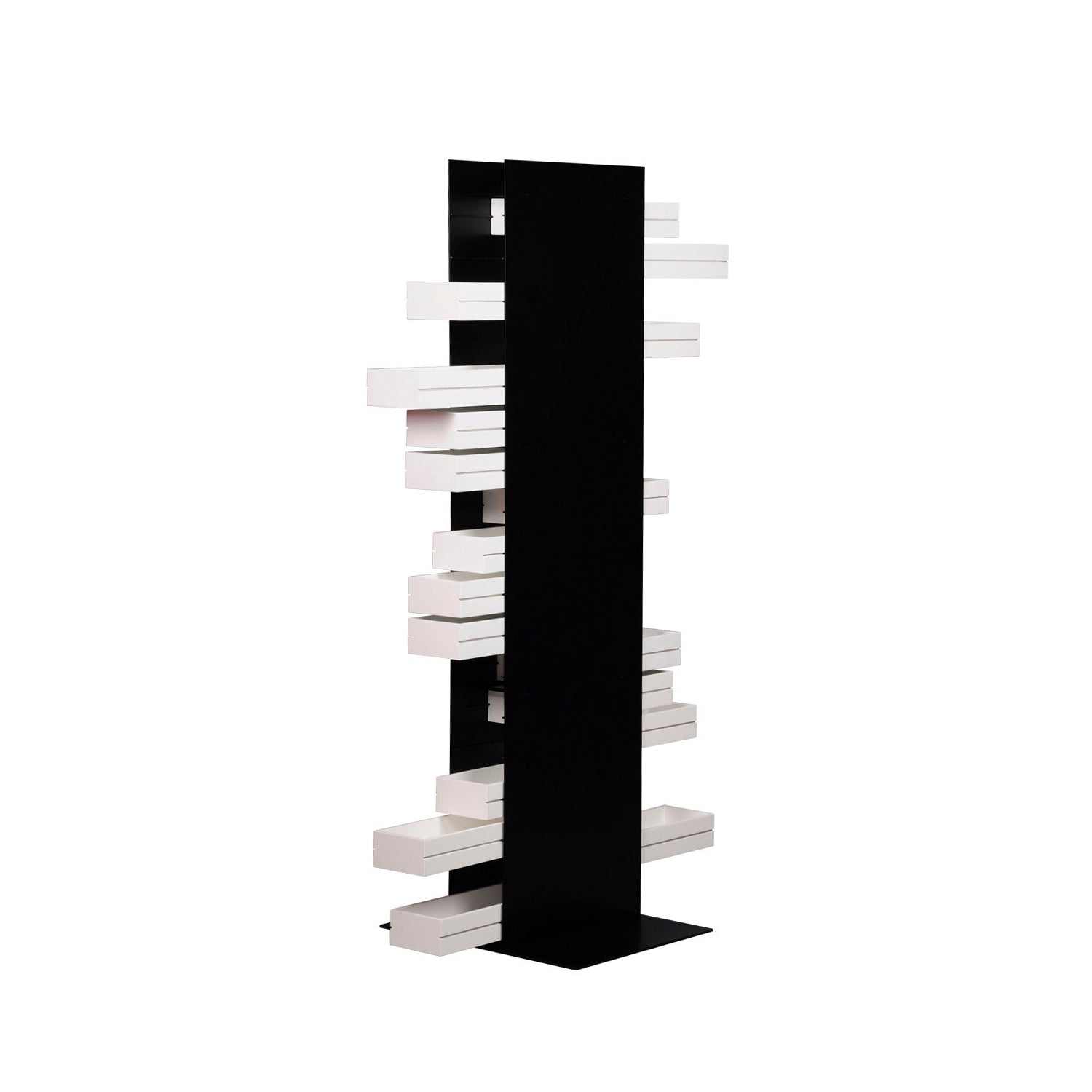
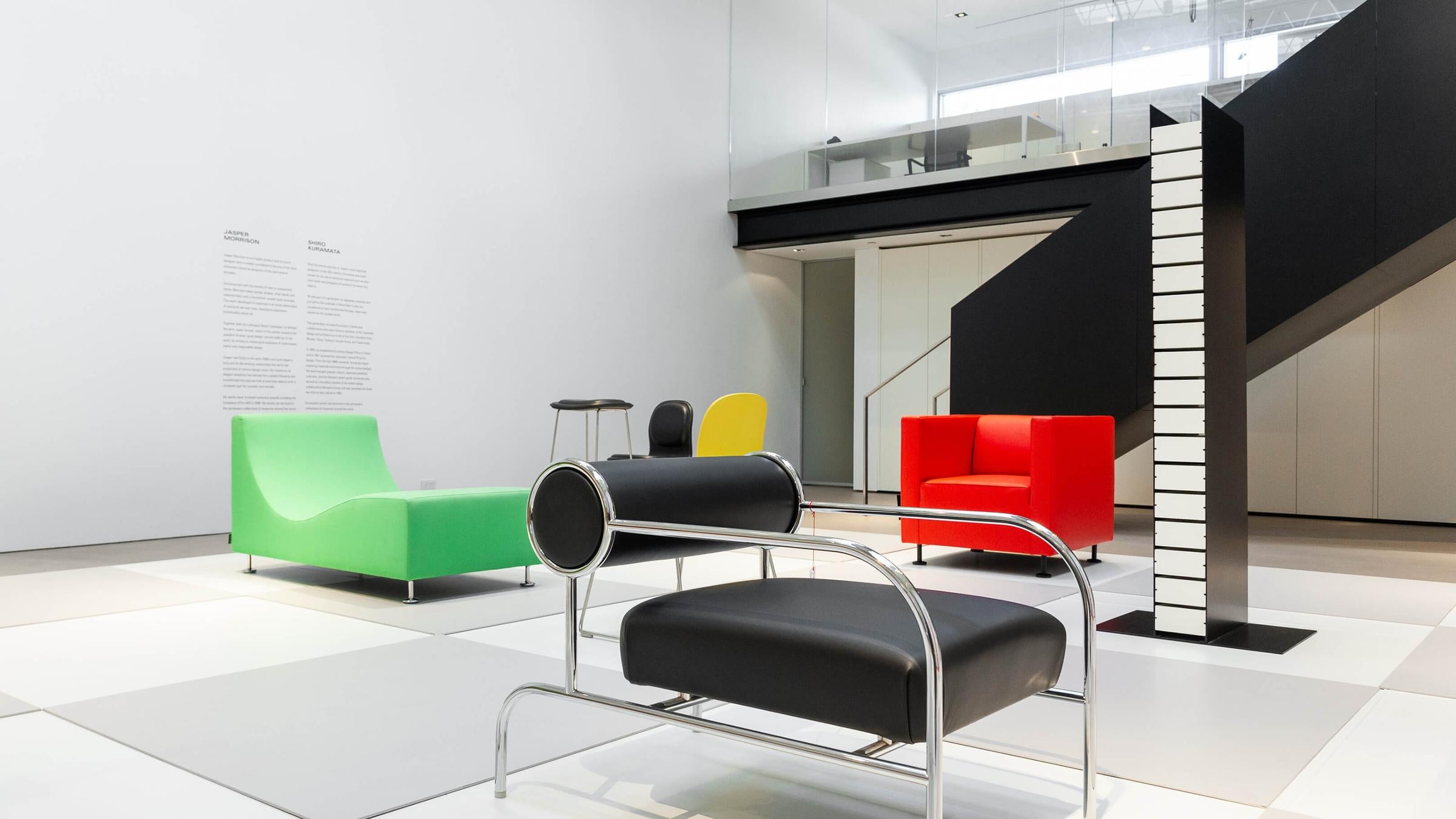
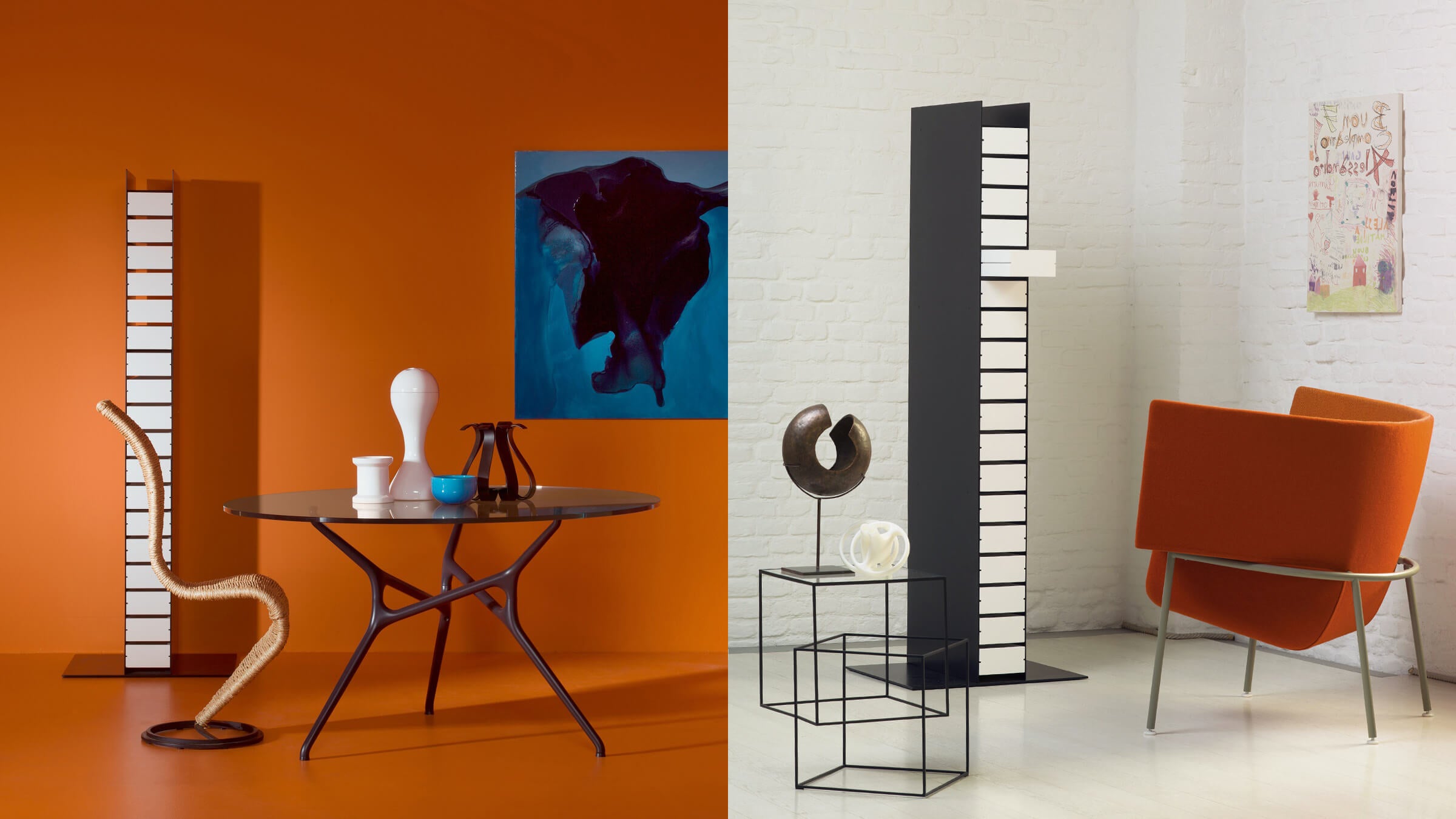
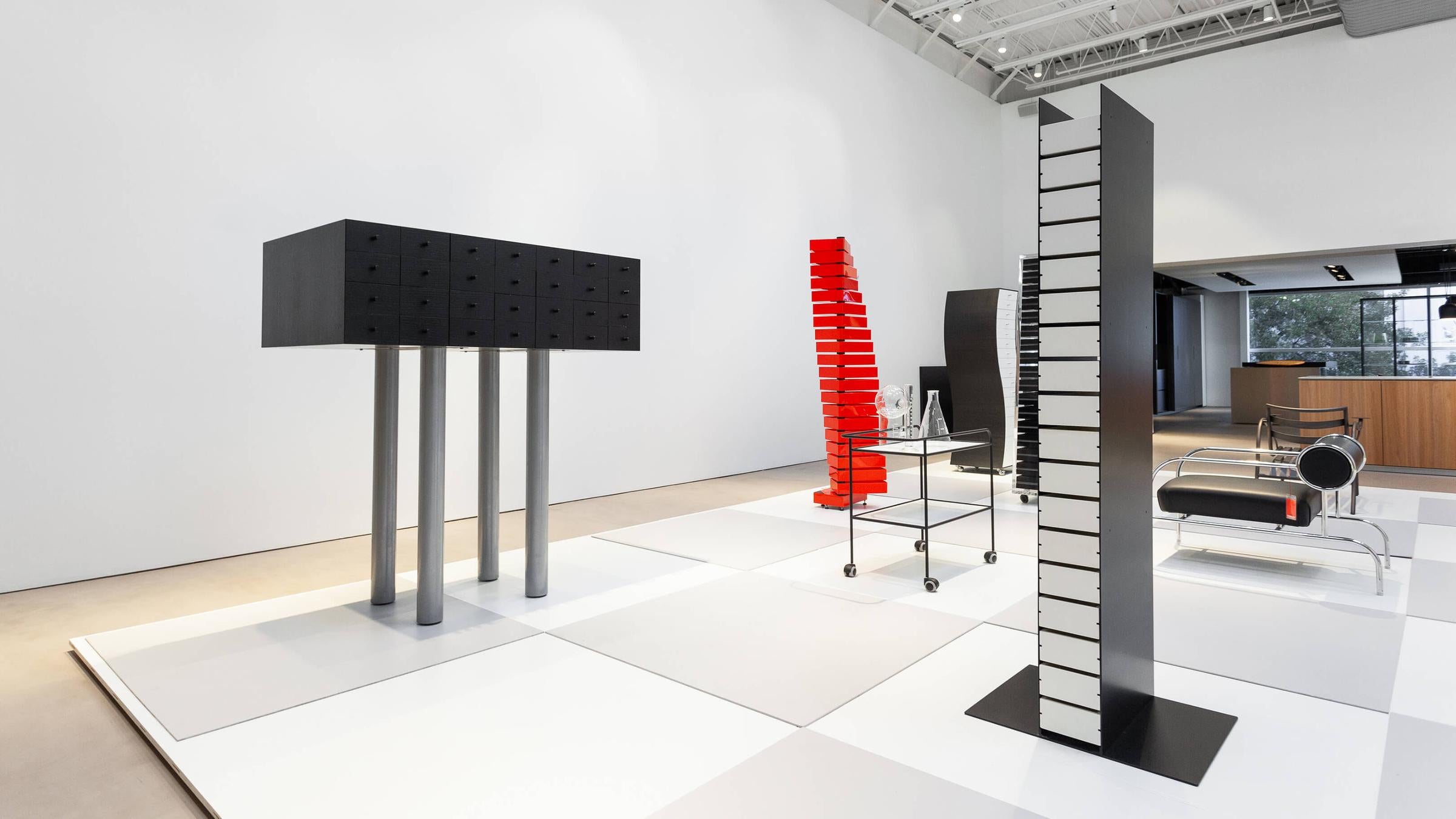
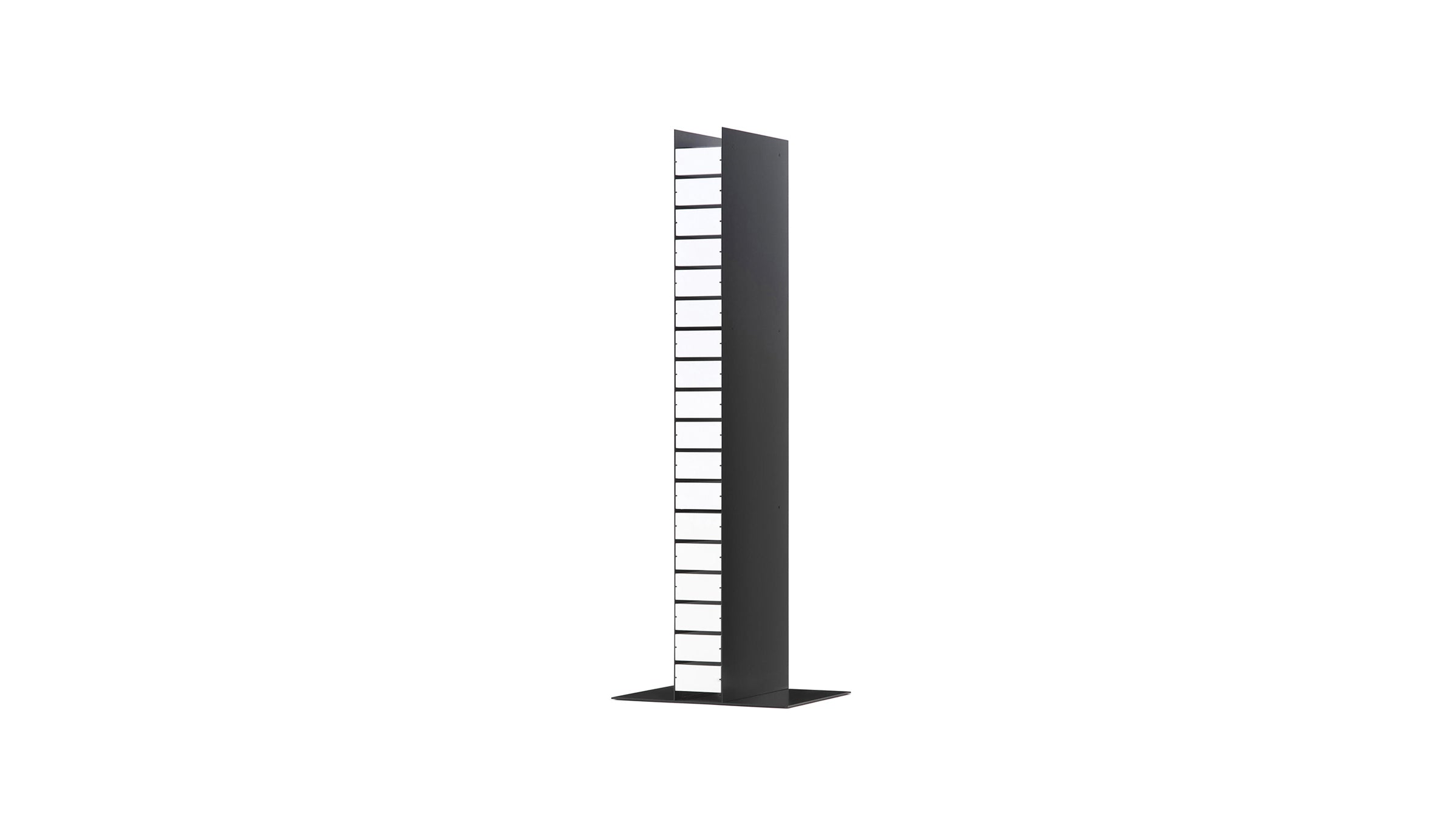
Shiro Kuramata ideò il cassettone Dinah nel 1970, in un momento in cui il design giapponese stava dissolvendo silenziosamente il confine tra arredamento e scultura. Il mobile è una colonna verticale di diciotto cassetti in legno laccato bianco opaco, ciascuno progettato per aprirsi in entrambe le direzioni, un gesto che è contemporaneamente giocoso e preciso.
Una struttura metallica tagliata al laser e rifinita con vernice a polvere epossidica nera fornisce un contrappunto strutturale alla morbidezza delle superfici laccate. Il dialogo tra questi due materiali, uno morbido e bianco, l'altro rigido e scuro, conferisce a Dinah la sua distintiva tensione visiva.
Il pezzo fa parte del programma di riedizione Progetti Compiuti di Cappellini, che recupera opere di duraturo significato formale e le riporta in produzione con fedeltà alle specifiche originali. L'inclusione di Dinah nella collezione permanente del Museum of Modern Art di New York conferma uno status che va ben oltre la funzione. Prodotto in serie numerata, ogni pezzo mantiene una continuità diretta con l'originale del 1970.
Made to order by Cappellini, tailored to you.
Get customization options, swatch samples and pricing for your project.
Si abbina bene a
Cassettiera Dinah
Product Details
Measurements
Resources
Pricing & Warranty
Pricing for made-to-order items varies based on configuration, finishes, and customization options. Please contact one of our design consultants or visit a showroom near you for current pricing and personalized assistance.
Luminaire is an authorized retailer of Cappellini. The product comes with a full manufacturer warranty.
Authenticity guaranteed. Genuine product, authenticated and sourced directly from the manufacturer.
Domande Frequenti
What is the Cappellini Progetti Compiuti collection?
Progetti Compiuti is Cappellini's re-edition program dedicated to recovering works of enduring formal and cultural significance by major designers. Each piece is produced with fidelity to the original design specifications, preserving both the intent and the integrity of the work.
Is the Dinah chest of drawers in any museum collections?
Yes. The Dinah chest of drawers by Shiro Kuramata is held in the permanent collection of the Museum of Modern Art in New York, recognizing its standing as a significant work in twentieth-century design history.
How do the drawers on the Dinah chest function?
Each of the eighteen drawers is engineered to open in either direction, left or right, rather than following a fixed pull orientation. This bidirectional mechanism is central to Kuramata's original 1970 conception of the piece.
What materials are used in the Dinah chest of drawers?
The drawers are constructed from wood finished in matte white lacquer, while the structural frame is laser-cut metal finished in black epoxy powder. The pairing of these two surfaces, matte and rigid, soft and architectural, defines the piece's visual character.
Who was Shiro Kuramata and why does his work matter?
Shiro Kuramata (1934-1991) was a Japanese designer whose practice consistently pushed furniture toward the condition of sculpture, using industrial materials and formal restraint to create objects of profound atmospheric presence. His work remains among the most studied and collected in twentieth-century design.