
Cactus
Made by Gufram
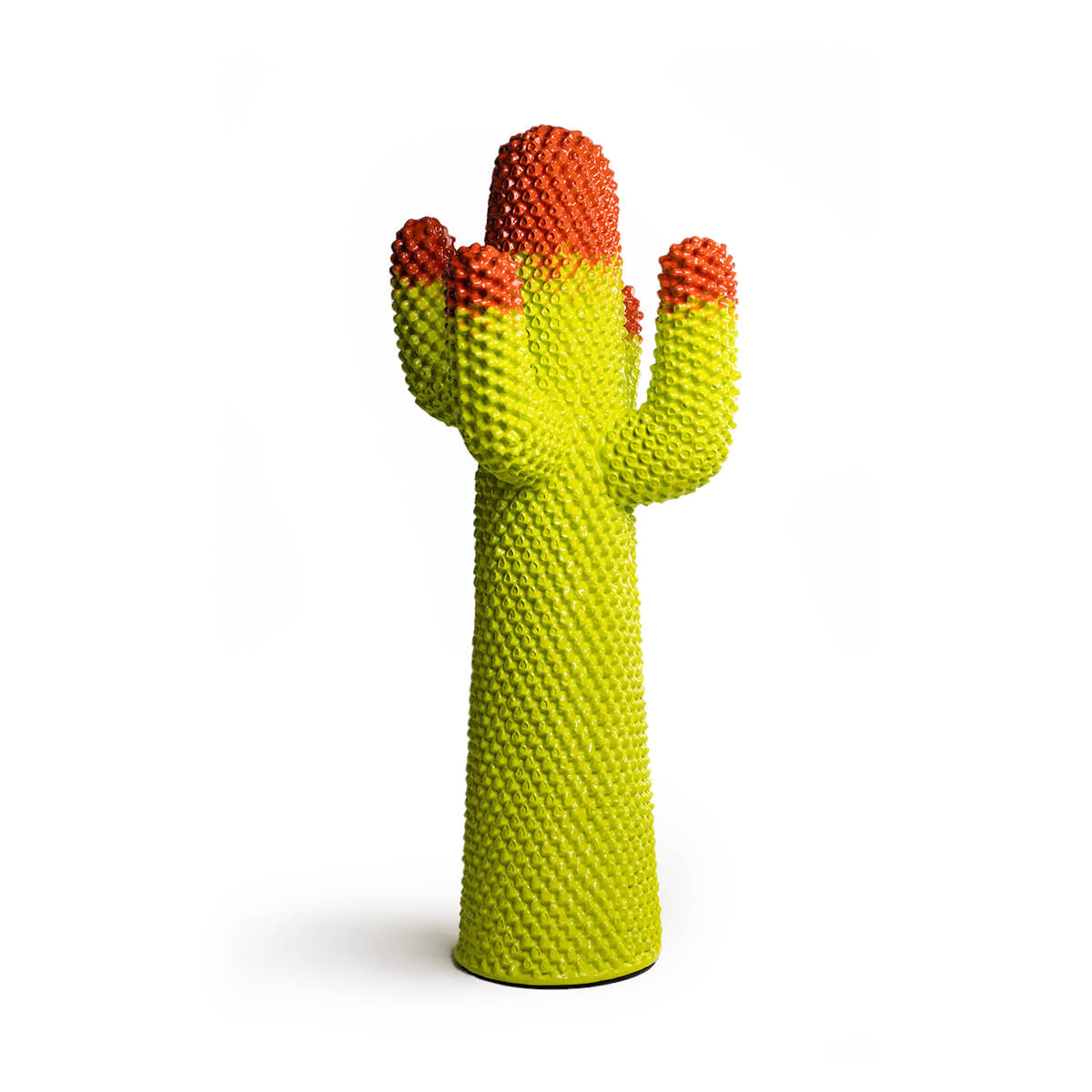
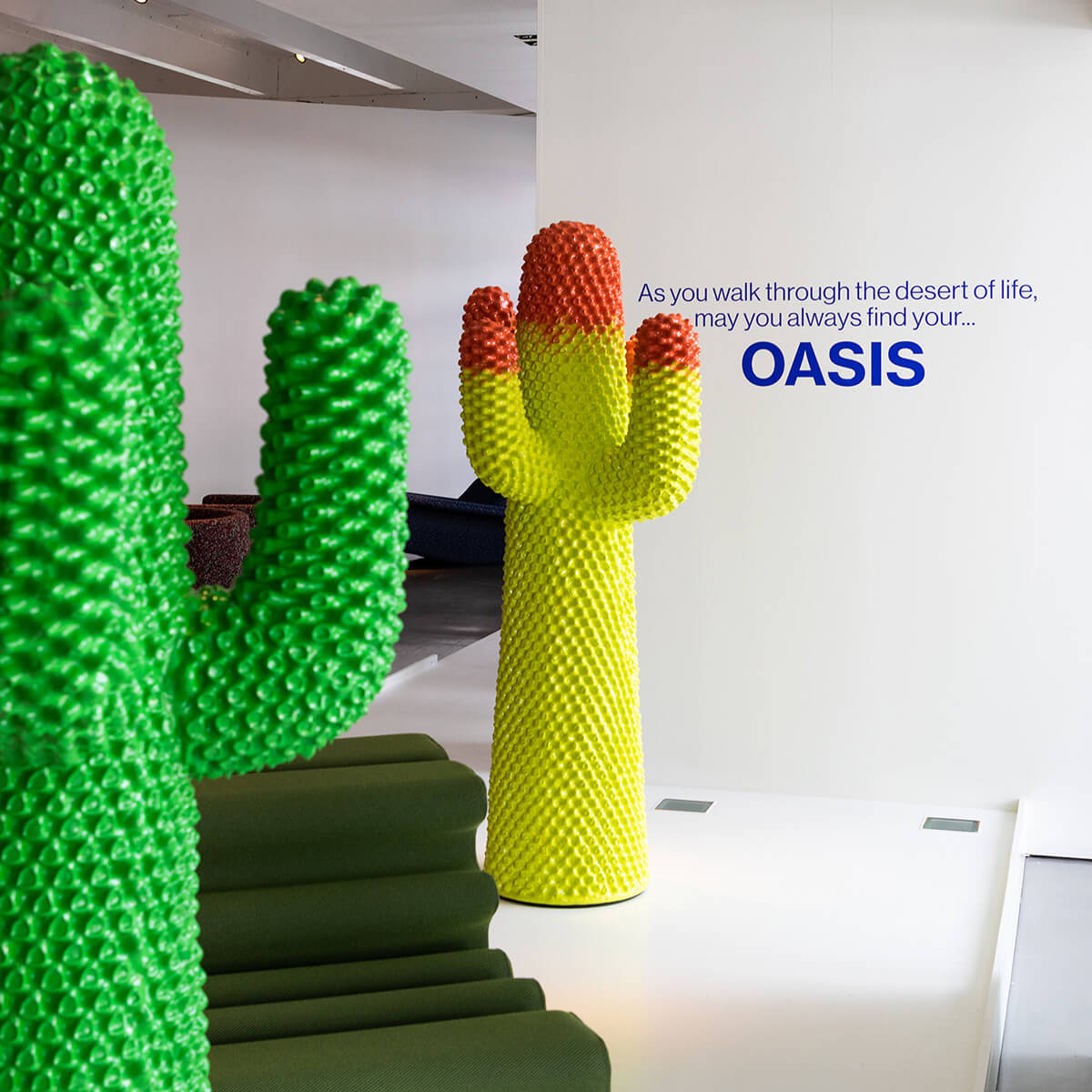
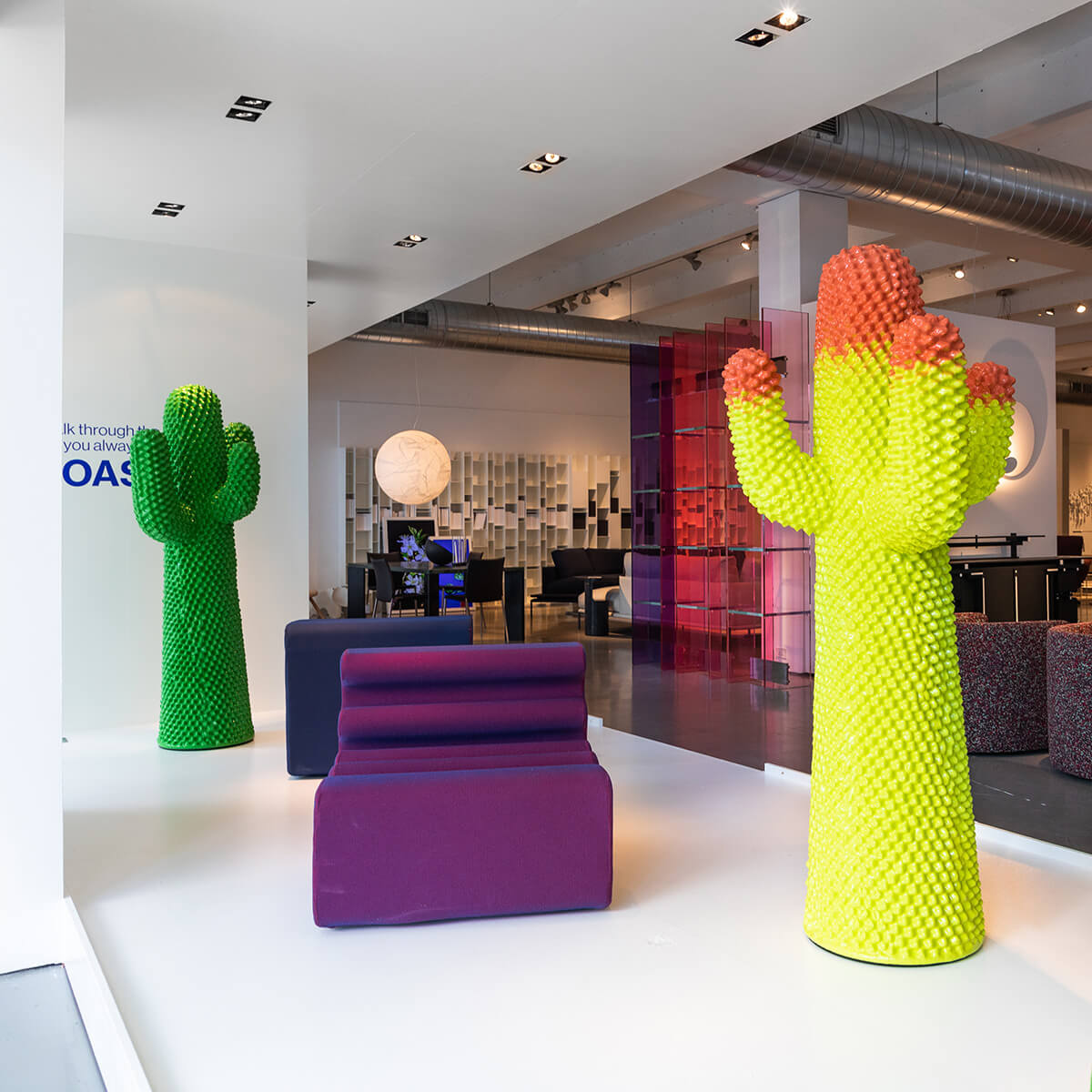
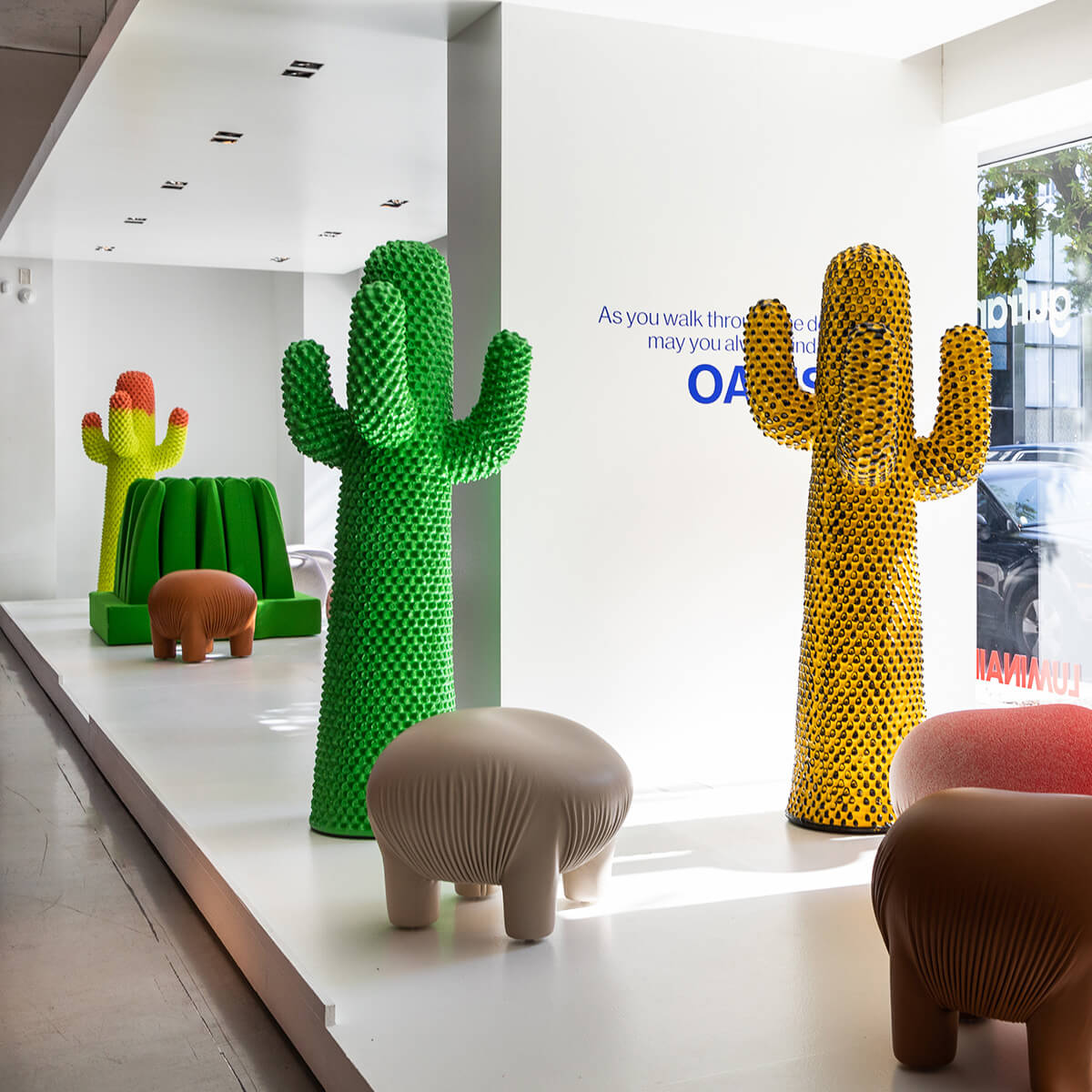
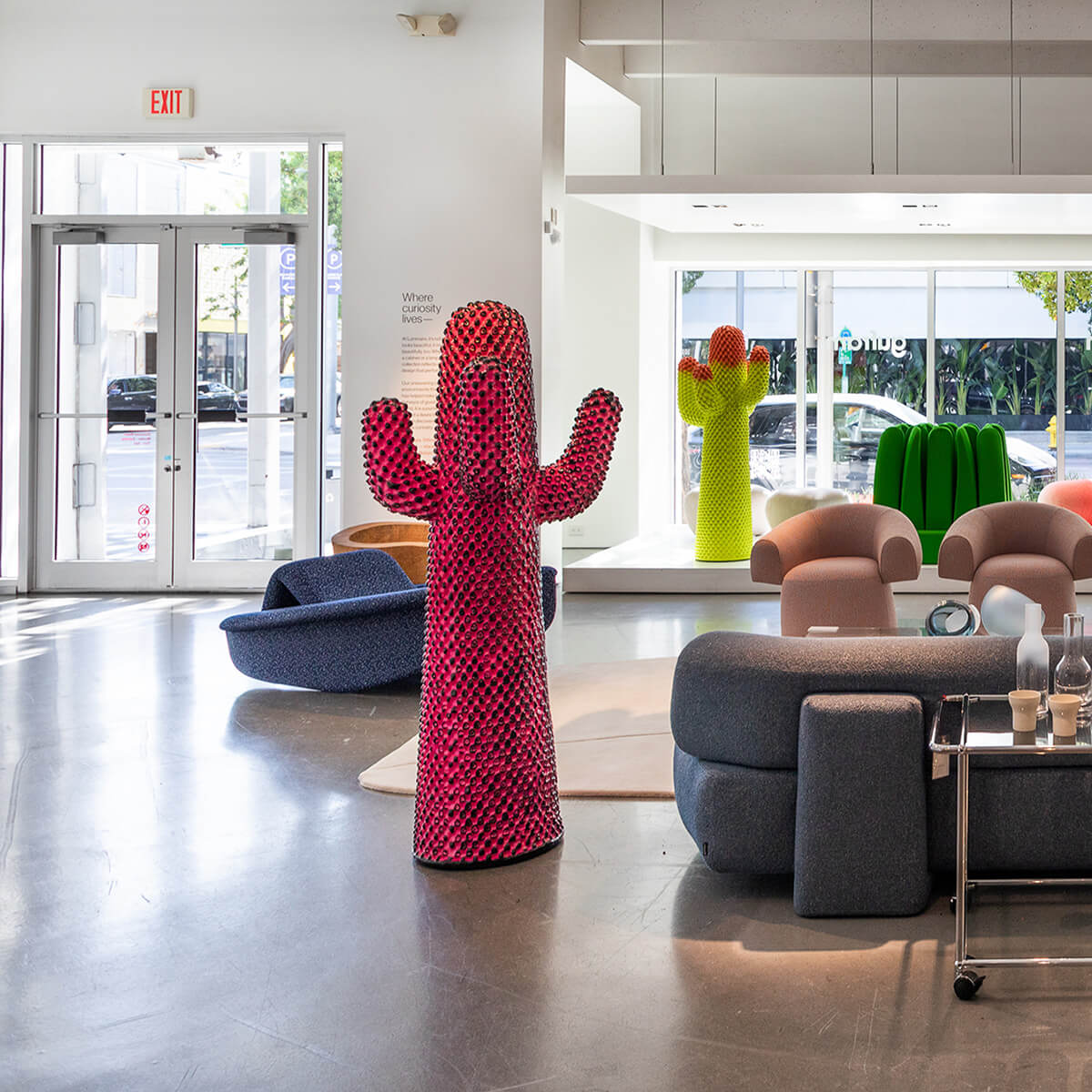
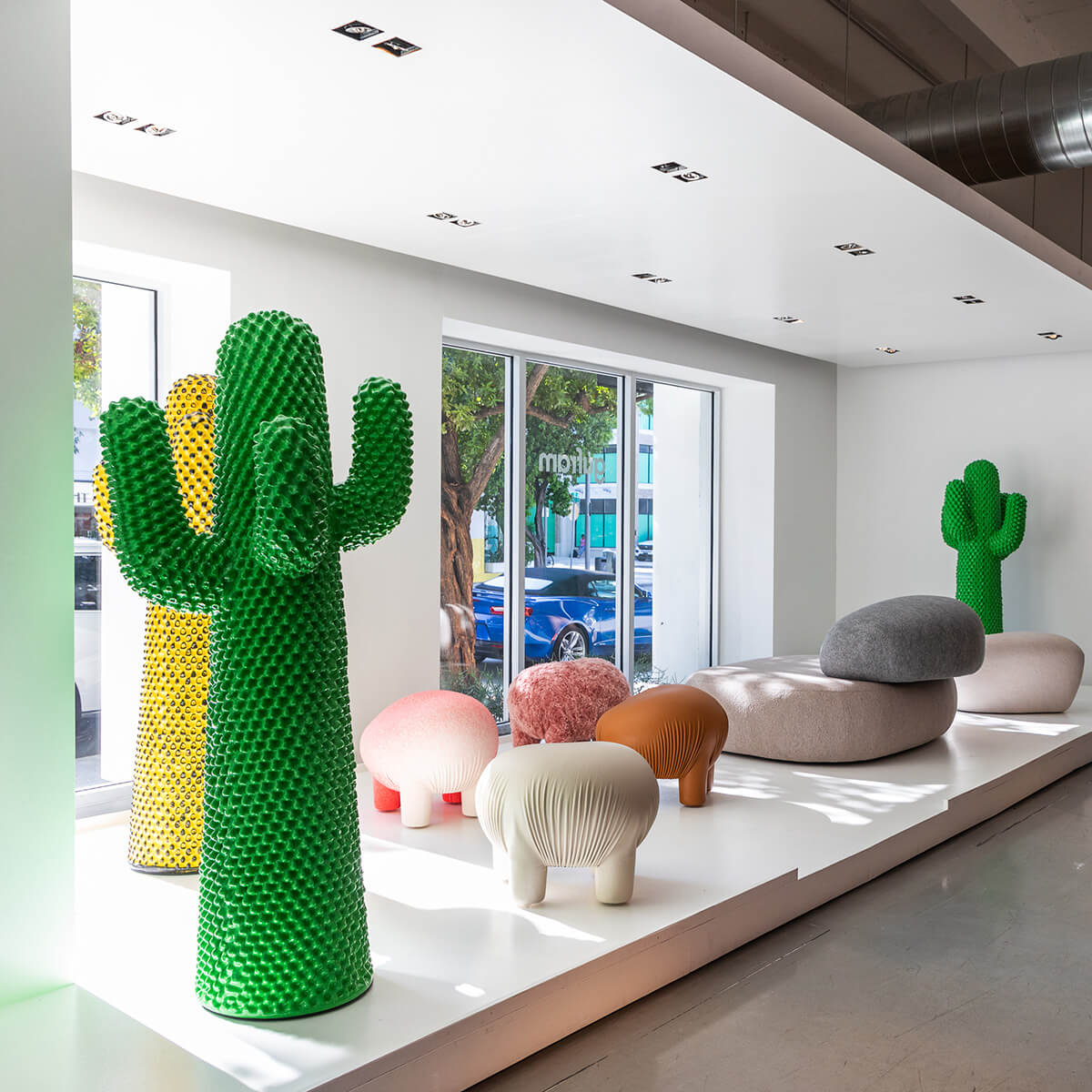
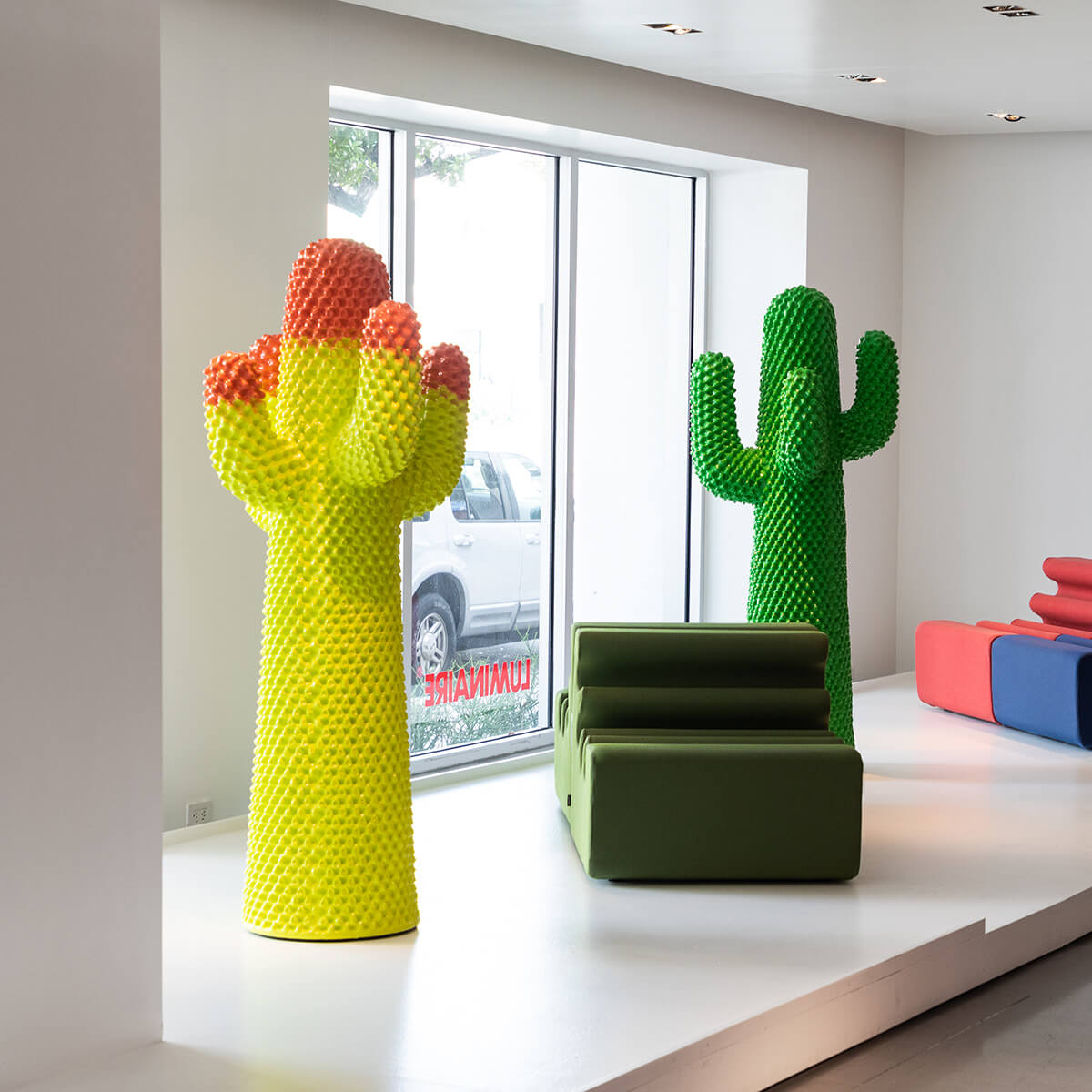
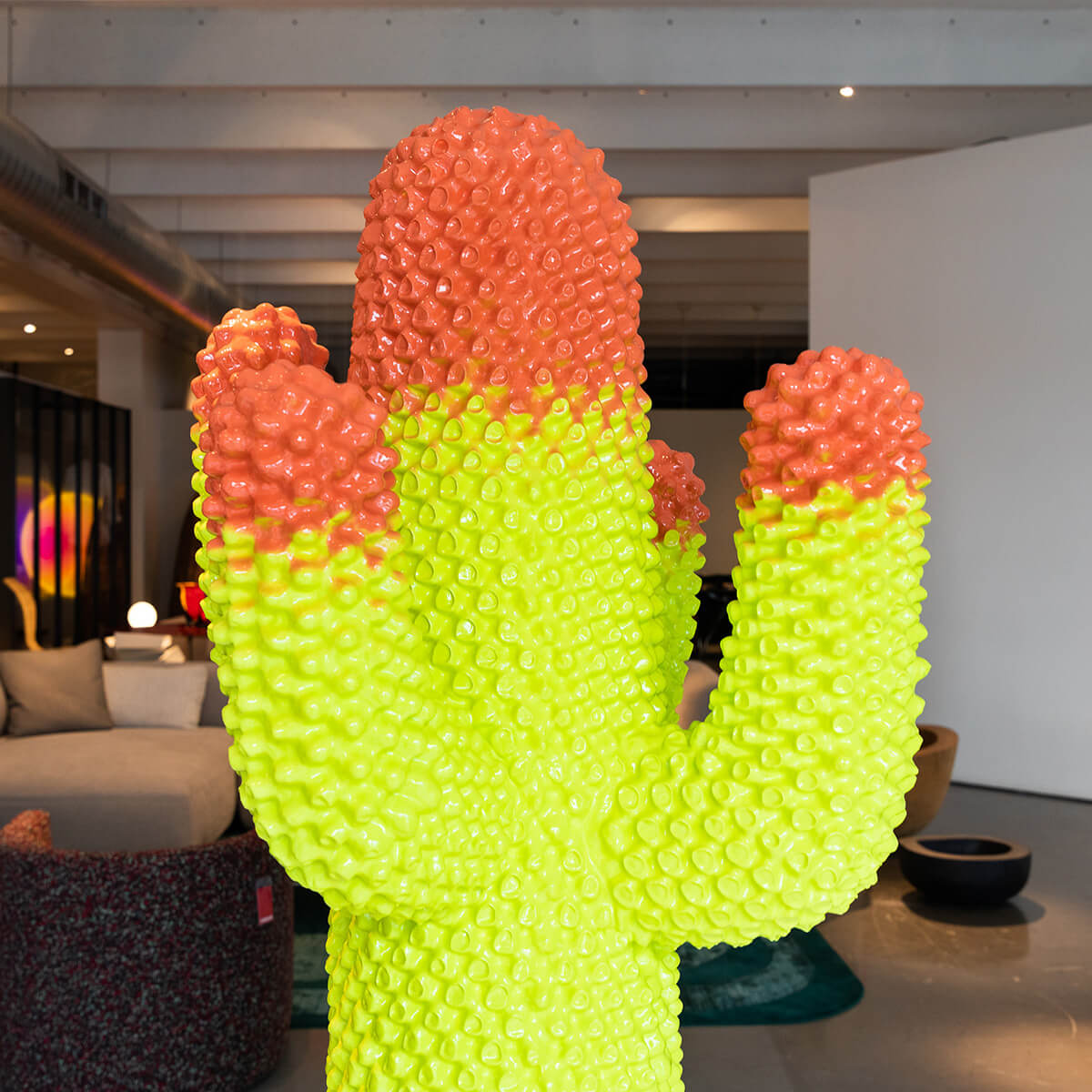
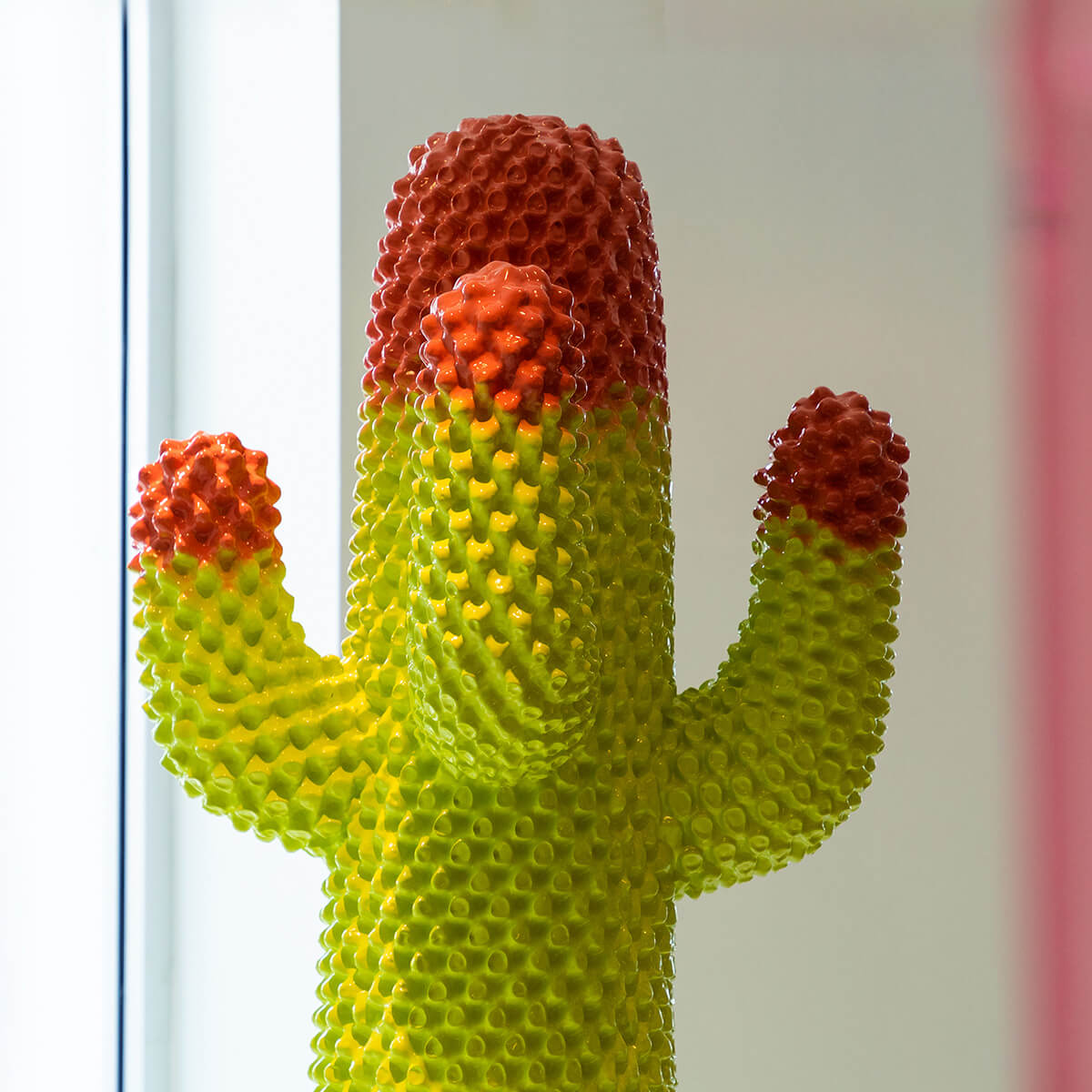
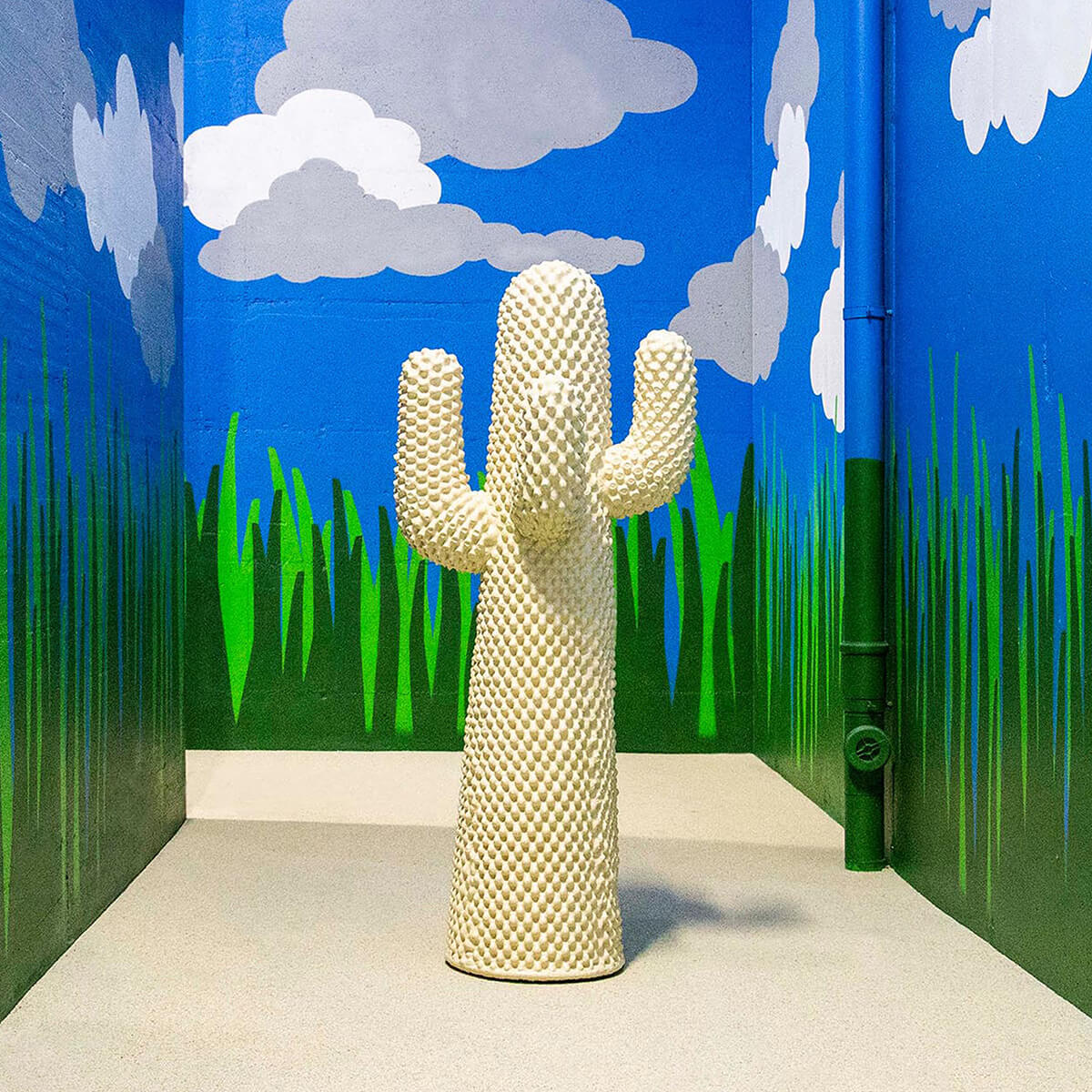
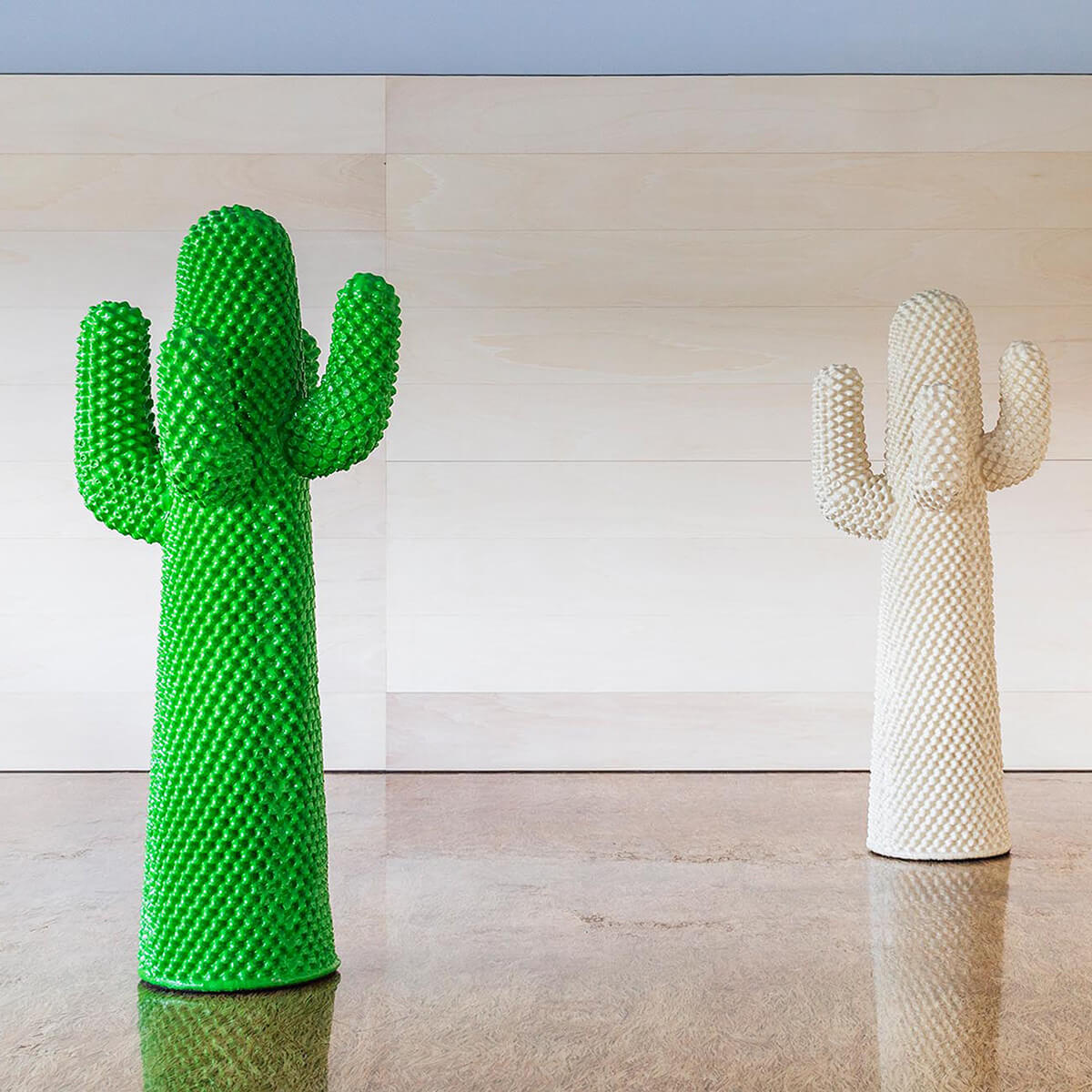
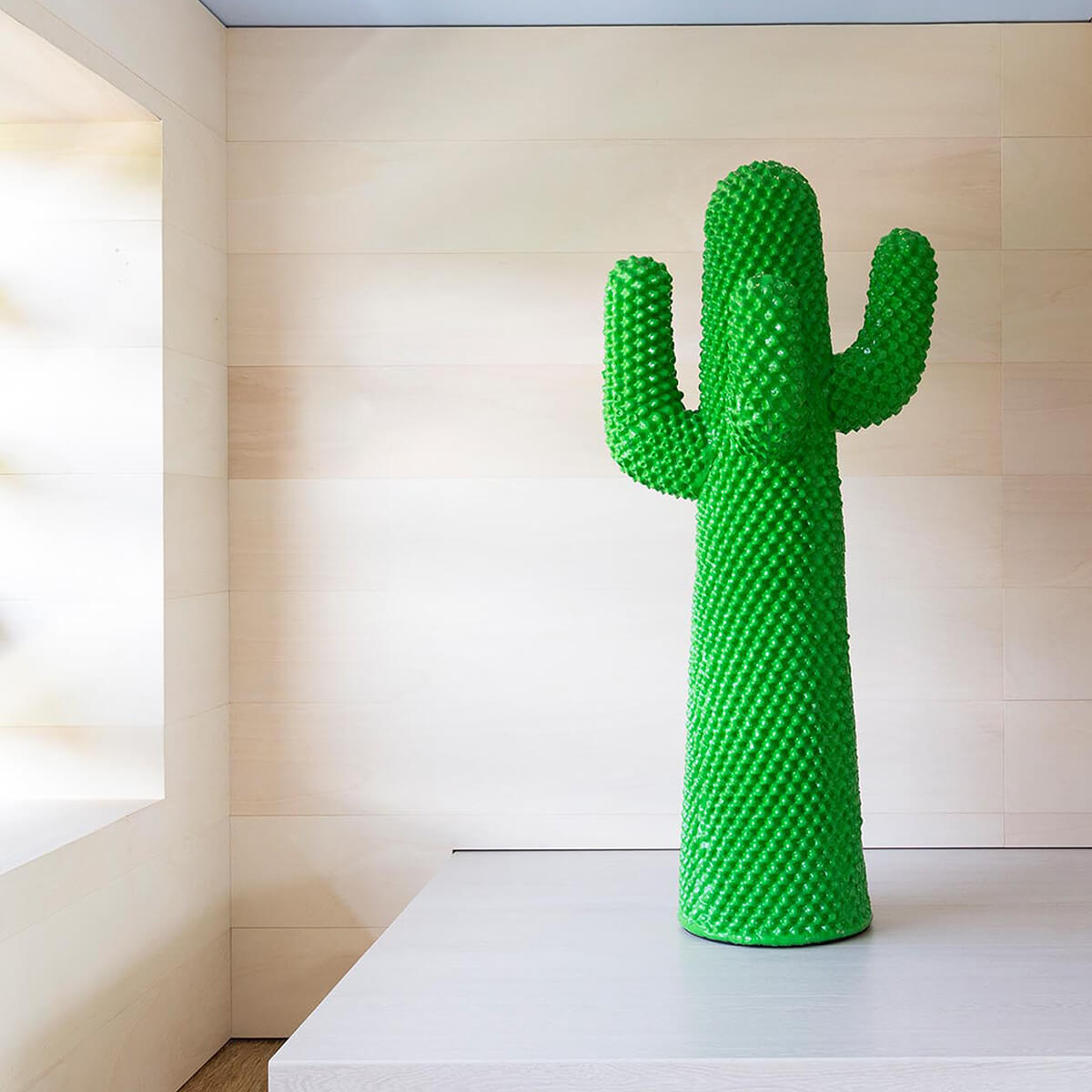
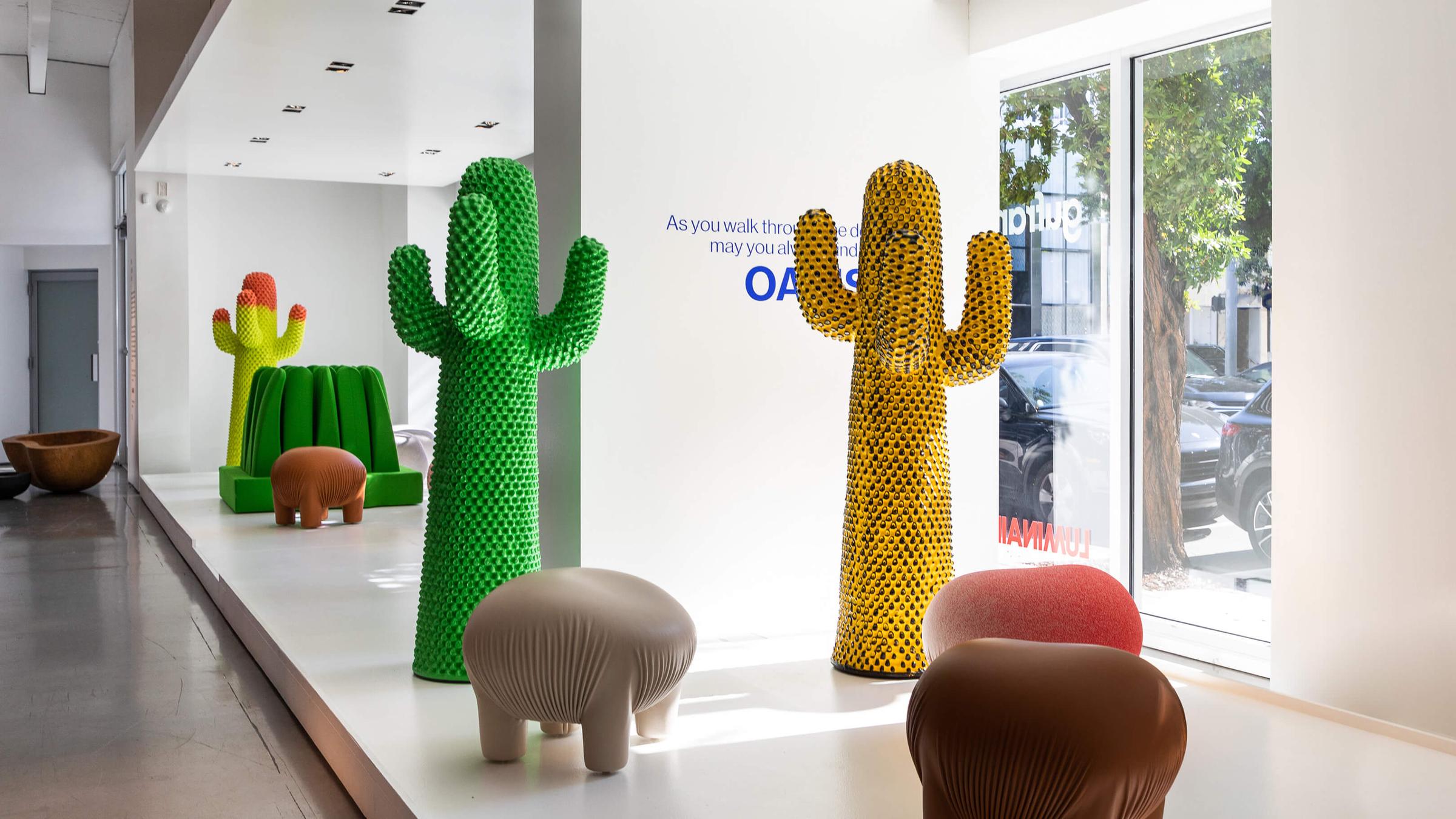
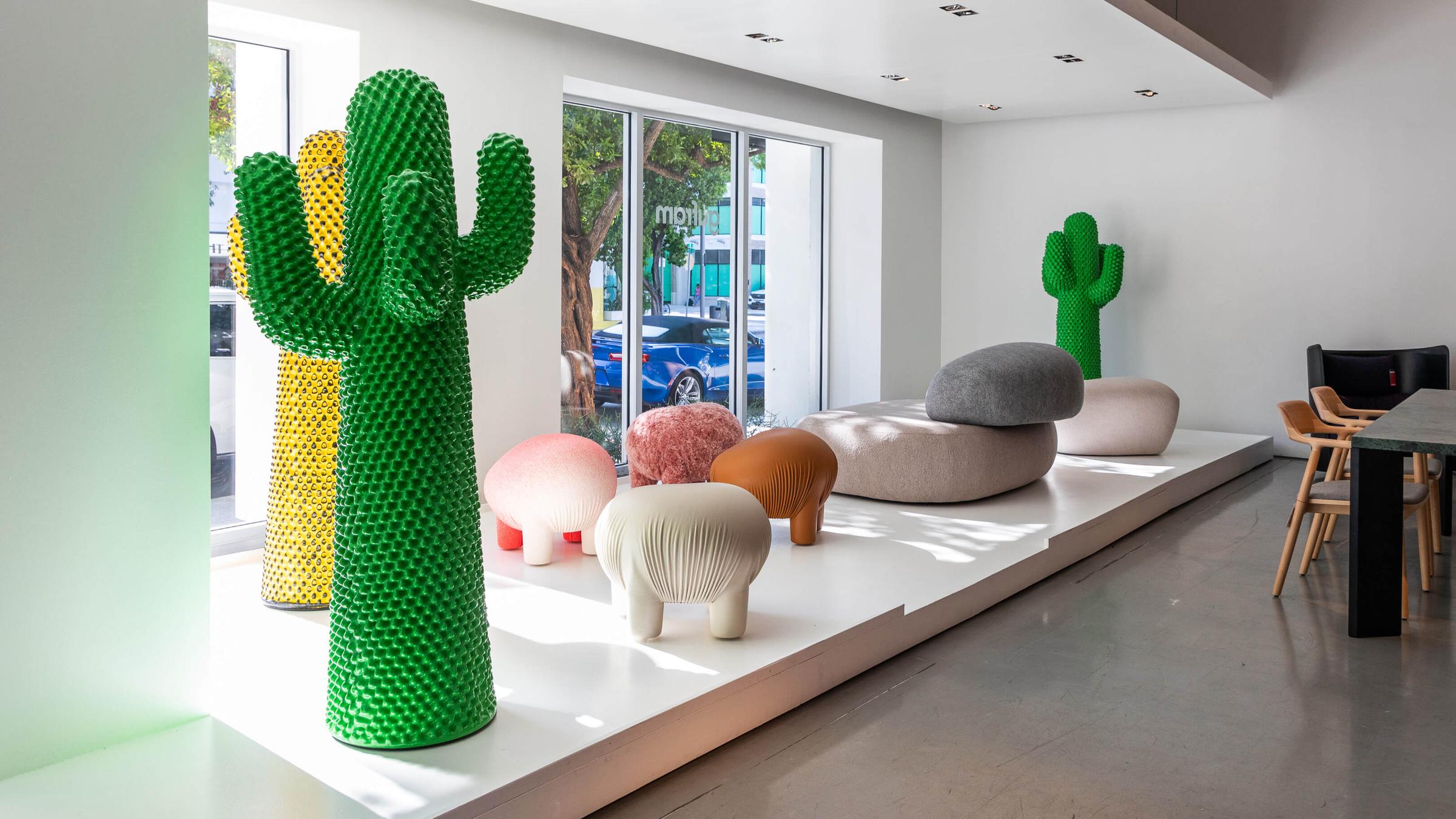
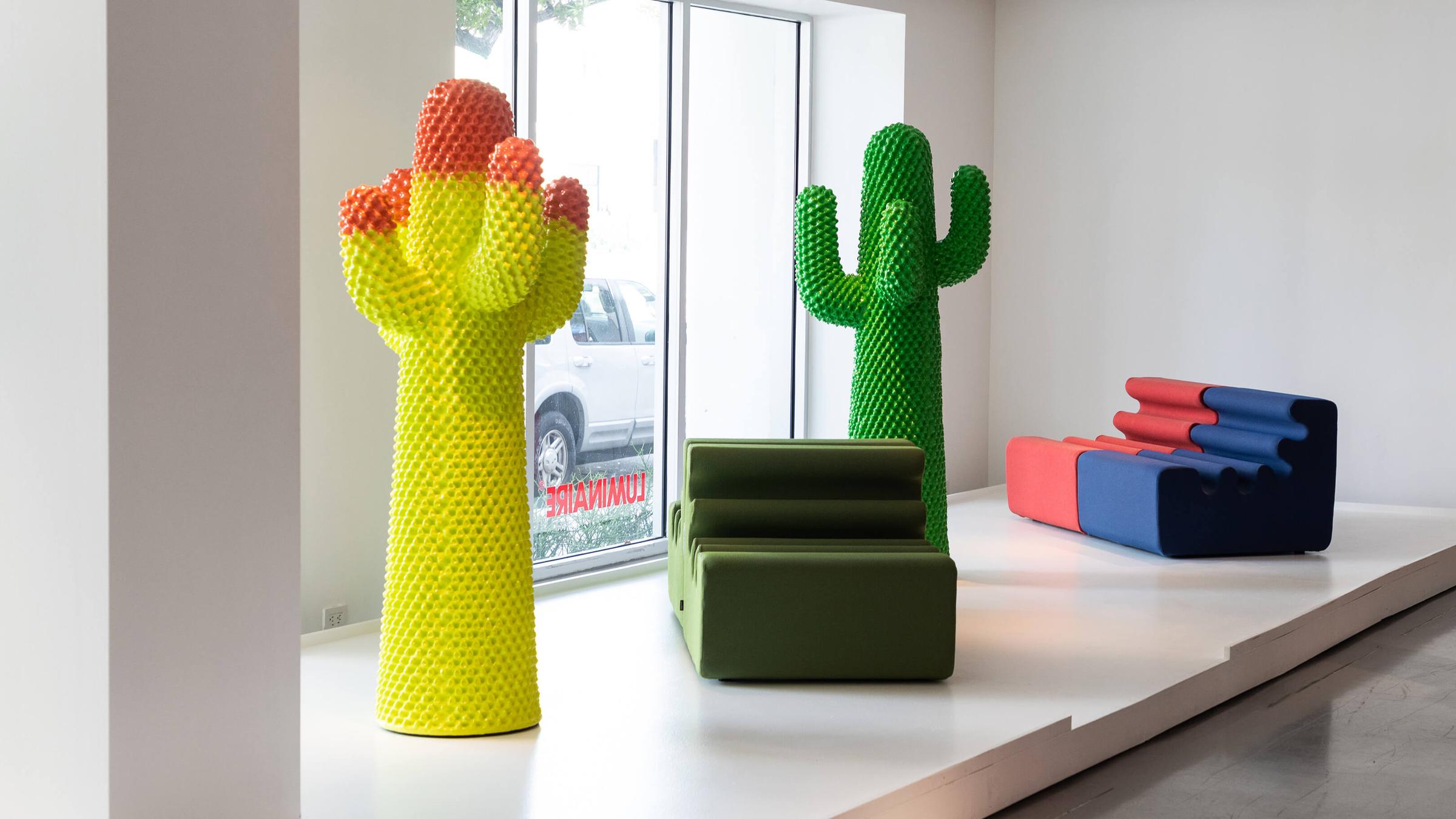
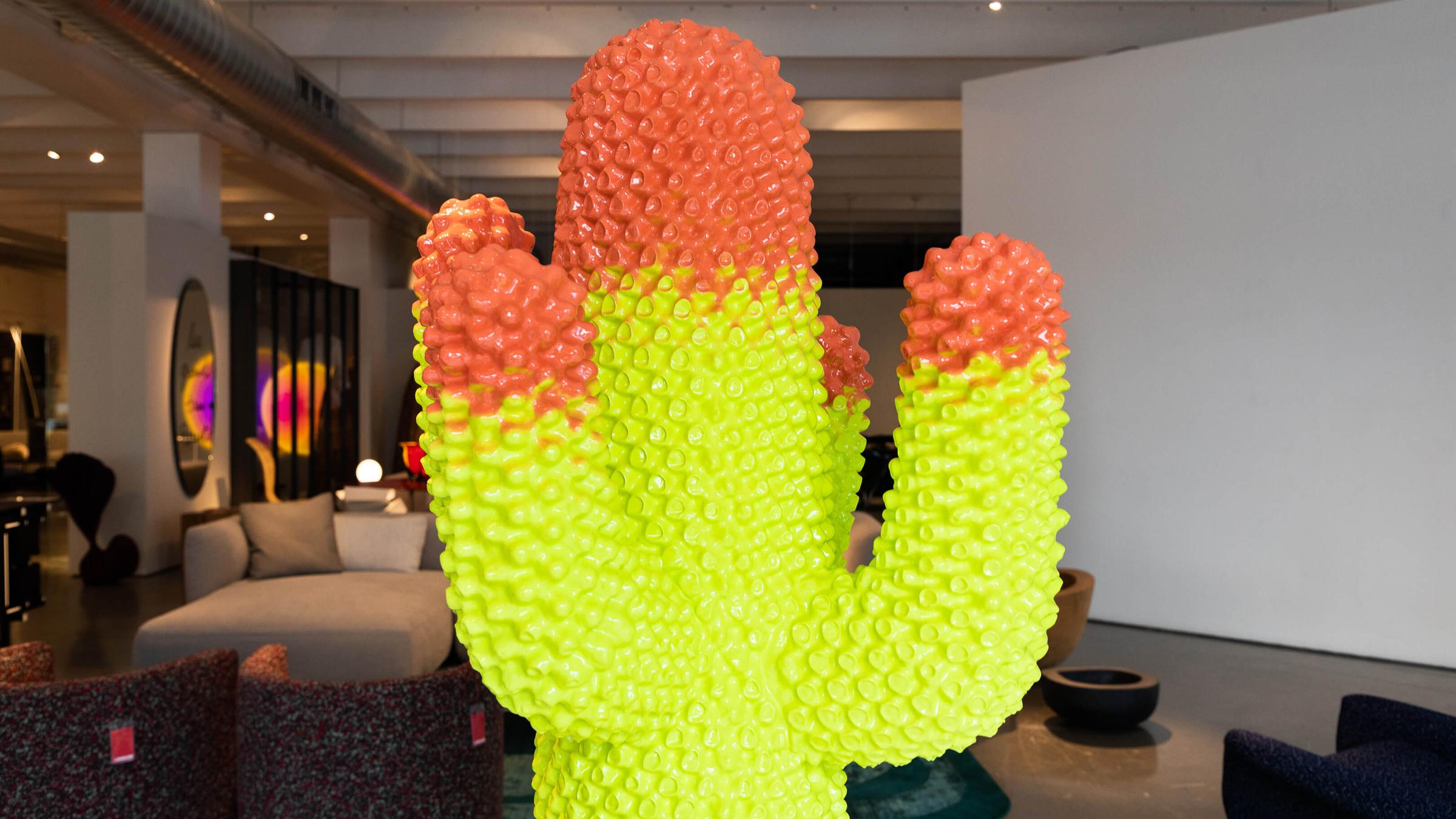
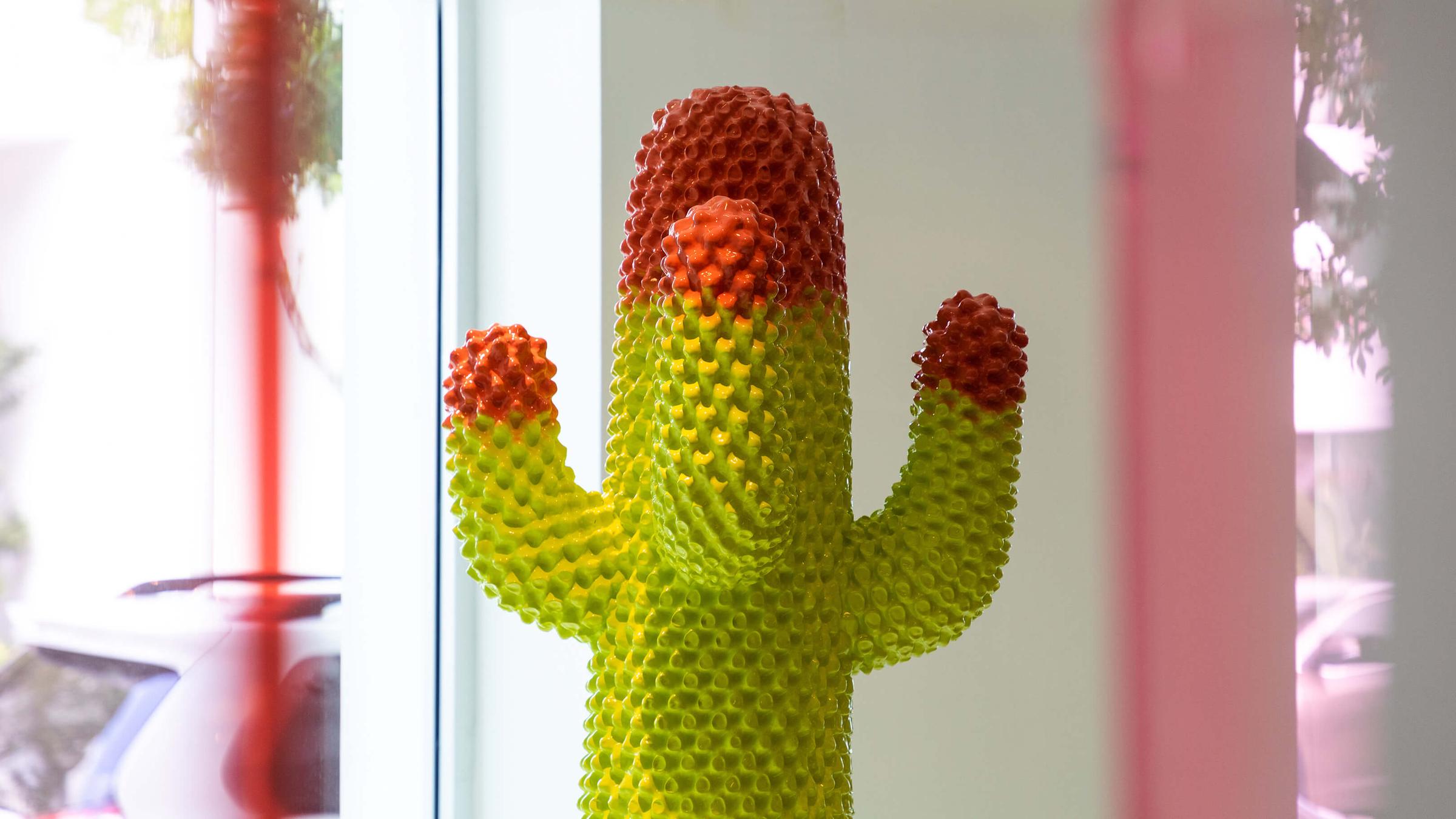
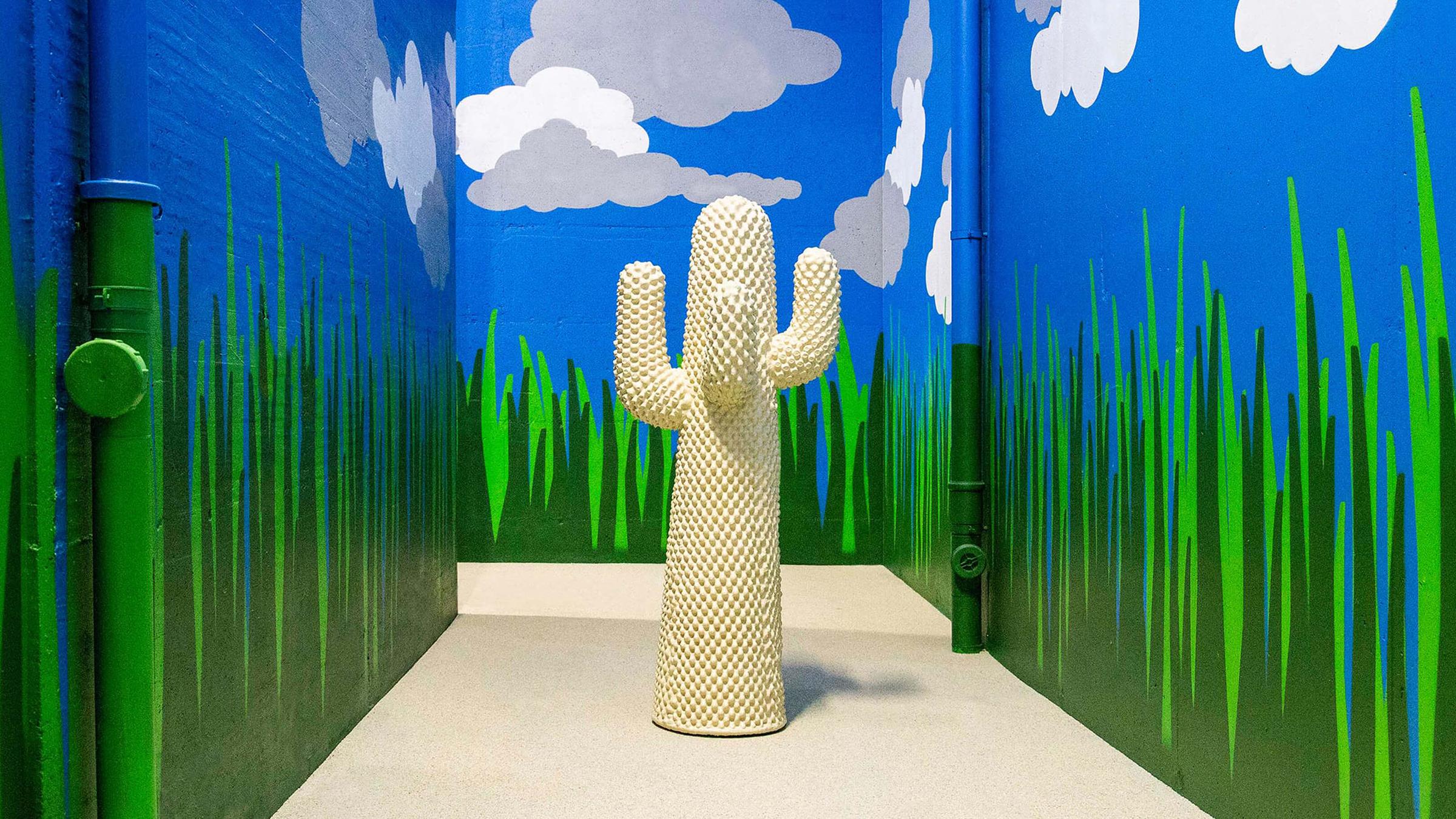
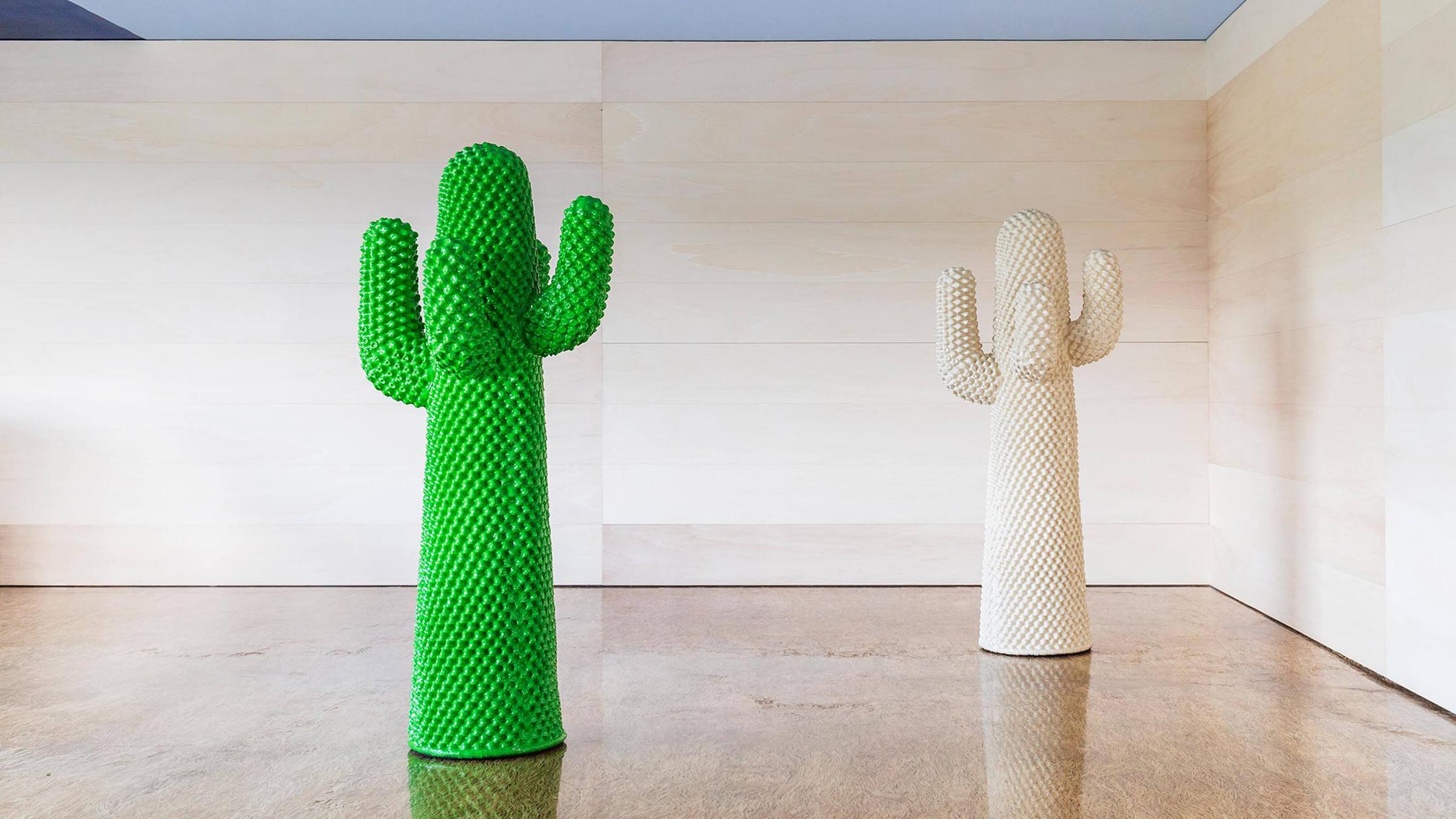
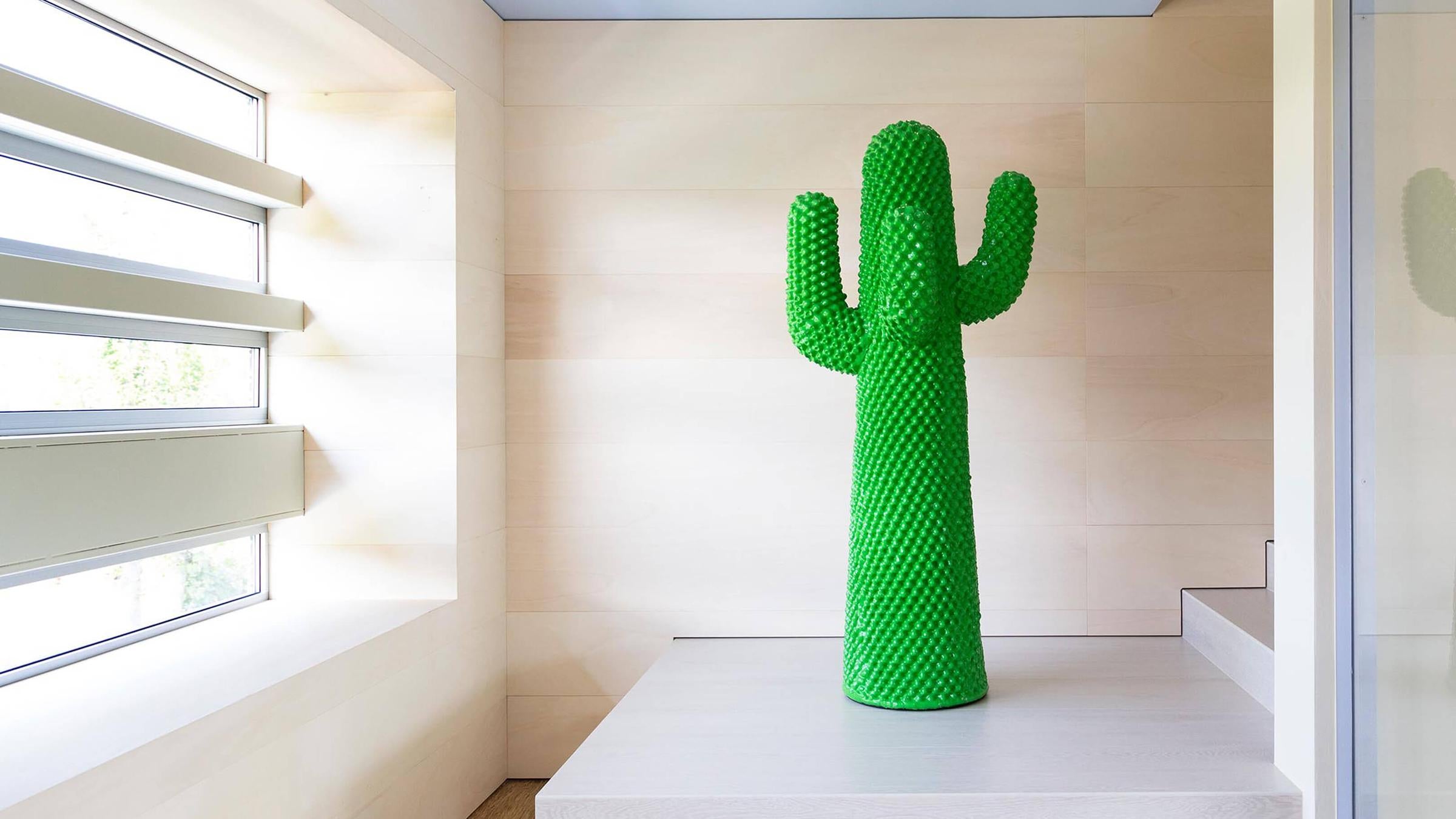
Nato nel 1972 e mai del tutto addomesticato, il Cactus è tra gli oggetti più riconoscibili emersi dal movimento del Design Radicale italiano. Guido Drocco e Franco Mello lo concepirono come un appendiabiti, un attaccapanni che funziona provocando. La forma è inconfondibile: un cactus a grandezza naturale realizzato in schiuma poliuretanica trattata con il Guflac, il materiale caratteristico di Gufram, con i suoi "bracci" allungati per sostenere gli indumenti con la stessa autorità casuale che la pianta esercita nel deserto.
Il pezzo arrivò in un momento in cui i designer italiani si interrogavano se i mobili dovessero essere necessariamente seri. Umorismo, scala e presenza teatrale divennero il mezzo. Il Cactus rispose a tutte queste domande in una volta sola.
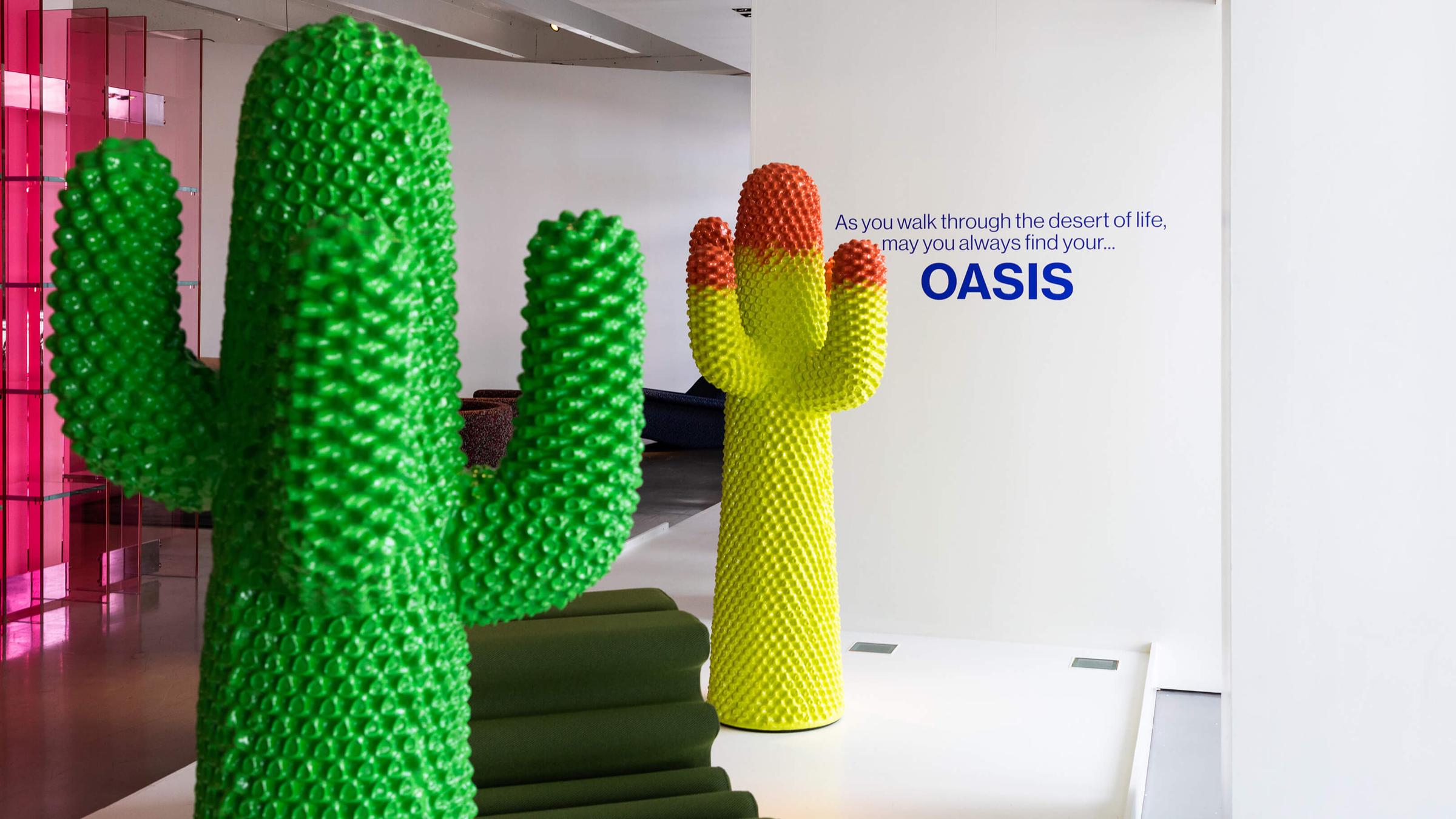
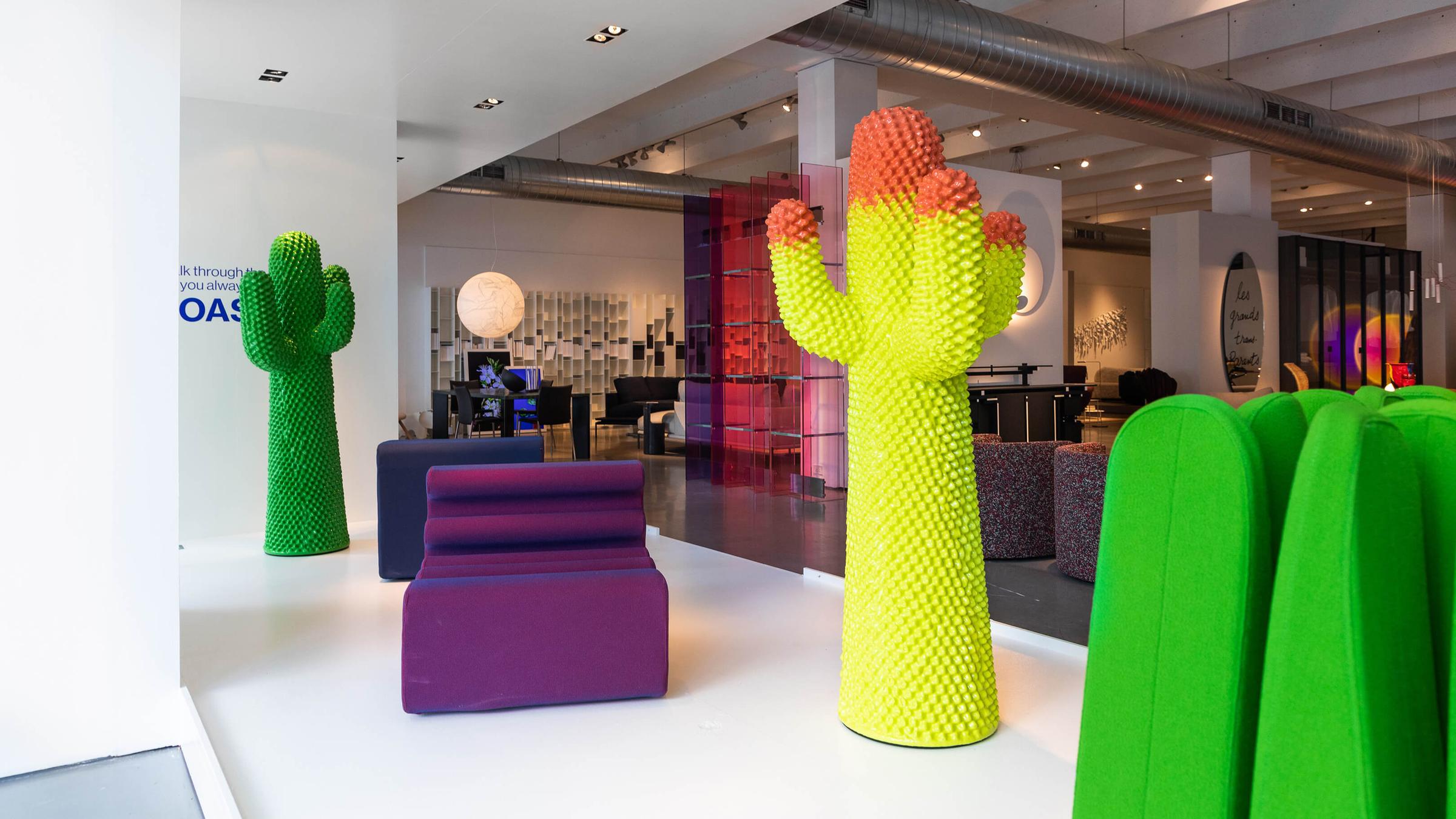
Nel corso dei decenni è apparso in edizioni che spaziano dal verde smeraldo intenso, al bianco, al rosso, al nero, e nell'edizione limitata Metacactus del 2012. Musei di tutta Europa, tra cui la Fondation Beyeler a Basilea e l'ADAM a Bruxelles, lo hanno riconosciuto come un manufatto culturale piuttosto che un semplice oggetto domestico. Occupa quella rara posizione: genuinamente funzionale, genuinamente irriverente e completamente fedele a entrambi gli aspetti.
Made to order by Gufram, tailored to you.
Get customization options, swatch samples and pricing for your project.
Si abbina bene a
Product Details
Tear Sheet
Pricing & Warranty
Pricing for made-to-order items varies based on configuration, finishes, and customization options. Please contact one of our design consultants or visit a showroom near you for current pricing and personalized assistance.
Luminaire is an authorized retailer of Gufram. The product comes with a full manufacturer warranty.
Authenticity guaranteed. Genuine product, authenticated and sourced directly from the manufacturer.
Domande Frequenti
What material is the Gufram Cactus made from?
The Cactus is constructed from cold-expanded polyurethane foam and finished with Guflac, a proprietary flexible lacquer developed by Gufram that gives the surface its smooth, painterly appearance while maintaining the material's resilience.
Is the Gufram Cactus a functional piece or purely decorative?
It is both. Drocco and Mello designed it as a hall-tree, meaning its arms are intended to hold coats, hats, bags, and scarves. Its sculptural presence in a room is inseparable from that function.
What is Italian Radical Design, and how does the Cactus fit into it?
Radical Design was a movement that emerged in Italy in the late 1960s and early 1970s as a reaction against functionalist orthodoxy. Designers used wit, provocation, and pop cultural references to challenge what furniture was supposed to be. The Cactus, with its exaggerated natural form repurposed as a domestic object, is one of the movement's clearest expressions.
Which museums have exhibited the Gufram Cactus?
The Cactus has been included in permanent and temporary collections at institutions including MUDE in Lisbon, ADAM in Brussels, and the Fondation Beyeler in Basel, reflecting its standing as a work of design history rather than a conventional consumer product.
How many editions of the Cactus has Gufram produced?
Gufram has released the Cactus in several editions since 1972, including the original emerald green and subsequent limited runs in white, red, black, and the 2012 Metacactus edition. Certain colorways have sold out and are no longer available, which speaks to the object's sustained cultural relevance.