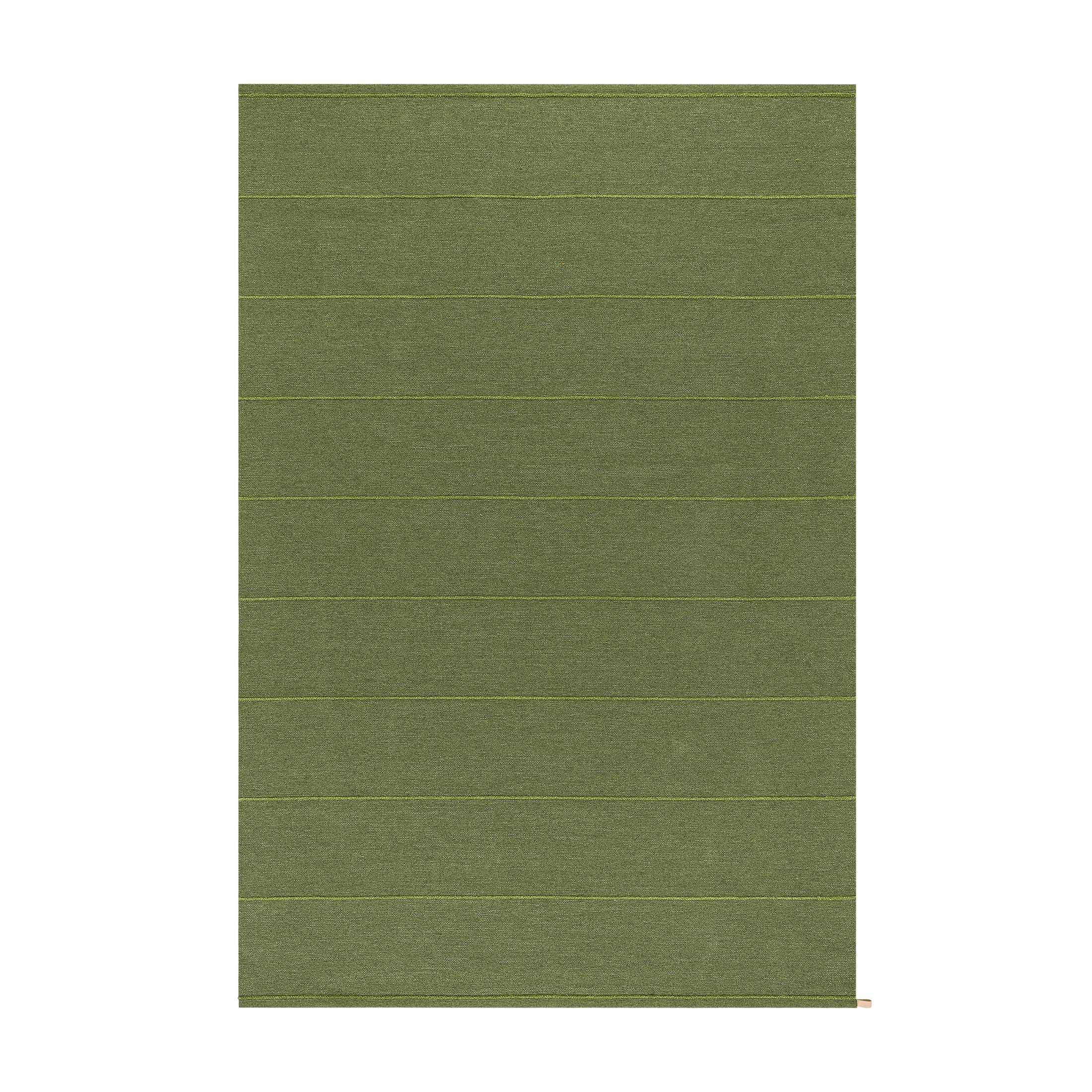
Ängsmark 306 Giugno
Made by Kasthall
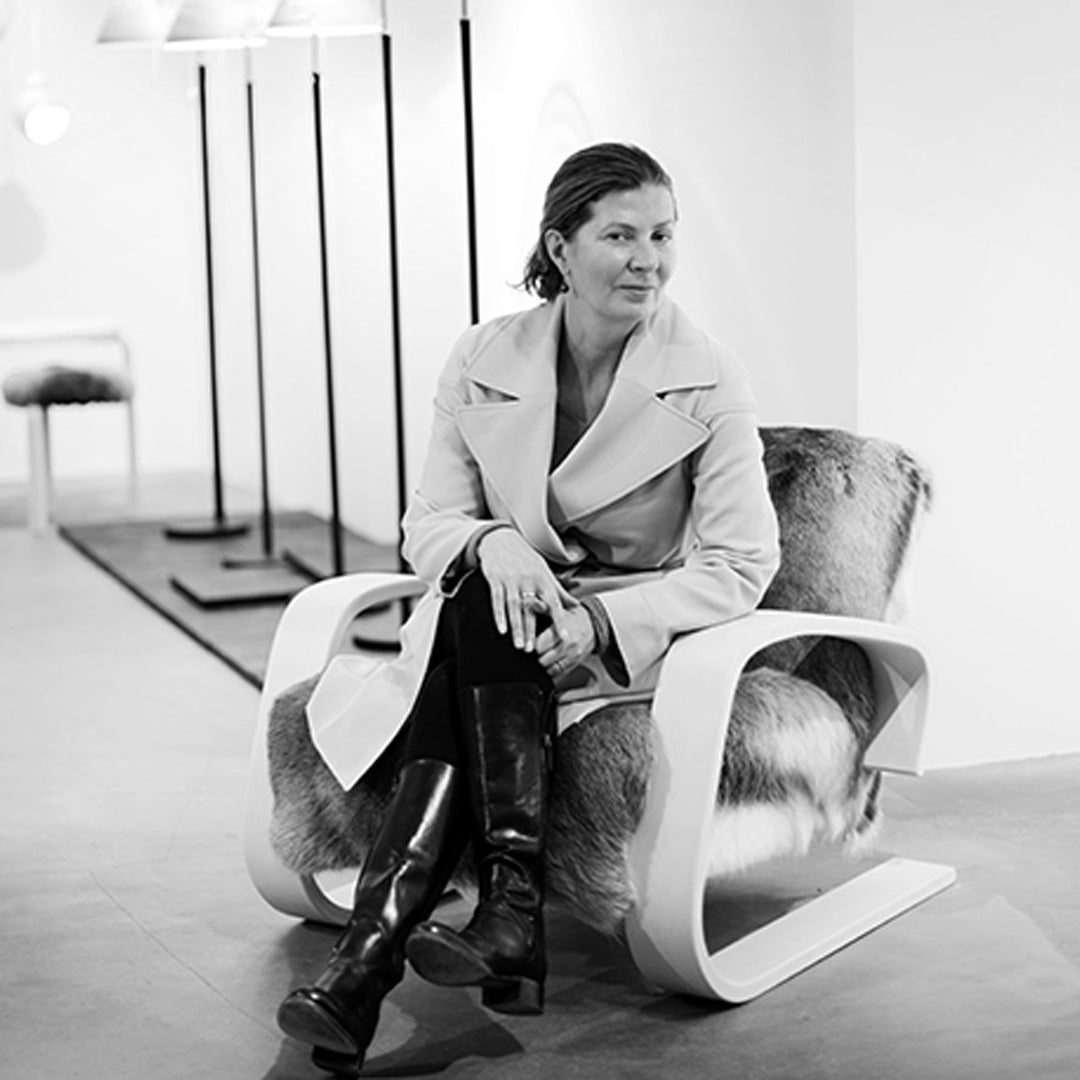
Designed by Ilse Crawford
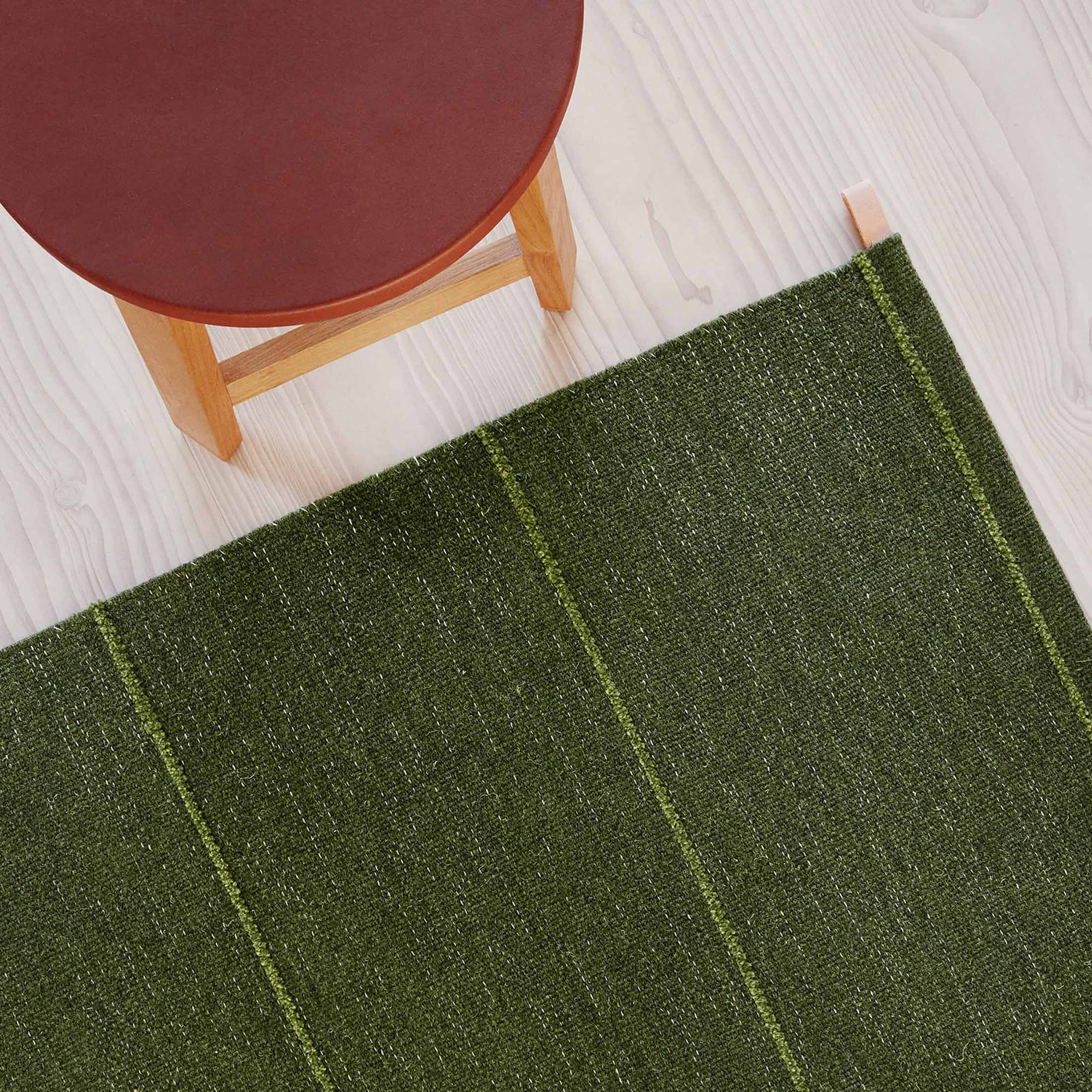
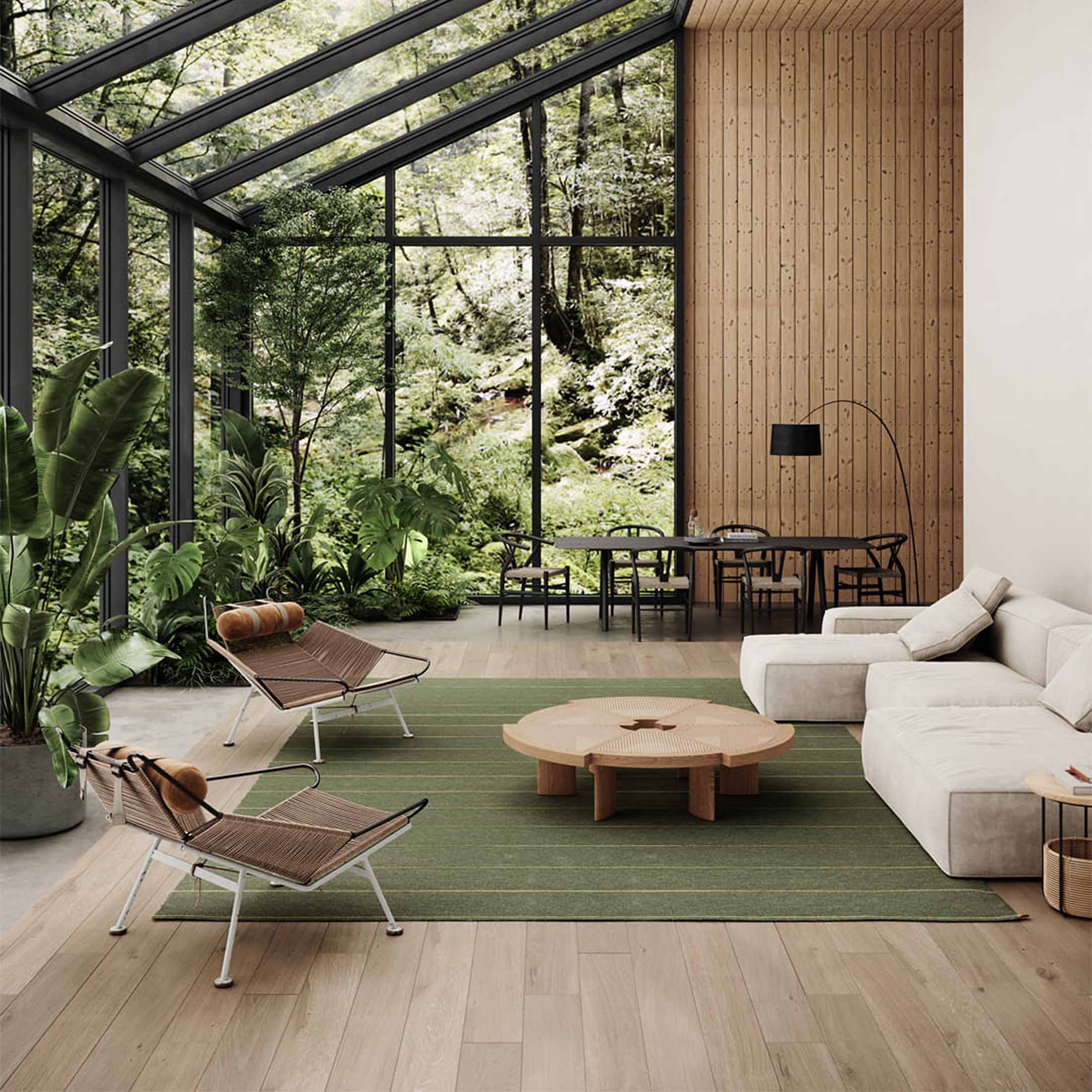
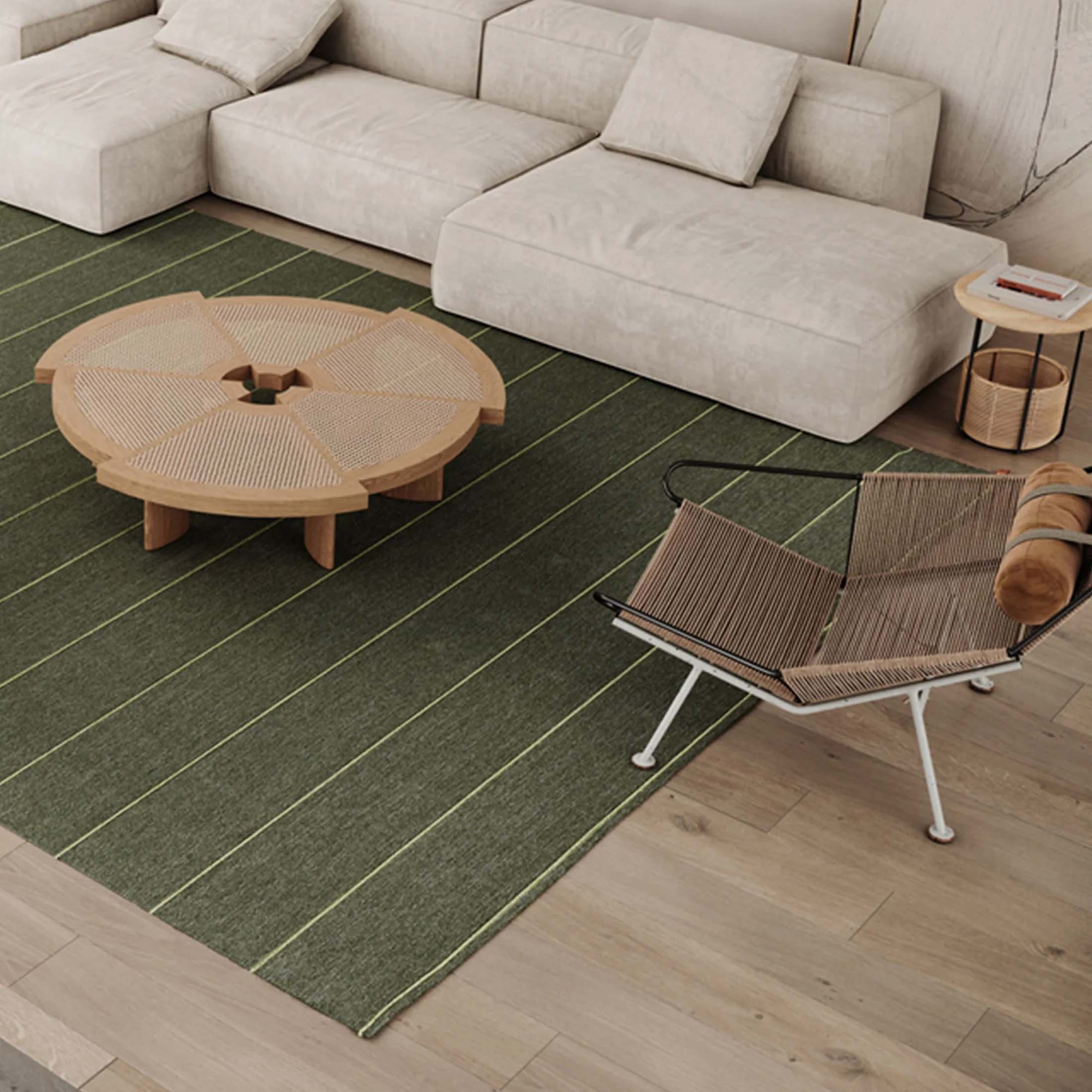
Ilse Crawford ha concepito Ängsmark come una meditazione sulla campagna svedese, con le sue superfici che mutano con la stessa silenziosa imprevedibilità di un prato in una luce cangiante. La combinazione di colori 306 Juni si presenta come un insieme di toni morbidi e sovratinti, mai piatti, mai singolari.
La costruzione è in pura lana, tessuta presso il lanificio Kasthall a Kinna, Svezia, dove ogni tappeto è prodotto individualmente. Le linee di filato di ciniglia introducono un delicato ritmo geometrico, mentre fili irregolari di lana bianca non tinta affiorano in tutta la superficie, catturando la luce e conferendo alla tessitura una profondità delicatamente animata.
- Composizione in pura lana con dettagli in filato di ciniglia
- Colorazione mélange sovratinta ispirata ai paesaggi naturali svedesi
- Tessuto individualmente presso il lanificio Kasthall di Kinna
- Disponibile in misure personalizzate, su ordinazione
La sensibilità di Crawford qui è tipicamente radicata. Il tappeto non si annuncia da solo. Stabilisce una base silenziosa, con sufficienti sfumature tattili e cromatiche per reggere sia in interni architettonici essenziali che in ambienti più caldi e ricchi di materiali.
Made to order by Kasthall, tailored to you.
Get customization options, swatch samples and pricing for your project.
Si abbina bene a
Product Details
Tear Sheet
Pricing & Warranty
Pricing for made-to-order items varies based on configuration, finishes, and customization options. Please contact one of our design consultants or visit a showroom near you for current pricing and personalized assistance.
Luminaire is an authorized retailer of Kasthall. The product comes with a full manufacturer warranty.
Authenticity guaranteed. Genuine product, authenticated and sourced directly from the manufacturer.
Domande Frequenti
What materials are used in the Ängsmark rug?
The Ängsmark is woven in pure wool, with lines of chenille yarn integrated into the structure to create its characteristic gentle geometric relief. Irregular undyed white wool strands are also woven throughout, contributing to its layered, organic surface quality.
Who designed the Kasthall Ängsmark collection?
The Ängsmark collection was designed by Ilse Crawford, the London-based designer known for her deeply considered, human-centered approach to interiors and objects. Crawford has a longstanding collaborative relationship with Kasthall, drawing on Swedish craft traditions and natural references.
Where is the Kasthall Ängsmark rug made?
Each Ängsmark rug is woven individually at Kasthall's mill in Kinna, Sweden, a facility with roots in the nineteenth century and a continued commitment to hand-guided production techniques.
Is the Ängsmark 306 Juni available in custom sizes?
Yes, the Ängsmark is available made to order in custom dimensions, which makes it well suited to site-specific architectural and interior design projects where standard sizes are insufficient.
How does the mélange dyeing process affect the rug's appearance?
Mélange dyeing blends multiple tones within the yarn itself before weaving, so the resulting surface carries a natural variation of color rather than a uniform flat field. In the Juni colorway, this produces a shifting, nuanced depth that changes subtly with light and viewing angle.