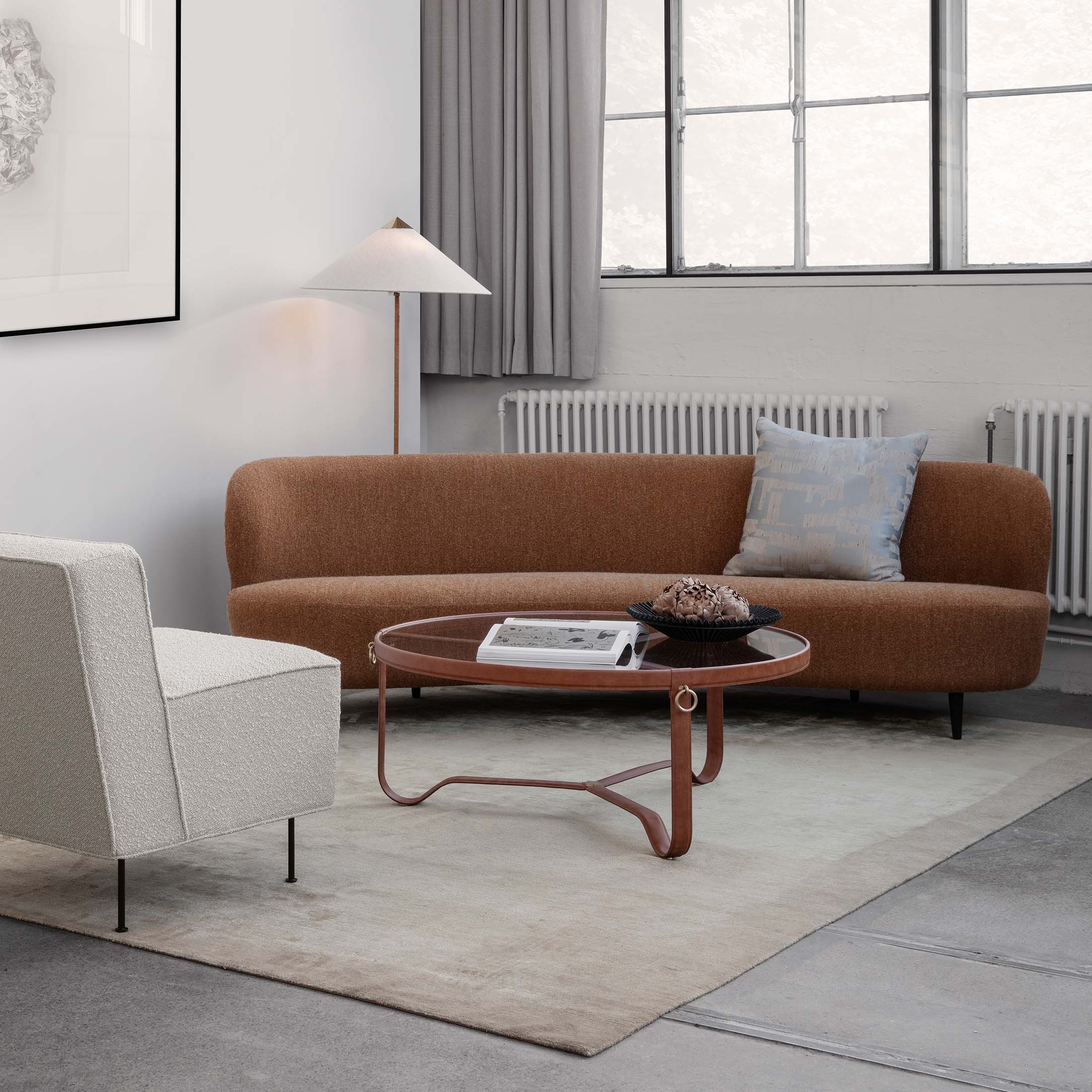
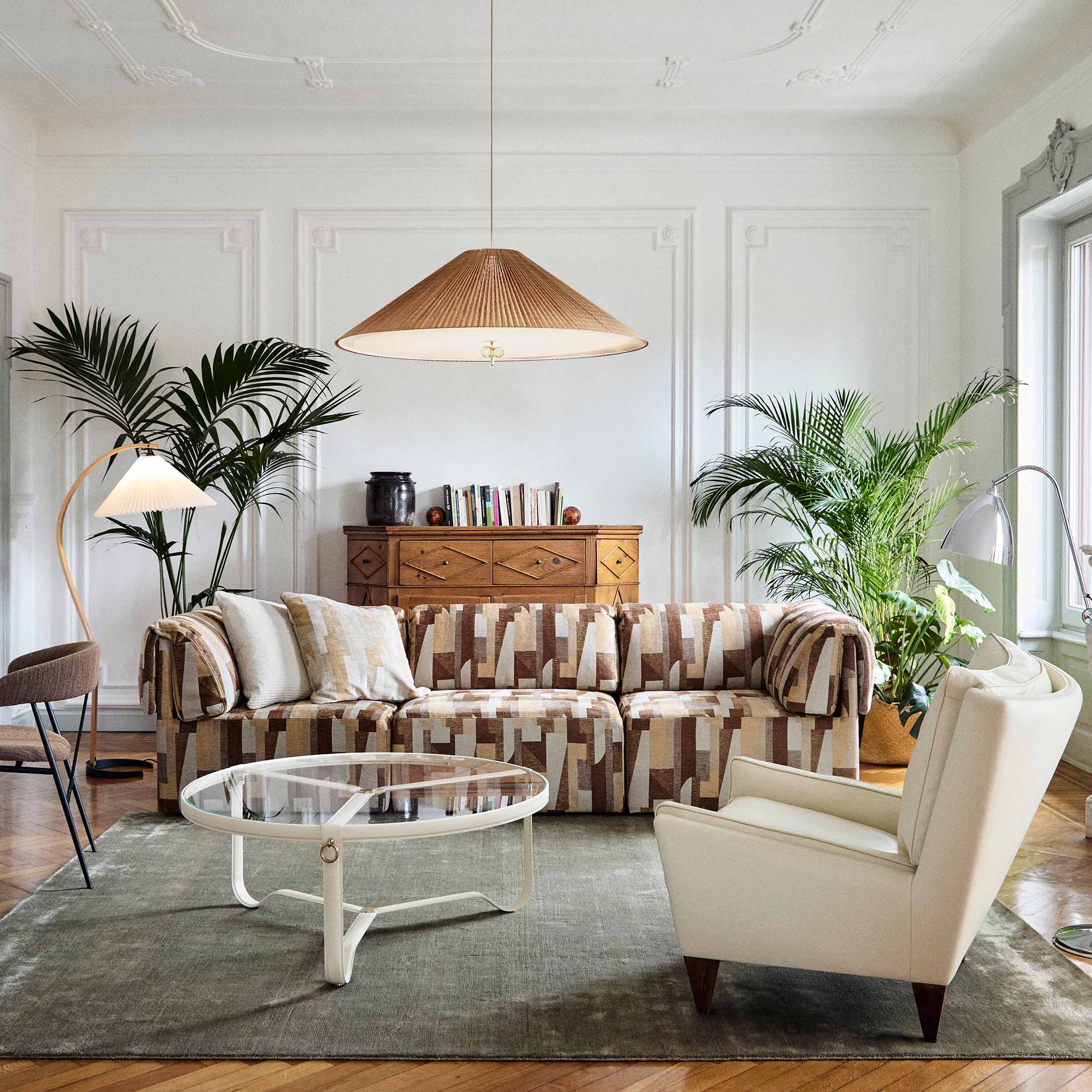


Adnet Tavolino da caffè
Made by GUBI
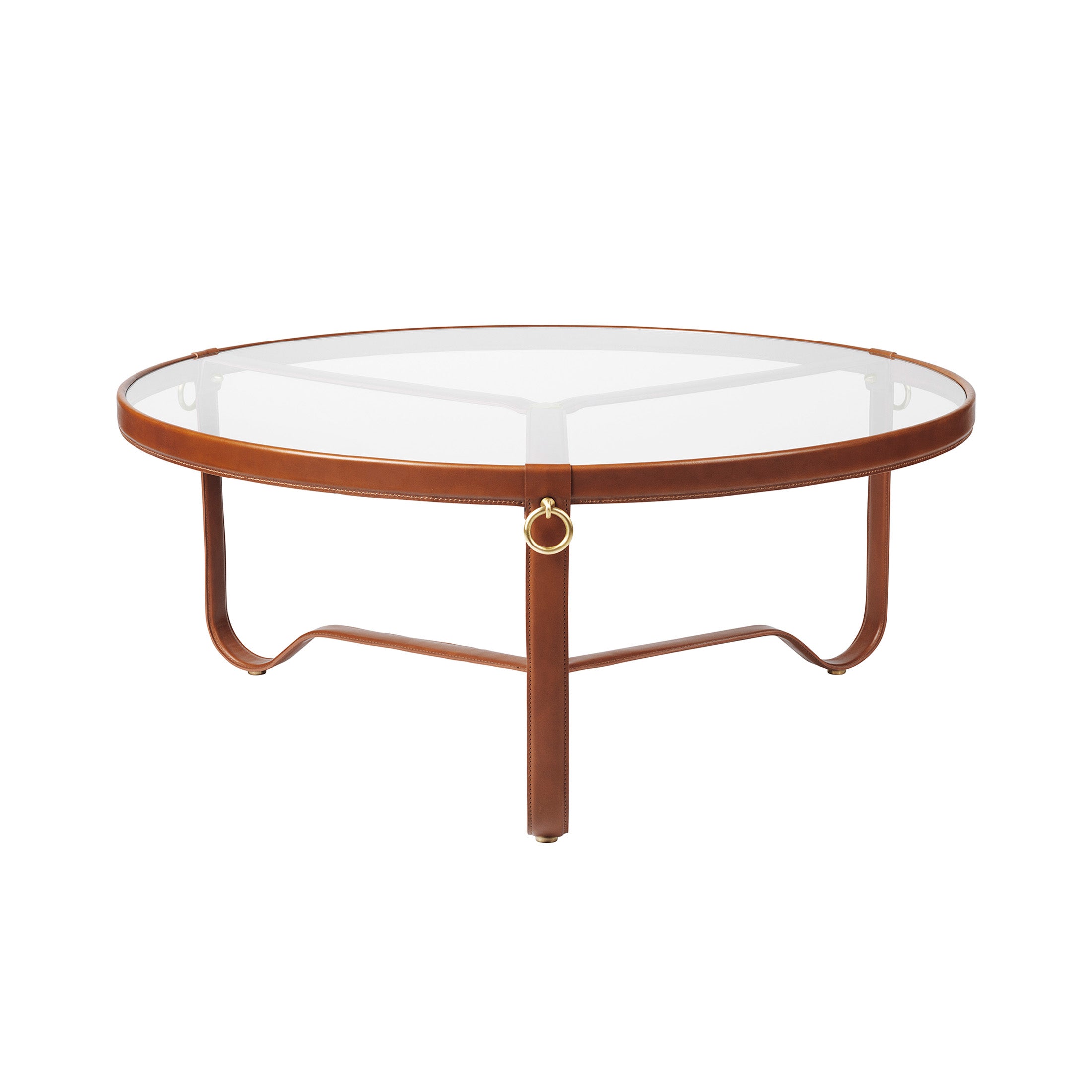
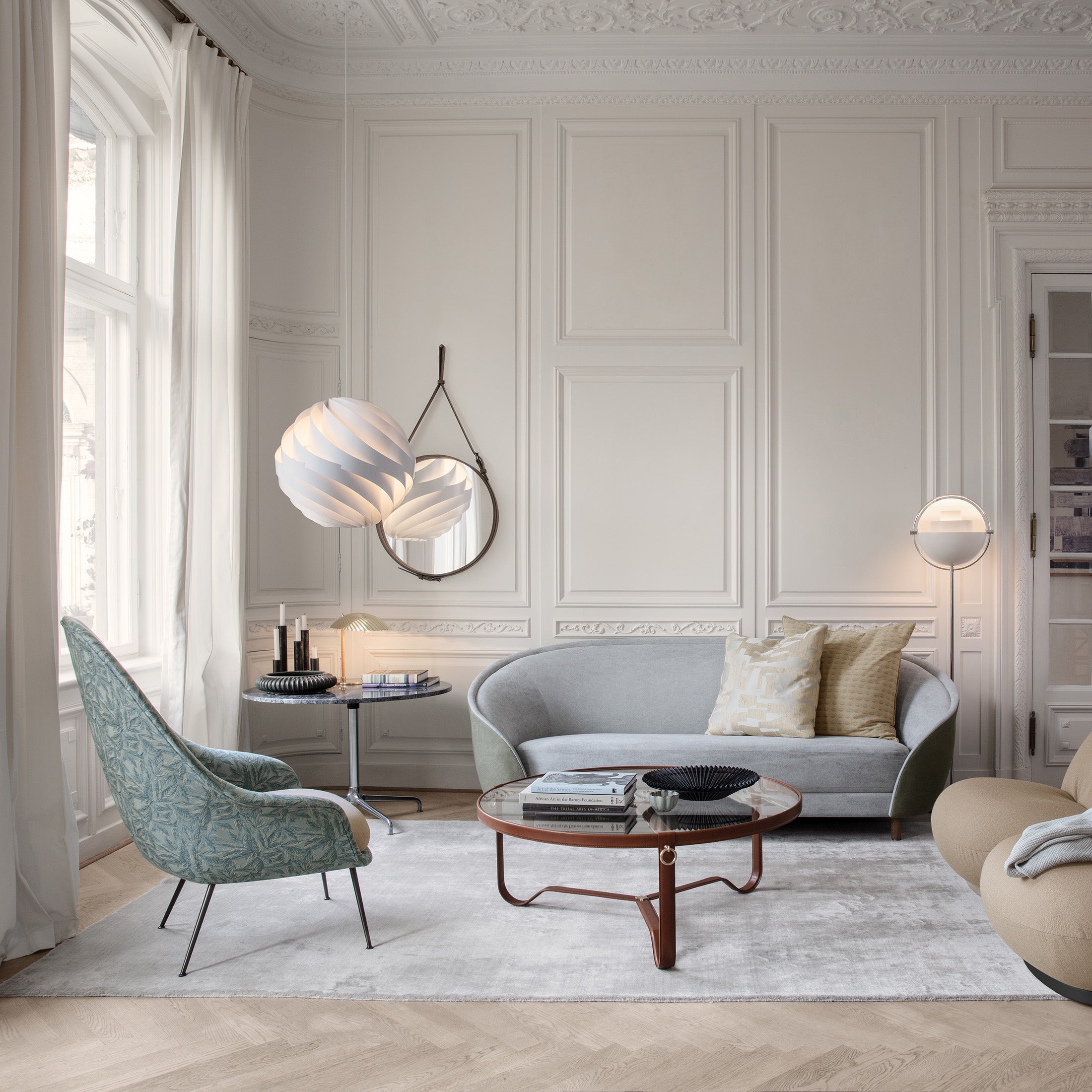
Originariamente disegnato negli anni Cinquanta da Jacques Adnet, il tavolino Adnet unisce un piano circolare in vetro, un bordo in pelle rifinito a mano e anelli in ottone dorato con inconfondibile eleganza. Disponibile in diverse dimensioni e finiture, porta il glamour modernista francese e la raffinata maestria artigianale sia negli interni residenziali che in quelli dell'ospitalità.
Made to order by GUBI, tailored to you.
Get customization options, swatch samples and pricing for your project.
Si abbina bene a
Adnet Tavolino da caffè
Product Details
Tear Sheet
Pricing & Warranty
Pricing for made-to-order items varies based on configuration, finishes, and customization options. Please contact one of our design consultants or visit a showroom near you for current pricing and personalized assistance.
Luminaire is an authorized retailer of GUBI. The product comes with a full manufacturer warranty.
Authenticity guaranteed. Genuine product, authenticated and sourced directly from the manufacturer.
Domande Frequenti
Who was Jacques Adnet and what defined his design style?
Jacques Adnet (1900-1984) was a French designer and director of the Compagnie des Arts Français, known for his refined use of leather, metal, and glass in mid-century furniture and interiors. His work drew on French artisanal traditions, particularly saddlery, resulting in pieces that balance elegance with tactile craft.
How is the leather rim on the Adnet Coffee Table finished?
The leather rim is hand-wrapped and saddle-stitched by skilled craftspeople, referencing the leatherworking techniques Adnet adapted from traditional French saddlery. The visible stitching is a deliberate design element, not a hidden seam.
What sizes and leather finishes are available for the Adnet Coffee Table?
The table is produced in multiple circular diameters to suit different spatial scales. Leather finishes vary across GUBI's current offering; availability is made to order, so lead times and finish options are best confirmed through a design consultant.
Is the Adnet Coffee Table suitable for contract or hospitality use?
Yes. The table has been specified in high-end hotels, restaurants, and hospitality suites where its combination of refined materiality and identifiable mid-century provenance is valued. GUBI can advise on contract-grade specifications upon request.
How faithful is the GUBI reissue to Adnet's original 1950s design?
GUBI worked from Adnet's original drawings to produce an authorized reissue that preserves the proportions, hardware details, and hand-finishing techniques of the first edition. It is not a loose interpretation but a deliberate act of design preservation.