Progettare senza confini
Oltre alle nostre collezioni curate, ti aspetta un mondo di oltre 400 marchi iconici.
Per pezzi specifici, finiture o soluzioni su misura, il nostro team di progettazione è a tua disposizione.
Frequently Asked Questions
What design philosophy defines Japanese minimalist home objects?
Japanese minimalism in domestic objects is not simply about reduction. It asks whether every form, proportion, and surface detail serves a purpose - and removes what does not. Objects that emerge from this discipline carry their function quietly, without ornament or apology. This sensibility prizes spatial modesty: pieces that earn their place in a room without demanding attention. The design tradition is rooted in Osaka and Tokyo studios that treat everyday living as a discipline worth the same rigour as architecture.
How do Japanese-designed bathroom accessories differ from typical bath decor?
Where conventional bath accessories prioritise decoration, Japanese-designed pieces tend to foreground material integrity and considered proportion. A tissue holder or storage canister from this tradition is designed to be displayed openly, not concealed - its form is resolved enough to hold the room's attention without competing with it. Finishes are typically matte, surfaces tactile, and details like lids, gaskets, and handles are treated as part of the design rather than functional afterthoughts. The object improves the space by being exactly what it is.
What makes a well-designed waste bin worth considering for an interior?
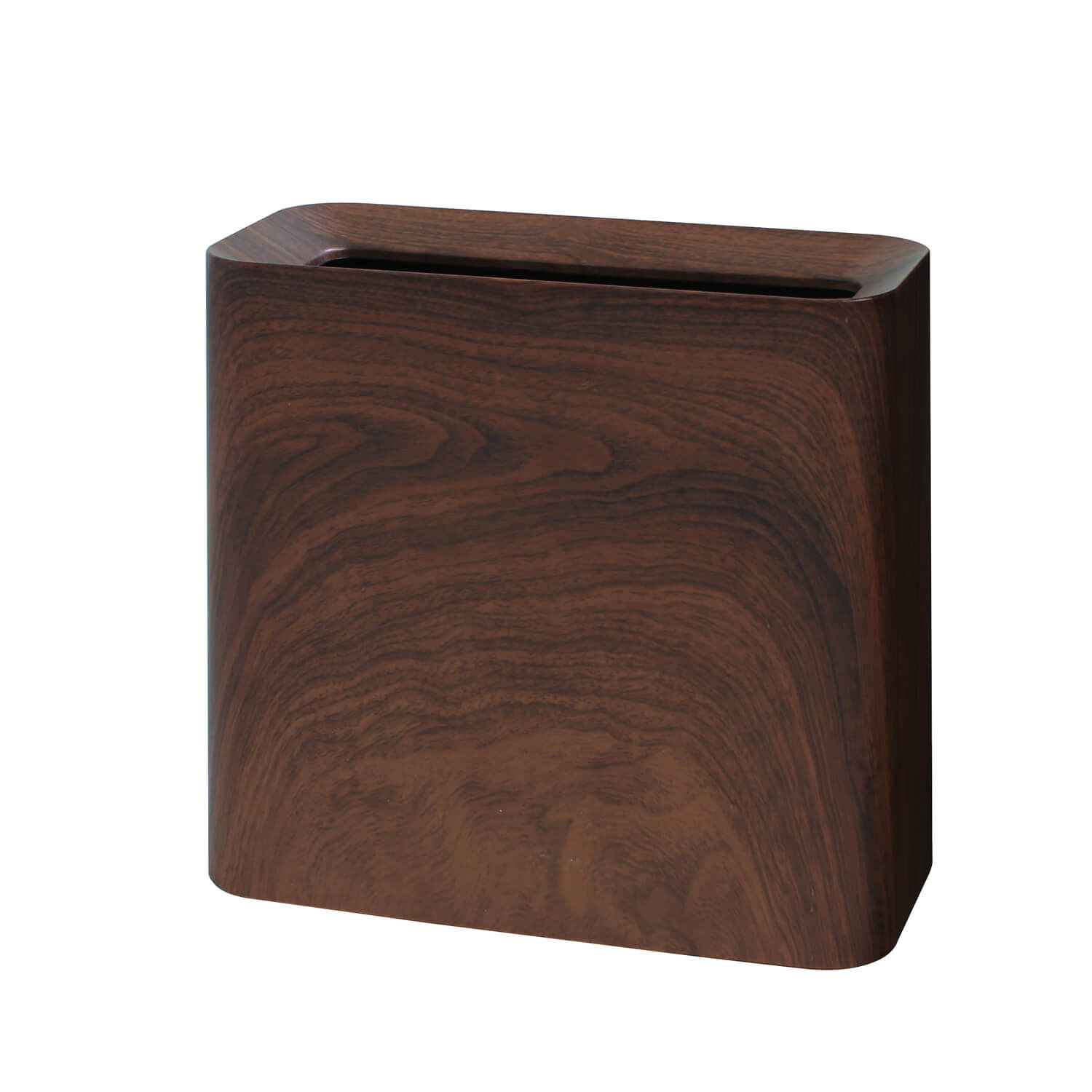
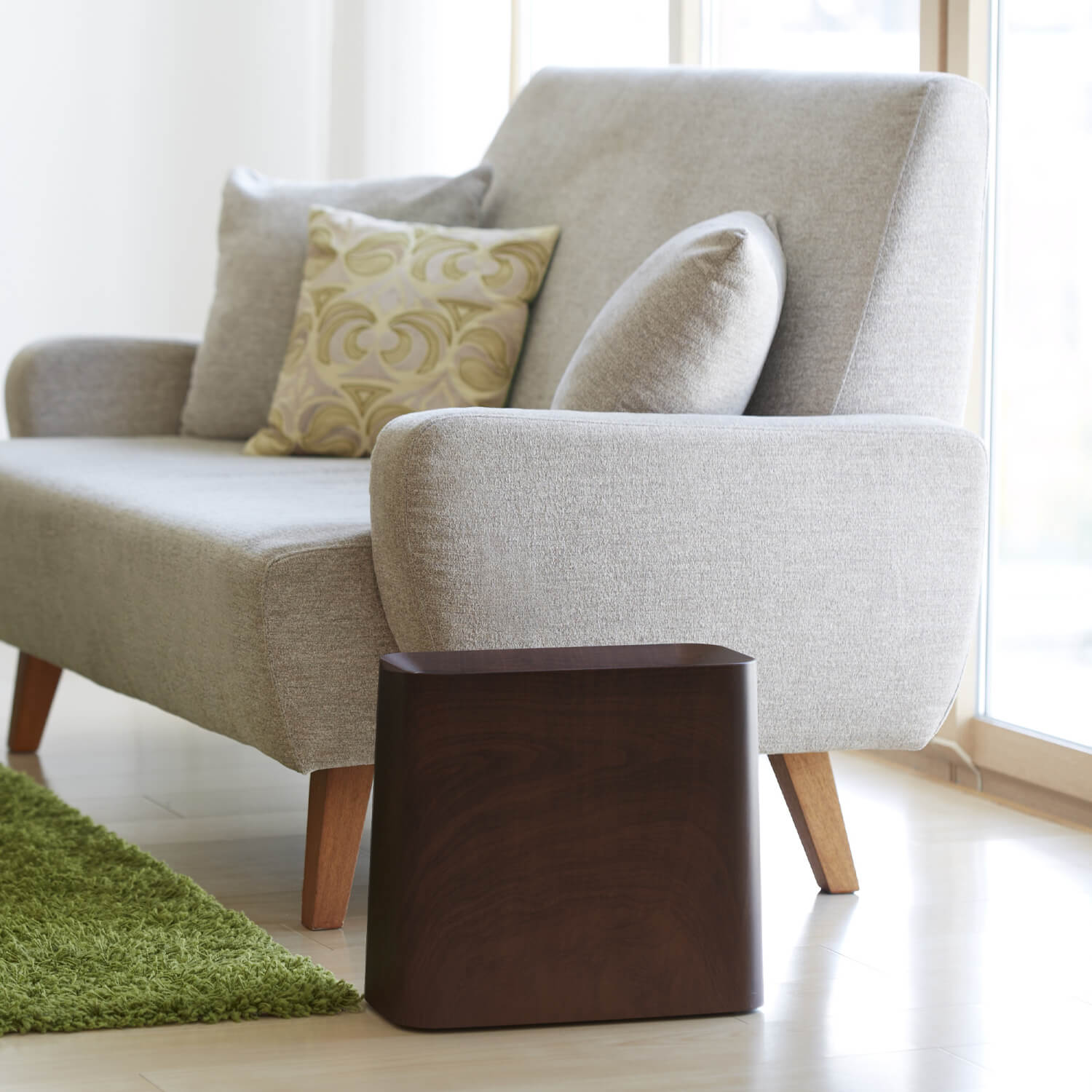
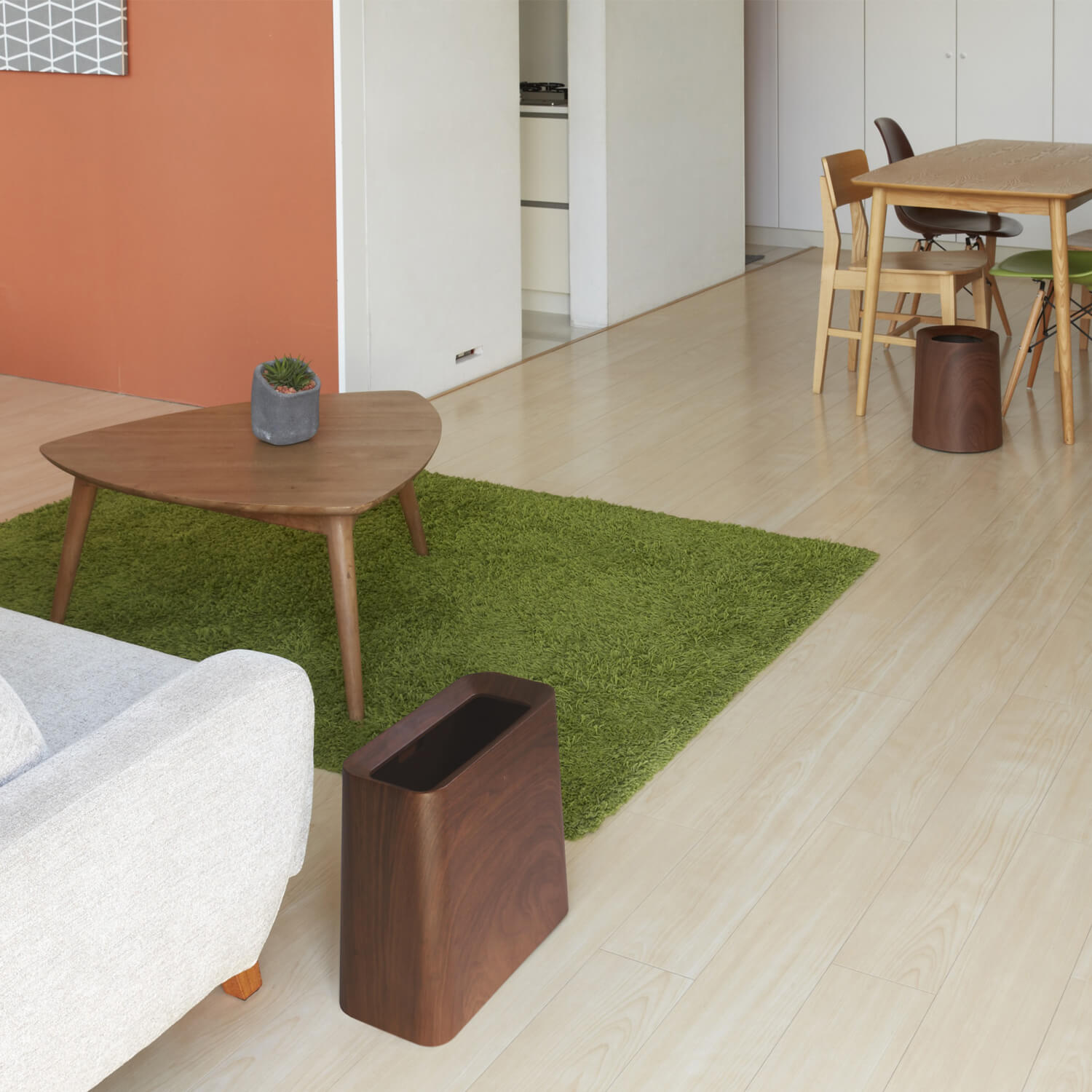
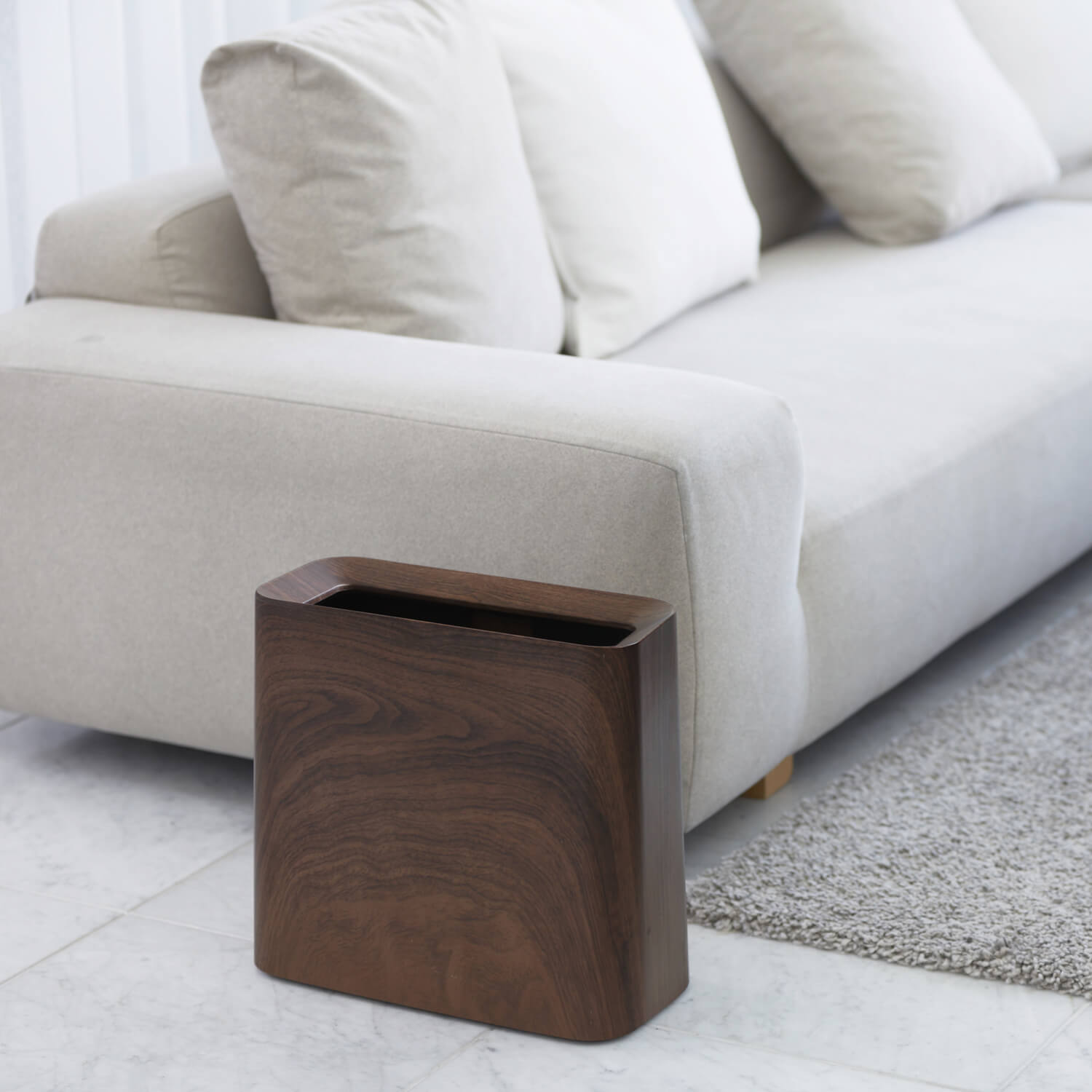
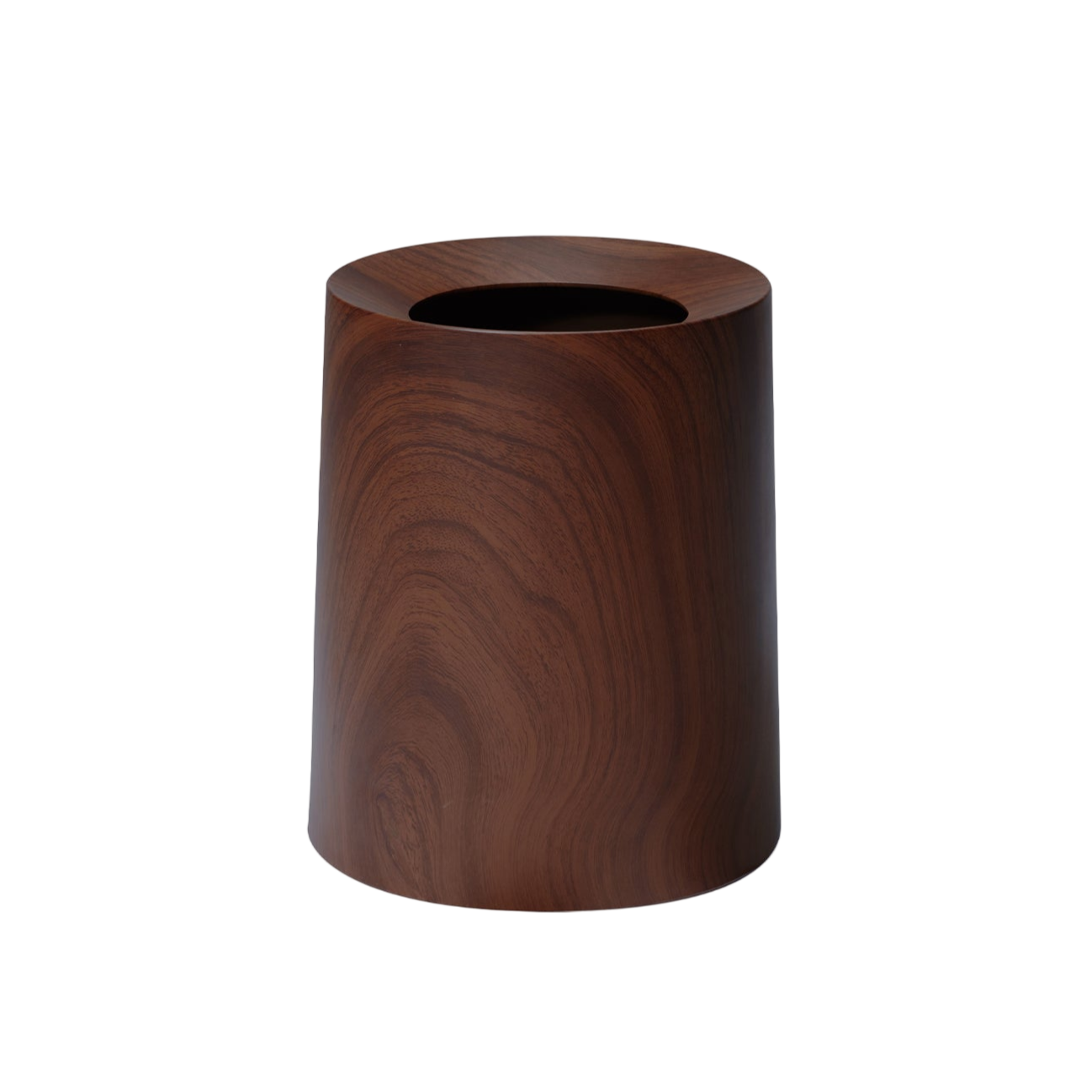
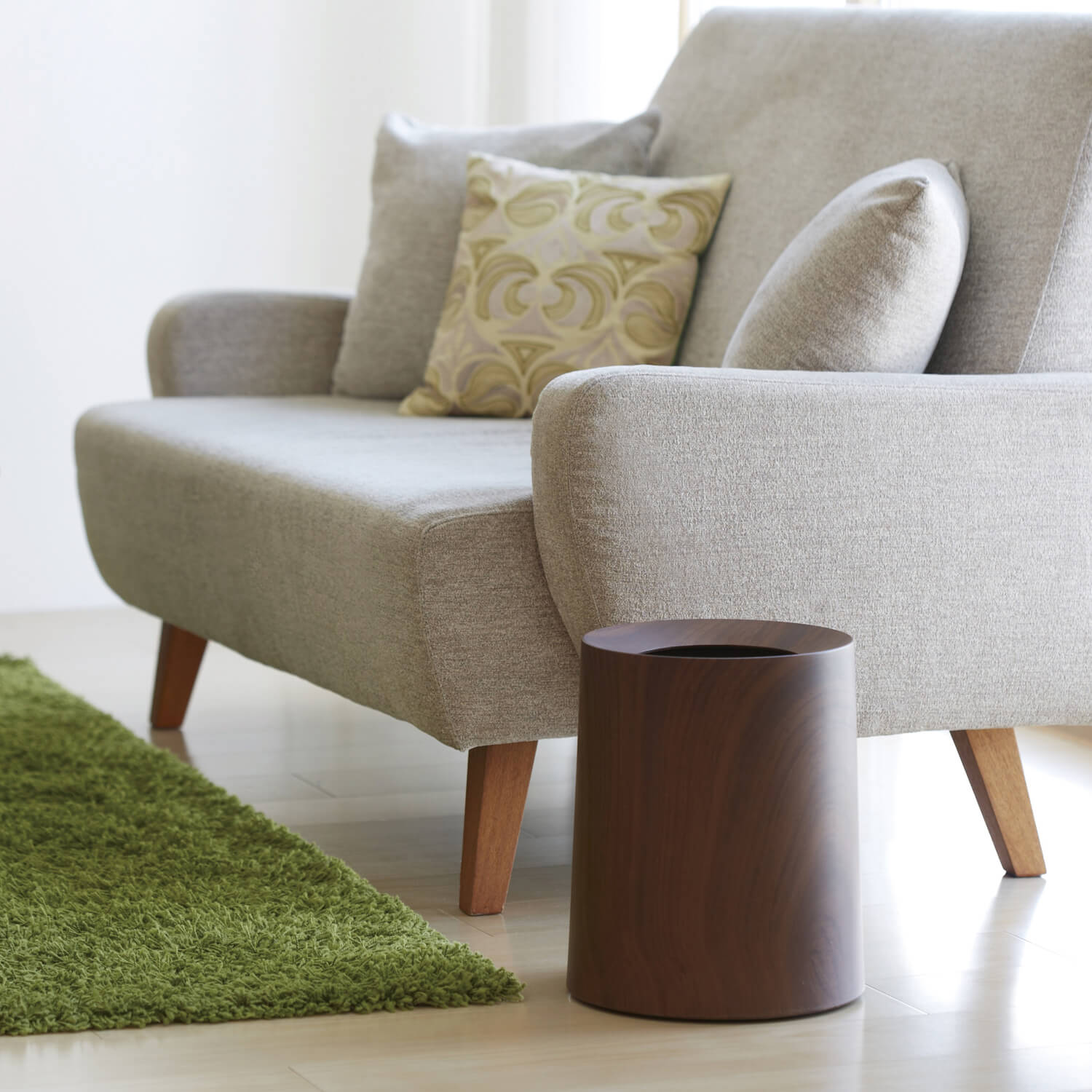
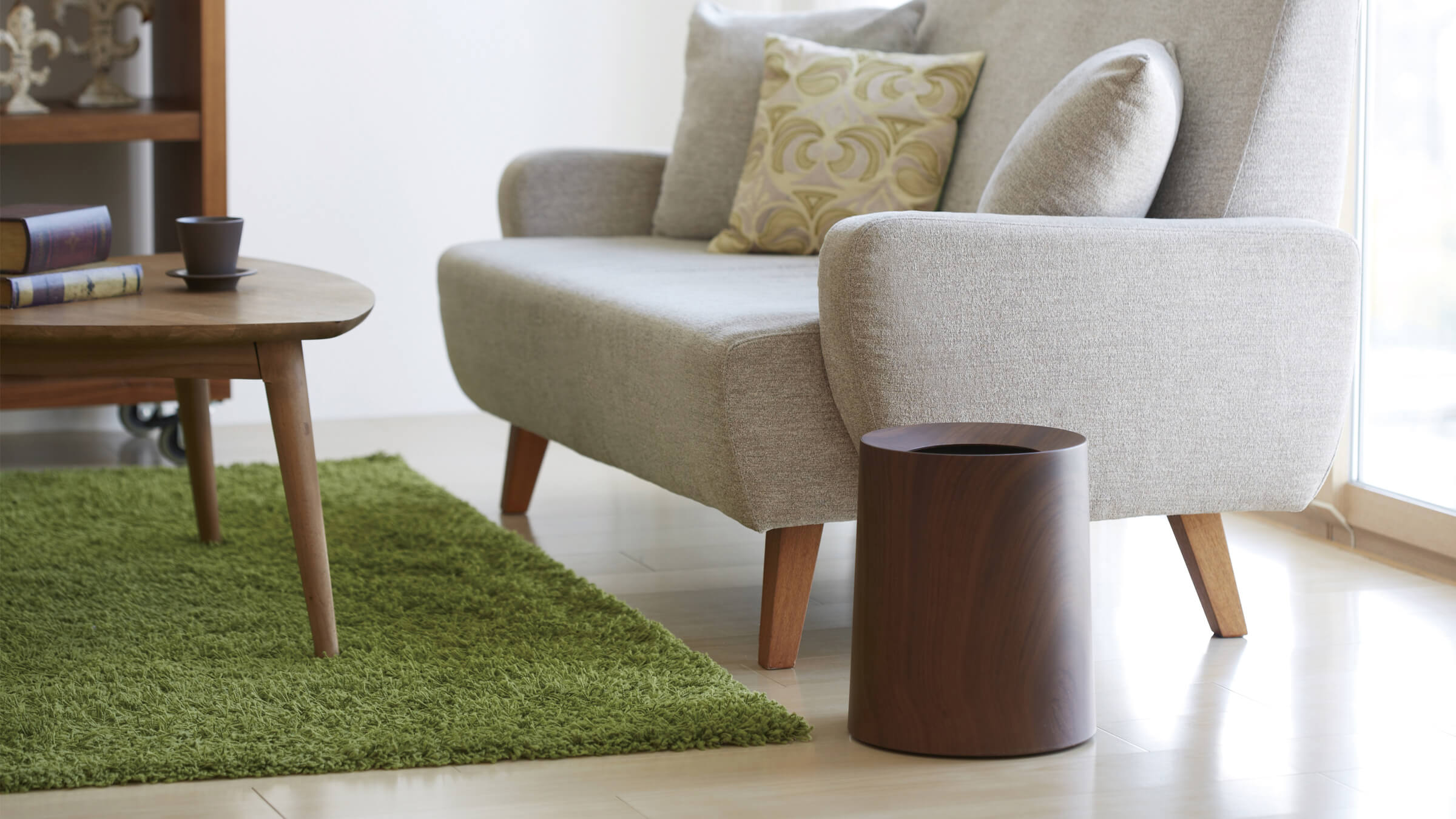
A waste bin is one of the few objects in a room that is always visible and almost never designed for that visibility. A considered bin resolves that contradiction: the liner is concealed by a fitted lid, the silhouette is proportioned to tuck into a corner or beside a sofa without disrupting a composition, and the finish reads as deliberate rather than incidental. The Tubelor Grande is a clear example: matte polypropylene, rounded corners, and a restrained colorway allow the piece to function as interior furniture rather than an overlooked utility. The design earns its place in the open.
Can minimalist Japanese objects work in non-Japanese interior styles?
Yes, and this is one of the strengths of the Osaka design tradition. Objects that resolve their function quietly - concealed liners, matte finishes, compact footprints - do not impose a cultural aesthetic so much as recede into the interior and support it. A tissue holder with a wooden lid or an umbrella stand in a neutral colorway complements Scandinavian, contemporary, and even more maximalist interiors because its language is restraint rather than expression. The key is proportion: pieces scaled to their function integrate naturally across varied palettes and styles.
What materials are common in Japanese minimalist home accessories?
Japanese domestic objects in this tradition tend to favour materials that are honest about what they are: matte-finish polypropylene valued for its quiet surface presence, ceramic for its tactile weight and clean line, and wood or leather as small gestures of warmth within an otherwise restrained palette. Silicone gaskets and fitted lids are treated as functional details worth resolving with the same precision as the object's overall form. The material choice is typically driven by the object's use - a storage canister needs an airtight seal; an umbrella stand needs mass - rather than by surface decoration. If assessing a finish or surface in person matters to your decision, it is worth visiting a showroom and confirming which pieces are currently on display before making the journey. You can check locations and arrange a visit through our showroom network.
How should I choose between different sizes or forms of a minimalist waste bin?
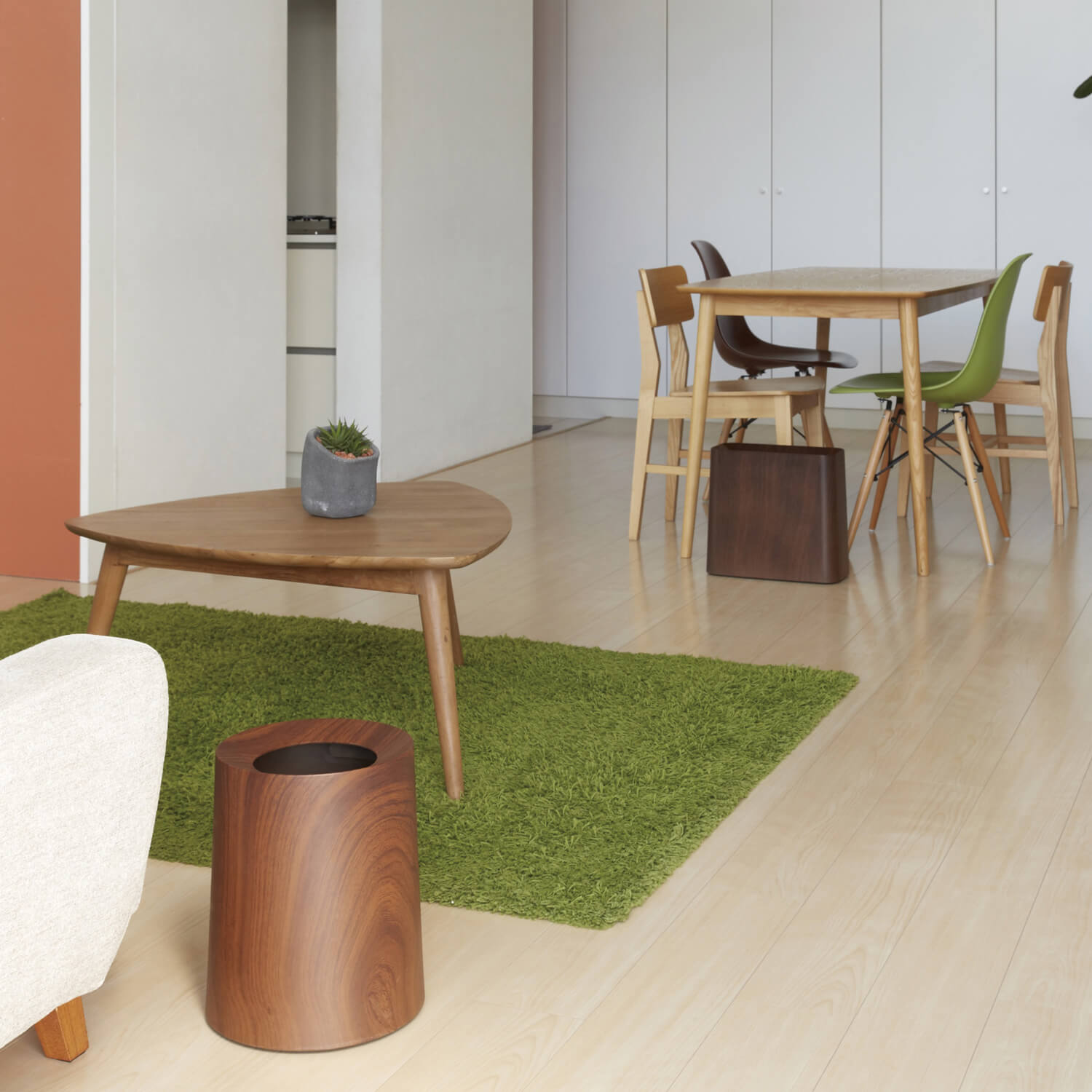
Proportion relative to the space is the primary consideration. A larger rectangular bin with rounded corners works well beside a sofa or under a desk, where its footprint disappears into a corner. A smaller, near-cylindrical form is better suited to a bathroom, beside a bedside table, or in a compact entryway. The Tubelor Homme is a useful reference for the smaller form. In both cases, look for a concealed-liner lid if the bin will sit in an open, visible position. Colorway matters less than you might expect - matte neutrals tend to integrate across a wider range of palettes than stronger tones.
Is it possible to see and handle these objects in person before purchasing?
Assessing the tactile quality of a matte-polypropylene surface, the weight of a ceramic canister, or the precision of a fitted lid is genuinely easier in person than through a screen. Our showrooms carry a selection of objects across design categories, and the display changes over time. We recommend confirming which pieces are currently on show before visiting. You can arrange an in-person consultation through our showroom appointment page to make the most of your time with a design advisor.
What entry objects are a good starting point in Japanese minimalist home design?
Objects closest to daily rituals tend to make the strongest impression. A portable tissue holder or airtight storage canister introduces the aesthetic in a low-commitment way - their scale is small, their placement flexible, and their design language clear. An umbrella stand for the entryway is another practical first choice: it occupies a transitional space, solves an actual problem, and its compact footprint does not reorganise the room around itself. Starting with objects that already have a defined function makes the design choice feel grounded rather than purely decorative. The ideaco brand page gives a broader view of the full range for those ready to explore further.
Valorizza il Tuo Spazio
Dal 1974, siamo all'avanguardia dell'innovazione nel campo del design, rivoluzionando le percezioni del buon design.