Ponte
Made by Living Divani
Designed by Piero Lissoni
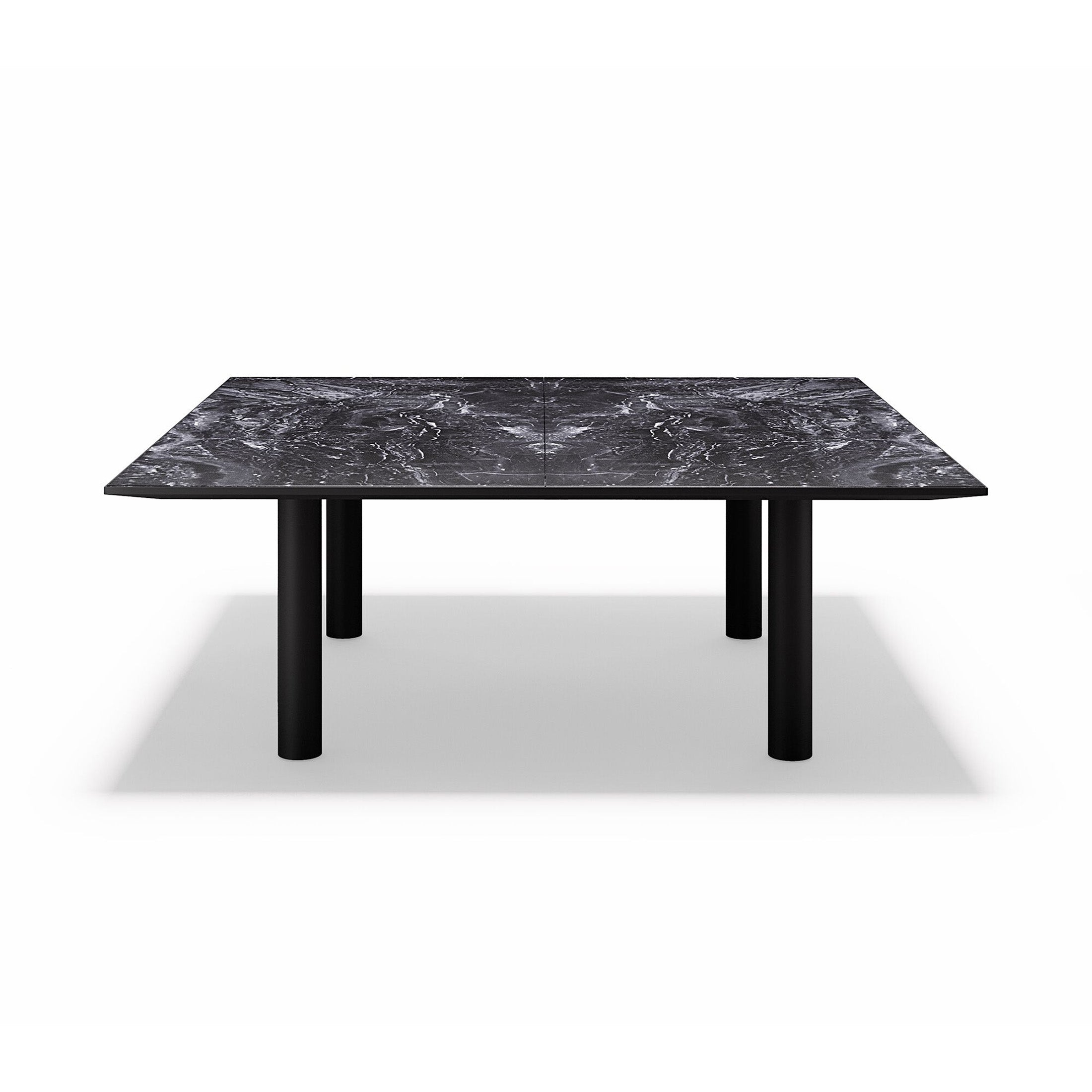
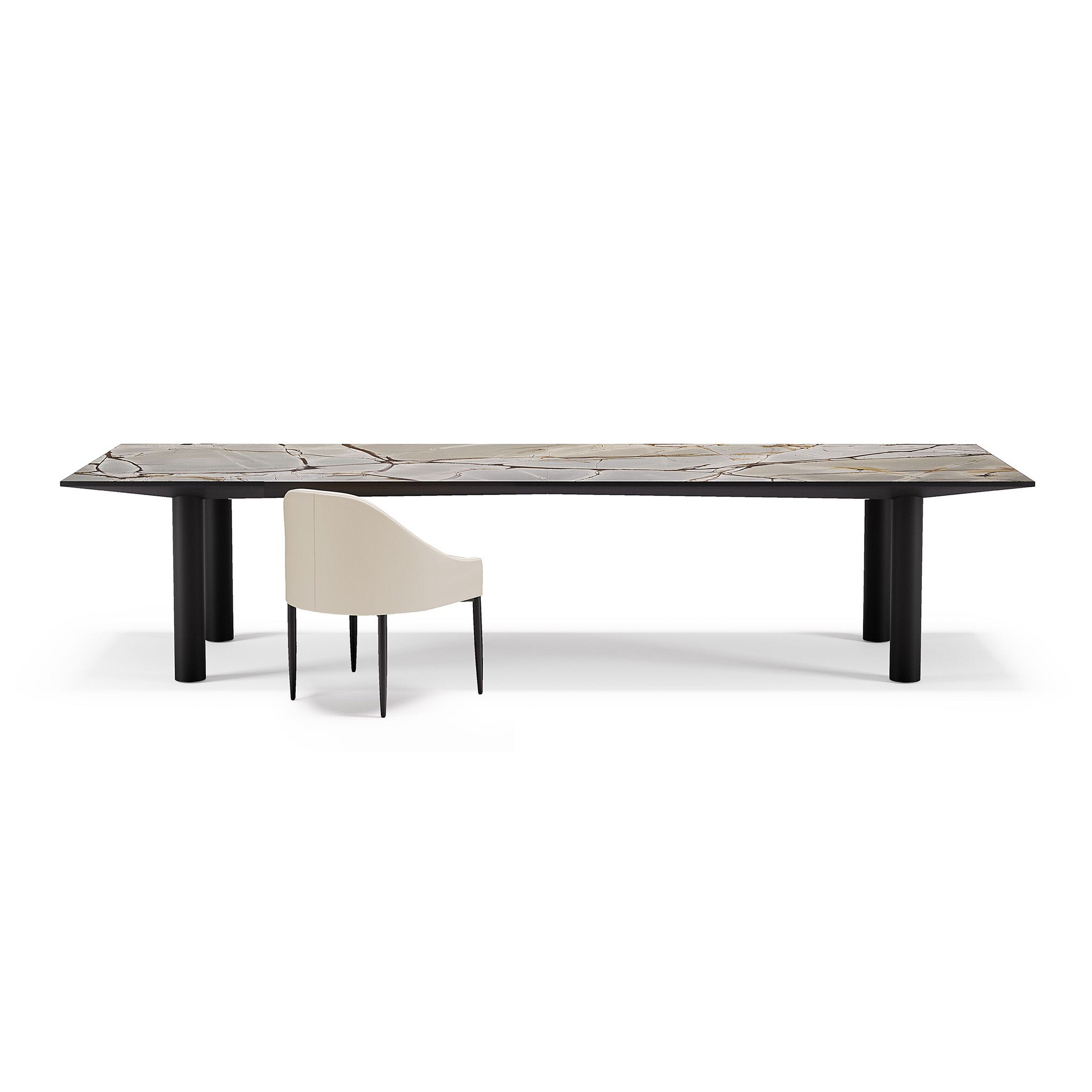
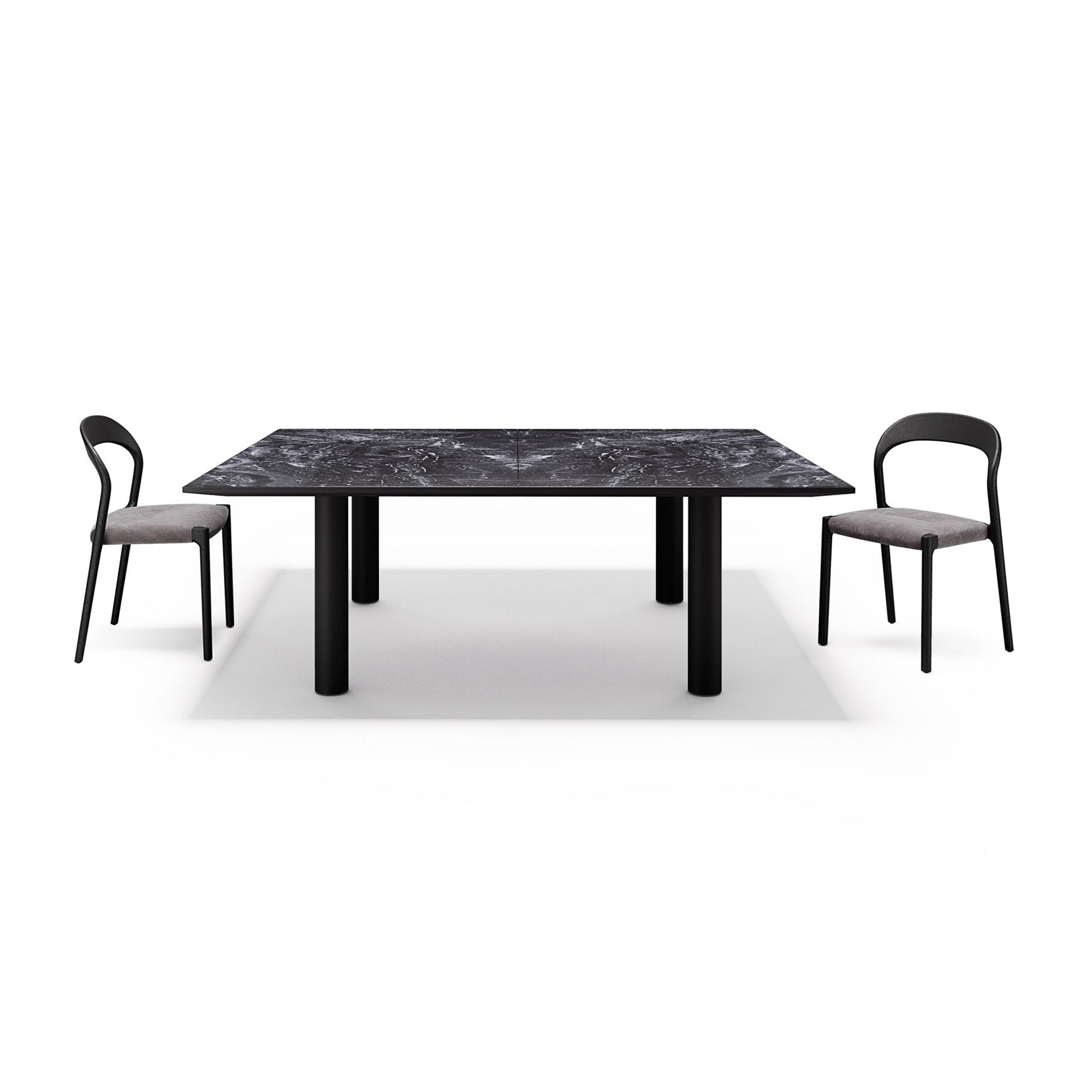
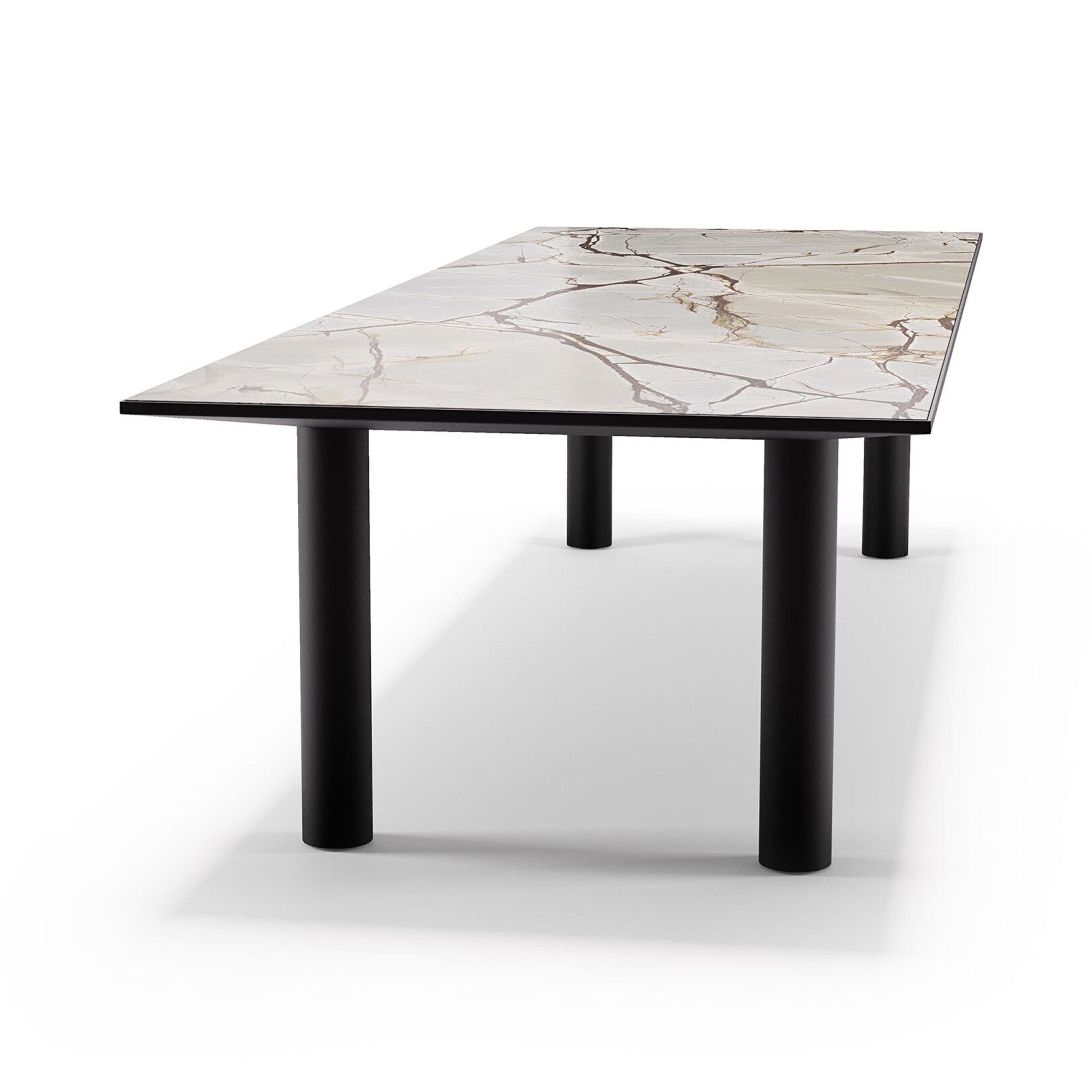
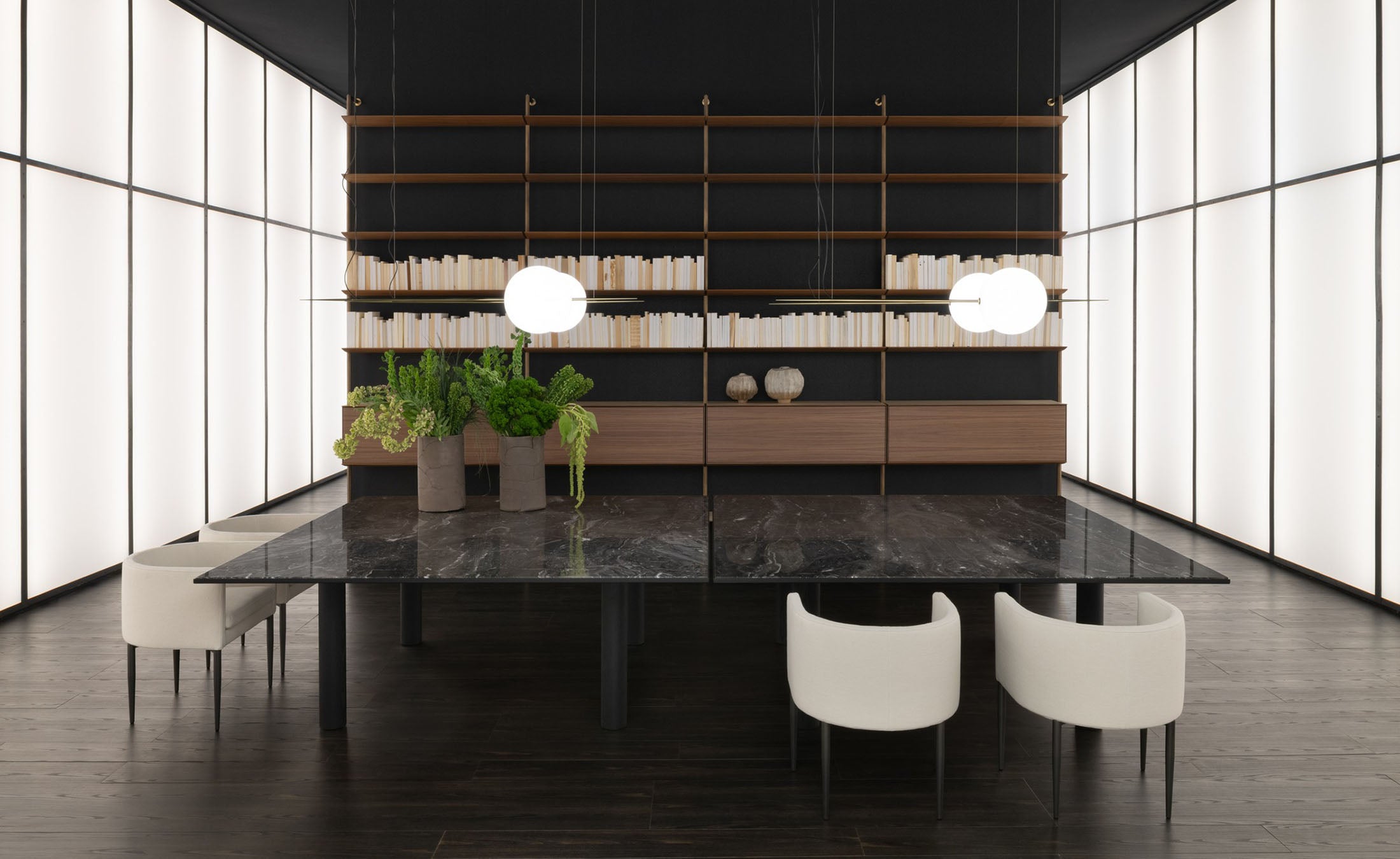
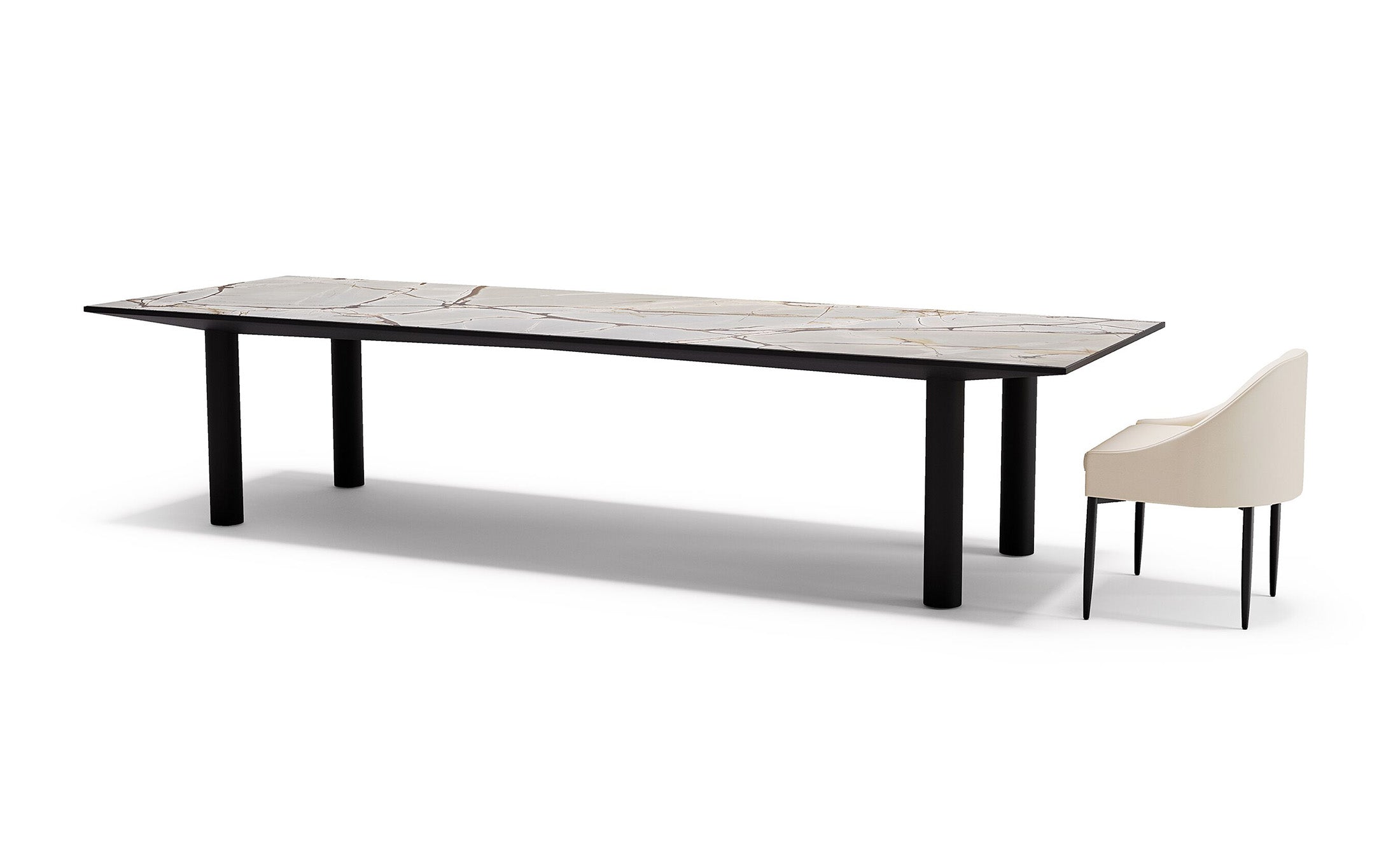
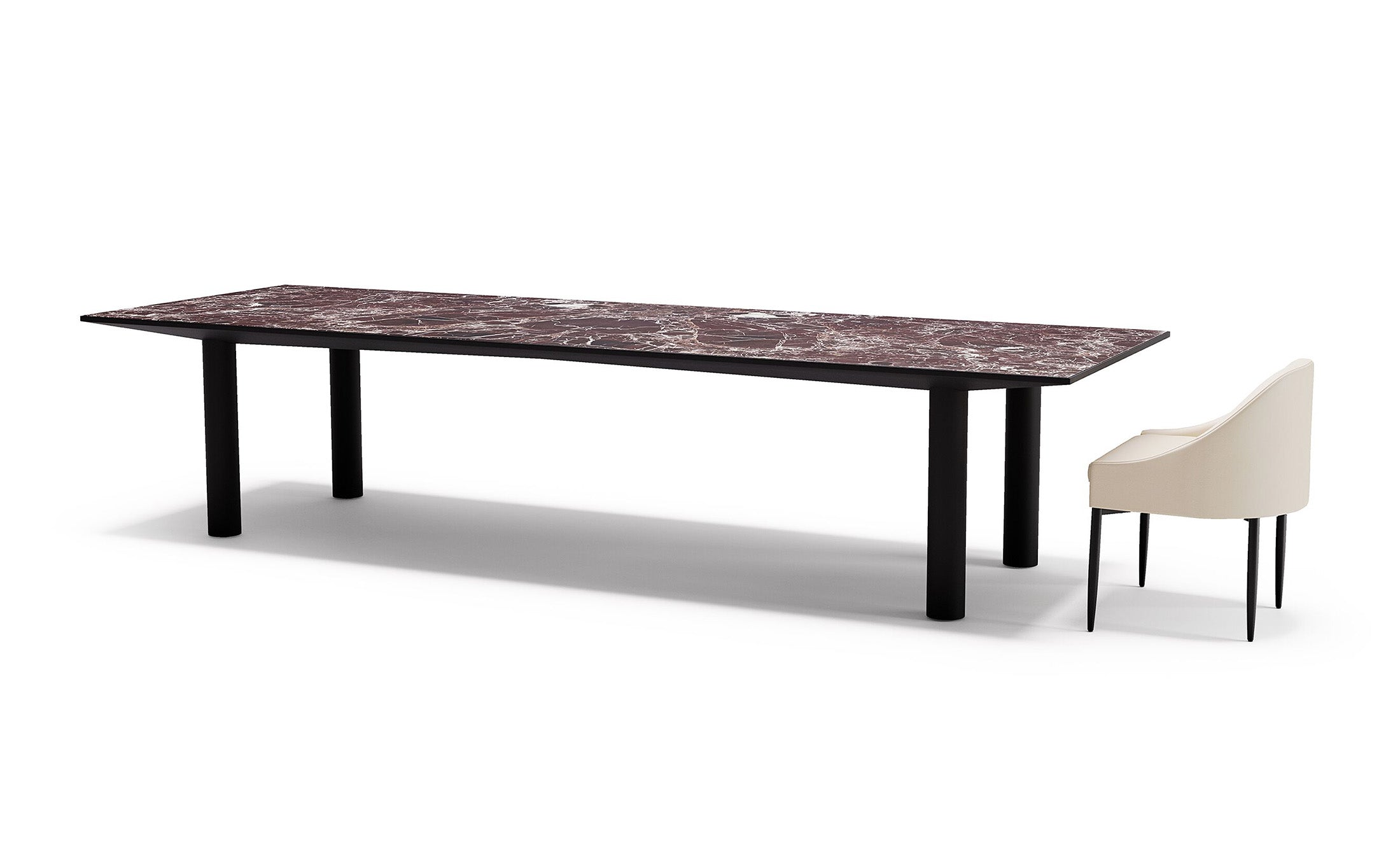
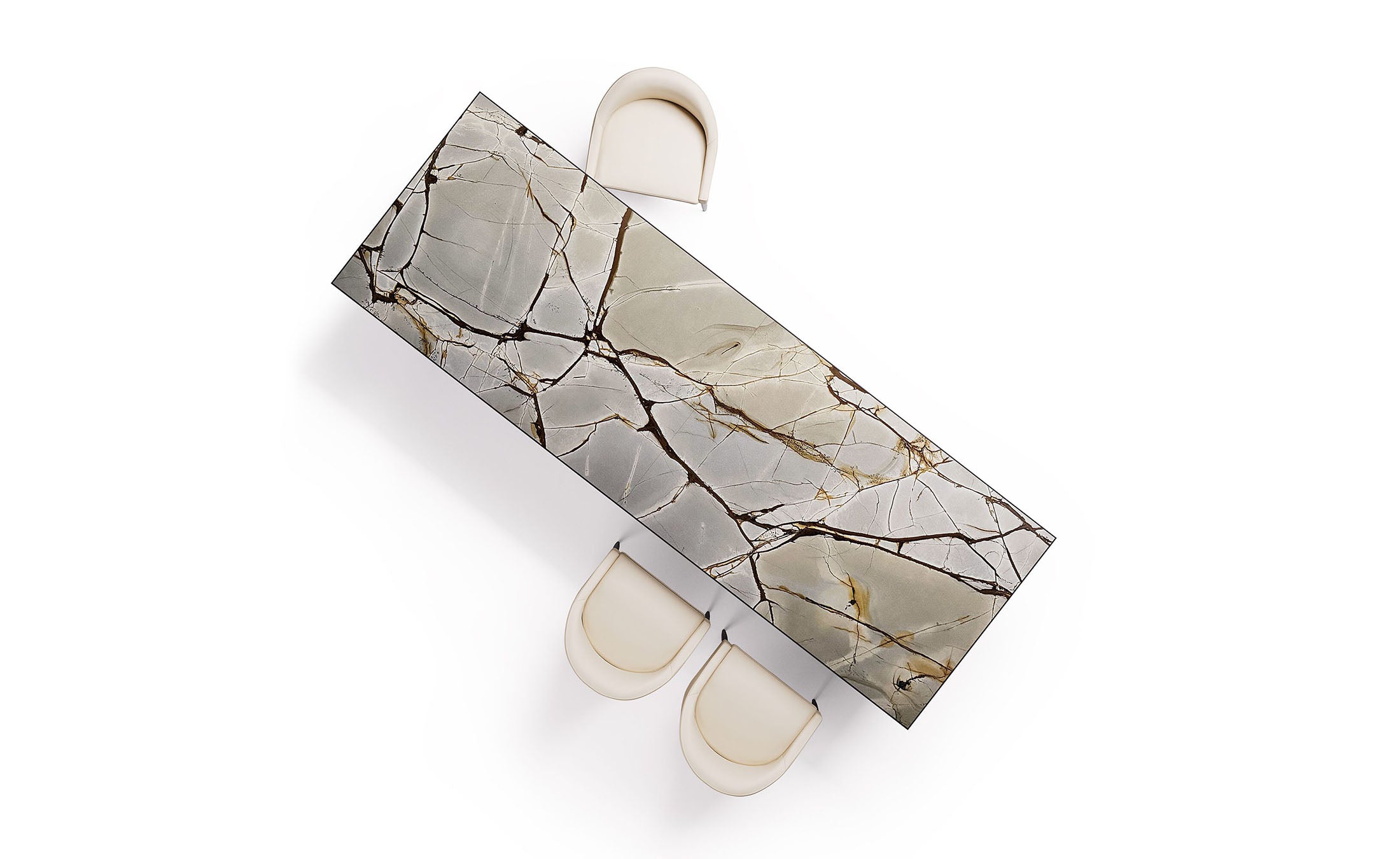
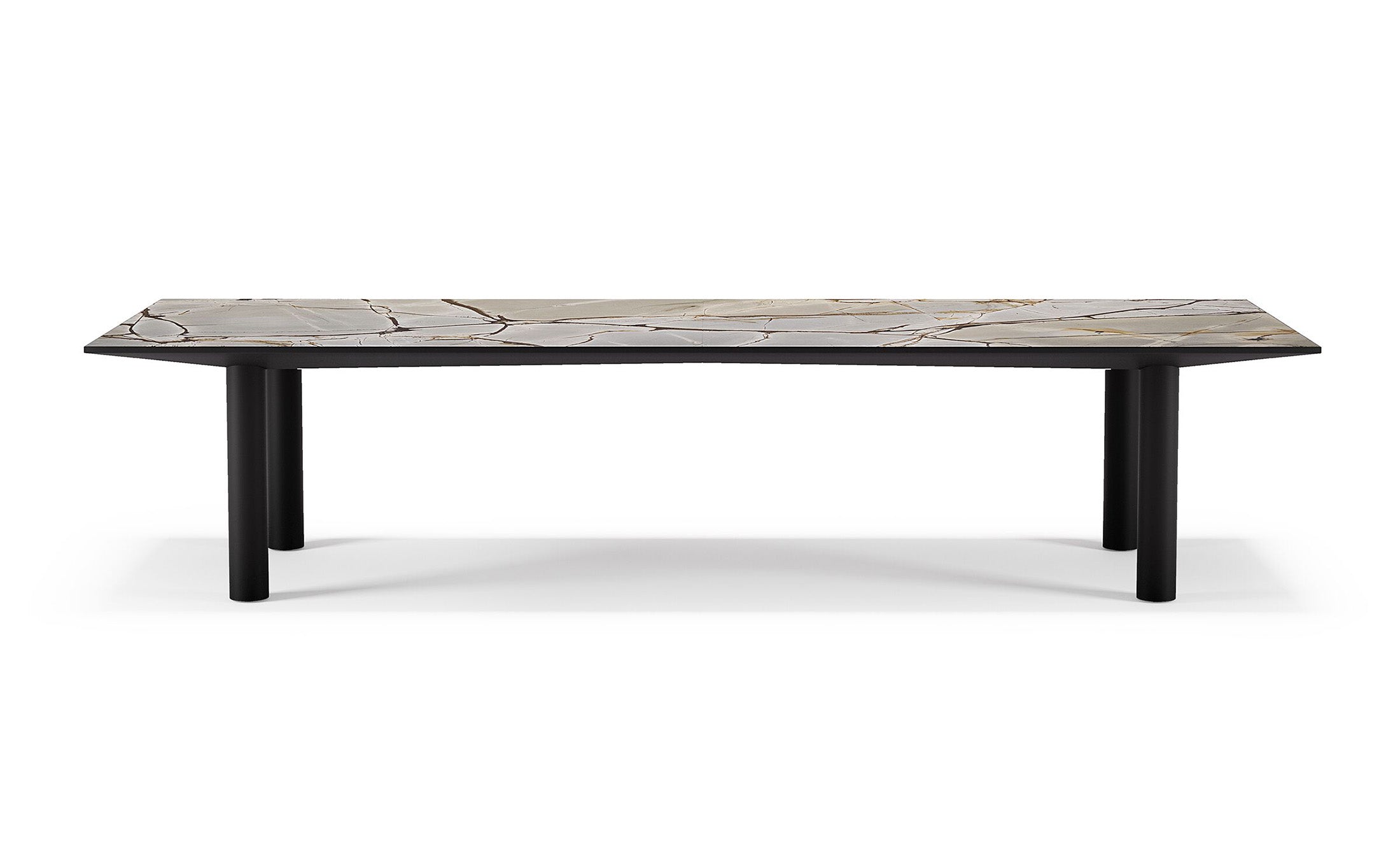
Ponte is Piero Lissoni's first table for Living Divani, and its premise is as direct as the object itself: the table conceived as small architecture. The profile recalls a bridge, its silhouette immediately legible and quietly authoritative.
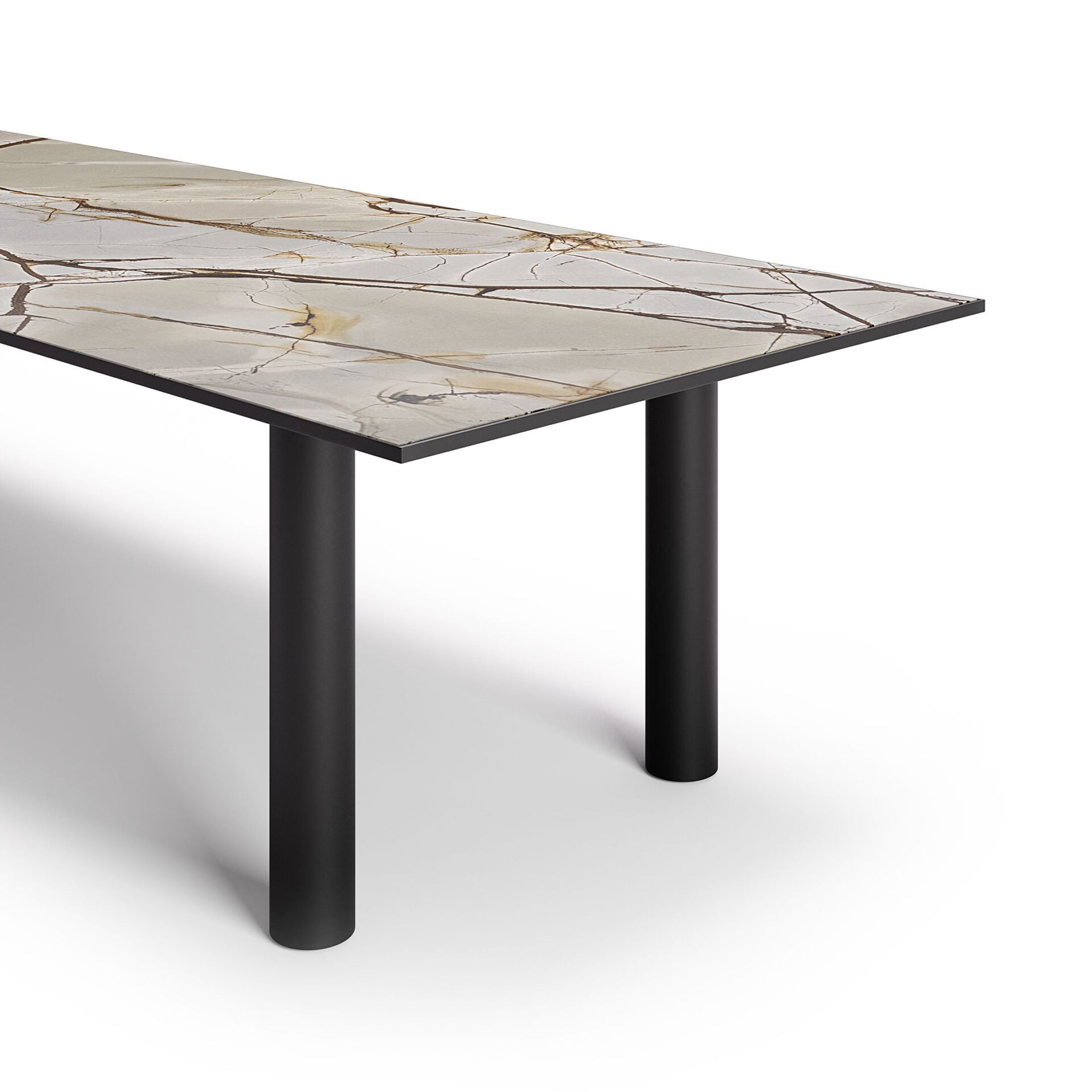
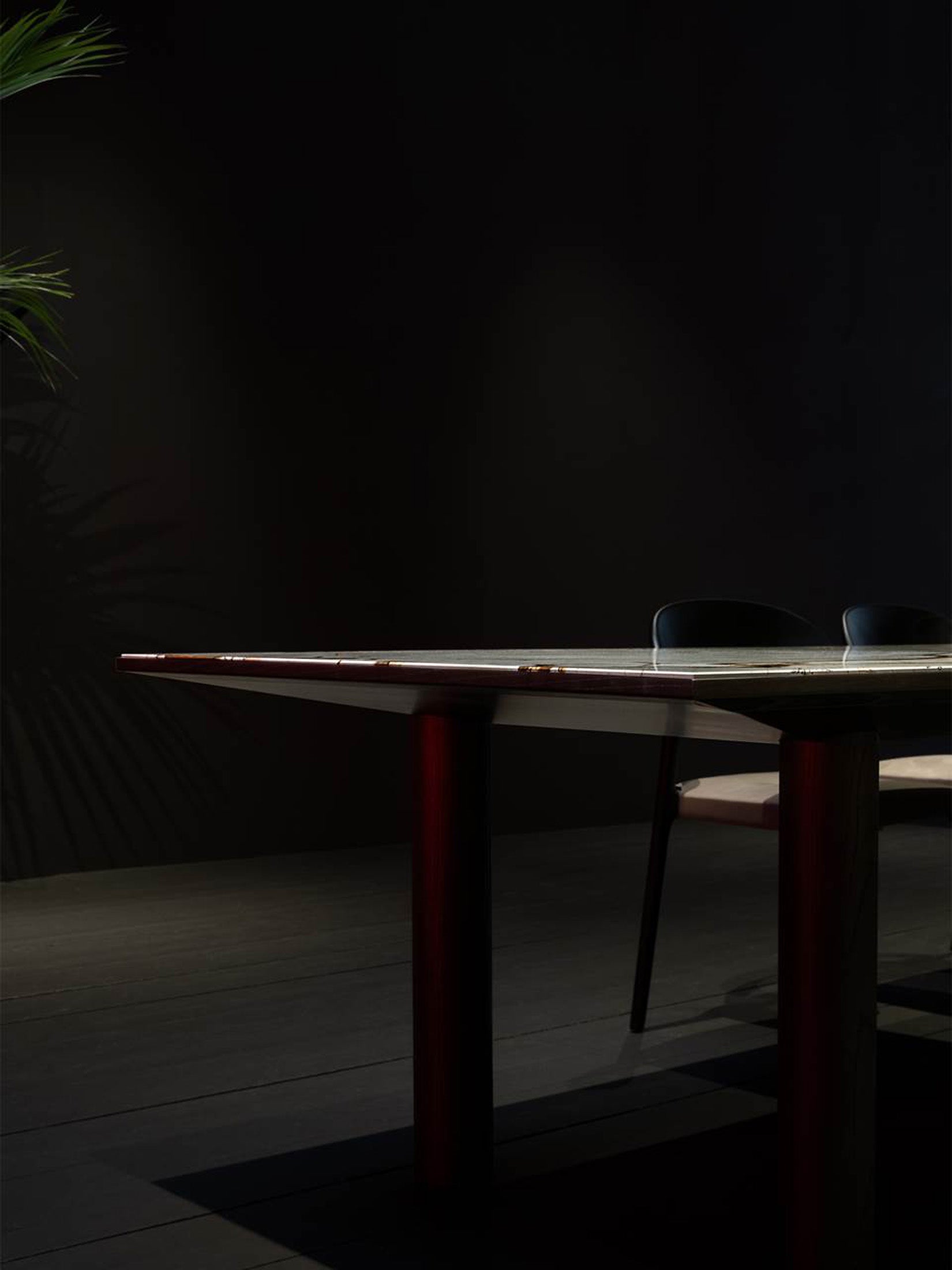
Beneath the top, a slender marble sheet occupies the undertop, adding material weight without visual bulk. The legs do not attach to the structure so much as grow from it, integrated into the top in a constructive gesture that removes every superfluous joint and asserts continuity between part and whole.
Proportions are calibrated to read as rigorous without rigidity. The structure does not enclose the space around it. It crosses that space, allowing volume to pass through and establishing a natural dialogue with the room it inhabits.
Made to order by Living Divani, tailored to you.
Get customization options, swatch samples and pricing for your project.
Pairs Well With
Ponte
Product Details
Tear Sheet
Pricing & Warranty
Pricing for made-to-order items varies based on configuration, finishes, and customization options. Please contact one of our design consultants or visit a showroom near you for current pricing and personalized assistance.
Luminaire is an authorized retailer of Living Divani. The product comes with a full manufacturer warranty.
Authenticity guaranteed. Genuine product, authenticated and sourced directly from the manufacturer.
Frequently Asked Questions
Who designed the Ponte dining table?
Ponte was designed by Piero Lissoni, one of Italy's most disciplined architect-designers, and marks his first table design for Living Divani. Lissoni's practice spans architecture, product design, and art direction, and his work consistently pursues structural clarity over decoration.
What materials is the Ponte table made from?
The Ponte table incorporates a thin marble sheet in the undertop, adding material presence without visual heaviness. The top and integrated legs are available in a range of finishes consistent with Living Divani's restrained material palette.
What makes the Ponte table's leg construction distinctive?
The legs are structurally integrated into the tabletop rather than attached beneath it as separate elements. This constructive approach eliminates visible joints and reads as a single continuous form, much like the structural logic of a bridge.
How does the Ponte table relate to Lissoni's architectural practice?
Lissoni approached Ponte as a piece of small architecture rather than furniture in the conventional sense. The bridge silhouette, the load-bearing integration of vertical and horizontal elements, and the calibrated proportions all reflect principles drawn directly from structural design.
Is the Ponte table suited for open-plan or large rooms?
The Ponte table's open structure allows volume to pass through rather than enclosing space, which makes it particularly well suited to open-plan environments where visual continuity across the room is a priority. Its silhouette remains present without becoming dominant.