

Albero
Made by Poltrona Frau
Designed by Gianfranco Frattini
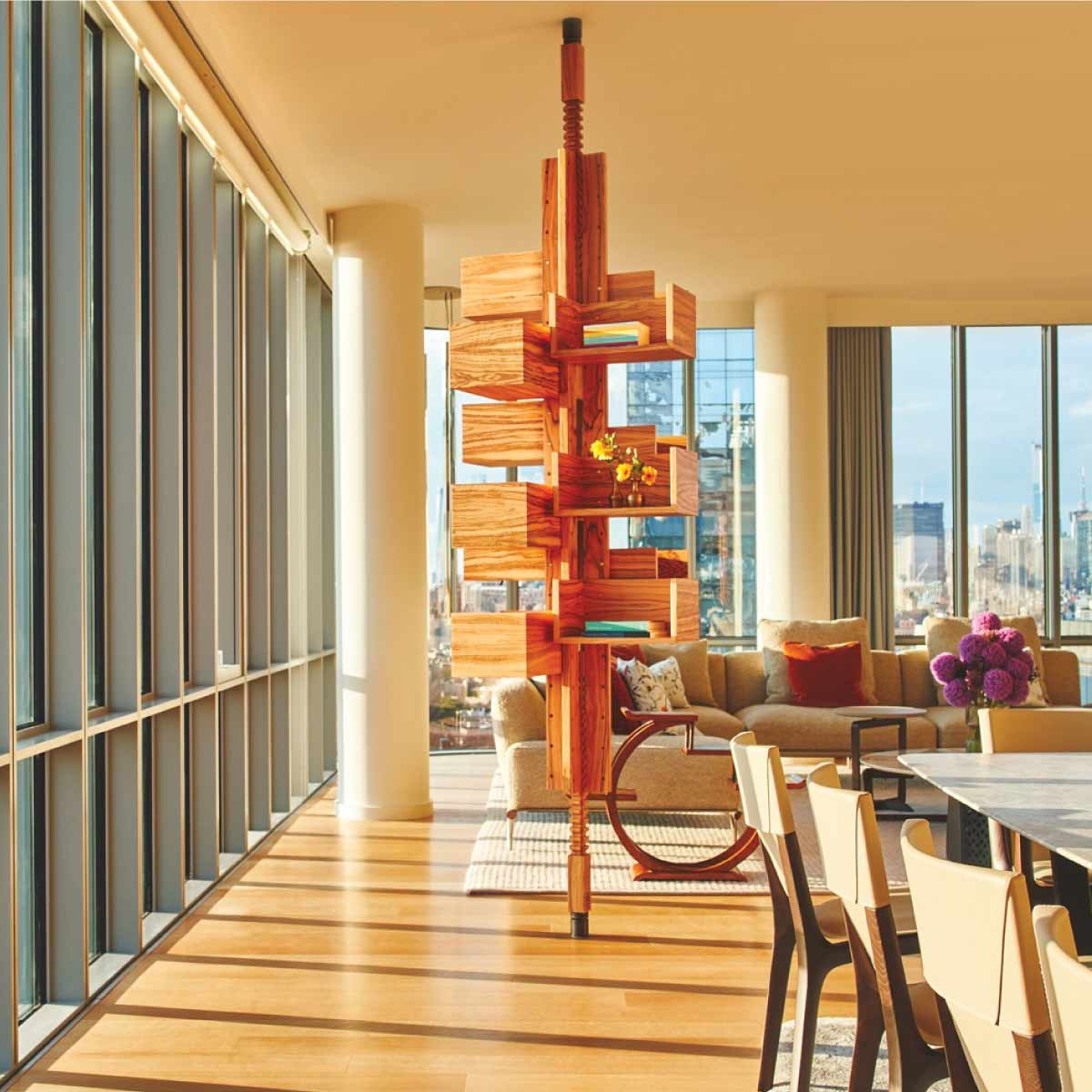
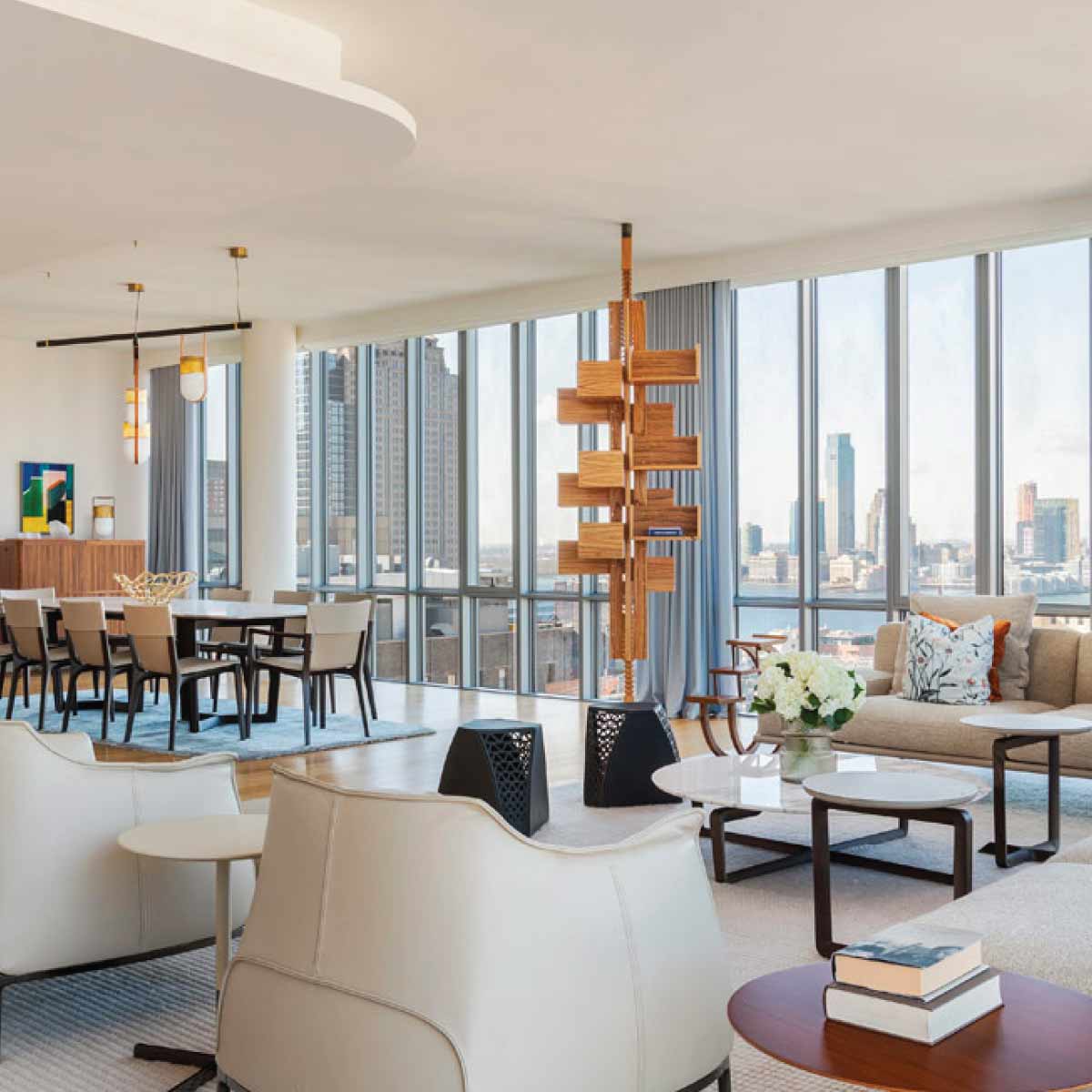
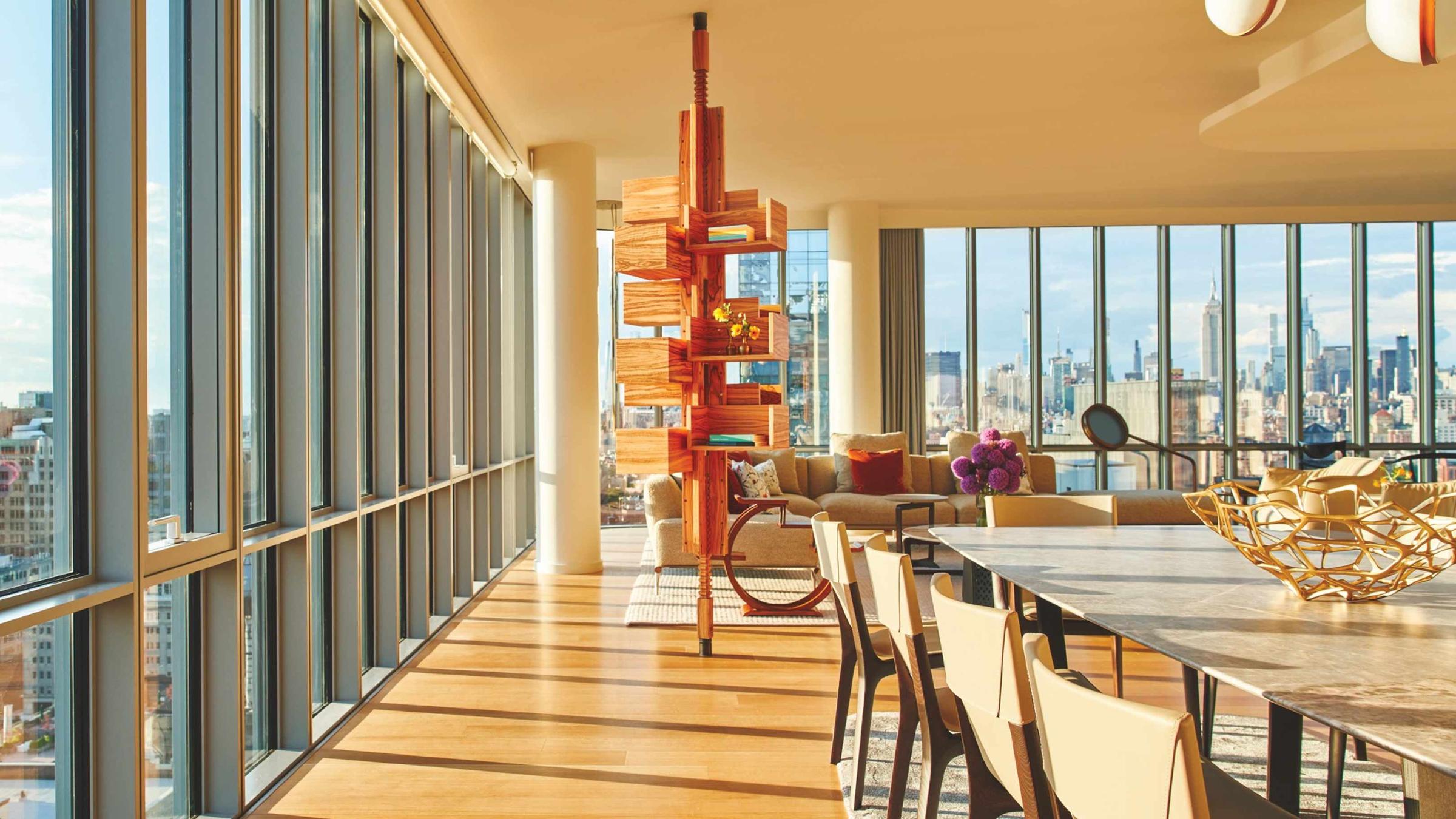
Gianfranco Frattini conceived the Albero in the late 1950s not as furniture but as architecture within a room. Its name, Italian for "tree," is fitting: the piece rises from floor to ceiling with the quiet authority of something that grew there, defining space without enclosing it.
The supporting structure is solid Canaletto walnut, a wood prized for its grain depth and dimensional stability. Toothed uprights carry twelve adjustable shelves, each repositionable to accommodate objects of varying scale. A 360-degree rotating system makes the piece fully accessible from every angle, dissolving the conventional wall-bound logic of storage.
- Solid Canaletto walnut structure
- Twelve adjustable shelves on toothed uprights
- Full 360-degree rotation
- Burnished steel fixing elements
- Floor-to-ceiling freestanding form
Burnished steel fixing elements contrast the warmth of walnut with something more precise, grounding the composition in material dialogue. The Albero remains one of Frattini's most enduring works, a piece that belongs equally to the history of Italian design and to the life of any room it inhabits.
Made to order by Poltrona Frau, tailored to you.
Get customization options, swatch samples and pricing for your project.
Pairs Well With
Product Details
Tear Sheet
Pricing & Warranty
Pricing for made-to-order items varies based on configuration, finishes, and customization options. Please contact one of our design consultants or visit a showroom near you for current pricing and personalized assistance.
Luminaire is an authorized retailer of Poltrona Frau. The product comes with a full manufacturer warranty.
Authenticity guaranteed. Genuine product, authenticated and sourced directly from the manufacturer.
Frequently Asked Questions
Who designed the Poltrona Frau Albero bookcase?
Albero was designed by Gianfranco Frattini, a Milanese architect and designer whose work spanned furniture, lighting, and interiors from the 1950s onward. Frattini was closely associated with the Neo-Liberty movement and collaborated with several of Italy's most significant postwar manufacturers.
Is the Albero freestanding or does it attach to the wall?
Albero is a floor-to-ceiling freestanding system designed to be placed centrally in a room rather than against a wall. Its 360-degree rotating mechanism is fundamental to this concept, allowing access and display from every side.
What wood is used in the Albero's structure?
The supporting structure is crafted from solid Canaletto walnut, a species of American black walnut historically favored in Italian furniture for its fine, consistent grain and warm, durable character.
Can the Albero shelves be adjusted or reconfigured?
Yes. The toothed uprights allow all twelve shelves to be repositioned at varying heights, accommodating different objects, books, or display arrangements as needs change over time.
What is the Neo-Liberty movement in Italian design?
Neo-Liberty was a current within Italian architecture and design of the late 1950s that drew on the decorative sensibility of early twentieth-century Liberty (Art Nouveau) while engaging with modernist construction. It was a reaction against the austerity of strict rationalism, favoring expressive form and craft detail, and several of its key figures, including Frattini, produced work that has proven remarkably durable.