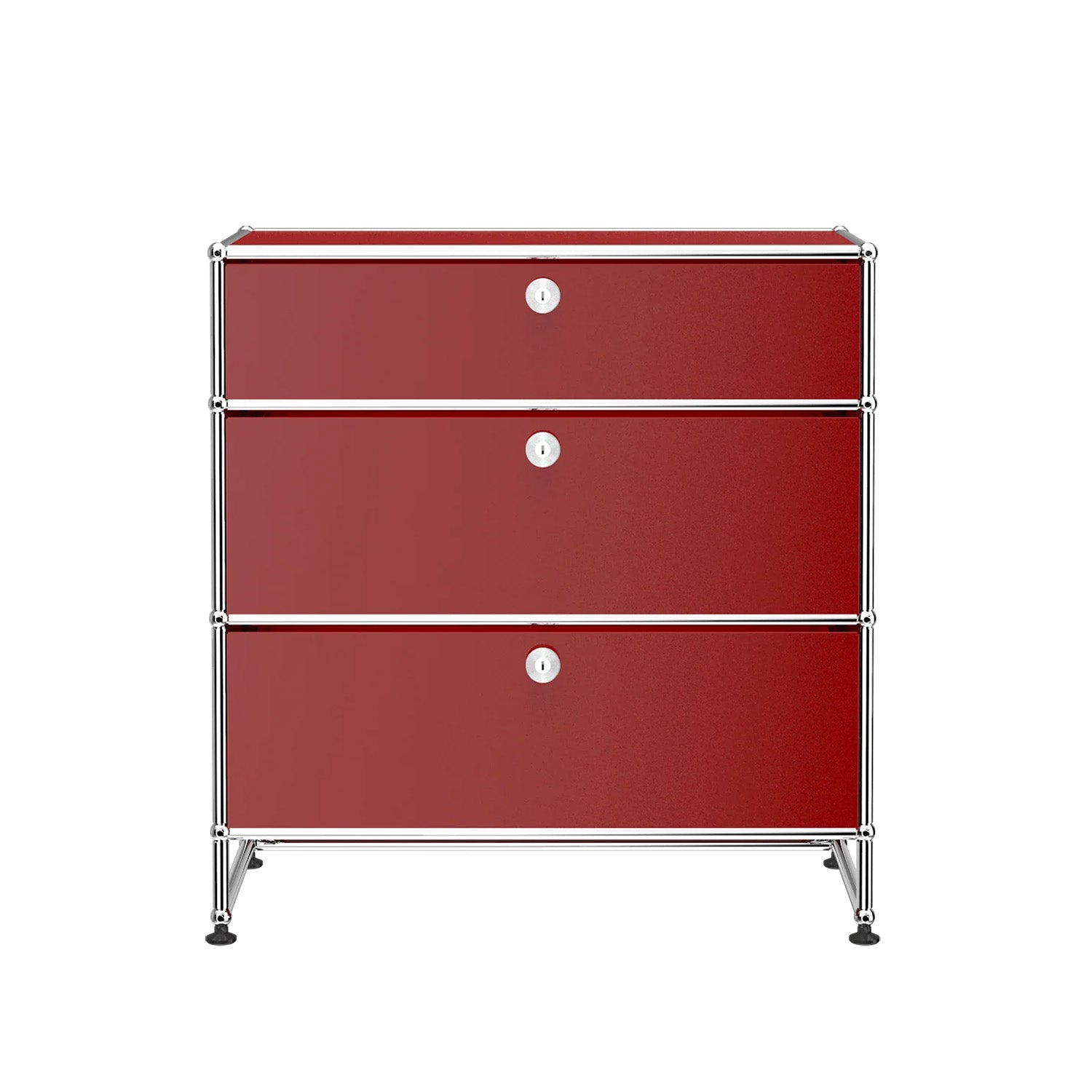
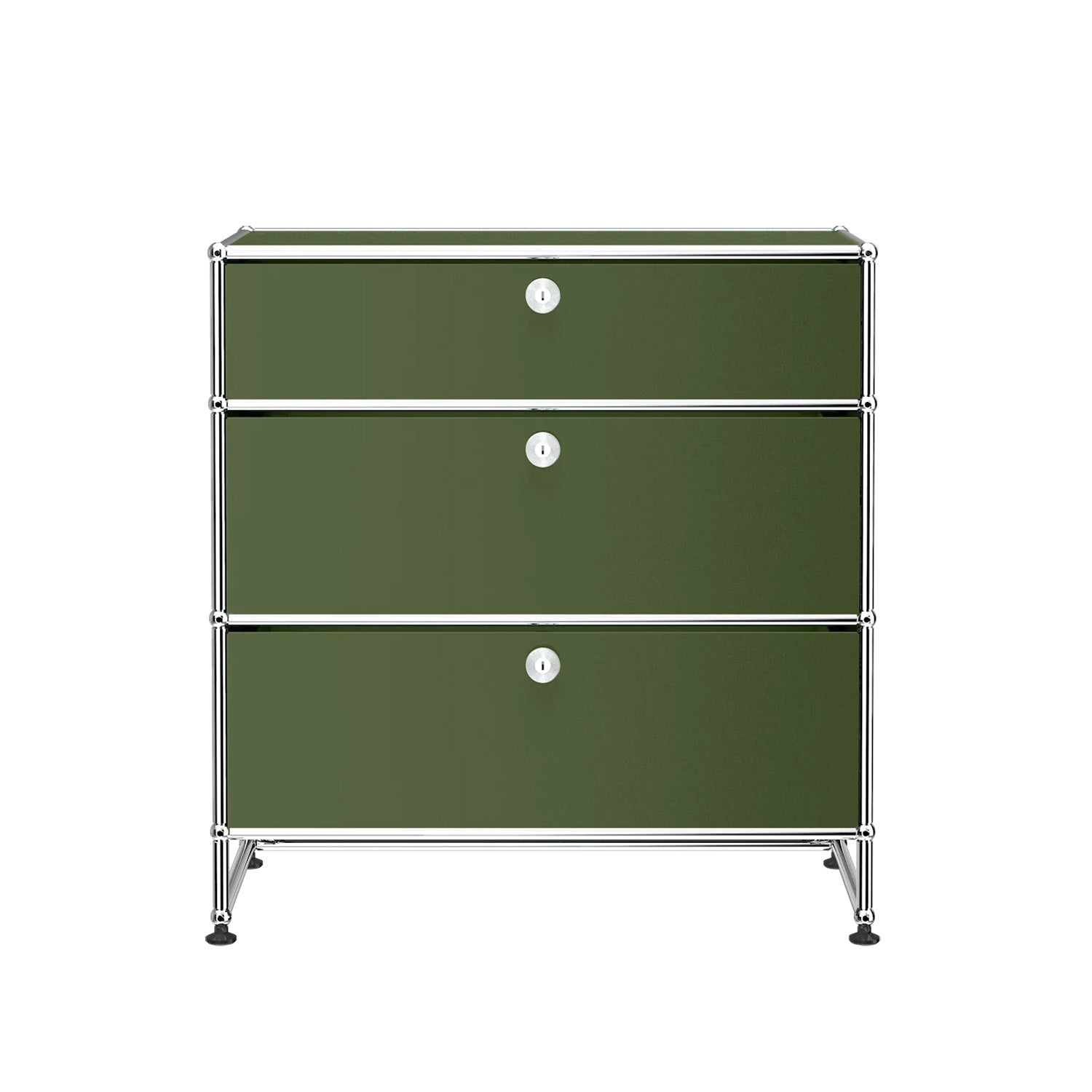
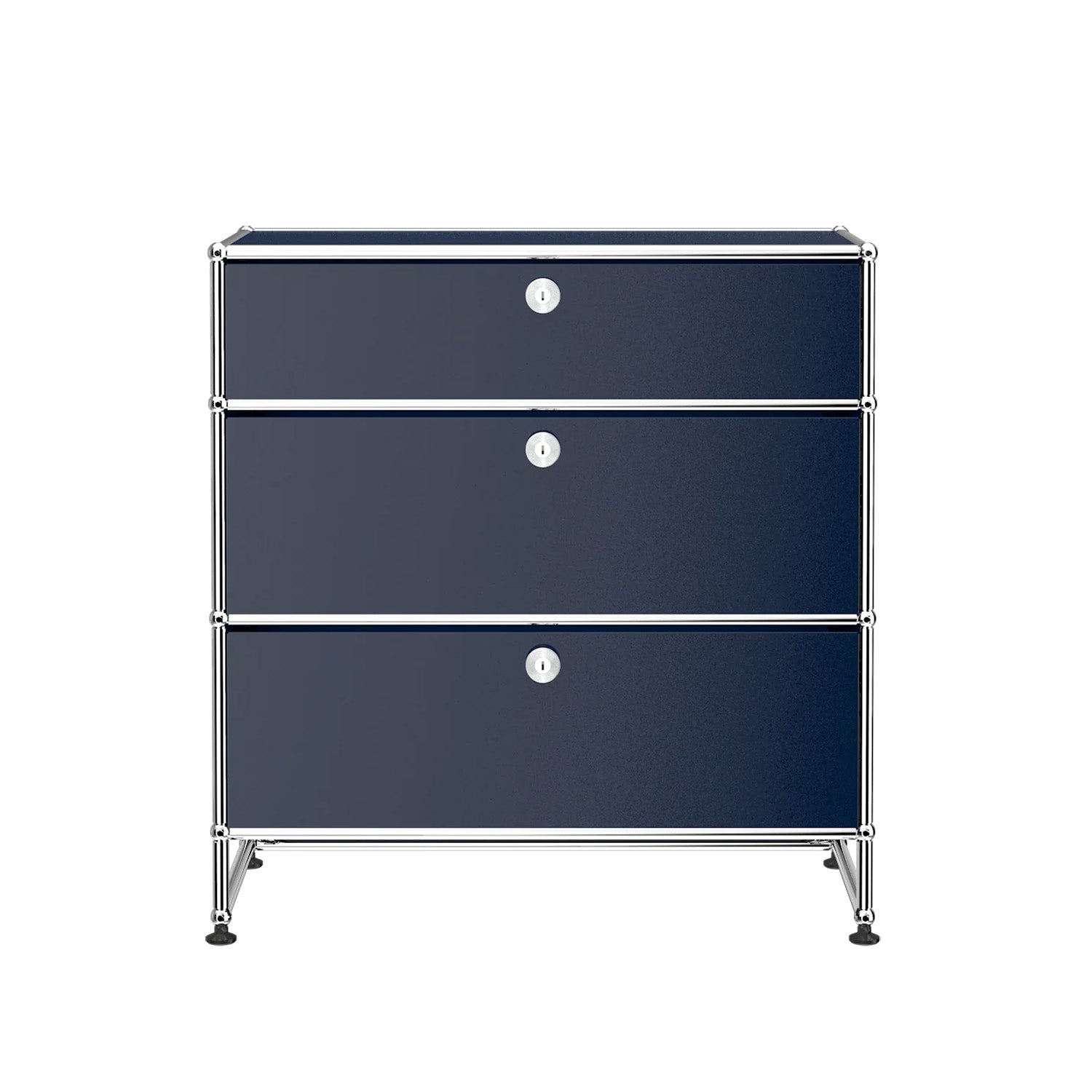
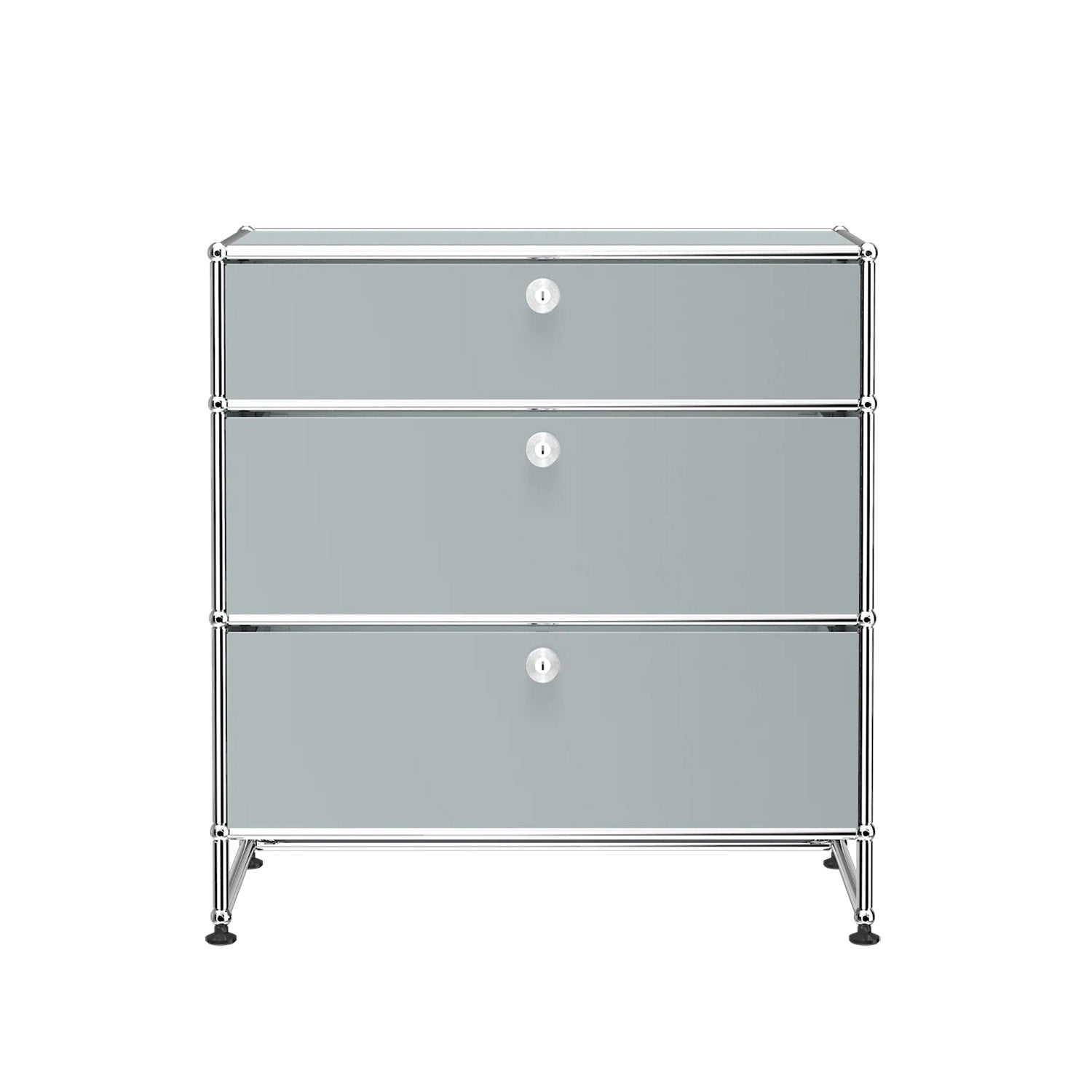
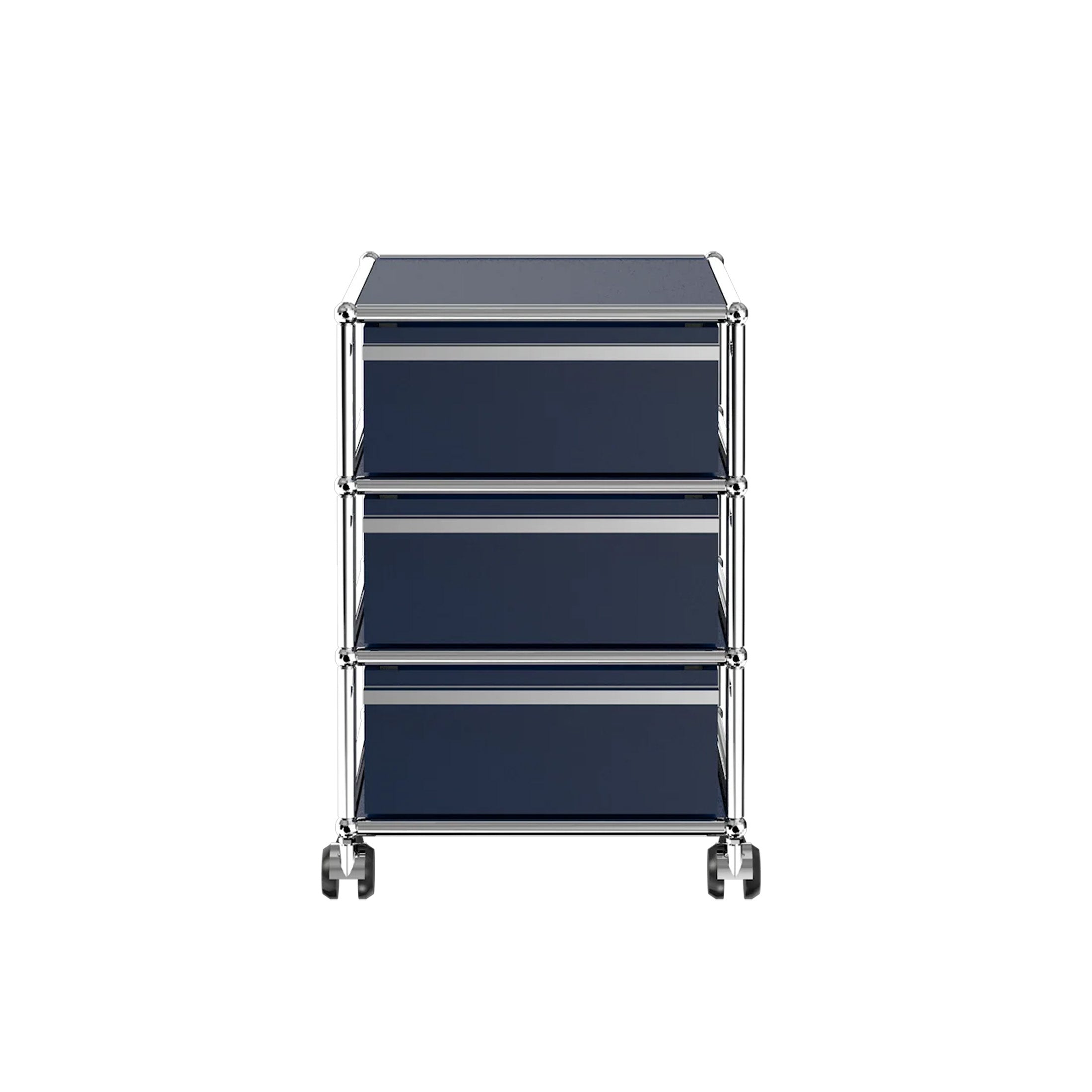
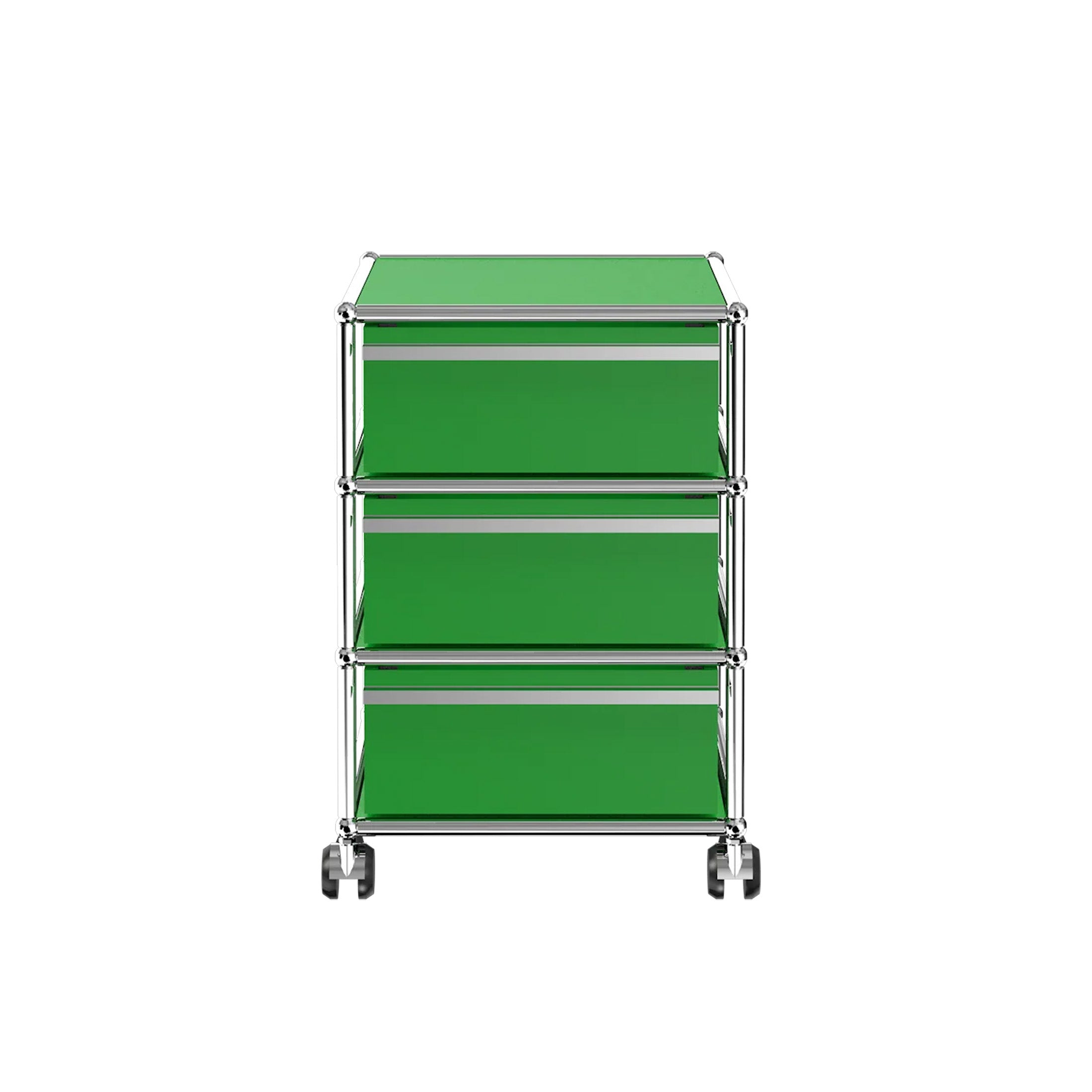
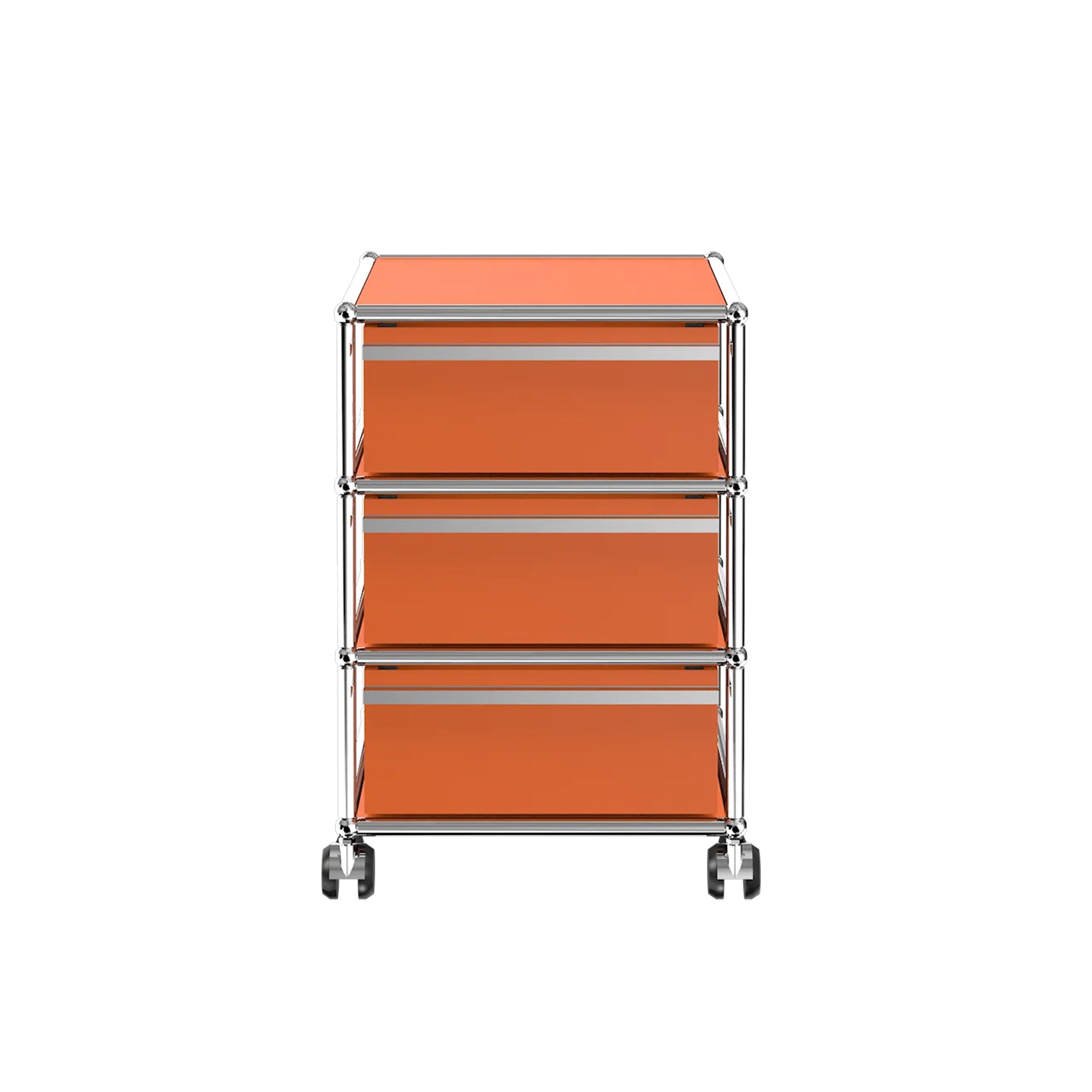
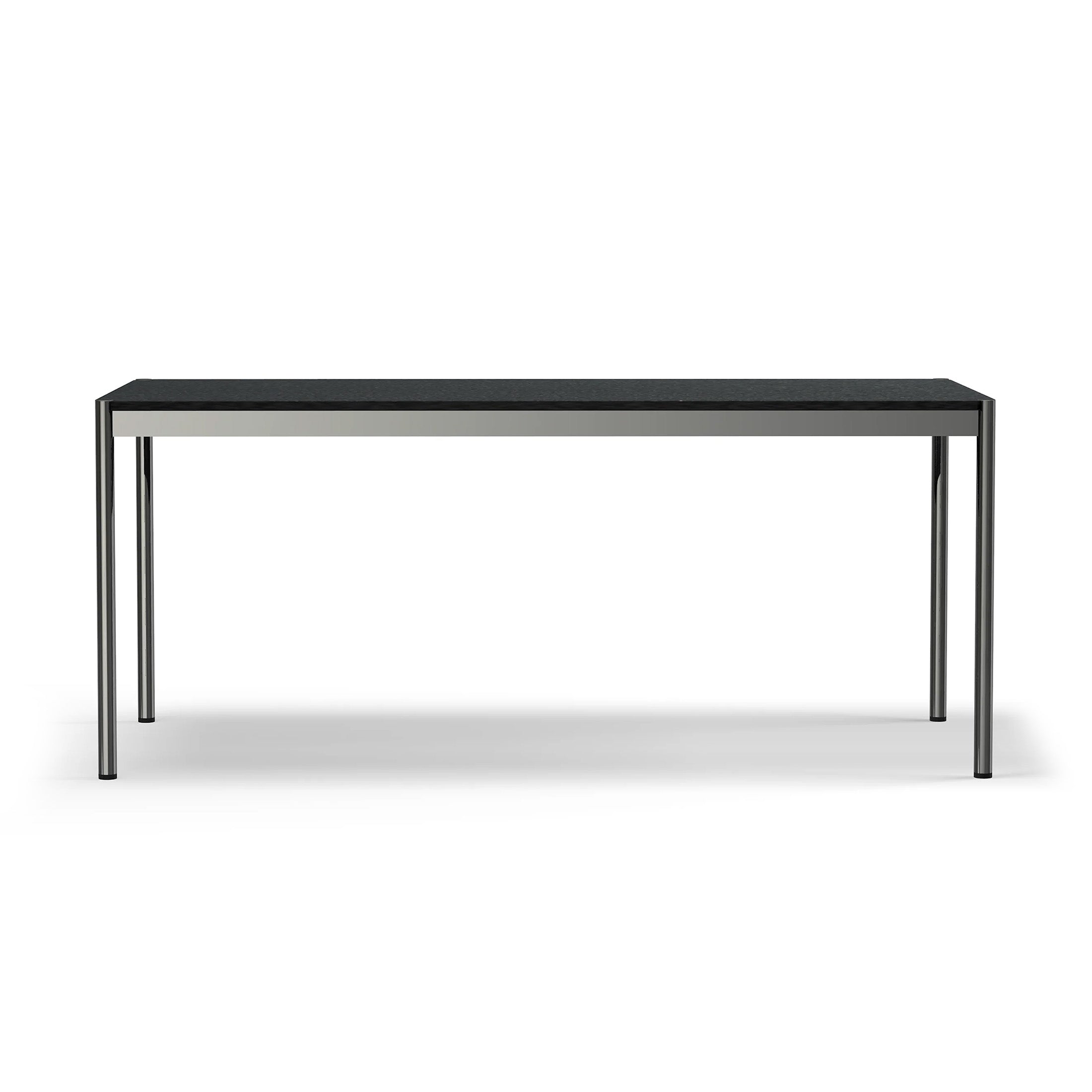
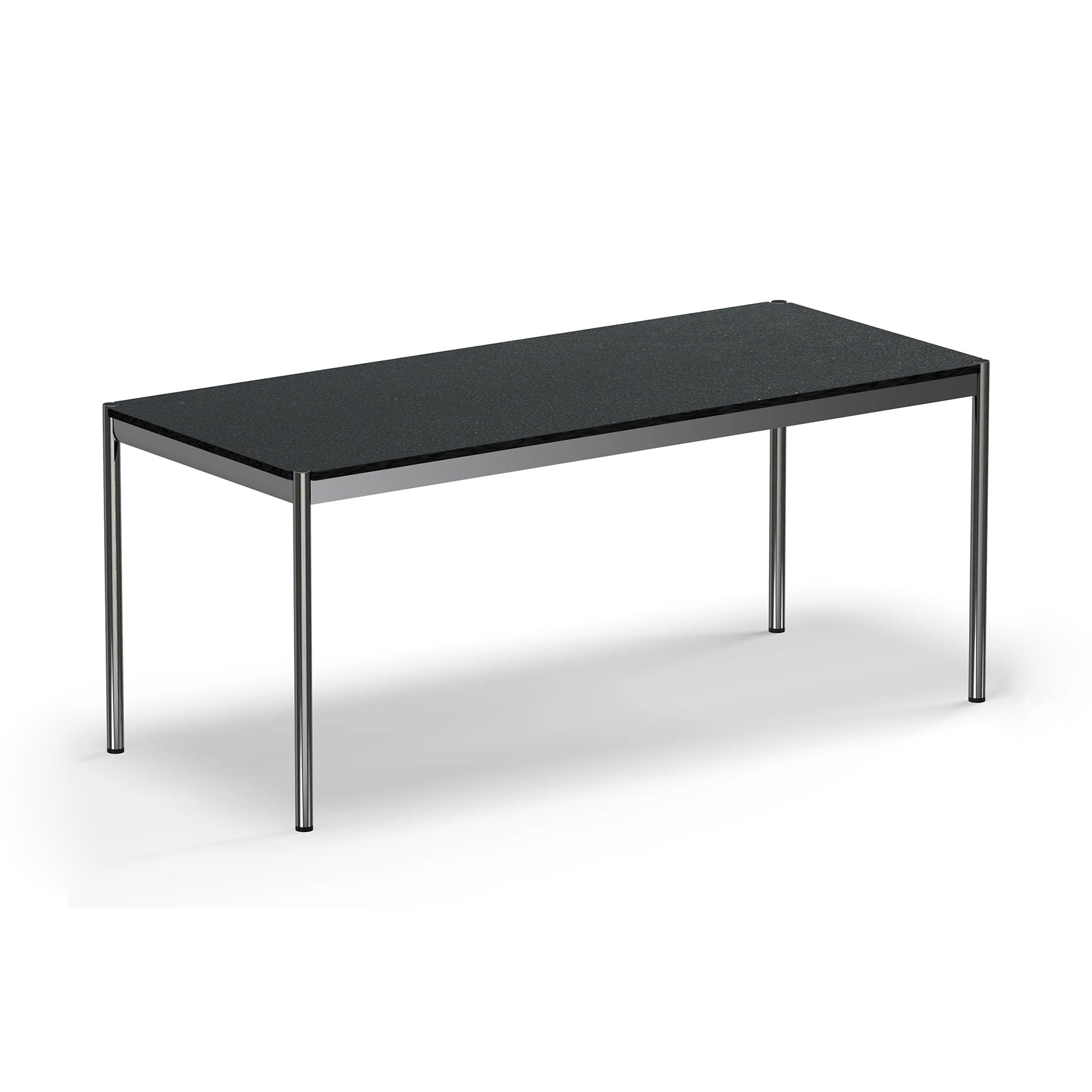
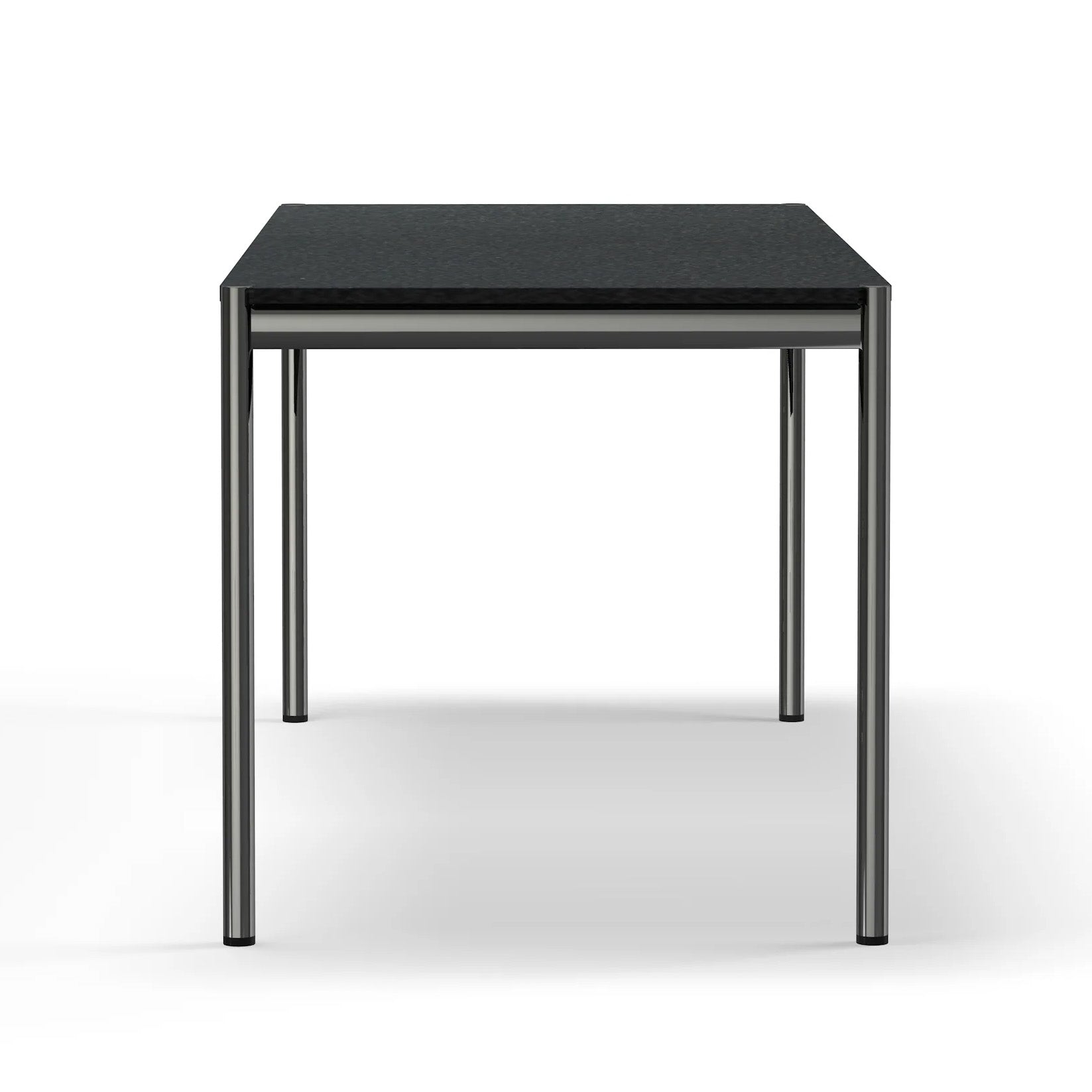
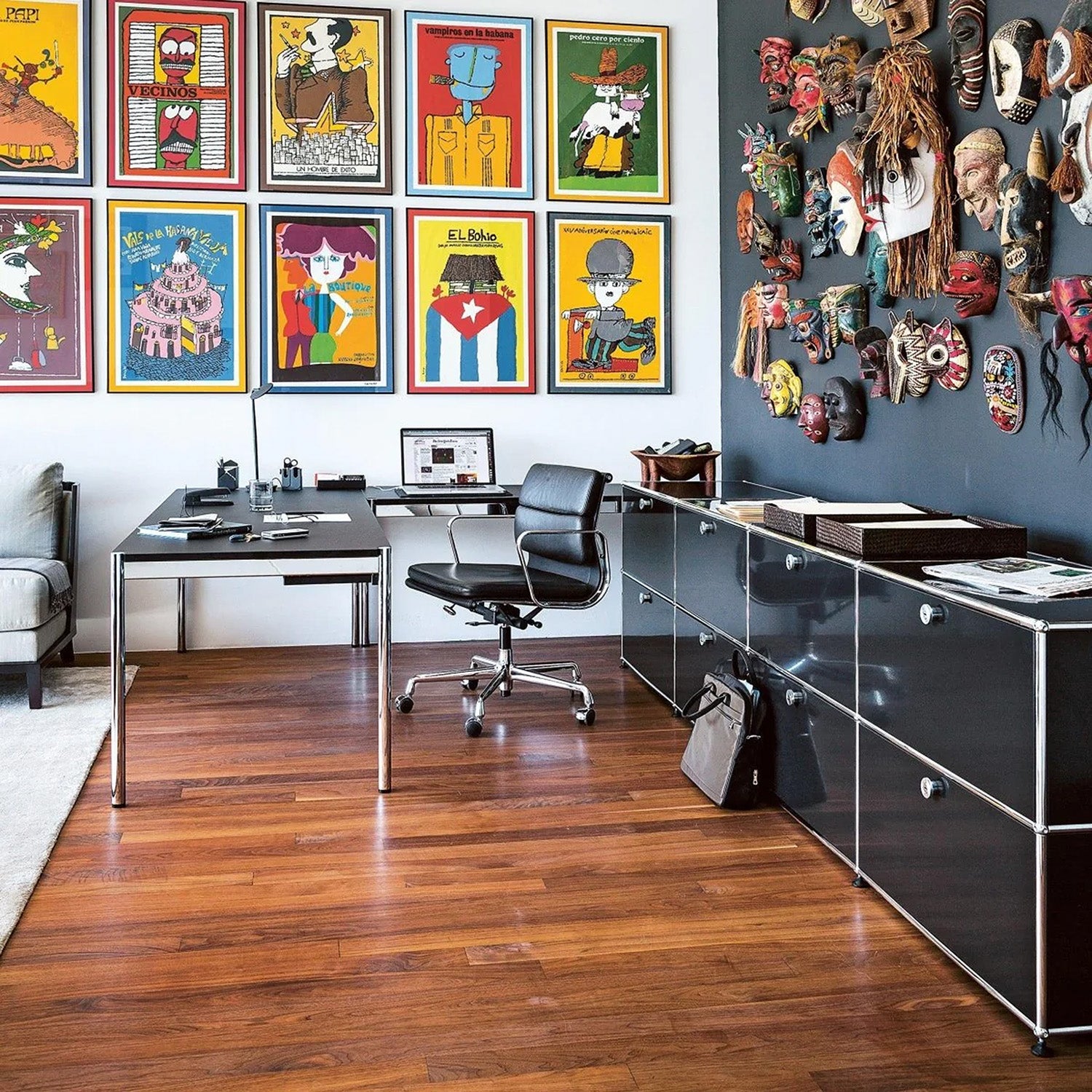
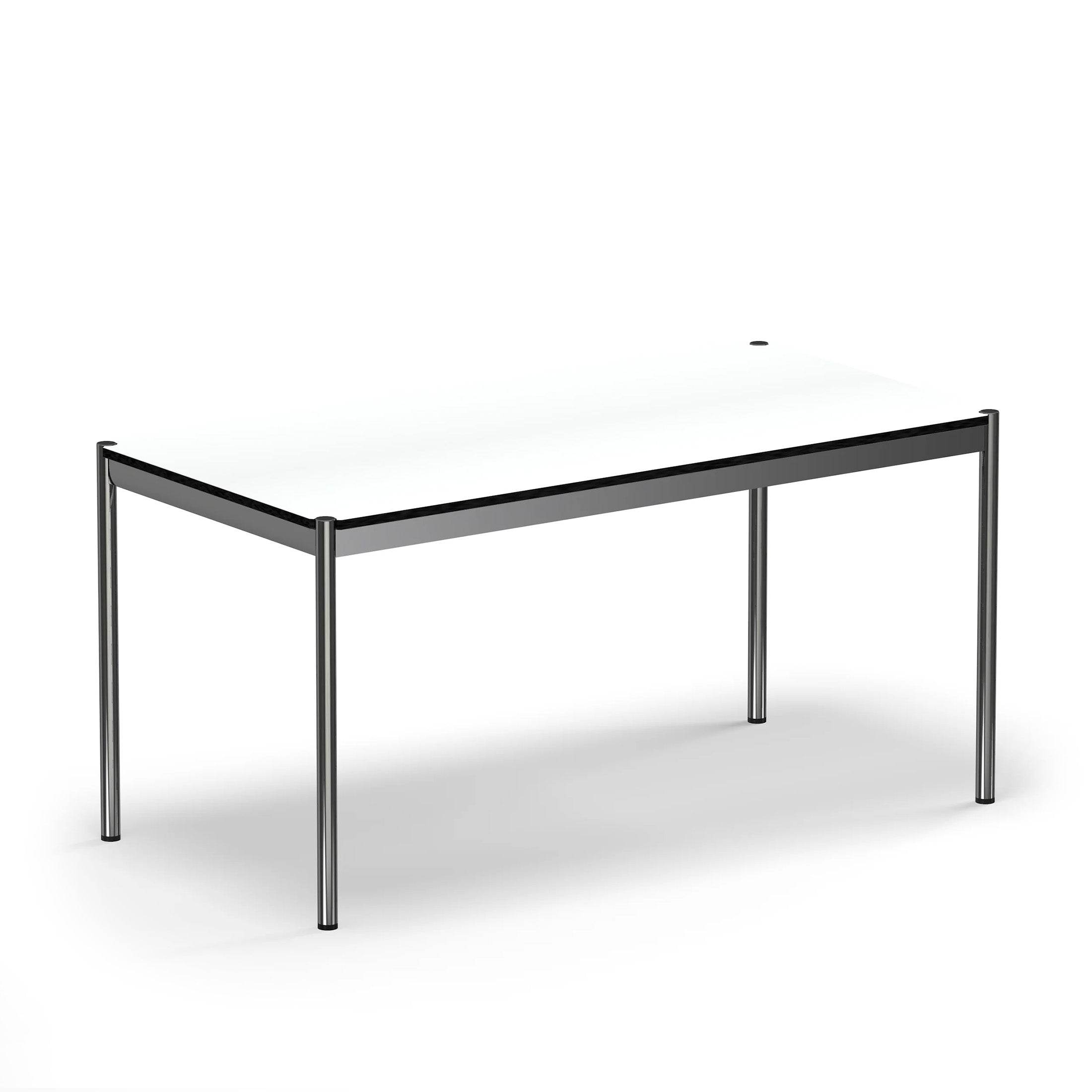
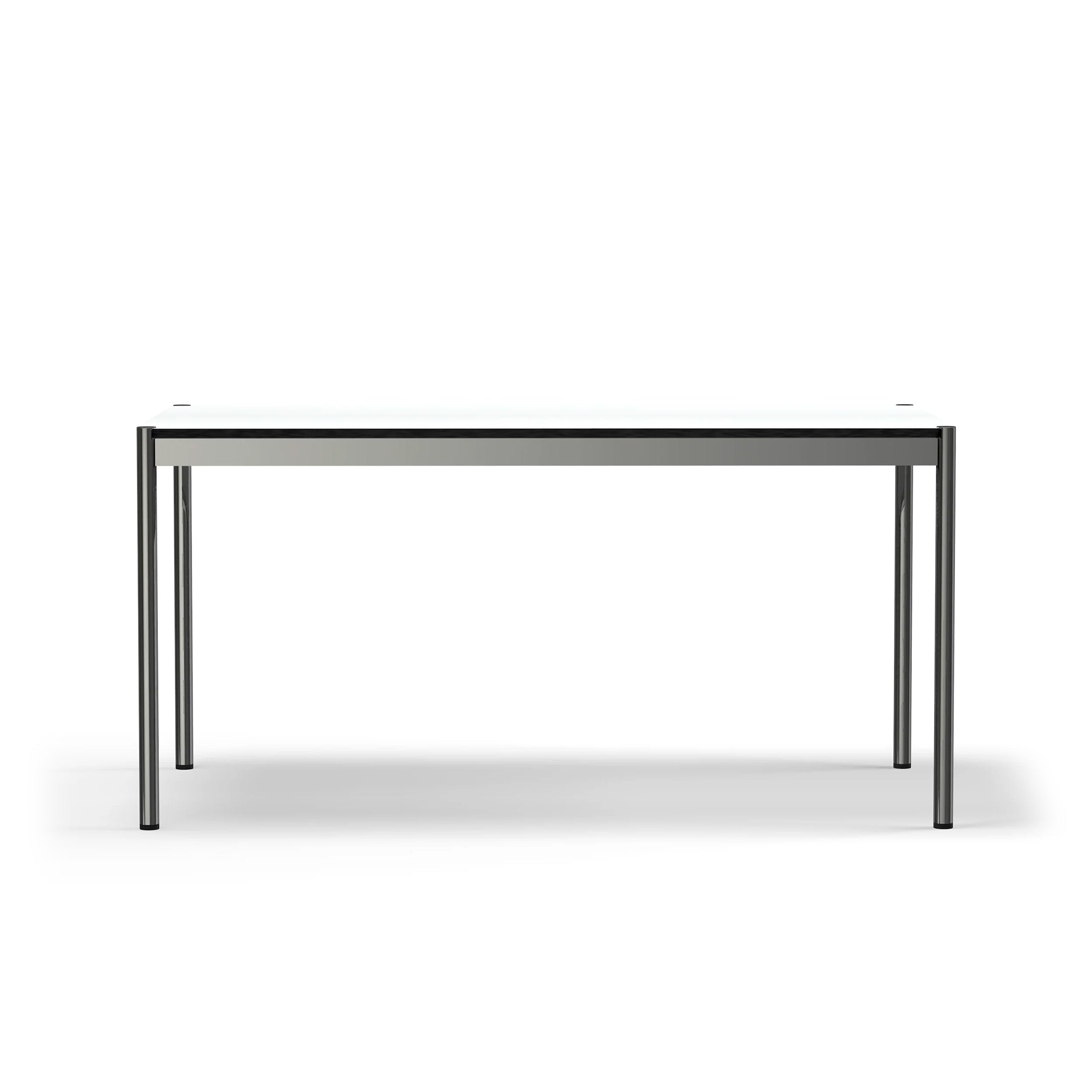
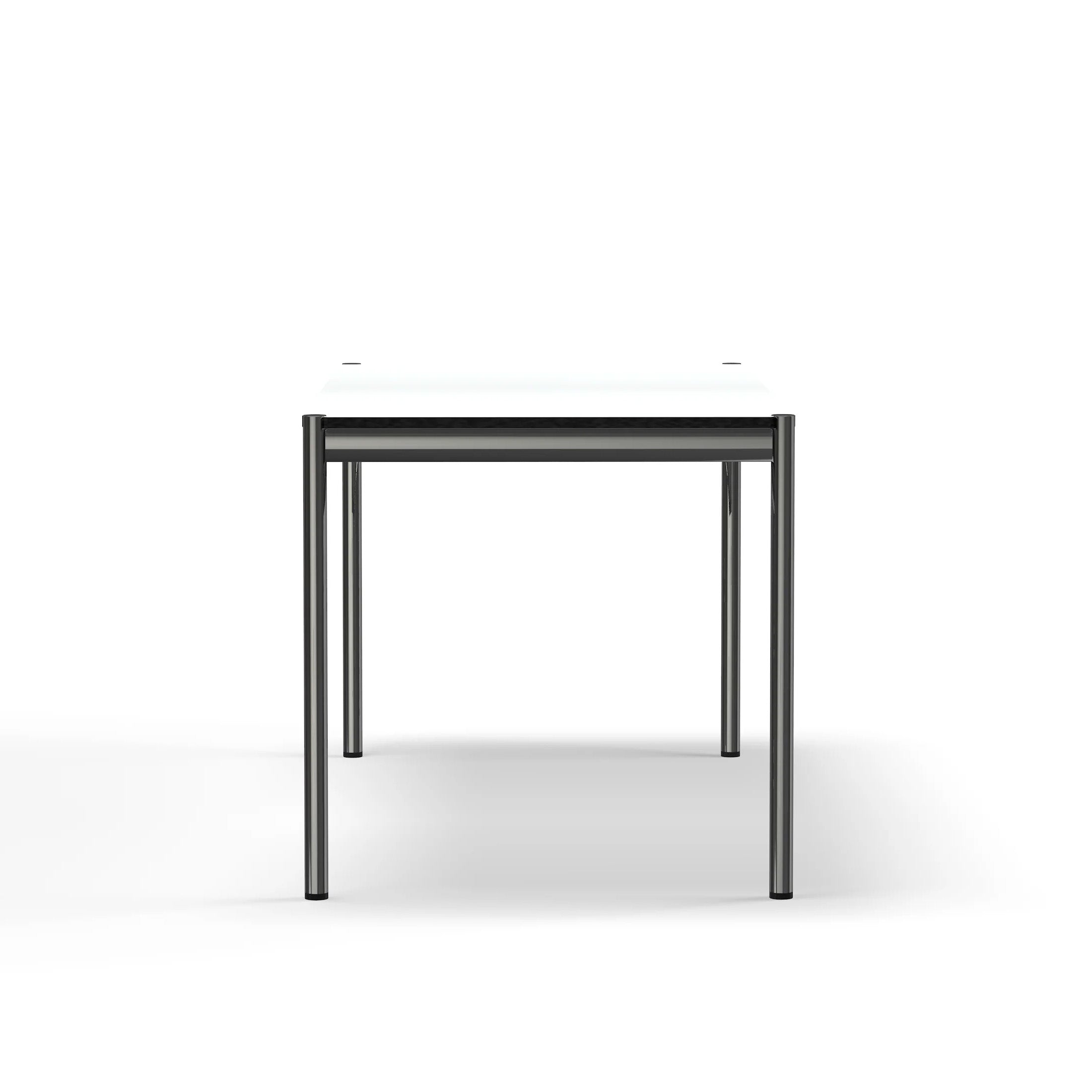
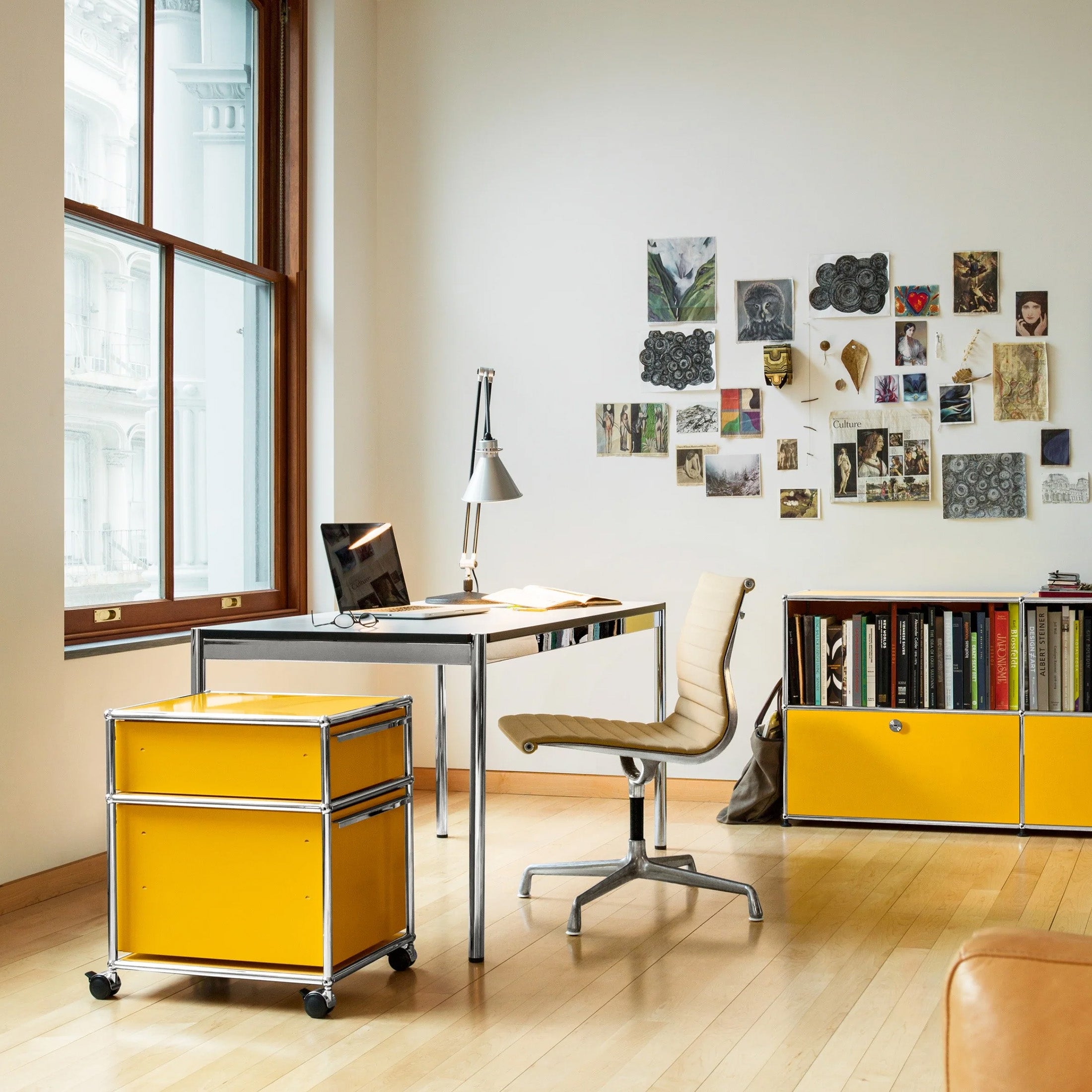
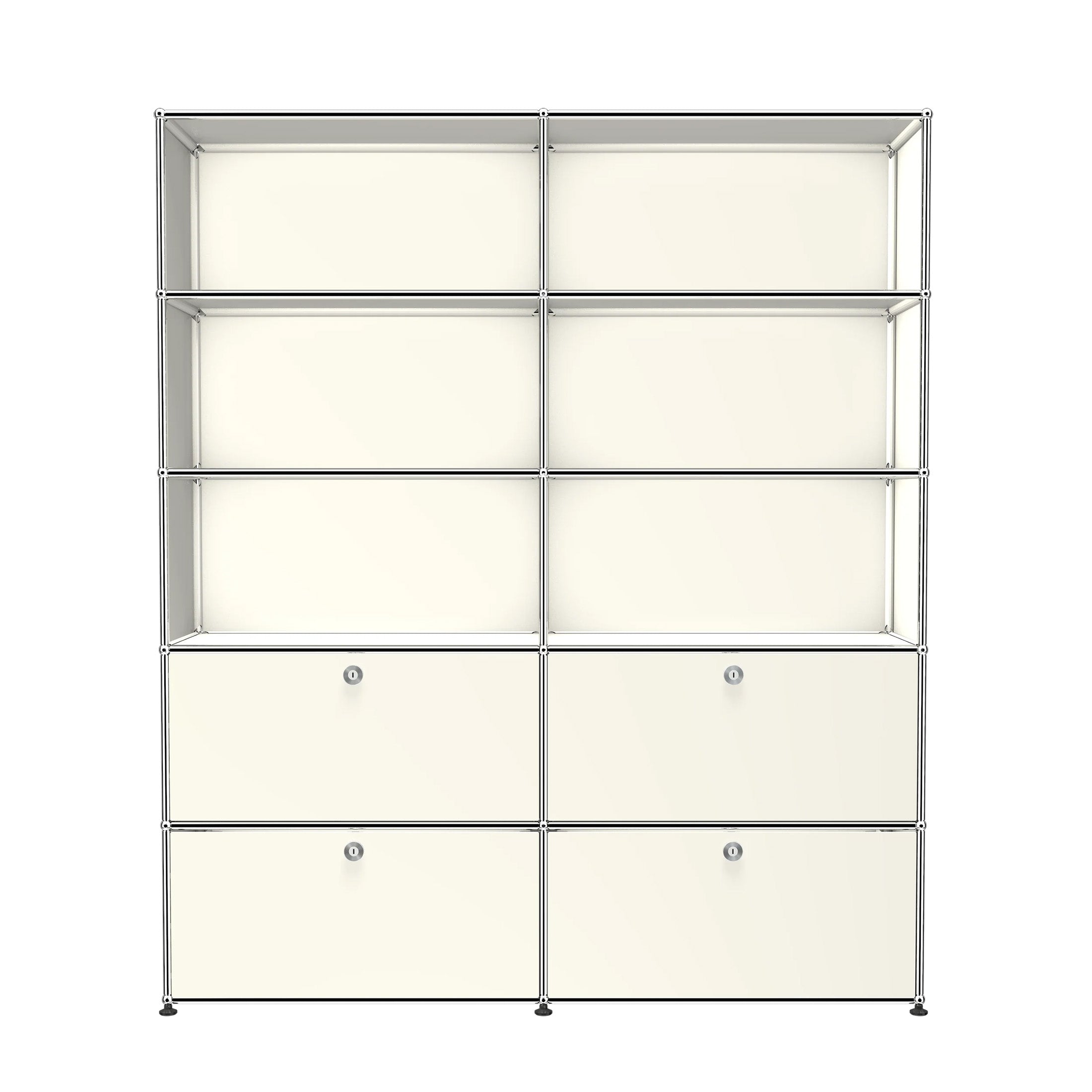
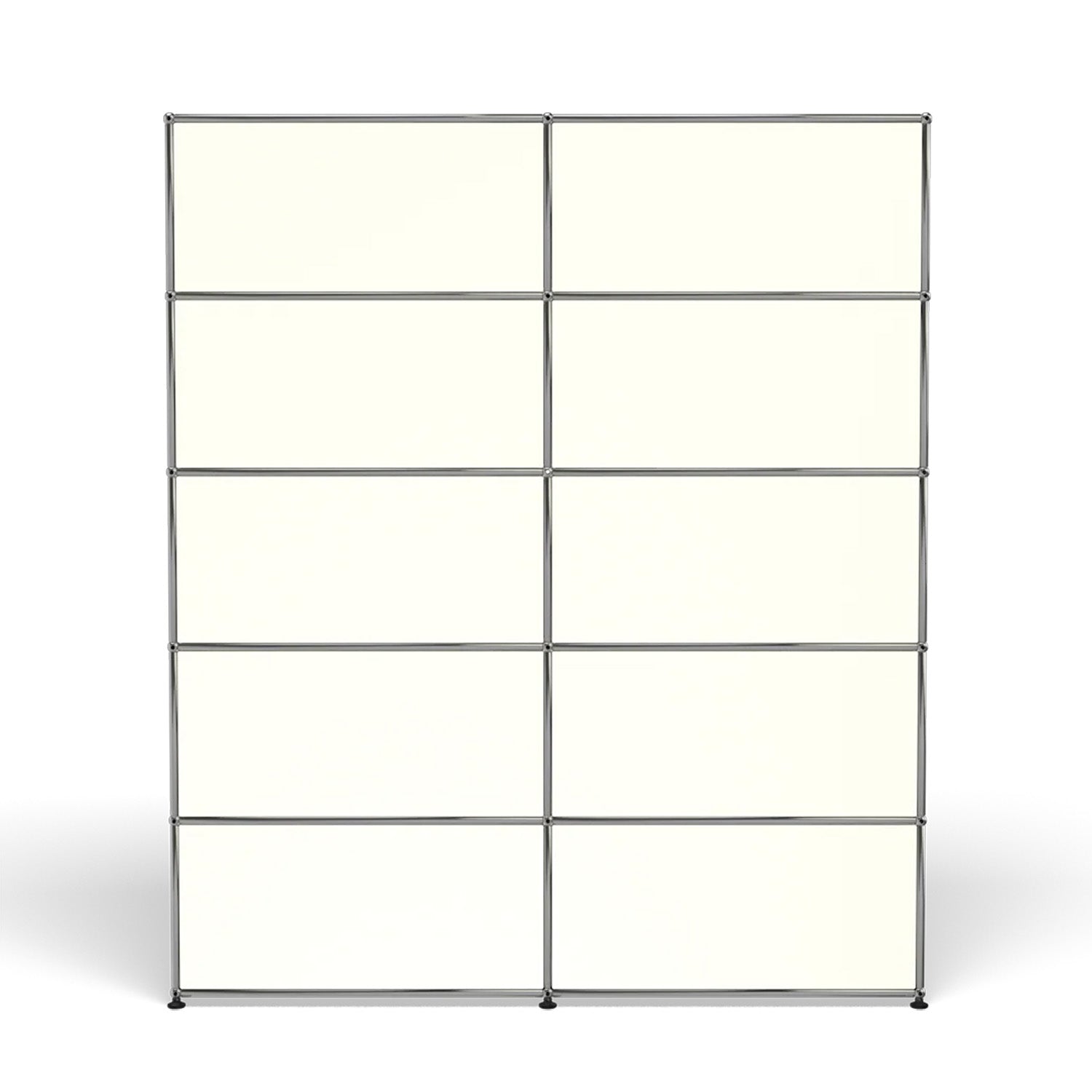
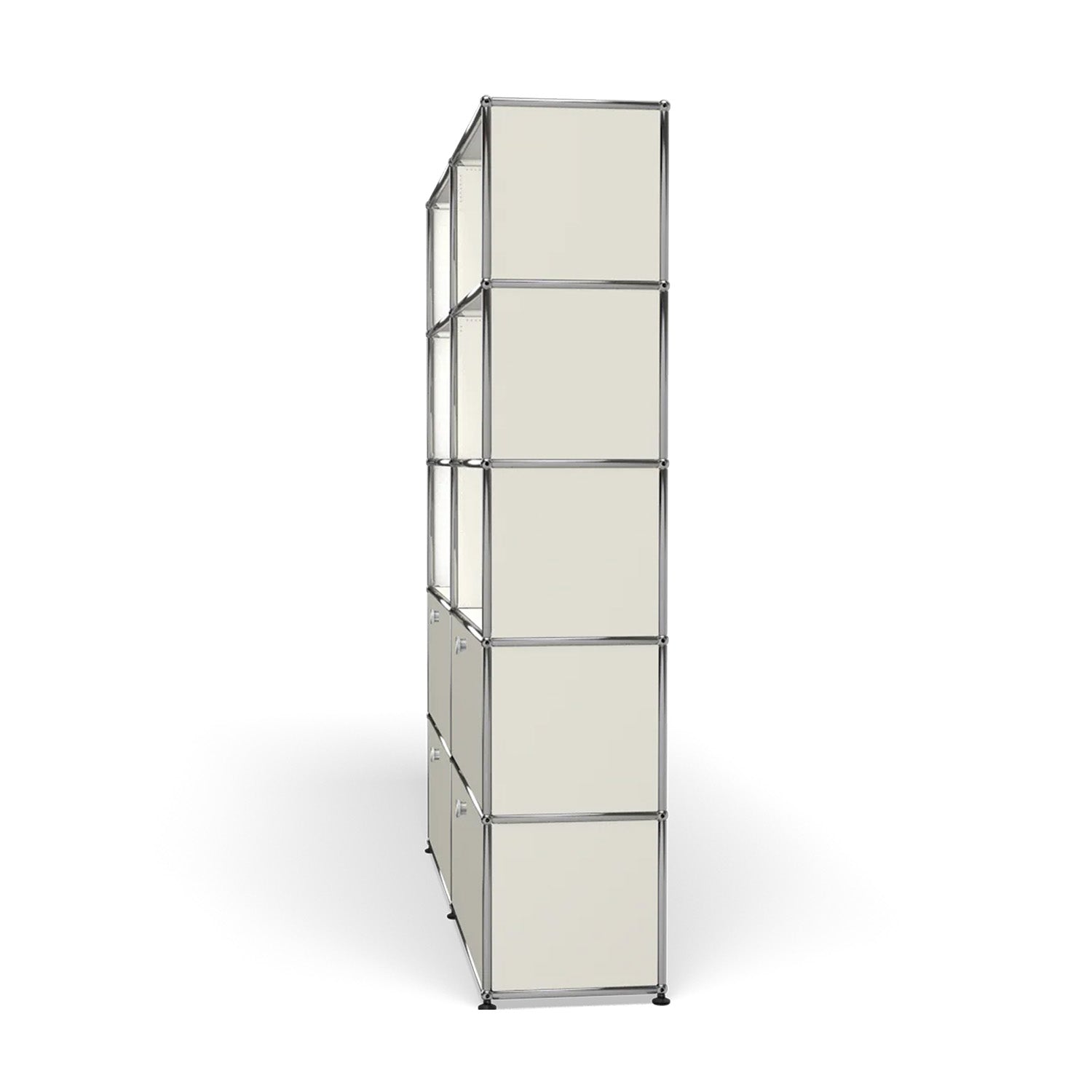
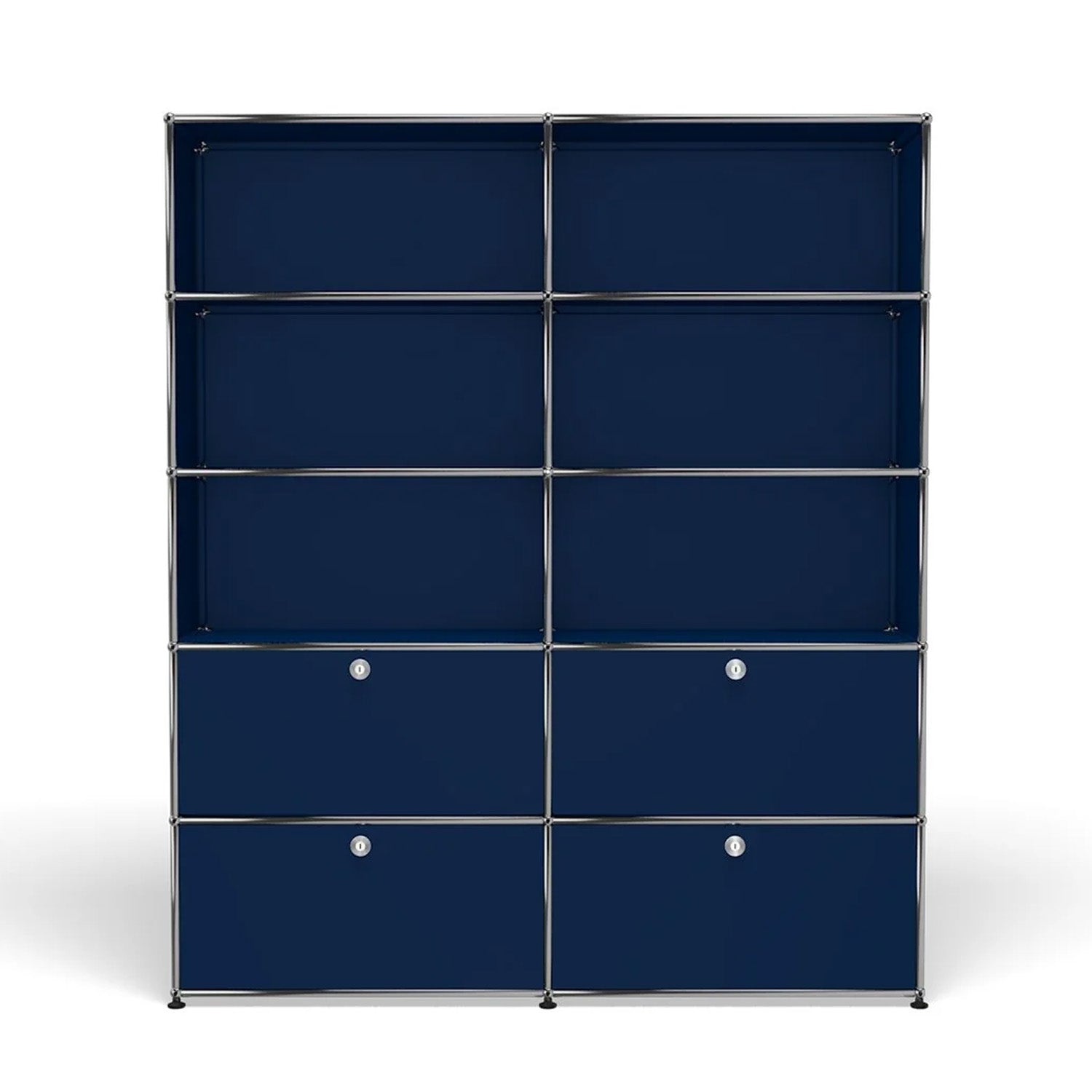
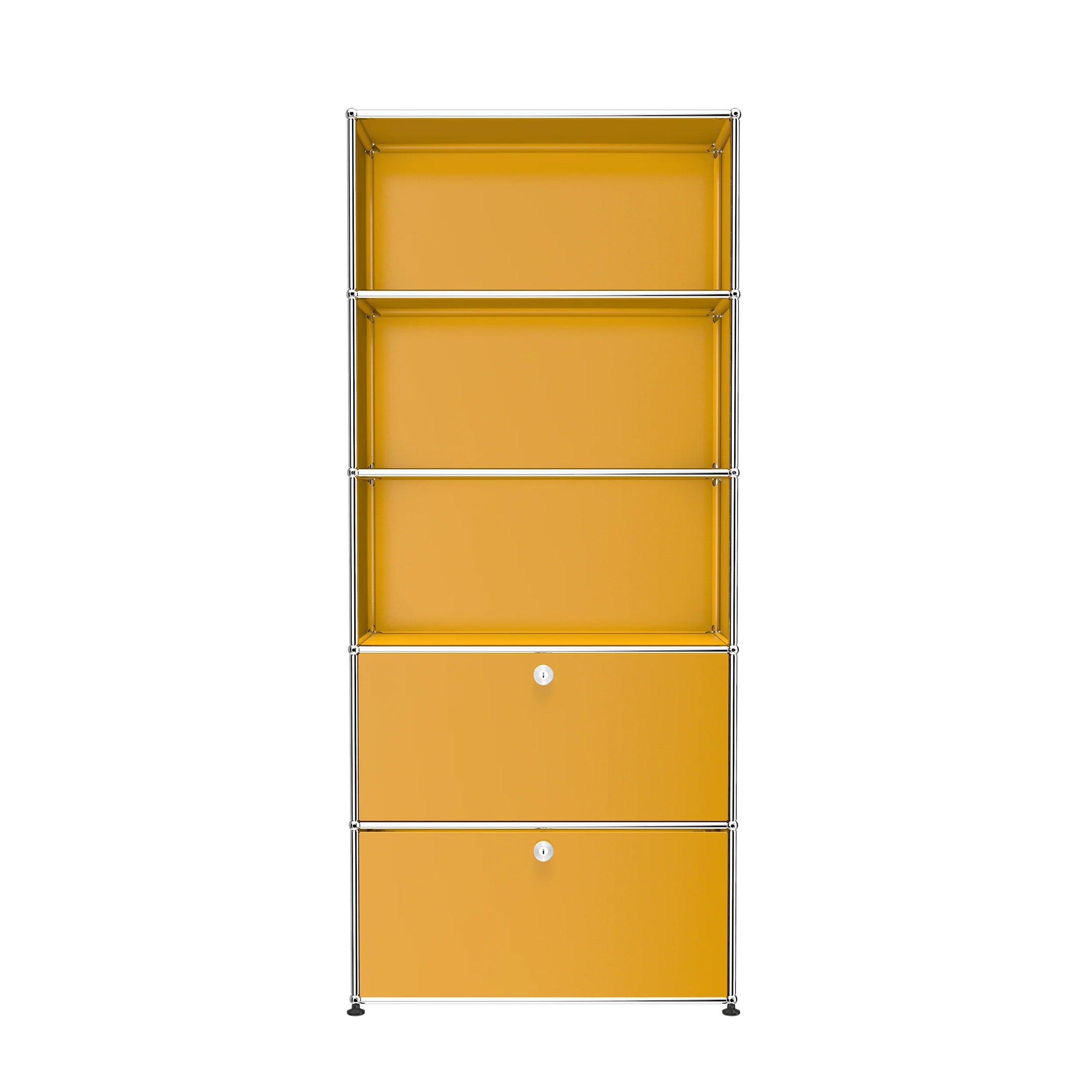
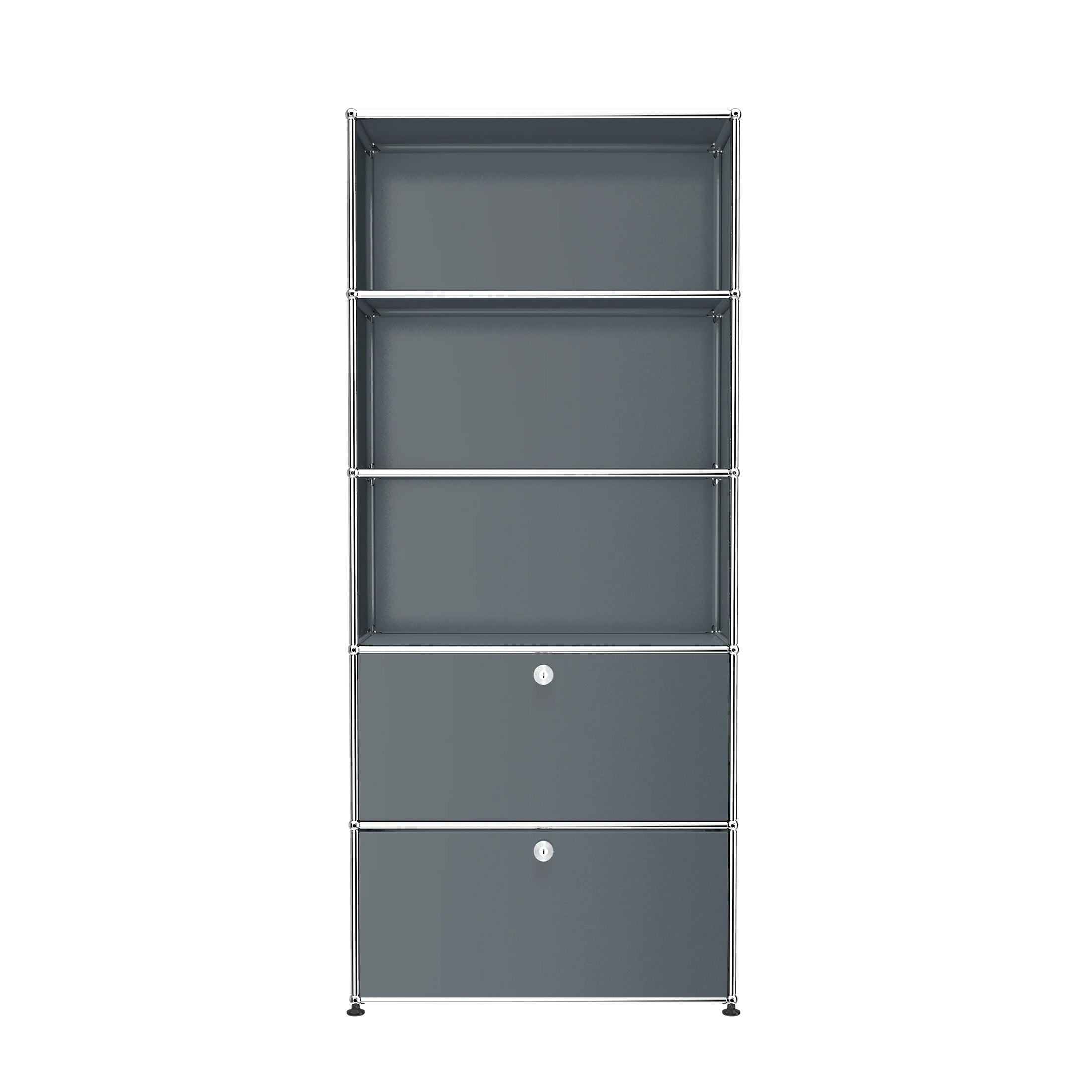
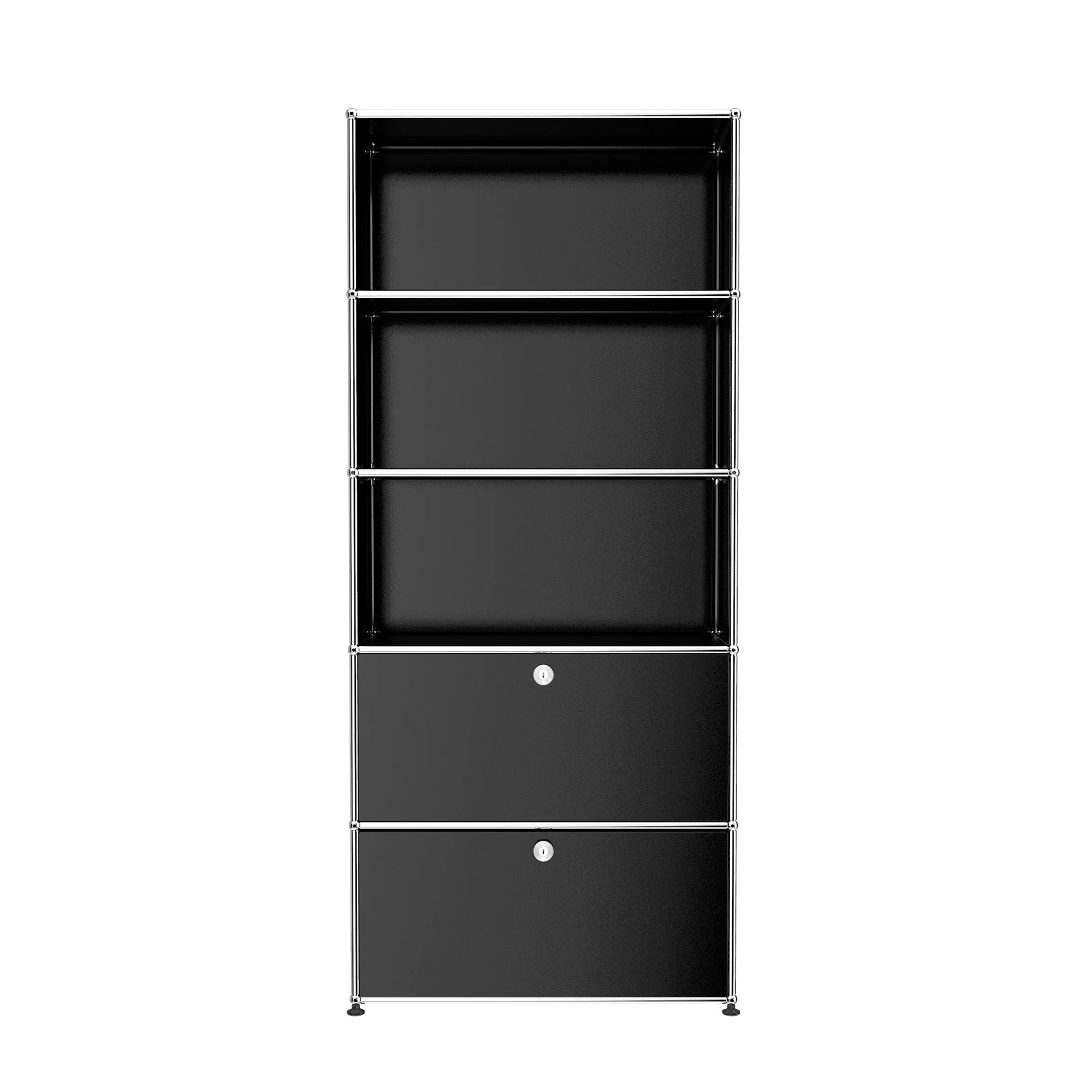
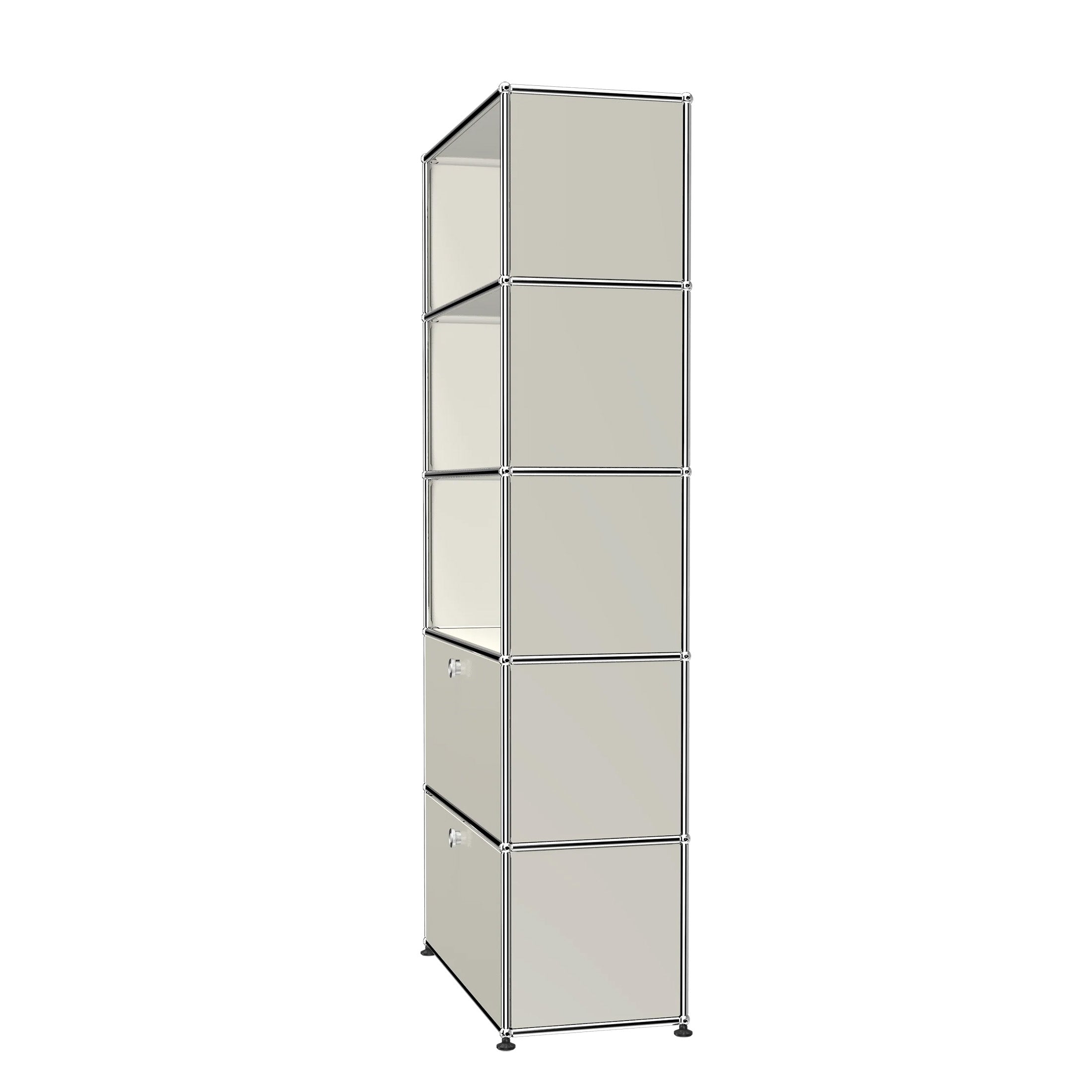
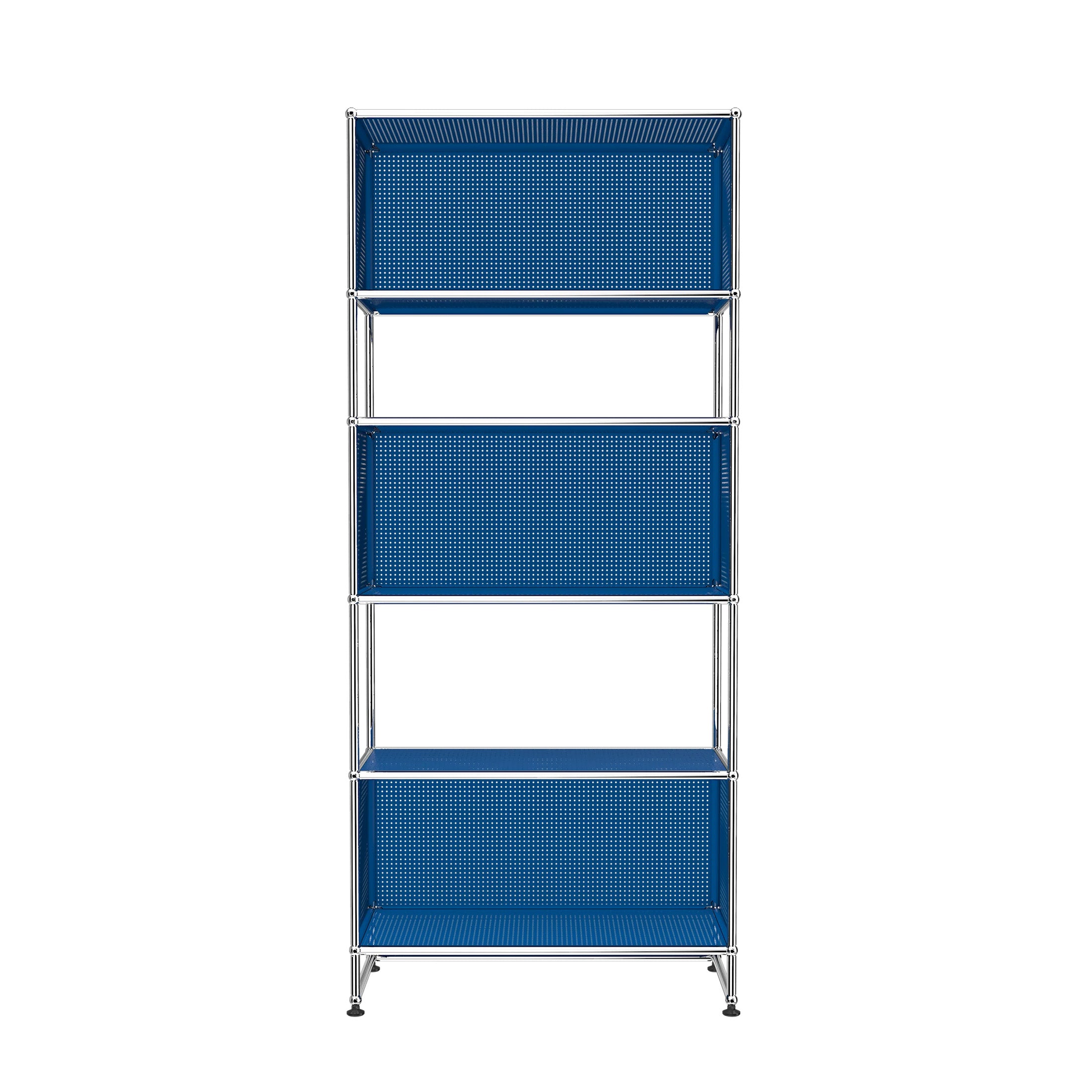
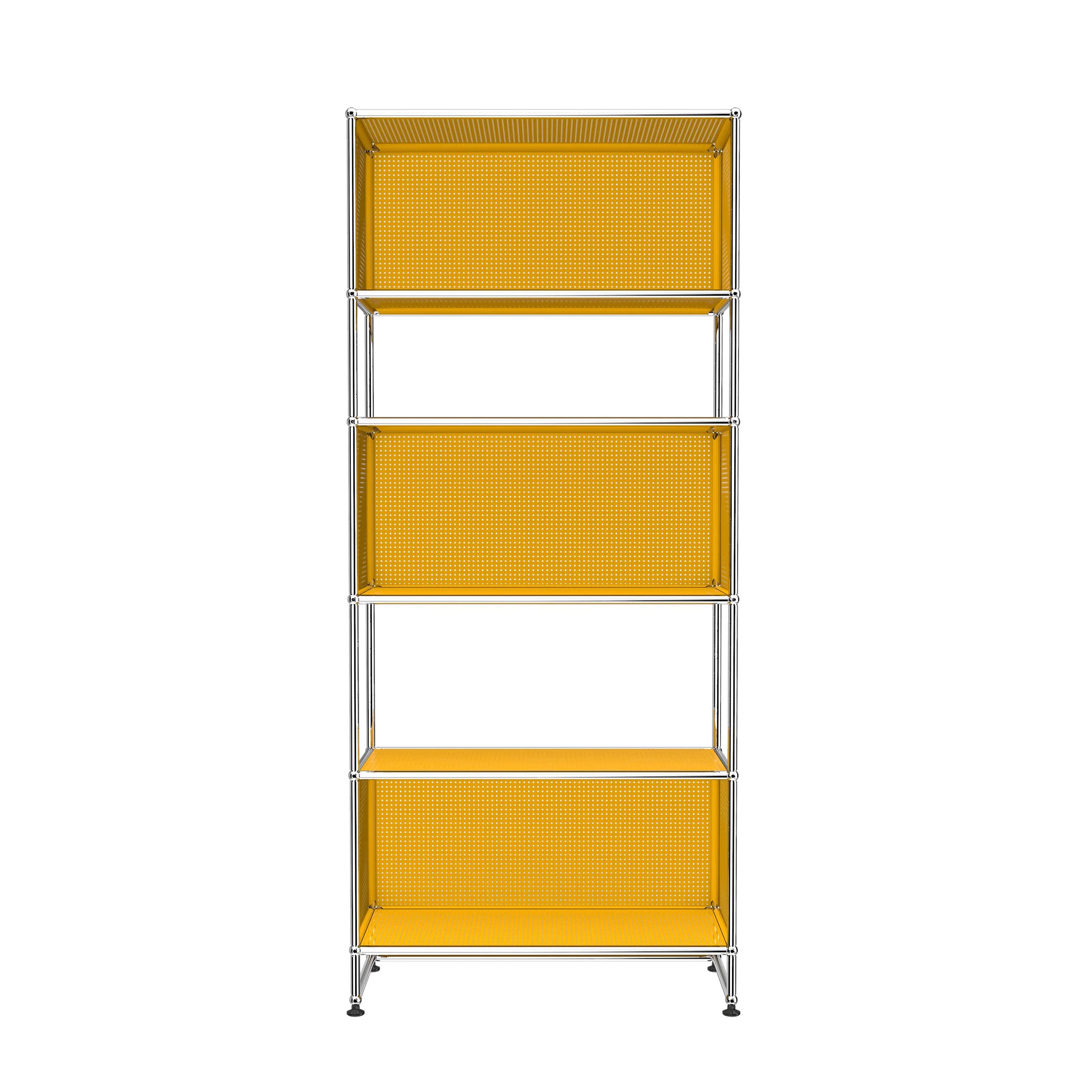
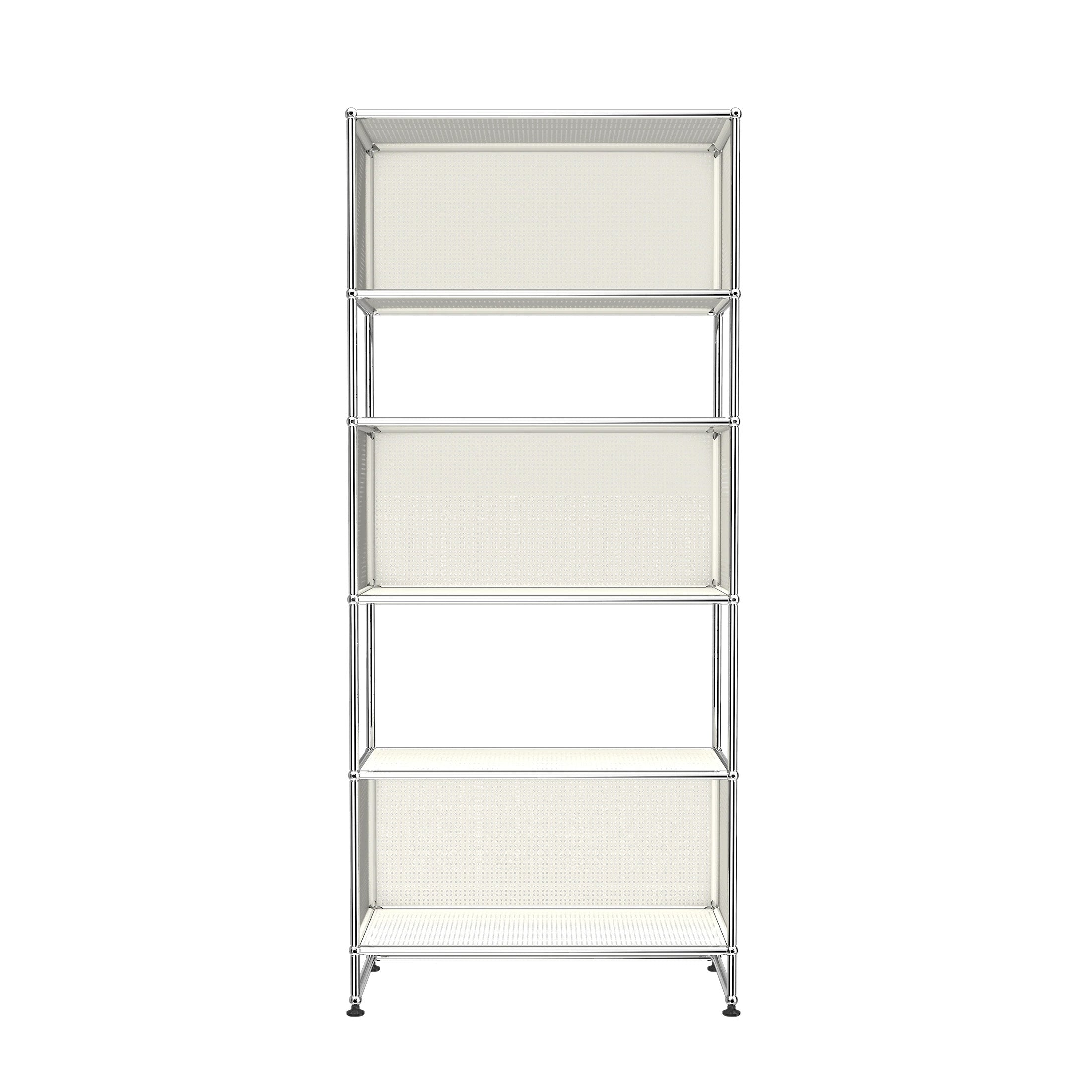
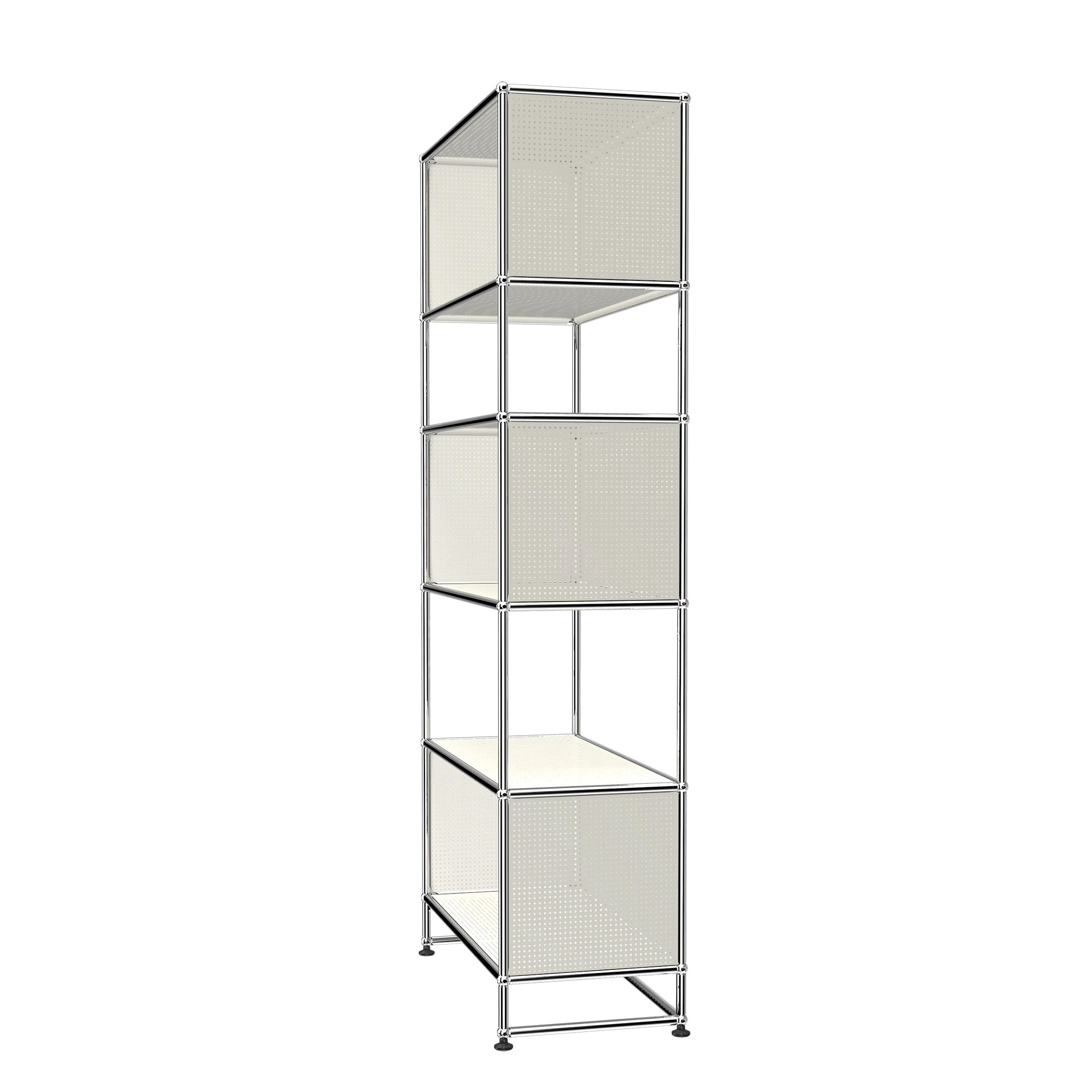
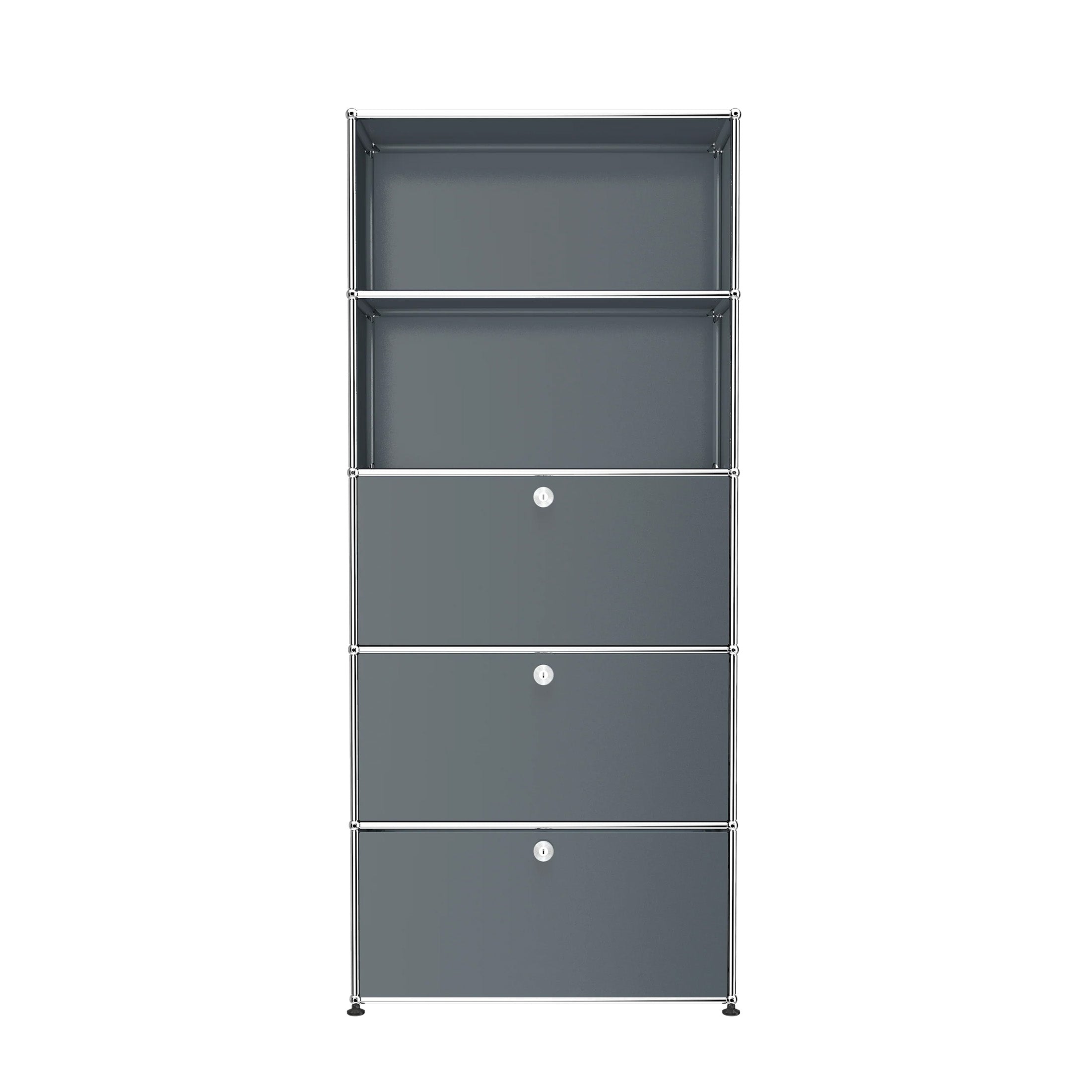
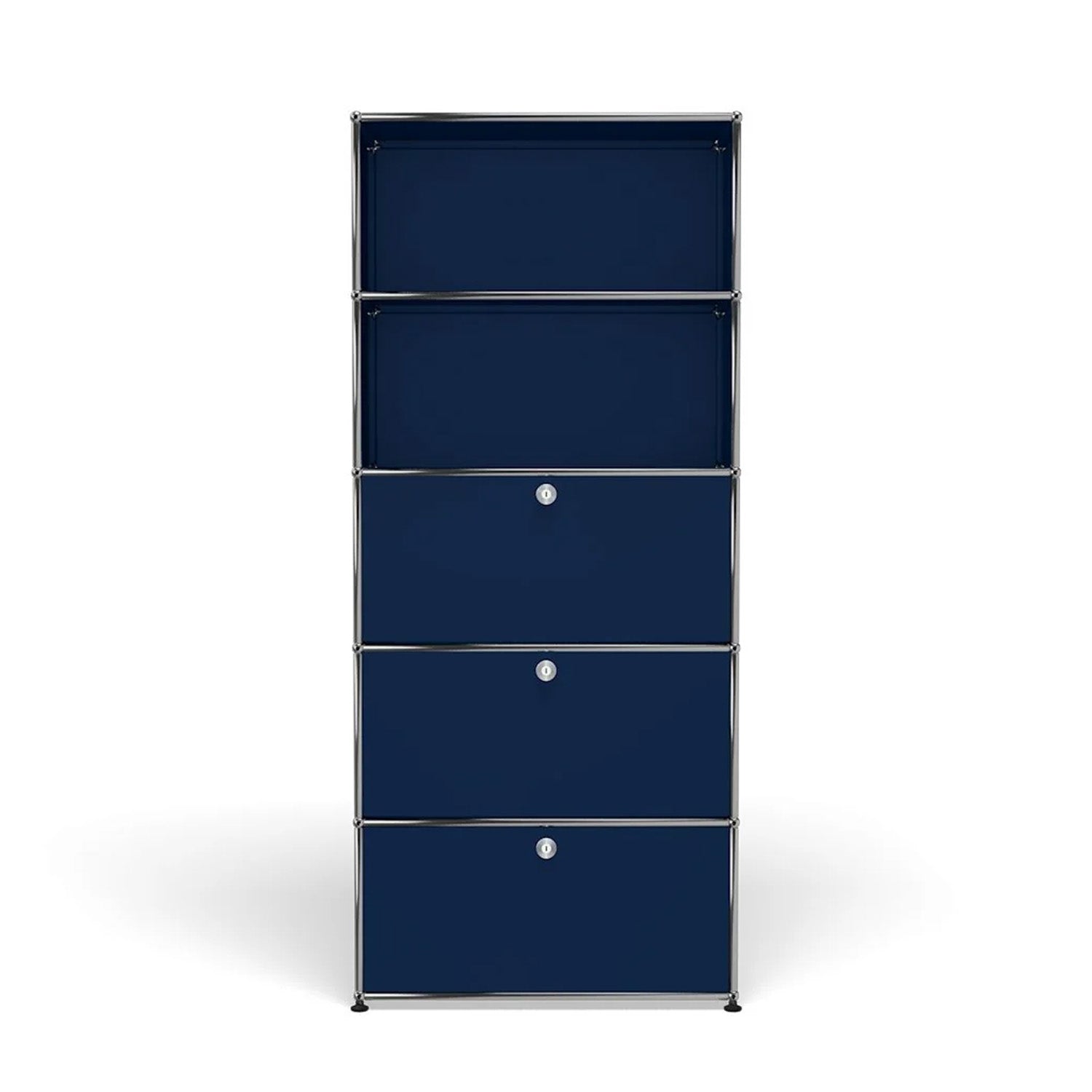
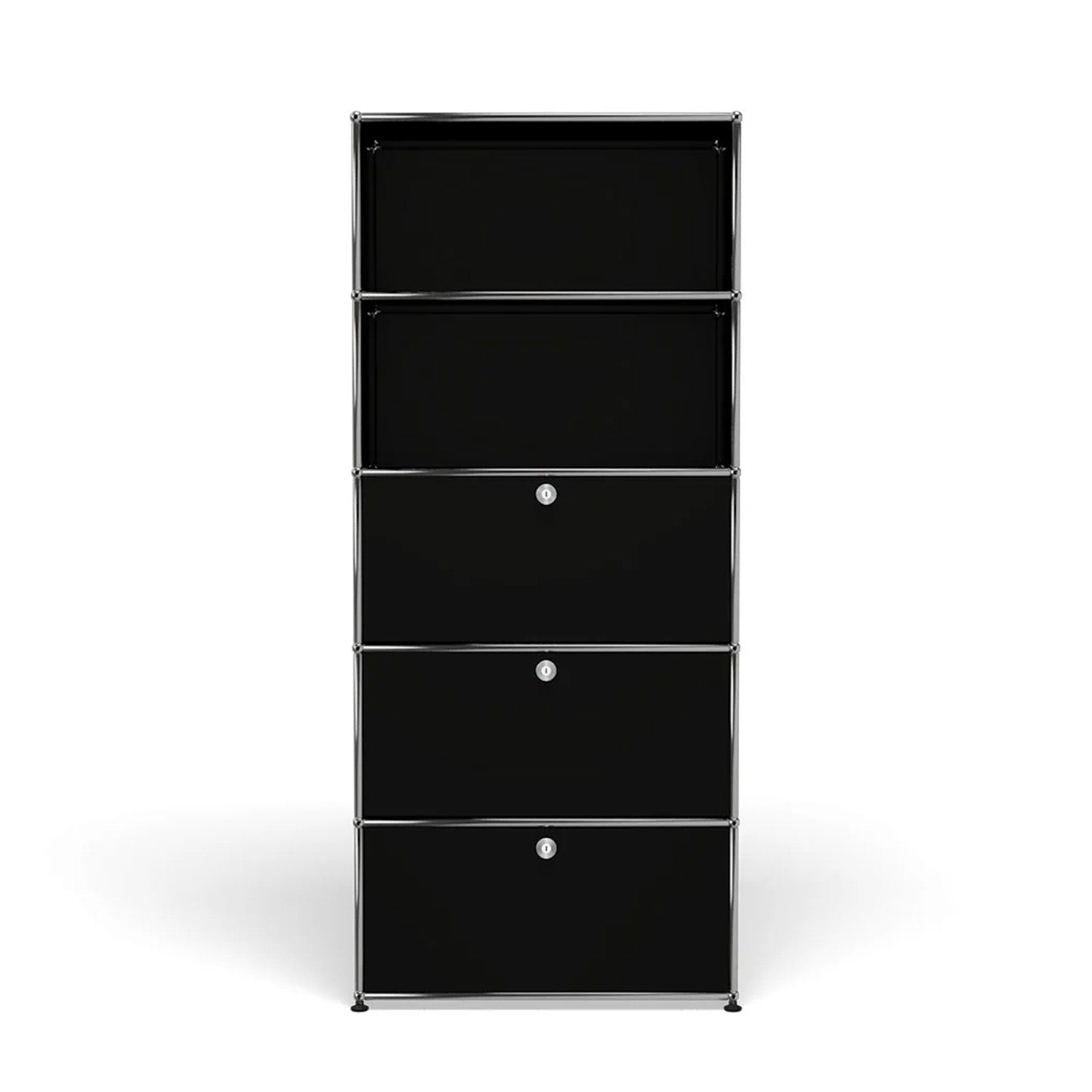
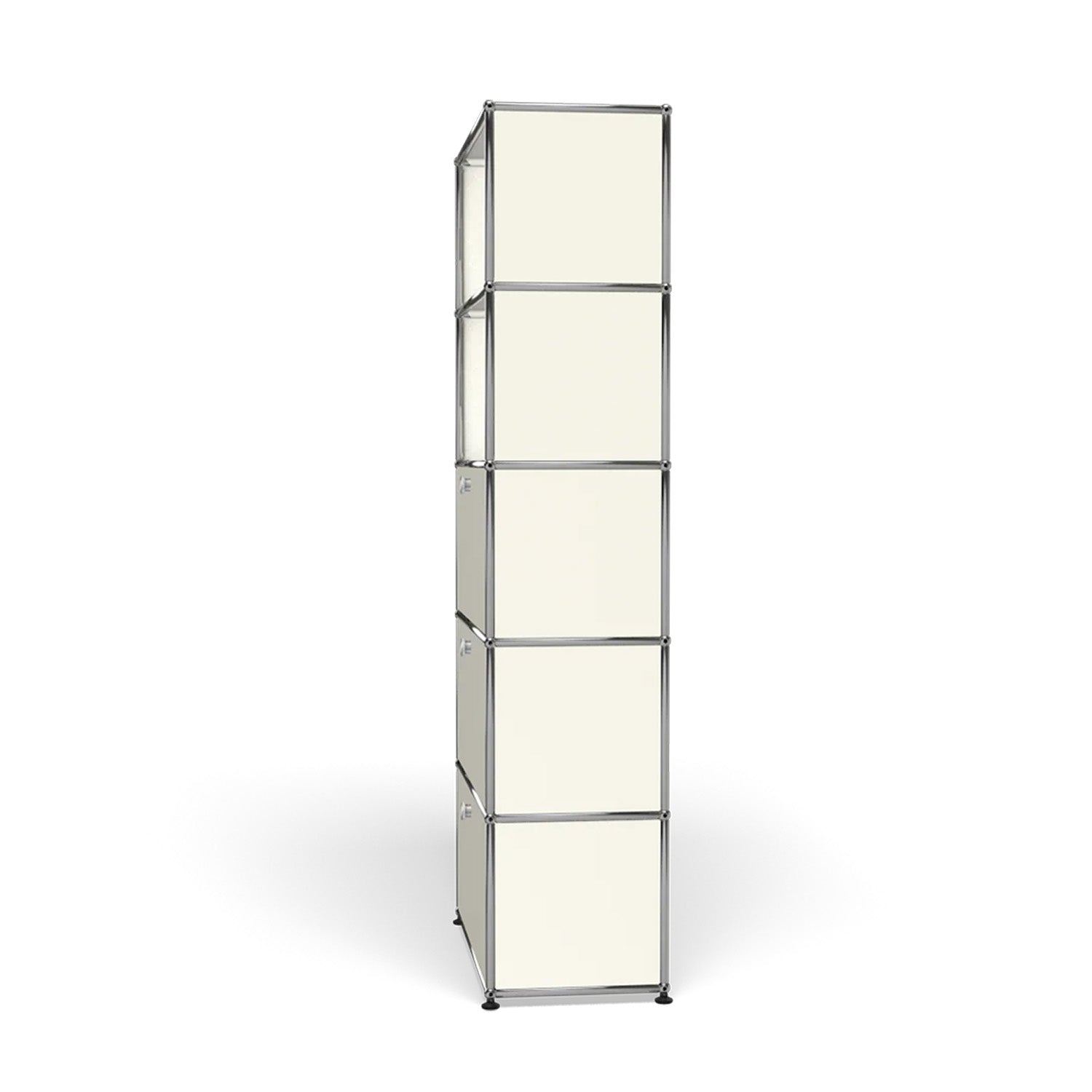
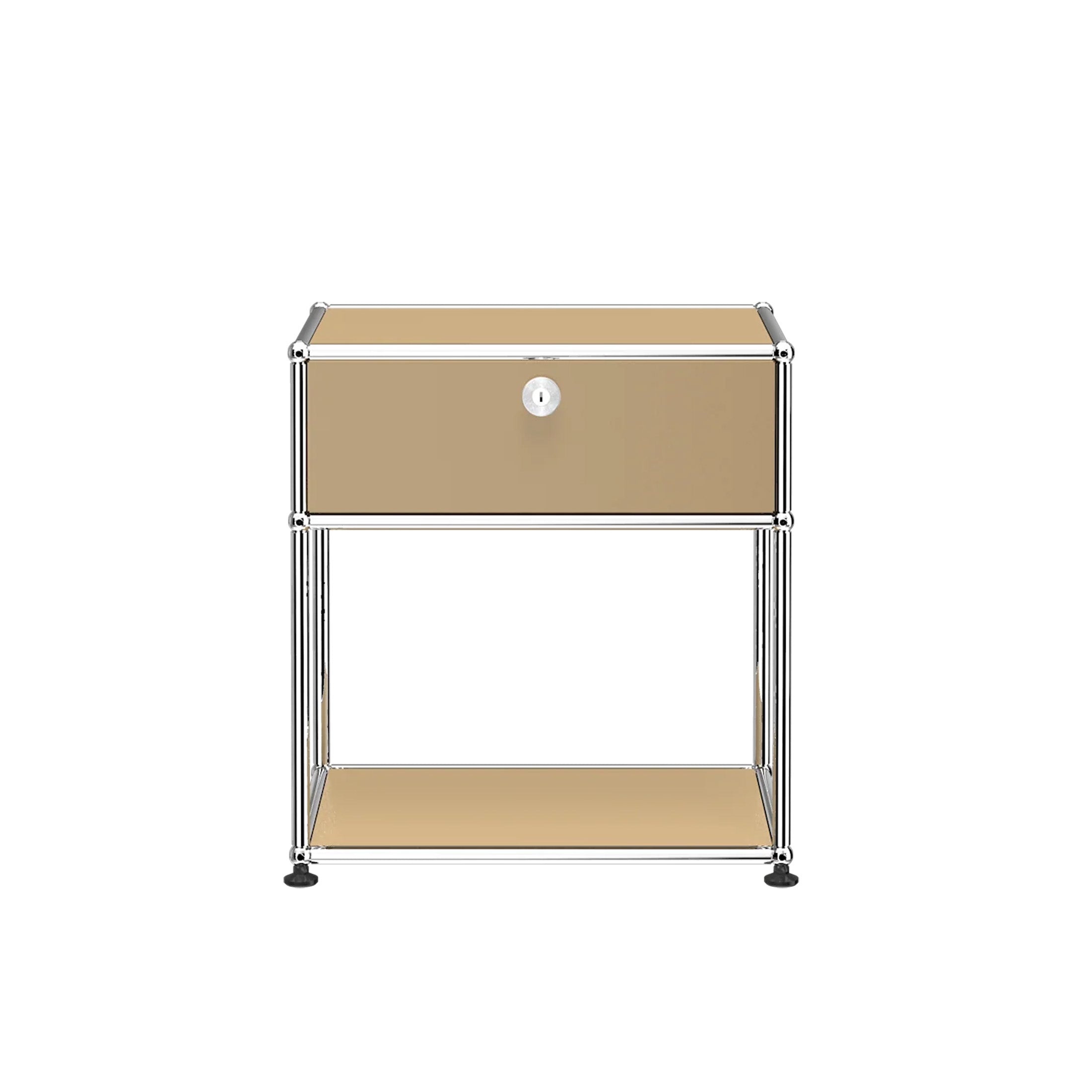
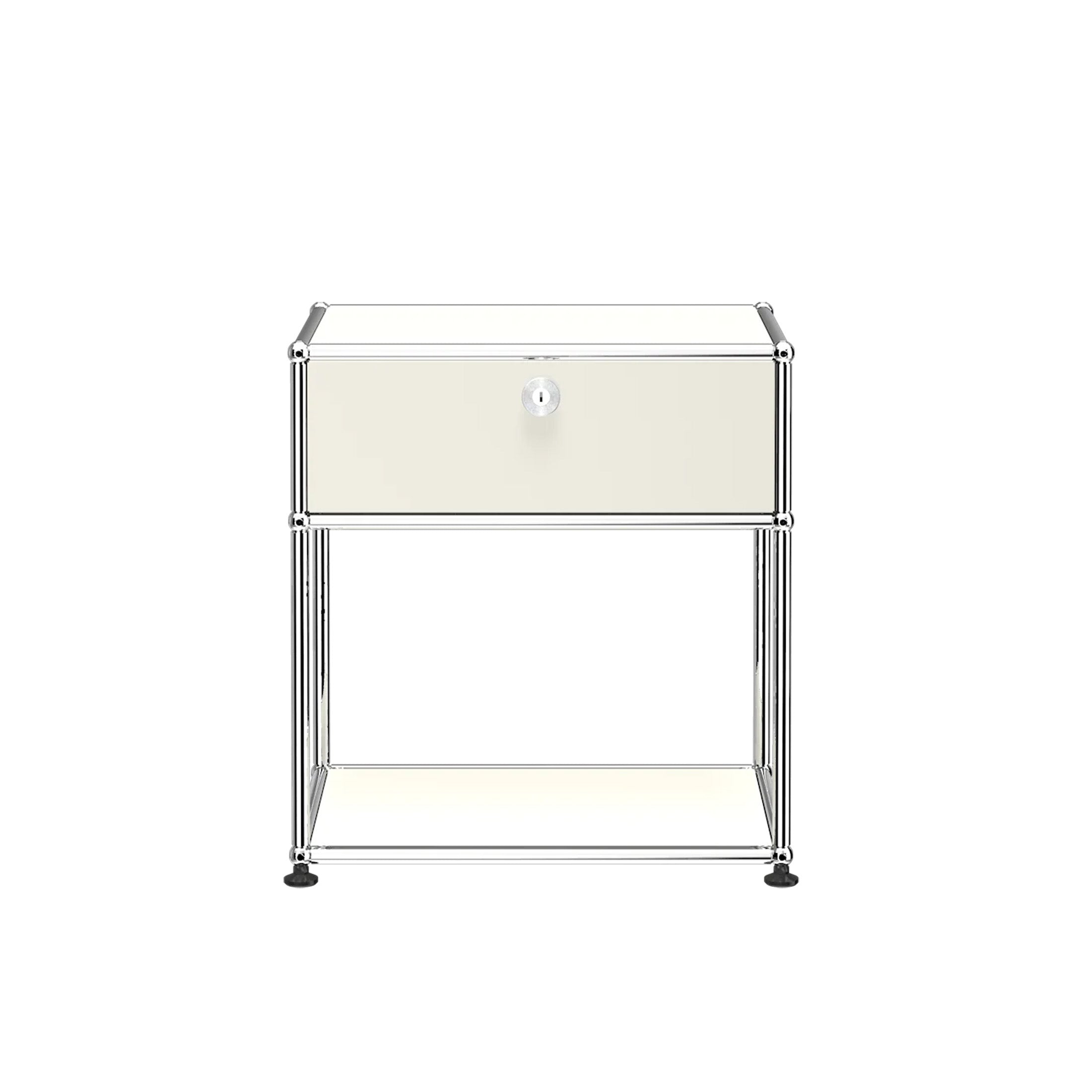
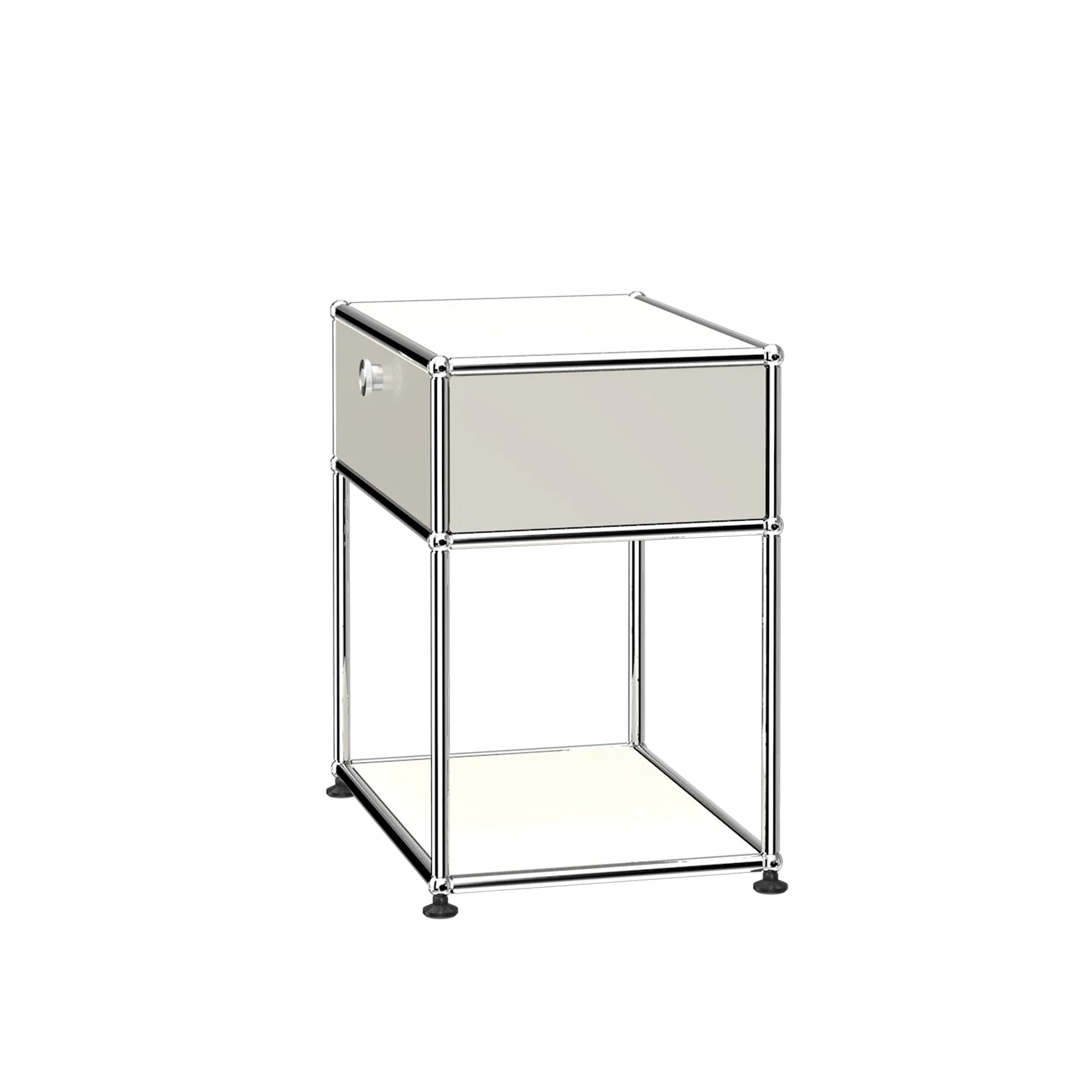
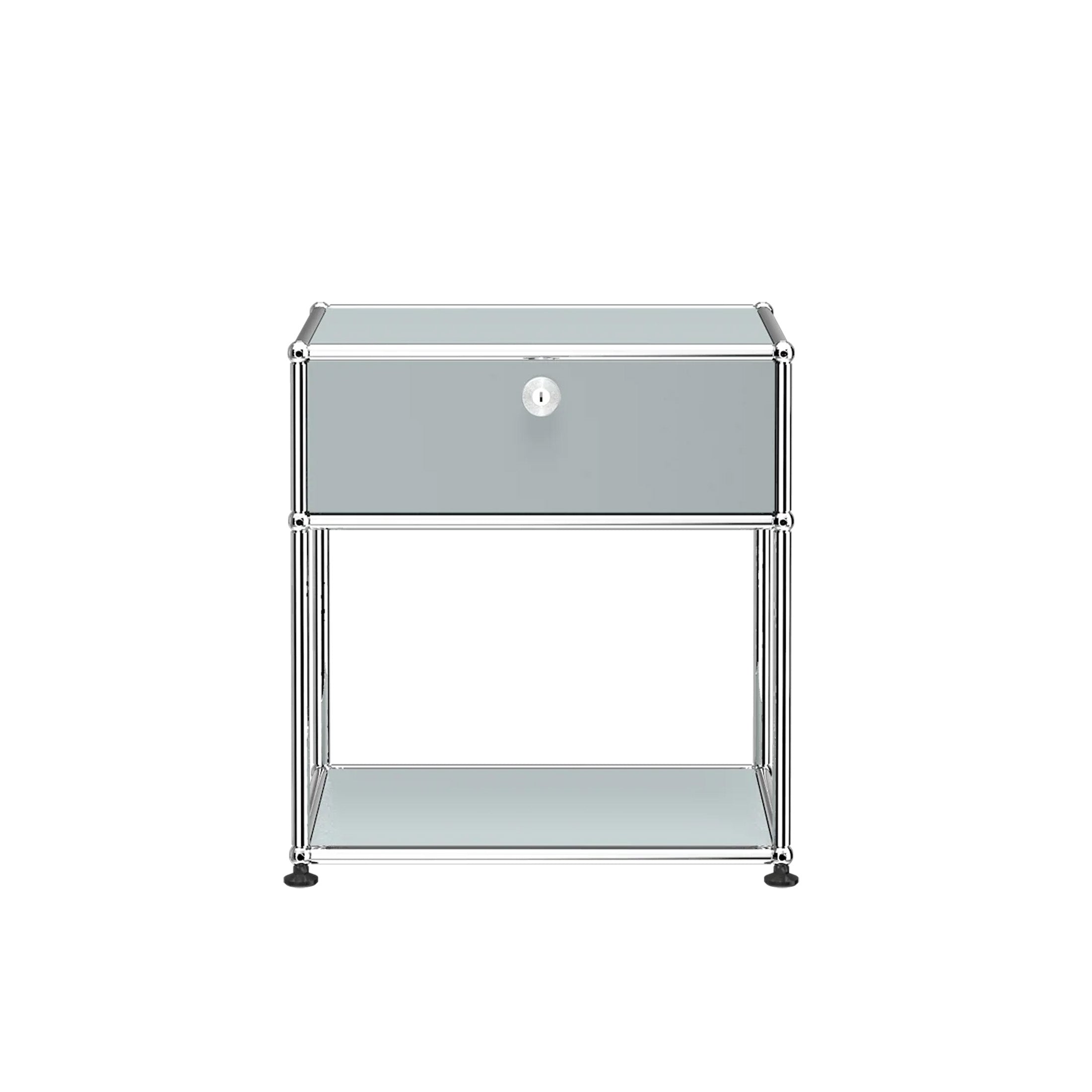
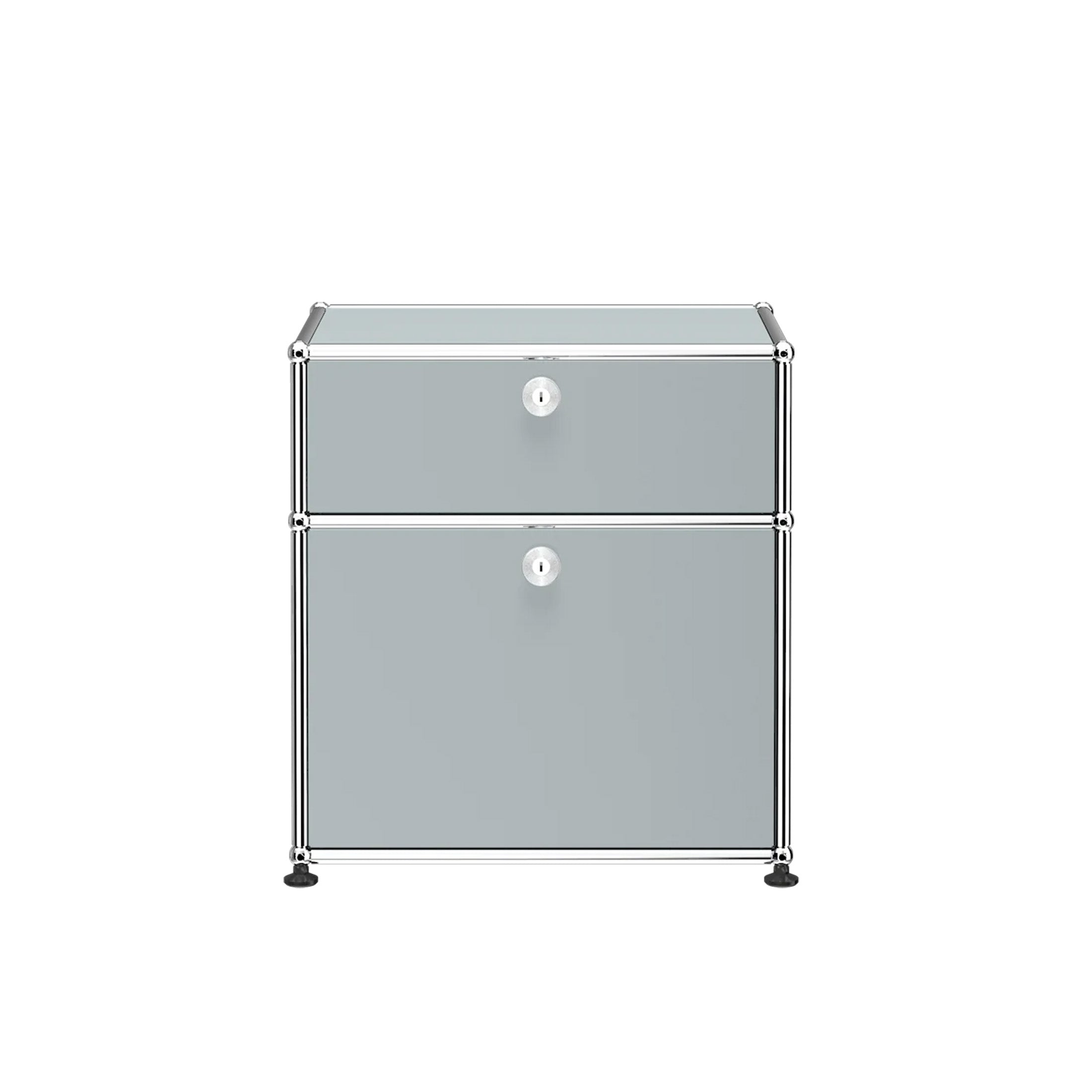
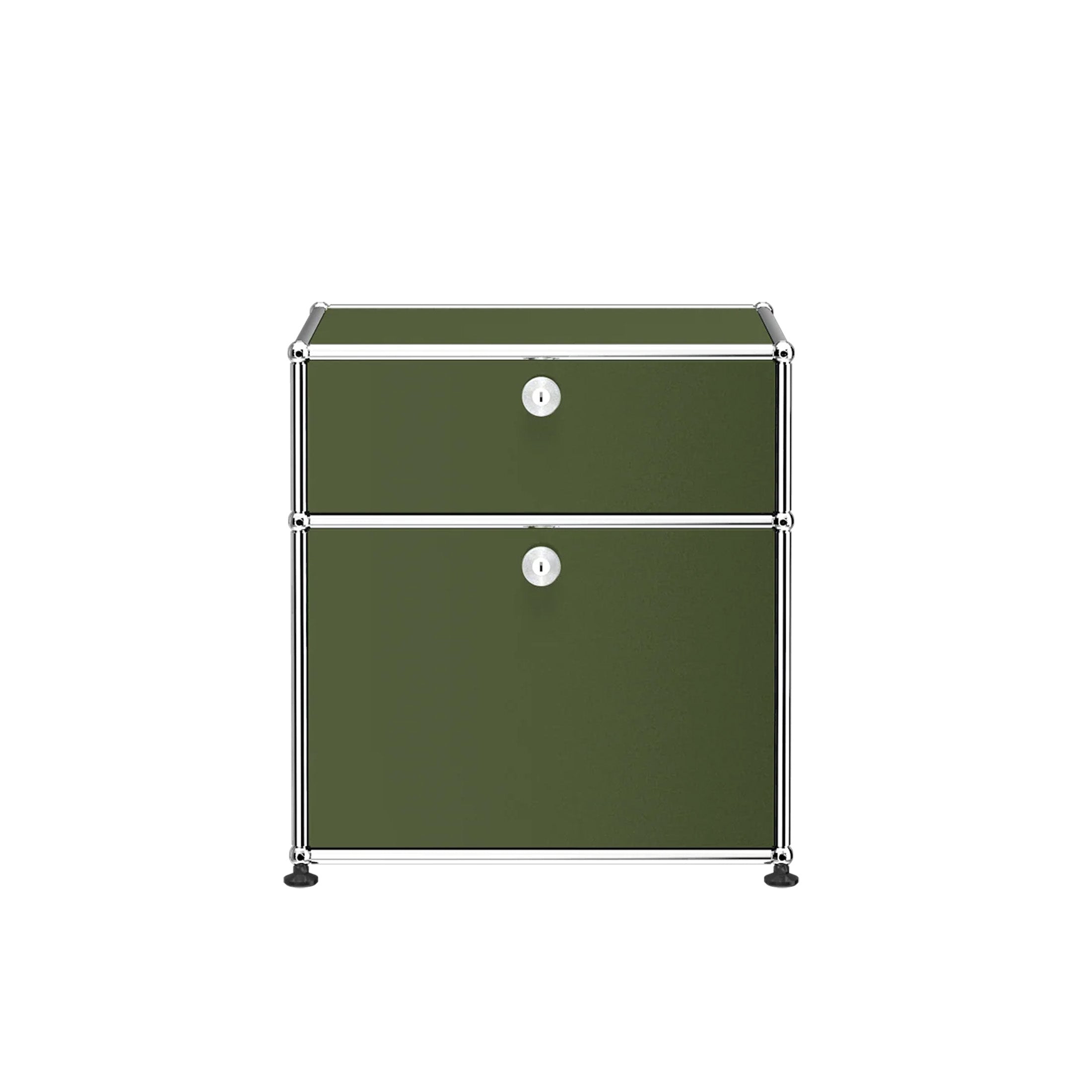
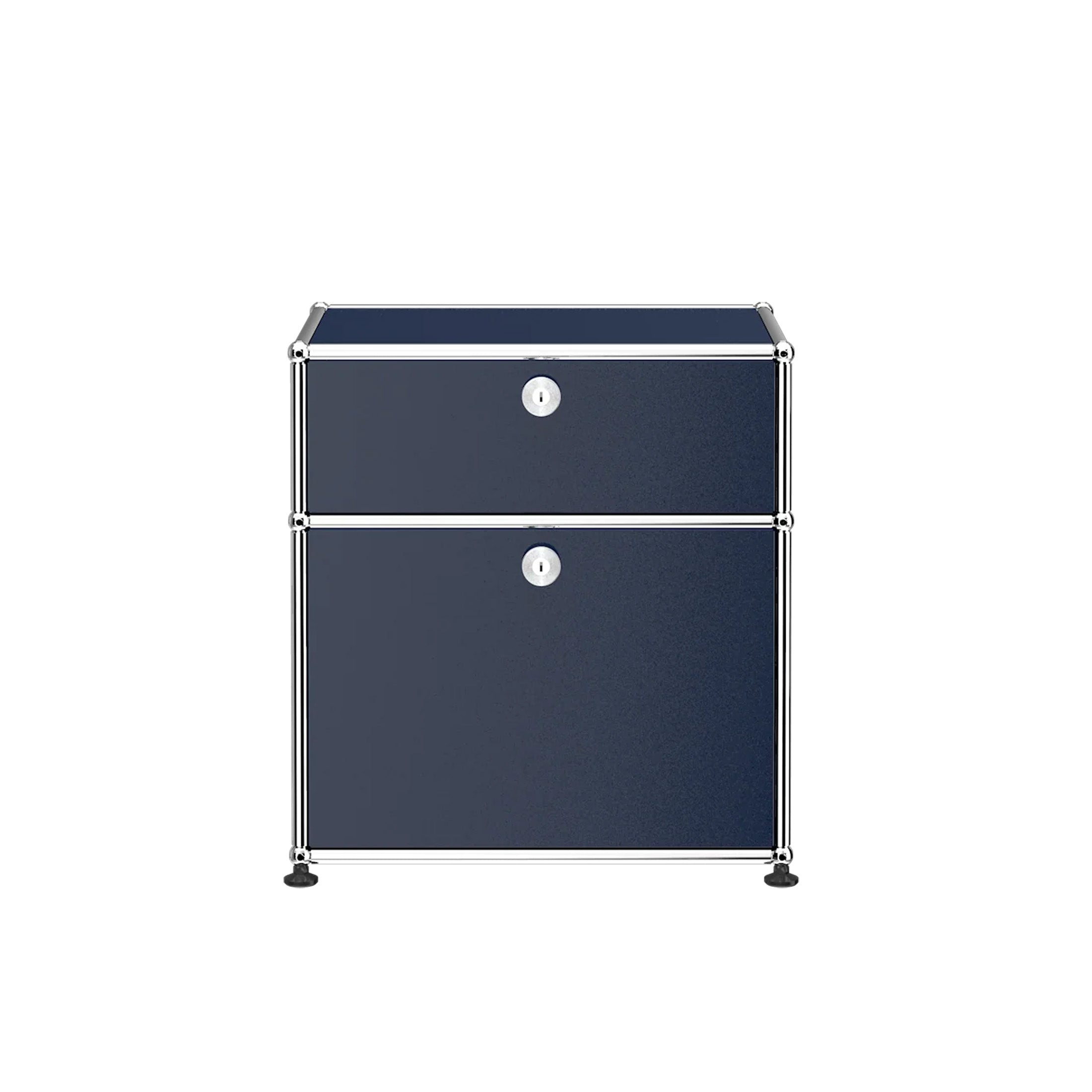
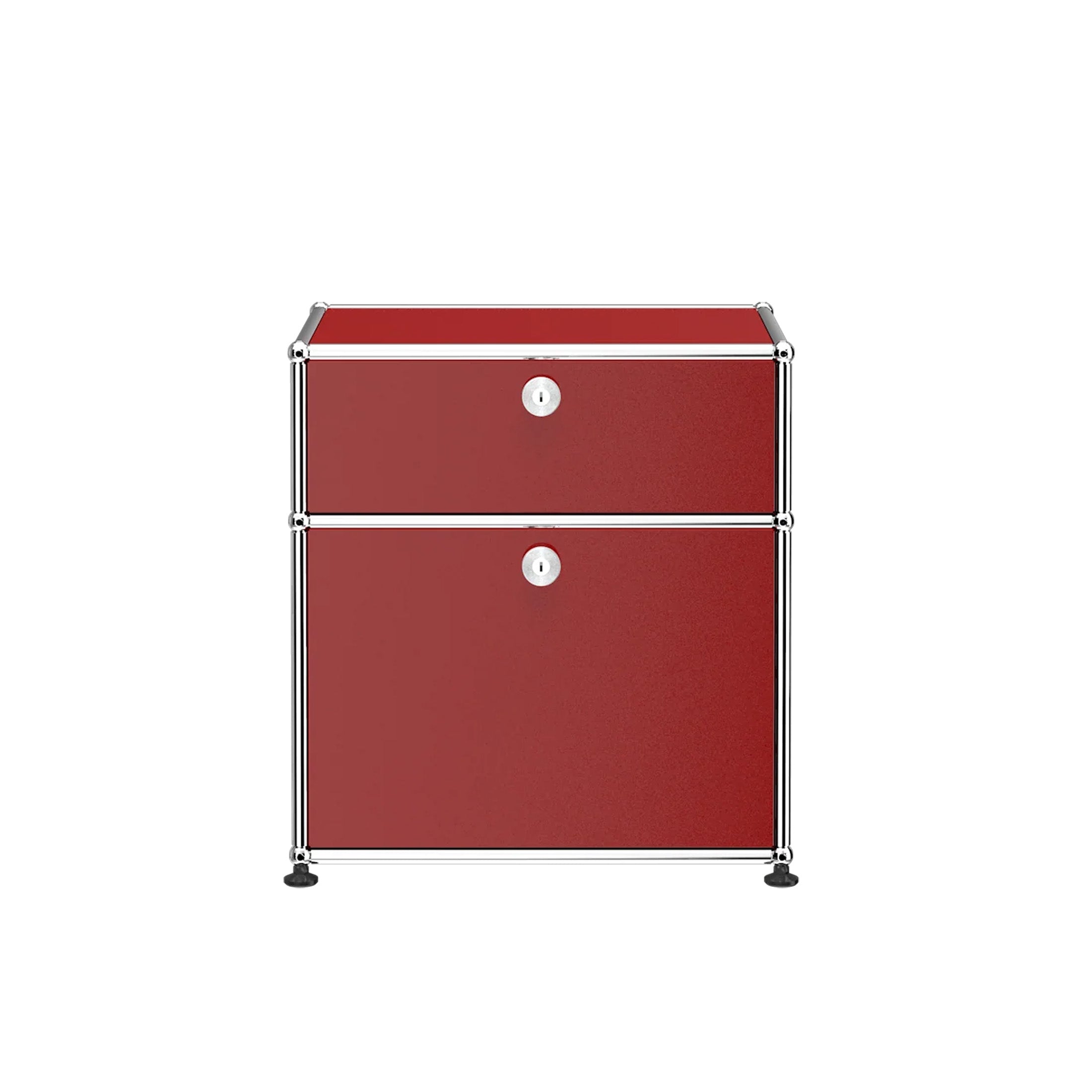
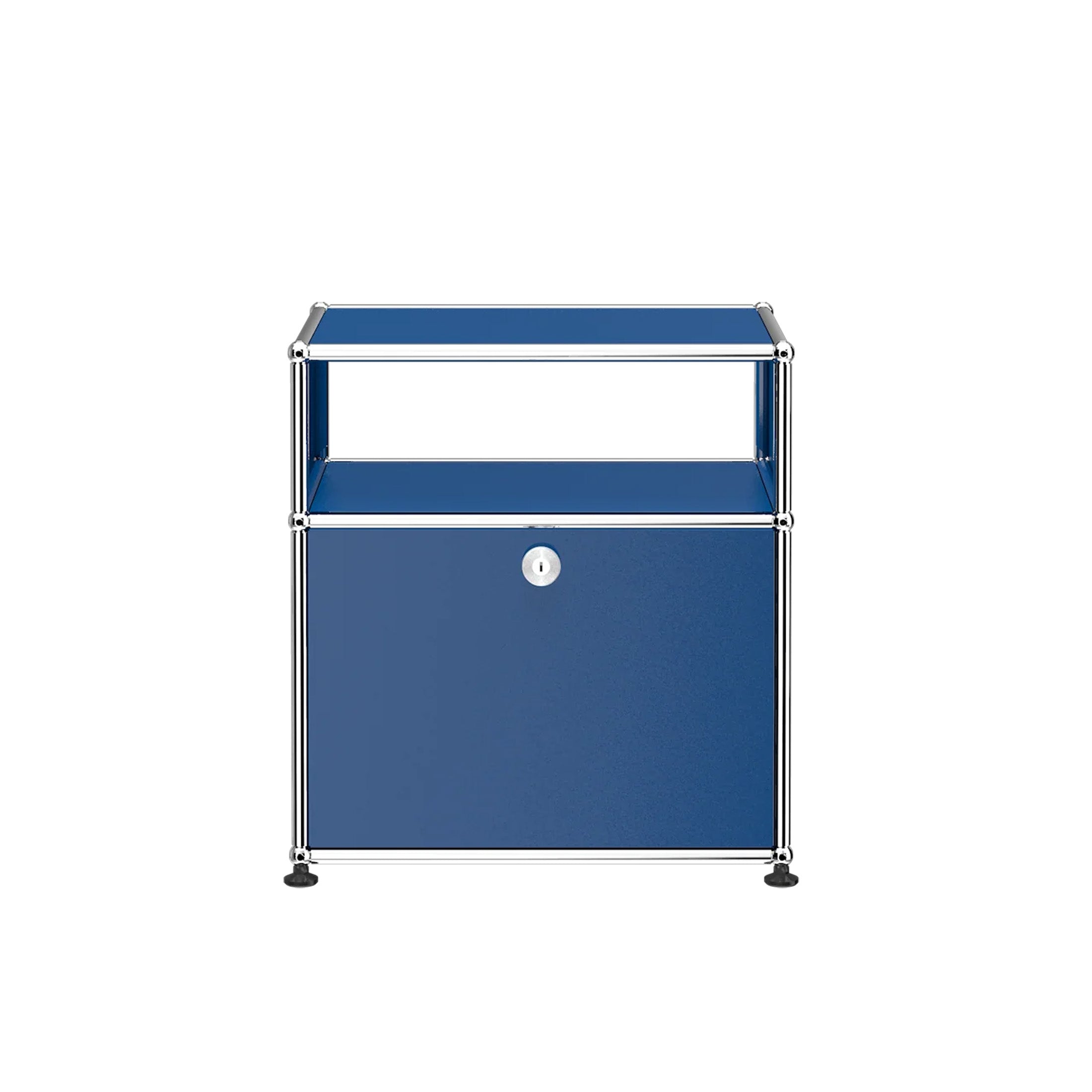
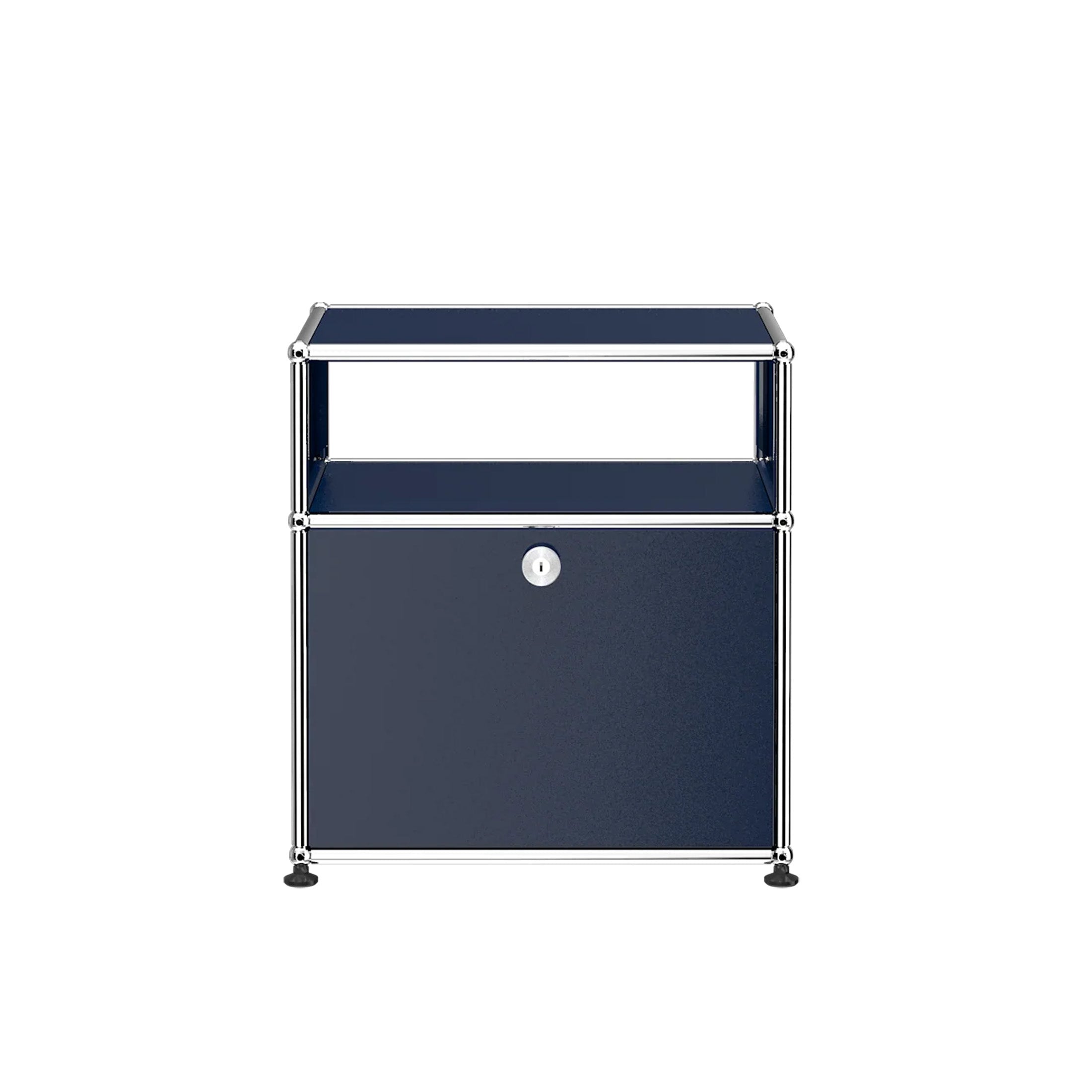
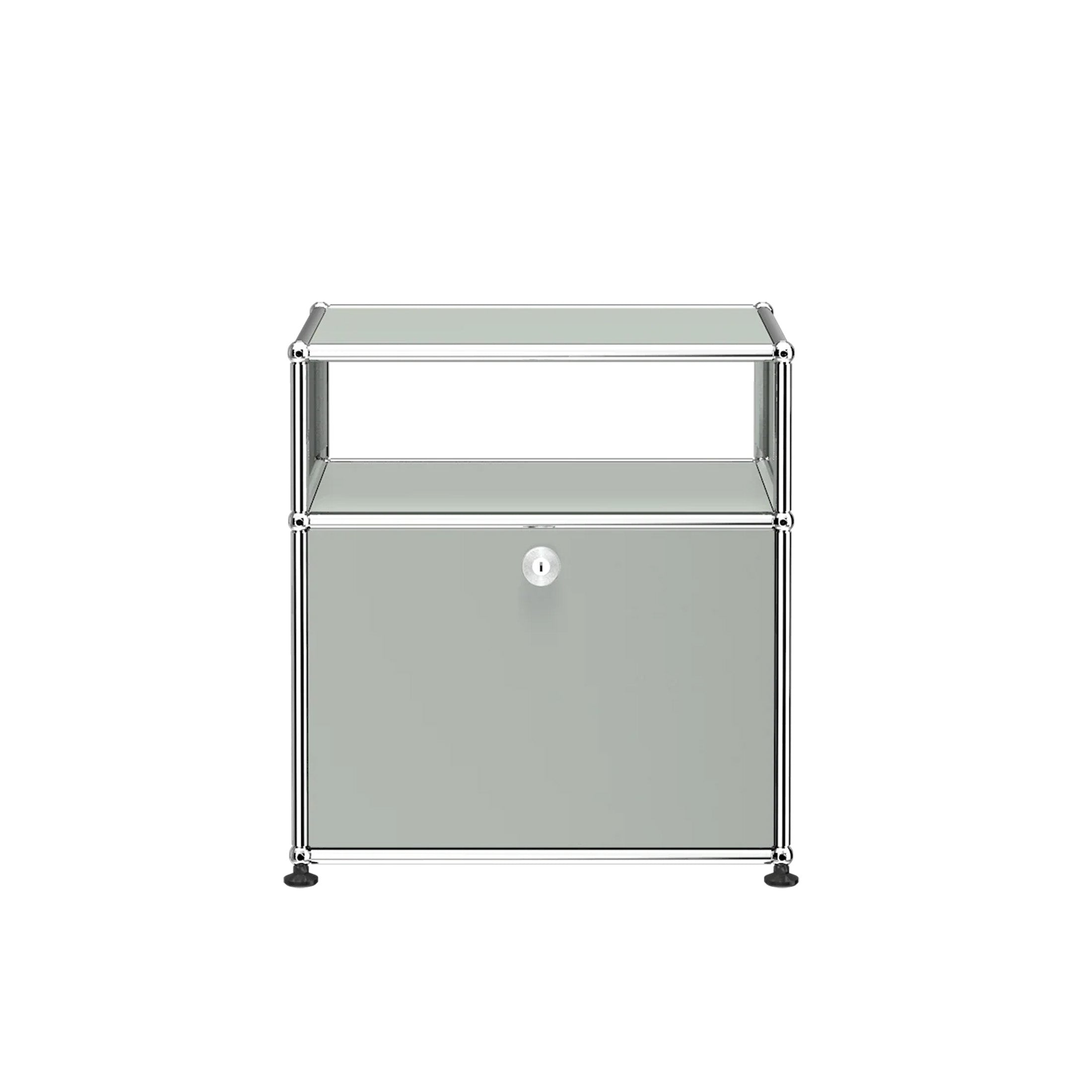
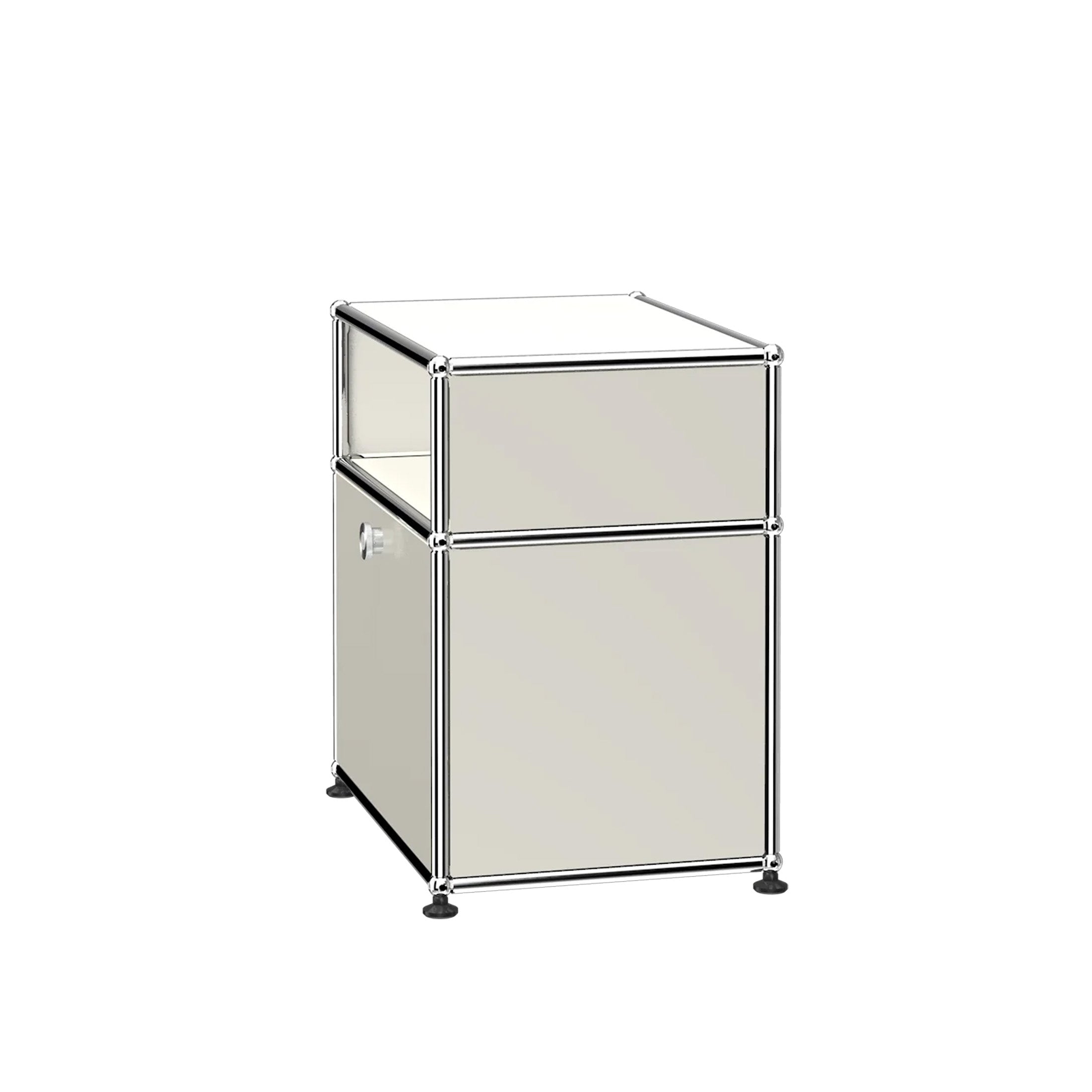
Paul Schärer Jr. was a Swiss industrialist and design figure whose legacy is inseparable from the creation of the USM Haller system, one of the most enduring icons of 20th-century modular furniture. Born in 1933, he joined the family company USM in 1961 after earning an engineering degree from ETH Zurich. Determined to modernize and industrialize the business, he brought a forward-looking vision shaped by a strong admiration for modern architecture and a belief in flexible, intelligent systems.
That vision led Schärer to commission Swiss architect Fritz Haller to design a new factory and office building in Munsingen. From that collaboration came not only a modular architectural concept, but also, in 1963, the USM Haller furniture system itself. Developed by Schärer and Haller to furnish USM's own offices, the system translated structural logic into furniture that could be expanded, adapted, and reconfigured over time. Its precision, restraint, and long-term flexibility helped establish it as a modern design classic, later recognized as a work of applied art and added to the permanent collection of The Museum of Modern Art in New York. Schärer died in 2011, leaving behind a design legacy rooted in innovation, clarity, and durability.