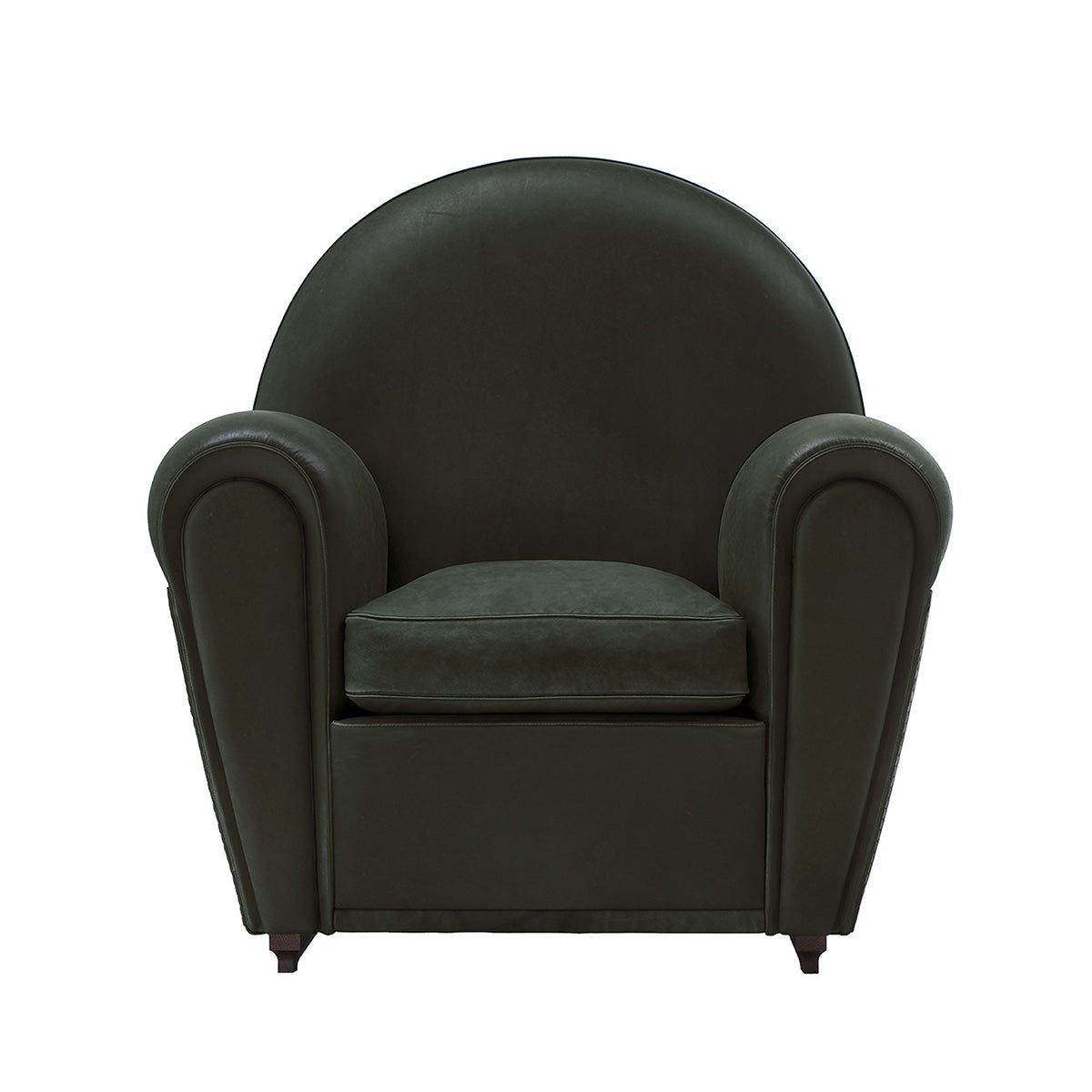
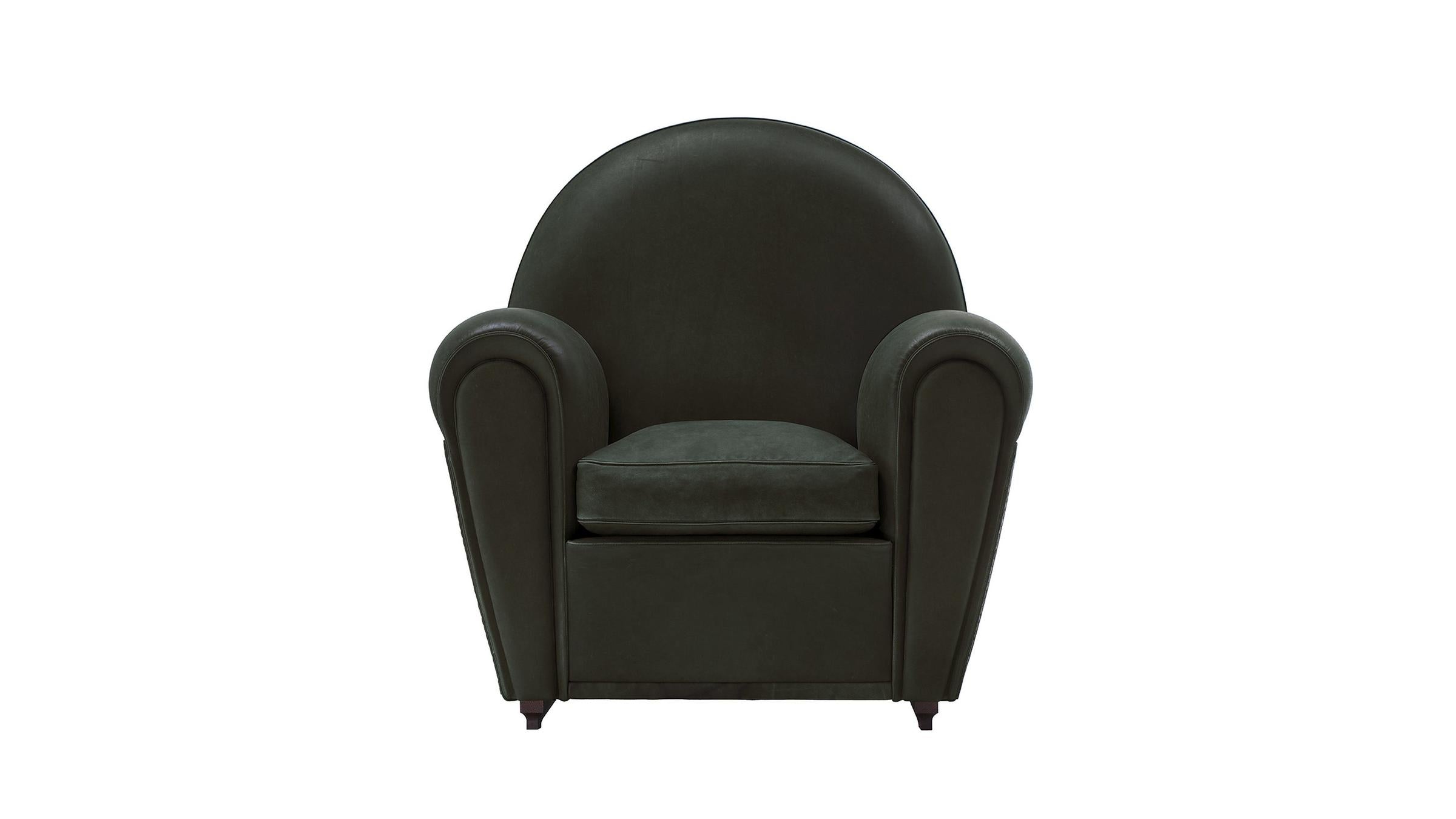
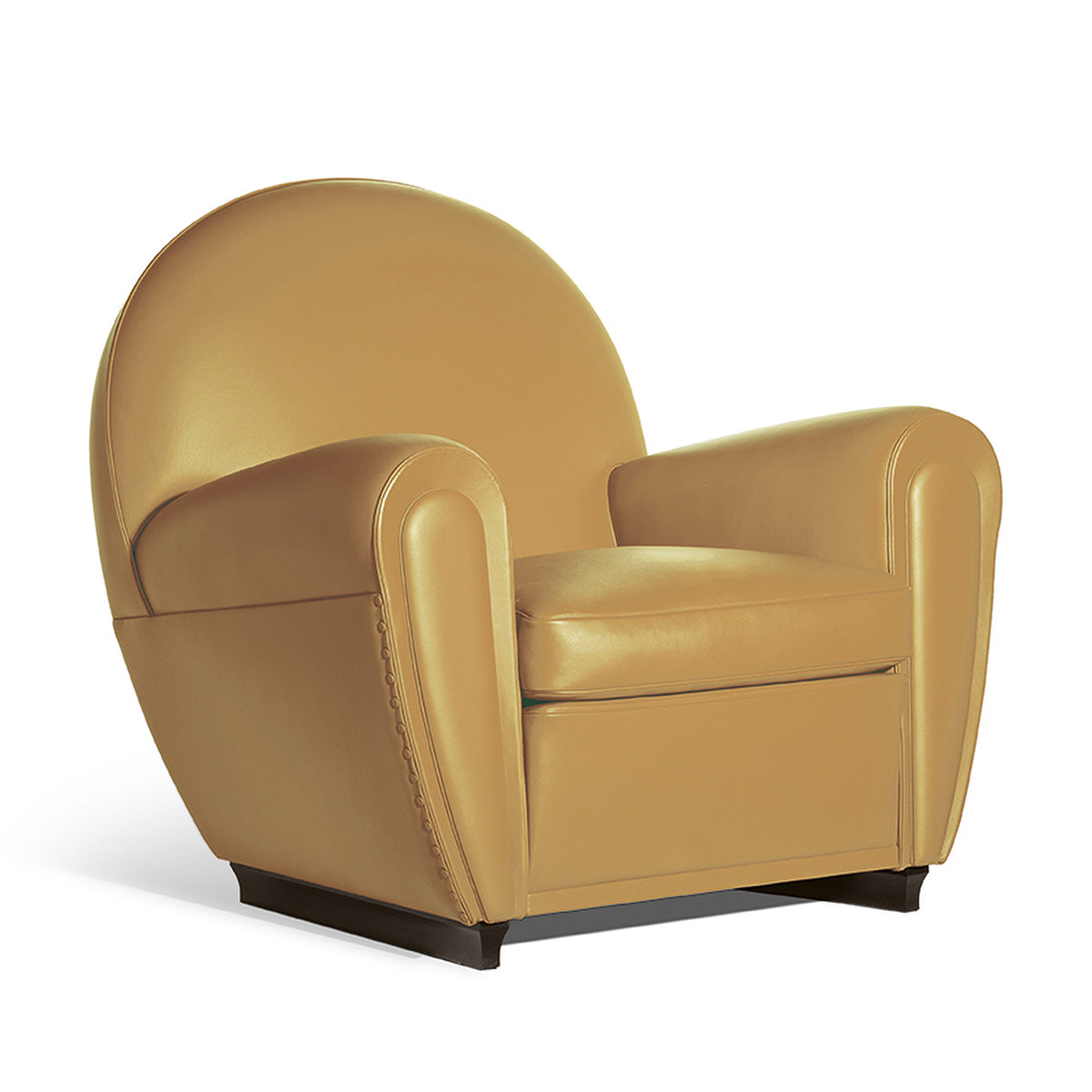
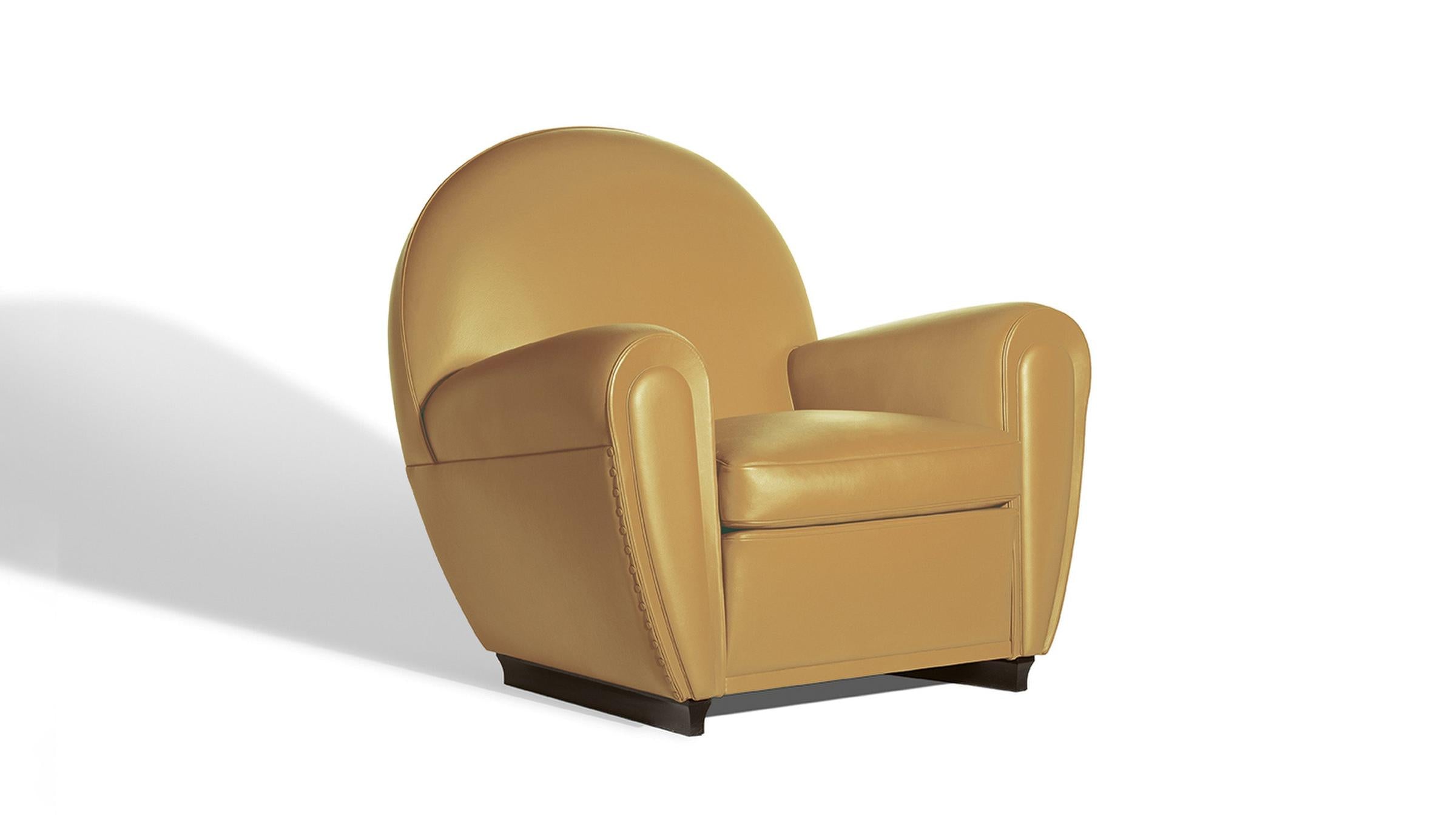
Poltrona Vanity Fair
Made by Poltrona Frau
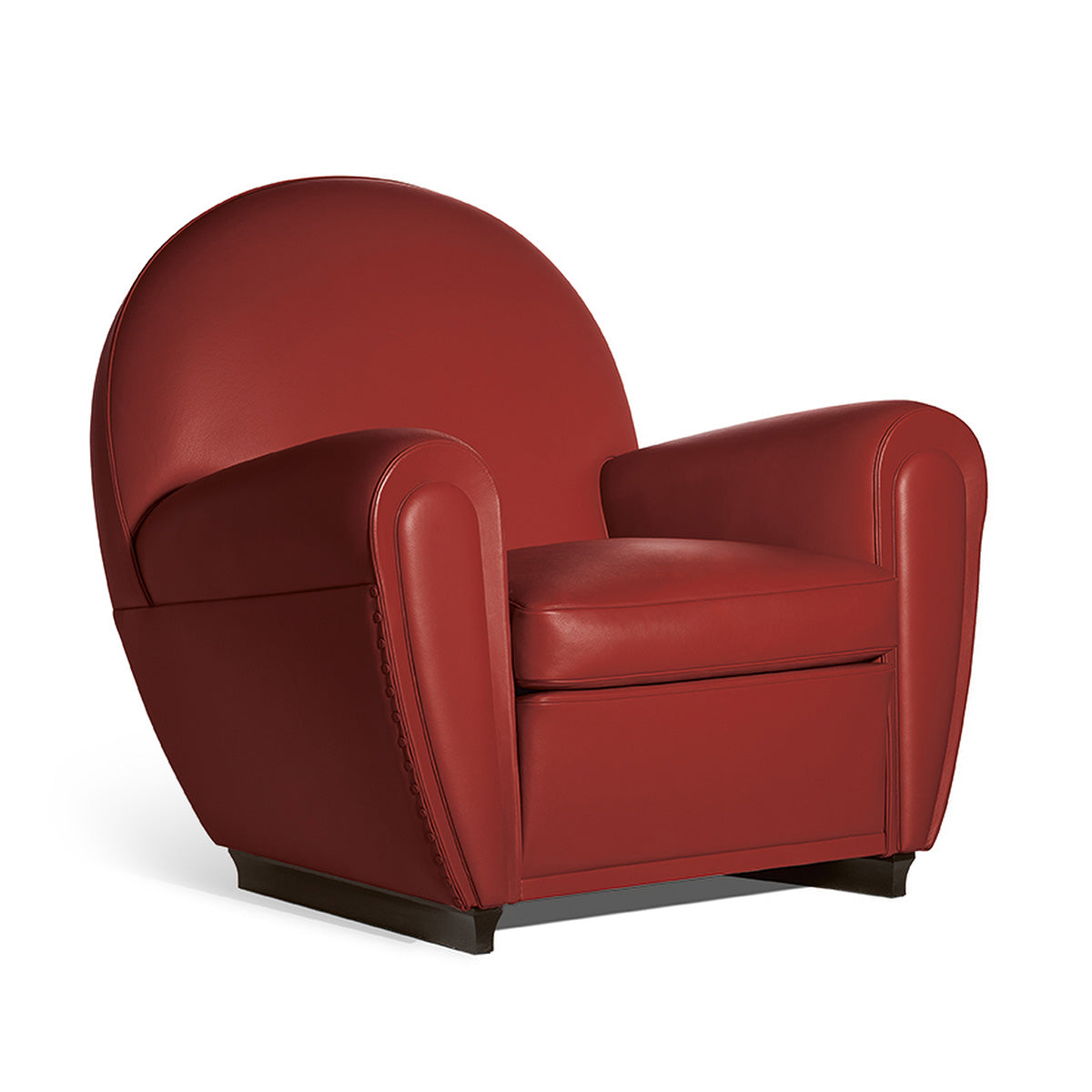
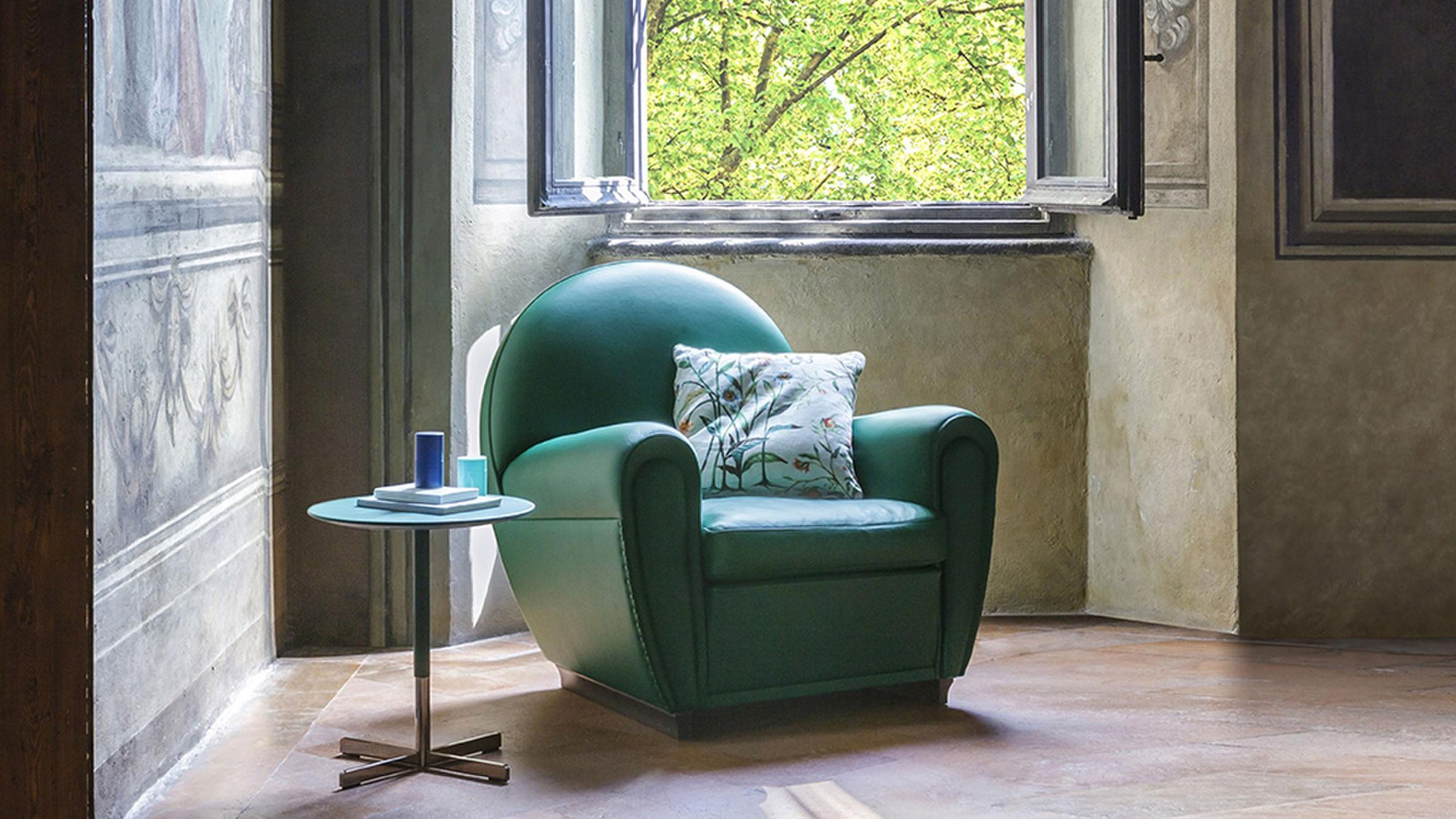
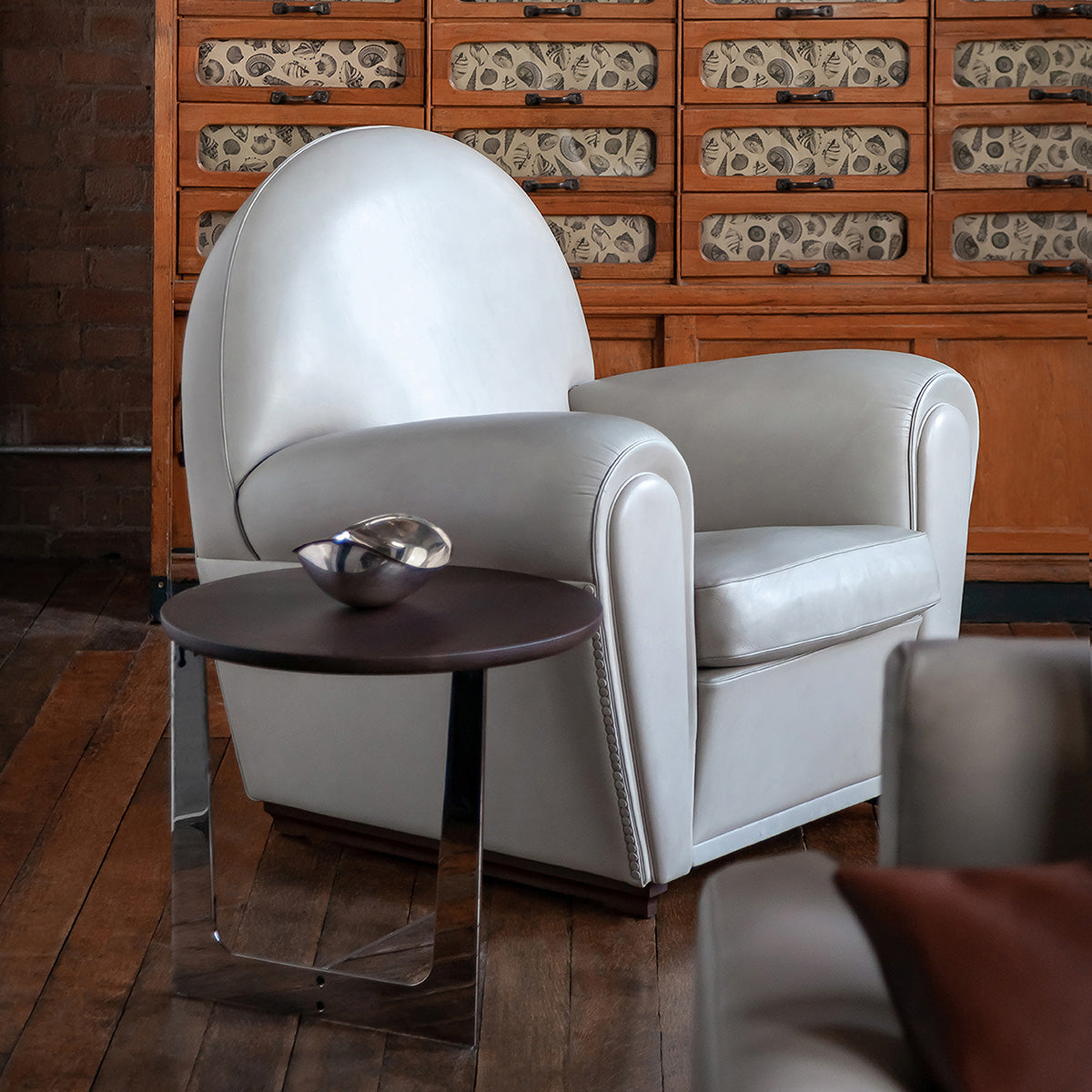
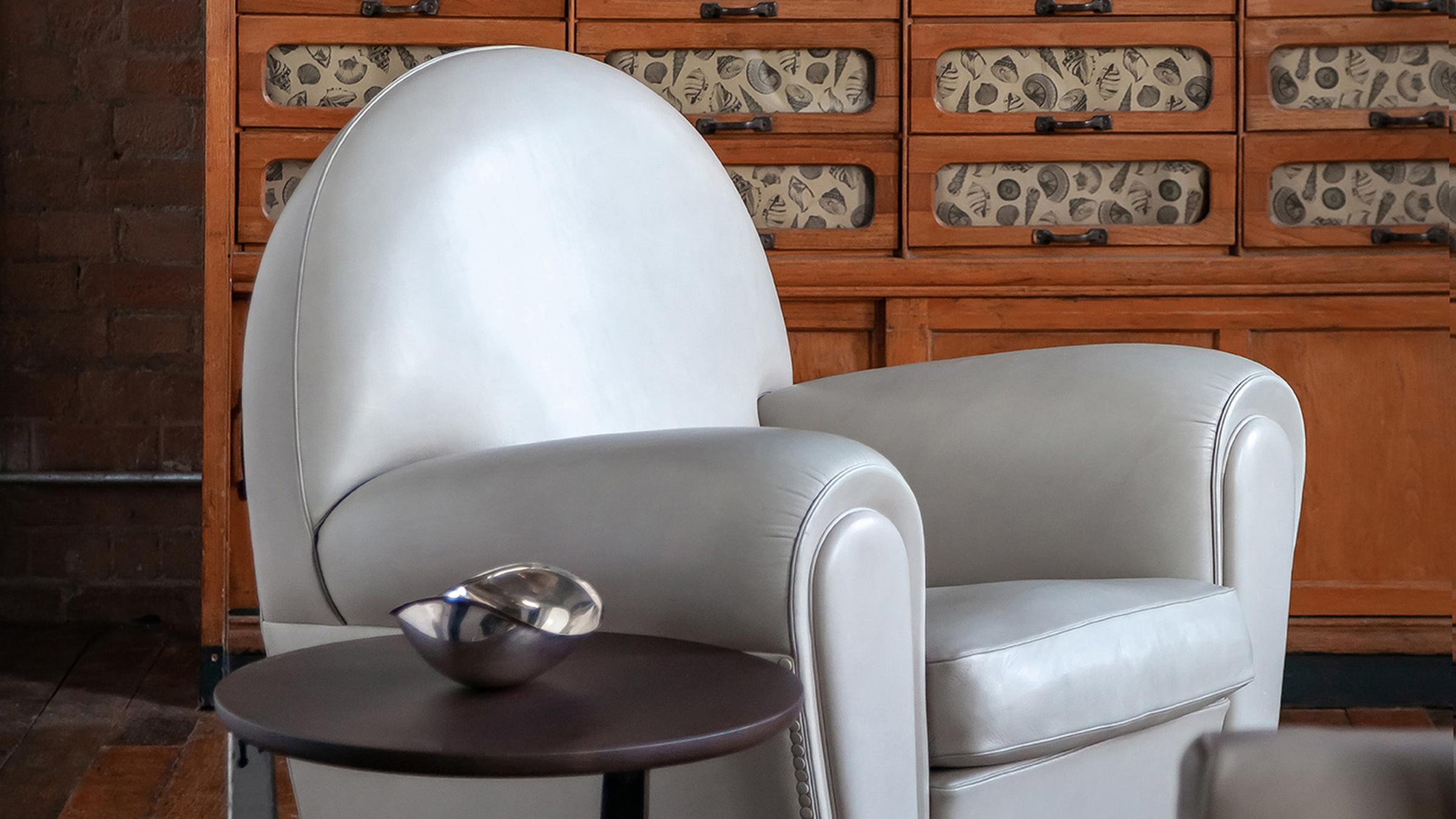
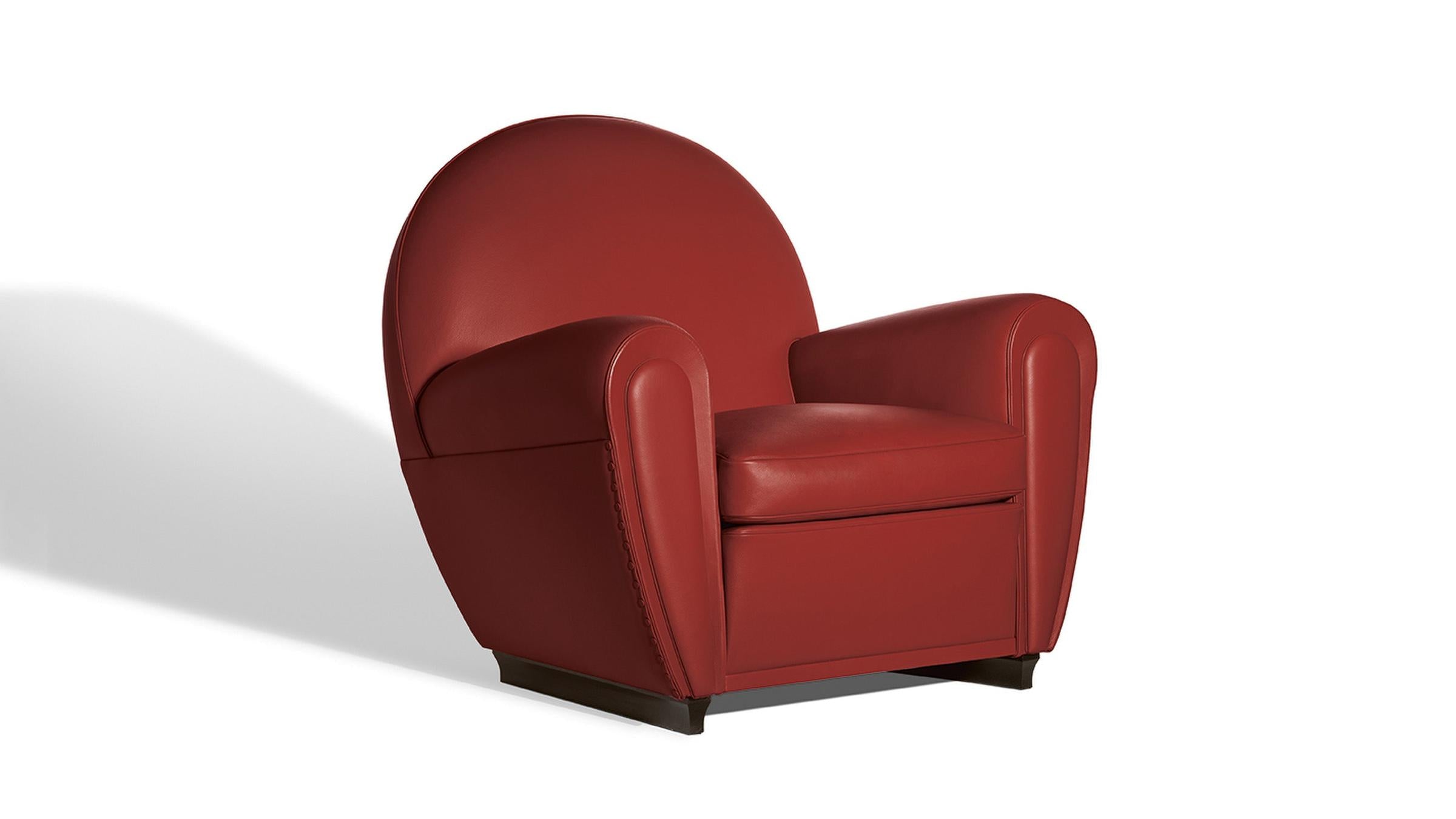
Prodotta per la prima volta nel 1930 con la denominazione Modello 904, la poltrona Vanity Fair è uno degli oggetti più duraturi nella storia del design italiano. Renzo Frau la concepì come una sedia che avrebbe mantenuto la sua presenza per decenni, attingendo al vocabolario formale dell'epoca pur insistendo su un comfort profondo e genuino.
La costruzione è accurata in ogni fase. Un solido telaio in faggio stagionato fornisce la base strutturale, mentre un'imbottitura modellata a mano costruisce il caratteristico volume arrotondato della sedia dall'interno verso l'esterno. Sotto la seduta, le molle biconiche in acciaio offrono un supporto reattivo e calibrato che mantiene sia la postura che le proporzioni nel corso degli anni di utilizzo.
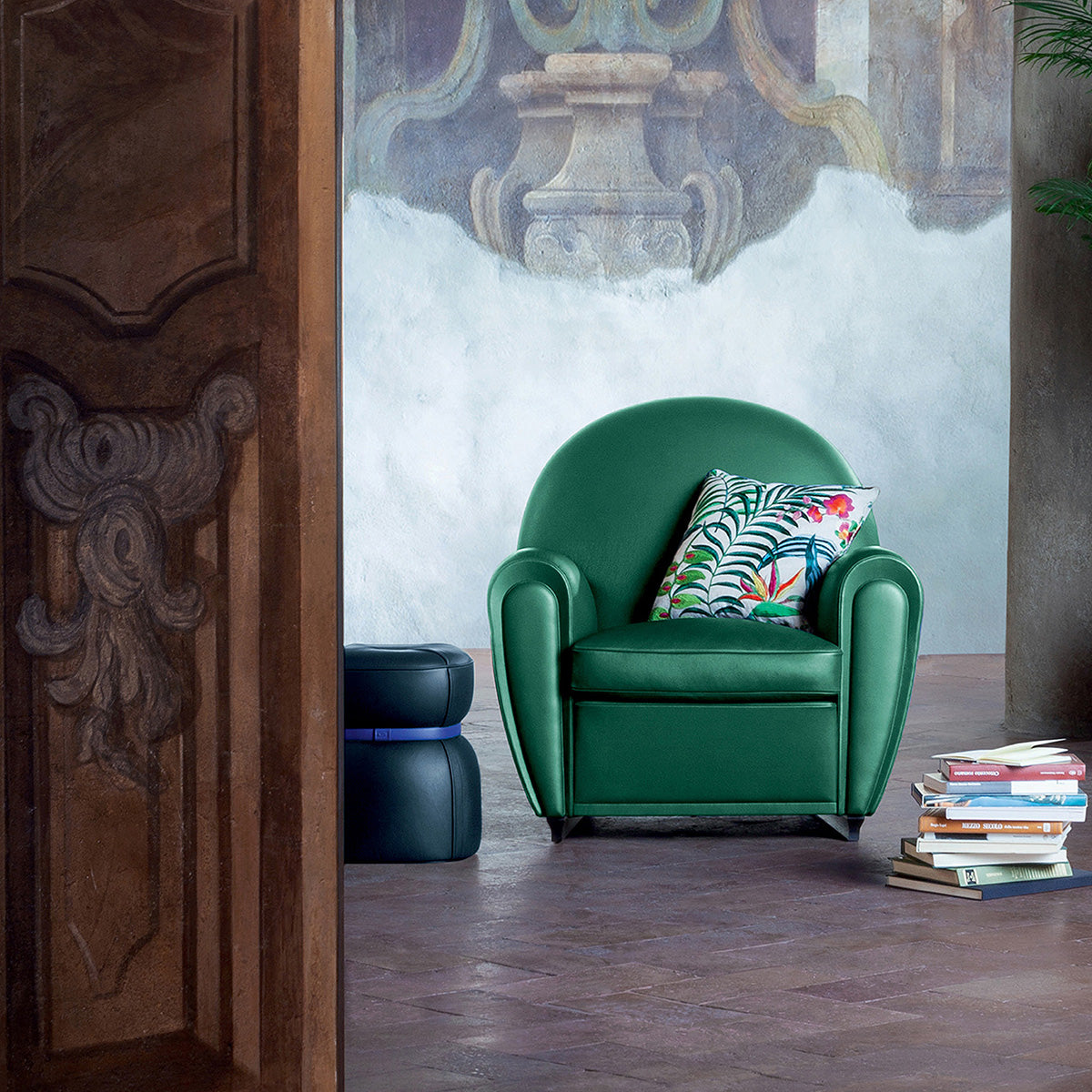
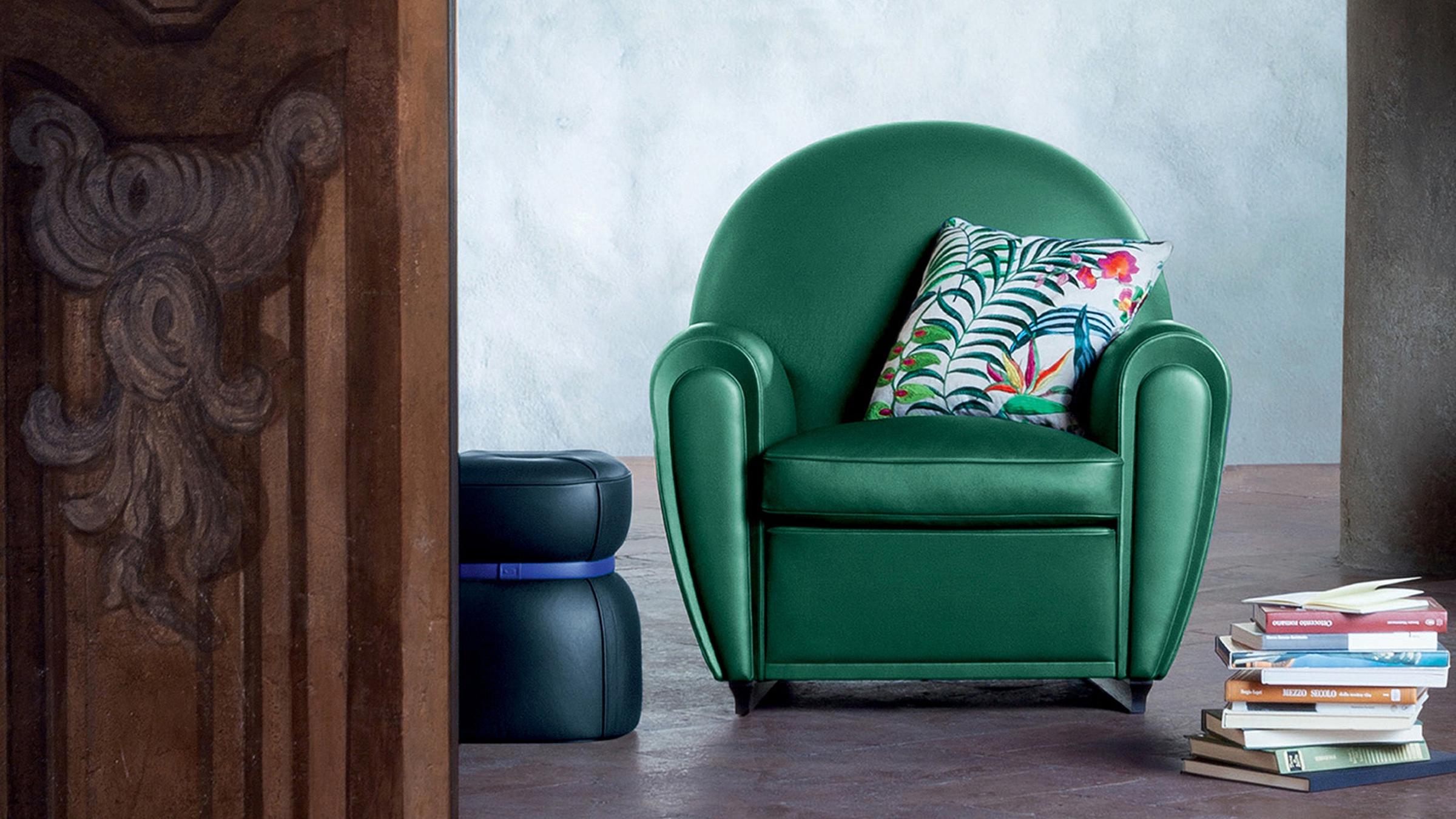
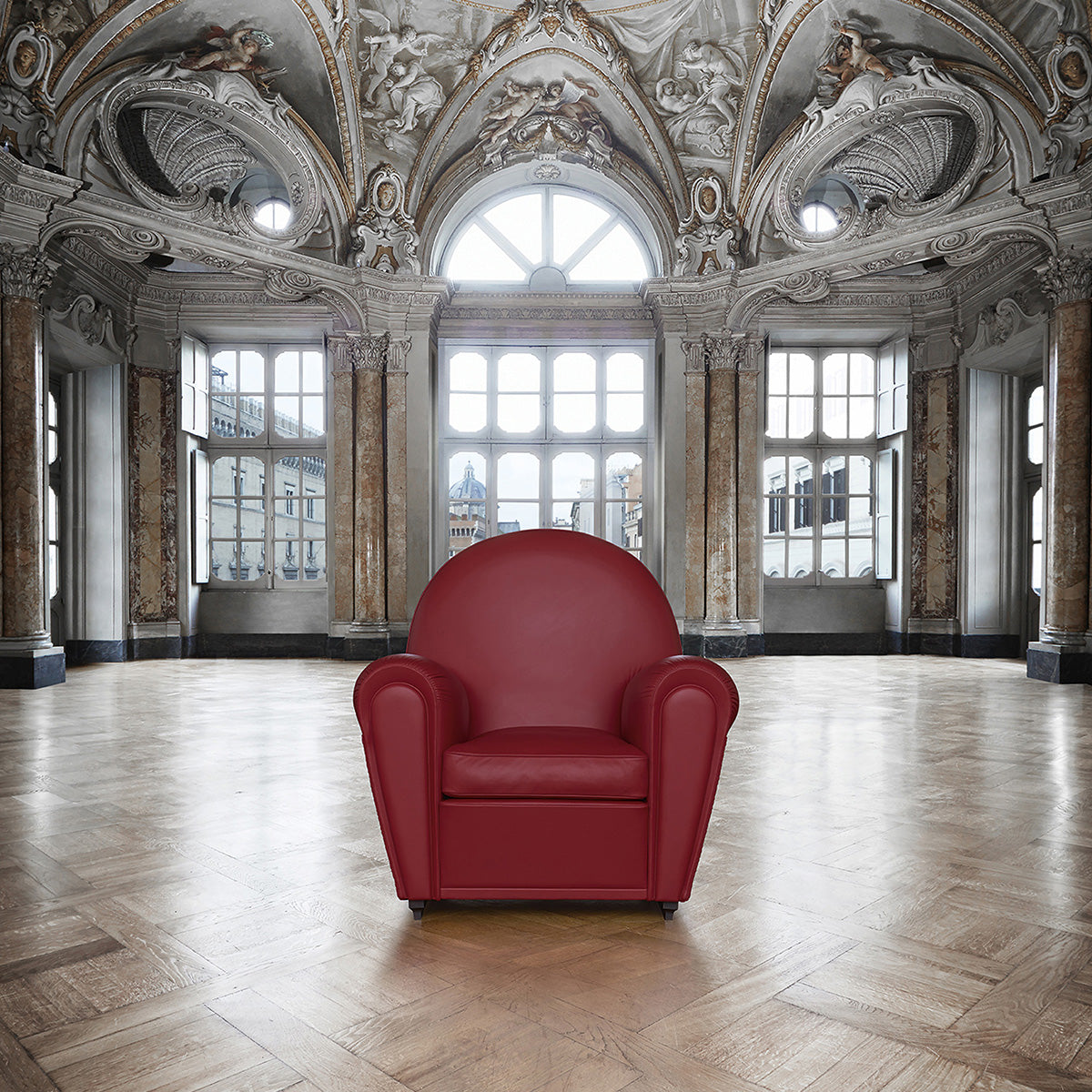
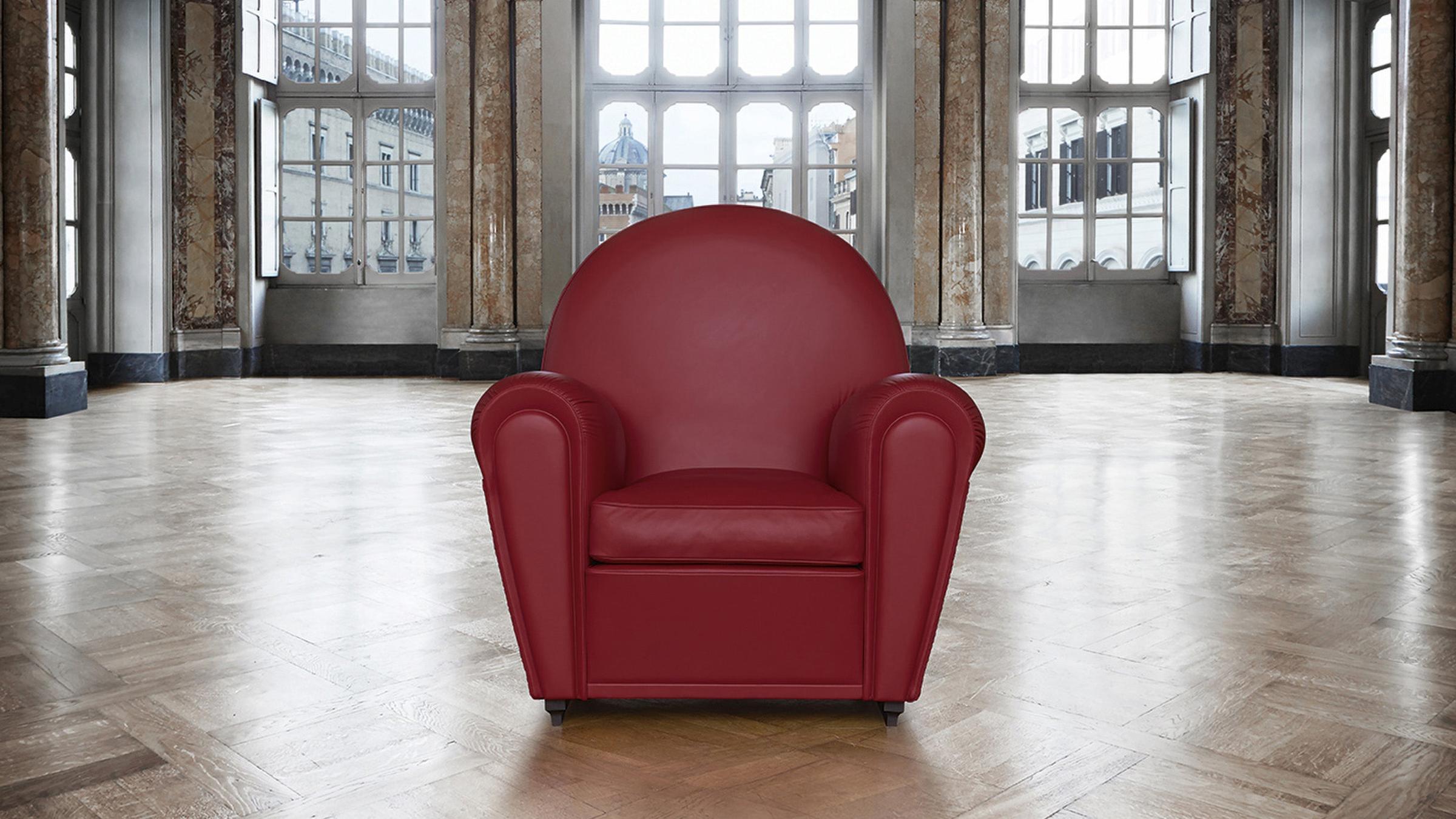
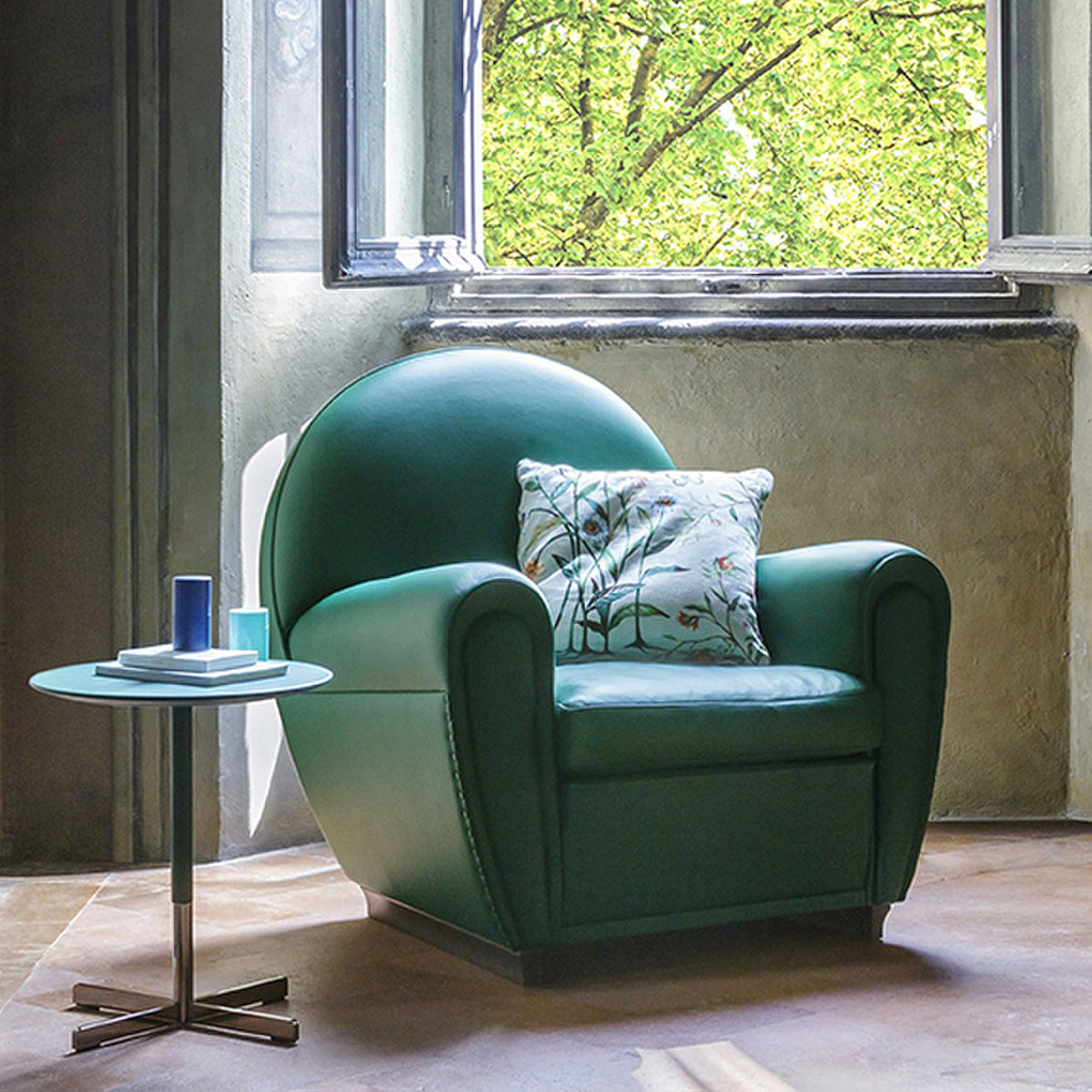
Disponibile nell'intera gamma di pelli e opzioni di rivestimento di Poltrona Frau, la Vanity Fair può essere configurata per adattarsi alla particolare sensibilità di uno spazio senza alterare ciò che la rende riconoscibile. La sua silhouette si inserisce con la stessa autorevolezza in un interno minimalista o accanto ad ambienti più ricchi e stratificati.
- Struttura in faggio massello stagionato
- Imbottitura modellata a mano su molle biconiche in acciaio
- Disponibile nell'intera gamma di pelli e tessuti Poltrona Frau
- Prodotta su ordinazione a Tolentino, Italia
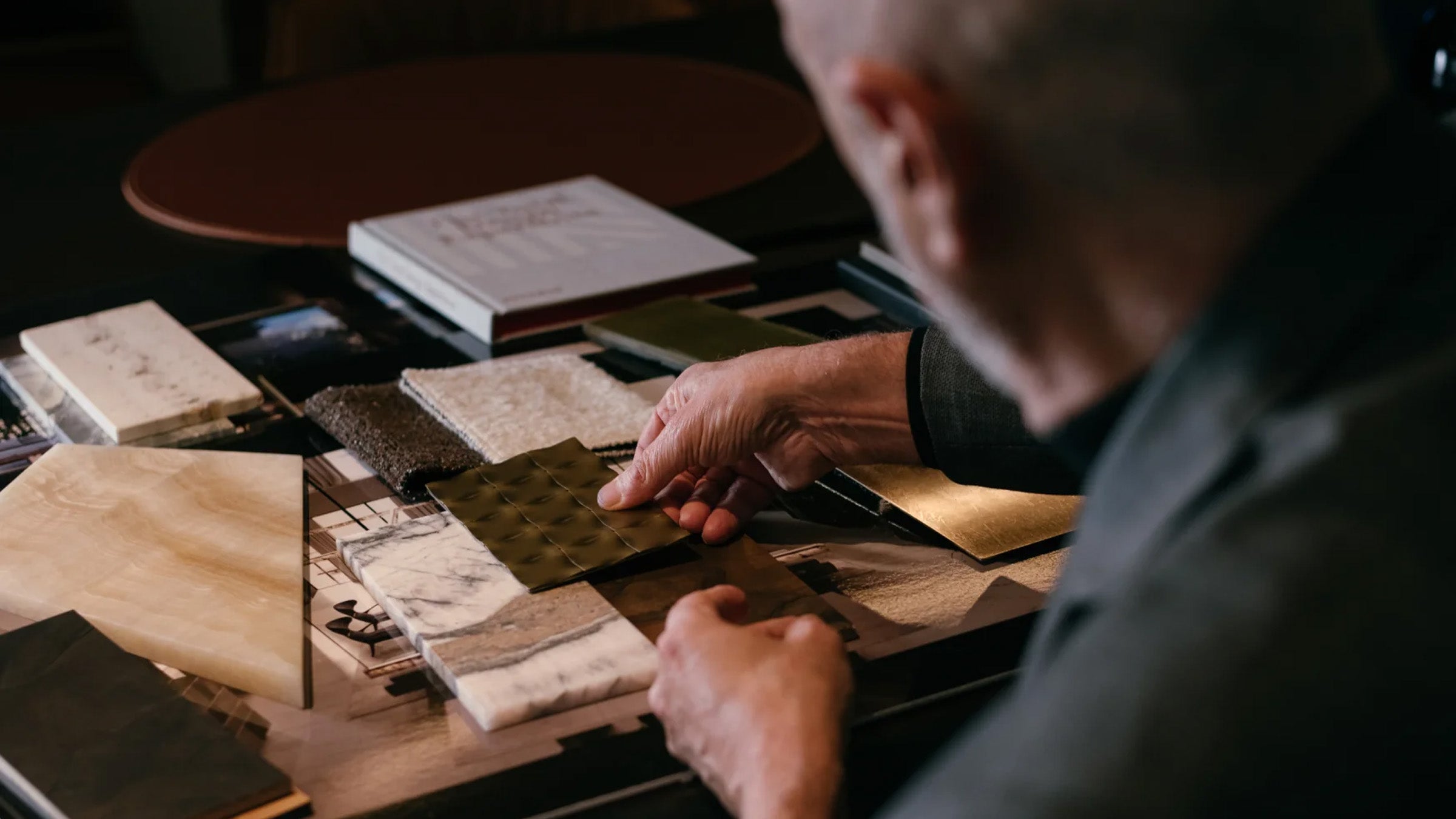
Made to order by Poltrona Frau, tailored to you.
Get customization options, swatch samples and pricing for your project.
Si abbina bene a
Product Details
Tear Sheet
Pricing & Warranty
Pricing for made-to-order items varies based on configuration, finishes, and customization options. Please contact one of our design consultants or visit a showroom near you for current pricing and personalized assistance.
Luminaire is an authorized retailer of Poltrona Frau. The product comes with a full manufacturer warranty.
Authenticity guaranteed. Genuine product, authenticated and sourced directly from the manufacturer.
Domande Frequenti
When was the Vanity Fair armchair first designed?
The Vanity Fair armchair was first produced in 1930, originally catalogued as model 904. It is attributed to Renzo Frau, the founder of Poltrona Frau, and has remained in continuous production since its introduction.
What materials are used in the Vanity Fair armchair?
The frame is constructed from solid seasoned beech, with hand-shaped padding applied over steel biconical springs. The upholstery is available in Poltrona Frau's extensive range of leathers and fabrics, each finished according to the brand's traditional craft standards.
Can the Vanity Fair armchair be customized?
Yes. Poltrona Frau offers the Vanity Fair in a wide selection of leather grades, fabric options, and colorways, allowing the piece to be configured for both traditional and contemporary interiors.
Is the Vanity Fair considered a design icon?
The Vanity Fair is widely regarded as one of the foundational pieces of twentieth-century Italian furniture design. Its proportions and upholstery approach have influenced Italian seating design broadly, and it remains a reference point for the Poltrona Frau brand identity.
How does the Vanity Fair armchair's comfort compare to its aesthetic presence?
The chair's enveloping volume is structural, not merely visual. The combination of hand-shaped padding and spring support creates a depth of seat that sustains long-term comfort, making the Vanity Fair as functional as it is formally distinctive.