Poltrona Tria Lounge
Made by GUBI
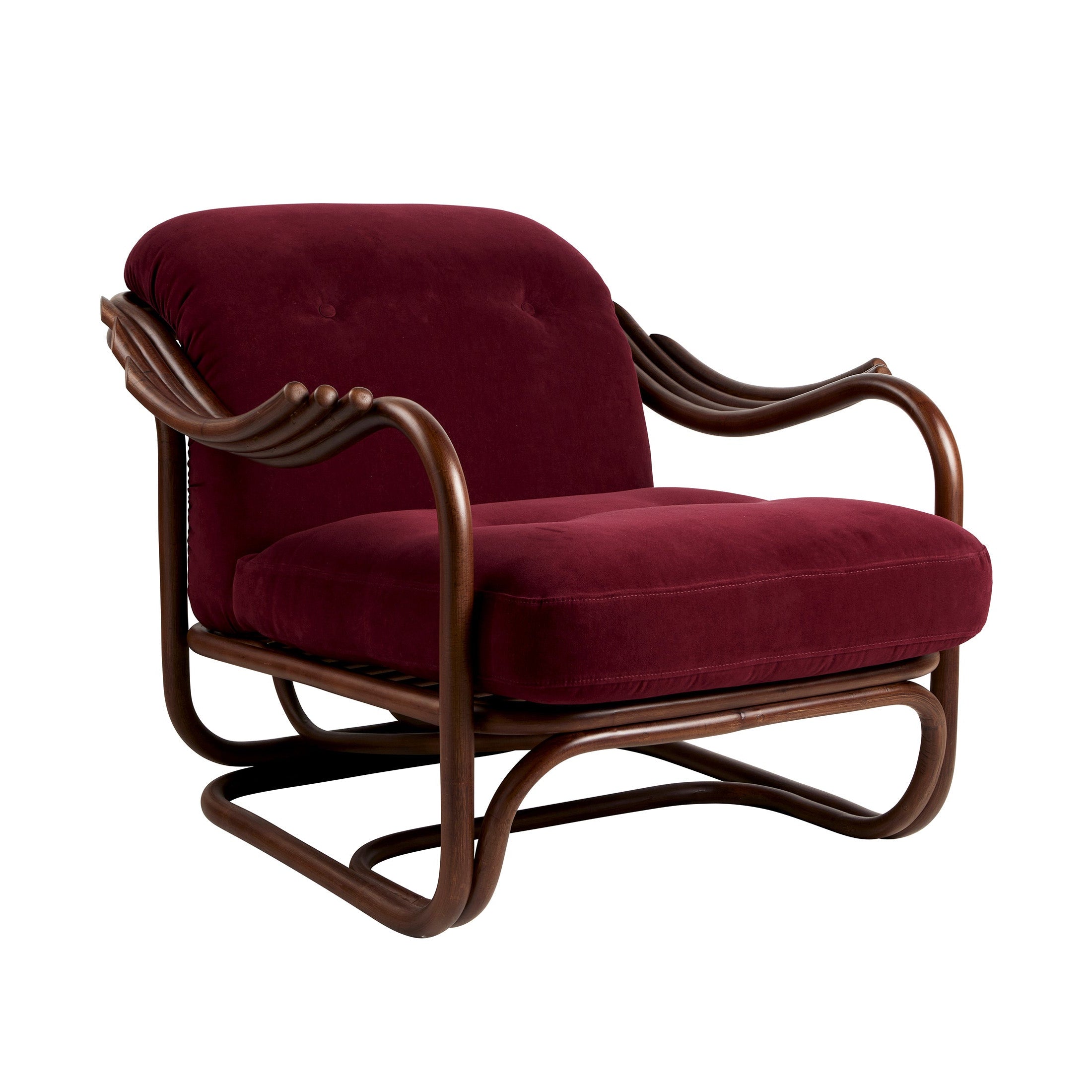
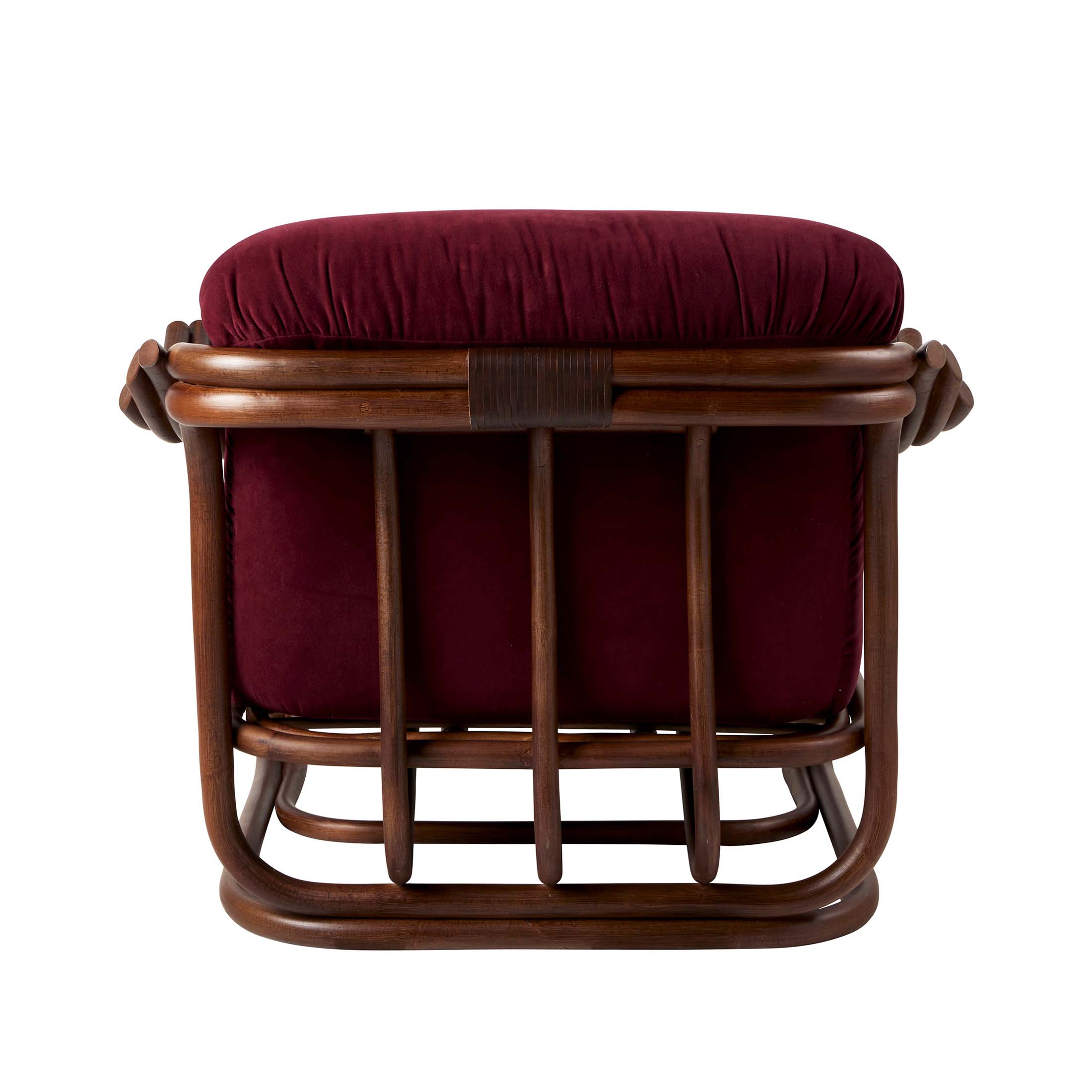
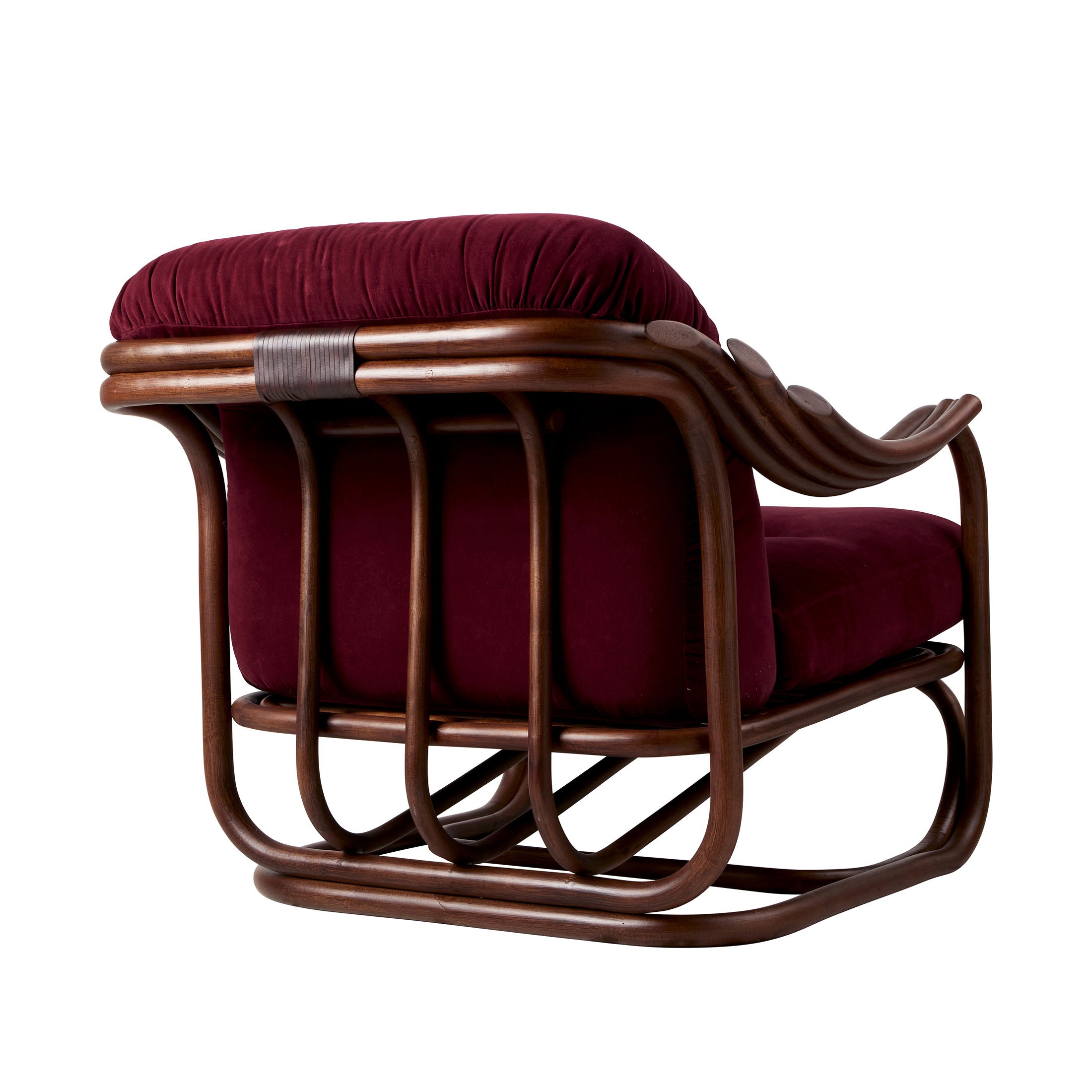
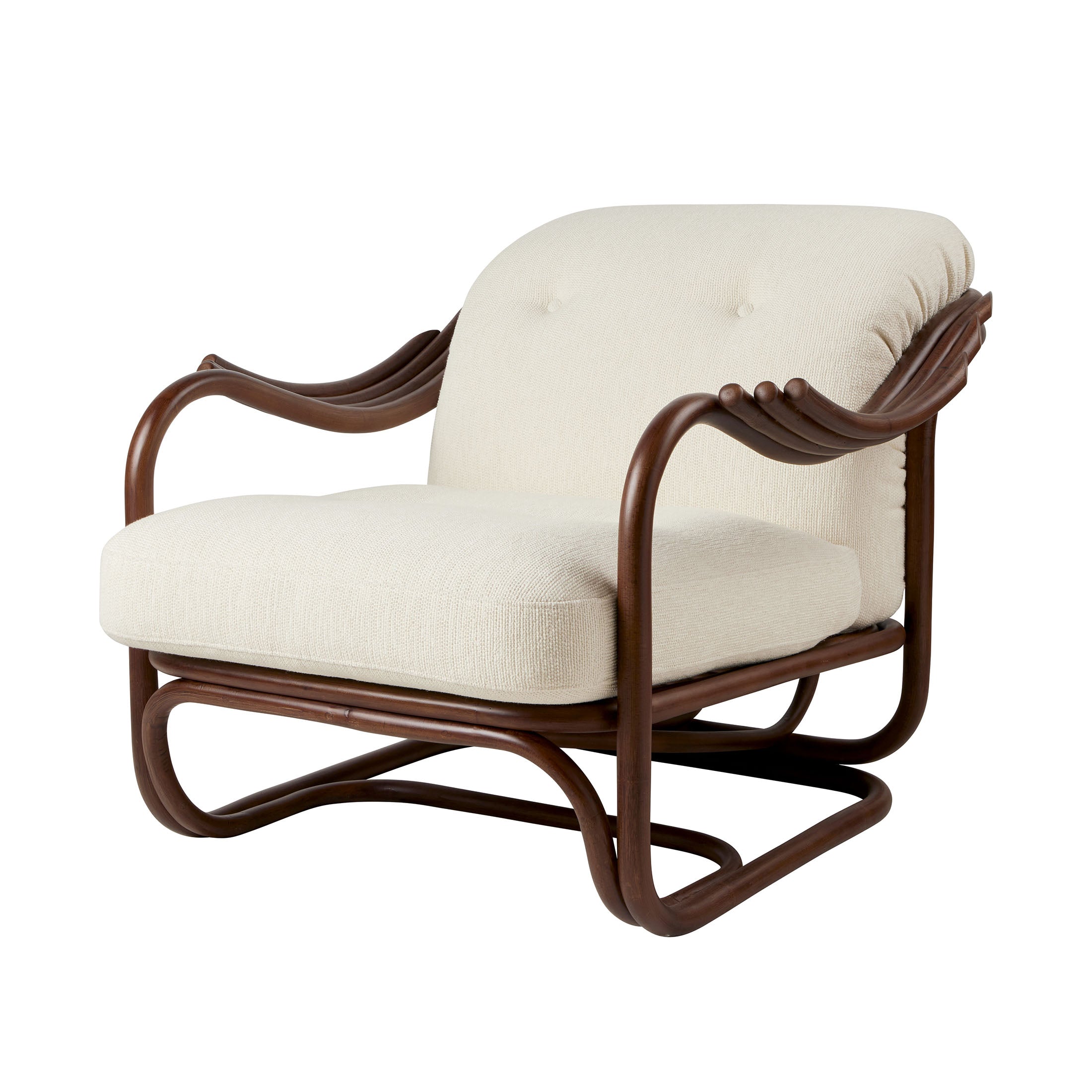
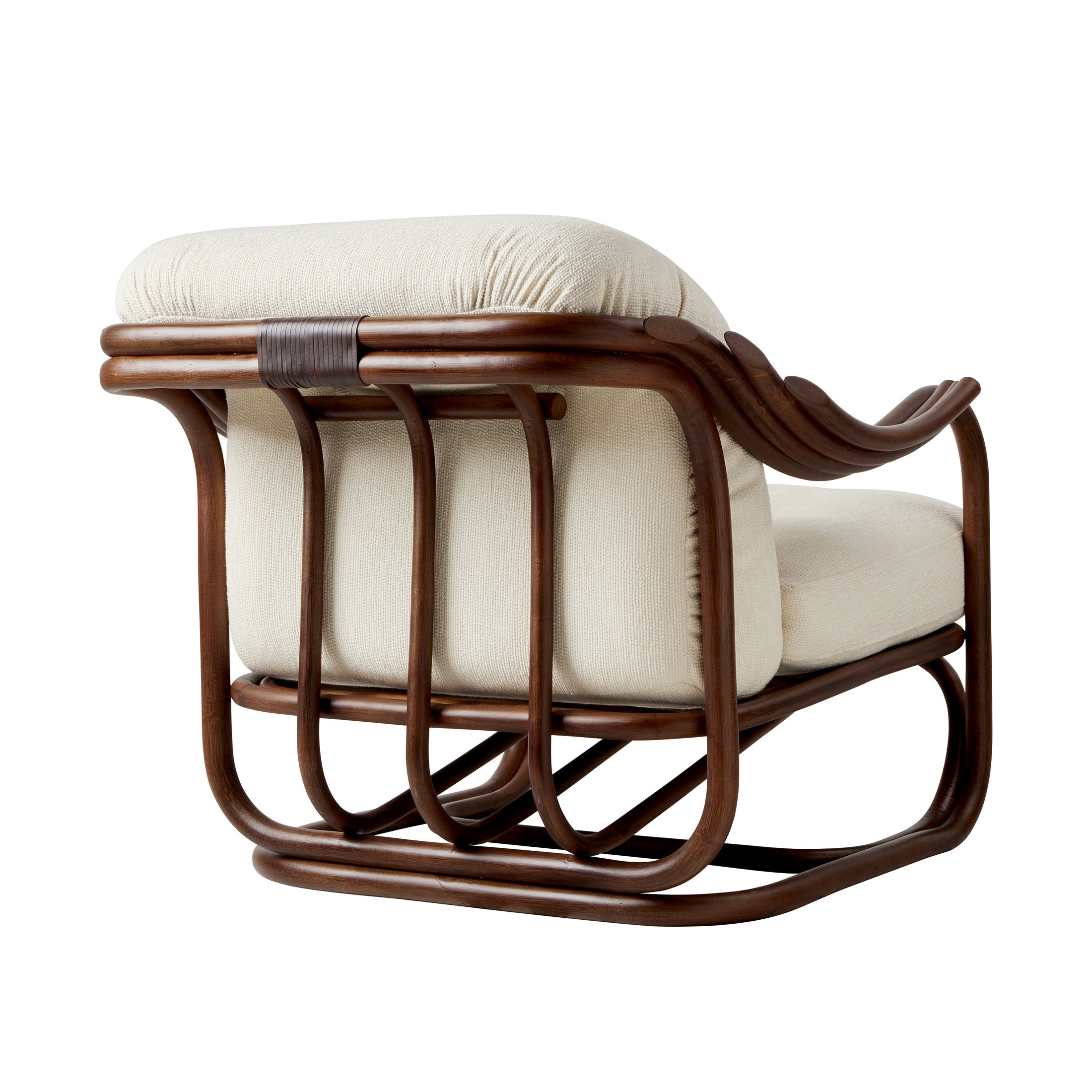
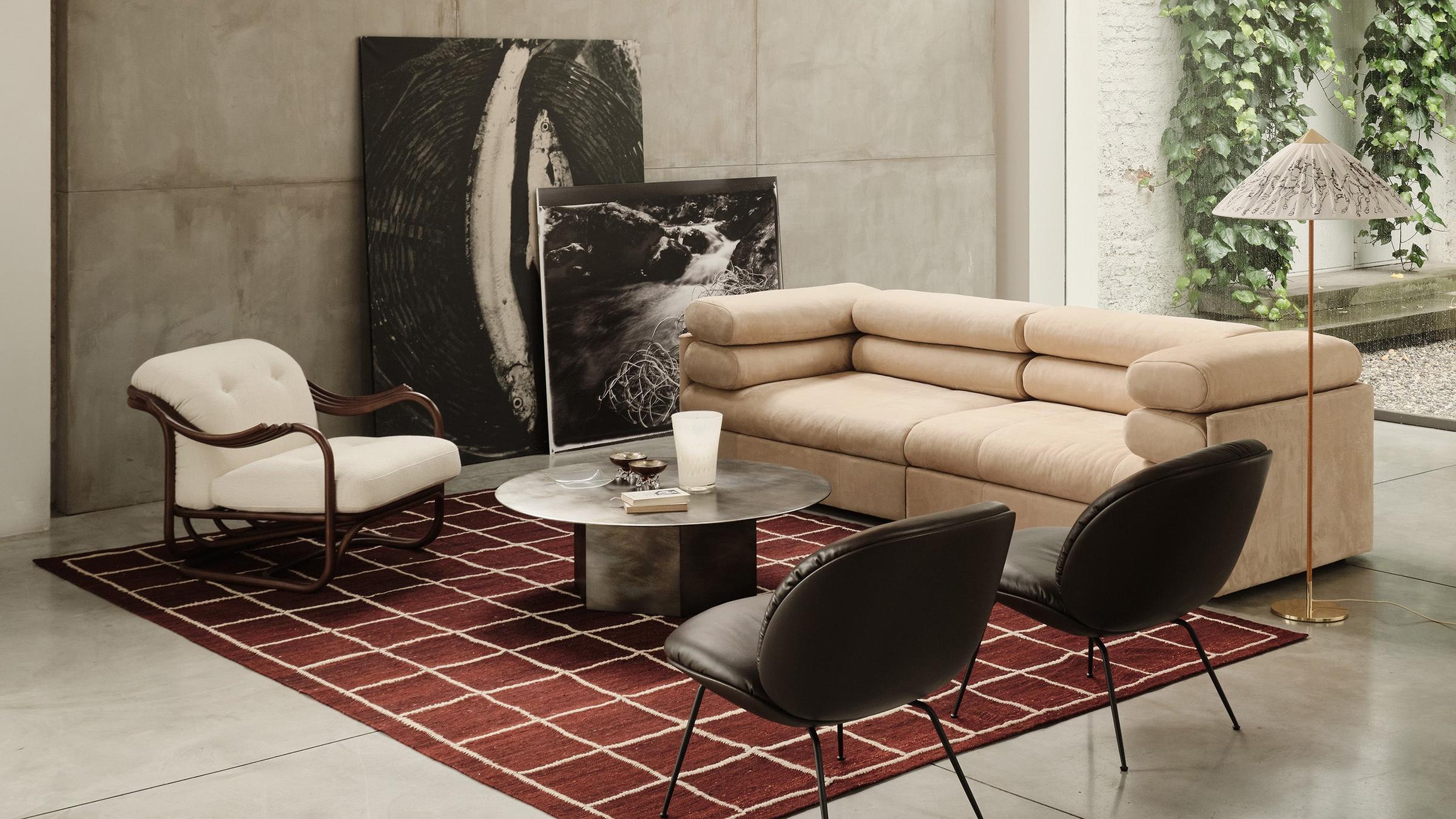
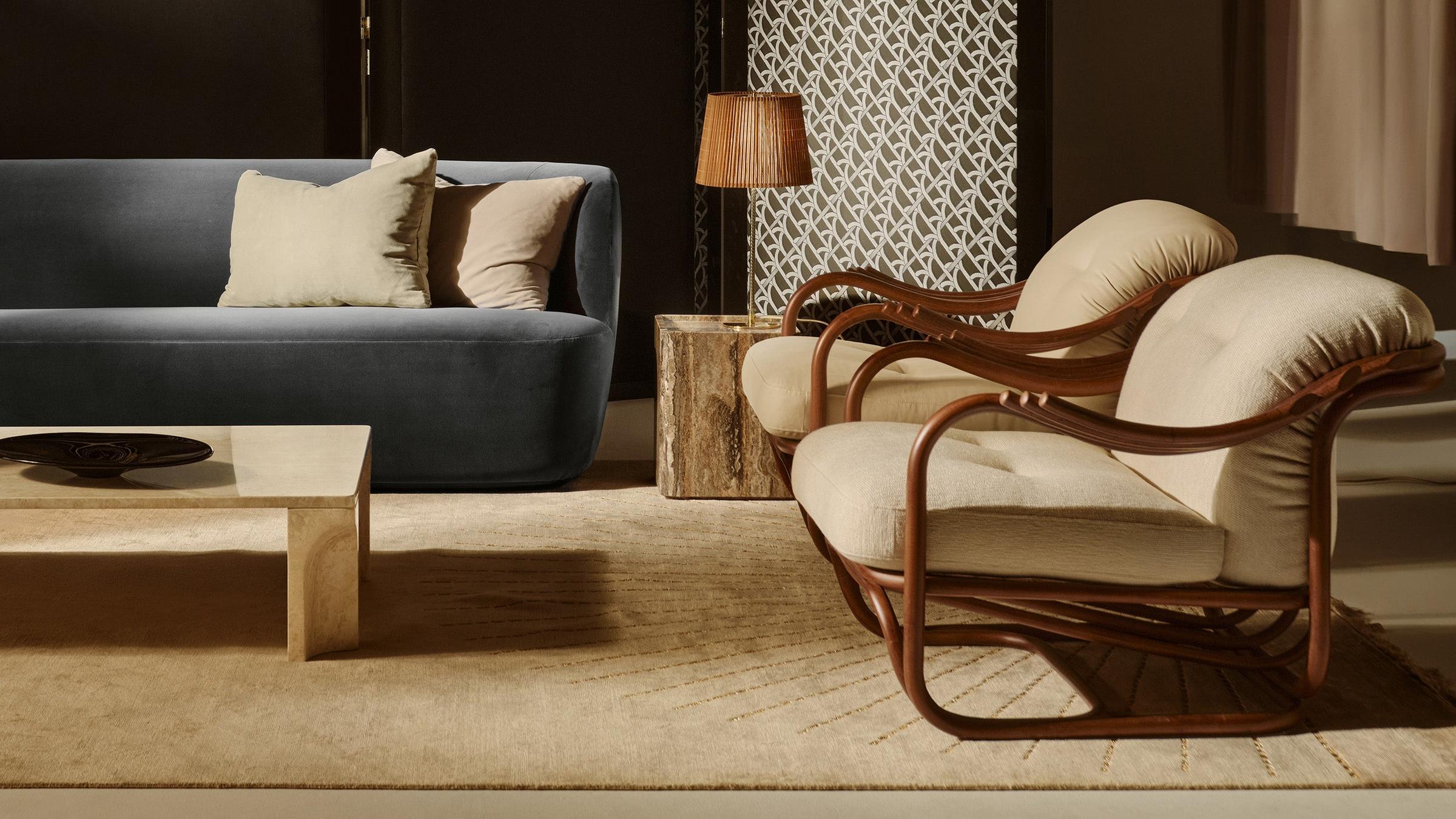
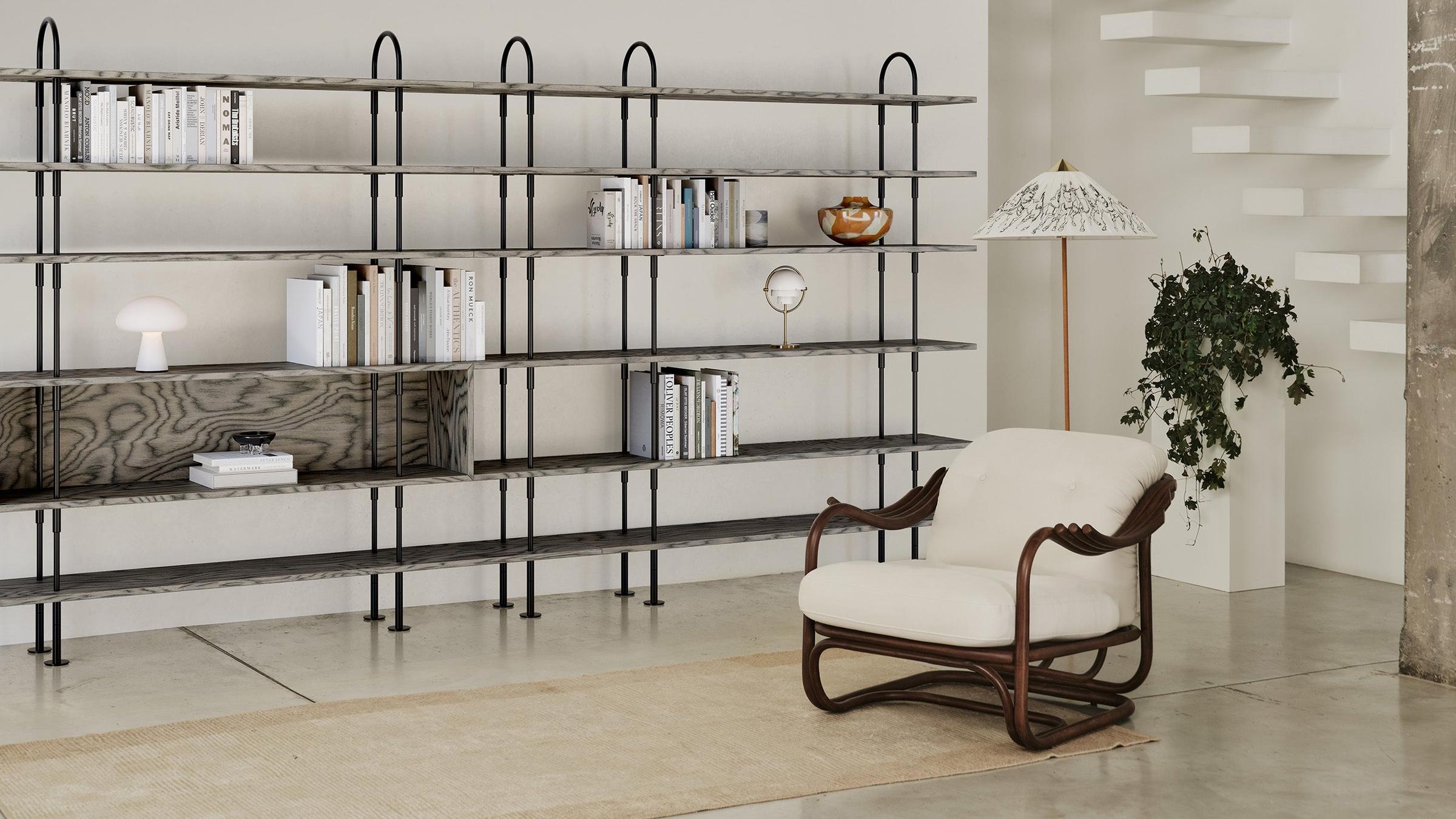
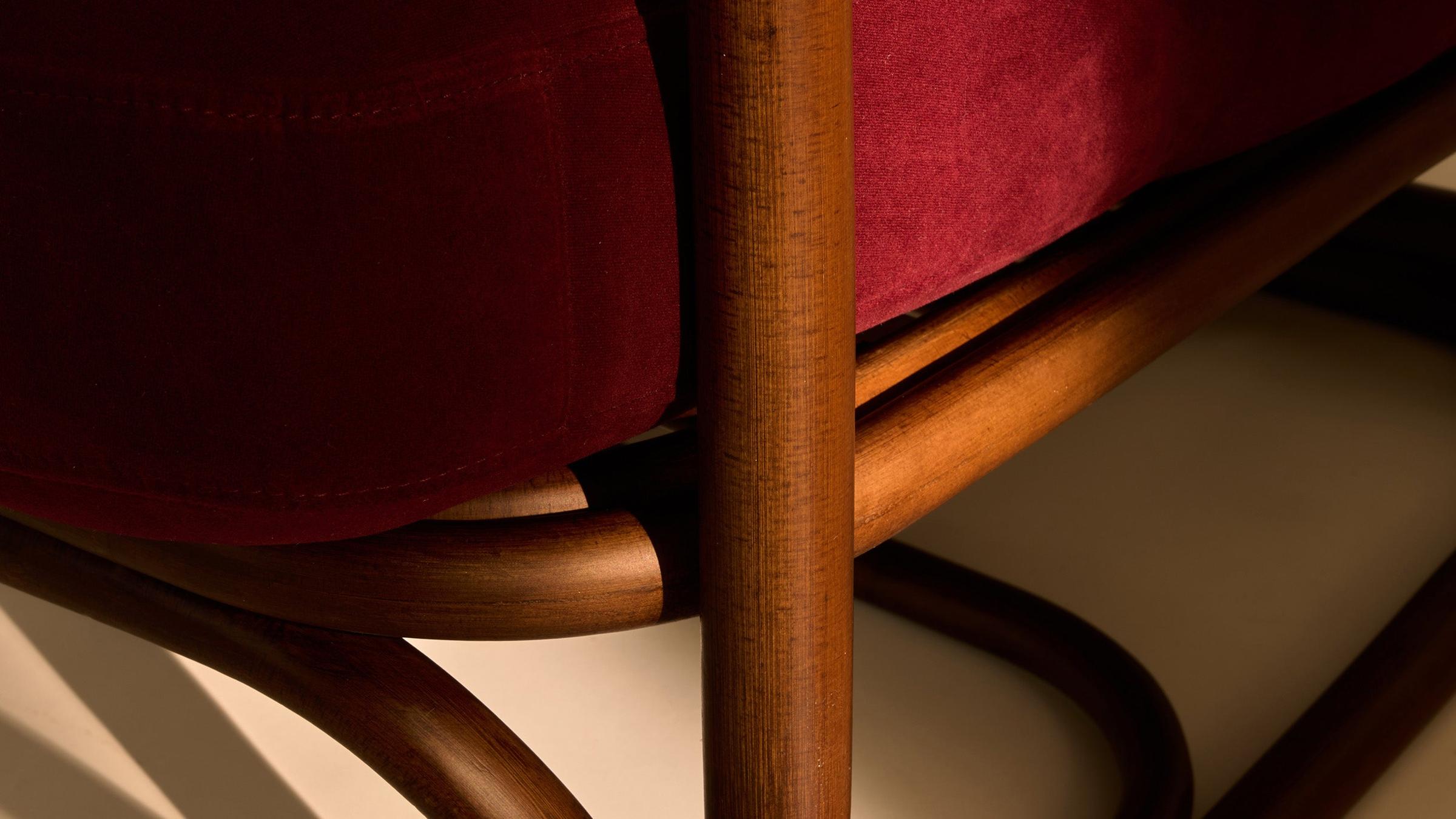
La poltrona Tria Lounge Chair di Carlo de Carli coniuga in un elegante equilibrio rattan curvato a vapore, cuscini spessi e un’accurata lavorazione artigianale. I suoi braccioli sagomati e la matericità naturalmente espressiva danno vita a una poltrona dall'aspetto leggero ma riccamente tattile, offrendo un raffinato rifugio per interni con un inconfondibile carattere italiano.
Made to order by GUBI, tailored to you.
Get customization options, swatch samples and pricing for your project.
Si abbina bene a
Poltrona Tria Lounge
Product Details
Tear Sheet
Pricing & Warranty
Pricing for made-to-order items varies based on configuration, finishes, and customization options. Please contact one of our design consultants or visit a showroom near you for current pricing and personalized assistance.
Luminaire is an authorized retailer of GUBI. The product comes with a full manufacturer warranty.
Authenticity guaranteed. Genuine product, authenticated and sourced directly from the manufacturer.
Domande Frequenti
Who designed the Poltrona Tria lounge chair?
The Poltrona Tria was designed by Carlo de Carli, an Italian architect and designer who was a central figure in postwar Italian modernism. He taught at the Politecnico di Milano and shaped furniture design through a deeply architectural approach to form and craft.
What is steam-bent rattan and why does it matter?
Steam bending is a traditional woodworking technique in which rattan or wood is exposed to steam to become pliable, then bent into precise curves and allowed to set. In the Poltrona Tria, this process allows the frame to follow organic contours that would be impossible to achieve by cutting, preserving the material's structural integrity and natural grain.
Is the Poltrona Tria suitable for indoor use only?
Yes, the Poltrona Tria is designed for interior environments. The rattan frame and upholstered cushions are best suited to controlled indoor conditions where the materials can develop their natural patina without exposure to moisture or direct sun.
How does GUBI approach the reissue of Carlo de Carli's designs?
GUBI works closely with design archives and estates to produce reissues that honor the original specifications of a designer's work. For de Carli's pieces, this means maintaining hand craftsmanship, period-appropriate material choices, and proportions faithful to the mid-century originals.
Can the upholstery on the Poltrona Tria be customized?
The Poltrona Tria is typically offered as a made-to-order piece, and upholstery options can often be configured to a project's specific palette and textile requirements. Consulting with a design professional or authorized dealer is the recommended path for specification.