Poltroncina Gemma
Made by Moroso
Designed by Daniel Libeskind
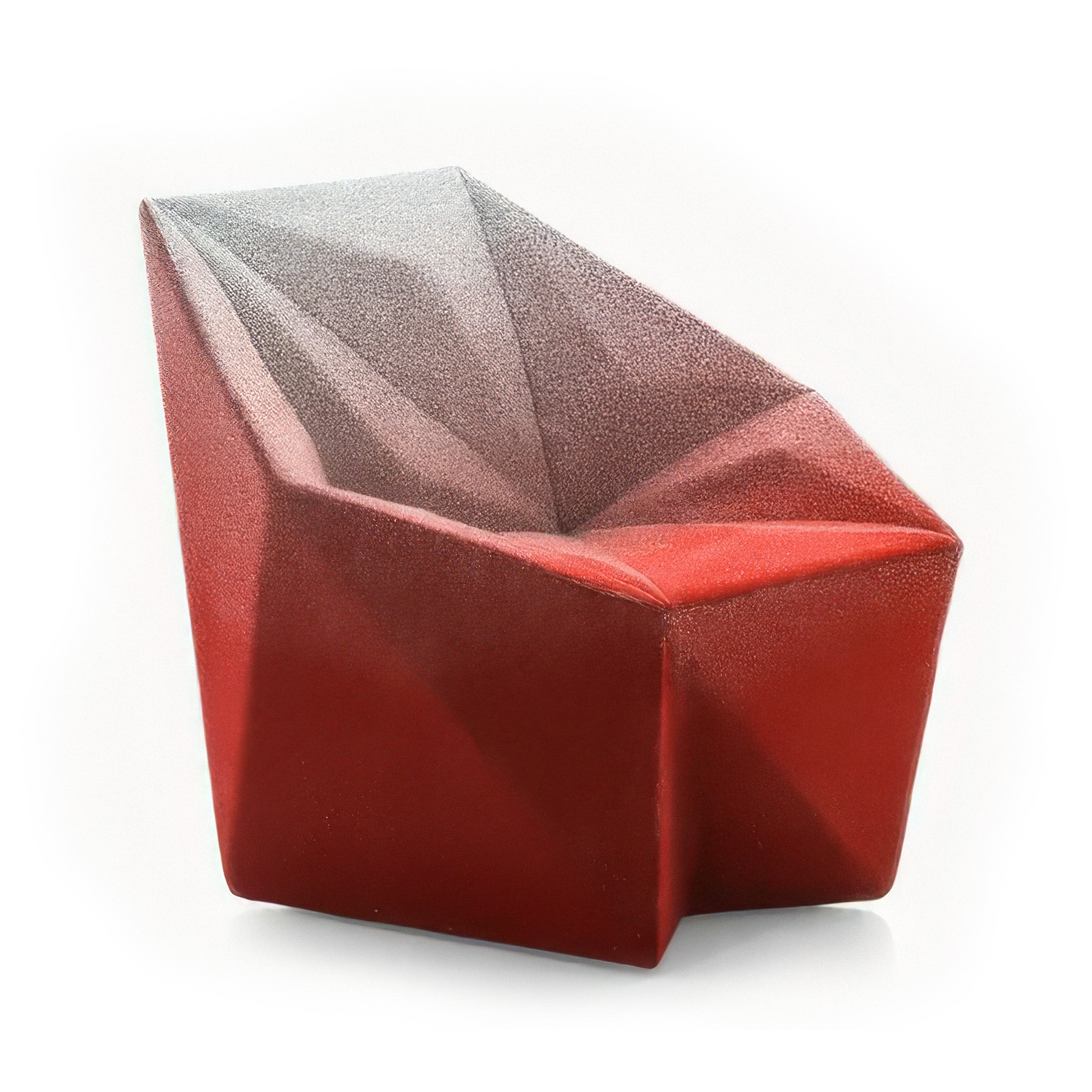
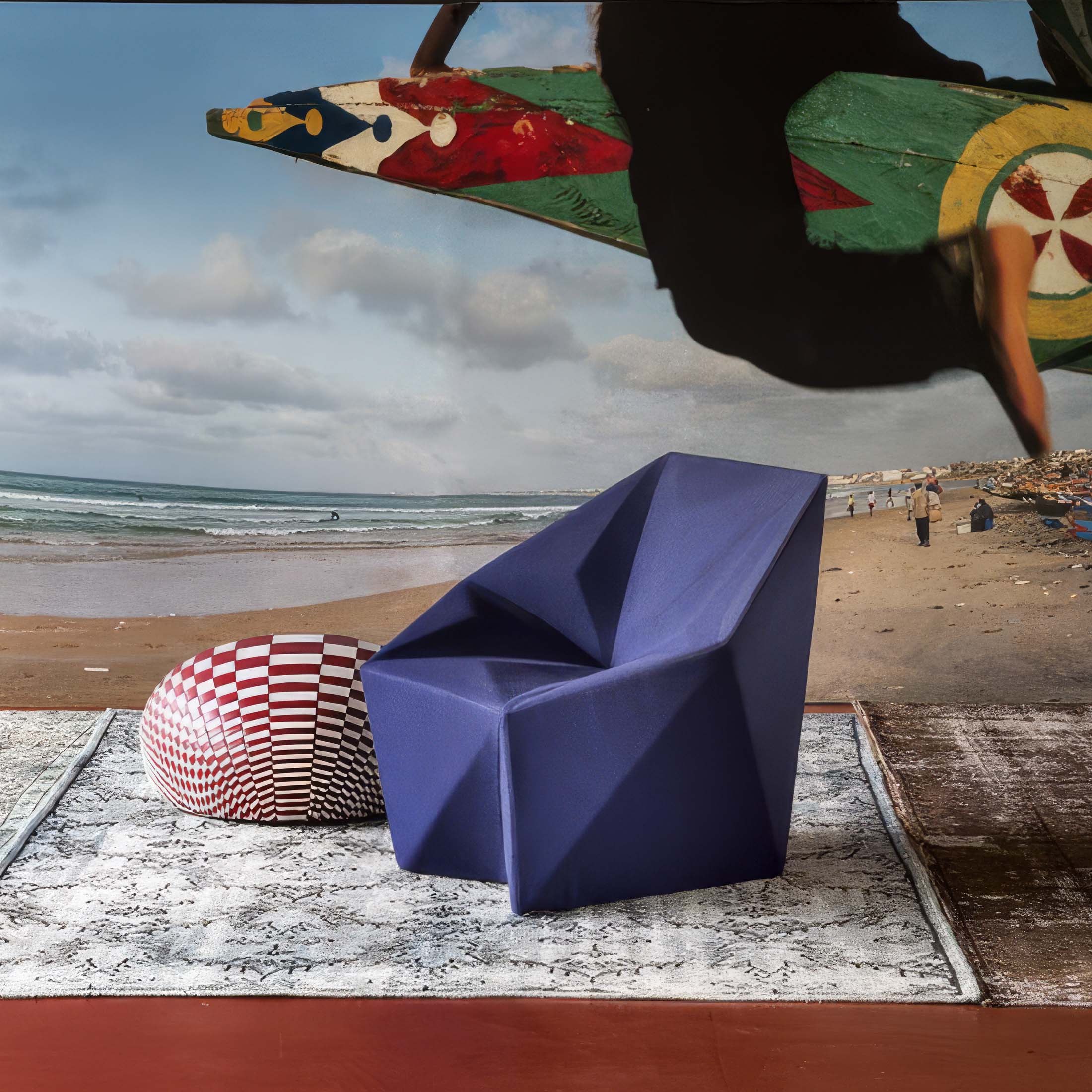
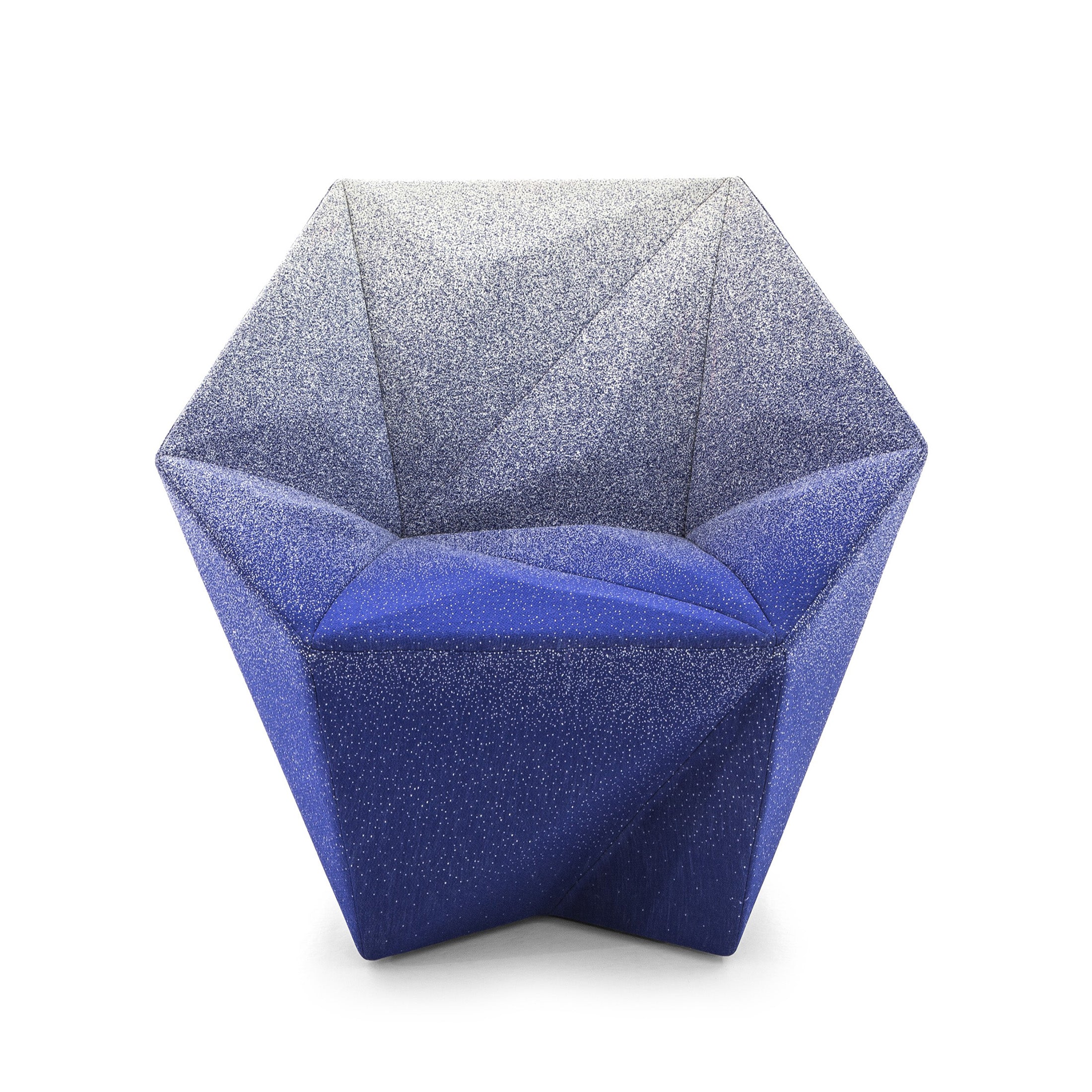
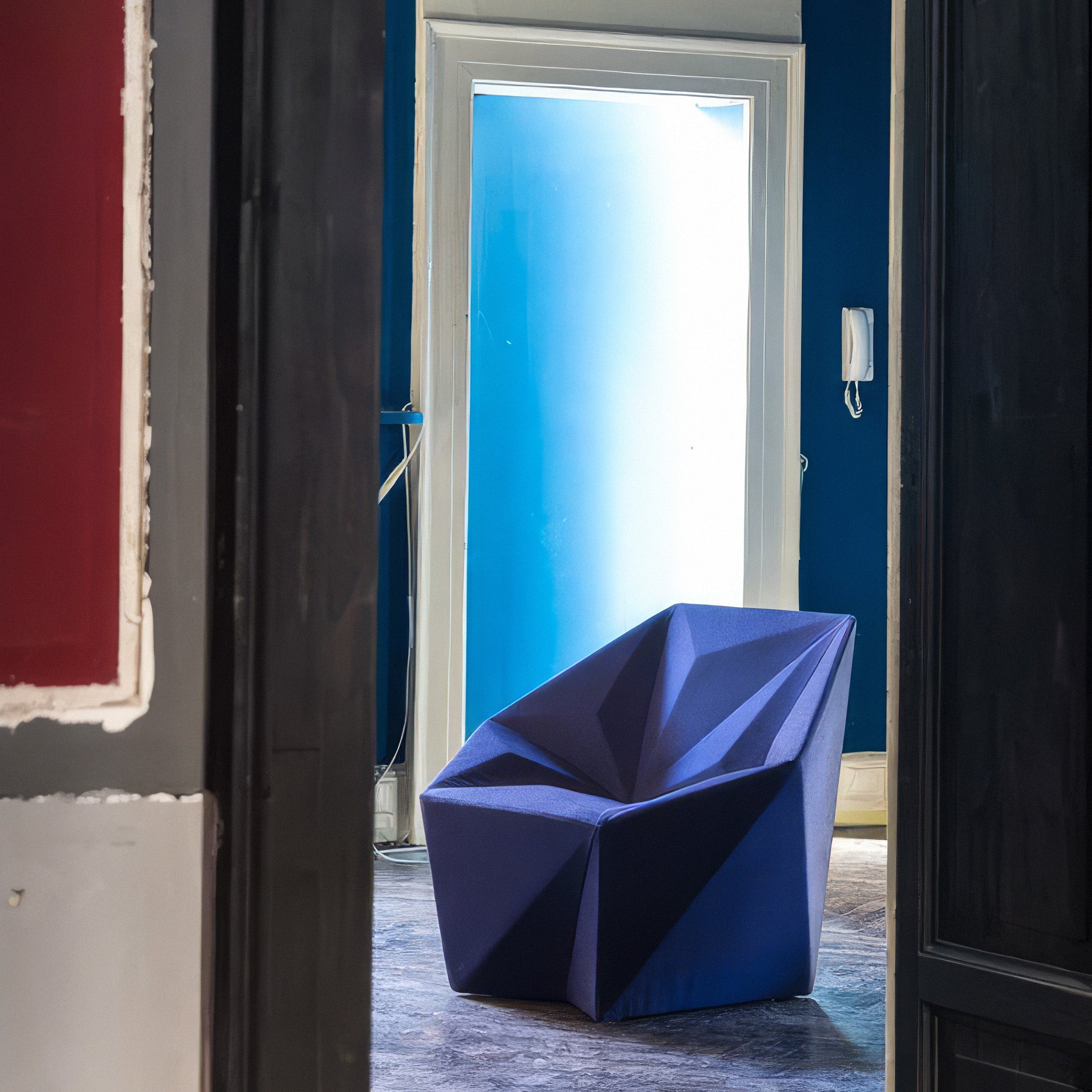
Daniel Libeskind è tra i pochi architetti il cui pensiero progettuale si muove fluidamente tra la scala di un edificio e la scala di una seduta. La Poltroncina Gemma Small, introdotta da Moroso nel 2015, è un'espressione precisa di questa continuità. La sua silhouette sfaccettata e angolare non si presenta tanto come un mobile imbottito quanto come un frammento di architettura reso abitabile.
La forma è costruita attorno a una struttura interna in acciaio con schiuma poliuretanica iniettata a freddo, ignifuga e precisamente calibrata per conferire a ogni piano angolare la sua integrità senza sacrificare il comfort. Il rivestimento non sfoderabile non è un vincolo ma una scelta: preserva la chiarezza di ogni bordo e sfaccettatura, assicurando che la geometria sia leggibile come previsto da ogni punto di vista.
- Silhouette sfaccettata e angolare derivata dal vocabolario architettonico di Libeskind
- Schiuma poliuretanica ignifuga iniettata a freddo su una struttura interna in acciaio
- Rivestimento non sfoderabile per mantenere la precisione formale
- Realizzata su ordinazione, con rivestimento e finitura scelti per adattarsi al concetto generale dell'interno
Gemma occupa un ingombro compatto pur avendo una notevole presenza. Si adatta come accento in salotti e studi privati, e con eguale sicurezza in gallerie, uffici di design all'avanguardia e ambienti dell'ospitalità dove ci si aspetta che un singolo oggetto porti il peso dell'identità di un'intera stanza.
Made to order by Moroso, tailored to you.
Get customization options, swatch samples and pricing for your project.
Si abbina bene a
Poltroncina Gemma
Product Details
Tear Sheet
Pricing & Warranty
Pricing for made-to-order items varies based on configuration, finishes, and customization options. Please contact one of our design consultants or visit a showroom near you for current pricing and personalized assistance.
Luminaire is an authorized retailer of Moroso. The product comes with a full manufacturer warranty.
Authenticity guaranteed. Genuine product, authenticated and sourced directly from the manufacturer.
Domande Frequenti
Who designed the Moroso Gemma armchair and when?
The Gemma armchair was designed by Daniel Libeskind for Moroso in 2015. Libeskind is best known for his architectural work, including the Jewish Museum Berlin and the Ground Zero master plan, and the Gemma directly translates his angular, geometry-driven language into furniture form.
What is the internal construction of the Gemma armchair?
The Gemma is built around a welded steel internal structure with cold-injected polyurethane foam that is flame retardant. This combination gives the faceted outer form its structural integrity while providing a comfortable seat.
Can the upholstery on the Gemma be removed or replaced?
The upholstery on the Gemma Small Armchair is non-removable by design. This is an intentional formal decision: a fixed cover preserves the sharpness of the chair's angular facets and ensures the geometric silhouette reads exactly as Libeskind conceived it.
Is the Gemma armchair made to order, and what customization is available?
Yes, the Gemma is produced made to order. Clients and designers can specify upholstery fabric, color, and finish from Moroso's available options, allowing the piece to be resolved within a specific interior palette without compromising the form's architectural character.
What interior settings suit the Gemma Small Armchair?
The Gemma's compact footprint and strong sculptural presence make it well suited to living spaces, private offices, galleries, and design-forward hospitality environments. Its visual weight is significant enough that a single piece can anchor a composition, while the smaller scale keeps it from overwhelming intimate settings.