Carlos Ferrater built this villa on a piece of land that runs out into the Aegean near Bodrum, and the architecture takes its cues from the terrain rather than imposing on it. The plan is a study in opposition. Solid against void, sheltered against exposed, the upper terraces in conversation with the lower ones, each volume settled into the slope at the angle the hill happened to offer. It is a complicated piece of work that reads, from inside, as effortless.
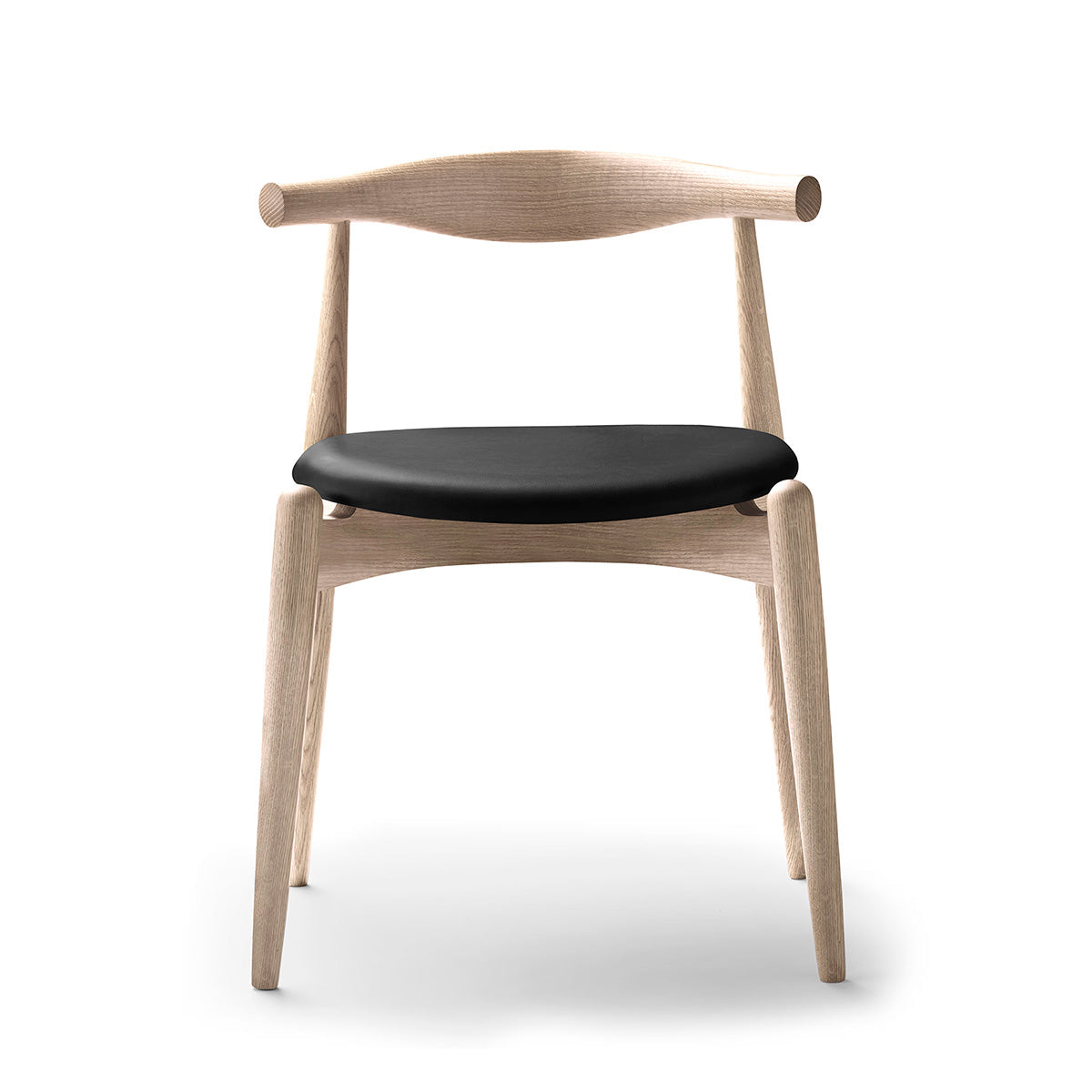
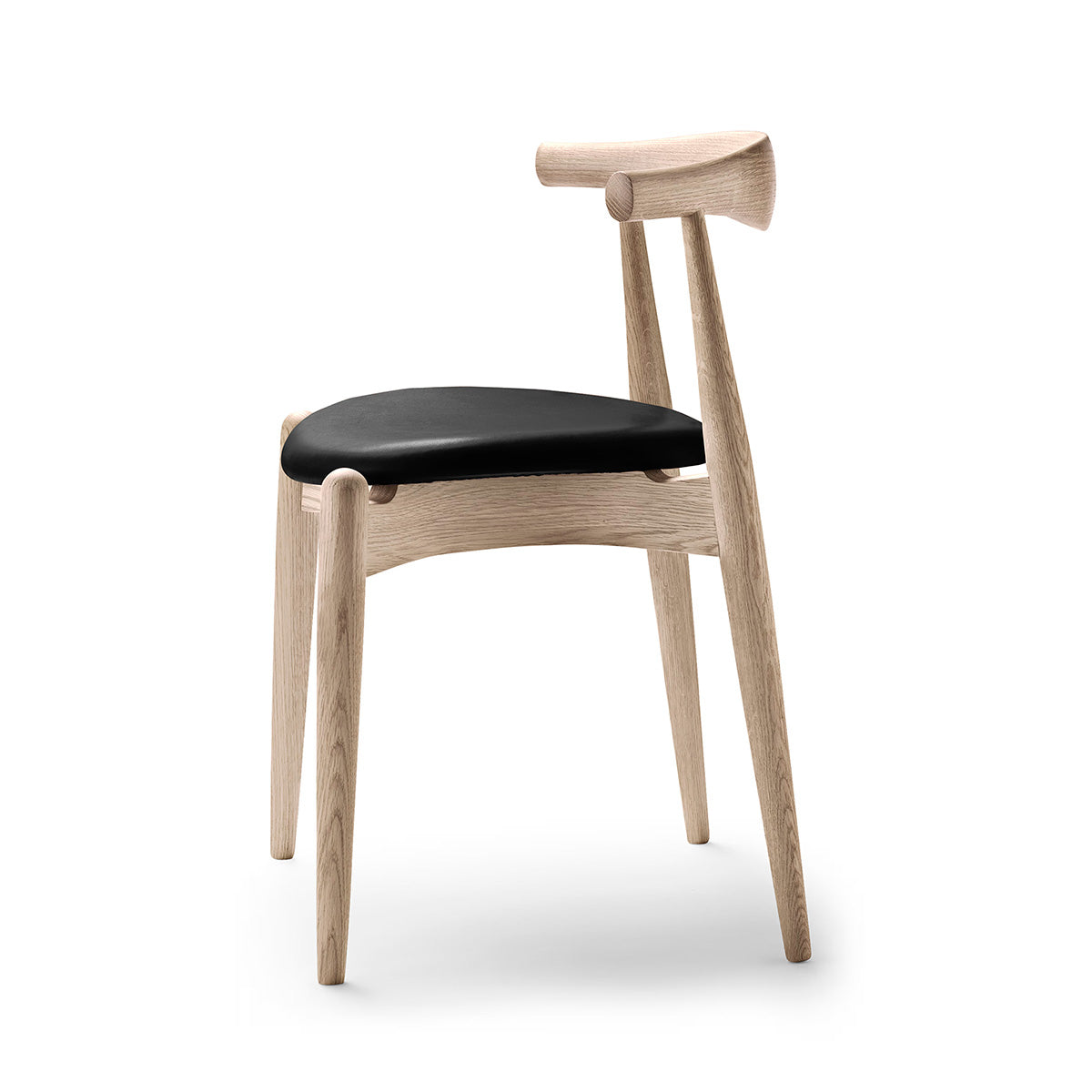
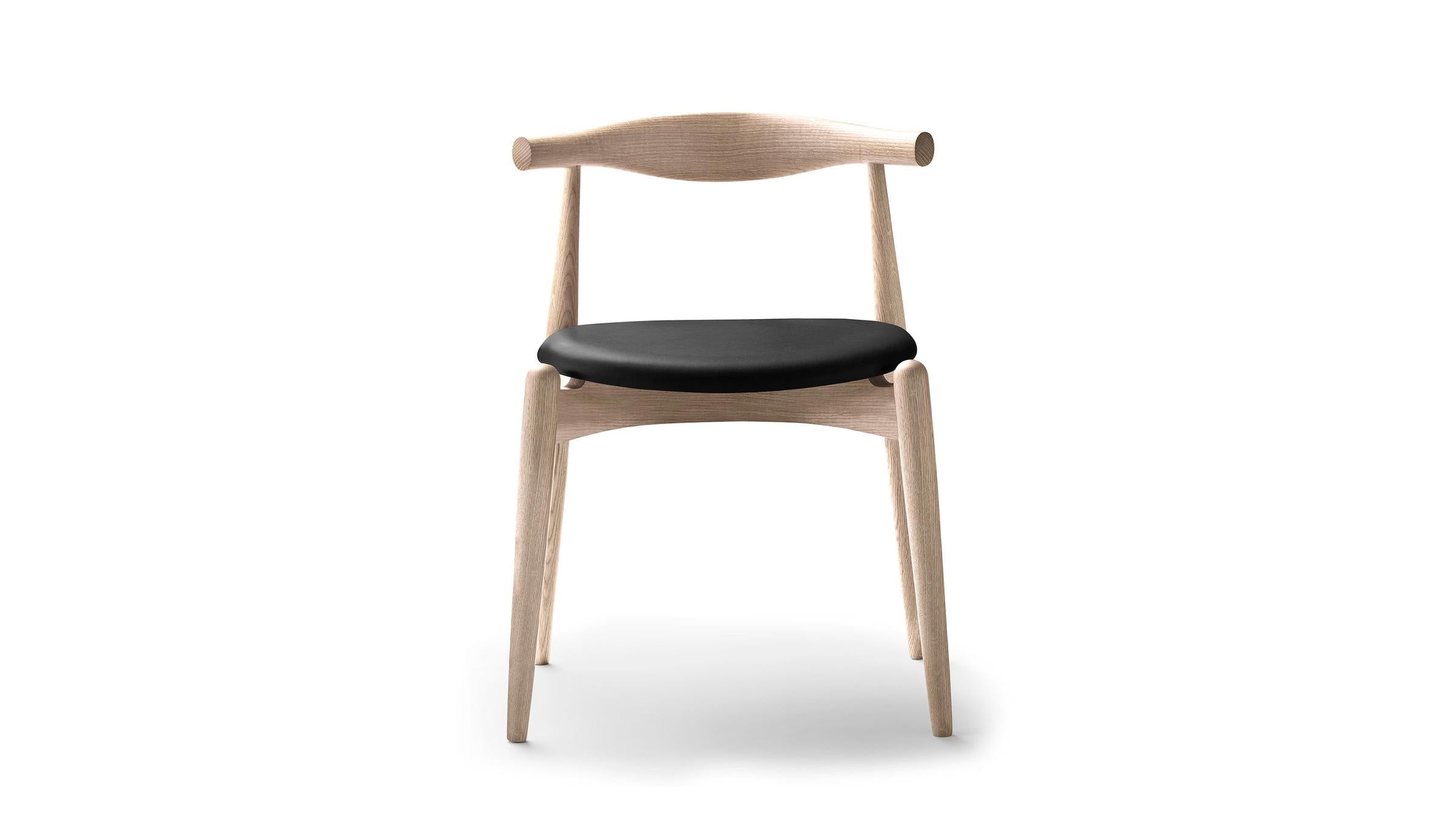
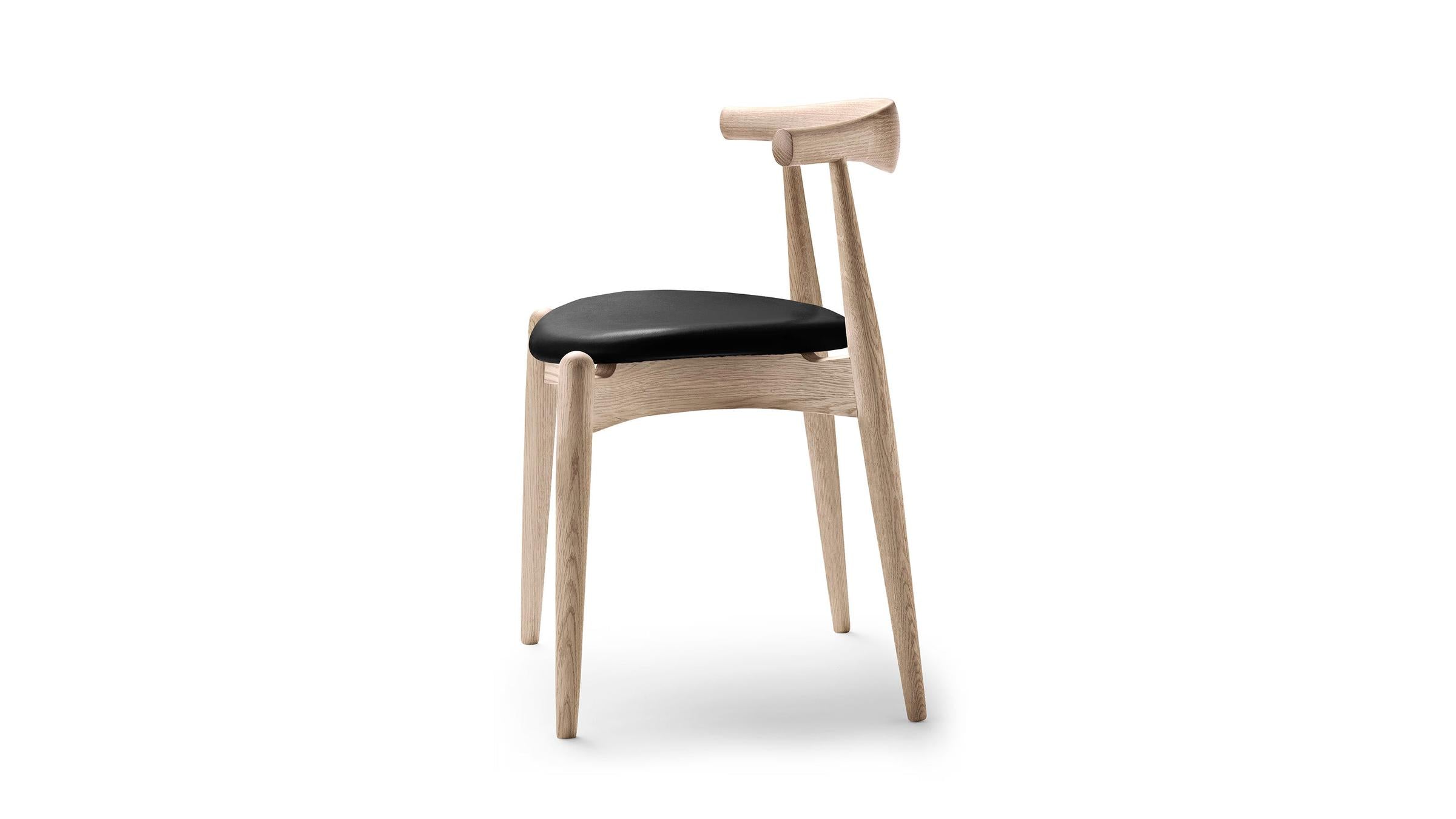
The interior atmosphere is built from a soft palette and tactile fabrics, the kind of warm neutrality that lets a coastline do its own work outside the glass. Wood is the connective tissue. It appears in the structure of the Concorde table by Poliform, in the Elbow chairs by Carl Hansen, in the freestanding bookcase that mediates between rooms, and in the desk surface of the Load-It system by Porro, the latter set against aluminum group chairs by Vitra that have earned their place in the contemporary canon several times over.
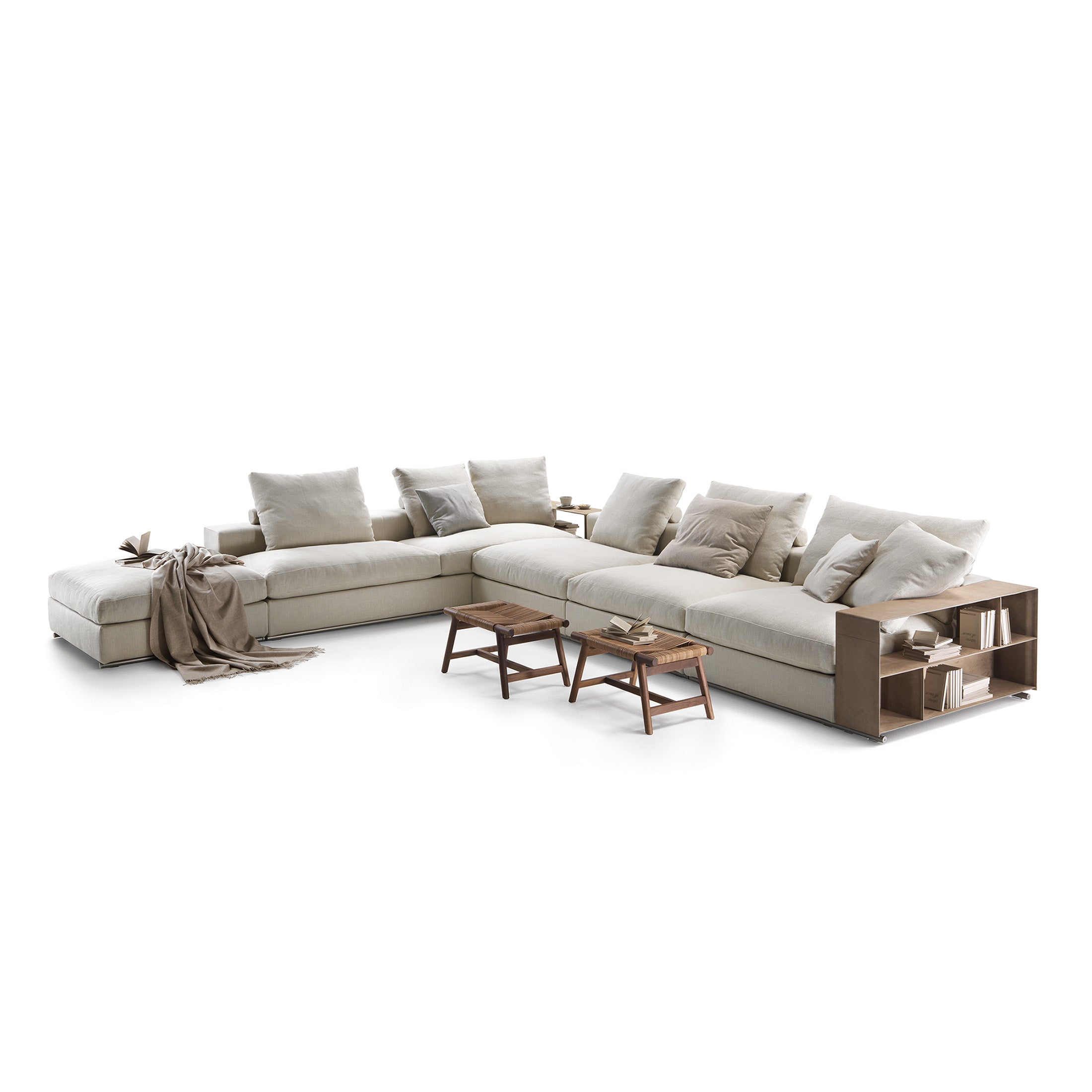
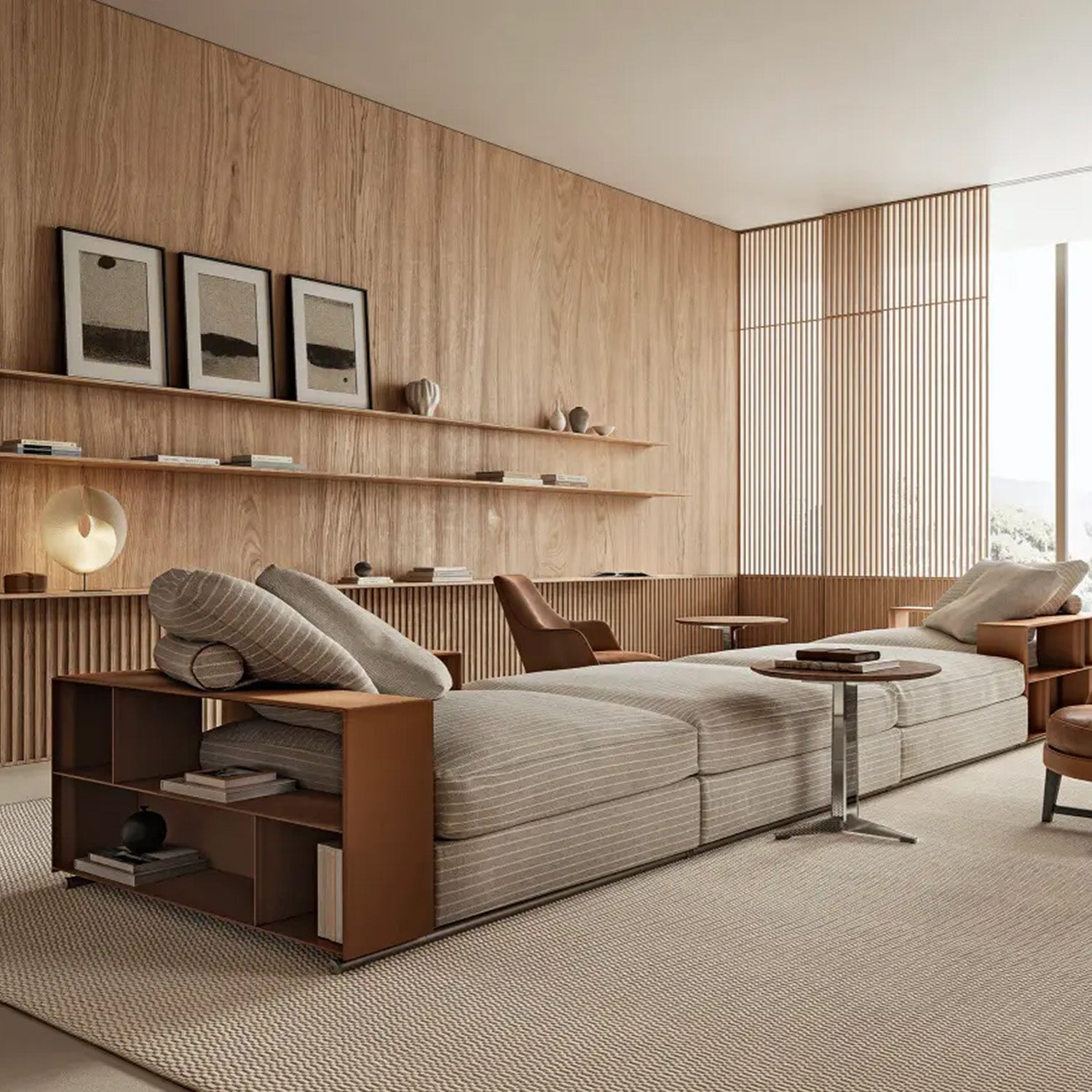
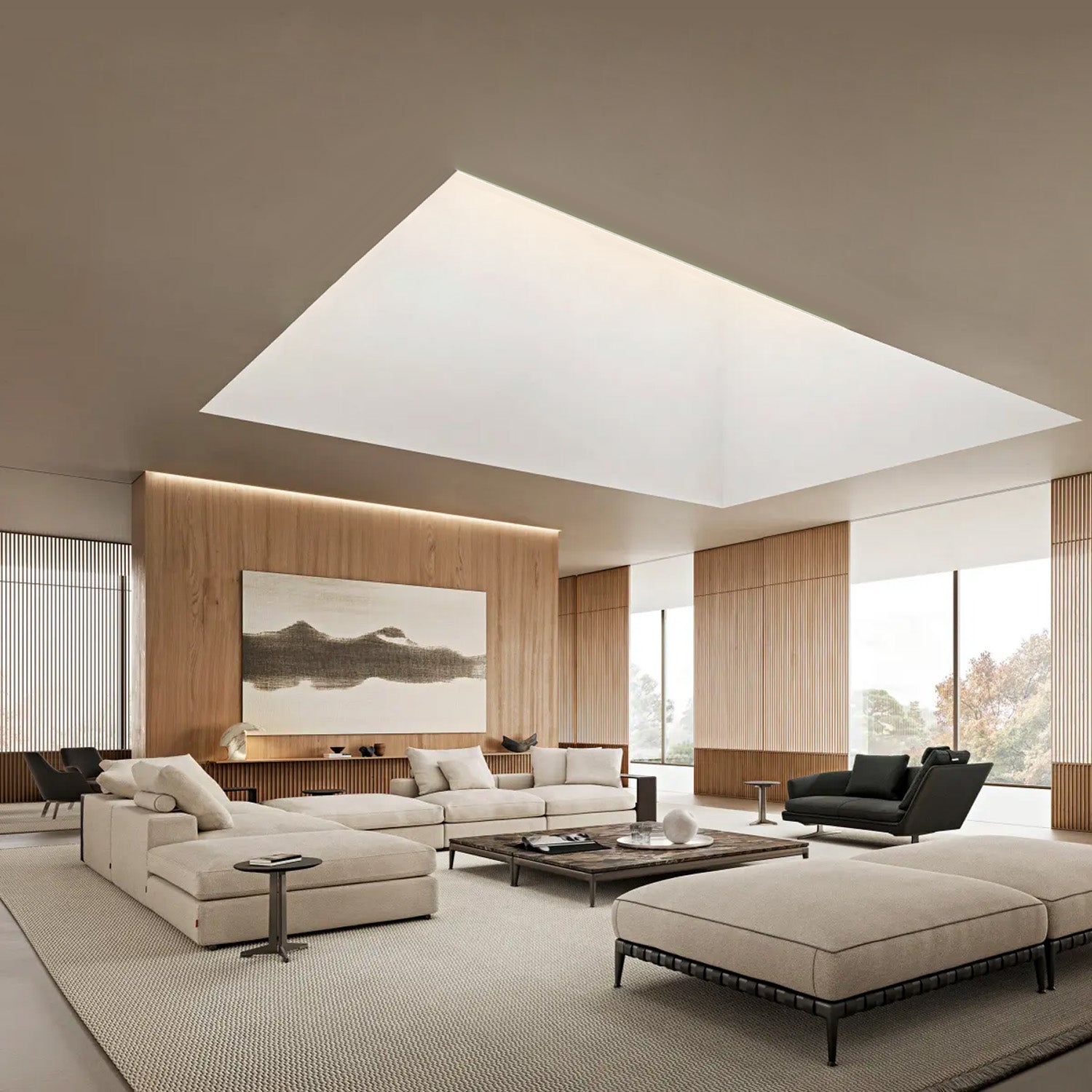
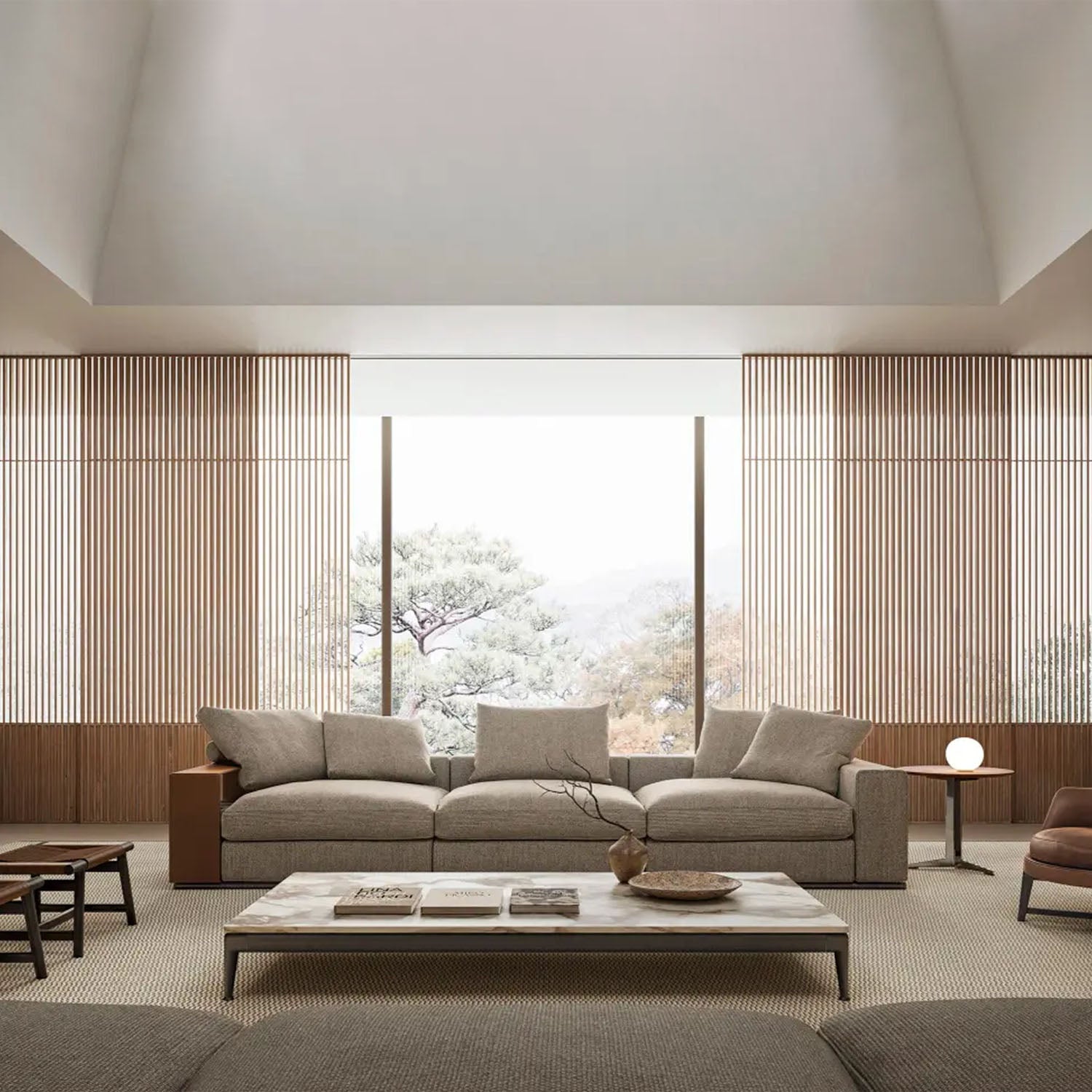
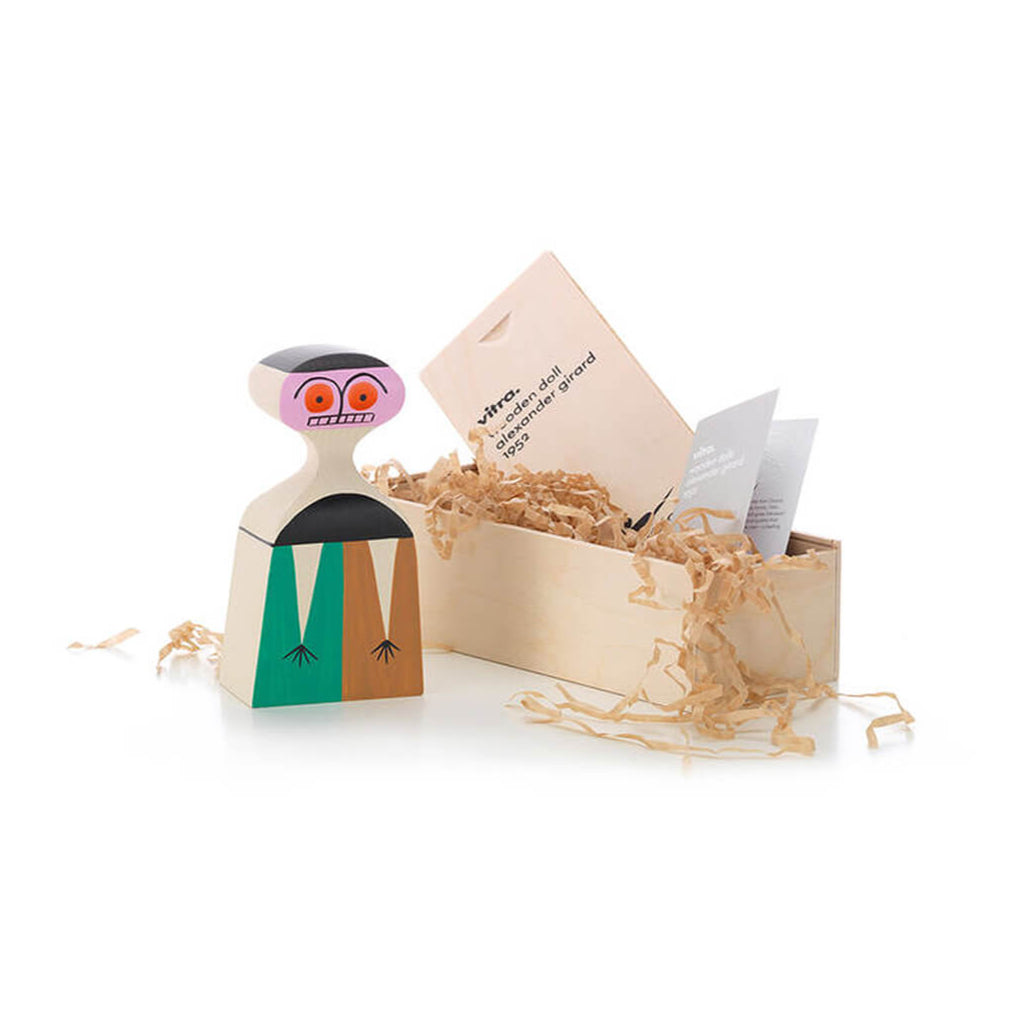
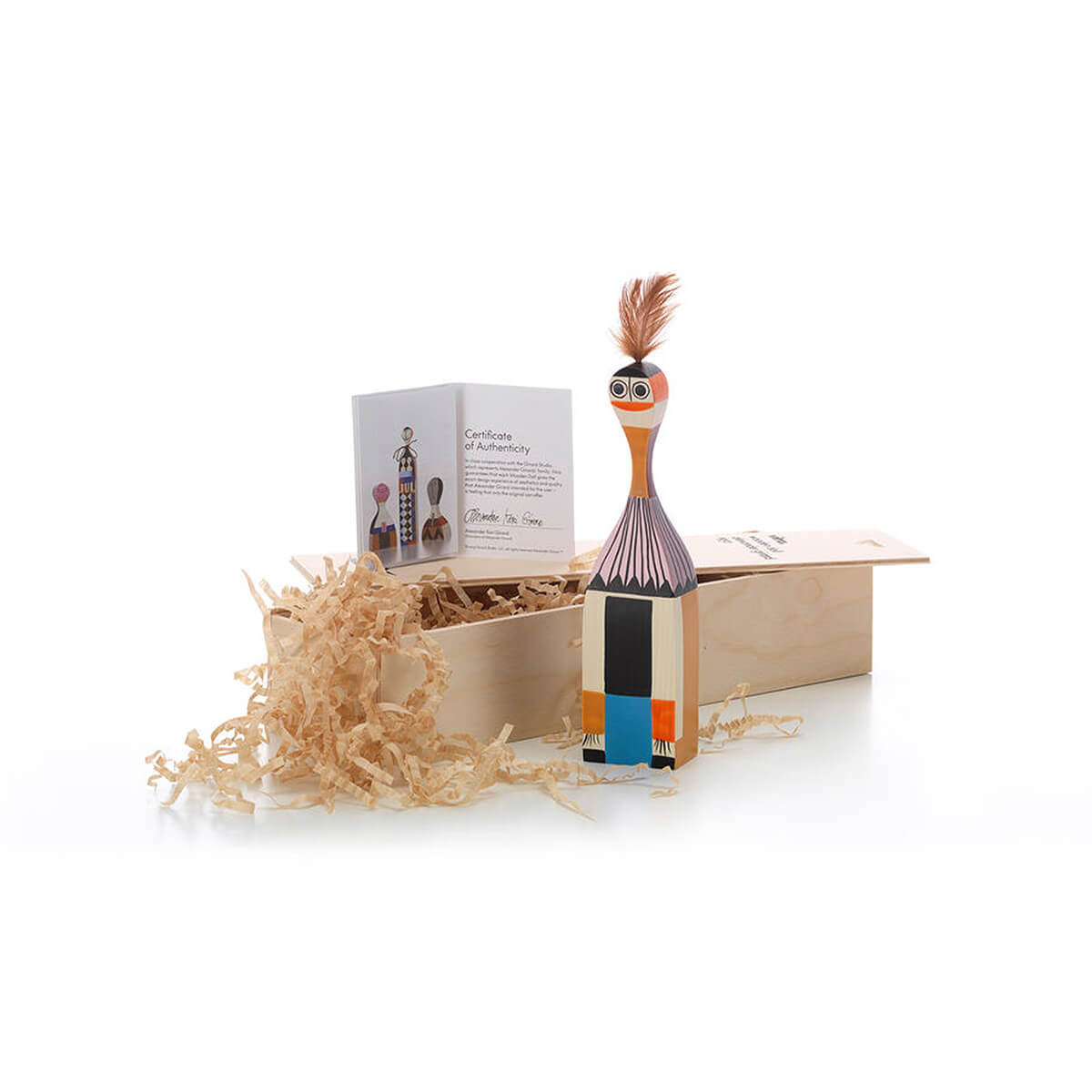
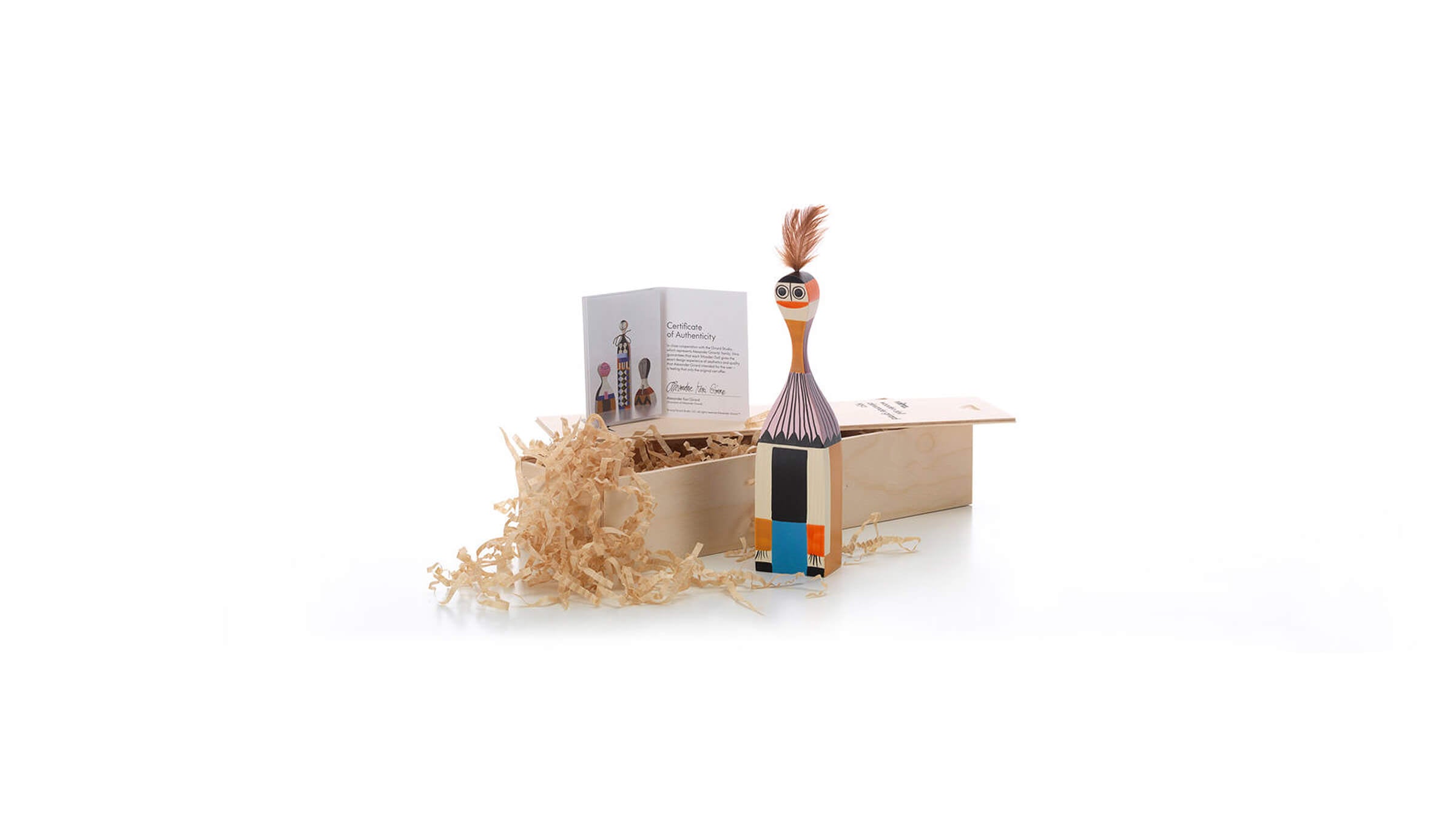
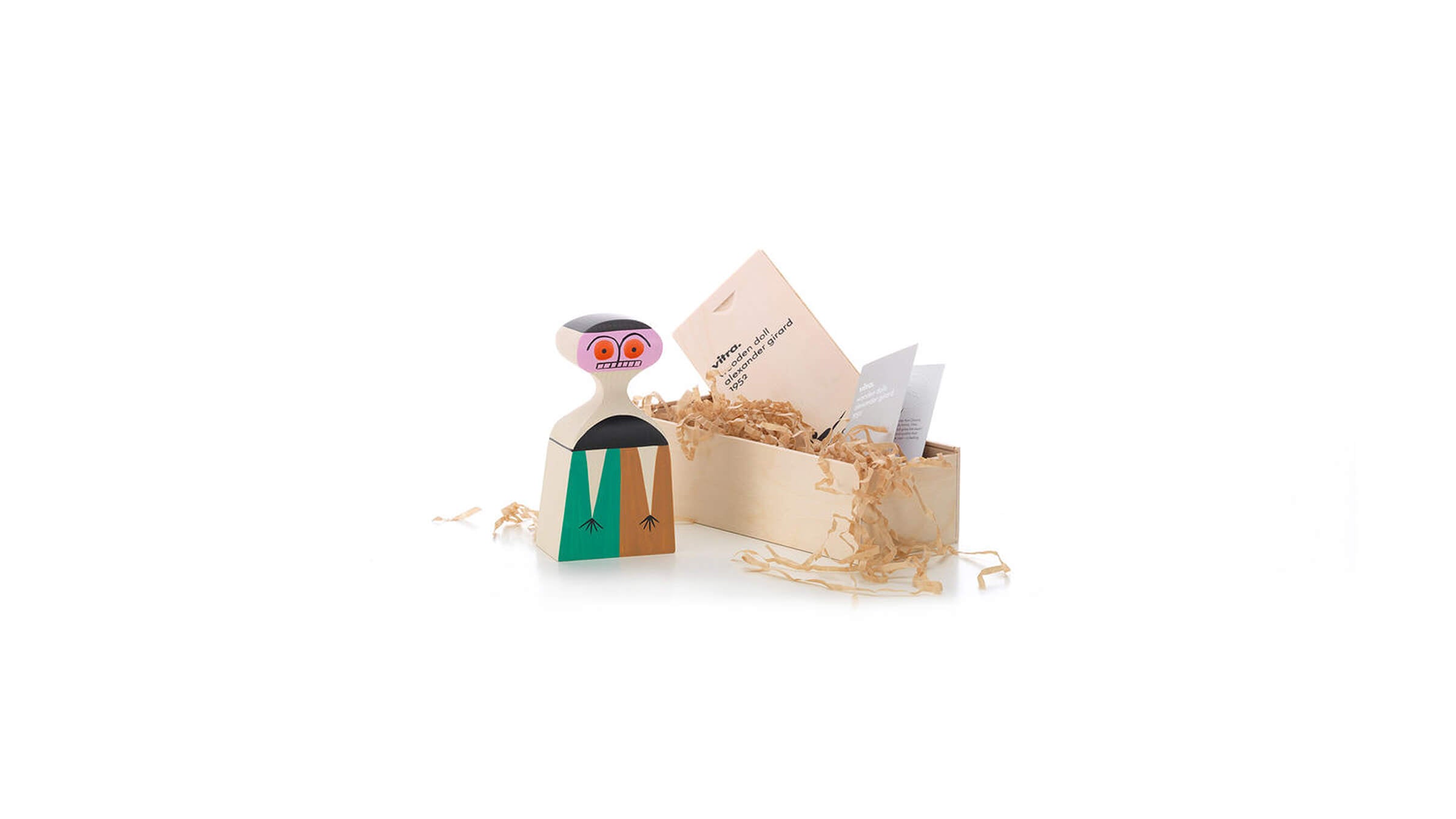
In the living room, a Groundpiece sofa by Flexform pairs with a Filicudi ottoman from the same house. The seating composition is completed by Hans Wegner's CH25 lounge chairs, designed in 1950 for Carl Hansen and still doing the work of softening any room they enter. The children's room takes the wood theme into a different key, with a Pininfarina-designed rocking horse for Riva 1920 and a set of wooden dolls by Alexander Girard for Vitra.
Outside, the program continues. Exteta supplied solid wood tables and coffee tables along with wooden lanterns in two scales, and Tribù's Tosca armchairs complete the lounge composition, drawn to the same tonal register as the interior.