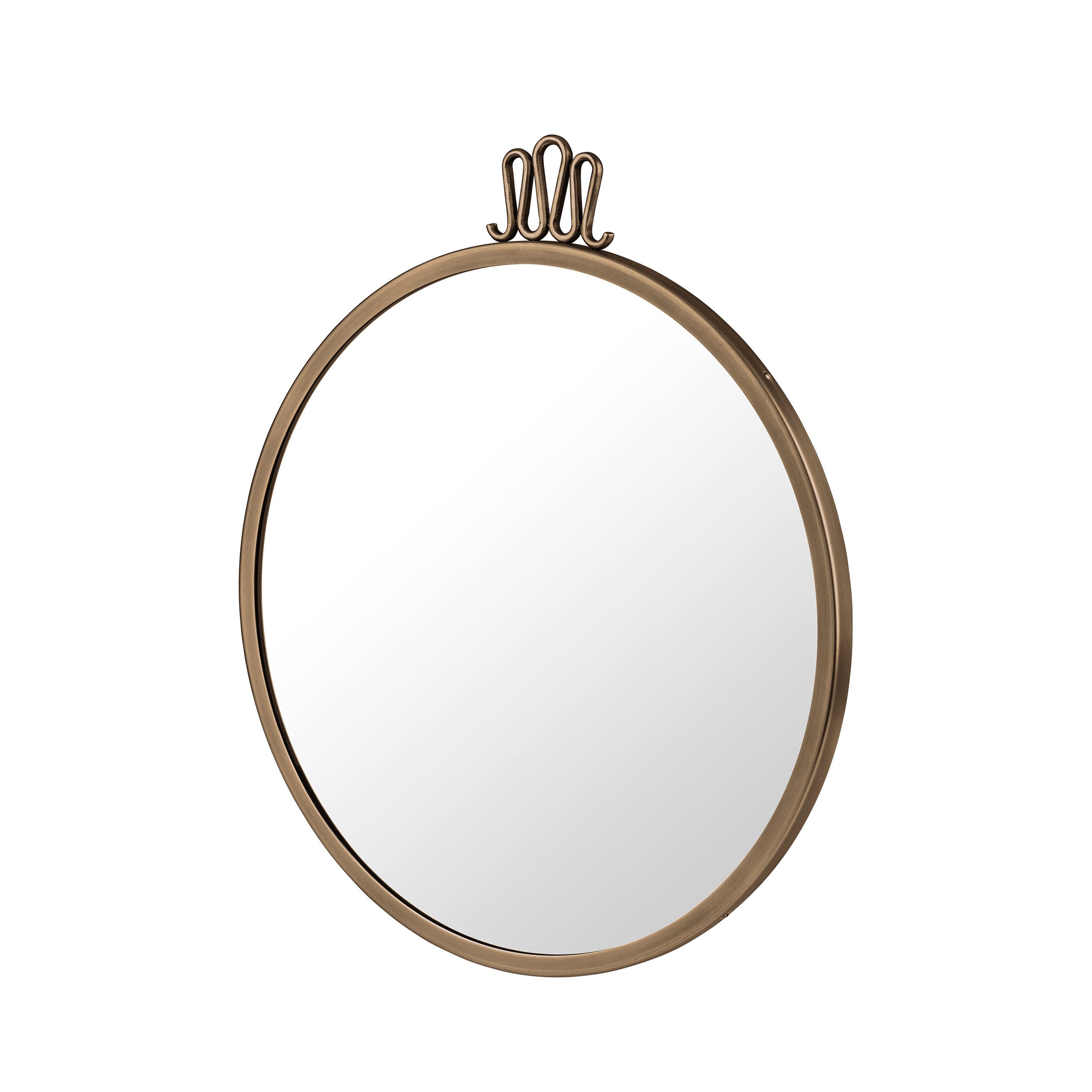
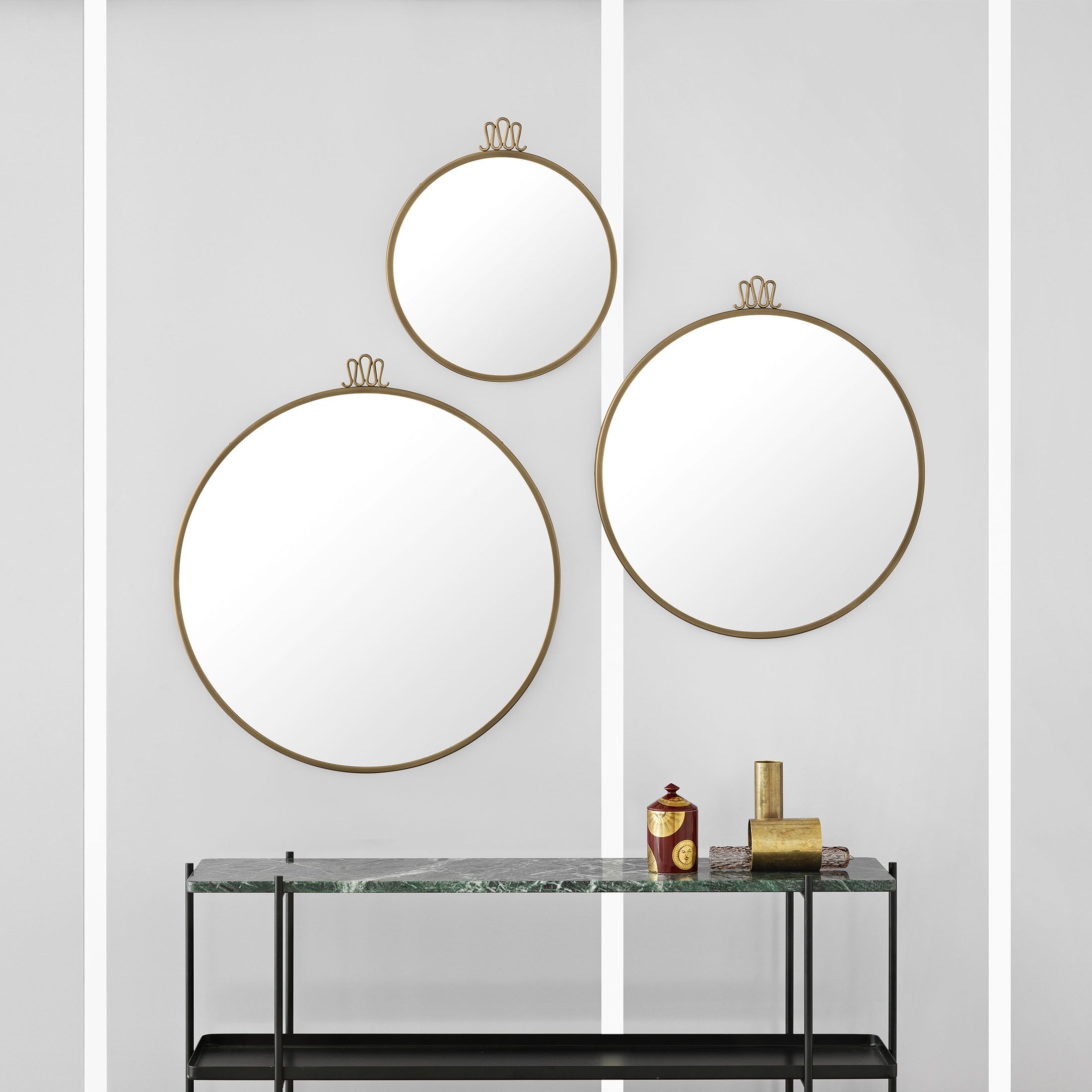
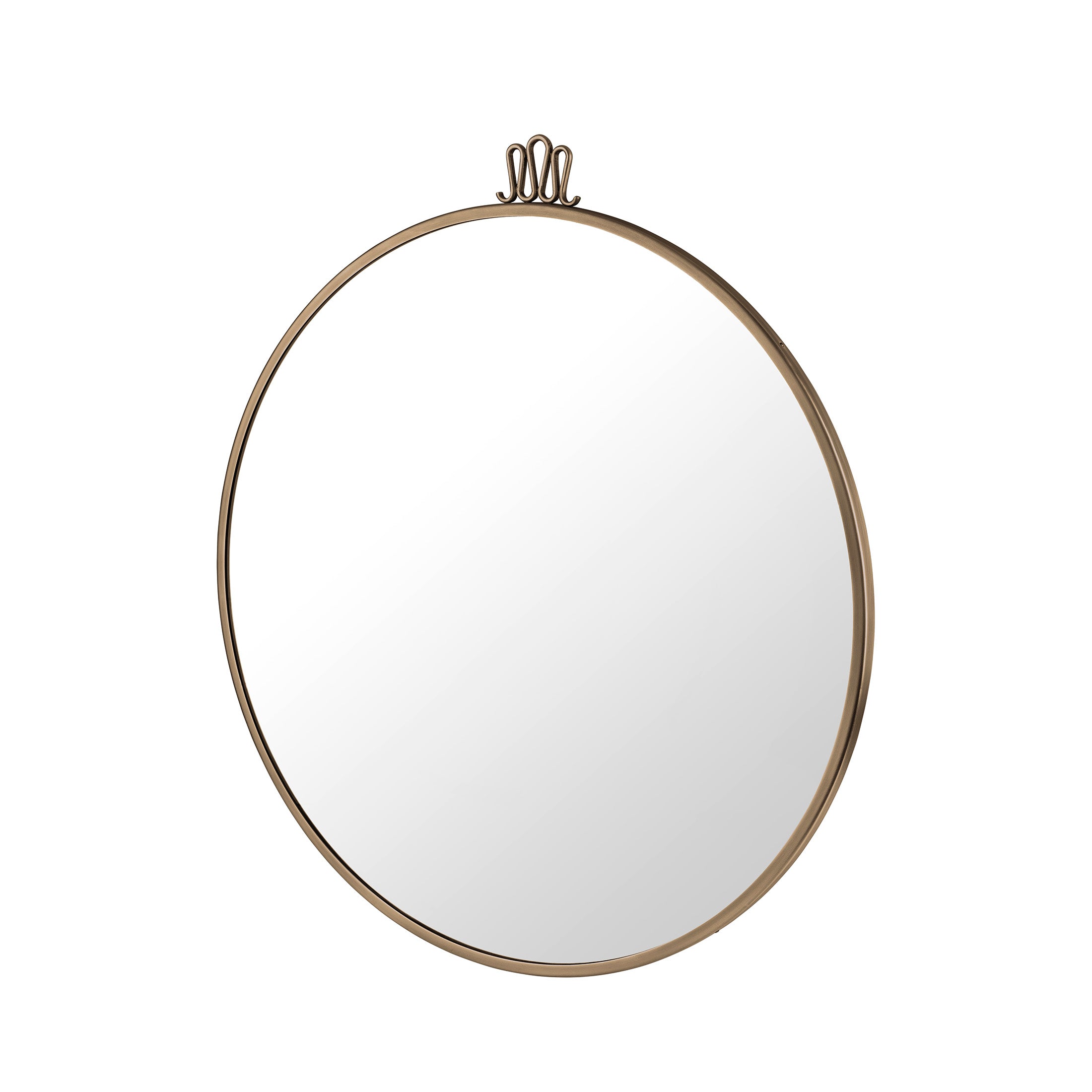

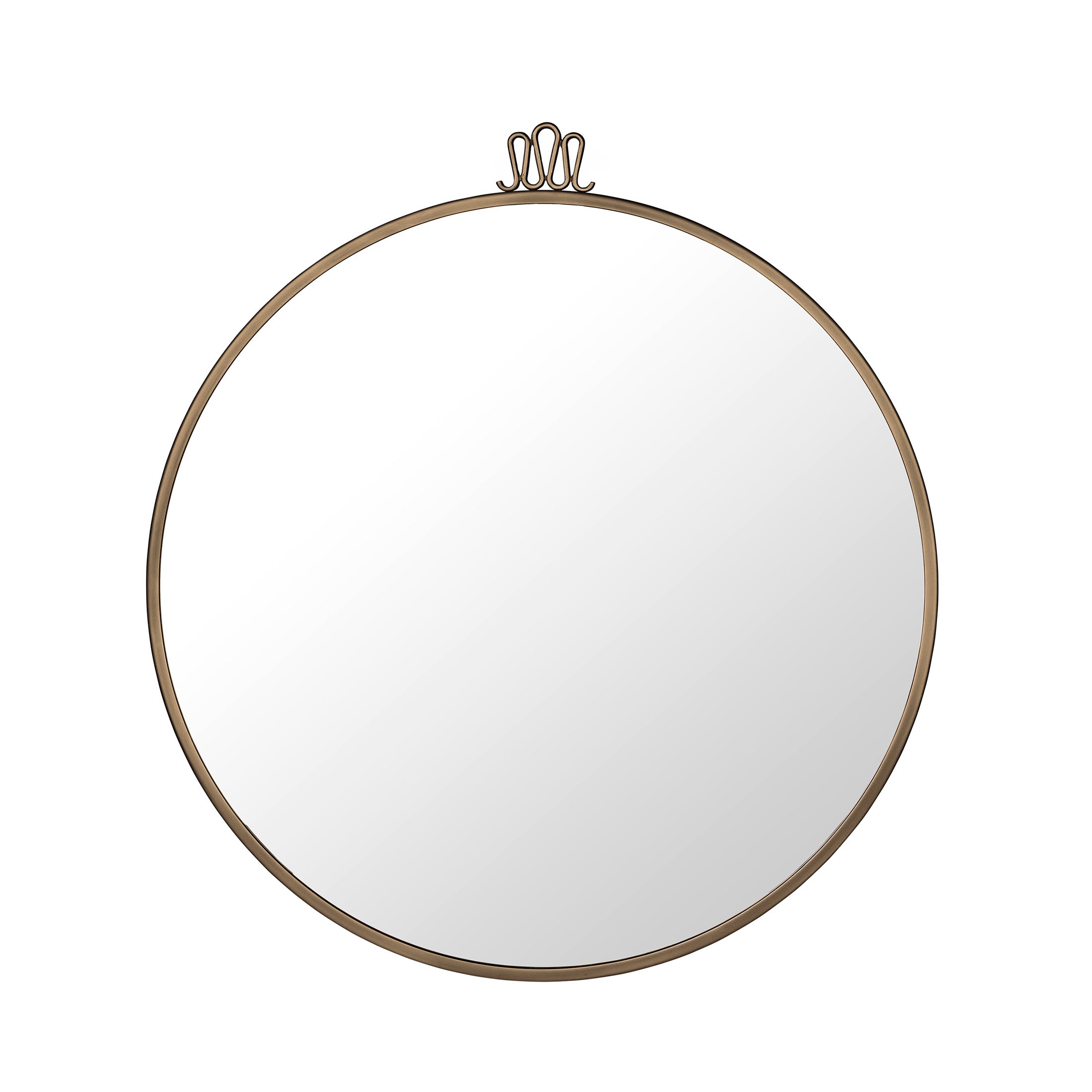
Randaccio Wall Mirror
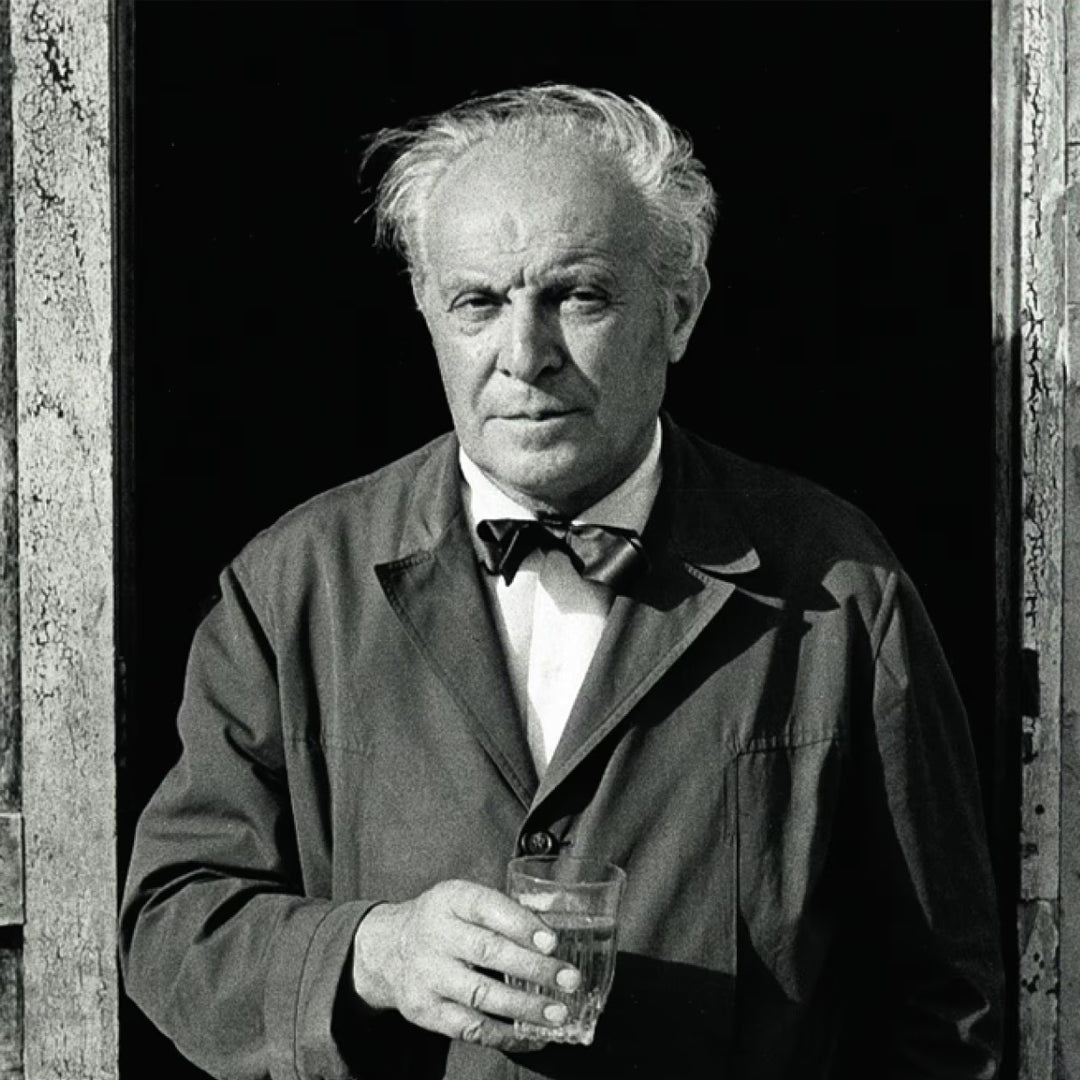
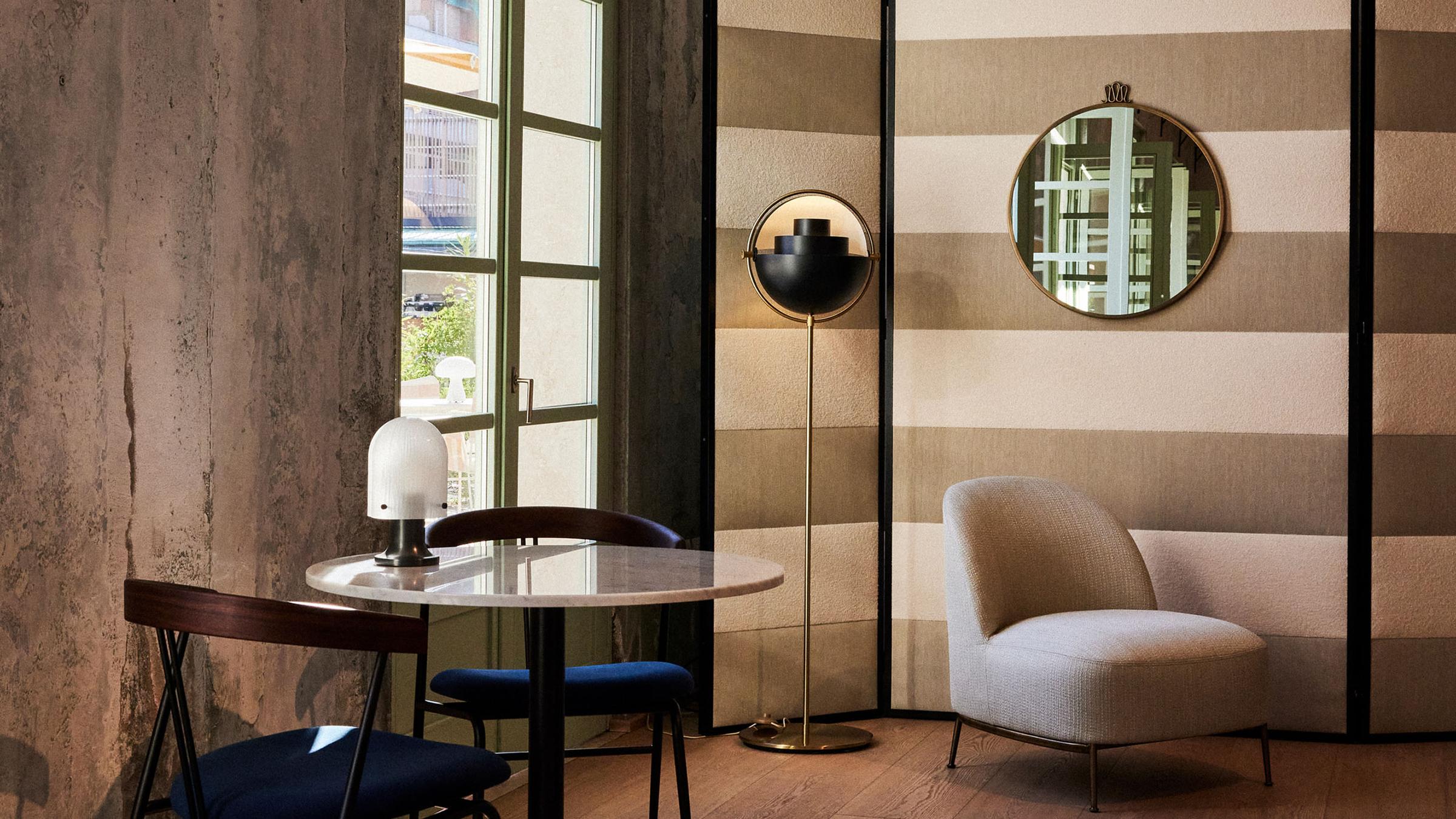
Gio Ponti designed the Randaccio mirror in 1925 for his personal residence on Via Randaccio in Milan, making it one of the earliest expressions of his lifelong preoccupation with form, ornament, and the interior as a complete composition. The piece carries that domestic intimacy still.
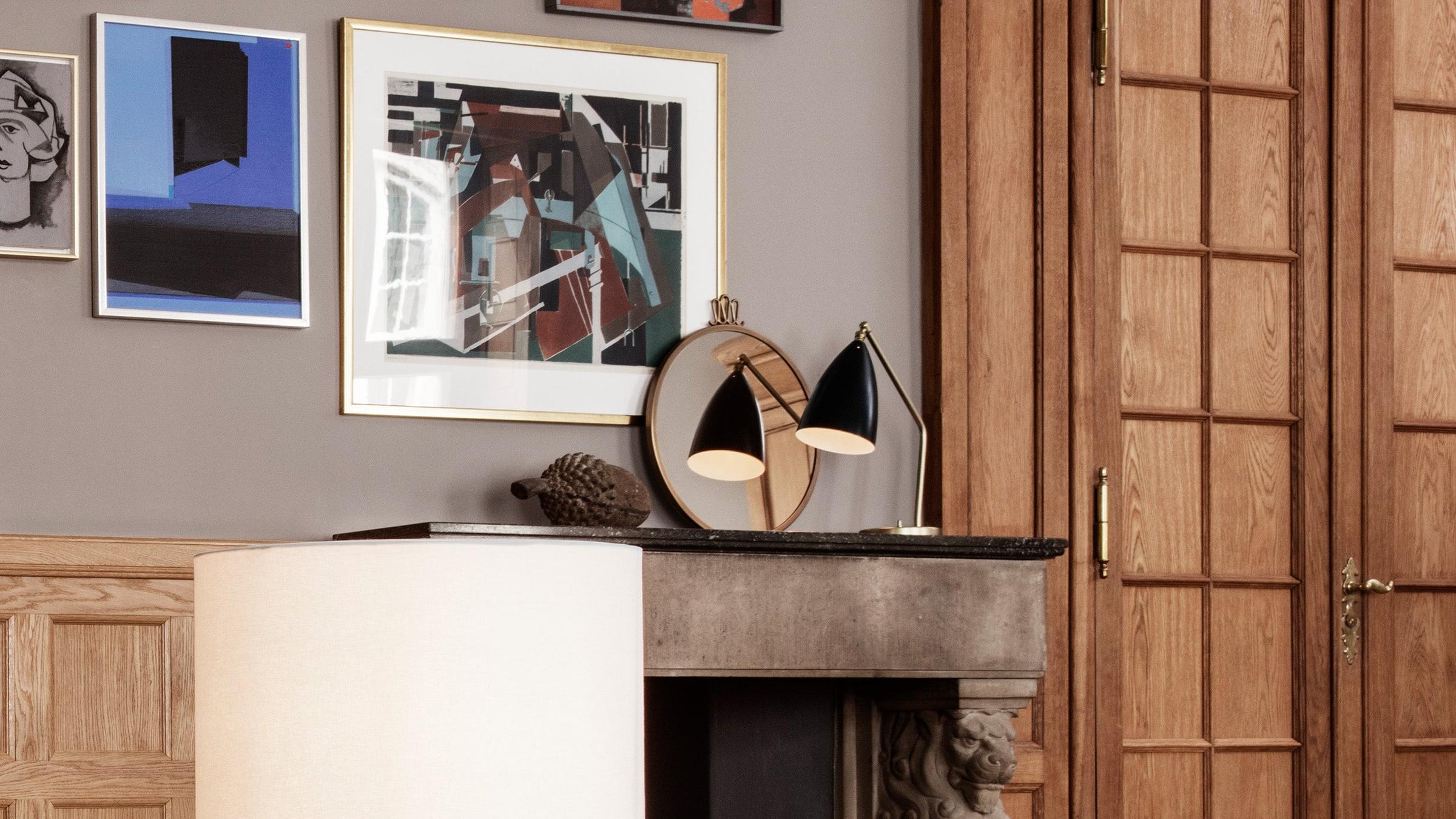
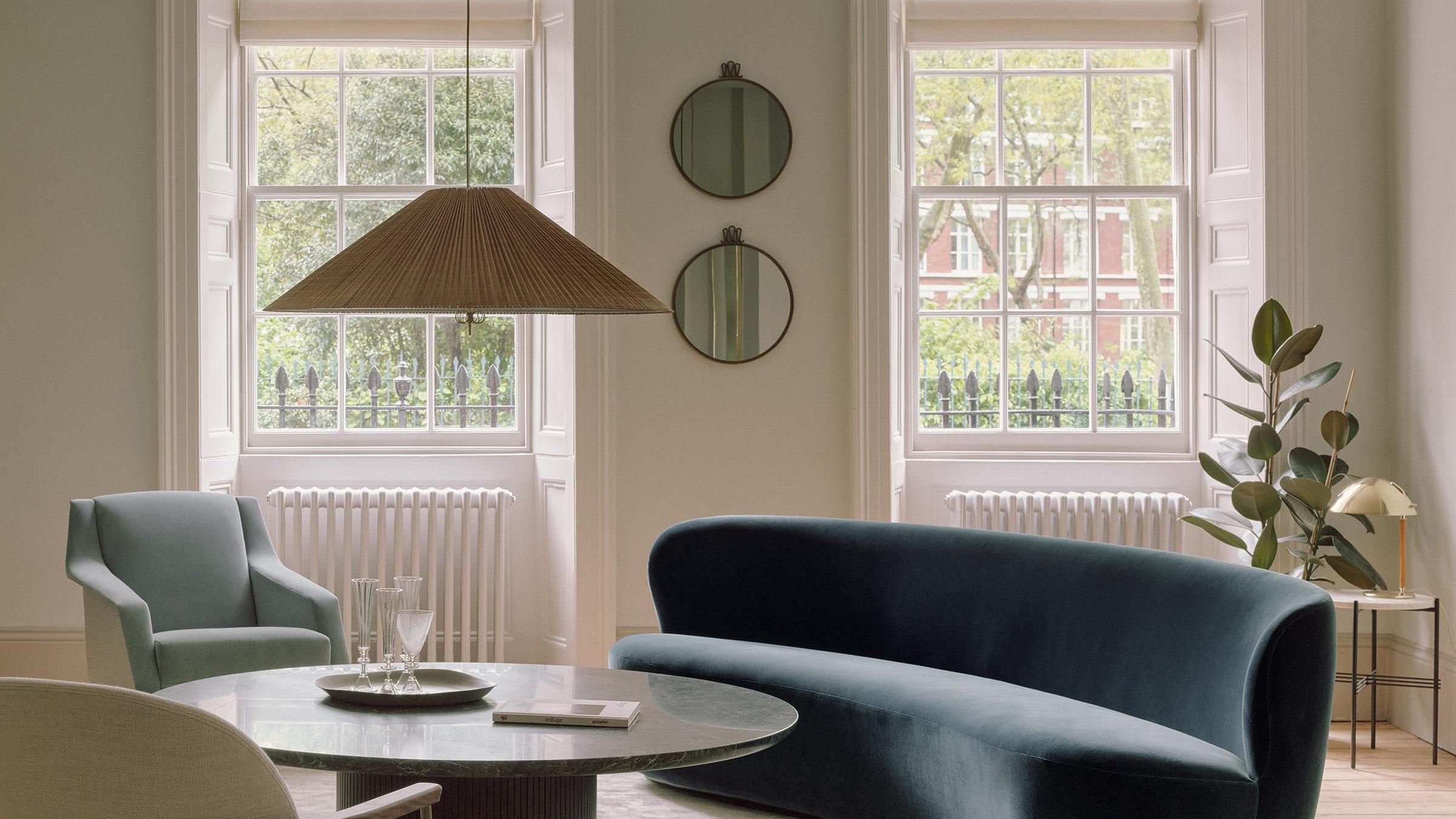
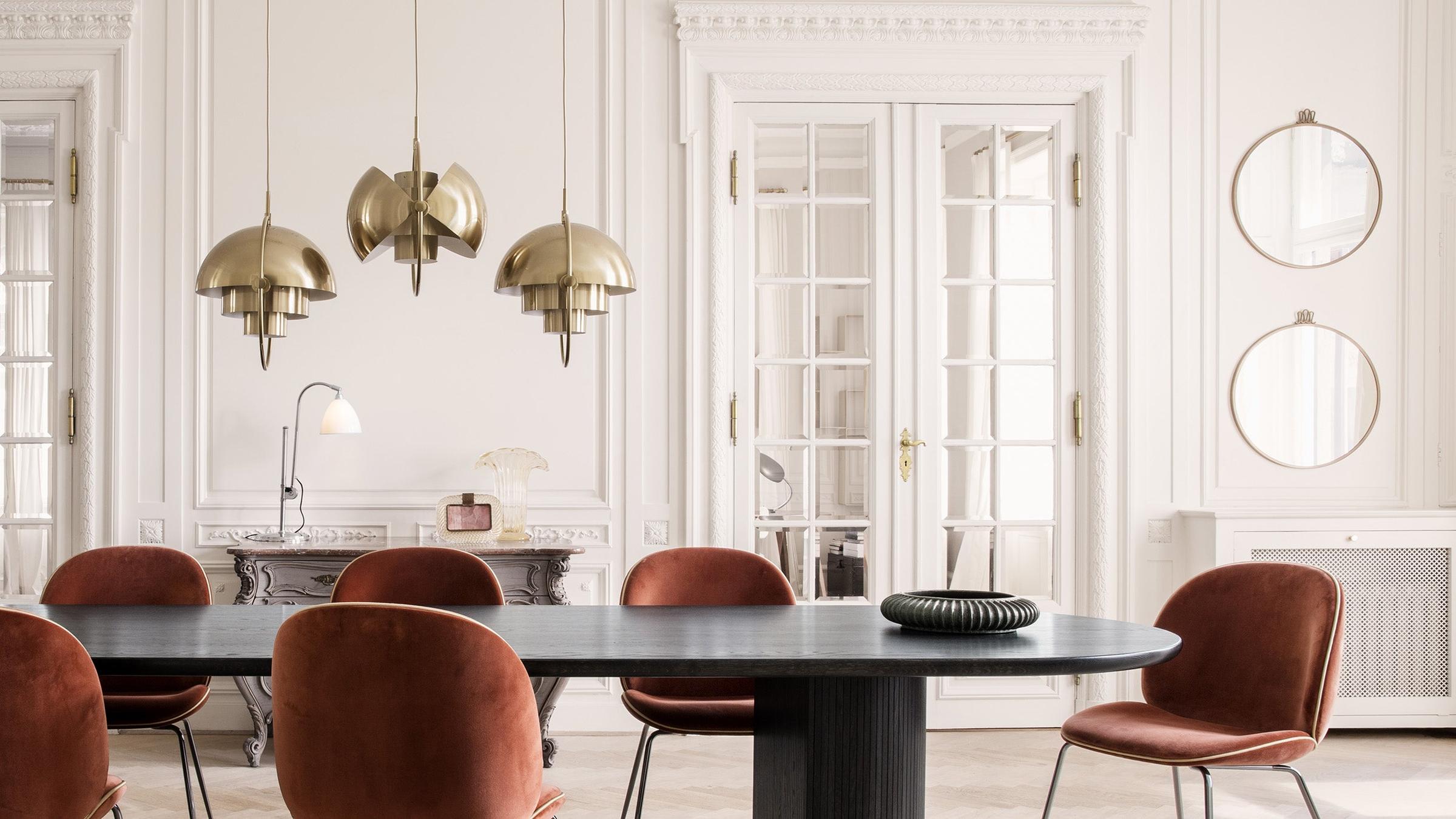
Its profile is immediately recognizable: a clean rectangular field crowned by a stepped, geometric top detail that reads as both architectural and playful. Ponti drew freely from Italian rationalism and decorative tradition, and the Randaccio sits exactly at that crossroads.
- Designed by Gio Ponti, 1925
- Available in three sizes to suit varied wall proportions
- Suited to bedrooms, bathrooms, hallways, and dressing rooms
- Reissued by GUBI in faithful collaboration with the Ponti archive
GUBI's reissue honors the original with careful attention to proportion and finish, ensuring the mirror reads as a historical object that belongs equally in a contemporary interior.
Made to order by GUBI, tailored to you.
Get customization options, swatch samples and pricing for your project.
Pairs Well With
Randaccio Wall Mirror

Product Details
Tear Sheet
Pricing & Warranty
Pricing for made-to-order items varies based on configuration, finishes, and customization options. Please contact one of our design consultants or visit a showroom near you for current pricing and personalized assistance.
Luminaire is an authorized retailer of GUBI. The product comes with a full manufacturer warranty.
Authenticity guaranteed. Genuine product, authenticated and sourced directly from the manufacturer.
Frequently Asked Questions
Who designed the Randaccio Wall Mirror and when?
Gio Ponti designed the Randaccio mirror in 1925 for his own apartment on Via Randaccio in Milan. It is considered one of his earliest surviving interior design objects and a direct window into his personal aesthetic at the outset of his career.
What sizes is the GUBI Randaccio mirror available in?
The Randaccio Wall Mirror is available in three sizes, allowing it to be scaled appropriately for different wall proportions, from intimate dressing spaces to more generous hallway or bathroom walls.
How does the Randaccio mirror fit into a contemporary interior?
Ponti's design language blends geometric precision with decorative wit, which gives the Randaccio a quality of cultural weight without visual heaviness. It reads clearly in both classically furnished rooms and spare, modernist settings.
Is the GUBI Randaccio an authorized reissue of the original design?
Yes. GUBI produced the Randaccio Wall Mirror in collaboration with the Gio Ponti archives, maintaining fidelity to the original proportions and detailing established in the 1925 design.
What design movement does Gio Ponti represent?
Ponti is broadly associated with Italian modernism, though his work consistently resisted strict categorization. He moved fluidly between rationalist architecture, decorative arts, and industrial design across a career spanning more than five decades, founding Domus magazine in 1928 and shaping Italian design culture internationally.