Pratone Forever Green-Greener-Greenest
Made by Gufram
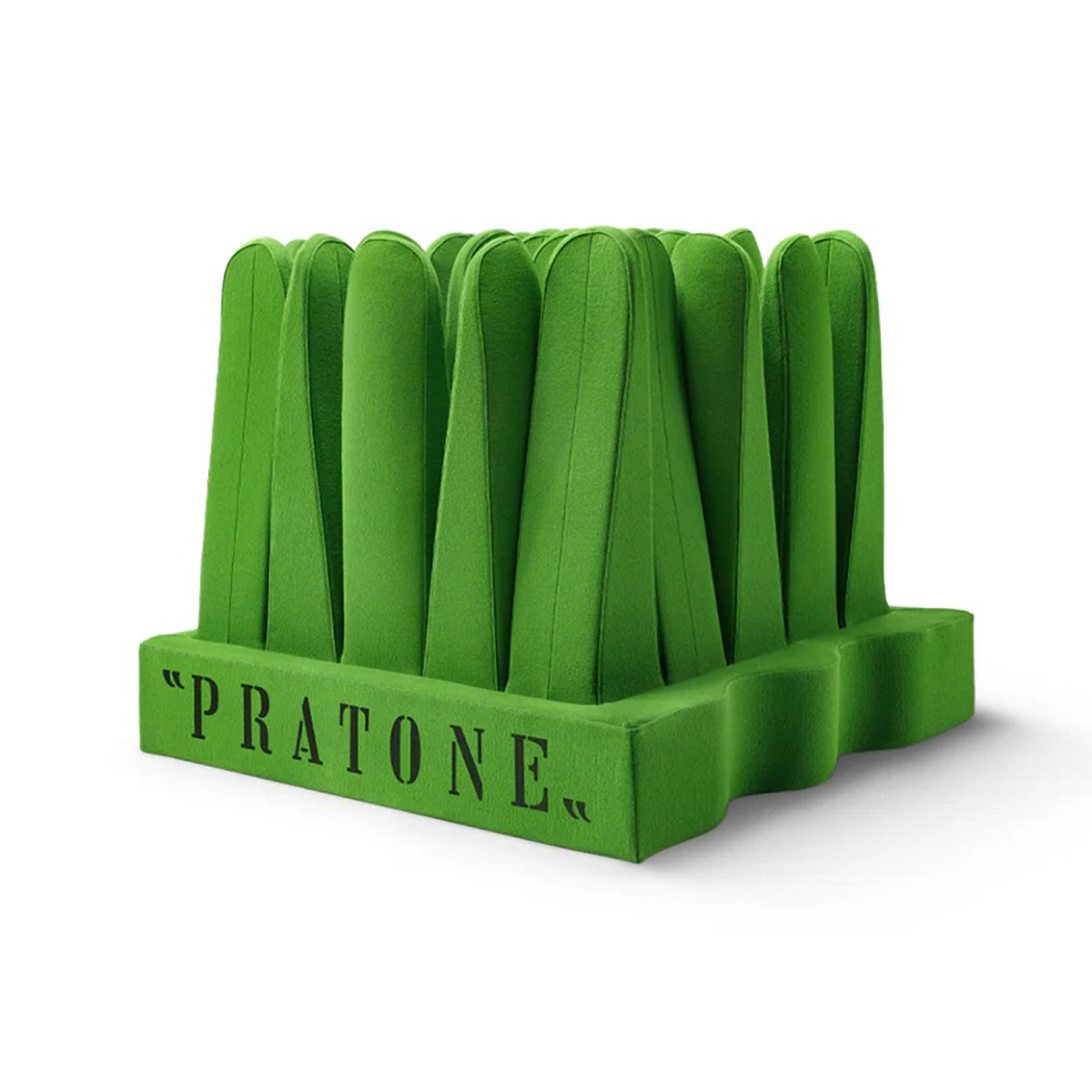
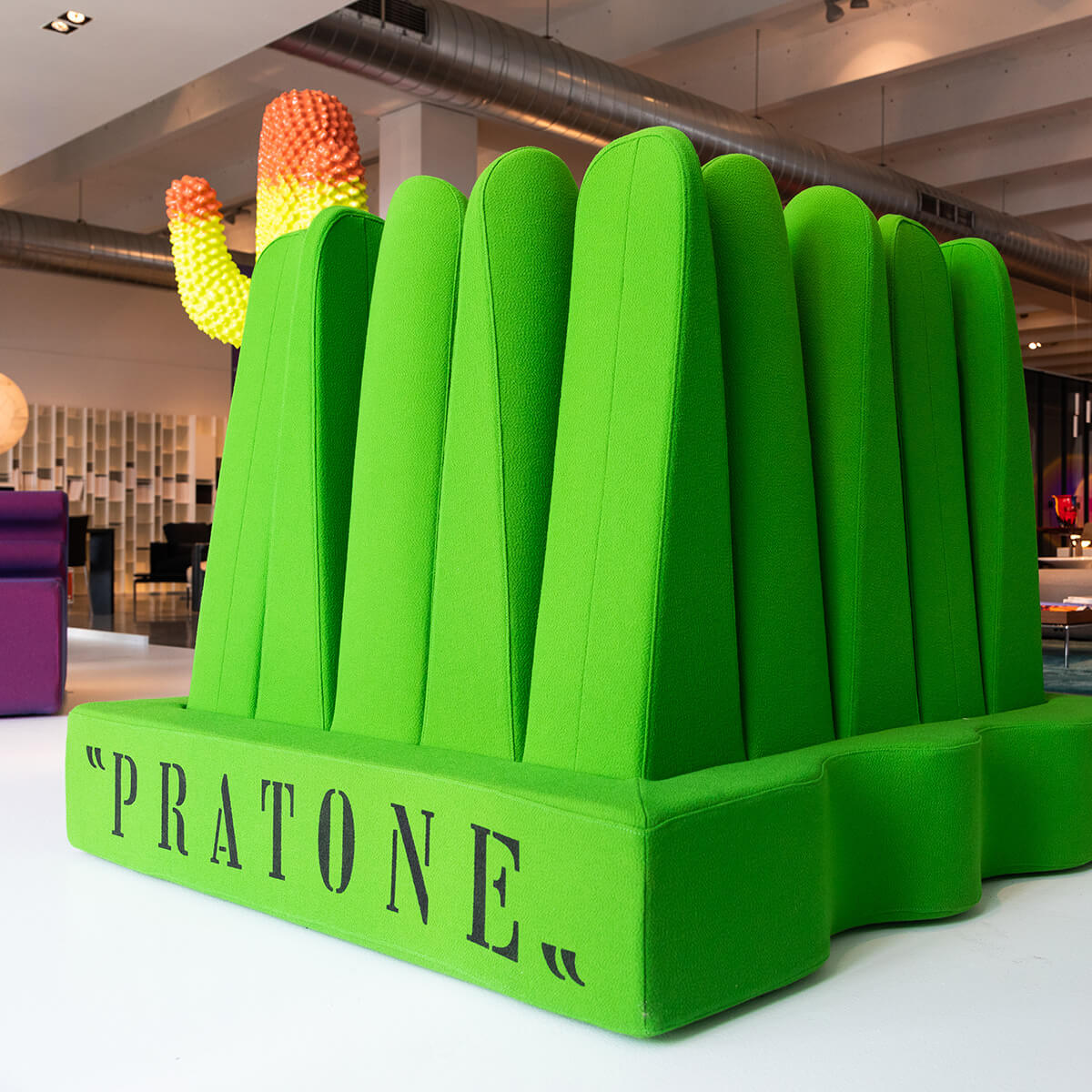
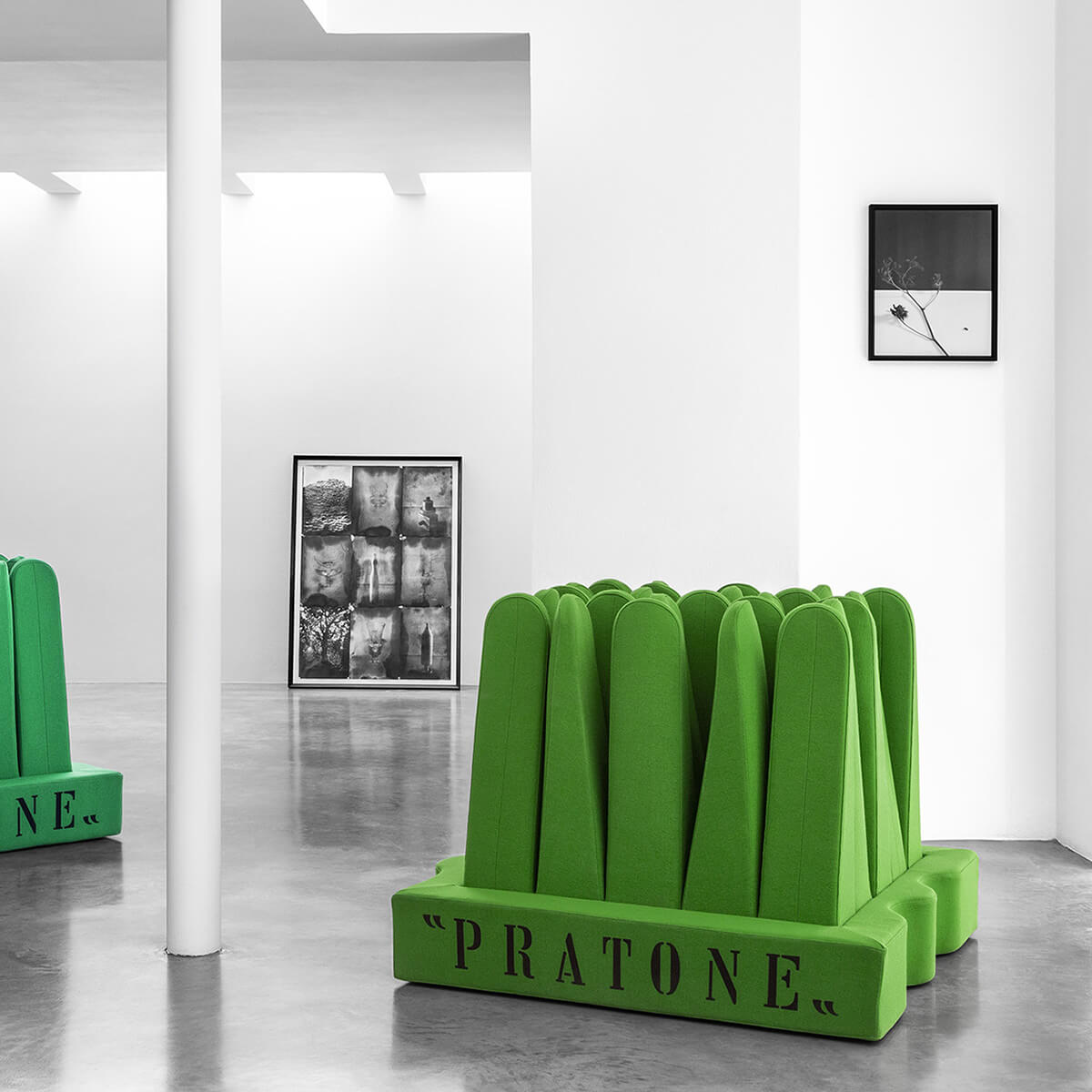
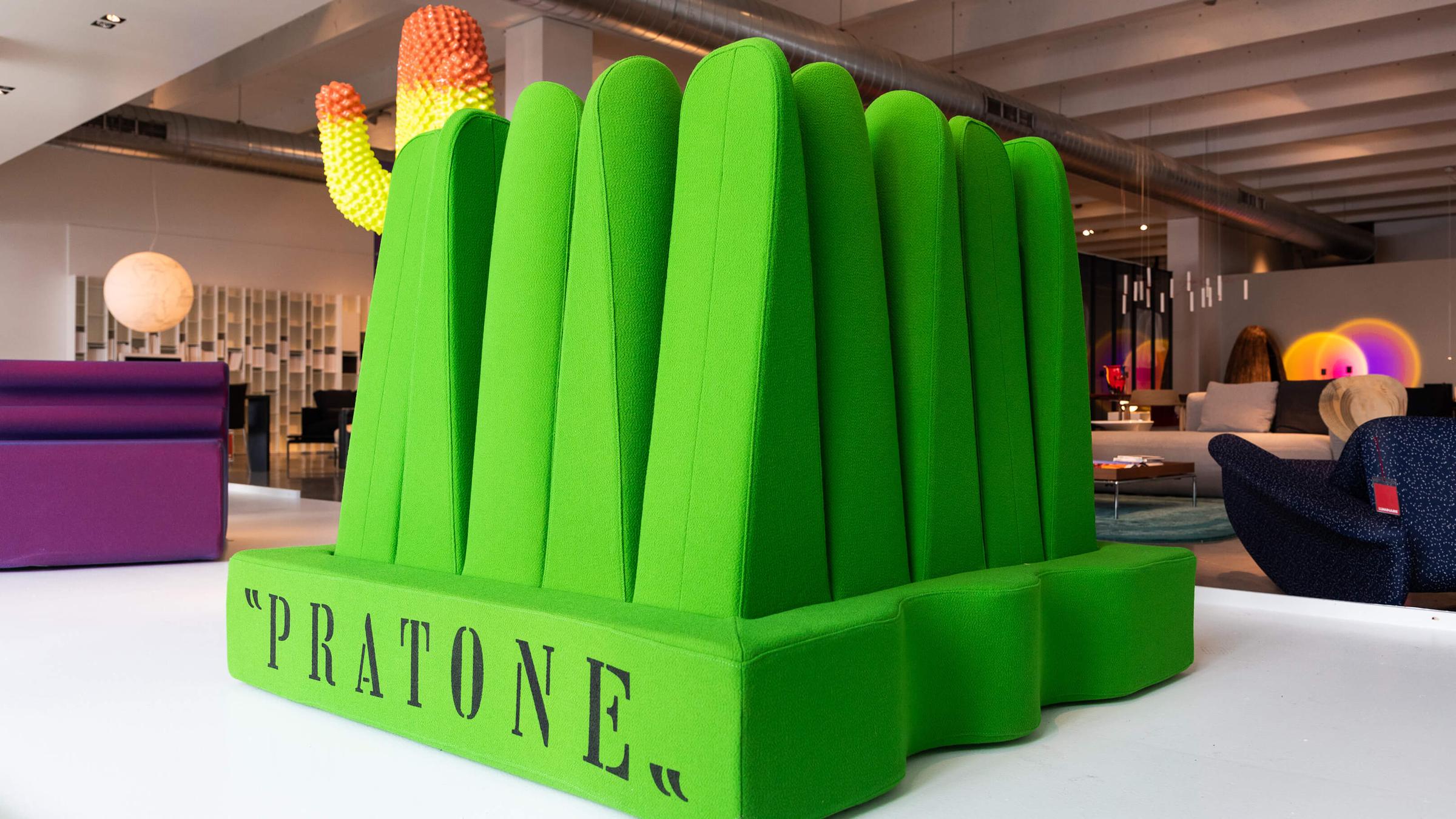
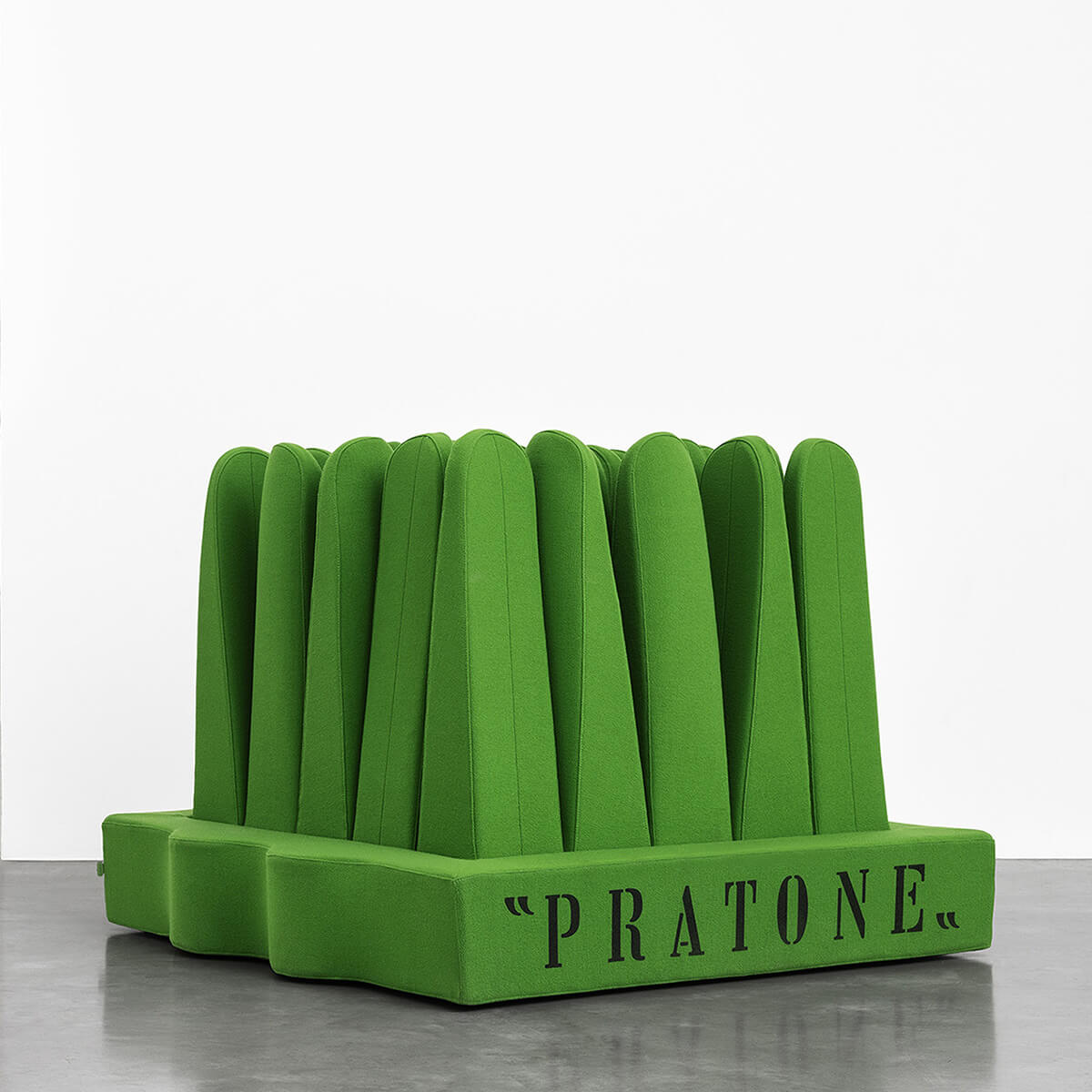
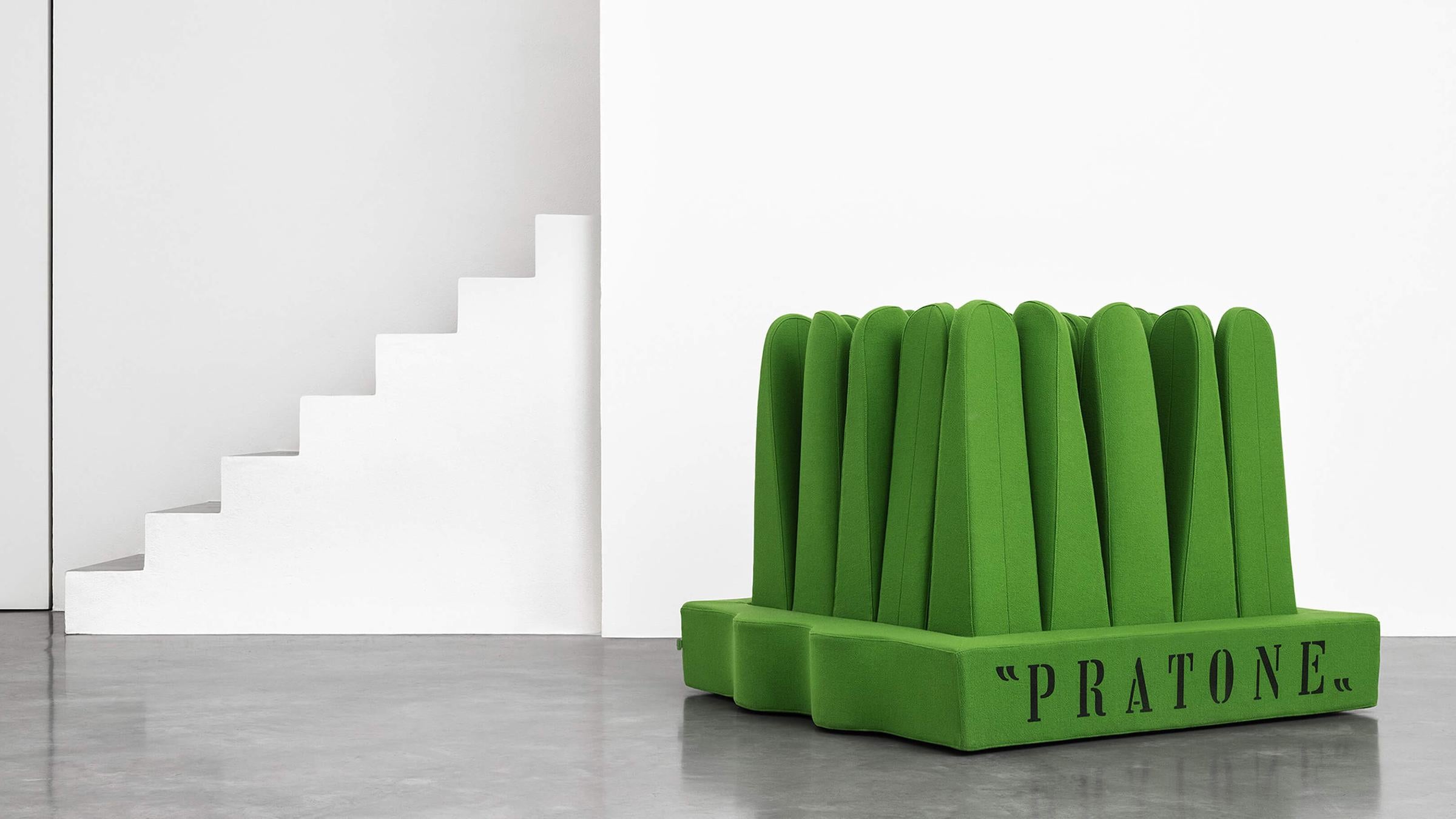
Pratone was never just a chair. When Ceretti, DeRossi, and Rosso conceived it in the late 1960s, they proposed something closer to provocation - a field of oversized grass blades that asked the sitter to recline, sprawl, and surrender any conventional posture. The object became one of the defining artifacts of Italian Radical Design, a movement that treated furniture as cultural critique.
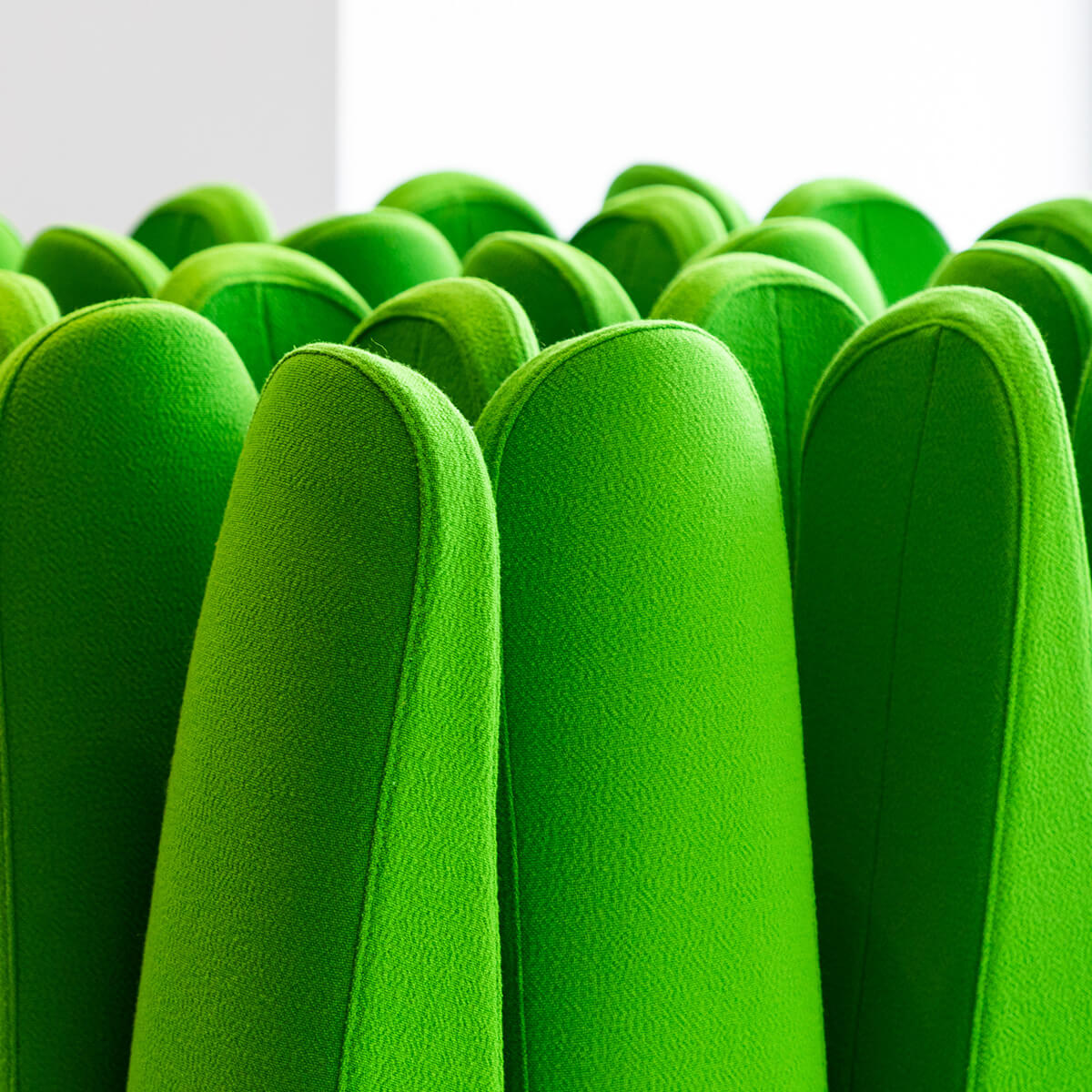
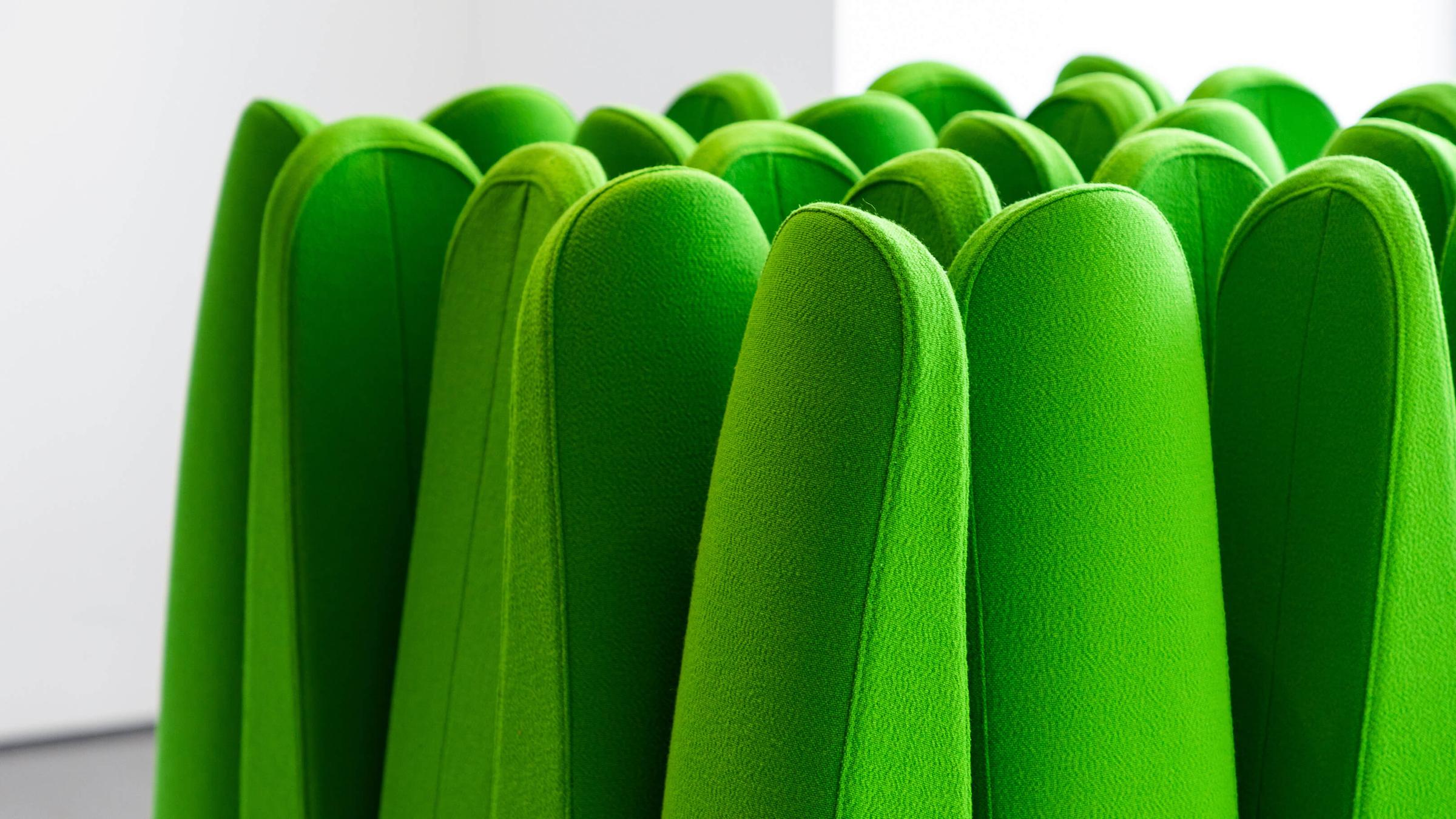
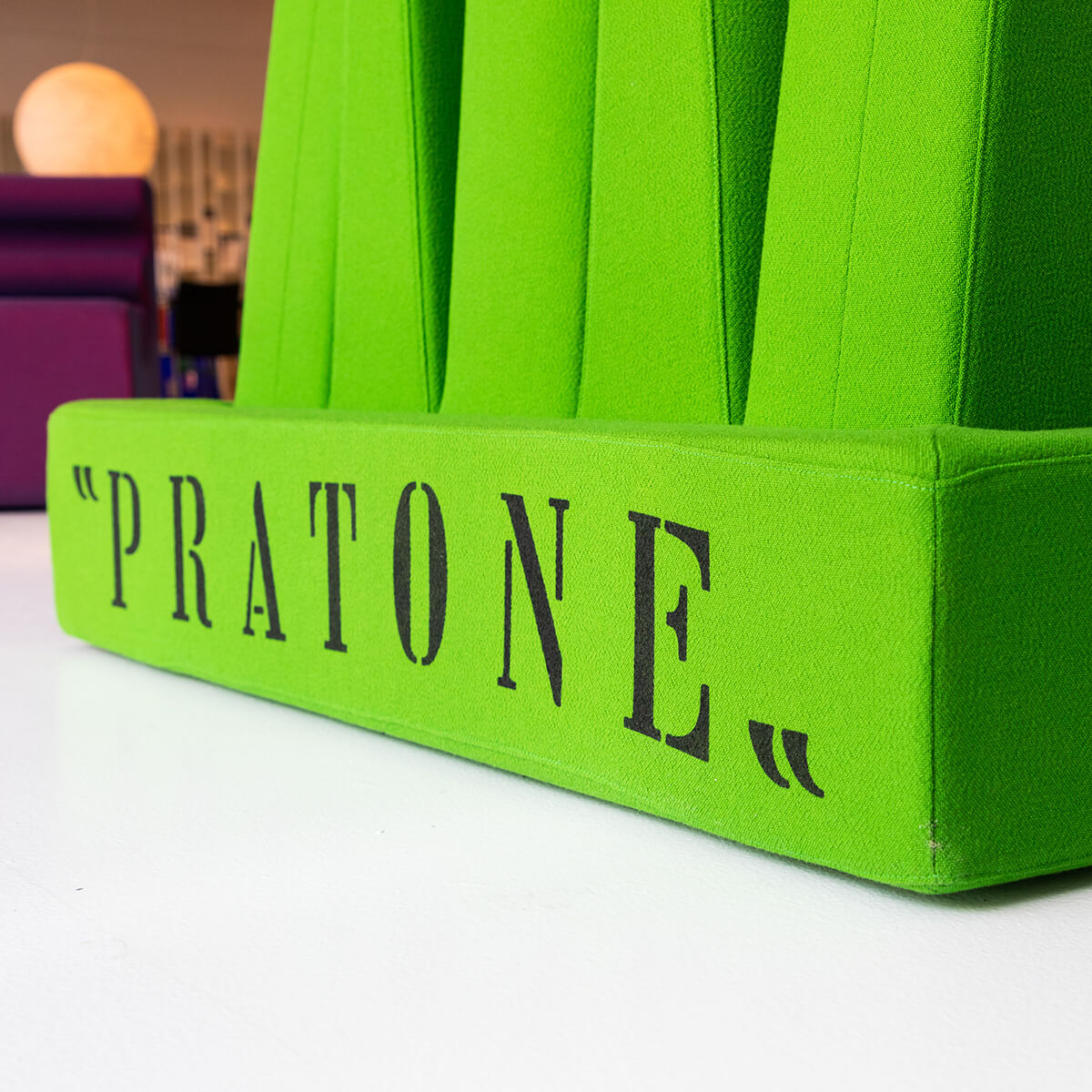
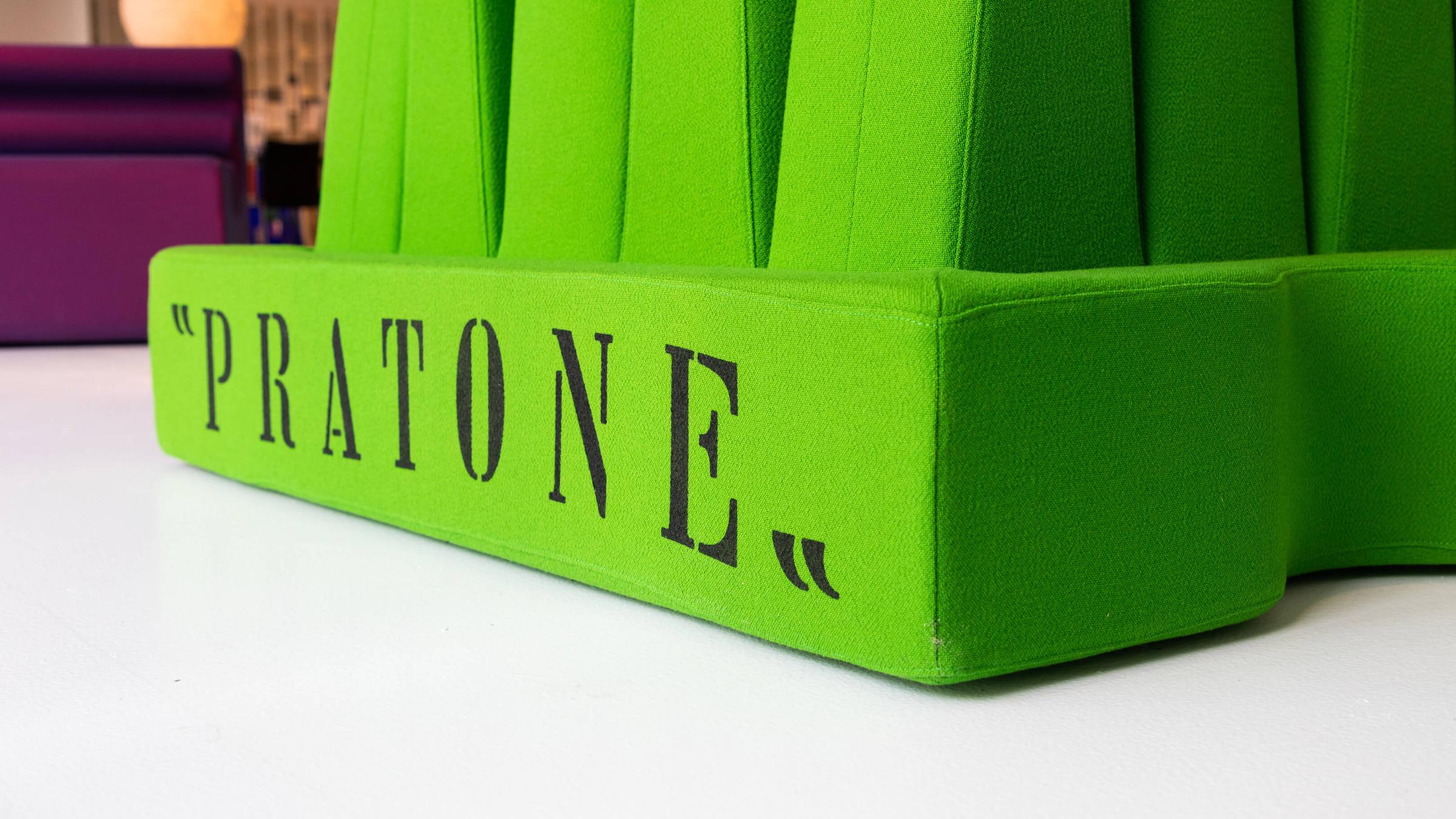
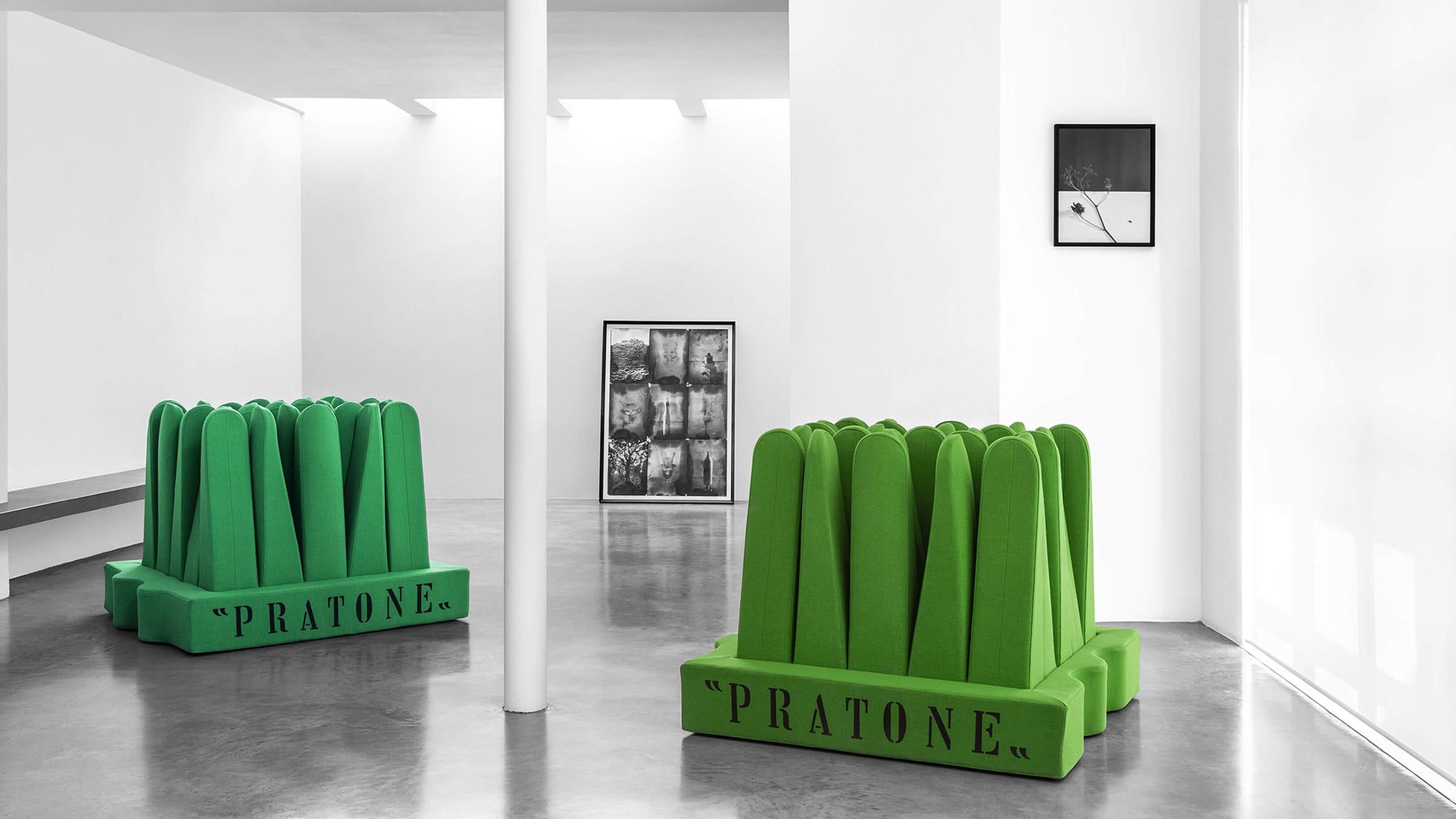
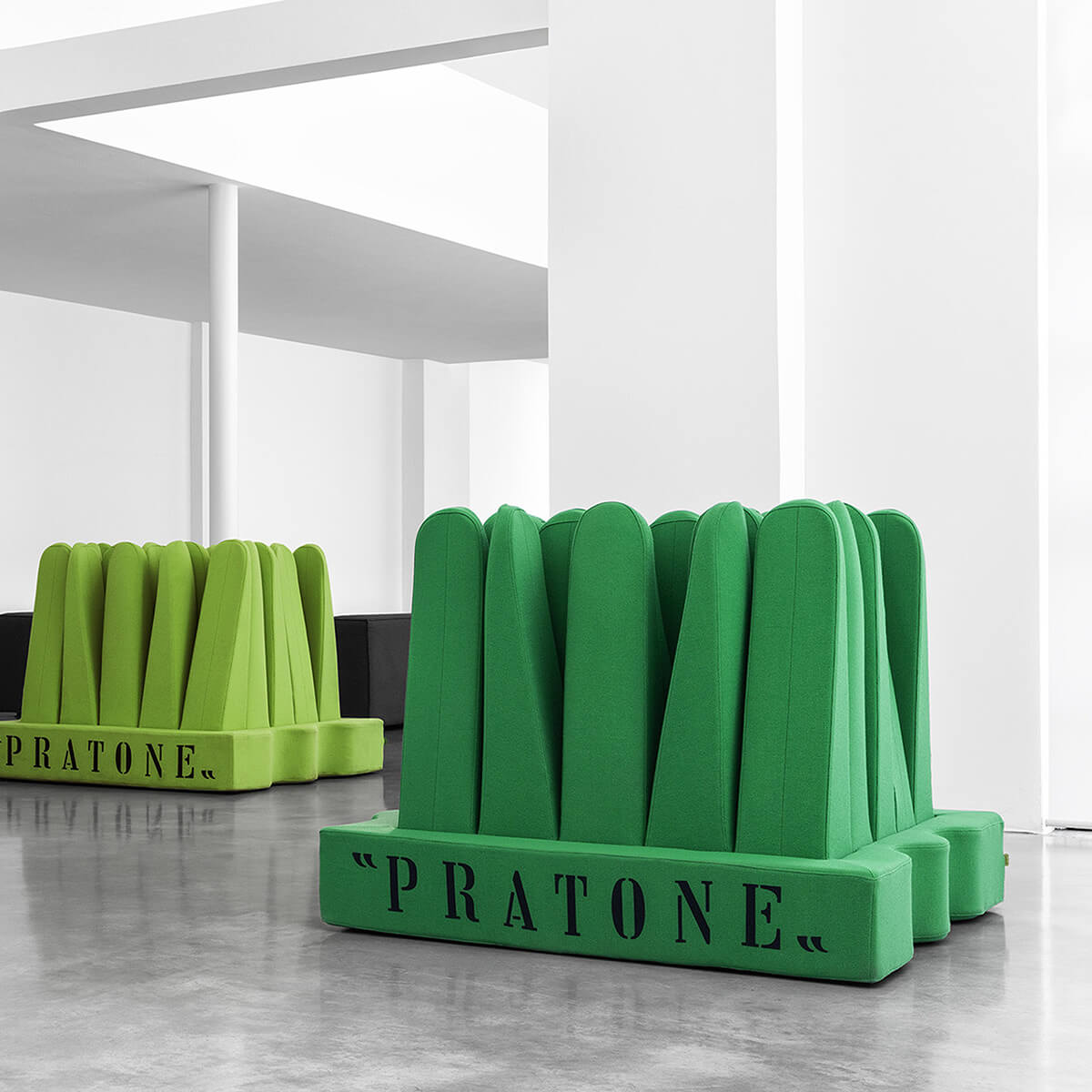
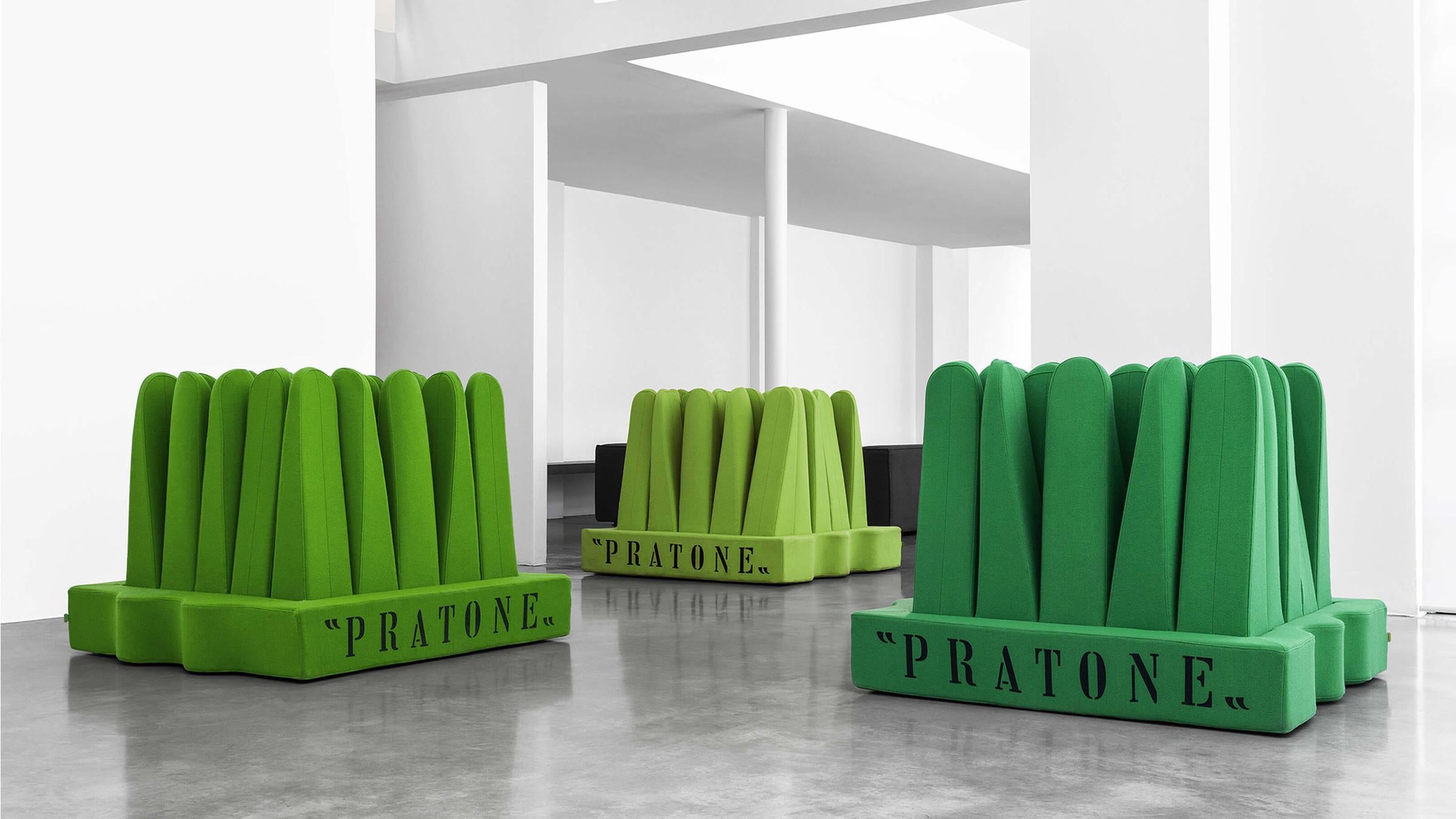
Pratone Forever revisits that founding gesture on the occasion of the original's 50th anniversary. The form is refined to a more domestic scale without softening its conceptual edge. In place of the original polyurethane foam finish, this edition wears an elastic wool bouclé - a material that brings warmth and tactile depth to the sculptural silhouette. Three distinct tones of green are offered: green, greener, and greenest. The progression is deliberate, acknowledging how the icon's identity has shifted across decades.
- Designed by Ceretti, DeRossi, and Rosso for Gufram
- Elastic wool bouclé upholstery in three graduated greens
- Scaled for residential and contract environments
- Meets public place furnishing regulations
- Part of the Gufram limited anniversary editions
Pratone Forever functions equally as seating and as sculpture. Its presence in a room opens a conversation about what furniture is permitted to be.
Made to order by Gufram, tailored to you.
Get customization options, swatch samples and pricing for your project.
Pairs Well With
Product Details
Tear Sheet
Pricing & Warranty
Pricing for made-to-order items varies based on configuration, finishes, and customization options. Please contact one of our design consultants or visit a showroom near you for current pricing and personalized assistance.
Luminaire is an authorized retailer of Gufram. The product comes with a full manufacturer warranty.
Authenticity guaranteed. Genuine product, authenticated and sourced directly from the manufacturer.
Frequently Asked Questions
Who designed the original Pratone chair?
Pratone was designed by Giorgio Ceretti, Pietro Derossi, and Riccardo Rosso, three architects central to the Italian Radical Design movement of the late 1960s. The piece was produced by Gufram and first presented in 1971 as a deliberate challenge to conventional ideas about seating and domestic space.
What is Italian Radical Design?
Italian Radical Design was a countercultural movement that emerged in the late 1960s, primarily in Turin and Florence, rejecting functionalist dogma in favor of furniture and objects that carried social and political meaning. Groups such as Archizoom and Superstudio, alongside individual designers like those behind Pratone, used design as a form of cultural commentary.
What fabric is used on the Pratone Forever?
Pratone Forever is upholstered in an elastic wool bouclé, a looped-yarn textile that provides both structural flexibility and a richly textured surface. The material represents a significant departure from the original's polyurethane foam finish, updating the piece for contemporary interiors while preserving its sculptural character.
What is the difference between the three green colorways?
The three colorways, named green, greener, and greenest, represent a graduated spectrum of the same hue rather than three entirely distinct tones. The progression pays homage to Pratone's iconic association with grass and nature, while reflecting the ways the object's cultural identity has deepened and evolved across fifty years.
Is the Pratone Forever suitable for commercial or contract use?
Yes. Pratone Forever has been developed to meet public place furnishing regulations, making it appropriate for hospitality, retail, and other contract environments in addition to residential settings.