Cenote Bathtub
Made by Agape
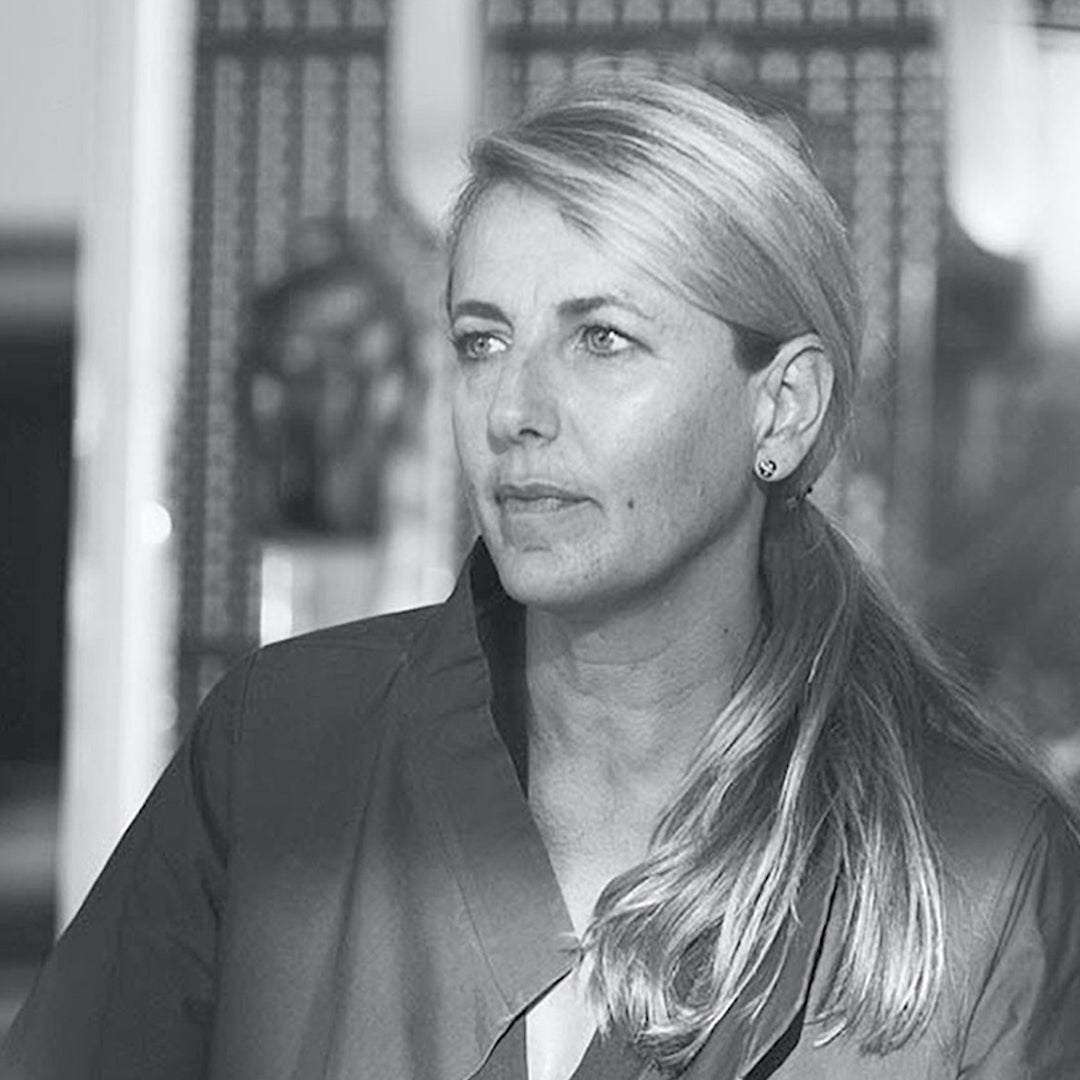
Designed by Patricia Urquiola
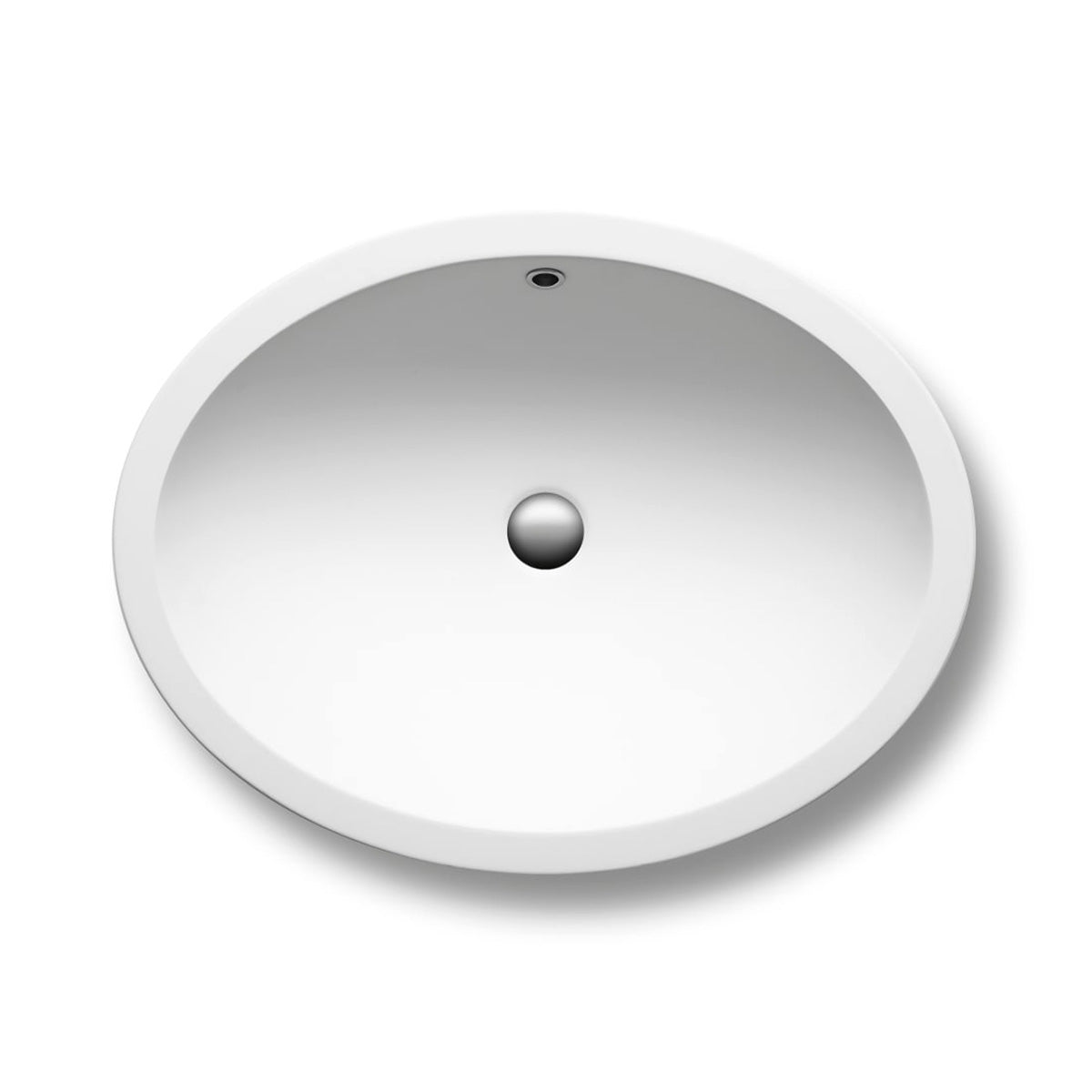
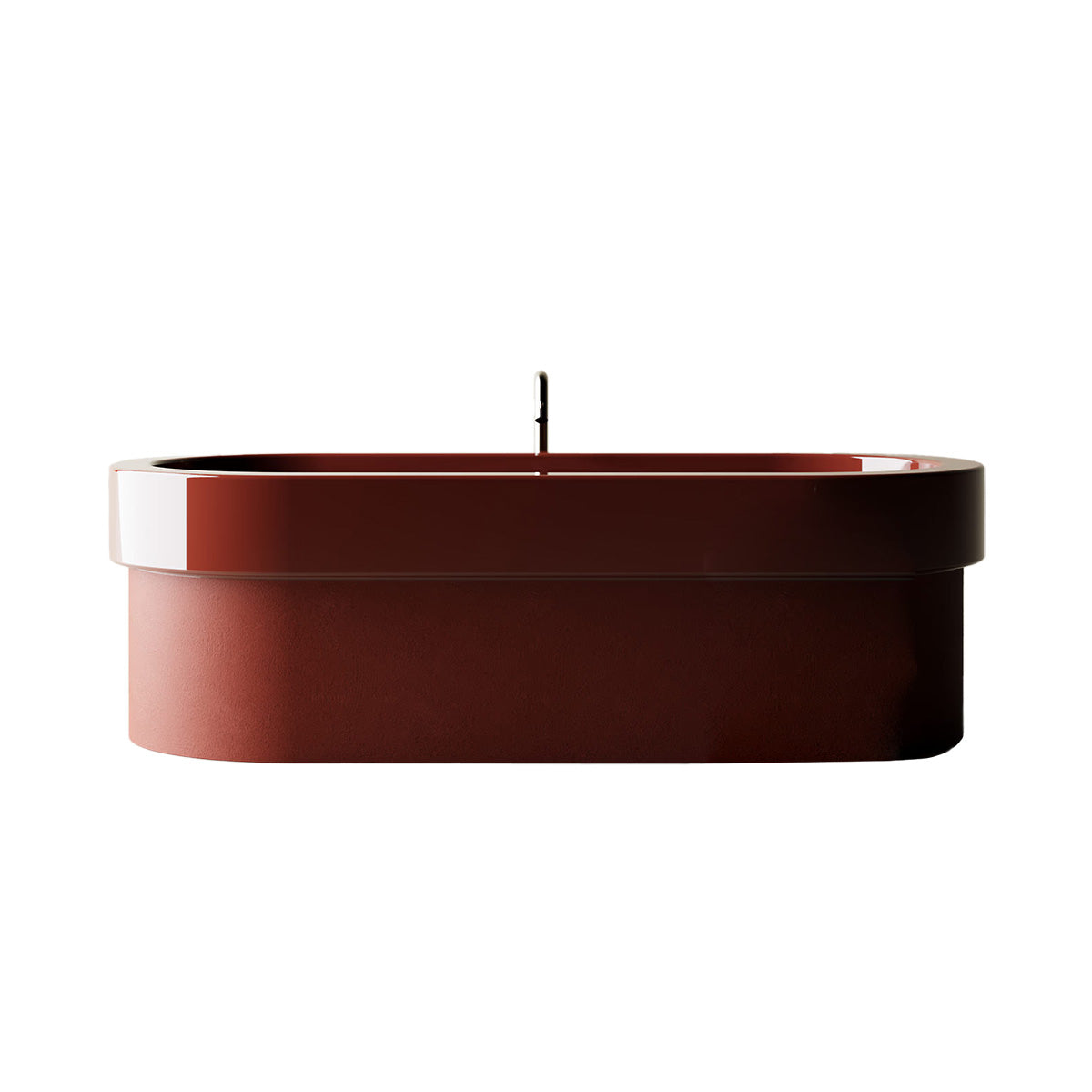
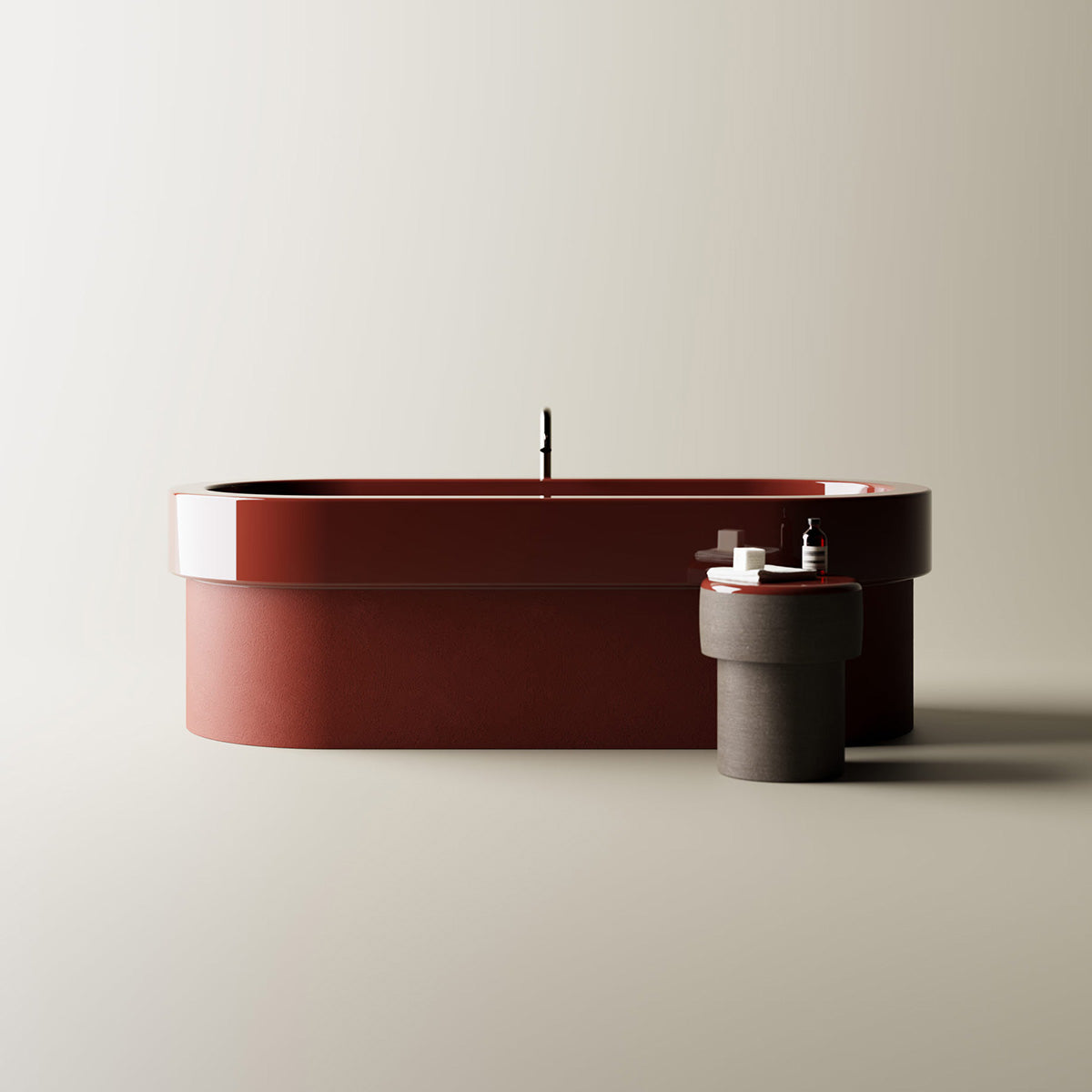
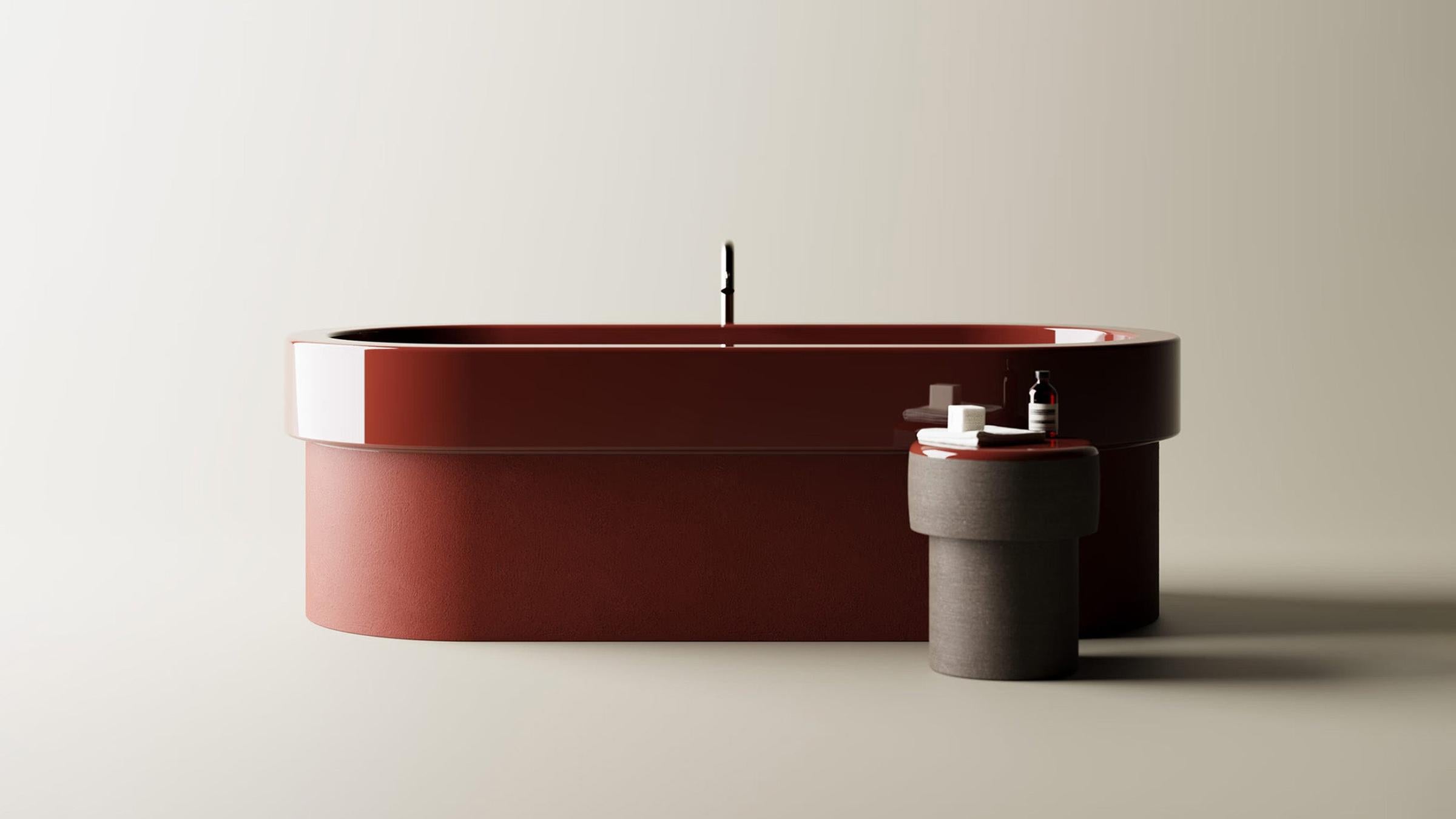
Patricia Urquiola drew from the sacred cenotes of pre-Columbian Mesoamerica to conceive this freestanding bathtub for Agape. Those ancient, cave-fed pools carried spiritual weight for the civilizations that depended on them, and that sense of primordial depth is present in every surface of this piece.
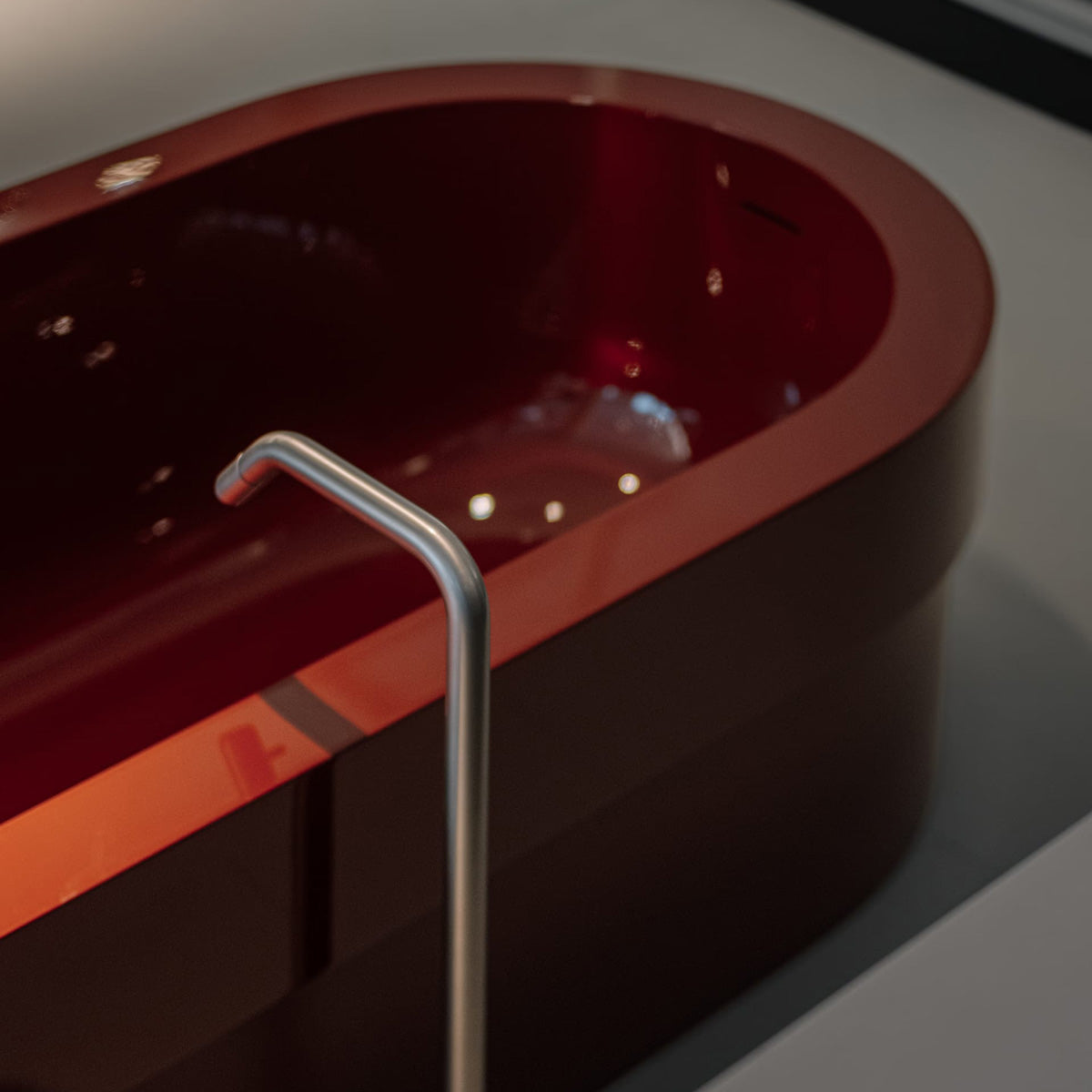
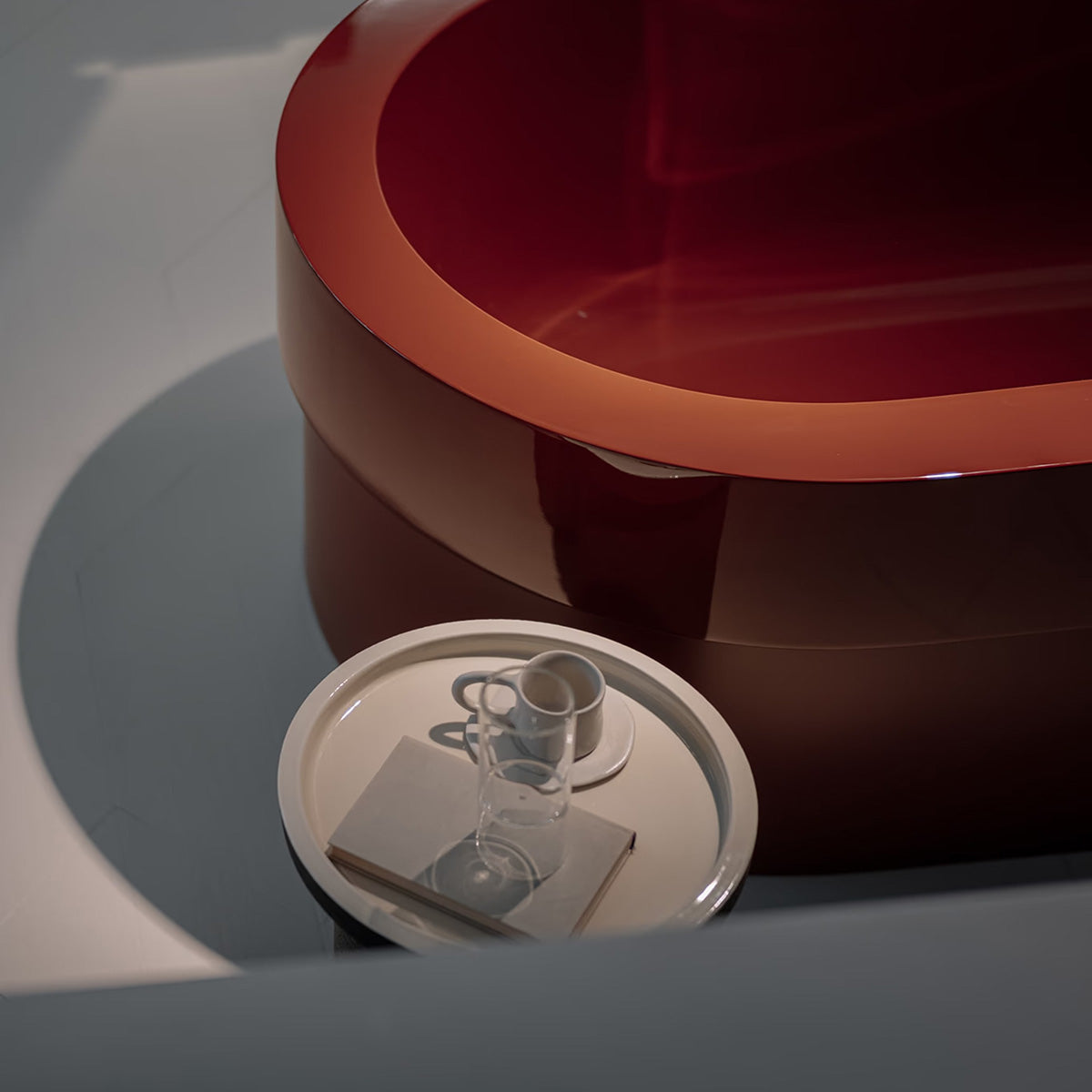
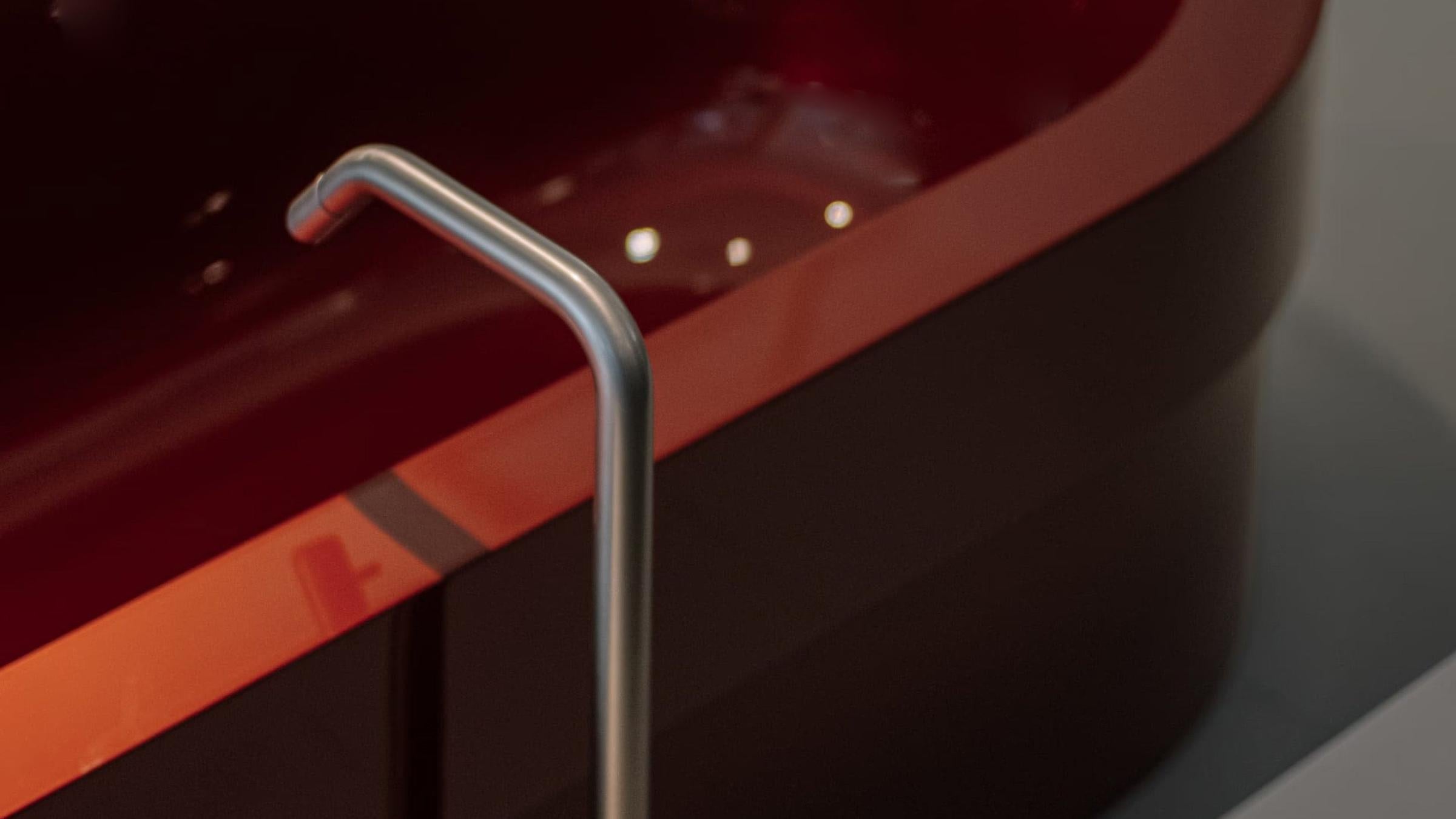
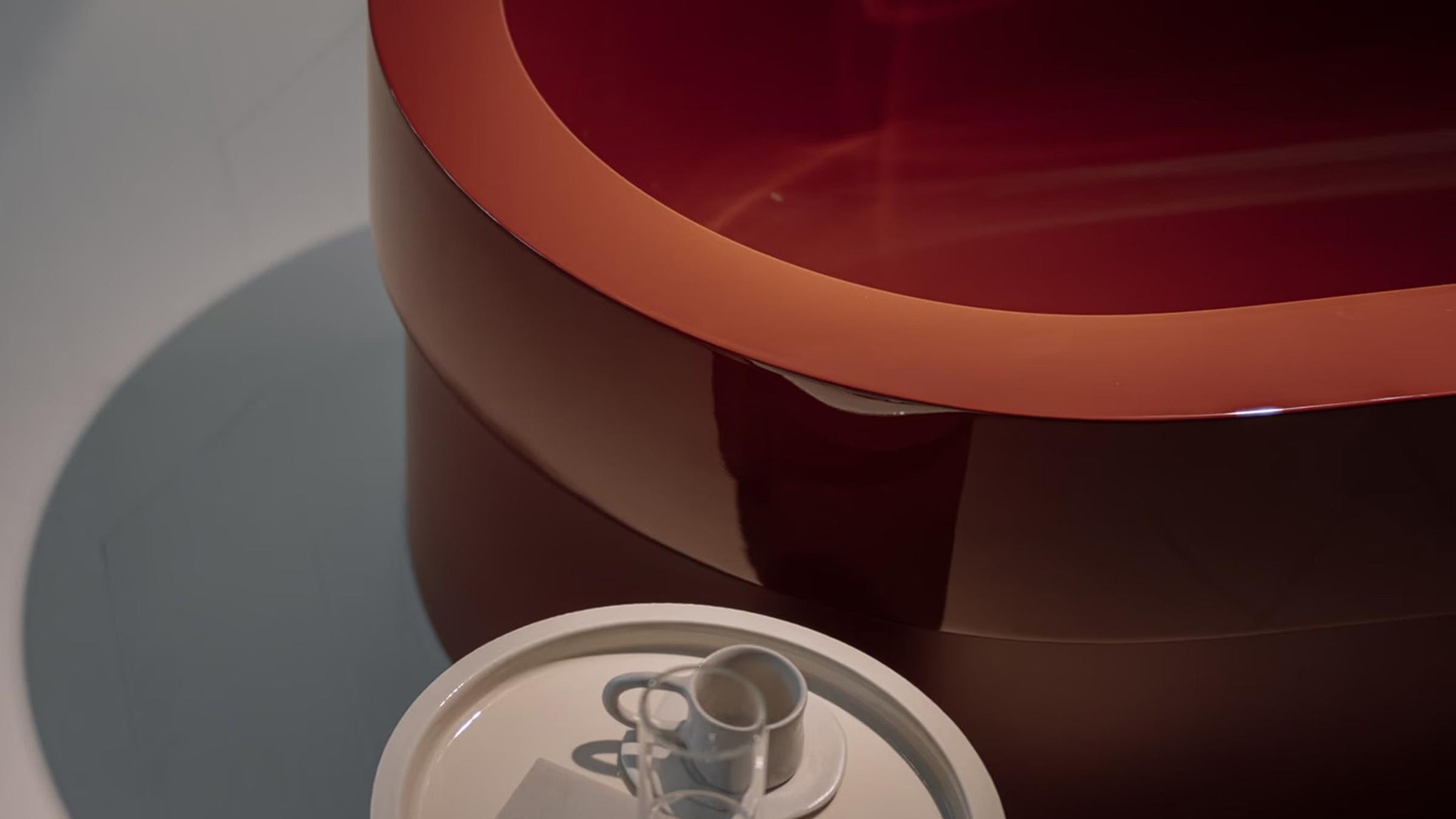
The exterior is hand-worked in solid surface gelcoat, left deliberately irregular so that no two forms are identical. Against that raw, geological presence, the interior is finished in polished enamel. The contrast between roughness and refinement is not decorative. It is the point.
- Freestanding sculptural form, made to order
- Solid surface gelcoat construction with hand-worked exterior
- Polished enamel interior finish
- Each piece is unique and cannot be replicated
Made to order by Agape, tailored to you.
Get customization options, swatch samples and pricing for your project.
Pairs Well With
Cenote Bathtub
Product Details
Tear Sheet
Pricing & Warranty
Pricing for made-to-order items varies based on configuration, finishes, and customization options. Please contact one of our design consultants or visit a showroom near you for current pricing and personalized assistance.
Luminaire is an authorized retailer of Agape. The product comes with a full manufacturer warranty.
Authenticity guaranteed. Genuine product, authenticated and sourced directly from the manufacturer.
Frequently Asked Questions
Who designed the Agape Cenote bathtub?
The Cenote was designed by Patricia Urquiola, the Barcelona-based architect and designer known for her sensory, materially inventive approach to furniture and objects. Her collaboration with Agape reflects a shared commitment to craft and conceptual depth.
What material is the Cenote bathtub made from?
The Cenote is constructed in solid surface gelcoat. The exterior is hand-worked to produce an intentionally irregular, raw surface, while the interior is polished to a smooth enamel finish.
Is every Cenote bathtub different?
Yes. Because the exterior is shaped by hand, each piece is unique and cannot be precisely replicated. This is a deliberate aspect of the design, not a manufacturing variable.
What inspired the Cenote's form and name?
Urquiola drew inspiration from the cenotes of pre-Columbian Mesoamerica, natural cave pools that held deep spiritual significance for indigenous cultures. The bathtub's raw, primordial character references both the geological formation and the ritual weight those spaces carried.
What is the lead time for the Agape Cenote?
The Cenote is a made-to-order piece currently presented as a prototype under development. Lead times vary and are confirmed at the time of order. Consulting with a design expert is recommended for project planning.