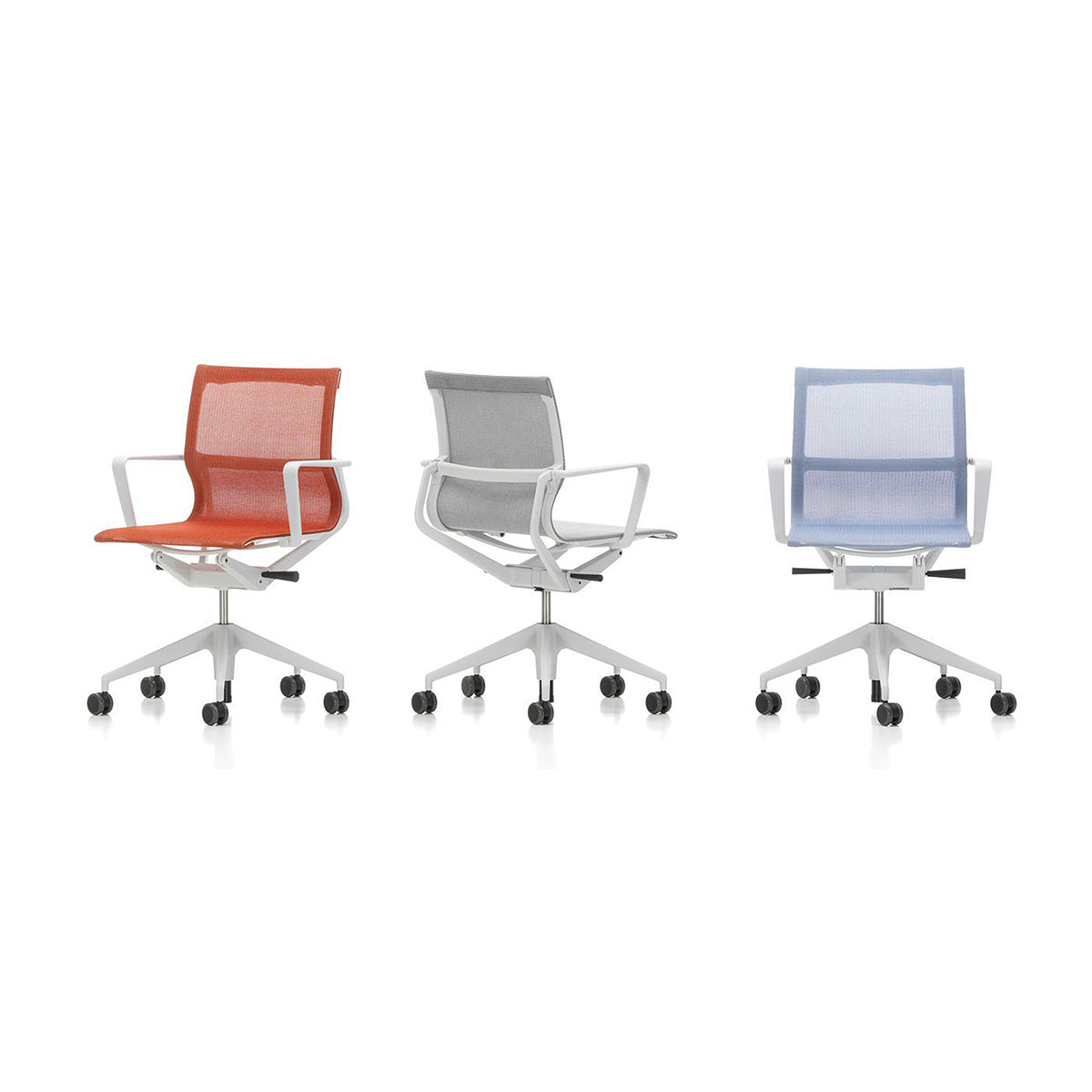
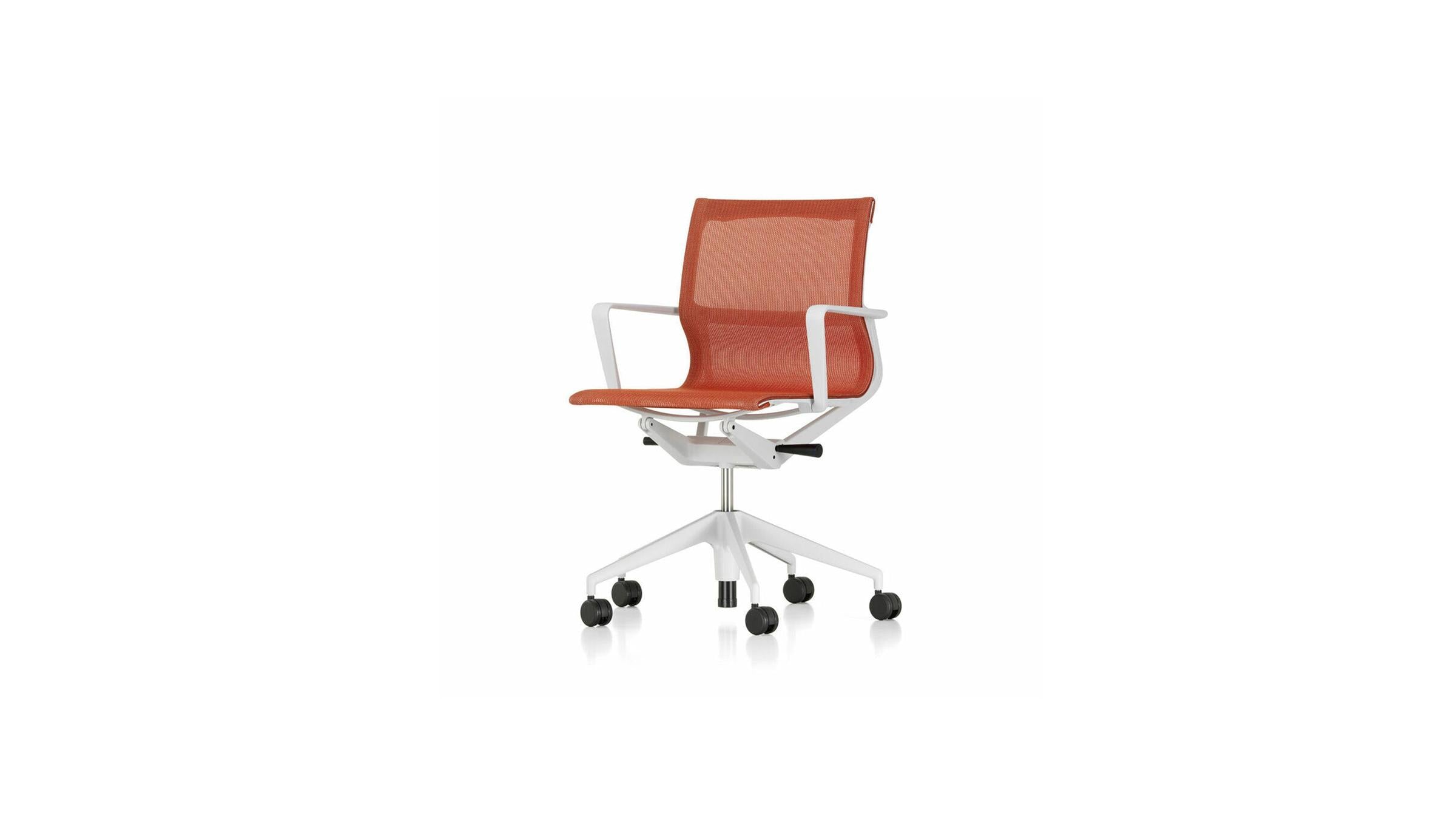
Physix
Made by Vitra
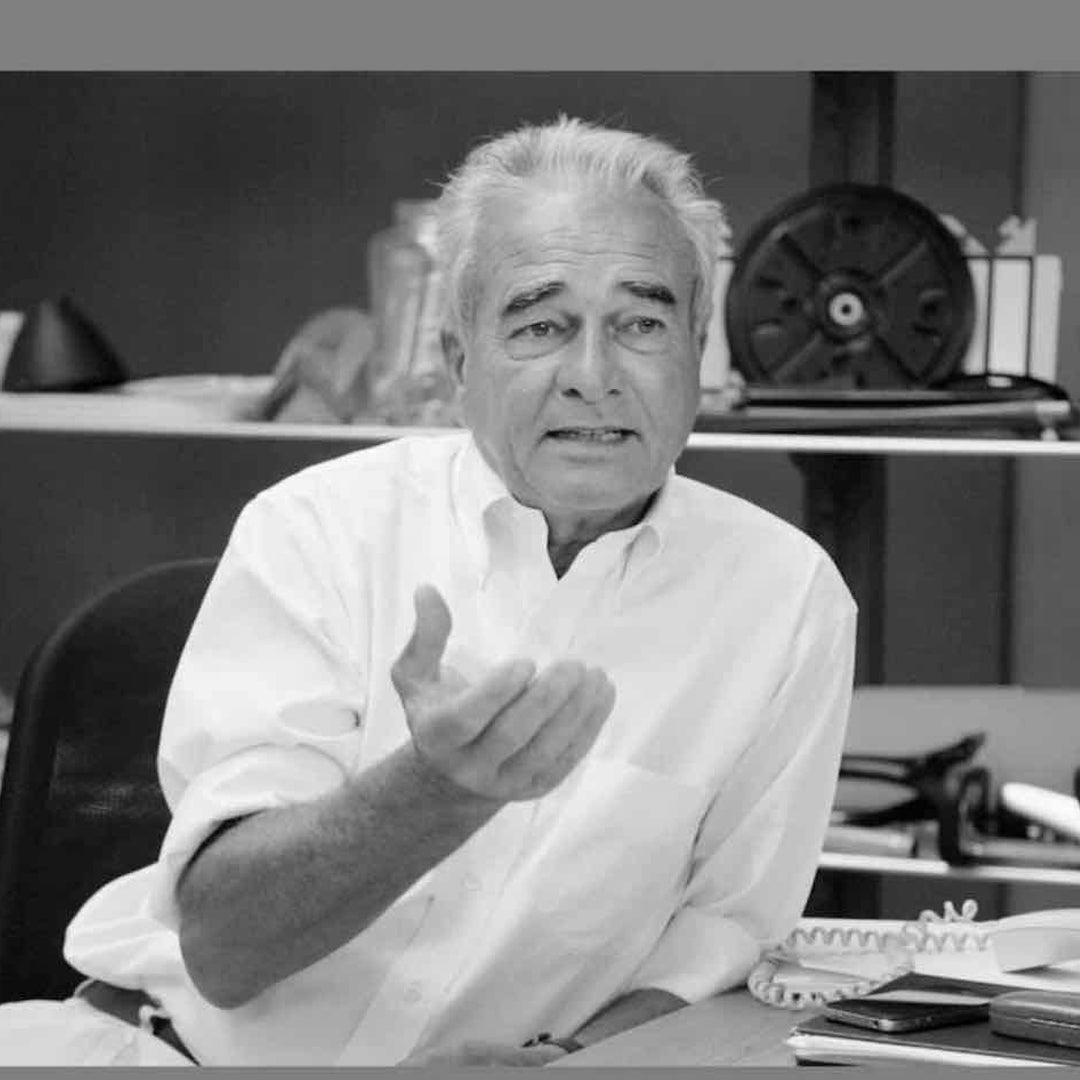
Designed by Alberto Meda
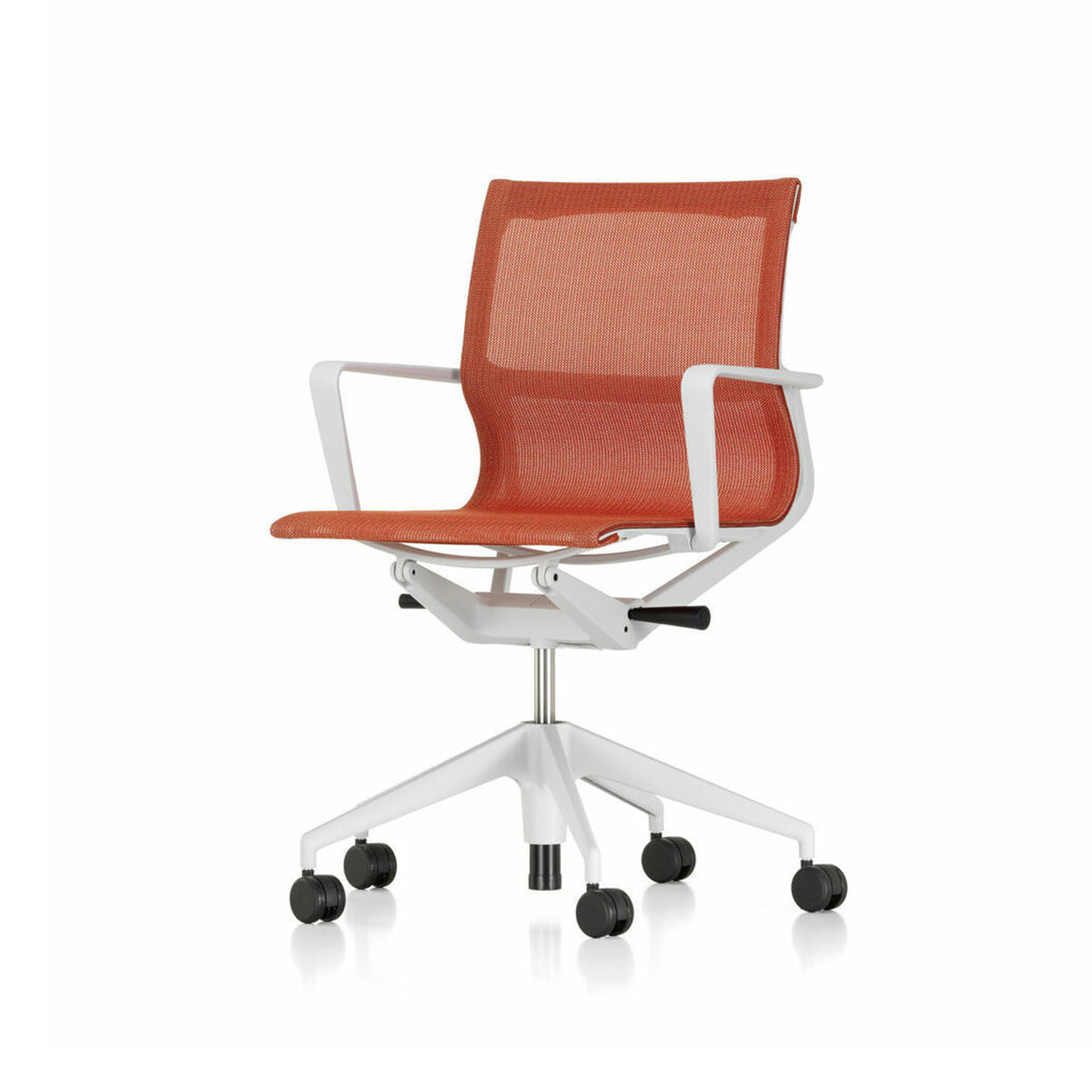
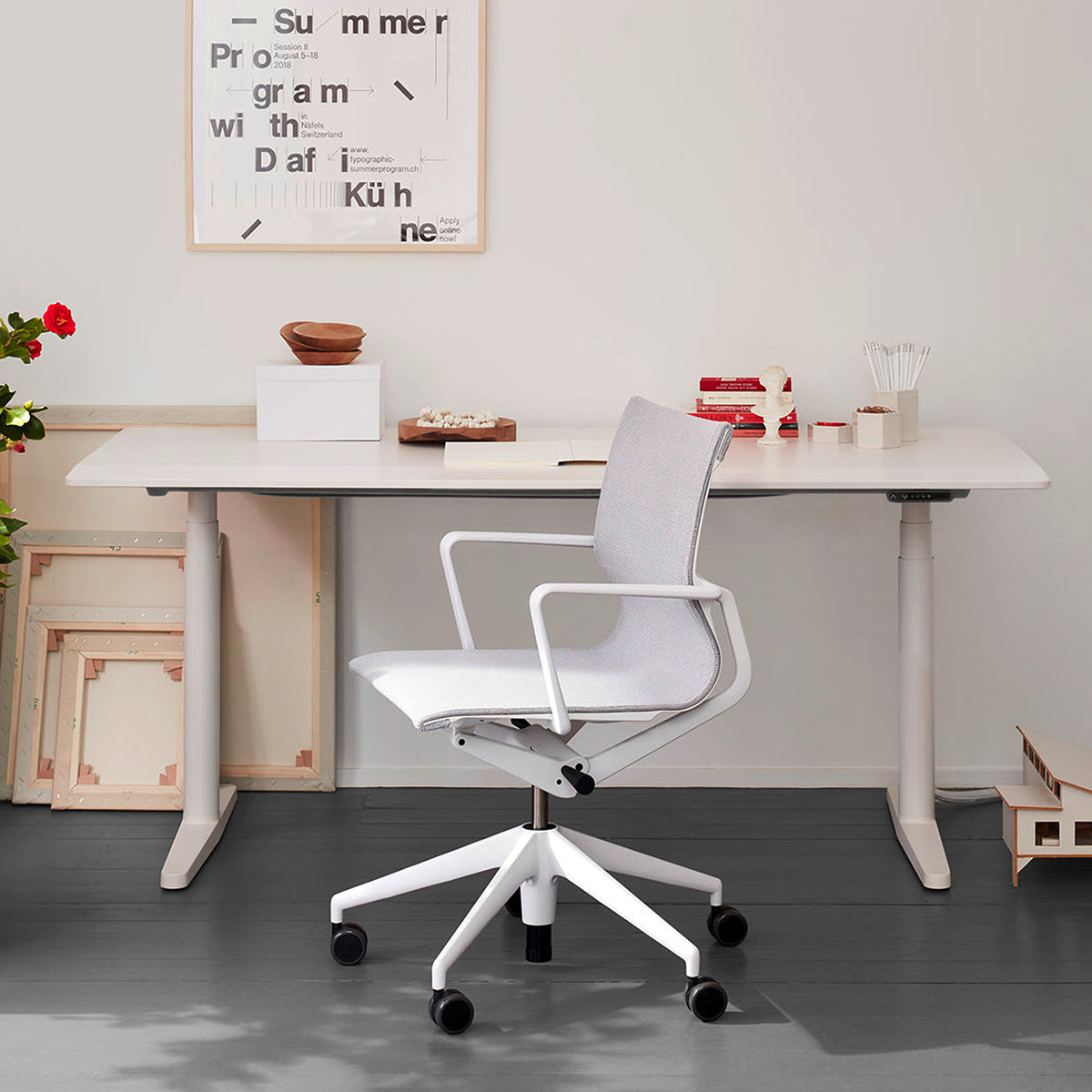
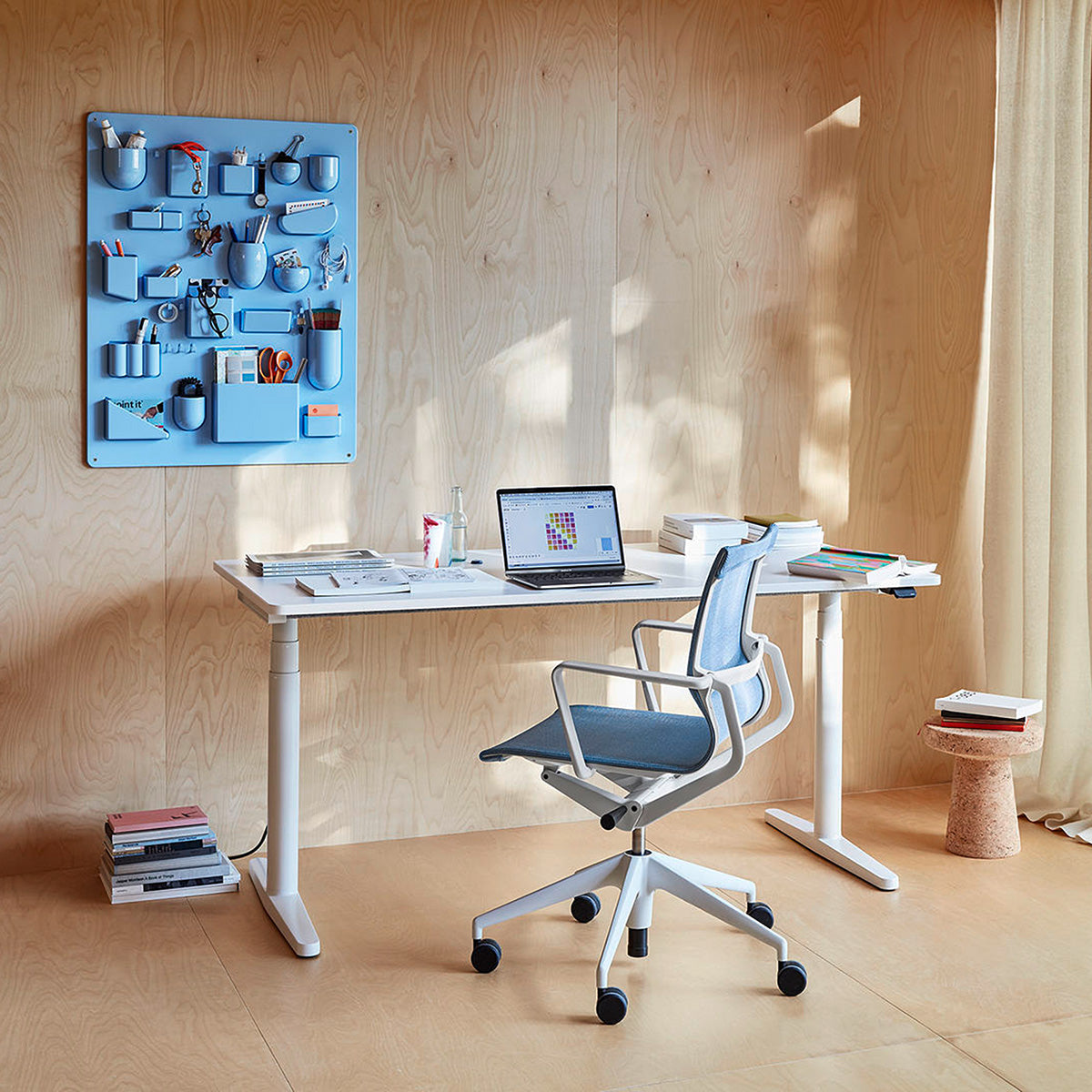
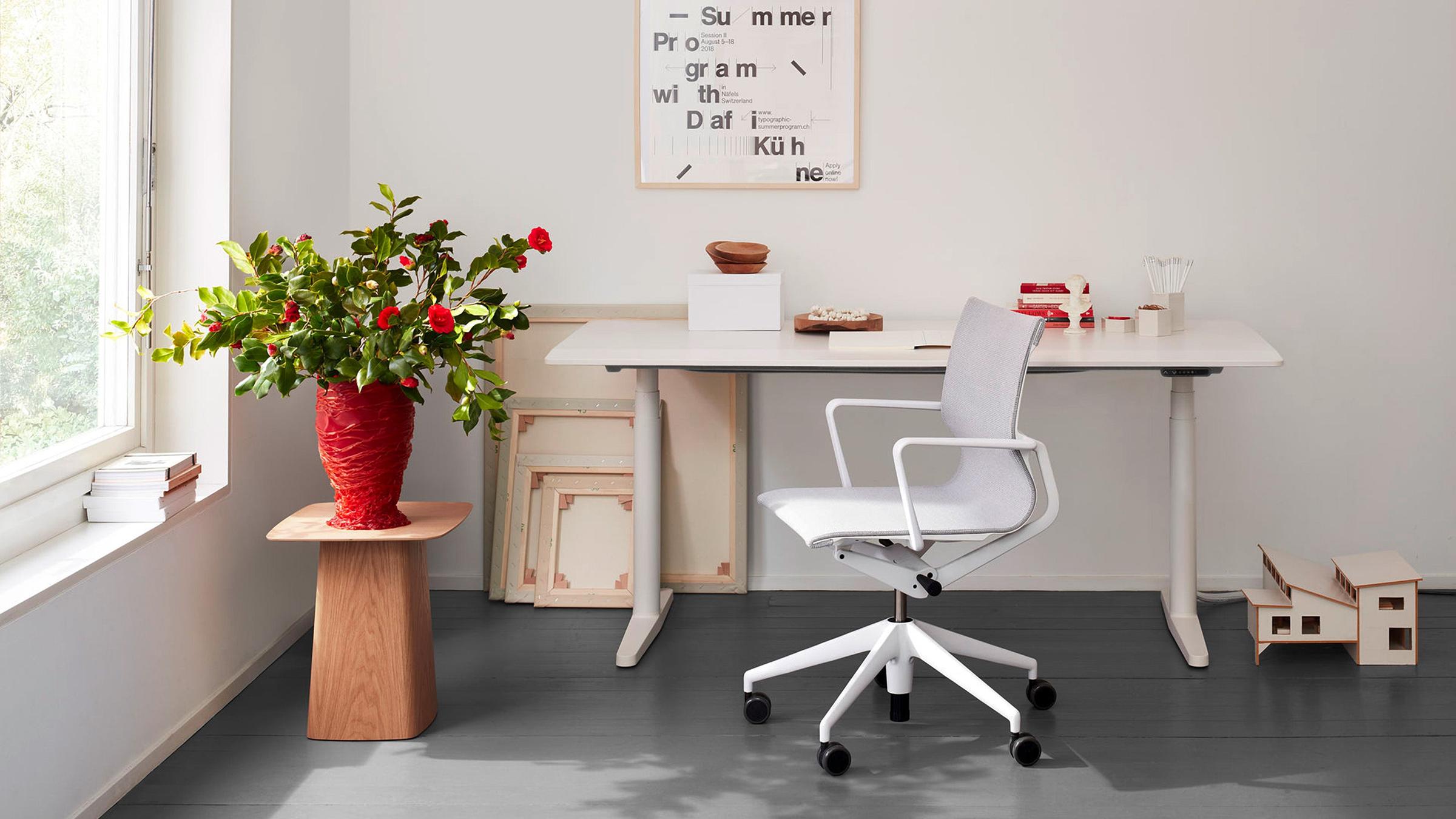
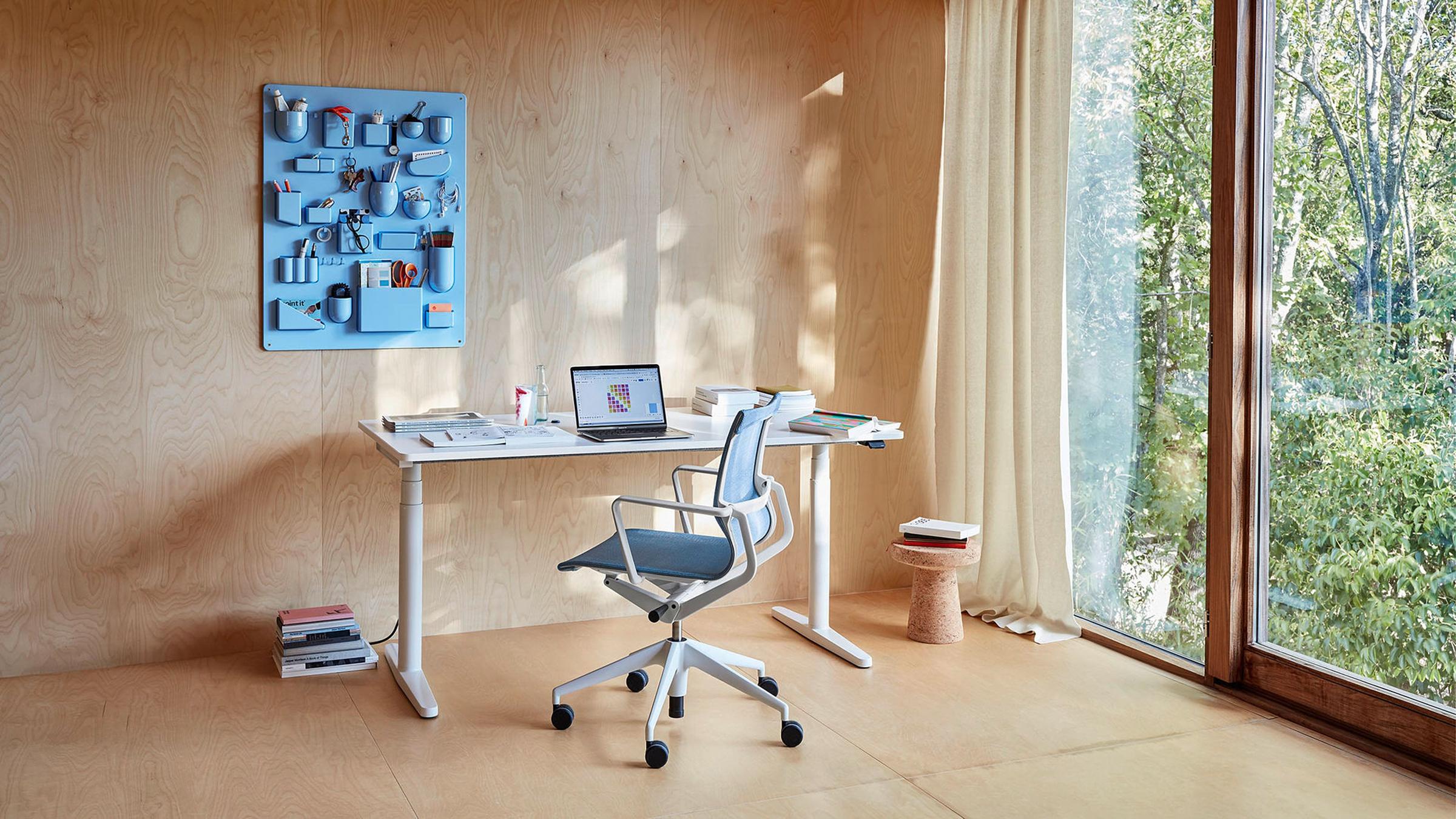
Alberto Meda's Physix, introduced in 2012, stands as one of the most considered responses to the challenge of ergonomic seating. Meda, whose background spans mechanical engineering and industrial design, approached the chair not as a styling exercise but as a structural problem with a human solution.
The result is a chair built around dynamic sitting, a philosophy that treats movement as a condition of comfort rather than a problem to be corrected. The seat and back respond continuously to the body, distributing weight and accommodating posture shifts without mechanical adjustment or deliberate intervention from the user.
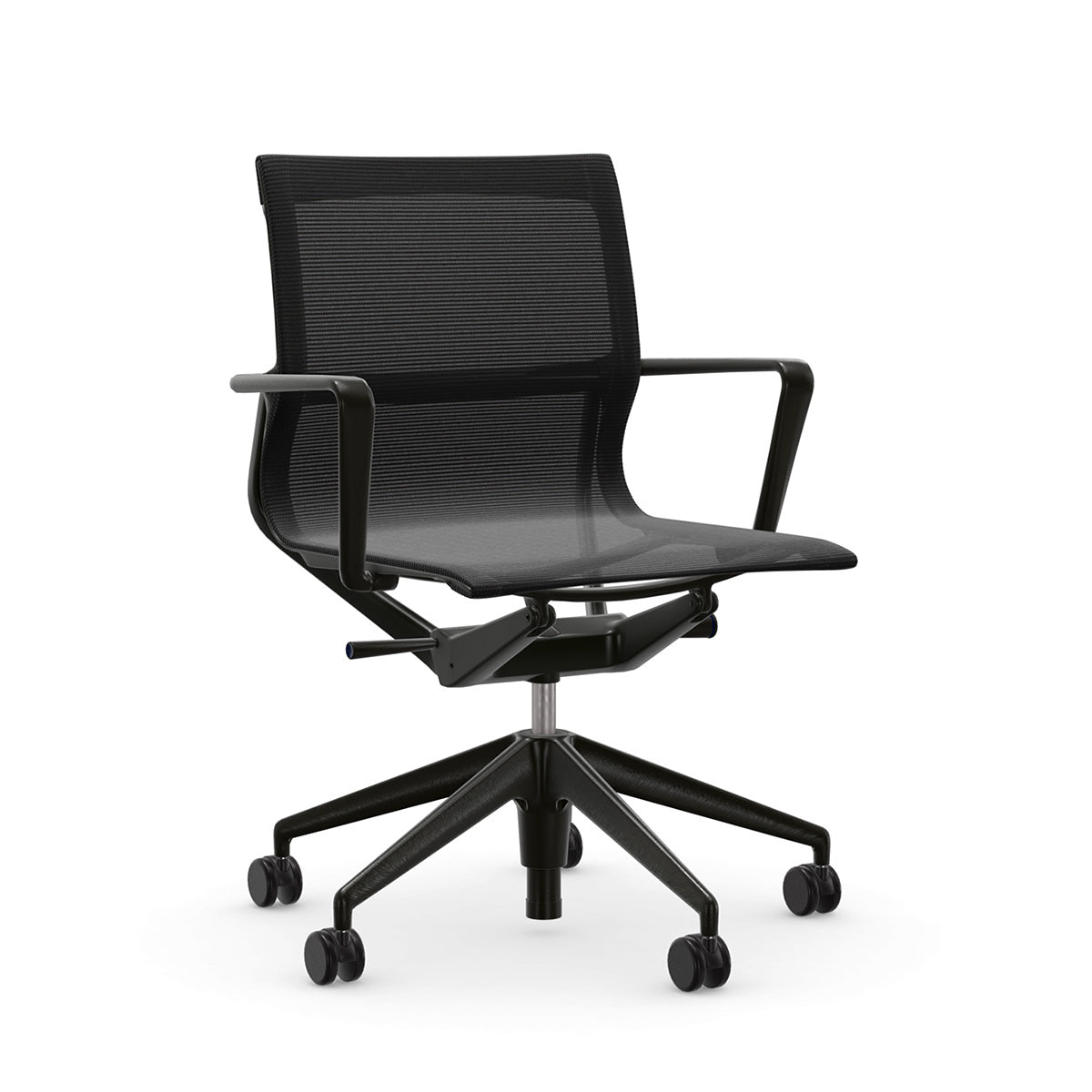
Physix achieves this through the precise application of advanced composite materials and contemporary manufacturing methods. The shell is formed from a glass-fiber reinforced polymer that provides both flexibility and resilience, bending with the body while returning to form. The overall silhouette is spare and disciplined, with Meda's characteristic precision visible in every joint and transition.
- Designed by Alberto Meda, 2012
- Shell in glass-fiber reinforced polymer with inherent flexibility
- Dynamic seat and back movement without mechanical adjustment
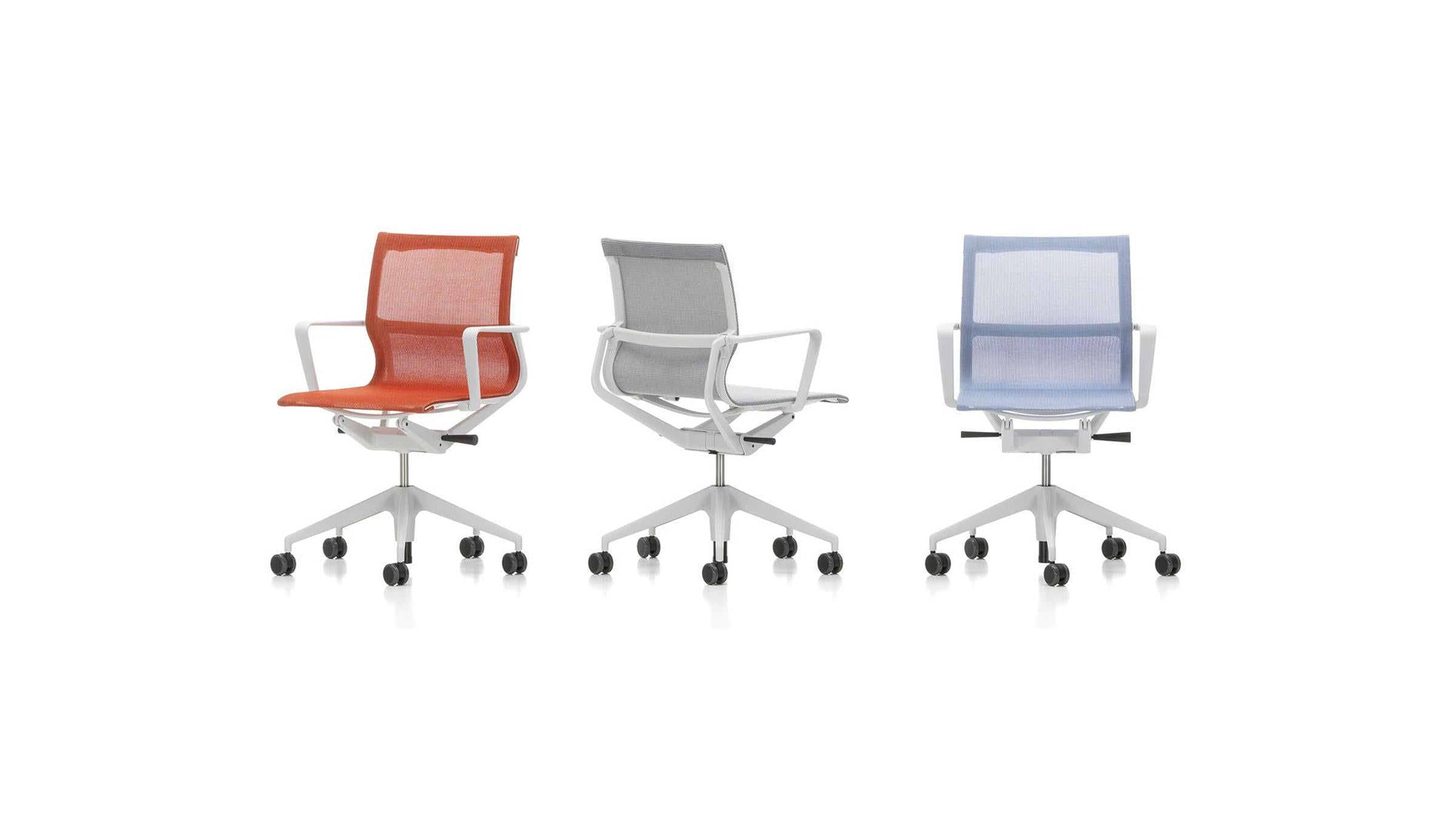
- Available with a range of base and upholstery configurations
Made to order by Vitra, tailored to you.
Get customization options, swatch samples and pricing for your project.
Pairs Well With
Physix
Product Details
Tear Sheet
Pricing & Warranty
Pricing for made-to-order items varies based on configuration, finishes, and customization options. Please contact one of our design consultants or visit a showroom near you for current pricing and personalized assistance.
Luminaire is an authorized retailer of Vitra. The product comes with a full manufacturer warranty.
Authenticity guaranteed. Genuine product, authenticated and sourced directly from the manufacturer.
Frequently Asked Questions
What makes the Physix chair's movement system work?
The Physix relies on the material properties of its glass-fiber reinforced polymer shell rather than mechanical joints or pivots. The shell flexes naturally in response to body movement, allowing the seat and backrest to shift in concert with the user's posture without requiring manual adjustment.
Who is Alberto Meda and what is his design background?
Alberto Meda trained as a mechanical engineer before moving into industrial design, a dual formation that defines his practice. He is known for applying materials science and structural thinking to everyday objects, with work produced for Vitra, Alias, and Luceplan, among others.
Is the Physix suitable for extended use as a task chair?
Physix was developed specifically around the demands of sustained office use. Its dynamic response to body movement is intended to reduce static loading on the spine and encourage subtle postural variation throughout the workday.
What configuration options are available for the Physix?
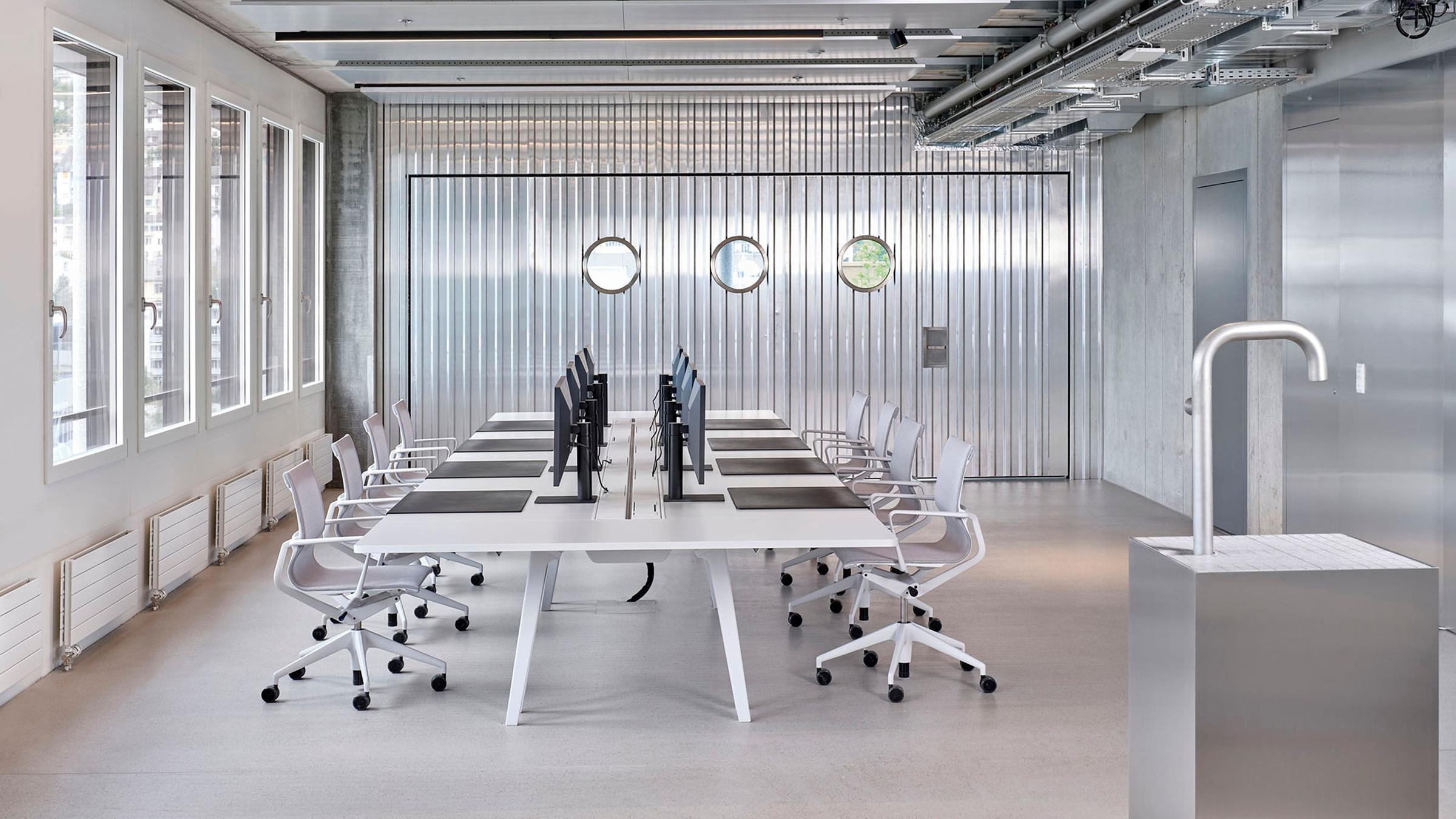
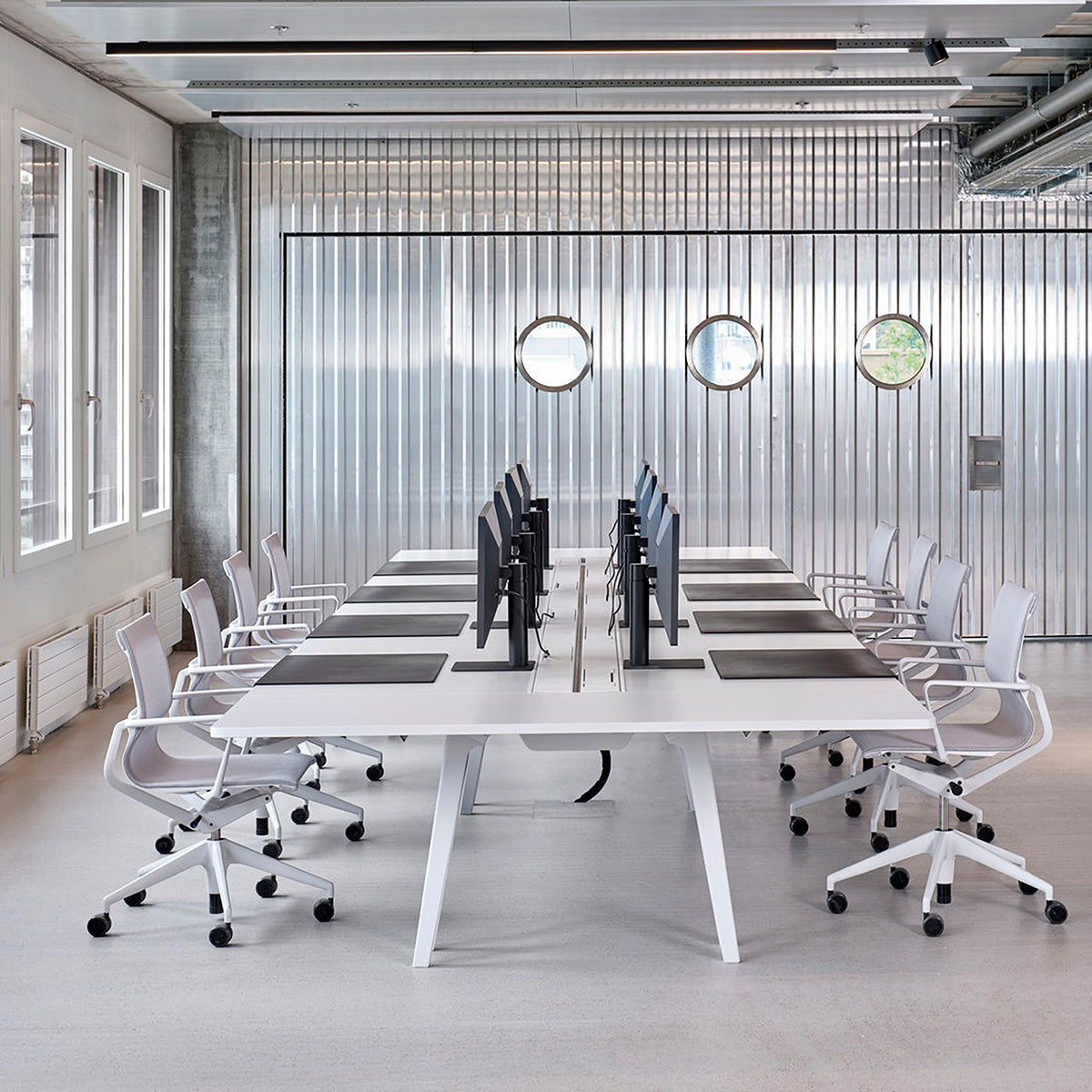
Physix is offered with several base options, including four-leg and five-star castored versions, and can be specified with or without armrests. Upholstery and shell color choices allow the chair to be tailored to a range of interior contexts.
How does Physix compare to other Vitra ergonomic chairs?
Where chairs like the Vitra ID series use visible mechanical systems to achieve adaptability, Physix embeds its ergonomic response directly into the material structure of the shell. This gives it a cleaner profile and a more passive, less interventionist form of support.