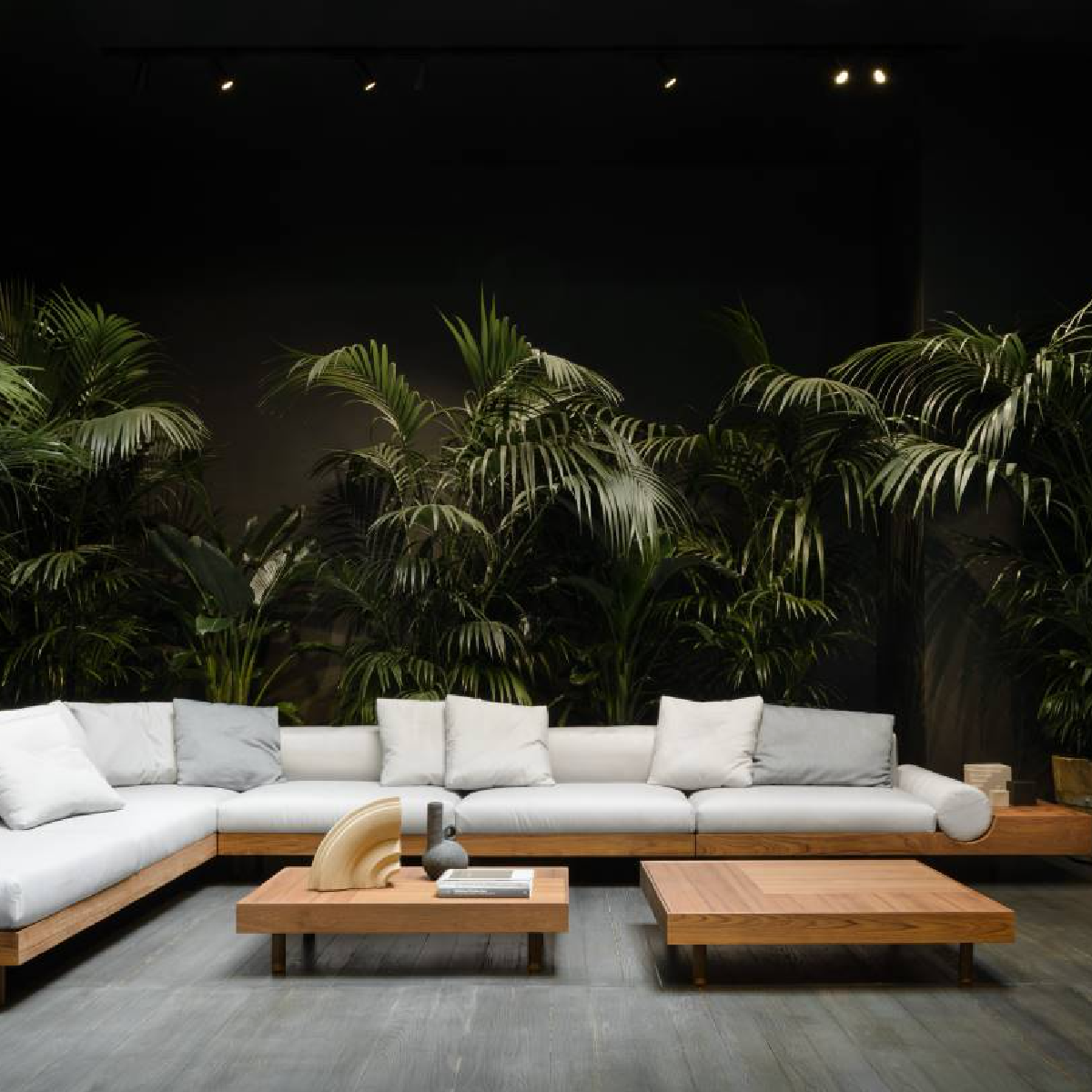
Kasbah
Made by Living Divani
Designed by David Lopez Quincoces
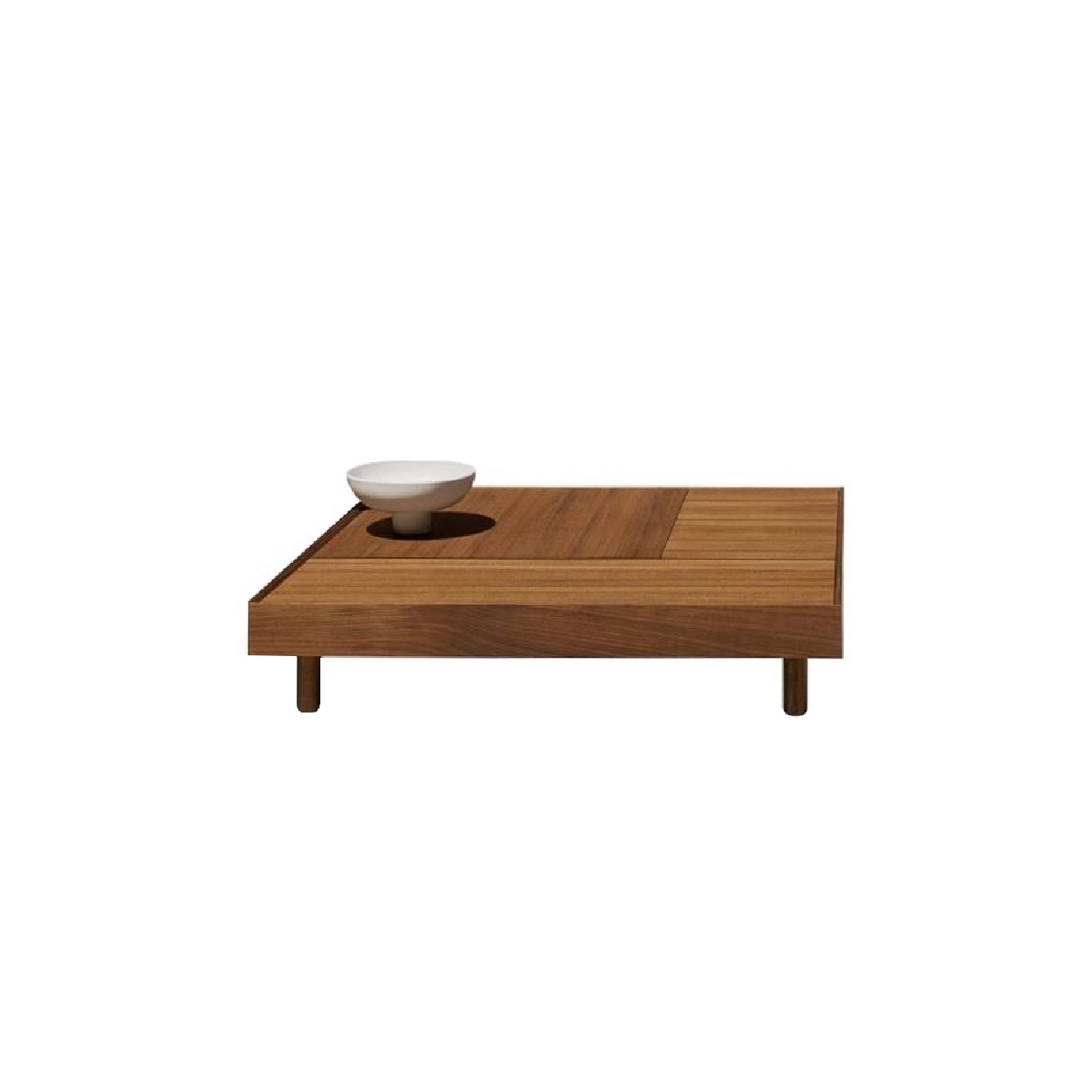
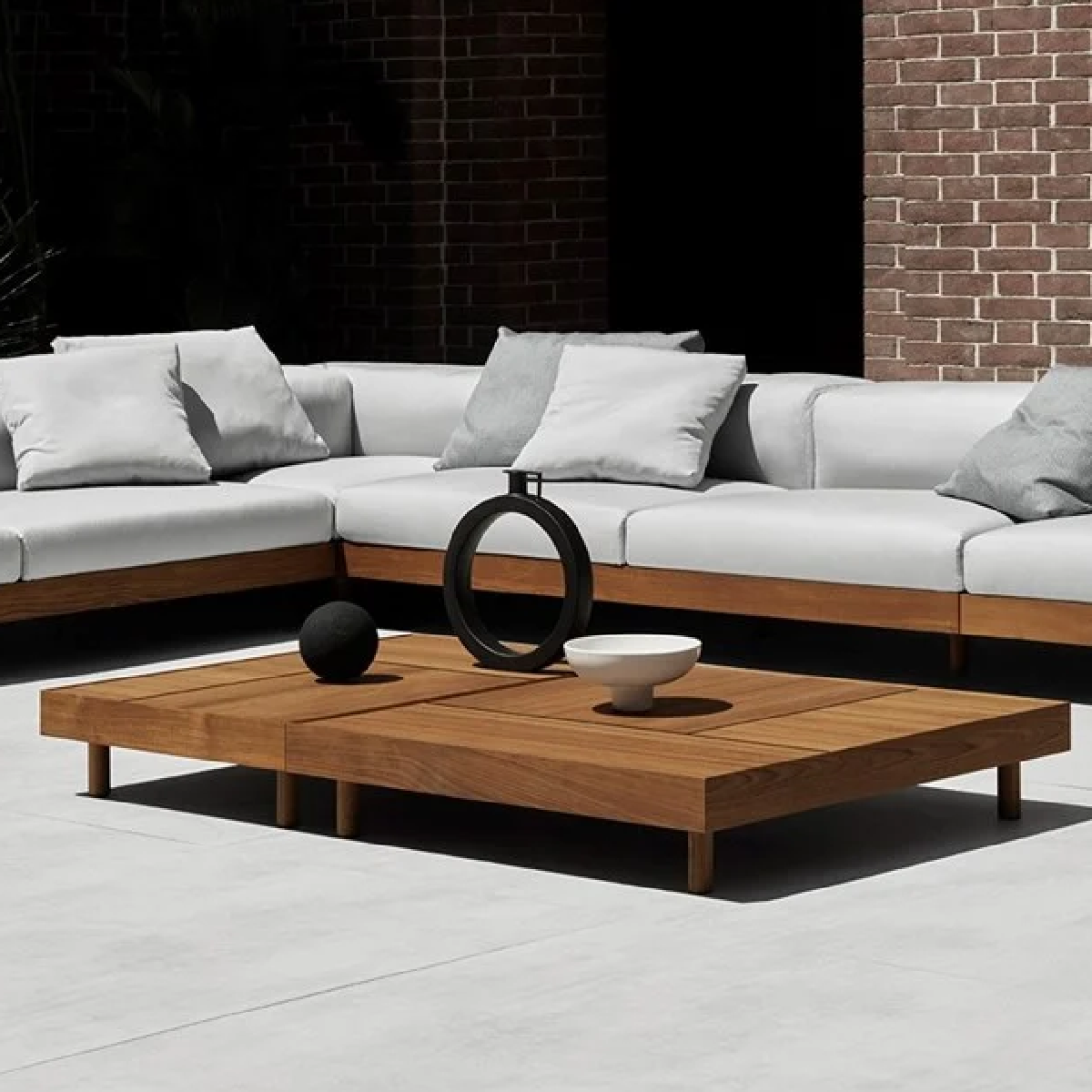
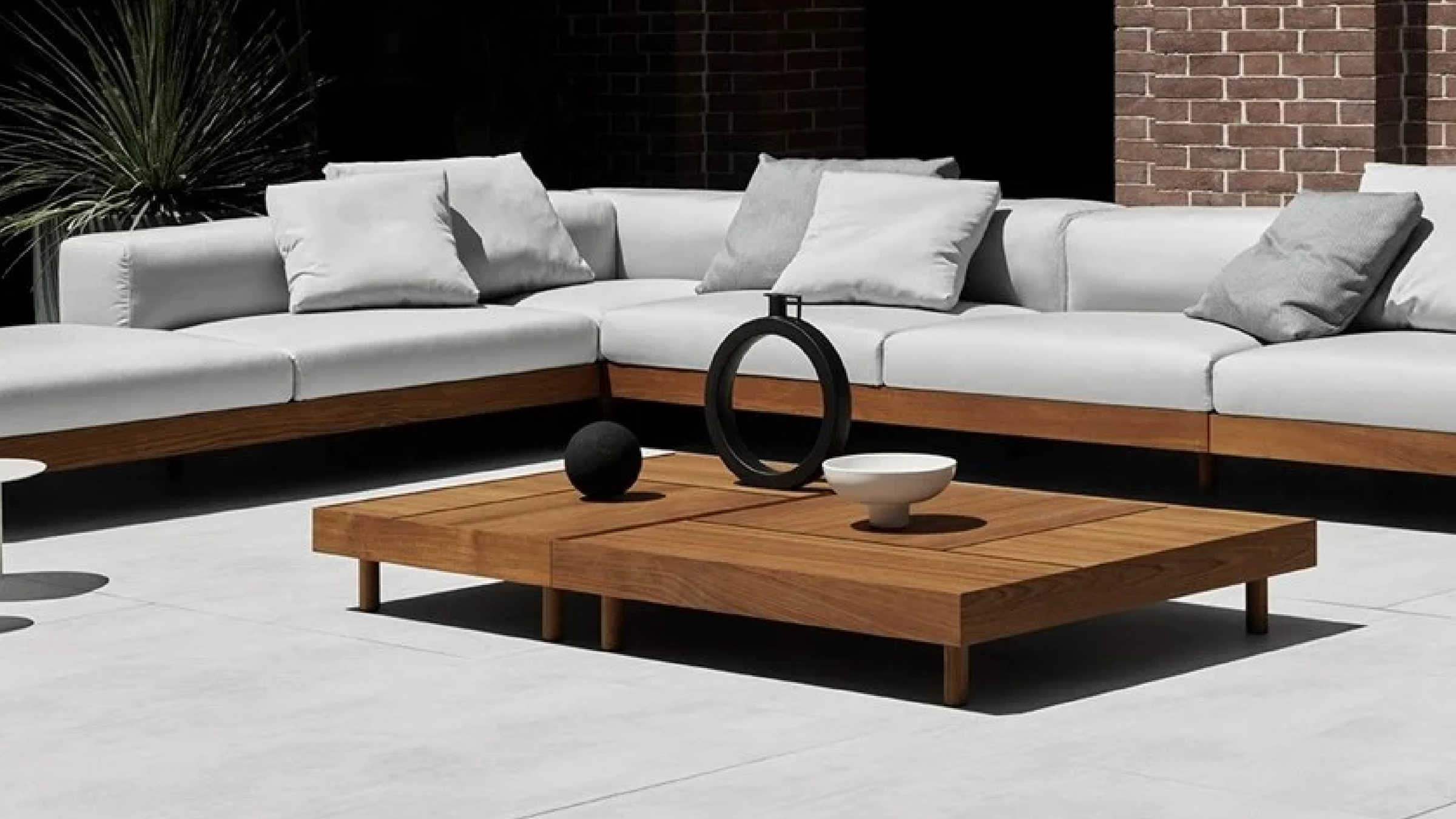
David Lopez Quincoces conceived the Kasbah Low Table while working on a private residence in Morocco. The warmth of that context, the cadence of open courtyards, and the particular quality of light on natural surfaces are all pressed quietly into the form.
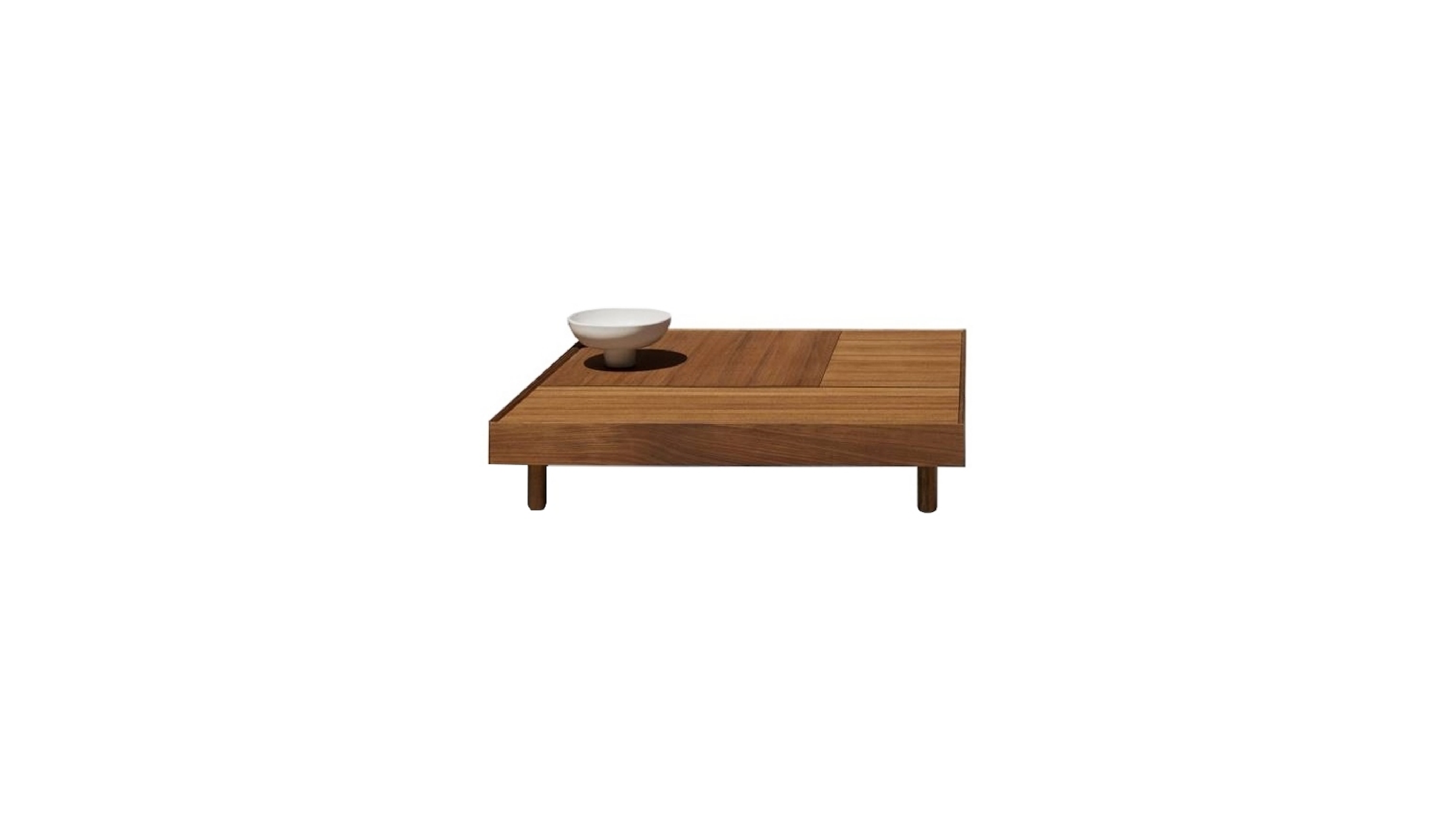
The table is composed of two components set side by side. That pairing is not merely structural; it foregrounds the natural variation inherent in Burma teak, making the grain itself the ornament. Sourced from certified plantations, the wood carries both environmental accountability and genuine character. No two surfaces read identically.
- Certified Burma teak from sustainably managed plantations
- Two-piece composition that celebrates wood grain variation
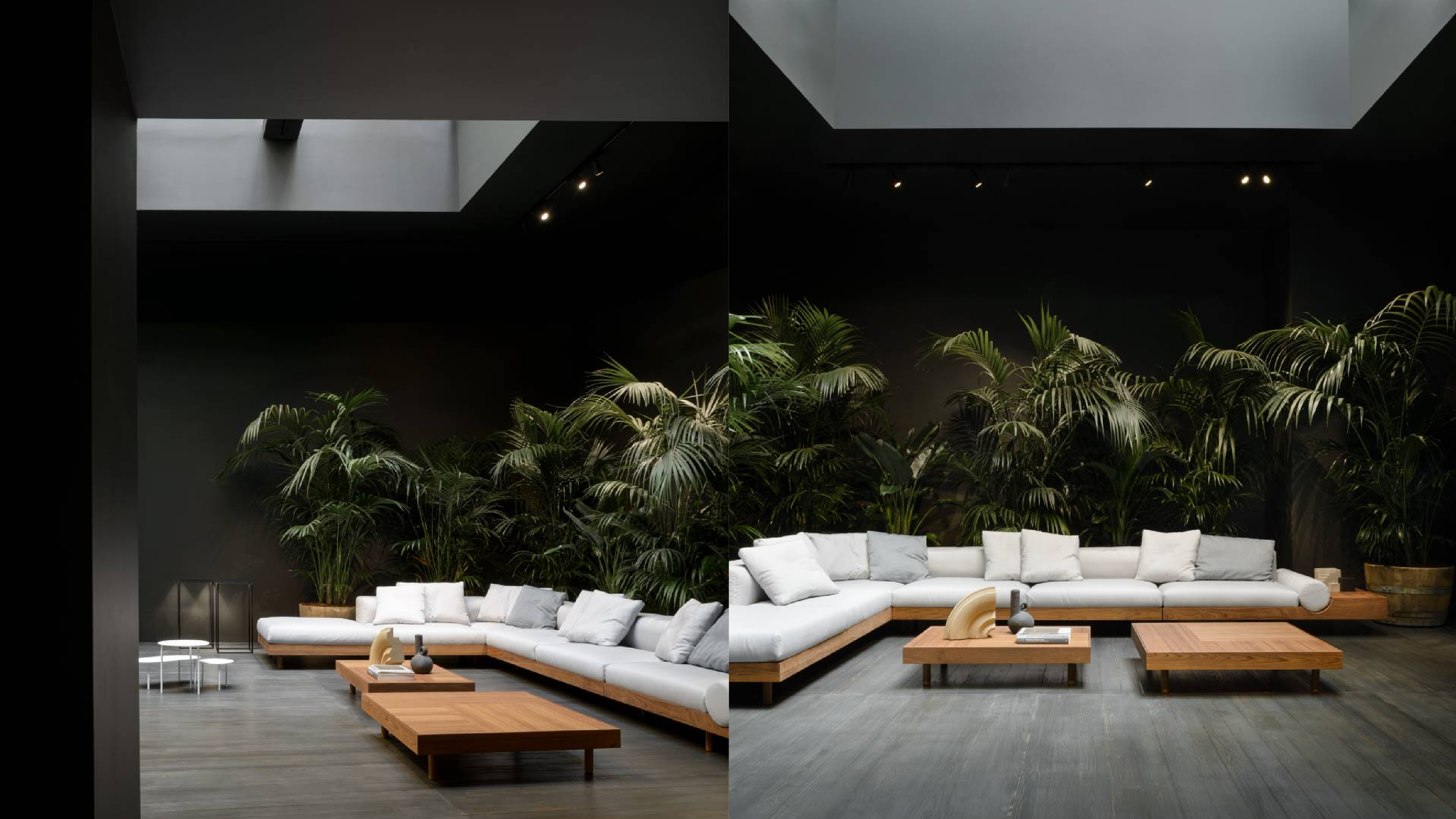
- Proportioned for outdoor use alongside the Kasbah sofa collection
- Origin: a Moroccan residential project by David Lopez Quincoces for Living Divani
Made to order by Living Divani, tailored to you.
Get customization options, swatch samples and pricing for your project.
Pairs Well With
Kasbah
Product Details
Tear Sheet
Pricing & Warranty
Pricing for made-to-order items varies based on configuration, finishes, and customization options. Please contact one of our design consultants or visit a showroom near you for current pricing and personalized assistance.
Luminaire is an authorized retailer of Living Divani. The product comes with a full manufacturer warranty.
Authenticity guaranteed. Genuine product, authenticated and sourced directly from the manufacturer.
Frequently Asked Questions
What wood is used in the Kasbah Low Table?
The Kasbah Low Table is crafted from Burma teak sourced from certified plantations, chosen for its natural durability in outdoor conditions and the distinctive warmth of its grain patterns.
Is the Kasbah table suitable for outdoor use year-round?
Burma teak is among the most weather-resistant hardwoods used in furniture design, developing a silver-grey patina over time when left untreated outdoors. Its density and natural oils make it well suited to prolonged exterior exposure.
Who designed the Kasbah collection for Living Divani?
David Lopez Quincoces designed the Kasbah collection, drawing directly from a residential project he was developing for a client in Morocco. The collection reflects the spatial atmosphere and material sensibility of that context.
Can the Kasbah Low Table be used independently of the sofa?
Yes. While designed to complement the Kasbah outdoor sofa, the table functions equally well as a standalone piece, its two-component form and teak surface carrying sufficient presence on their own.
How does teak age when used in outdoor furniture?
Untreated teak gradually transitions from its initial honey-gold tone to a distinguished silver-grey as exposure to the elements oxidizes the surface. Periodic oiling can preserve the original color, though many designers favor the natural weathered patina.