Hashi
Made by Davide Groppi
Designed by Davide Groppi
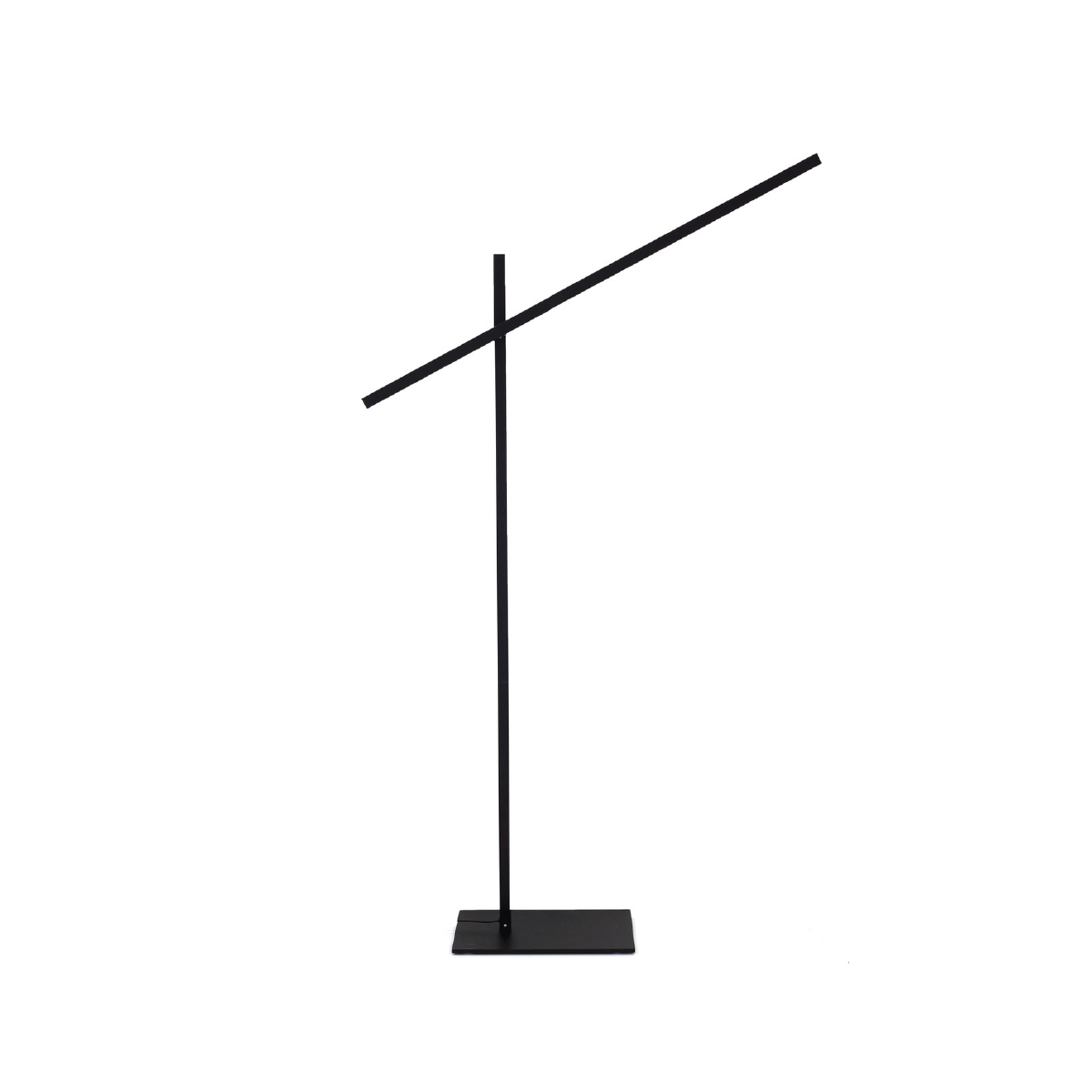
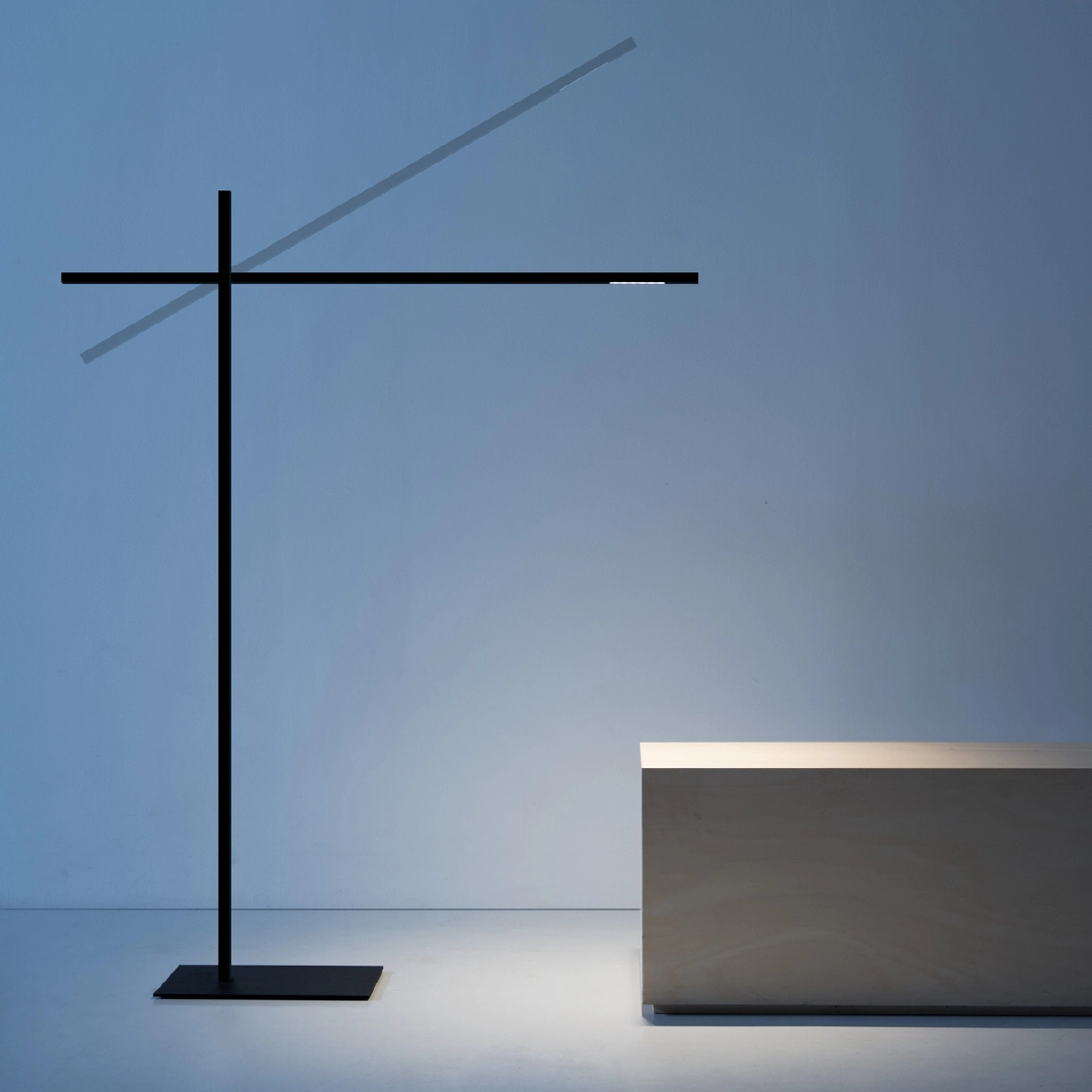
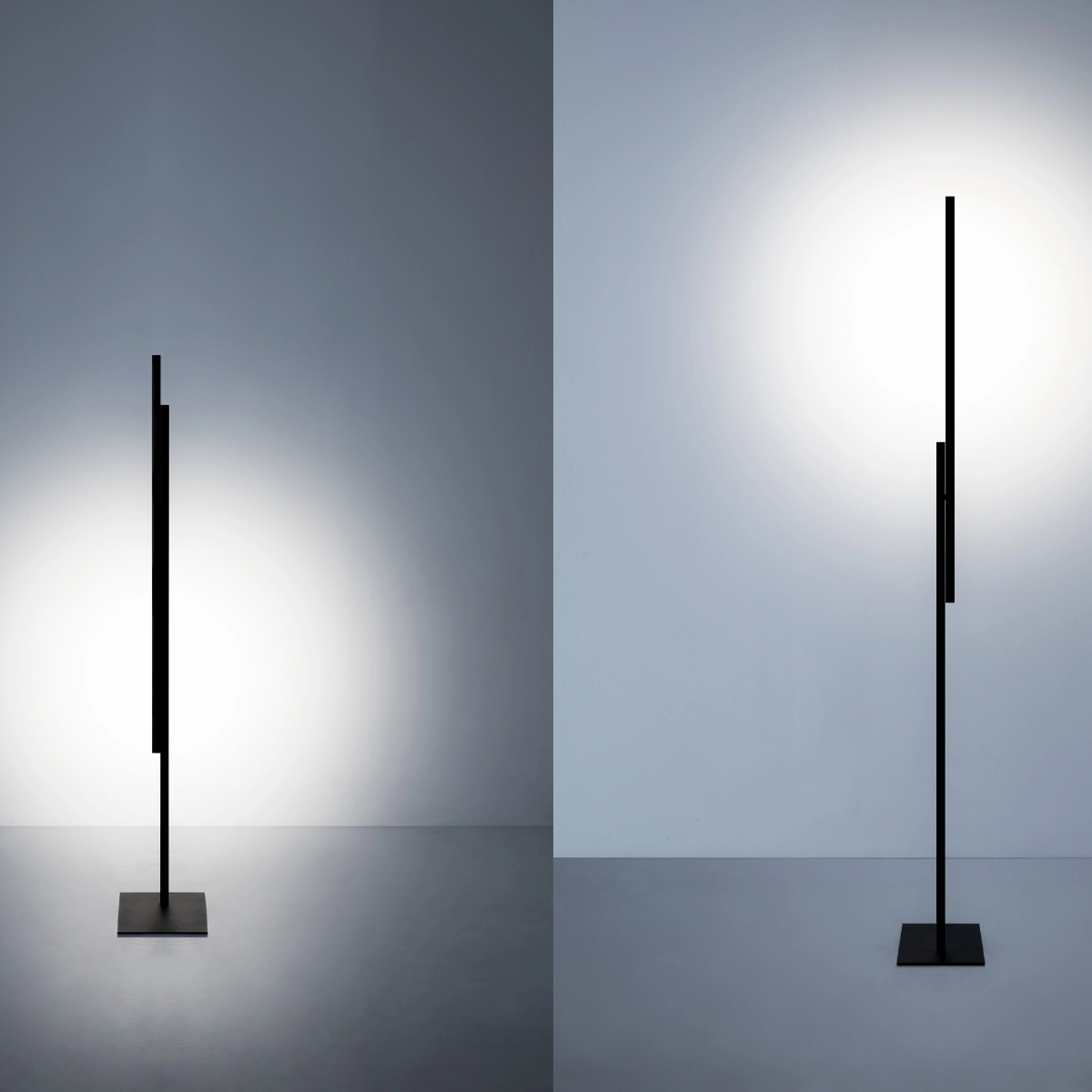
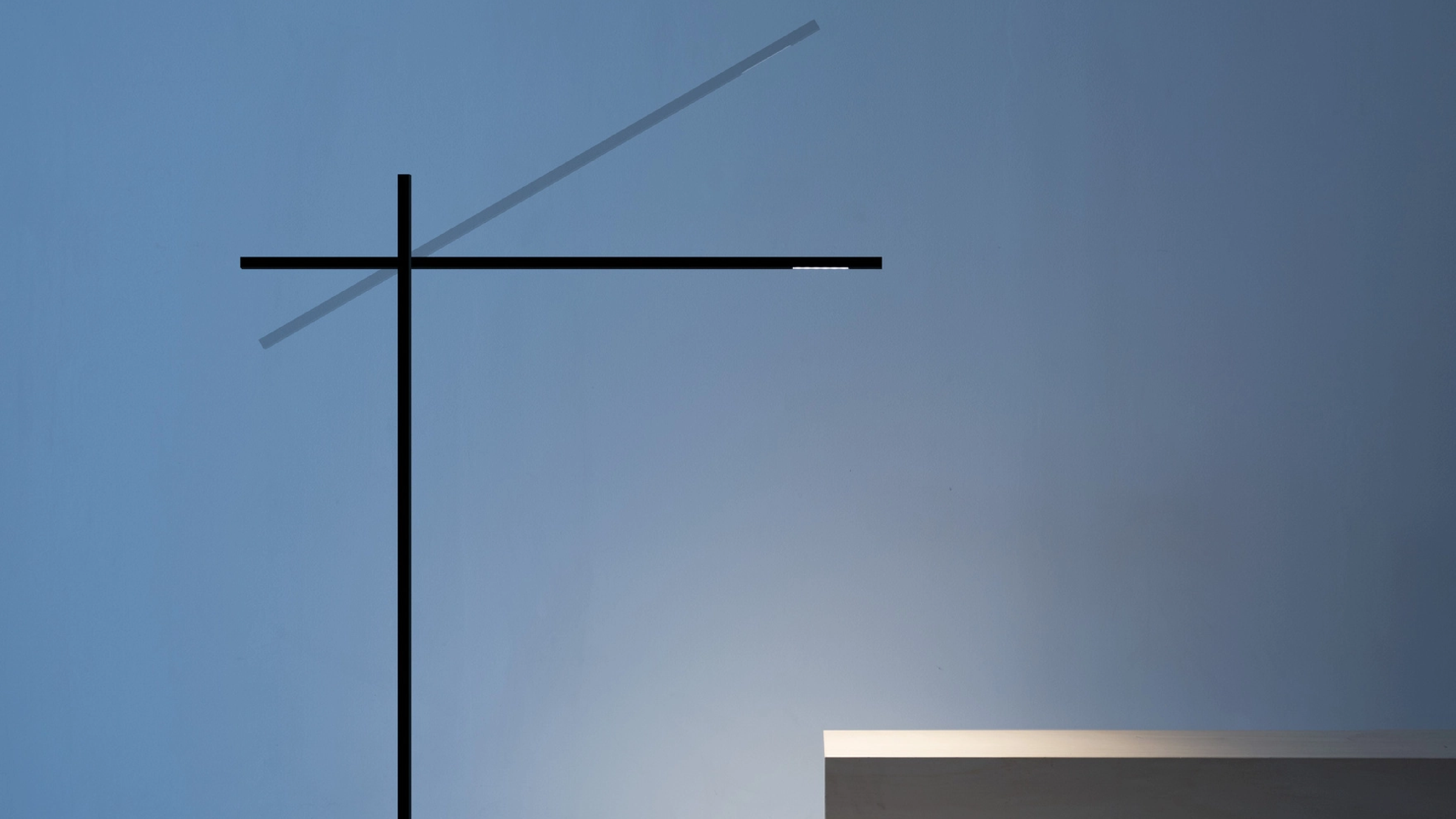
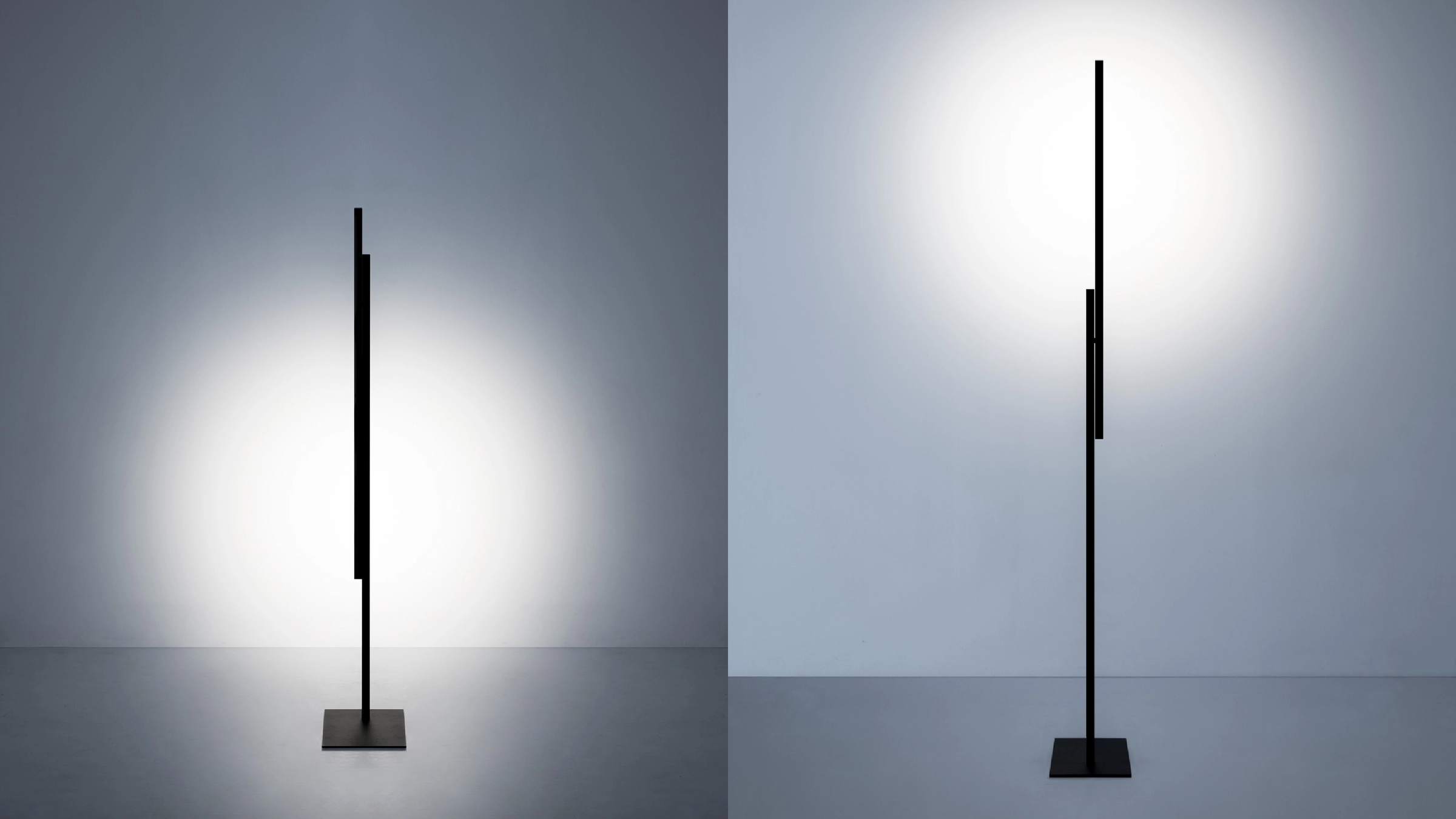
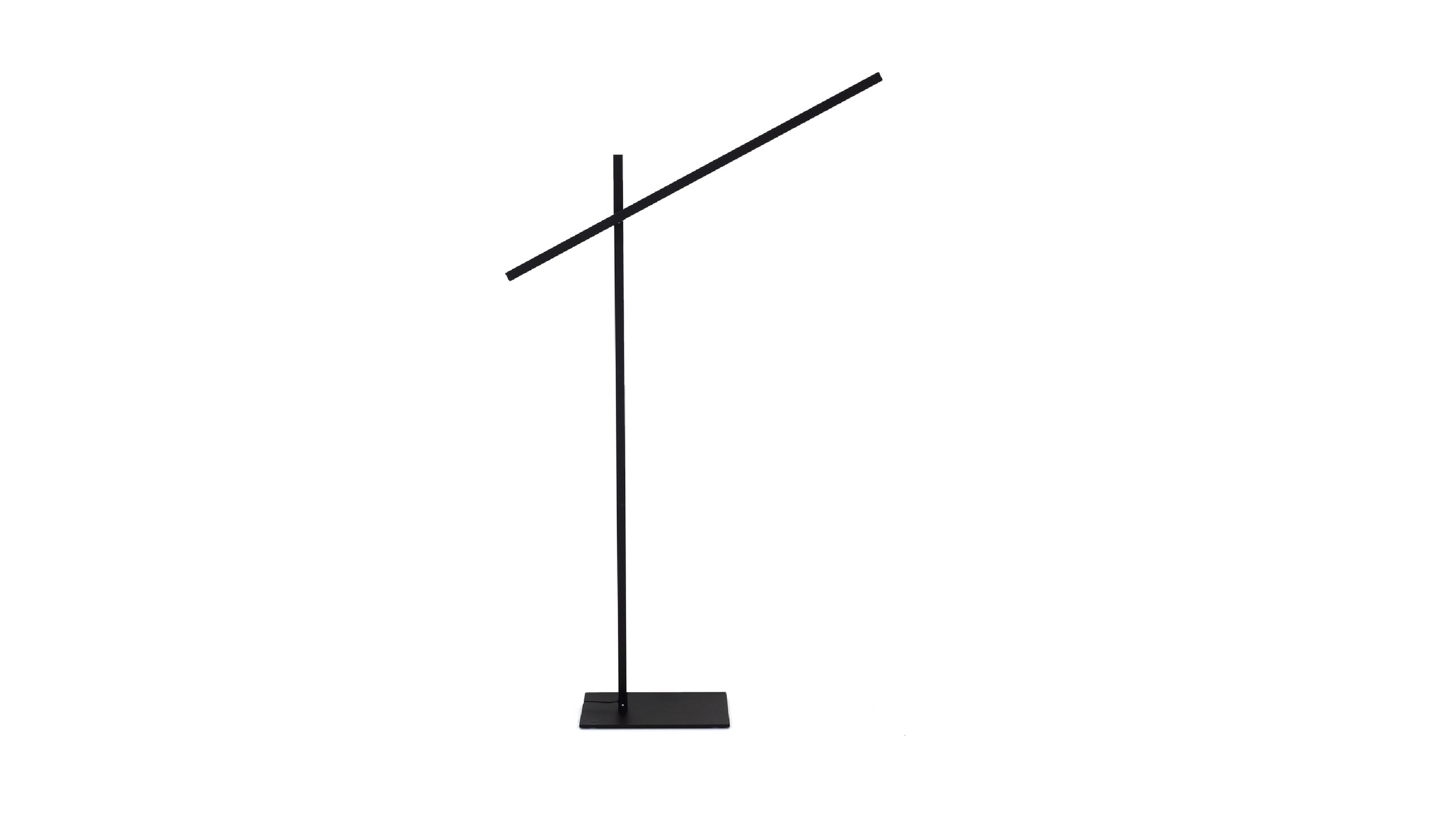
Hashi takes its name from the Japanese word for chopsticks. Two slender arms extend from a central pivot, each independently positionable, each a source of directed light. The composition is almost calligraphic, a drawn line held in space by proportion rather than mass.
Davide Groppi built his practice around a single conviction: light is the material. The fixture exists only to disappear, leaving illumination as the presence in the room. With Hashi, that philosophy reaches an absolute reduction, a fulcrum and two gestures, nothing more.
- Two independently adjustable arms for precise directional control
- Central pivot as both structural mechanism and visual centerpiece
- Designed and manufactured in Piacenza, Italy
- Available as a made-to-order piece
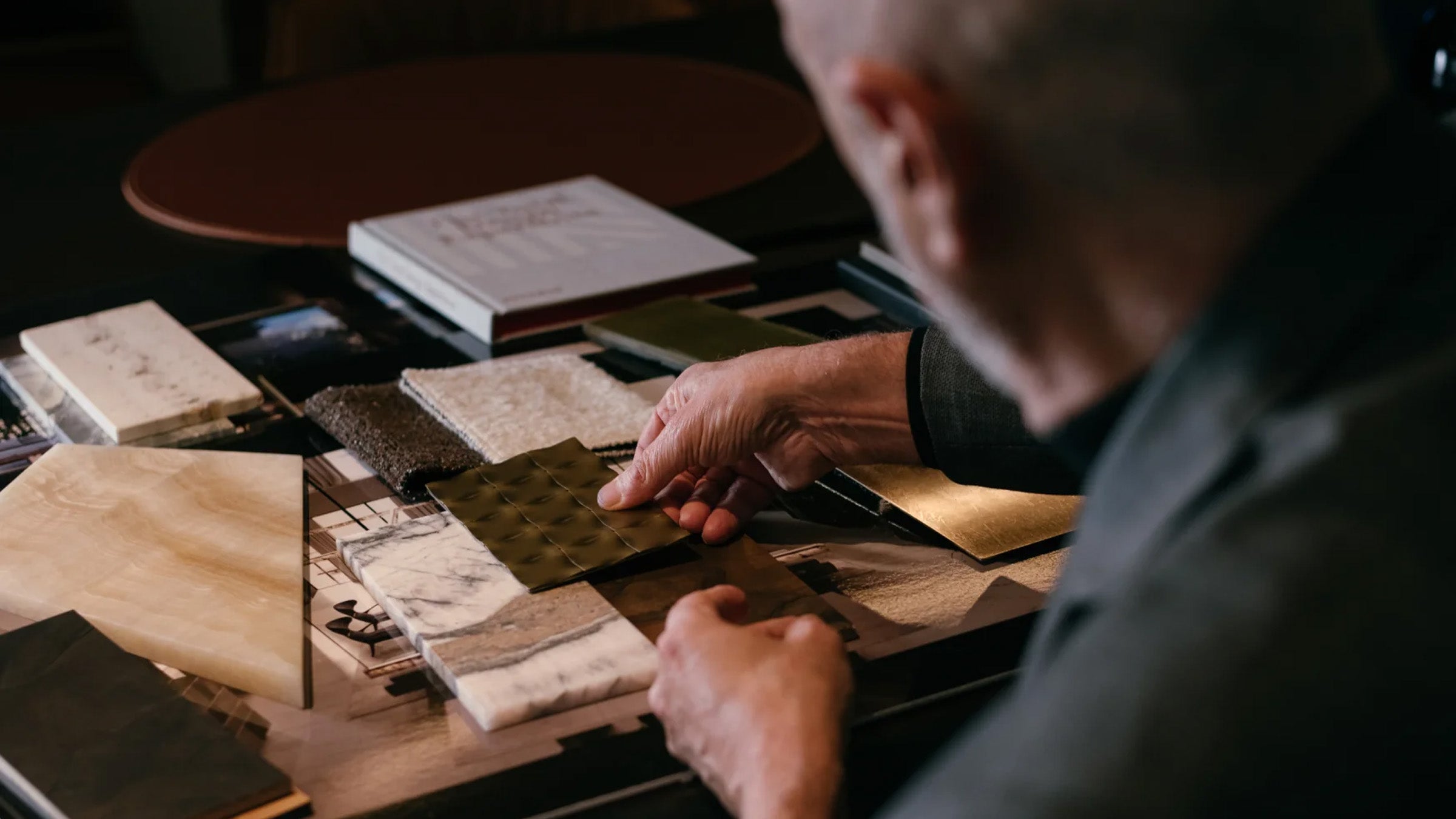
Made to order by Davide Groppi, tailored to you.
Get customization options, swatch samples and pricing for your project.
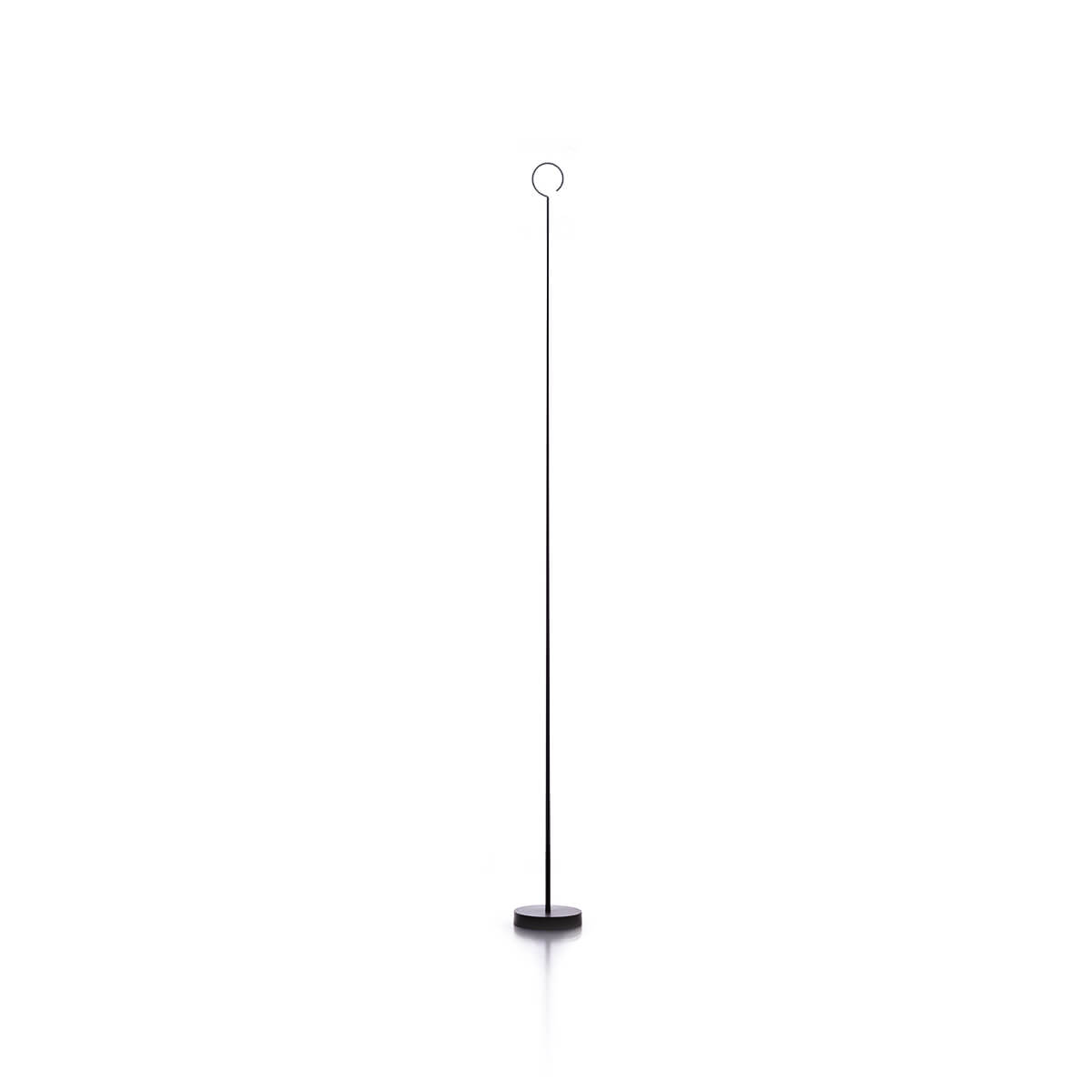
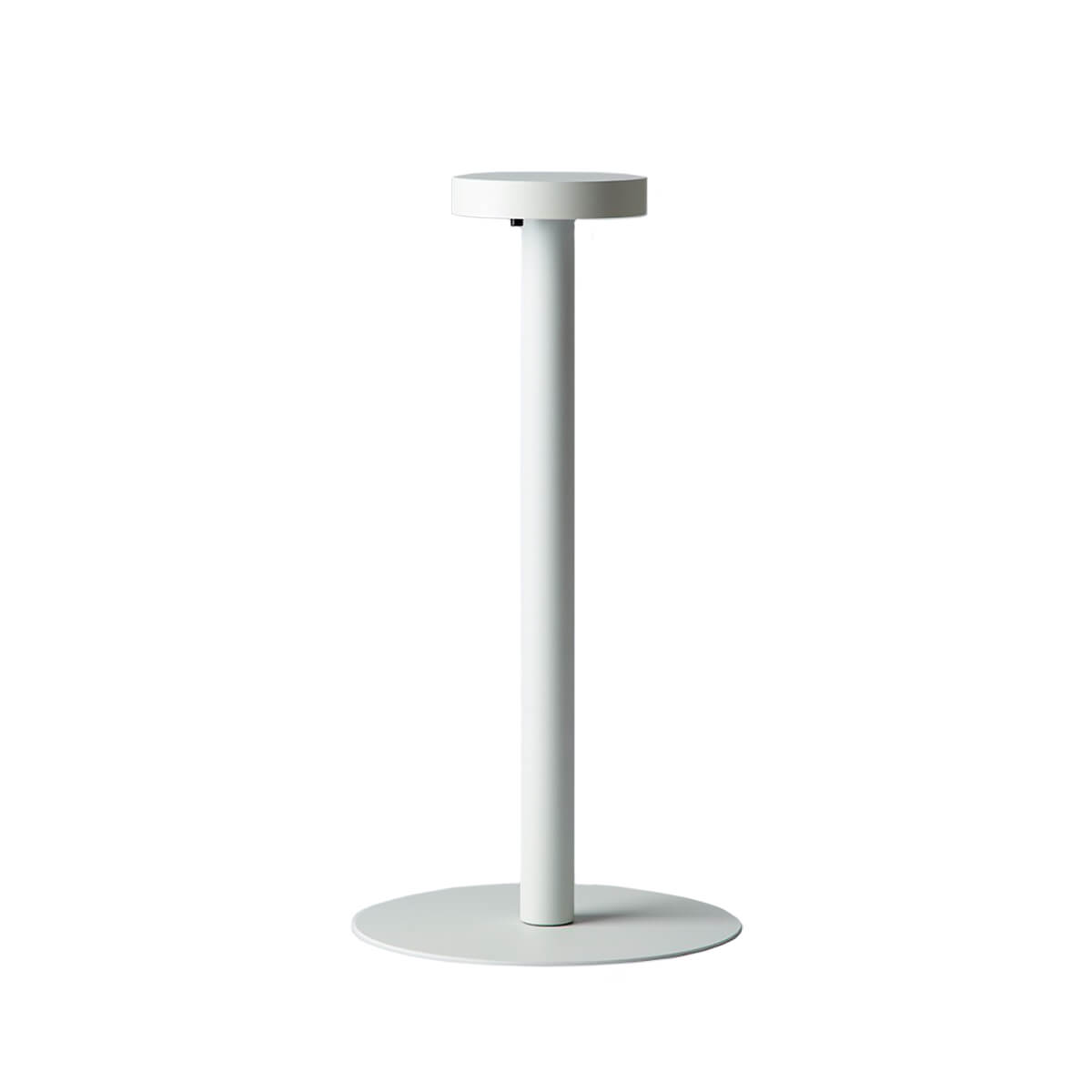
Pairs Well With
Hashi
Product Details
Tear Sheet
Pricing & Warranty
Pricing for made-to-order items varies based on configuration, finishes, and customization options. Please contact one of our design consultants or visit a showroom near you for current pricing and personalized assistance.
Luminaire is an authorized retailer of Davide Groppi. The product comes with a full manufacturer warranty.
Authenticity guaranteed. Genuine product, authenticated and sourced directly from the manufacturer.
Frequently Asked Questions
What does the name Hashi mean?
Hashi is the Japanese word for chopsticks. Davide Groppi chose the name to reflect the lamp's paired arms and the visual balance they create around a central pivot point.
Can both arms of the Hashi be adjusted independently?
Yes. Each arm rotates independently from the central pivot, allowing precise directional control over two distinct light sources within a single form.
Where is the Hashi floor lamp made?
Hashi is designed and manufactured in Piacenza, Italy, where Davide Groppi's studio produces all of its pieces with close attention to fabrication quality and material reduction.
What is Davide Groppi's design philosophy?
Groppi approaches lighting with the belief that light itself is the primary material. His fixtures are stripped of decorative gesture so that the quality and direction of illumination become the sole focus.
Is the Hashi lamp suitable for architectural or contract projects?
Hashi's made-to-order production and minimal, architecturally resolved form make it well suited to residential, hospitality, and institutional settings where lighting is treated as part of the spatial concept rather than an accessory.