Edison
Made by Cassina
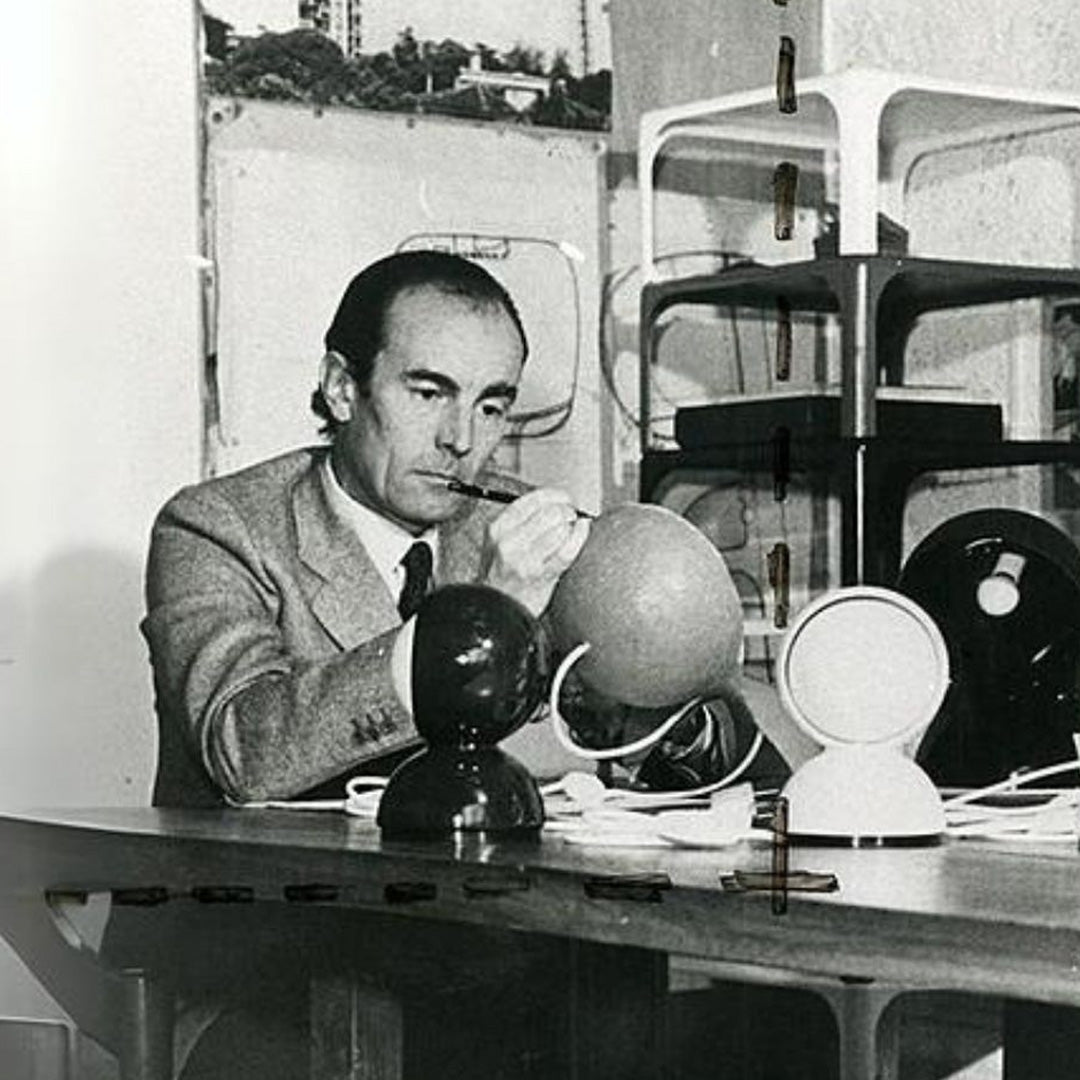
Designed by Vico Magistretti
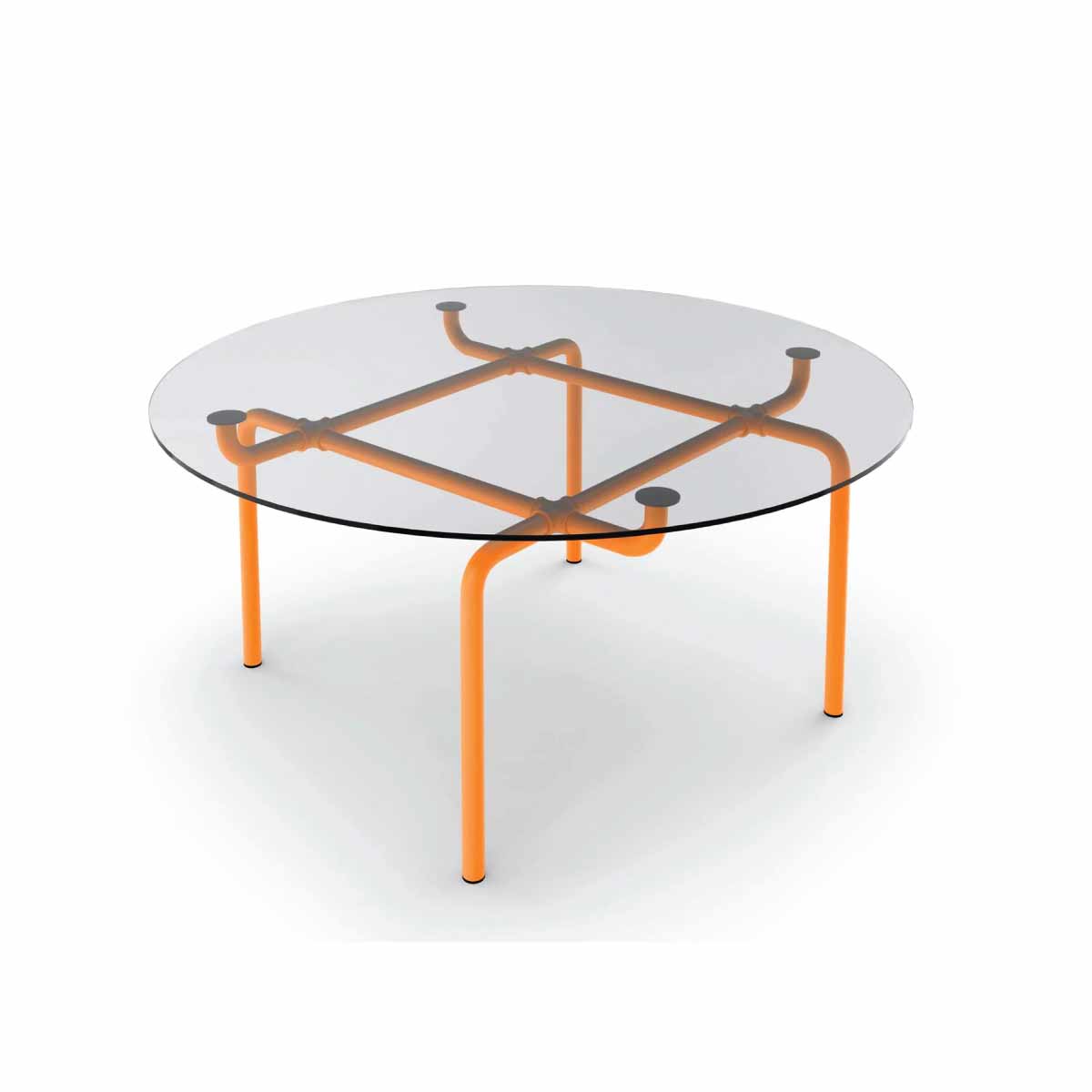
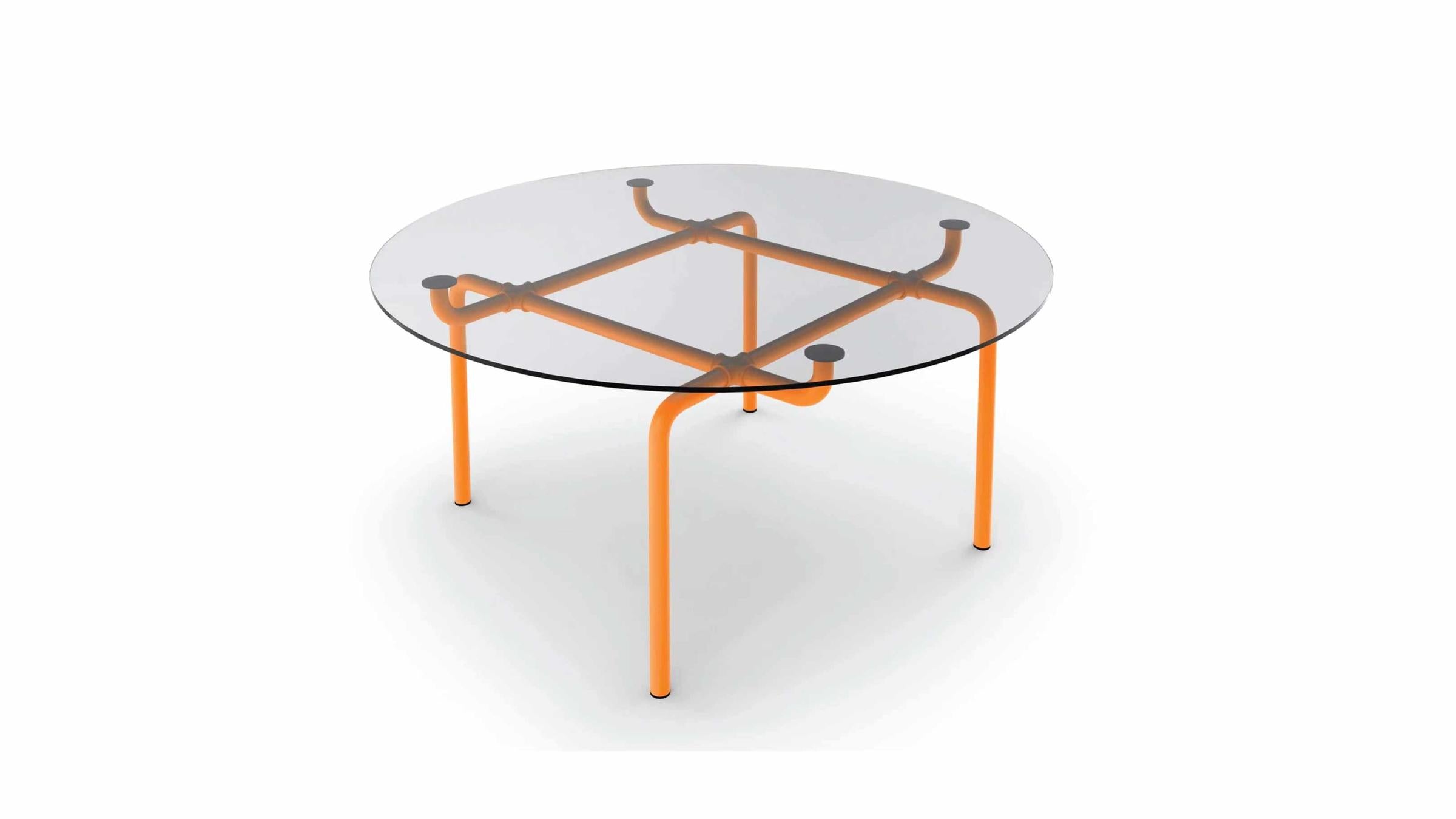
Vico Magistretti drew his inspiration for the Edison table from the cross-shaped connectors found in nineteenth-century gas lamps, a quietly radical act of translation that moves a utilitarian industrial detail into the language of refined domestic architecture.
The connector form, rendered with precision in glass, becomes the defining gesture of the piece. Functional in origin, it reads as sculpture in presence, giving the table a visual lightness that belies its conceptual weight.
- Designed by Vico Magistretti for Cassina
- Glass table with cross-shaped connector base
- Inspired by nineteenth-century gas lamp hardware
- A considered dialogue between industrial heritage and domestic refinement
Made to order by Cassina, tailored to you.
Get customization options, swatch samples and pricing for your project.
Pairs Well With
Edison
Product Details
Tear Sheet
Pricing & Warranty
Pricing for made-to-order items varies based on configuration, finishes, and customization options. Please contact one of our design consultants or visit a showroom near you for current pricing and personalized assistance.
Luminaire is an authorized retailer of Cassina. The product comes with a full manufacturer warranty.
Authenticity guaranteed. Genuine product, authenticated and sourced directly from the manufacturer.
Frequently Asked Questions
What inspired the design of the Cassina Edison table?
Vico Magistretti drew from the cross-shaped metal connectors used in nineteenth-century gas lamps, reinterpreting an industrial structural detail as the defining architectural element of a refined glass dining table.
Who designed the Edison table for Cassina?
The Edison table was designed by Vico Magistretti, one of Italy's most influential postwar designers, known for his ability to distill complex ideas into elegant, restrained form.
What materials is the Edison table made from?
The Edison table features a glass top paired with a base structured around cross-shaped connectors, translating the precision of industrial hardware into a refined domestic object.
Is the Cassina Edison table suitable for a dining room?
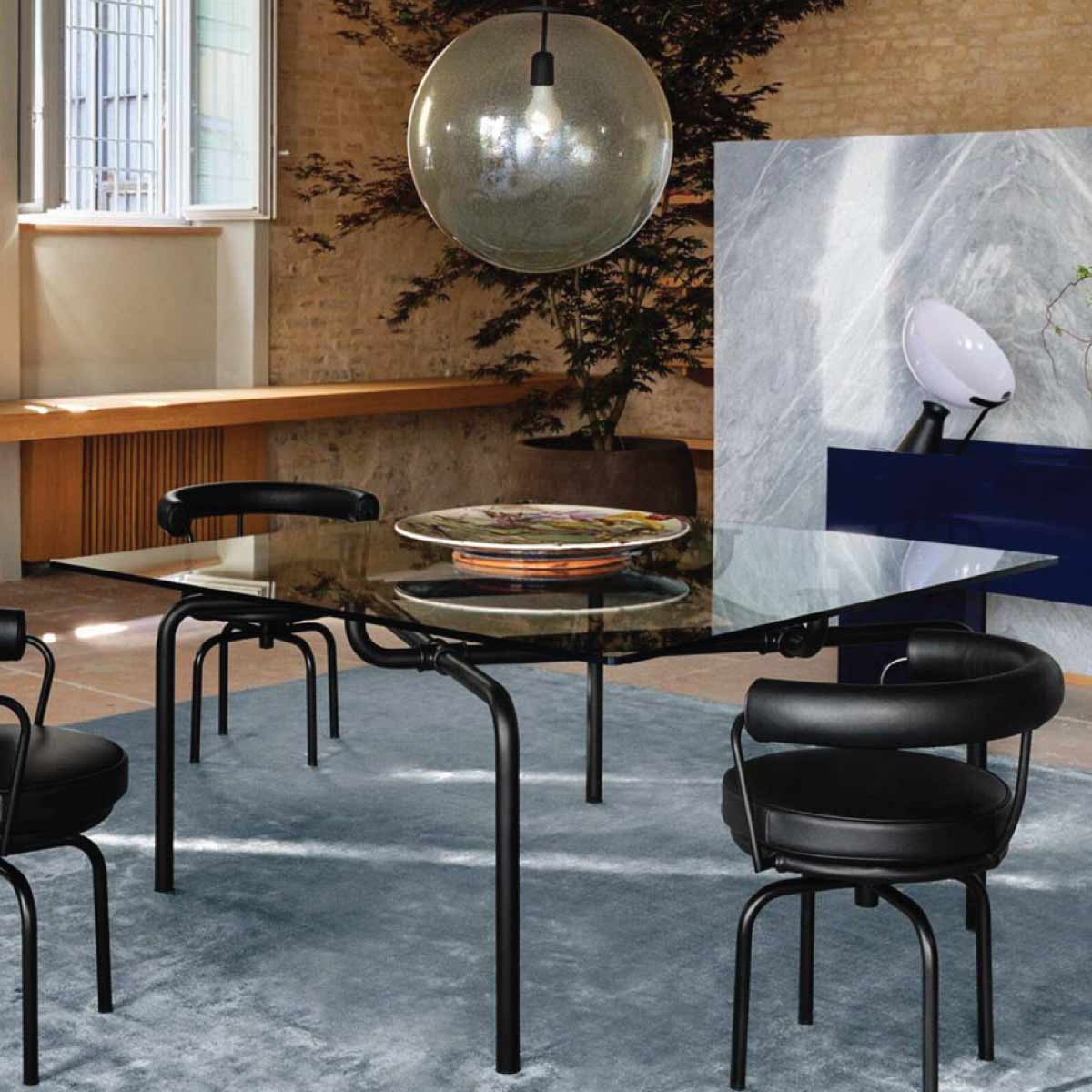
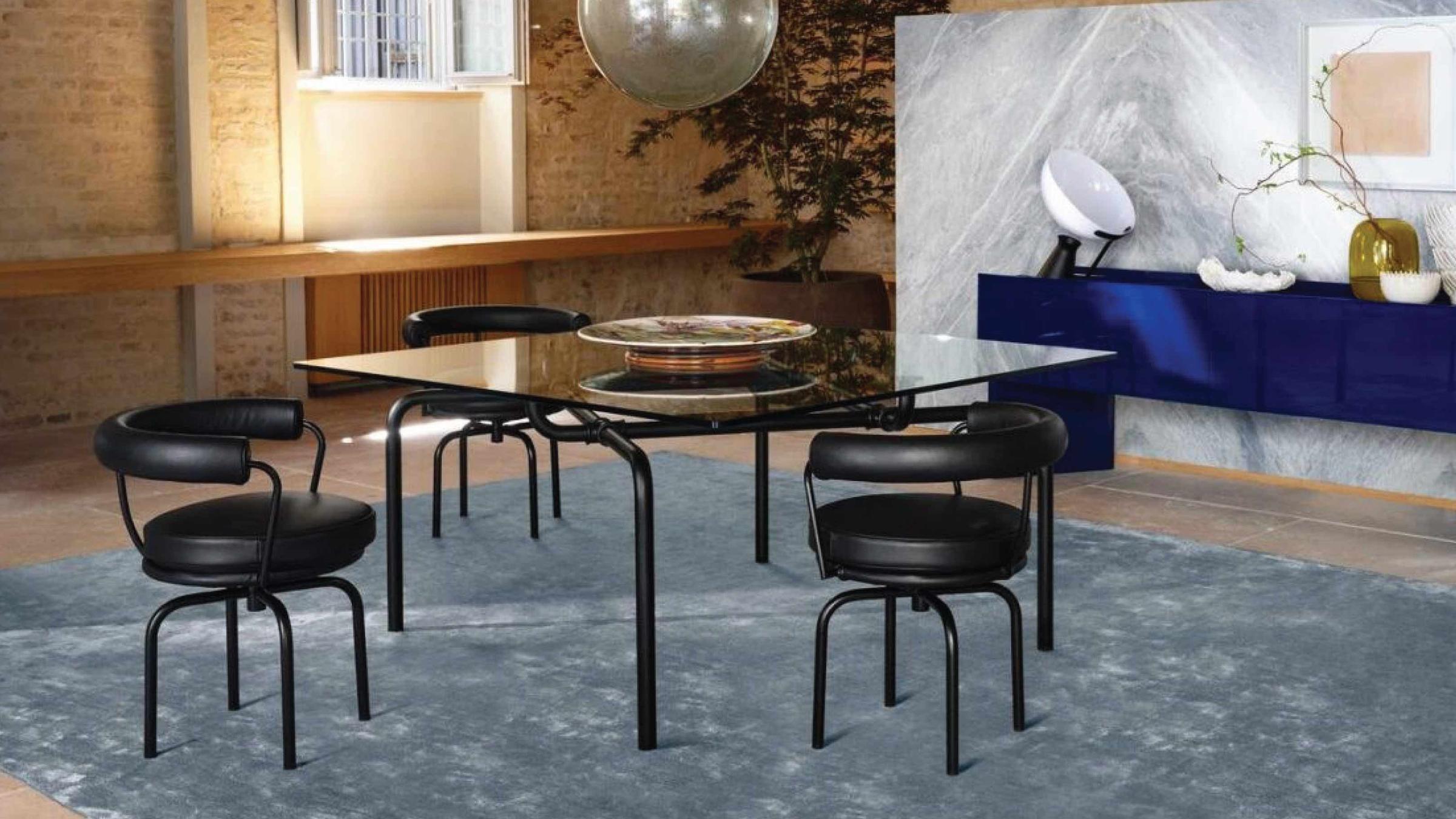
Yes - its glass construction and refined proportions make it well suited to dining contexts, and its architectural base gives it a presence that holds its own in both residential and contract interiors.
How does Vico Magistretti's work relate to Italian design history?
Magistretti was a central figure in the Milanese design movement from the 1950s onward, celebrated for bridging rational architecture and poetic craft - a sensibility clearly expressed in the Edison table's industrial-meets-domestic concept.