

Aliante
Made by Cappellini
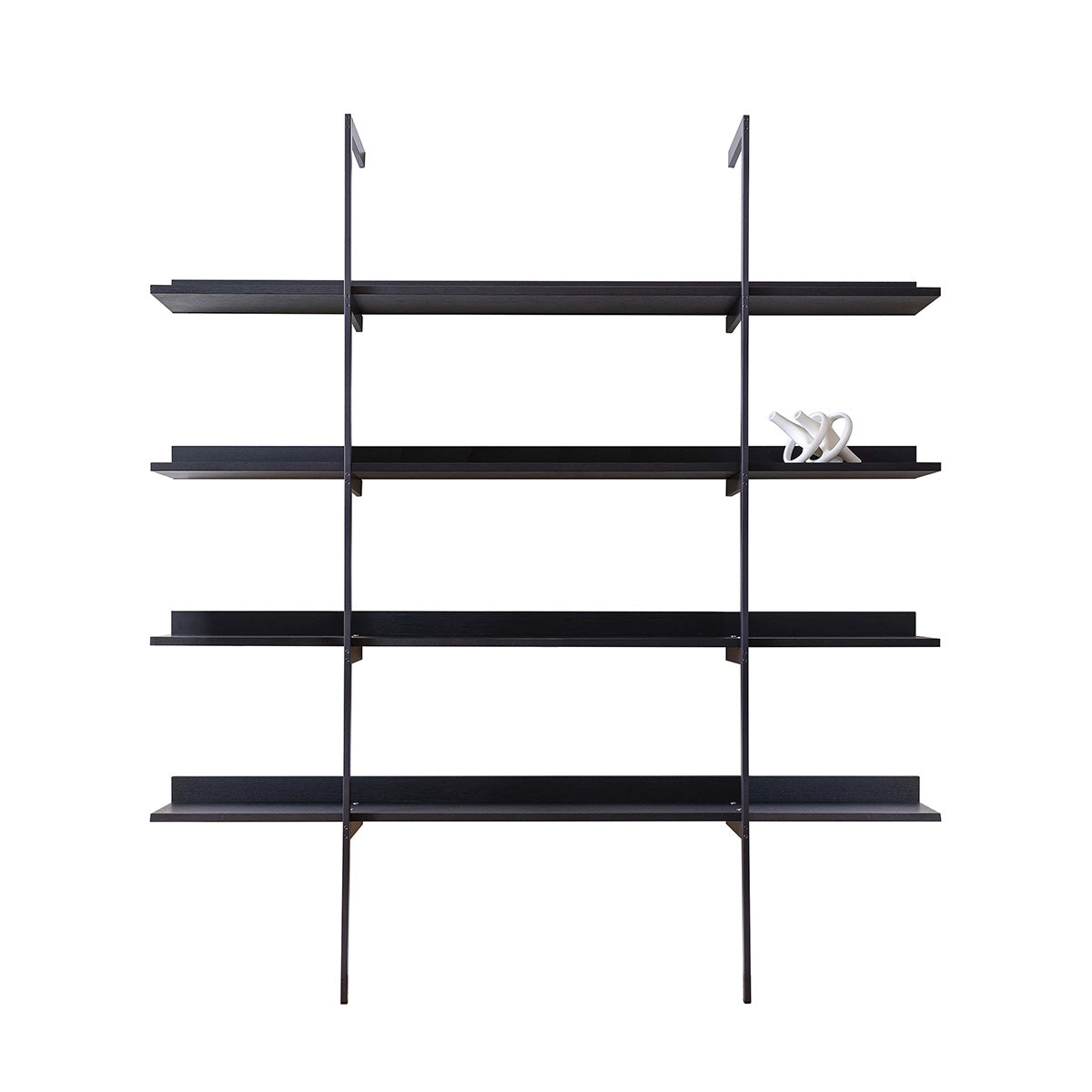
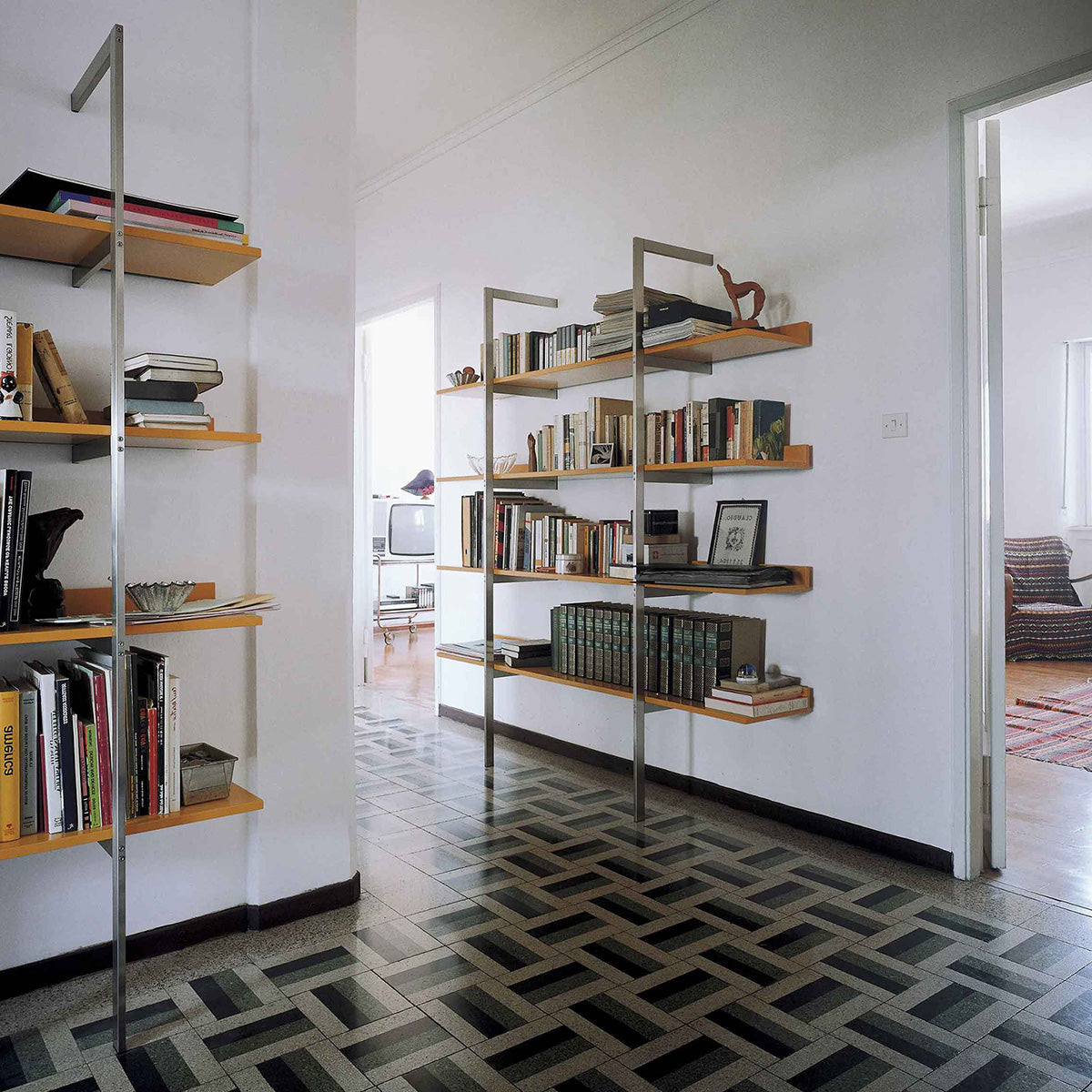
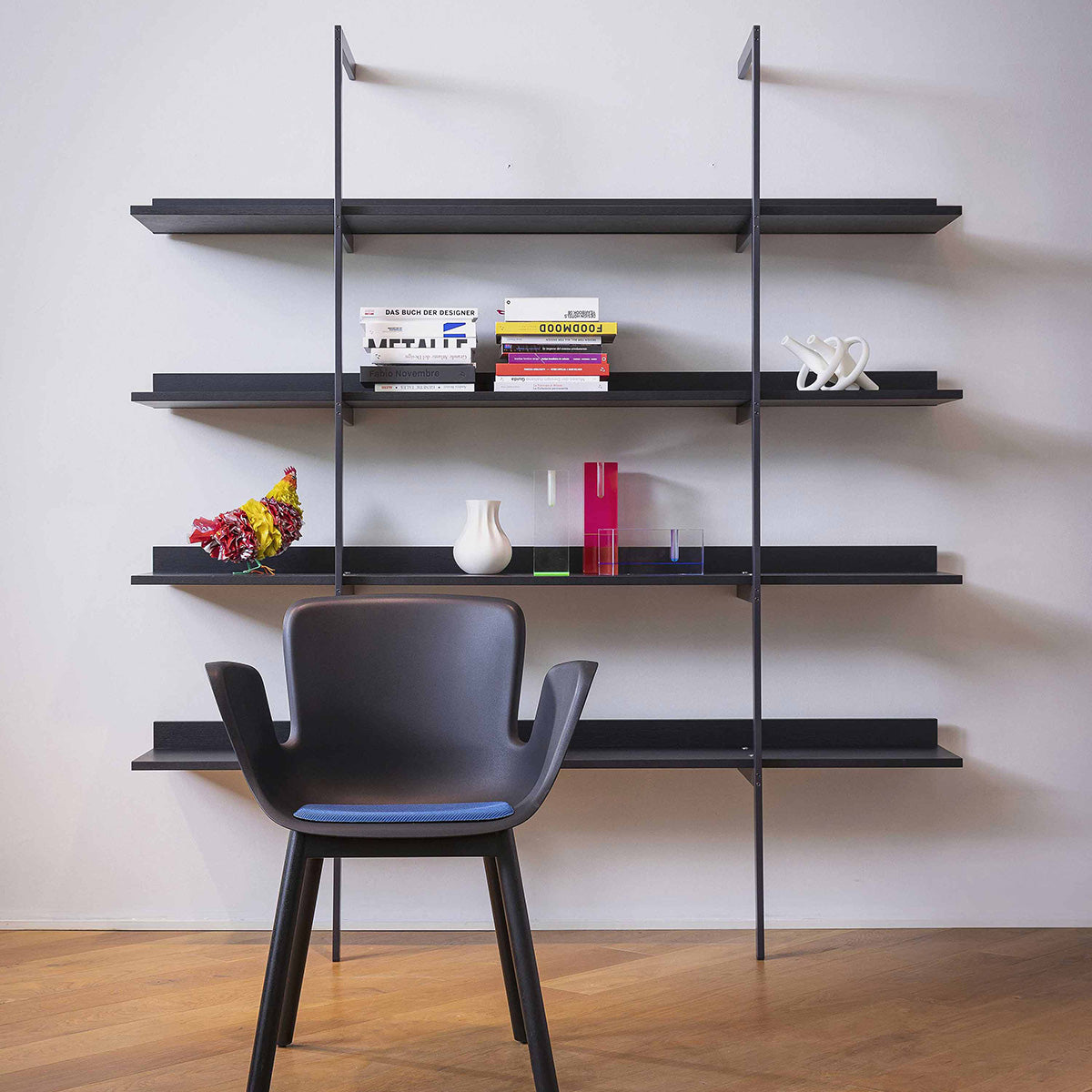
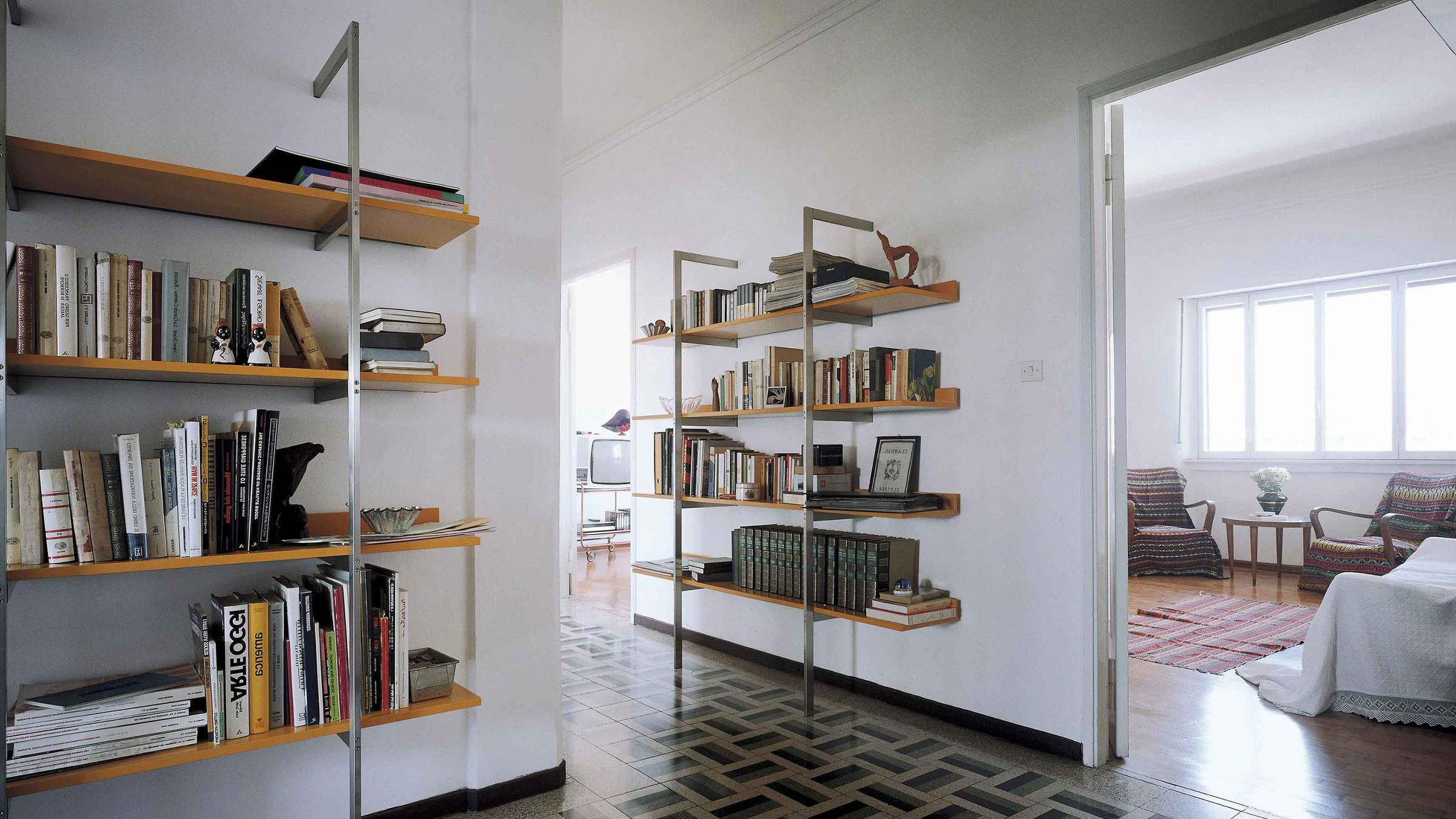
Aliante was conceived by Giulio Cappellini and Rodolfo Dordoni as a study in apparent weightlessness. A polished metal comb anchors to the wall and holds its shelves with quiet precision, so the composition reads as much as a drawing as a piece of furniture.
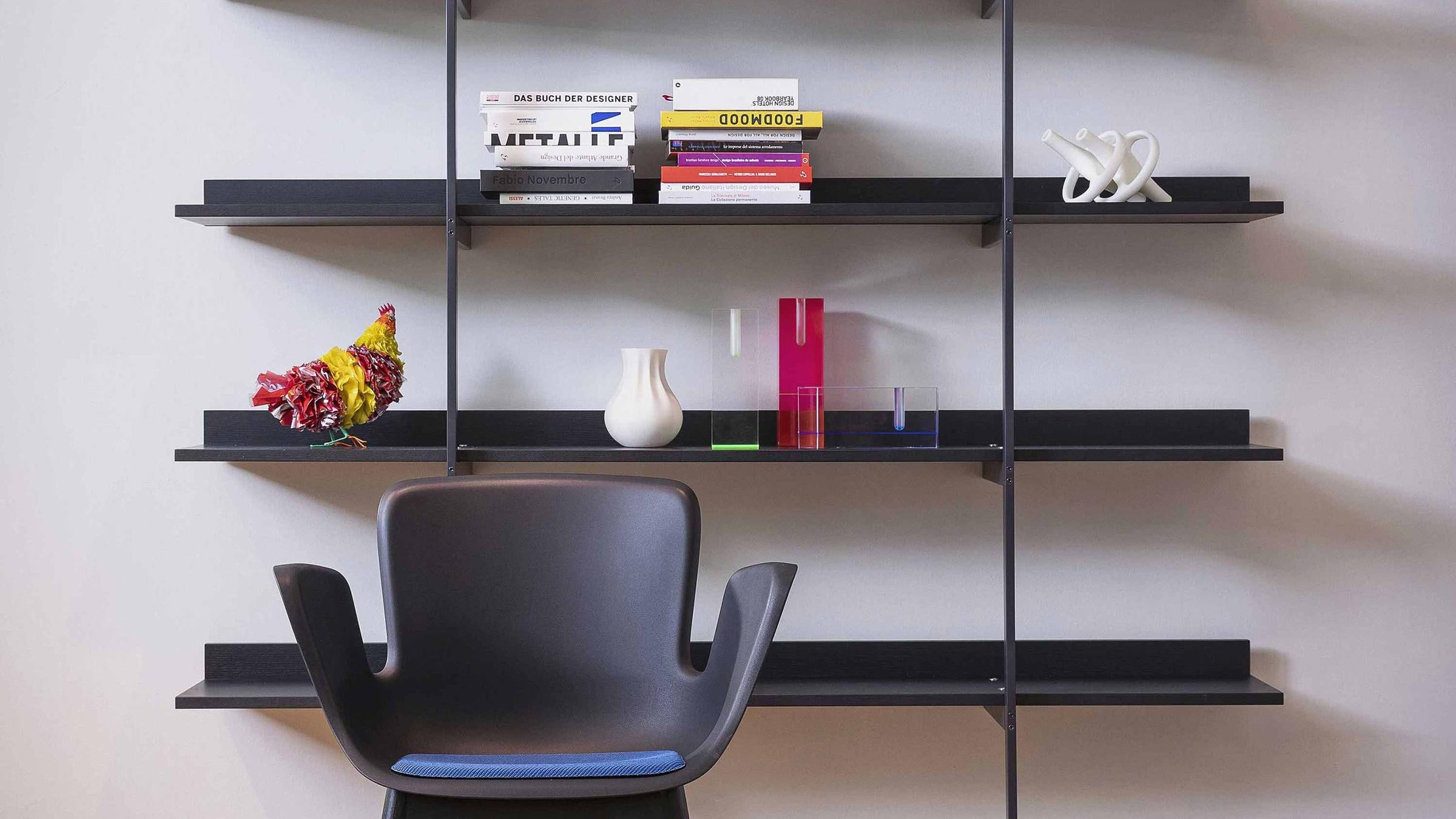
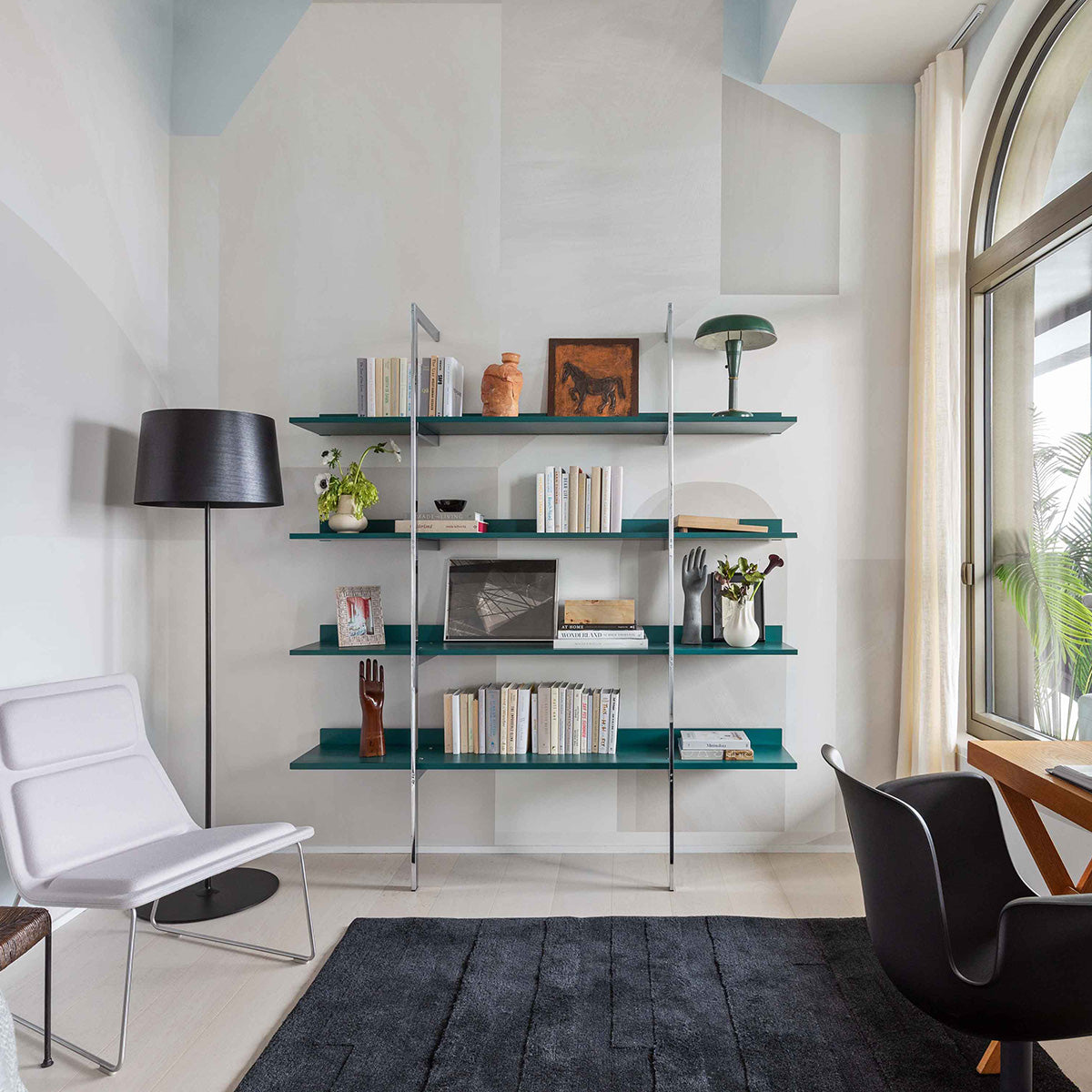
Shelves are available in matte or gloss lacquer, as well as natural and black-stained oak, allowing configurations that shift in character from space to space. The modularity is not incidental - it is the design's central proposition, inviting the owner to compose and recompose over time.
- Wall-mounted via expansion hook
- Polished metal comb support structure
- Shelves in matte or gloss lacquer
- Natural oak and black-stained oak options
- Multiple compositional configurations available
Made to order by Cappellini, tailored to you.
Get customization options, swatch samples and pricing for your project.
Pairs Well With
Product Details
Tear Sheet
Pricing & Warranty
Pricing for made-to-order items varies based on configuration, finishes, and customization options. Please contact one of our design consultants or visit a showroom near you for current pricing and personalized assistance.
Luminaire is an authorized retailer of Cappellini. The product comes with a full manufacturer warranty.
Authenticity guaranteed. Genuine product, authenticated and sourced directly from the manufacturer.
Frequently Asked Questions
How does the Aliante bookcase attach to the wall?
Aliante mounts via an expansion hook system integrated into the polished metal comb structure. The comb anchors securely to the wall, from which all shelf elements are suspended.
What finish options are available for Aliante shelves?
Shelves are offered in matte or gloss lacquer, as well as natural oak and black-stained oak, allowing for a wide range of compositional and tonal expressions within a single installation.
Can the Aliante configuration be changed after installation?
Yes. The modular logic of Aliante is central to its design, allowing shelves to be added, removed, or repositioned over time without altering the wall-mounted comb structure.
Who designed the Cappellini Aliante bookcase?
Aliante was designed by Giulio Cappellini and Rodolfo Dordoni, a pairing that brought together Cappellini's curatorial sensibility and Dordoni's refined formal vocabulary.
Is Aliante suitable for a professional or residential interior?
Its precise, graphic silhouette and flexible configuration make Aliante appropriate for both residential and professional contexts, particularly where wall space is treated as a compositional field.